What BLS Means and Who Needs It in Austin: Your Complete Guide

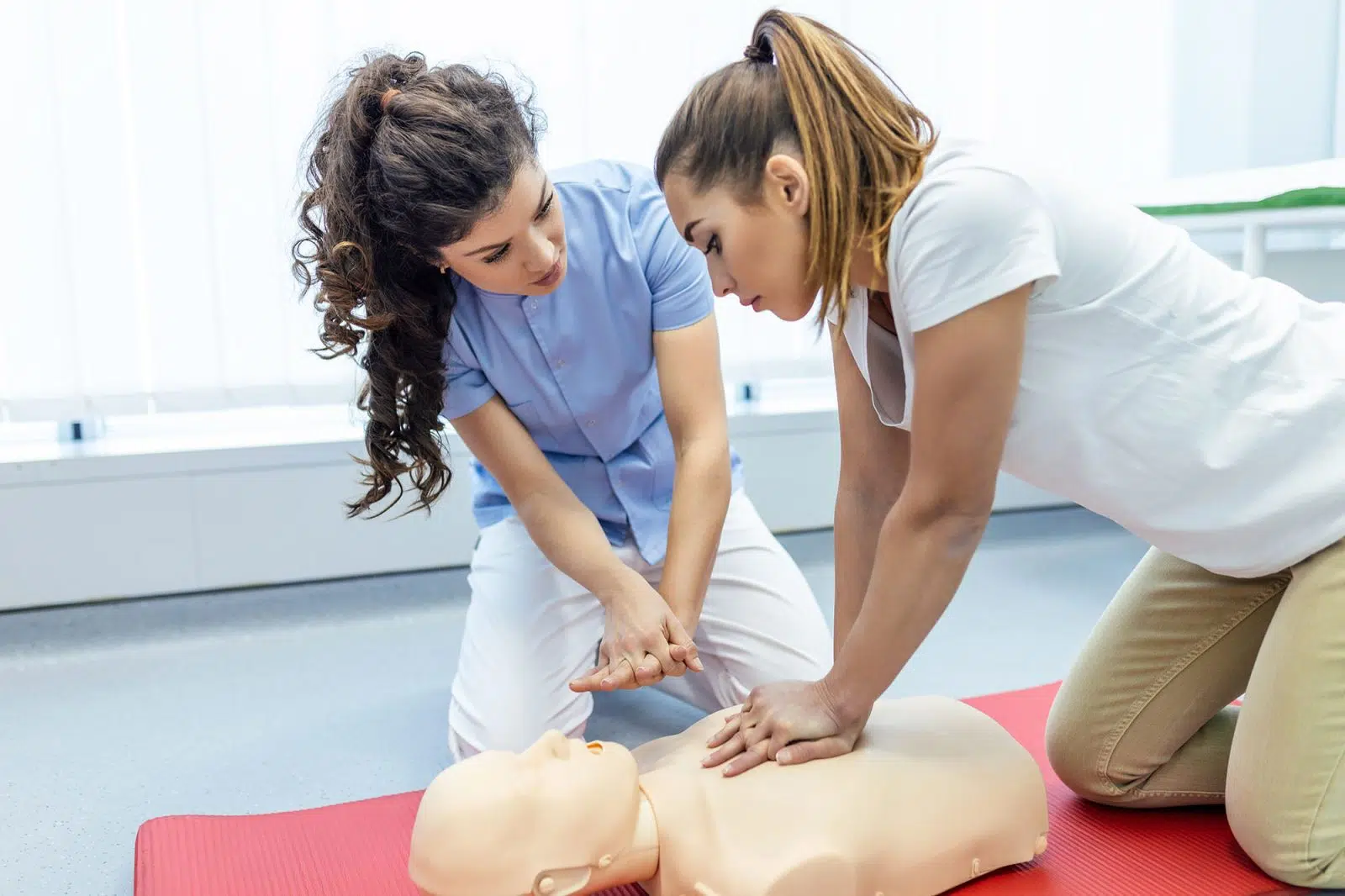
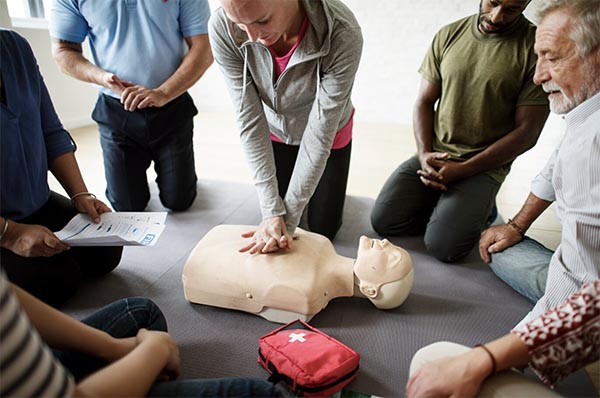
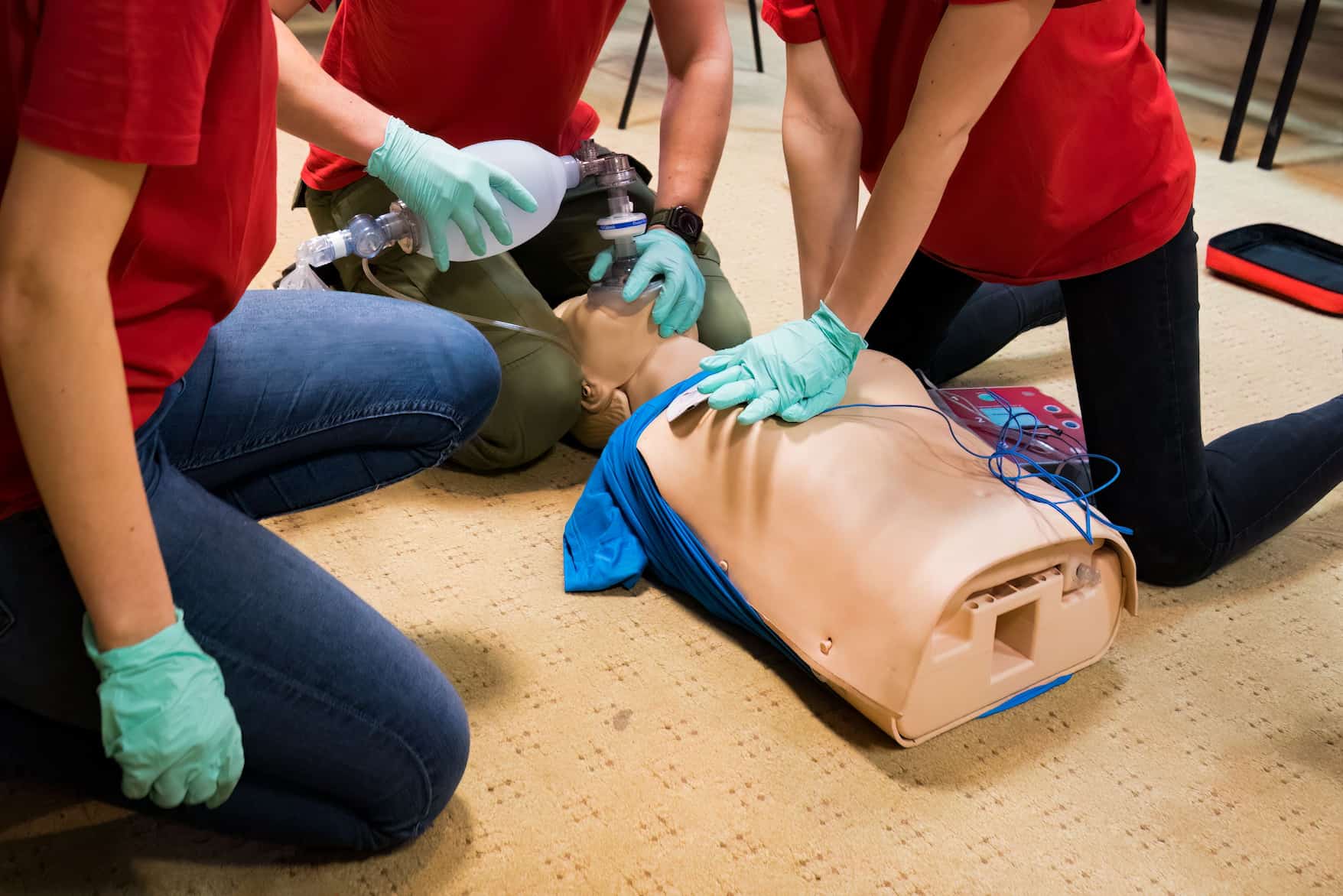
Students performing CPR and ventilation on a training manikin in class

If you are entering the healthcare field or starting a job at a major hospital in Central Texas, you have likely seen the acronym “BLS” on your new-hire checklist. BLS stands for Basic Life Support.

While many people use the terms “CPR” and “BLS” interchangeably, they aren’t exactly the same thing. Think of it this way: CPR is a single life-saving tool, but BLS is the entire professional toolkit. BLS is a specific level of medical care used by healthcare providers and public safety professionals to sustain life in an emergency until “Advanced” care can take over.

In an American Heart Association (AHA) BLS course, you don’t just learn how to pump a chest; you learn the science of high-quality compressions, how to coordinate a multi-person rescue, and how to use medical-grade equipment like a bag-valve mask (BVM). It is the foundational certification that proves you can keep a patient alive during those first critical minutes of cardiac arrest.

Who is required to have BLS certification in Austin?

Austin is a thriving hub for healthcare, home to massive networks like St. David’s HealthCare, Ascension Seton, and Austin Regional Clinic. These institutions, along with state licensing boards, mandate BLS certification for a wide variety of roles.

In Austin, you generally need BLS if you fall into one of these categories:

  • Nursing Professionals: Registered Nurses (RNs), Licensed Vocational Nurses (LVNs), and Certified Nursing Assistants (CNAs) are almost always required to maintain current BLS.
  • Dental Offices: Dentists, Dental Hygienists, and Dental Assistants in Texas must have BLS to comply with state board requirements.
  • First Responders: Firefighters, Police Officers, and EMTs use BLS skills daily as part of their emergency response duties.
  • Therapists and Technicians: Physical Therapists, Occupational Therapists, MRI Technicians, and Respiratory Therapists need BLS to work in clinical or home-health settings.
  • Medical Students: If you are enrolled in a nursing or medical program at UT Austin or Austin Community College, you’ll need your BLS card before you can start clinical rotations.

Why is BLS different from a standard CPR class?

You might wonder why a standard “Heartsaver” or community CPR class isn’t enough for your job. The difference lies in the “Professional” focus of the BLS curriculum.

  1. Pulse Checks: In a standard CPR class, you look for “signs of life.” In BLS, you are trained to perform a professional pulse check.
  2. Team Resuscitation: Most medical emergencies in a hospital involve more than one person. BLS teaches you how to switch roles seamlessly so the patient never loses blood flow.
  3. Advanced Equipment: BLS covers the use of bag-mask devices, which are more effective than mouth-to-mouth but require specialized training to use correctly.
  4. Compression-to-Breath Ratios: While the general public usually learns 30:2, BLS providers learn specific ratios for two-rescuer infant and child rescues (15:2) to ensure the best possible outcomes.

What skills are taught in an Austin BLS course?

When you walk into a classroom at CPR Classes Near Me in Austin, you are there to gain muscle memory, not just watch a video. Our AHA-certified instructors guide you through several core competencies:

  • High-Quality Adult CPR: Learning the exact depth (2 to 2.4 inches) and rate (100–120 bpm) needed to keep a heart pumping.
  • Pediatric Life Support: Adjusting your technique for infants and children, who have different physiological needs during an arrest.
  • AED Operation: Learning how to use an Automated External Defibrillator quickly and safely, which is the only way to “restart” a heart.
  • Choking Relief: Mastering the Heimlich maneuver for adults and the back-slap/chest-thrust method for infants.
  • Bag-Mask Ventilation: Practicing how to provide high-concentration oxygen using a mask and reservoir bag.

Is an online BLS certification valid for Austin employers?

This is a common trap for many professionals. You might see “100% Online BLS” for $20, but be careful. Almost all major Austin employers—including Baylor Scott & White and the major local hospitals—do not accept certifications that are entirely online.

The reason is simple: you cannot prove you can save a life until you have physically demonstrated your skills on a manikin. The American Heart Association requires a hands-on skills session to issue an official eCard. At CPR Classes Near Me, we provide the full, in-person experience so your card is guaranteed to be accepted by your employer.

How long does the BLS certification last?

Once you complete your training and pass your skills test, your BLS certification is valid for two years.

However, don’t wait until the day your card expires to renew. In the healthcare world, an expired card can mean you are immediately pulled from the schedule. We recommend Austin professionals book their renewal class at least 30 days before their current card expires to ensure there is no gap in their credentials.

Where can I find BLS classes in the Austin area?

Finding a class that fits your schedule shouldn’t be a struggle. CPR Classes Near Me offers convenient locations throughout the Austin metro area, including:

  • Austin Proper: Centralized classes for those living near downtown or the UT area.
  • Austin North: Convenient for residents of Pflugerville, Round Rock, and Wells Branch.
  • Surrounding Cities: We also serve Bastrop, Buda, Georgetown, Hutto, Kyle, Lakeway, Leander, and Cedar Park.

Whether you are an individual needing a card for a new job or a clinic manager needing to certify a whole team, we have options that fit. We even offer on-site training where our instructors come to your Austin business or office!

What should I expect on the day of my BLS class?

We know your time is valuable. Our BLS classes in Austin are designed to be efficient and high-yield.

  1. Duration: The class typically takes about 3.7 hours.
  2. Environment: We provide a business-casual, conversational atmosphere where you feel comfortable asking questions.
  3. Materials: You’ll use high-feedback manikins that tell you exactly if your compressions are deep enough.
  4. Same-Day Card: You don’t have to wait for the mail. We issue your American Heart Association BLS eCard the very same day you finish the class.

Why choose CPR Classes Near Me Austin?

There are plenty of training sites in Texas, but we pride ourselves on being the #1 choice for Austin’s healthcare community.

  • AHA Aligned: We strictly follow the latest American Heart Association guidelines.
  • Affordable Pricing: Our BLS classes start at $64.95, which is a $20 discount off the standard rate.
  • Proven Success: We have certified thousands of students across the country and maintain a reputation for excellence in the Austin region.
  • Guaranteed Acceptance: Our cards are OSHA-compliant and recognized by hospitals, schools, and government agencies nationwide.

Conclusion

Understanding what BLS means and who needs it is the first step toward professional readiness in Austin’s competitive healthcare market. Whether you are a nurse at St. David’s, a dental hygienist in Round Rock, or a student just starting out, having a valid AHA BLS certification is your ticket to employment and your commitment to patient safety.

Don’t leave your certification to chance with an unaccredited online course. Get the hands-on training you need to act with confidence when every second counts.

Ready to get certified? 

Contact CPR Classes Near Me today to book your seat or schedule a group training session for your Austin office! Call us at (512) 831-4243 or visit our website to secure your spot.

Frequently Asked Questions (FAQ)

What is the difference between BLS and CPR? 

CPR (Cardiopulmonary Resuscitation) is a foundational skill for the general public, focusing on chest compressions and breaths. BLS (Basic Life Support) is the professional version required for healthcare providers. It includes all CPR skills plus advanced techniques like two-rescuer coordination, bag-mask ventilation, and professional-grade pulse checks.

How much does a BLS class cost in Austin? 

At CPR Classes Near Me, our Austin BLS classes are currently discounted to $64.95. If you also need First Aid certification, we offer a combined BLS and First Aid class for $84.95.

Can I get my BLS card the same day? 

Yes. We issue your official American Heart Association BLS eCard electronically on the same day you successfully complete the course and skills testing.

How long is the BLS certification valid for? 

An AHA BLS certification is valid for two years from the date of issue. After two years, you must take a renewal course to maintain your credentials.

Is there an age requirement for BLS in Austin? 

The American Heart Association does not have a specific minimum age. As long as a student can physically perform the required skills (such as deep chest compressions) and pass the written exam, they can earn their certification.

Do I need a separate CPR card if I have a BLS card? 

No. BLS is a higher-level certification that encompasses all the skills taught in a standard CPR class. If your employer asks for “CPR certification,” a BLS card will almost always satisfy and exceed that requirement.

BLS vs CPR vs First Aid: Which Certification Do You Need in Austin?

Whether you’re a nursing student at UT Austin, a new coach for a West Lake youth soccer team, or a tech professional in the Silicon Hills wanting to be prepared, you’ve likely realized that “CPR” isn’t just one single class.

When you start looking for training, you’ll see terms like BLS, CPR/AED, and First Aid thrown around. Choosing the wrong one can mean wasted time and a certification your employer won’t accept.

In Austin, where healthcare and education sectors are booming, knowing the difference is vital. This guide will help you navigate the requirements so you can book the right class at CPR Classes Near Me Austin and get certified with confidence.

What is the difference between BLS and CPR?

Many people use the terms BLS and CPR interchangeably, but in the world of professional certification, they are quite different.

CPR (Cardiopulmonary Resuscitation) is the foundational skill. It is designed for the “layperson”—someone who is not a healthcare professional. A standard CPR class focuses on:

  • Recognizing cardiac arrest.
  • Performing high-quality chest compressions.
  • Giving rescue breaths.
  • Using an Automated External Defibrillator (AED).

BLS (Basic Life Support), on the other hand, is the healthcare-level version of CPR. It includes everything in a standard CPR class but adds advanced techniques required in a clinical or team-based setting.

If you are a nurse, a dental assistant, or an EMT, you almost certainly need BLS. If you are a parent or a fitness instructor, standard CPR is usually the right fit.

Is BLS more advanced than a standard CPR course?

Yes, BLS is considered the “professional grade” version of life-saving training. While the chest compressions are essentially the same, the context of the training changes significantly.

In a BLS course at our Austin location, you will learn:

  1. Multi-Rescuer Coordination: How to work as part of a high-performance team during a resuscitation attempt.
  2. Bag-Mask Ventilation: Using professional medical equipment to provide breaths rather than just mouth-to-mouth.
  3. Pulse Checks: Learning to accurately identify a pulse in adults, children, and infants.
  4. Advanced Airway Management: How to provide care when advanced breathing tubes or equipment are in use.

BLS moves faster and assumes the student may be working in a hospital, clinic, or emergency vehicle where more resources are available.

What does a First Aid certification cover that CPR doesn’t?

It is a common misconception that a CPR card covers all medical emergencies. In reality, CPR is specifically for when someone’s heart has stopped or they are not breathing.

First Aid is the “everything else” certification. It focuses on stabilizing a victim until professional help arrives. At CPR Classes Near Me Austin, our First Aid training covers:

  • Injury Management: Bandaging, splinting, and treating burns or broken bones.
  • Medical Emergencies: Recognizing and responding to strokes, heart attacks, and seizures.
  • Environmental Issues: Treating heatstroke (a big concern in Austin summers!) and hypothermia.
  • Allergic Reactions: Proper use of an epinephrine pen (EpiPen).

If your job involves physical labor or supervising children, you will likely need a certification that combines both CPR and First Aid.

Who is required to get BLS certification in Austin?

Austin is home to a massive medical community, from St. David’s and Ascension Seton to the Dell Medical School. If you work in these environments, BLS is the non-negotiable standard.

Common professions in Austin requiring BLS include:

  • Registered Nurses (RNs) and LVNs.
  • Certified Nursing Assistants (CNAs).
  • Physicians and Medical Students.
  • Dentists and Dental Hygienists.
  • Physical and Occupational Therapists.
  • Paramedics and Firefighters.
  • Pharmacists.

Most of these employers specifically require the American Heart Association (AHA) BLS Provider card, which is exactly what we provide at our Austin training sites.

Which professions in Austin need CPR and First Aid?

If you don’t work in a hospital but your job involves the safety of others, you likely need a combination of CPR, AED, and First Aid. This is often driven by OSHA requirements or state licensing boards.

In Austin, this typically applies to:

  1. Educators and School Staff: Teachers and coaches in AISD and surrounding districts.
  2. Childcare Providers: Daycare workers, nannies, and camp counselors.
  3. Fitness Professionals: Personal trainers and CrossFit coaches.
  4. Construction and Skilled Trades: Electricians and site supervisors often need First Aid for OSHA compliance.
  5. Hospitality and Security: Flight attendants and security guards at Austin-Bergstrom International Airport or major downtown venues.

Can I get my certification card the same day in Austin?

One of the biggest frustrations with some national providers is waiting weeks for a physical card to arrive in the mail. At CPR Classes Near Me Austin, we’ve solved that.

We issue your official American Heart Association (AHA) eCard on the same day you complete your class. This means:

  • You can show it to your employer immediately.
  • You don’t have to worry about losing a paper card.
  • The digital card is easy to verify online by any hiring manager.

Whether you are taking BLS or the CPR/First Aid combo, you walk out of our doors fully certified.

Why should I choose an American Heart Association (AHA) course?

While there are many “off-brand” online courses that claim to offer certification for $20, most Austin employers will not accept them.

The American Heart Association is the industry leader. Their guidelines are based on the latest science in resuscitation. When you hold an AHA card:

  • It is Nationally Recognized: You can take your certification to any state.
  • It is Employer Accepted: Almost all hospitals and school districts in Texas mandate AHA-aligned training.
  • It is OSHA-Compliant: It meets the federal standards for workplace safety.

Don’t risk having to pay for a second class because your first one wasn’t AHA-approved.

How long do these certifications last before they expire?

Both BLS and standard CPR/First Aid certifications are valid for two years from the date of your class.

The renewal process is straightforward:

  • BLS Renewal: You attend a standard BLS class to refresh your skills and get a new two-year card.
  • CPR/First Aid Renewal: A combined class ensures all your skills stay sharp and your credentials remain current.

We recommend booking your renewal at least 30 days before your current card expires to ensure you don’t have a gap in your employment eligibility.

What should I expect during my Austin CPR or BLS class?

We believe that learning life-saving skills shouldn’t be stressful or boring. Our instructors in Austin focus on hands-on practice.

  1. Video Instruction: You’ll watch AHA-authorized videos that demonstrate the correct techniques.
  2. Manikin Practice: You will spend plenty of time practicing chest compressions and rescue breaths on high-quality manikins.
  3. AED Training: You will practice using a trainer AED so you know exactly how the device “talks” to you during an emergency.
  4. Skills Testing: The instructor will observe your techniques to ensure you feel confident and capable.
  5. Final Quiz: A short written or verbal assessment to confirm you’ve understood the key concepts.

How do I know which class is right for me?

If you are still staring at the registration page wondering which button to click, ask yourself these three questions:

  • Does my job require me to work in a clinical setting? If yes, choose BLS.
  • Am I a teacher, parent, or coach? If yes, choose CPR/AED & First Aid.
  • Do I just want to be prepared for family emergencies? Choose CPR/AED.

If you are still unsure, you can always call our Austin office at (512) 831-4243, and we can help you match the class to your specific job description.

Conclusion

Navigating the world of emergency certifications doesn’t have to be complicated. Whether you need the advanced team-dynamics of BLS, the foundational life-saving power of CPR, or the broad medical knowledge of First Aid, getting certified is a vital step in protecting the Austin community.

At CPR Classes Near Me Austin, we provide the highest quality American Heart Association training with the convenience of same-day eCards and expert instructors. Don’t wait until an emergency happens to realize you aren’t prepared.

Ready to get certified? Contact CPR Classes Near Me Austin today to find a class that fits your schedule and career needs!

Frequently Asked Questions (FAQ)

Q: Can I take my CPR or BLS certification entirely online?

A: No. While some “blended” options allow for online book-work, the American Heart Association requires an in-person skills check with a certified instructor. Most Austin employers will not accept 100% online certifications because they lack hands-on verification.

Q: Is there an age requirement for CPR classes in Austin?

A: There is no formal minimum age. As long as a student can physically perform the compressions and pass the skills test, they can be certified. We have successfully trained many teenagers and young adults.

Q: How much do the classes cost?

A: In Austin, our BLS classes are currently discounted to $64.95. The combined CPR, AED, and First Aid class is offered at $84.95. These prices include your same-day AHA eCard.

Q: Does BLS include First Aid?

A: No. BLS is focused strictly on cardiac arrest and respiratory emergencies. If your employer requires both BLS and First Aid, you will need to take a combined course or add a First Aid module to your training.

Q: Where are the classes located?

A: We have training sites serving Austin, North Austin, Pflugerville, Round Rock, and the surrounding areas. We also offer on-site group training for businesses and organizations throughout Central Texas.

What You Learn in a CPR Certification Course in Austin

CPR training session with students practicing chest compressions on a first aid mannequin

Are you ready to become a lifesaver? Whether you are a healthcare professional needing to meet job requirements or a concerned parent wanting to protect your family, enrolling in a CPR course is one of the most impactful decisions you can make. In Austin, Texas, the standard for excellence in this training is the American Heart Association (AHA) Basic Life Support (BLS) curriculum.

At CPR Classes Near Me, we provide hands-on, engaging training that prepares you for real-world emergencies. But what exactly happens behind the classroom doors? This guide breaks down every skill and concept you will master during your certification journey.

What is the Primary Goal of CPR Training?

The core objective of any CPR course is to teach you how to maintain life when a person’s heart stops beating or they stop breathing. You will learn how to act as a vital bridge between the moment an emergency occurs and the arrival of advanced medical professionals.

By the end of the course, you will understand:

  • How to recognize the signs of sudden cardiac arrest.
  • The importance of high-quality chest compressions.
  • How to use an AED to restart a heart.
  • The legal protections afforded to those who provide aid (Good Samaritan laws).

How Do You Perform High-Quality Chest Compressions?

Not all chest compressions are created equal. To save a life, compressions must be “high-quality.” In an Austin CPR class, you will practice on high-fidelity manikins to master the physical mechanics of resuscitation.

Key attributes of high-quality compressions include:

  1. Correct Depth: For adults, you must compress the chest at least 2 inches.
  2. Proper Rate: You will learn to maintain a rhythm of 100 to 120 compressions per minute (think of the beat to “Stayin’ Alive”).
  3. Chest Recoil: You must allow the chest to fully expand between compressions to let blood flow back into the heart.
  4. Minimizing Interruptions: Every second you aren’t compressing, blood flow stops. You will learn to switch rescuers in under 10 seconds.

How is an Automated External Defibrillator (AED) Used?

Many people are intimidated by medical devices, but an AED is designed for anyone to use. In your Austin certification course, you will get hands-on experience with a trainer AED.

You will learn the step-by-step process:

  • Powering on the device immediately.
  • Applying the pads correctly to a bare chest.
  • Ensuring no one is touching the victim while the device analyzes the heart rhythm.
  • Delivering a shock safely when prompted by the machine.

What are the Differences Between Adult, Child, and Infant CPR?

A “one size fits all” approach doesn’t work in emergency medicine. A baby’s body requires a much different touch than an adult’s. Our Austin classes cover the specific nuances for all age groups.

  • Adults: Use two hands for compressions; compress at least 2 inches deep.
  • Children: Use one or two hands depending on the child’s size; compress about 2 inches deep.
  • Infants: Use two fingers (or the two-thumb technique) in the center of the chest; compress about 1.5 inches deep.

How Do You Save a Choking Victim?

Choking is a leading cause of accidental death, particularly in children and the elderly. Your certification course includes comprehensive training on airway obstructions.

Techniques you will master include:

  • The Abdominal Thrust (Heimlich Maneuver): For responsive adults and children.
  • Back Slaps and Chest Thrusts: The specific protocol for choking infants.
  • Unresponsive Protocol: What to do if the choking victim loses consciousness (transitioning into CPR).

What Ventilation Techniques Will You Master?

While compressions move the blood, ventilation provides the oxygen. You will learn how to use barrier devices to protect yourself while providing rescue breaths.

Skills include:

  • Pocket Masks: How to create a proper seal over the nose and mouth.
  • Bag-Mask Devices (BVM): Often used in healthcare settings, you will learn how two rescuers work together to provide ventilation.
  • The Head-Tilt/Chin-Lift: The anatomical maneuver required to open a victim’s airway.

Why is Team Dynamics Important in a Rescue?

In many emergencies, more than one person is available to help. Learning how to work as a team can significantly improve a victim’s chance of survival.

In the Austin BLS course, you will practice:

  • Assigning clear roles (compressor, AED operator, ventilator).
  • Communicating clearly to avoid confusion.
  • Coordinating smooth transitions to prevent rescuer fatigue.

Who Should Take This CPR Course in Austin?

Our classes are designed to be accessible to everyone. Because we use the AHA curriculum, our certifications are the “Gold Standard” and are accepted by virtually all employers.

Common attendees include:

  • Healthcare Providers: Nurses (RN/LPN), Doctors, Dentists, and Pharmacists.
  • Emergency Personnel: Firefighters, Police, and EMTs.
  • Education & Childcare: Teachers, Coaches, Daycare workers, and Nannies.
  • General Public: Parents, Personal Trainers, Construction Workers, and Flight Attendants.

Why Choose CPR Classes Near Me in Austin?

When searching for “CPR classes near me,” you want a provider that values your time and provides high-quality instruction. We offer several advantages:

  • Same-Day Certification: We issue your AHA BLS eCard the very same day you finish the class.
  • Expert Instructors: Our team is comprised of AHA-certified professionals who make the class engaging and stress-free.
  • Convenient Locations: Serving Austin, Round Rock, Pflugerville, Cedar Park, and the surrounding regions.
  • No Online-Only Risks: Most employers do not accept 100% online certifications. Our in-person training ensures you are actually prepared to save a life.

Conclusion

Learning CPR is more than just checking a box for a job requirement; it is about gaining the confidence to act when every second counts. From mastering the rhythm of chest compressions to the precision of an AED, the skills you learn in our Austin course stay with you for life.

Ready to get certified? Contact CPR Classes Near Me today to find a class time that fits your schedule. Our instructors are ready to help you gain the skills needed to save lives in our community!

Frequently Asked Questions (FAQ)

How long does the CPR certification last?

AHA CPR certifications are valid for two years from the date of issue. After two years, you must take a renewal course to maintain your credentials.

Is this class the same as a BLS renewal?

Yes. In Austin, the in-person BLS course and the renewal class are the same. This ensures that even experienced providers are up-to-date on the latest life-saving guidelines.

How long does the class take?

The full AHA BLS course typically takes about 3.5 to 4 hours to complete, including the video instruction, hands-on practice, and the skills assessment.

Can I get my card the same day?

Yes! At CPR Classes Near Me Austin, we issue your official American Heart Association eCard via email the same day you successfully complete the course.

Is there an age requirement for CPR?

There is no formal minimum age. As long as the individual can physically perform the compressions and pass the written and skills tests, they can become certified.

Do I need a separate First Aid class?

It depends on your job requirements. We offer a “CPR & First Aid” combo class for those who need both certifications, such as teachers or construction workers.

Get Your Austin CPR Certification in Just One Day: The Ultimate Guide

Students performing CPR and ventilation on a training manikin in class

Are you a healthcare professional needing a quick renewal? Or perhaps a new parent or teacher looking to gain life-saving skills for the first time? In the fast-paced environment of Austin, Texas, you don’t have weeks to spend in a classroom. The good news is that you don’t have to.

Getting CPR certified in Austin is now a streamlined, efficient process that fits into a single morning or afternoon. By choosing an American Heart Association (AHA) authorized training site, you can walk in with a desire to learn and walk out with a nationally recognized certification card in hand.

Is it really possible to get CPR certified in one day?

Yes, it is entirely possible to complete your full CPR certification in a single session. While some online programs claim to offer “instant” certificates, these are rarely accepted by employers because they lack the hands-on skills assessment required by OSHA and the American Heart Association.

At CPR Classes Near Me Austin, our courses are designed to be comprehensive yet efficient. A standard Basic Life Support (BLS) session typically lasts about 3.7 hours. During this time, you cover all required video modules, participate in hands-on practice, and complete your skills testing. Because our instructors are authorized to issue digital eCards, you will receive your official certification via email before you even leave the building.

What should you expect during your Austin CPR class?

When you sign up for a one-day class, you can expect a high-energy, focused environment. The goal is to move you from theory to practice as quickly as possible. You won’t just be sitting and watching videos; you will be actively engaged with the equipment.

The curriculum is standardized by the American Heart Association to ensure you receive the highest quality of training. During your Austin class, you will focus on:

  • High-Quality Chest Compressions: Learning the correct depth and rate for adults, children, and infants.
  • Rescue Breathing: Using pocket masks and bag-mask devices to provide oxygen.
  • AED Operation: Understanding how to safely and effectively use an Automated External Defibrillator.
  • Choking Relief: Master the techniques for clearing an airway for all age groups.
  • Team Dynamics: Learning how to work with other rescuers during a high-stress cardiac event.

Who needs a BLS certification in Austin?

While anyone can—and should—learn CPR, the Basic Life Support (BLS) certification is specifically designed for those who work in environments where they may be called upon to use these skills professionally. In Austin’s booming medical and education sectors, this certification is often a non-negotiable job requirement.

Common professionals who seek one-day certification include:

  1. Healthcare Providers: Nurses (RNs/LVNs), Doctors, Dentists, and Pharmacists.
  2. Emergency Responders: Firefighters, Police Officers, and EMTs.
  3. Medical Staff: CNAs, Medical Assistants, and Physical Therapists.
  4. Educators: K-12 Teachers, Coaches, and Daycare Providers.
  5. Fitness Professionals: Personal Trainers and Lifeguards.
  6. Industrial Workers: Construction Foremen and Electricians who must meet OSHA standards.

Why is in-person training better than online-only courses?

In a world of digital convenience, it’s tempting to take a 20-minute online quiz and call it “certification.” However, in the world of life-saving, there is no substitute for physical practice. This is why the vast majority of Austin employers do not accept online-only CPR cards.

In-person training offers several critical advantages:

  • Muscle Memory: You cannot learn the physical resistance of a chest compression through a computer screen. Pushing on a manikin builds the muscle memory needed to perform when it counts.
  • Immediate Feedback: Our AHA-certified instructors watch your technique in real-time. They can correct your hand placement or compression depth instantly, ensuring you are doing it right.
  • Equipment Familiarity: You get to handle real AED trainers and bag-mask devices, making you much more comfortable using them in a real emergency.
  • Peer Interaction: You practice team-based resuscitation, which is how most rescues actually occur in a clinical or professional setting.

How do you find the best CPR class in Austin?

Not all CPR classes are created equal. When searching for a provider in the Austin area, you want to ensure you are getting the best value and the most recognized credential. Here are the things you should look for:

  • AHA Alignment: Ensure the provider is an American Heart Association authorized training site. This guarantees your card will be accepted nationwide.
  • Same-Day Certification: Many providers mail physical cards weeks later. Look for a site that issues digital eCards the same day.
  • Transparent Pricing: You should know exactly what you are paying upfront. In Austin, a standard BLS class should range from $59.00 to $79.00, depending on if First Aid is included.
  • Flexible Scheduling: Life in Austin is busy. Look for a provider that offers morning, afternoon, and weekend slots to fit your schedule.
  • Local Reputation: Check for a provider that has a proven track record of certifying thousands of students and has a physical presence in the community.

What is the difference between CPR and BLS?

This is one of the most common questions we hear. While the terms are often used interchangeably, there is a technical difference that matters for your certification needs.

  • CPR (Cardiopulmonary Resuscitation): This is the general term for the life-saving procedure. “Heartsaver” courses are typically intended for non-medical professionals like parents or office workers.
  • BLS (Basic Life Support): This is a specific level of CPR training designed for healthcare providers. It includes everything in a standard CPR course but adds advanced techniques like bag-mask ventilation, pulse checks, and two-rescuer team dynamics. If your employer asks for “CPR Certification,” and you work in healthcare, they almost always mean BLS.

How long does your Austin CPR certification stay valid?

Once you complete your one-day class and receive your AHA eCard, your certification is valid for two years.

We recommend putting a reminder in your calendar for 22 months from your class date. Because the science of resuscitation is constantly evolving, the AHA updates its guidelines every few years. Renewing your certification ensures that you are always using the most effective, up-to-date techniques. The renewal process is the same as the initial certification—you simply attend another one-day session to refresh your skills and receive a new card.

Conclusion

Getting CPR certified in Austin doesn’t have to be a multi-day ordeal. With a focused, 4-hour session, you can gain the skills and the credentials needed to save a life and satisfy your employer’s requirements. By choosing a local, AHA-authorized training site like CPR Classes Near Me Austin, you are investing in high-quality instruction that is both fast and effective.

Don’t wait until an emergency happens to wish you had the training. Whether you are in Pflugerville, Round Rock, or downtown Austin, life-saving skills are just one class away.

Ready to get certified? Contact CPR Classes Near Me Austin today to find a class and get your same-day certification!

Frequently Asked Questions (FAQ)

How long does the Austin CPR class take?

The American Heart Association BLS class typically takes about 3.7 hours to complete. This includes all video instruction, hands-on practice, and the final skills assessment.

Will I get my card the same day?

Yes. When you train with us in Austin, your official AHA BLS eCard is issued digitally the same day you complete your class. You can download, print, or email it to your employer immediately.

Are there age requirements for CPR certification?

There is no specific minimum age for CPR certification. As long as the individual can perform the physical requirements of the course (such as deep chest compressions on a manikin) and pass the written portion, they can become certified.

Does this certification cover infants and children?

Yes. All of our AHA BLS and CPR/First Aid courses include specific modules for adult, child, and infant resuscitation techniques, as the methods vary significantly by age.

What should I wear to my CPR class?

Since the class involves significant hands-on practice and kneeling on the floor to work with manikins, we recommend wearing comfortable, casual clothing and closed-toe shoes.

Best CPR Certification Options in Austin for First-Time Students

Finding the right emergency training can feel overwhelming when you are starting from scratch. Whether you are a nursing student, a new parent, or a professional looking to meet workplace requirements, choosing a certification that is both respected and easy to understand is vital. In Austin, the options are plentiful, but not all certifications are created equal.

If you are a first-time student, you want a course that balances comprehensive medical knowledge with an approachable, hands-on learning environment. This guide explores the best pathways to becoming CPR certified in the Live Music Capital of the World, specifically focusing on the high-quality programs offered by CPR Classes Near Me.

Why is AHA BLS the best choice for beginners?

For those entering the world of life-saving skills, the American Heart Association (AHA) Basic Life Support (BLS) course is widely considered the gold standard. While other organizations offer CPR training, the AHA curriculum is the most frequently required by employers in the healthcare, education, and construction industries.

As a first-time student, opting for BLS ensures that you won’t have to retake a different class later because your employer didn’t recognize a “cheaper” online-only certificate. The BLS course focuses on high-quality chest compressions, proper use of an Automated External Defibrillator (AED), and effective team dynamics. It provides a solid foundation that builds confidence, ensuring you know exactly what to do when every second counts.

What should you expect in your first CPR class?

The thought of a medical certification class can be intimidating, but the reality is designed to be supportive and engaging. When you walk into a session at CPR Classes Near Me in Austin, you are entering a “no-judgment zone” where the goal is mastery, not perfection.

The class typically lasts about 3.5 to 4 hours and involves:

  • Video-Based Learning: You will watch official AHA modules that demonstrate the correct techniques.
  • Hands-On Practice: You will spend a significant portion of the class practicing on high-fidelity manikins.
  • Instructor Feedback: Certified instructors will watch your technique and provide real-time corrections on your compression depth and rate.
  • Skill Assessment: You will demonstrate your ability to perform CPR and use an AED to ensure you have met the course requirements.

Is it better to take CPR and First Aid together?

If you are already setting aside a morning or afternoon for training, many first-time students find it highly beneficial to combine their CPR/AED training with a First Aid certification.

While CPR focuses on cardiac arrest, First Aid covers a broader range of emergencies including:

  • Severe allergic reactions and Epi-Pen use
  • Controlling heavy bleeding and wound care
  • Managing bone, joint, and muscle injuries
  • Dealing with heat-related illnesses or poisoning

Enrolling in the combined CPR AED & First Aid class is not only more cost-effective but also provides a more complete safety toolkit. Many professions in Austin, such as childcare and fitness coaching, require both certifications, making the combined course a smart time-saver.

How quickly can you get your certification card?

One of the biggest pain points for first-time students is waiting weeks for a physical card to arrive in the mail. In today’s fast-paced job market, you often need proof of certification immediately to start a new position or clinical rotation.

CPR Classes Near Me solves this by providing same-day eCard delivery. Once you successfully pass your skills check and written exam, your American Heart Association eCard is issued digitally. This means you can download, print, or email your credentials to your employer before you even leave the parking lot.

Why is in-person training mandatory for first-timers?

You may see advertisements for “100% Online CPR” that claim to be faster and cheaper. However, for a first-time student, these are often a waste of resources. Most reputable employers in Austin—especially in the medical and education fields—will not accept a certification that does not include an in-person skills evaluation.

CPR is a physical skill. You cannot learn the “feel” of a proper chest compression or the timing of rescue breaths through a computer screen alone. In-person training ensures that you are performing life-saving techniques correctly, giving you the peace of mind that you could actually help someone in a real emergency.

Where are the best locations for training in Austin?

Convenience is key when you are trying to fit a certification into a busy schedule. CPR Classes Near Me offers multiple accessible locations throughout the Austin metro area, including:

  • Central Austin: Ideal for students and professionals working near the downtown core or UT Austin.
  • North Austin/Pflugerville: Convenient for residents in Round Rock, Cedar Park, and Hutto.

Additionally, for Austin-based businesses or large groups, instructors can travel to your location. This mobile training option is perfect for corporate offices, schools, or construction sites that want to certify their entire team at once without the hassle of commuting.

What are the costs involved for new students?

Budget is always a consideration for students. In Austin, CPR Classes Near Me offers competitive pricing that makes high-quality training accessible:

  • BLS CPR & AED Classes: Starting at approximately $59.95 (a significant discount from standard rates).
  • CPR, AED & First Aid Combo: Starting at approximately $79.95.

Investing in an AHA-certified course ensures you are getting the highest level of training for your money, preventing the need for costly “re-dos” with unrecognized providers.

Summary of Benefits for First-Time Students

  • Same-Day Certification: No waiting periods for your credentials.
  • AHA-Certified: Guaranteed acceptance by employers and licensing boards.
  • Expert Instructors: Learn from professionals who make the material easy to digest.
  • Hands-On Practice: Build muscle memory that saves lives.
  • Affordable Pricing: Quality training that doesn’t break the bank.

Conclusion

Becoming CPR certified is one of the most impactful things you can do for your community. For first-time students in Austin, the path is clear: choose a course that offers hands-on experience, the prestige of the American Heart Association, and the convenience of same-day results. By choosing CPR Classes Near Me, you aren’t just getting a card; you are gaining the confidence to act in a crisis.

Don’t wait until an emergency happens to wish you knew what to do. Whether you need it for work or just want to be prepared for your family, now is the time to start.

Contact CPR Classes Near Me today to secure your spot in an upcoming Austin class!

Frequently Asked Questions (FAQ)

Do I need any prior medical knowledge to take a CPR class? 

No. Our classes are designed for everyone, regardless of their background. We teach you everything you need to know from the ground up, using simple language and hands-on demonstrations.

How long does the certification last? 

Your AHA BLS or Heartsaver certification is valid for two years. After two years, you will need to take a renewal course to maintain your credentials.

What should I wear to my CPR class? 

Since you will be practicing on manikins on the floor or at tables, we recommend wearing comfortable, casual clothing that allows for movement.

Is there an age limit for CPR certification in Austin? 

There is no formal minimum age. As long as the student can physically perform the compressions and pass the written exam, they can be certified. We have successfully trained many teenagers and young adults.

What happens if I don’t pass the skills test on the first try? 

Our instructors are committed to your success. If you struggle with a specific skill, they will work with you, provide additional coaching, and allow you to practice until you are confident and competent.

CPR Certification in Austin, TX: Classes, Costs, Course Types, and How to Choose

Paramedic performing CPR with defibrillator on cardiac arrest patient

Are you looking to boost your resume or gain the confidence to save a life? Getting your CPR certification in Austin is one of the most impactful steps you can take. Whether you are a nurse at St. David’s, a teacher in AISD, or a local fitness coach, knowing how to react in a cardiac emergency is essential.

At CPR Classes Near Me, we provide top-tier American Heart Association (AHA) training right here in the Heart of Texas. This guide will walk you through everything you need to know about finding the right class, understanding the costs, and ensuring you get a certification that employers actually accept.

Why should you get CPR certified in Austin?

Austin is a fast-growing hub for healthcare, tech, and education. With more people moving to Central Texas every day, the need for trained lifesavers is higher than ever.

  • Be Prepared: Most cardiac arrests happen at home. Certification gives you the skills to protect your family.
  • Career Advancement: Many professions in Texas require OSHA-compliant certification.
  • Community Safety: More trained individuals mean a safer Austin for everyone.

What types of CPR classes are available in Austin?

Not all CPR classes are created equal. Depending on your job or personal goals, you will likely need one of two main course types:

1. Basic Life Support (BLS) for Healthcare Providers

This is the “gold standard” for anyone in the medical field. It covers high-quality CPR for adults, children, and infants, as well as team dynamics and AED usage.

2. CPR, AED, and First Aid

This combined course is perfect for the general public, teachers, and construction workers. It adds a layer of training for handling injuries, burns, and environmental emergencies.

How much does CPR certification cost in Austin?

Pricing can vary, but we believe in transparent, affordable rates that don’t sacrifice quality. In Austin, you can expect the following:

  • BLS CPR & AED Classes: Starting at $59.95. This is currently discounted from the standard $79.95 rate.
  • CPR, AED, & First Aid Classes: Starting at $79.95. This is discounted from the standard $99.95 rate.

When comparing costs, always check if the price includes your official AHA eCard. Some “budget” sites charge extra for the card or offer non-AHA certifications that many employers will reject.

How do you choose the right CPR course?

Choosing the right class depends on your specific needs. Ask yourself these three questions:

  1. Does my employer require the AHA seal? Most healthcare and high-risk industries specifically demand American Heart Association (AHA) certification.
  2. Do I need First Aid? If you work in childcare, coaching, or a trade like electrical or construction, you likely need the combined First Aid course.
  3. Is the card issued the same day? If you are on a deadline for a job application, ensure the provider offers same-day eCards.

Can you get CPR certified online in Austin?

While many websites offer “100% online” CPR, we strongly advise against them. Here is why:

  • Employer Acceptance: Most Austin employers, especially in healthcare, do not accept certifications that lack a hands-on skills assessment.
  • Skill Mastery: You cannot learn the physical depth of chest compressions or the “feel” of a bag-mask device through a computer screen.
  • AHA Standards: The AHA requires in-person skills practice to issue an official BLS card.

What will you learn during the training session?

Our Austin classes are designed to be engaging, efficient, and highly practical. You won’t just sit and watch videos; you will be active.

  • Chest Compressions: Learning the correct depth and rate for adults, children, and infants.
  • Rescue Breathing: Using pocket masks and bag-mask devices.
  • AED Operation: How to safely use an Automated External Defibrillator.
  • Choking Relief: Techniques for clearing airways in responsive and unresponsive victims.
  • Team Dynamics: How to lead or assist in a multi-rescuer resuscitation attempt.

How long does the certification last?

Once you successfully complete your class and skills test, your AHA certification is valid for two years. We recommend marking your calendar for a “CPR renewal” class about 30 days before your card expires to ensure you never have a gap in your credentials.

Who is required to have CPR certification in Austin?

While we believe everyone should know CPR, it is a mandatory requirement for several local professions:

  • Medical Professionals: Nurses (RN, LVN), Doctors, and CNAs.
  • Emergency Responders: Firefighters and EMTs.
  • Educators: Teachers, daycare providers, and school staff.
  • Fitness & Sports: Personal trainers, coaches, and lifeguards.
  • Laborers: Construction workers, electricians, and flight attendants.

Where are the classes located in Austin?

We serve the entire Greater Austin area. Our training sites are conveniently located to serve:

  • Austin (Central, North, and South)
  • Round Rock & Pflugerville
  • Cedar Park & Leander
  • Buda & Kyle
  • Georgetown & Hutto

Why choose CPR Classes Near Me for your Austin certification?

We pride ourselves on being the #1 rated CPR training site in Austin. Here is what sets us apart:

  • Expert Instructors: Our team consists of experienced professionals who make the class fun and stress-free.
  • Same-Day eCards: No waiting by the mailbox. You get your digital card the same day you pass the class.
  • Flexible Scheduling: We offer morning, afternoon, and weekend slots to fit your busy life.
  • Group Training: We can come to your office or facility to certify your entire team at once.

Conclusion

Securing your CPR certification in Austin is a straightforward process when you choose the right partner. By focusing on AHA-approved, hands-on training, you ensure that your skills are sharp and your certification is recognized nationwide. Don’t wait until an emergency happens to wish you knew what to do.

Contact CPR Classes Near Me today to book your session and join the ranks of Austin’s life-savers!

Frequently Asked Questions (FAQ)

How do I get CPR certified in Austin?

To get certified, you simply need to register for an in-person class. You will attend a single session that lasts approximately 3.5 to 4 hours, where you will practice skills on manikins and pass a skills test. Your instructor will then issue your AHA eCard.

How much does training cost?

In Austin, BLS classes start at $59.95, and combined CPR and First Aid classes start at $79.95. These prices include the cost of the training and the official certification card.

How long does the CPR class take?

Most AHA BLS classes take about 3.7 hours to complete. This includes the video instruction, hands-on practice, and the final testing phase.

Is there an age requirement for CPR?

There is no specific minimum age for CPR certification through the AHA. As long as the individual can perform the physical requirements (compressions) and pass the written/skills test, they can be certified.

What is the difference between CPR and BLS?

CPR (Cardiopulmonary Resuscitation) is the general term for the lifesaving technique. BLS (Basic Life Support) is a specific level of CPR training designed for healthcare providers and public safety professionals, involving more advanced techniques like team resuscitation and bag-mask ventilation.

CPR Certification for Nursing School: Avoiding Rejected Credentials

Entering nursing school is a whirlwind of textbooks, clinical rotations, and a mountain of paperwork. Among the most critical documents in your compliance folder is your CPR certification. However, many students face a frustrating setback: they spend time and money on a course only to have their clinical site or nursing program reject the certificate.

How do you ensure your credentials are accepted the first time? This guide breaks down exactly what nursing schools require and why choosing the right provider is the most important step in your professional journey.

Why is specific CPR certification required for nursing school?

Nursing schools and hospitals have a legal and ethical responsibility to ensure that every individual providing patient care is trained to the highest possible standard. In a healthcare setting, “standard CPR” isn’t enough.

Nursing programs require Basic Life Support (BLS). Unlike general CPR courses designed for the public, BLS is specifically tailored for healthcare providers. It covers advanced techniques including:

  • Multi-rescuer team dynamics.
  • The use of Bag-Valve Masks (BVM).
  • Critical thinking in a clinical environment.

Without the correct BLS credential, you cannot participate in clinicals, which can delay your graduation or even lead to dismissal from the program.

Which CPR provider do nursing schools actually accept?

The healthcare industry has a clear favorite: the American Heart Association (AHA). While there are many organizations that offer CPR training, the vast majority of nursing schools and hospital systems in the United States only accept AHA BLS Provider cards.

Why is the AHA the gold standard?

  1. Evidence-Based Guidelines: They set the national standards for resuscitation science.
  2. Consistency: An AHA card earned in Florida represents the same level of skill as one earned in Texas.
  3. Universal Recognition: It is the most widely recognized and employer-accepted certification nationwide.

Before you book a class, check your school’s handbook. If it says “AHA BLS for Healthcare Providers required,” any other brand—regardless of how professional the website looks—will likely be rejected.

Can you get CPR certification online for nursing school?

This is the most common reason for rejected credentials. Many students search for “fast CPR certification” and end up on websites offering 100% online courses for a low fee.

Nursing schools will almost never accept a 100% online CPR certificate.

The reason is simple: you cannot prove you can save a life through a computer screen. Real-world CPR requires physical stamina, the correct hand placement, and the proper depth of compressions.

  • The Problem: Online-only courses lack “skills testing.”
  • The Result: Hospitals and schools view these as “awareness” courses, not “certification” courses.
  • The Solution: You must attend an in-person, instructor-led class or a “blended” course that includes a hands-on skills session with a certified instructor.

What is the difference between BLS and Heartsaver?

When browsing for classes, you will see two main categories: BLS and Heartsaver. Choosing the wrong one is a guaranteed way to have your credentials rejected.

  • BLS (Basic Life Support): This is for nurses, doctors, EMTs, and nursing students. It focuses on healthcare-level intervention.
  • Heartsaver: This is for the general public, teachers, and fitness trainers. It is less intensive and does not meet the requirements for nursing school clinicals.

Always ensure you are signing up for the AHA BLS Provider course. At CPR Classes Near Me, we specialize in this specific certification to ensure our students are always compliant with their school’s demands.

How do you verify your CPR card is authentic?

Fraudulent “certification mills” are a real threat. To avoid being a victim of a scam, look for these three things:

  1. The AHA Seal: The official American Heart Association logo should be present on the training site’s website and the card itself.
  2. Electronic Verification: AHA now issues eCards. You should receive a digital link that allows you and your school to verify your certification through the official AHA website.
  3. Physical Presence: A legitimate provider will have a physical training location where you perform compressions on a manikin.

How can you avoid last-minute credential rejection?

To keep your clinical start date on track, follow this simple checklist:

  • Verify the Requirement: Confirm your school requires “AHA BLS Provider.”
  • Avoid “Online-Only”: If there is no manikin involved, it isn’t valid for nursing school.
  • Check the Provider: Ensure the company is an authorized AHA Training Site.
  • Get Same-Day Results: Nursing schools often have tight deadlines. Choose a provider like CPR Classes Near Me that issues your eCard the same day you finish.
  • Save Your eCard: Keep your digital certificate in a dedicated “Compliance” folder on your phone for easy access during clinical audits.

Why should nursing students choose CPR Classes Near Me?

We understand the pressure nursing students are under. You don’t just need a card; you need the confidence to act in a code blue situation and the peace of mind that your paperwork is bulletproof.

When you train with us, you benefit from:

  • Guaranteed Acceptance: We are an American Heart Association Certified Training Site. Our cards are accepted by nursing schools and hospitals nationwide.
  • Expert Instructors: Learn from professionals who make the training engaging and practical for your future career.
  • Efficiency: We offer flexible scheduling and issue your AHA BLS eCard the very same day.
  • In-Person Training: We provide the hands-on practice you need to master chest compressions, AED use, and rescue breathing.

Don’t risk your clinical placement with a “cheap” online course. Invest in a certification that counts.

Contact CPR Classes Near Me today to schedule your AHA BLS certification and start your nursing journey with confidence!

Frequently Asked Questions (FAQ)

1. Does my nursing school accept Red Cross CPR?

While the Red Cross is a reputable organization, many nursing schools and hospitals specifically mandate American Heart Association (AHA) certification. It is vital to check your program’s specific requirements before enrolling, as most prefer or strictly require AHA BLS.

2. How long does the BLS certification last?

Your AHA BLS certification is valid for two years. You must complete a renewal course before the end of the month in which your card expires to maintain your clinical eligibility.

3. What happens if I show up to clinicals with an online-only CPR card?

In most cases, you will be sent home immediately. Clinical sites require hands-on verification of your skills. Being sent home can result in an unexcused absence, which may impact your grade or standing in the nursing program.

4. Is the AED part of the BLS course?

Yes. The AHA BLS course includes comprehensive training on the use of an Automated External Defibrillator (AED) for adults, children, and infants. This is a core requirement for healthcare provider certification.

5. Can I get my CPR card the same day?

Yes, at CPR Classes Near Me, we issue your official American Heart Association BLS eCard the same day you complete your class. This ensures you can meet your school’s compliance deadlines without delay.

CPR Certification Near Me: How to Choose the Right Local Class

When a medical emergency strikes, seconds are the difference between a life saved and a tragedy. Whether you are a nurse needing to renew your credentials, a teacher responsible for a classroom, or a new parent wanting peace of mind, finding the right “CPR certification near me” is about more than just checking a box. It is about gaining the confidence to act when it matters most.

With so many providers and acronyms like BLS, AED, and AHA floating around, picking the right course can feel overwhelming. This guide will walk you through everything you need to know to choose the best local class for your specific needs.

Why is it important to choose the right CPR class?

Not all CPR classes are created equal. Choosing the wrong one could mean your employer won’t accept your card, or worse, you might not be properly trained for the specific age group or environment you work in.

Selecting the right class ensures:

  • Job Compliance: You meet the exact requirements of your workplace or licensing board.
  • Skill Mastery: You receive hands-on training tailored to your role.
  • Confidence: You leave the classroom knowing exactly how to use an AED or perform chest compressions on an infant versus an adult.

What is the difference between BLS and Heartsaver CPR?

This is the most common question students ask. The answer depends entirely on your profession.

  1. Basic Life Support (BLS):
    • Who it’s for: Doctors, nurses, EMTs, dentists, and medical students.
    • What you learn: High-quality CPR for all ages, team-based rescue, and the use of advanced equipment like bag-valve masks (BVMs).
  2. Heartsaver CPR AED:
    • Who it’s for: Teachers, coaches, personal trainers, daycare providers, and the general public.
    • What you learn: Fundamental life-saving skills, how to recognize cardiac arrest, and how to use an Automated External Defibrillator (AED).

If you are in healthcare, you almost certainly need BLS. If you are a layperson, Heartsaver is usually the standard.

Is American Heart Association (AHA) better than Red Cross?

Both the American Heart Association (AHA) and the American Red Cross (ARC) provide excellent training, but there are key differences in how they are viewed by employers.

  • AHA (The Gold Standard): The AHA is the world leader in resuscitation research. They write the guidelines that every other organization follows. Because of this, AHA certification is the most widely accepted by hospitals and healthcare facilities nationwide.
  • Red Cross: Often used by community organizations and social services. While reputable, some medical employers strictly require AHA-aligned certification.

At CPR Classes Near Me, we are an AHA Certified Training Site, ensuring your card is recognized by the widest range of employers possible.

Should I choose an online, in-person, or blended learning class?

Technology has changed how we learn, but some skills require a “hands-on” touch.

  • Online-Only: These are often the cheapest and fastest. However, most employers will not accept online-only certification. CPR is a physical skill that requires muscle memory.
  • Blended Learning: You do the “book work” online and then come in for a quick “skills check” with an instructor. This is a great middle ground for busy professionals.
  • In-Person Training: This remains the top-rated way to learn. You get immediate feedback from a certified trainer, you can ask questions in real-time, and you practice on high-tech manikins until you are perfect.

What should I look for in a local training facility?

When searching for “CPR certification near me,” look for these five “must-haves”:

  1. Same-Day Certification: You shouldn’t have to wait weeks for your card. Top providers issue your eCard the same day you finish.
  2. AHA Alignment: Look for the official American Heart Association seal to ensure the curriculum is up-to-date.
  3. Experienced Instructors: You want a trainer who has actually used these skills in the field, like a paramedic or nurse.
  4. Hands-On Equipment: Ensure the class uses modern manikins and AED trainers.
  5. Location and Scheduling: The best class is the one you can actually attend. Look for facilities with multiple locations and flexible weekend or evening times.

How much does a local CPR class typically cost?

Prices vary by location and course type, but here is a general breakdown of what to expect for quality training:

  • AHA BLS Certification: Typically starts around $59.95.
  • CPR & First Aid Combo: Usually starts around $79.95.

Beware of “scam” sites offering $20 certifications. If there is no hands-on skills test, the card is likely not OSHA-compliant and won’t be accepted by your employer.

What are the benefits of getting certified with CPR Classes Near Me?

We pride ourselves on making the CPR certification process as painless as possible. When you choose one of our local classes, you get:

  • Guaranteed Acceptance: Our AHA-certified courses meet the highest national standards.
  • Speed: We offer same-day eCards so you can get back to work immediately.
  • Expertise: Our trainers make the material engaging and easy to remember.
  • Affordability: We offer competitive, discounted rates for individuals and groups.

How often do I need to renew my CPR certification?

Most CPR and BLS certifications are valid for two years. It is a good idea to set a reminder at the 22-month mark to find a renewal class. Techniques and guidelines are updated every few years, so renewing ensures you are using the most effective, life-saving methods currently available.

Conclusion

Choosing the right CPR class doesn’t have to be a headache. By identifying your professional needs (BLS vs. Heartsaver), ensuring the provider is AHA-certified, and opting for a hands-on learning environment, you are setting yourself up for success. Remember, you aren’t just getting a card; you are gaining the ability to save a life.

Ready to get certified? Contact CPR Classes Near Me today to find a local class and get your same-day certification!

Frequently Asked Questions (FAQ)

1. Can I get a CPR card in one day?

Yes. Most in-person classes take between 2 to 4 hours depending on the course type. At CPR Classes Near Me, we issue your official AHA BLS eCard the same day you complete your training.

2. Does my CPR certification cover infants and children?

Standard Heartsaver and BLS courses typically cover adult, child, and infant CPR, as well as choking relief for all age groups. Always check the specific course description to be sure.

3. Is there a written test?

For BLS (Healthcare Provider) classes, there is a written exam and a skills test. For Heartsaver (Layperson) classes, the written test is often optional or replaced by a thorough skills evaluation, depending on the instructor and workplace requirements.

4. What if my card is already expired?

If your card is expired, you simply need to take a full certification or renewal class. There is no penalty for an expired card, but you cannot legally perform duties that require an active certification until you pass a new class.

5. Are AEDs included in the training?

Yes. All modern AHA CPR classes include training on how to use an Automated External Defibrillator (AED), as it is a critical component of the “Chain of Survival.”

Fastest Way to Renew CPR Certification in Columbus

Paramedic performing CPR with defibrillator on cardiac arrest patient

Are you a healthcare professional or a dedicated community member whose CPR card is about to expire? In the fast-paced world of Columbus, Ohio, you don’t have time to wait weeks for a certificate or spend hours navigating glitchy online modules. You need a solution that is quick, official, and stress-free.

Renewing your Life Support credentials shouldn’t feel like a hurdle. Whether you are a nurse at OhioHealth, a teacher in the Columbus City School District, or a local coach, staying certified is about more than just compliance—it is about being ready to save a life at a moment’s notice.

This guide explores the absolute fastest way to renew your CPR certification in Columbus, ensuring you walk away with your American Heart Association (AHA) card the very same day.

Why is speed important for CPR renewal?

When your certification expires, it isn’t just a piece of paper you lose; it’s often your eligibility to work. Many employers in Columbus require a valid AHA BLS (Basic Life Support) card as a condition of employment. If your card lapses, you could face administrative leave or missed shifts.

The fastest way to renew is to find a provider that eliminates unnecessary steps. Traditional “blended learning” often requires you to complete hours of online videos before you can even step foot in a classroom. By choosing an efficient, in-person training site, you skip the digital headaches and get straight to the hands-on practice that matters most.

How can I get my CPR card on the same day?

The secret to the fastest renewal is finding a training center that issues electronic cards (eCards) immediately upon completion of the course. At CPR Classes Near Me Columbus, we utilize the American Heart Association’s digital platform to ensure you don’t have to wait for the mail.

As soon as you finish your skills check and pass the assessment, your instructor processes your certification. You will receive an email with your official AHA BLS eCard before you even get back to your car. This is the gold standard for those on a tight deadline.

Is there a faster alternative to online-only classes?

While online-only classes might seem fast, they are often a “speed trap.” Most reputable employers in Columbus—especially in healthcare, education, and construction—do not accept certifications that lack a hands-on skills assessment.

If you take an online-only course, you may find yourself having to retake an in-person class anyway because your employer rejected the certificate. The fastest way to do something is to do it right the first time. In-person training takes about three hours and is guaranteed to be accepted by your employer.

What makes the BLS renewal process efficient?

Efficiency comes down to the quality of instruction and the structure of the class. A streamlined renewal class focuses on the essential “high-quality” CPR metrics:

  • Depth and rate of compressions: Ensuring you are providing effective blood flow.
  • Chest recoil: Allowing the heart to refill between compressions.
  • Minimizing interruptions: Keeping the “hands-on” time as high as possible.
  • AED usage: Quick and safe operation of an Automated External Defibrillator.

By working with expert instructors, you can polish these skills quickly through hands-on practice without the fluff of a beginner-level lecture.

Where can I find the best renewal classes in Columbus?

You don’t have to travel far to find top-tier training. CPR Classes Near Me Columbus serves the entire metro area and surrounding suburbs. We provide convenient scheduling for those living or working in:

  • Dublin and Westerville
  • Upper Arlington and Grandview Heights
  • Gahanna and New Albany
  • Grove City and Hilliard
  • Reynoldsburg and Pickerington

Our location is designed for easy access, making it the perfect “pit stop” for your biennial renewal.

What should I bring to my renewal class?

To make your renewal as fast as possible, come prepared. You don’t need to bring heavy equipment or textbooks, but having these items ready will help:

  1. Comfortable clothing: You will be on the floor practicing compressions on manikins, so wear something you can move in.
  2. Your current (or expired) card: This helps the instructor verify your previous training level.
  3. A positive attitude: Our classes are designed to be laid-back and engaging.

Because there is no pre-work or mandatory online “homework,” you simply show up, learn, and leave certified.

Who is required to have a BLS renewal?

In Columbus, various industries rely on AHA-certified professionals to maintain a safe environment. You likely need a fast renewal if you work in any of the following fields:

  • Healthcare Providers: RNs, LPNs, CNAs, and dental professionals.
  • Emergency Services: Firefighters, police officers, and security personnel.
  • Education: Teachers, daycare providers, and school administrators.
  • Fitness and Sports: Personal trainers, coaches, and lifeguards.
  • Industrial/Construction: Electricians and site supervisors who must meet OSHA standards.

How much does it cost to renew in Columbus?

Fast service shouldn’t mean overpriced service. Currently, CPR Classes Near Me Columbus offers competitive, discounted rates to make sure lifesaving knowledge is accessible.

  • BLS CPR & AED: Starting at $59.95 (a $20 savings).
  • CPR, AED & First Aid: Starting at $79.95 (a $20 savings).

Investing in an AHA-approved course ensures you aren’t wasting money on a certificate that won’t be recognized by your workplace.

Can I renew my First Aid at the same time?

Yes! If your job requires both CPR and First Aid, the fastest way to handle this is a “combo” class. Instead of booking two separate appointments, you can complete both certifications in a single session. This integrated approach covers everything from cardiac arrest to wound care and allergic reactions, providing a comprehensive safety toolkit in one afternoon.

Why choose American Heart Association (AHA) over others?

While there are several organizations that offer CPR training, the AHA is the most widely recognized and respected. Their guidelines are based on the latest science and are updated regularly. When you hold an AHA card, you hold a credential that is the “gold standard” nationwide. Most hospitals and clinics in Central Ohio strictly require AHA certification for their staff.

Conclusion

Renewing your CPR certification in Columbus doesn’t have to be a time-consuming chore. By choosing an AHA-authorized training site that offers in-person, same-day eCards, you can fulfill your professional requirements in just a few hours. No online pre-work, no waiting for the mail—just expert instruction and a guaranteed certificate.

Don’t wait until your card expires! Contact CPR Classes Near Me today to secure your spot in our next Columbus class and stay rescue-ready.

Frequently Asked Questions (FAQ)

How long does the CPR renewal class take?

The standard in-person BLS renewal class in Columbus typically takes about three hours. This includes the video instruction required by the AHA, hands-on practice, and the skills assessment.

Do I need to do any work online before the class?

No. Unlike “blended” courses, our classes are 100% in-person. You do not need to complete any modules or quizzes online before arriving at the training site.

When will I receive my certification card?

You will receive your official American Heart Association BLS eCard on the same day you complete the class. It is sent directly to your email for easy printing or forwarding to your employer.

What if my CPR card is already expired?

You can still take a renewal class! The AHA allows individuals with expired cards to take the BLS course to get re-certified. However, you should check with your employer to see if they have specific policies regarding working with an expired card.

Is the certification OSHA-compliant?

Yes. Our AHA BLS and First Aid certifications meet all OSHA requirements for workplace safety, making them ideal for construction, manufacturing, and healthcare industries.

Stay Certified: The Ultimate Guide to CPR Renewal Classes in Columbus

Hands performing chest compressions on a CPR training mannequin with AED pads attached.

Keeping your life-saving skills sharp isn’t just a professional requirement; it is a commitment to the safety of your community. If you are a healthcare provider, an educator, or a safety-conscious professional in Central Ohio, staying up to date with your American Heart Association (AHA) credentials is non-negotiable.

At CPR Classes Near Me Columbus, we specialize in making the renewal process efficient, engaging, and highly effective. Whether your card is about to expire or you simply want to refresh your knowledge, our local training center is designed to get you back in the field with confidence.

Why are CPR renewal classes in Columbus necessary?

CPR certification is not a “one and done” event. Skills degrade over time, and medical guidelines frequently evolve to improve victim outcomes. The American Heart Association requires renewal every two years to ensure that everyone holding a card is proficient in the latest life-saving techniques.

In Columbus, many professions—from nursing at OhioHealth to teaching in Columbus City Schools—mandate a current BLS (Basic Life Support) card. Attending a renewal class ensures there is no gap in your employment eligibility while reinforcing the muscle memory needed to act during a cardiac emergency.

What will you learn during a CPR renewal session?

A renewal class focuses on high-quality repetitions and updates. Because you have been certified before, the course moves at a business-casual, conversational pace that respects your prior experience while filling in any knowledge gaps.

Key areas covered include:

  • High-Quality Chest Compressions: Perfecting the depth and rate for adults, children, and infants.
  • AED Operation: Quick and safe deployment of an Automated External Defibrillator.
  • Team Dynamics: How to lead or participate in a multi-rescuer resuscitation attempt.
  • Airway Management: Effective use of barrier devices and rescue breathing techniques.
  • Choking Relief: Real-world maneuvers for conscious and unconscious victims of all ages.

How does the AHA BLS certification benefit Columbus professionals?

The American Heart Association (AHA) is the gold standard for CPR training. While other organizations offer “CPR” cards, the AHA BLS certification is the most widely accepted by hospitals, clinics, and government agencies in Ohio.

By choosing an AHA-aligned course, you ensure:

  1. Guaranteed Acceptance: Your employer will recognize the credential.
  2. OSHA Compliance: Meets federal workplace safety requirements.
  3. Same-Day Results: No waiting weeks for a card to arrive in the mail.

Who should enroll in Columbus CPR renewal classes?

Our classes are tailored for anyone who currently holds or previously held a CPR card. While we see a high volume of medical professionals, our doors are open to anyone in the Columbus metro area.

Common attendees include:

  • Registered Nurses (RNs) and Licensed Practical Nurses (LPNs)
  • Dental professionals and medical office staff
  • Physical therapists and personal trainers
  • Daycare providers and K-12 teachers
  • Construction foremen and safety officers
  • Lifeguards and swim instructors

Is in-person training better than online-only CPR courses?

While online “fast-track” courses might seem tempting, they often fail to meet employer standards. Most Columbus healthcare systems and schools require a hands-on skills assessment.

At CPR Classes Near Me Columbus, we offer the best of both worlds: a streamlined in-person experience led by expert instructors. You get the physical practice required to actually save a life, which a computer screen simply cannot replicate. Furthermore, our instructors provide real-time feedback, ensuring your technique is perfect before you leave the classroom.

How long does the CPR renewal process take?

We value your time. Our Columbus renewal classes are designed to be comprehensive yet concise. Typically, a full BLS certification and assessment session takes about three hours.

The best part? You don’t have to wait for your results. We issue your official AHA BLS eCard on the same day you complete the class. You can walk out of our facility and immediately email your digital certificate to your employer or licensing board.

What is the cost of CPR renewal in Columbus?

We believe life-saving education should be accessible. Currently, our CPR classes in Columbus are competitively priced:

  • AHA BLS CPR & AED: Starting at $59.95 (a $20 savings from standard rates).
  • BLS CPR + First Aid Combo: Starting at $79.95.

Investing in a local, AHA-authorized class ensures you aren’t wasting money on a “cheap” certification that your employer might reject.

Where can you find CPR renewal near you?

Our training site serves the entire Columbus region. We are conveniently located for residents and professionals in:

  • Dublin and Westerville
  • Upper Arlington and Grandview Heights
  • Gahanna and New Albany
  • Grove City and Hilliard
  • Reynoldsburg and Pickerington

If you have a large group, our instructors can even travel to your office or facility anywhere in Ohio to conduct on-site training.

Conclusion

Renewing your CPR certification in Columbus shouldn’t be a stressful hurdle. It is an opportunity to sharpen your skills, stay compliant with workplace regulations, and maintain the readiness to save a life. With same-day eCards, expert instructors, and a relaxed learning environment, CPR Classes Near Me Columbus is your partner in emergency preparedness.

Don’t let your certification lapse. Ensure you are ready for the unexpected and keep your professional credentials current.

Contact CPR Classes Near Me today to secure your spot in our next Columbus renewal class!

Frequently Asked Questions (FAQ)

Q: How do I know if I need BLS or Heartsaver CPR?

A: Generally, healthcare providers (nurses, doctors, EMTs) require BLS (Basic Life Support). Non-healthcare workers (teachers, coaches, construction workers) often only need Heartsaver CPR and First Aid. However, BLS is the higher-level certification and is accepted by almost all employers.

Q: Can I attend a renewal class if my card has already expired?

A: Yes. At CPR Classes Near Me Columbus, you can enroll in our BLS course even if your previous card has lapsed. You will receive the same high-quality training and the same two-year AHA certification.

Q: Do I need to complete any online “pre-work” before the class?

A: No. Our in-person classes are designed to be comprehensive. You simply show up, participate in the instructor-led training, and complete your skills check-off.

Q: How long is my new CPR card valid for?

A: All American Heart Association CPR certifications are valid for two years from the date of issue.

Q: What if I lose my digital eCard?

A: Since we issue digital eCards, you can log in to the AHA portal at any time to claim or print a copy of your certificate.