Which CPR Course Is Best for Non-Medical Professionals?

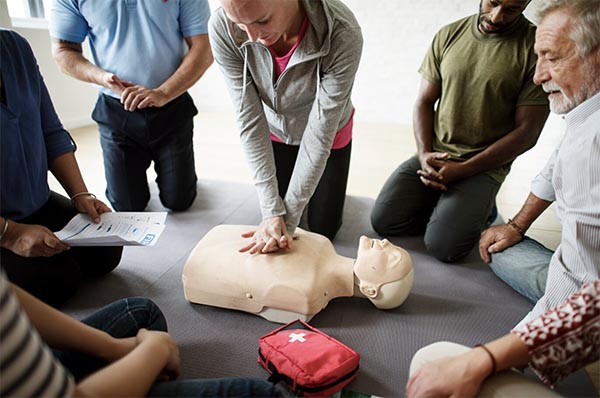
Group learning CPR with hands-on chest compressions on a training manikin.

Walking into a room full of medical equipment and manikins can feel a bit intimidating if you don’t spend your days in a hospital. We often hear from teachers, fitness trainers, and childcare providers who know they need a certification but aren’t sure which path to take. The terms “BLS,” “Heartsaver,” and “Healthcare Provider” are frequently tossed around, making it difficult to pinpoint exactly what you need.

Choosing the right course isn’t just about checking a box for your employer. It is about gaining the confidence to act when a life is on the line. Whether you are a local coach or a corporate office manager, the training you choose determines how prepared you feel during a cardiac emergency.

In this guide, we will break down the most effective cpr certifications for those outside the medical field. By the end, you’ll know exactly which course fits your lifestyle and your professional requirements.

Is the AHA BLS Course Only for Doctors and Nurses?

One of the most common myths is that Basic Life Support (BLS) is exclusively for medical professionals. While BLS is indeed the “gold standard” for healthcare providers, it is frequently the best choice for non-medical professionals as well. Many of our students at CPR Classes Near Me are actually teachers, construction workers, and personal trainers.

The BLS course through the American Heart Association (AHA) provides a higher level of depth than basic community classes. It covers high-quality chest compressions, rescue breathing, and the use of an Automated External Defibrillator (AED) for adults, children, and infants. Because it is so comprehensive, many employers prefer it because it ensures their staff is trained to the highest possible standard.

If your job requires a certification that is “OSHA-compliant” or highly “employer-accepted,” the BLS course is usually your safest bet. It is a 2-year certification that proves you can handle an emergency with the same foundational skills as a first responder.

What Is the Difference Between BLS and Heartsaver CPR?

If you are looking for a course specifically designed for the “layperson,” you might come across the Heartsaver curriculum. The primary difference lies in the technicality and the intended audience. While BLS focuses on team dynamics and professional-grade resuscitation, Heartsaver is streamlined for non-medical settings like offices or retail environments.

However, we often recommend the BLS course even to non-medical staff. Why? Because the price point and time commitment are often very similar, but the BLS card is more universally accepted. If you switch jobs or enter a new field, a BLS certification will almost always be accepted, whereas a basic Heartsaver card might not meet more stringent requirements.

At our Austin training site and other national locations, we see a wide range of professionals choosing BLS for its versatility. It gives you the “Healthcare Provider” designation, which carries significant weight on a resume, regardless of your industry.

Why Should Non-Medical Professionals Choose an AHA-Aligned Course?

When searching for “CPR classes near me,” you will likely see a variety of organizations offering training. However, not all certifications are created equal. The American Heart Association is the leader in cardiac science, and their guidelines form the basis for life-saving protocols worldwide.

Choosing an AHA-aligned course ensures that the techniques you learn are backed by the latest clinical research. Many online-only courses offer “cheap” certifications, but these are frequently rejected by employers because they lack a hands-on skills assessment. You cannot learn the physical depth of a chest compression or the timing of an AED through a computer screen alone.

By attending an in-person class, you get real-time feedback from certified instructors. This experience is what builds “muscle memory.” In a real emergency, you won’t be thinking about a video you watched; you will be relying on the physical practice you did in the classroom.

Do I Need to Add First Aid to My CPR Certification?

For many non-medical professionals, CPR alone isn’t enough to meet workplace safety standards. If you work in an environment where physical injury is possible—such as a construction site, a school, or a daycare—adding a First Aid component is highly recommended.

A CPR and First Aid combo course covers a broader spectrum of emergencies. While CPR focuses on the heart and lungs, First Aid teaches you how to manage:

  • Severe allergic reactions (using an EpiPen)
  • External bleeding and wound care
  • Bone fractures and sprains
  • Environmental emergencies like heatstroke or burns

Adding First Aid usually only extends the class time slightly, but it provides a much more well-rounded skill set. For parents and caregivers, this is often the preferred choice because it prepares them for the everyday “bumps and bruises” as well as life-threatening events.

How Long Does the Certification Process Take for Laypeople?

Time is a major factor for busy professionals. Many people put off training because they assume it will take an entire weekend. In reality, a high-quality AHA BLS or CPR course can be completed in a single afternoon.

At CPR Classes Near Me, our sessions typically run about 3.5 to 4 hours. We focus on efficiency without sacrificing the quality of the training. Because we use the latest AHA videos and hands-on practice, we can ensure every student leaves feeling confident.

Perhaps the biggest benefit for non-medical professionals is the “Same Day Card” policy. We know you might have a deadline for a new job or a coaching permit. We issue your AHA BLS eCard the same day you finish the class, so you don’t have to wait weeks for a piece of paper to arrive in the mail.

Which CPR Course Is Best for Those Working with Children?

If your “non-medical” role involves children—such as a daycare provider, nanny, or teacher—your training needs to be specific. Children and infants require different hand placements and compression depths than adults.

The best course for this group is one that specifically includes “Pediatric CPR and Airway Management.” Our BLS and CPR/First Aid classes cover the entire lifespan: adults, children, and infants. This ensures that no matter who you are caring for, you have the specific skills needed to help them. This includes techniques for clearing an obstructed airway (choking) in small children, which is a common concern for educators and parents alike.

Conclusion

For the vast majority of non-medical professionals, the AHA BLS (Basic Life Support) course is the best all-around choice. It provides the highest level of certification, is accepted by virtually every employer, and equips you with the skills to save lives across all age groups. If your role requires broader safety knowledge, pairing that BLS certification with a First Aid module is the ultimate way to ensure you are prepared for any situation.

Don’t wait until an emergency happens to wish you had the training. Whether you are in Austin or anywhere else across the country, getting certified is a quick, rewarding process that provides peace of mind for you and safety for those around you.

Ready to get certified? Contact CPR Classes Near Me today to find a class and get your same-day certification!

Frequently Asked Questions (FAQ)

1. What is the most widely accepted CPR certification for non-medical jobs?

The American Heart Association (AHA) BLS (Basic Life Support) certification is the most widely recognized and accepted card nationwide. It is considered the gold standard for many industries, including education, fitness, and construction, because it meets rigorous OSHA and workplace safety standards.

2. Can I get certified in CPR entirely online?

While online theory courses exist, most employers do not recognize certifications that lack a hands-on skills assessment. Effective CPR requires physical practice on a manikin with instructor feedback to ensure proper technique, which is why in-person training is highly recommended.

3. Is there an age limit for taking a CPR class?

There is no formal minimum age requirement to become CPR certified through the AHA. As long as the individual is physically capable of performing the chest compressions and demonstrating the necessary skills, they can receive their certification card.

4. How long is my CPR certification valid for?

AHA CPR and BLS certifications are valid for two years from the date of the class. To maintain your certification, you will need to take a renewal course before your current card expires to ensure your skills stay fresh and aligned with the latest guidelines.

5. Does the BLS course cover how to use an AED?

Yes, every AHA BLS and CPR course includes comprehensive training on how to use an Automated External Defibrillator (AED). You will learn how to set up the device, apply the pads, and follow the voice prompts to deliver a life-saving shock if necessary.

6. What should I wear to a CPR class?

Since CPR training involves physical activity—such as kneeling on the floor and performing chest compressions on manikins—it is best to wear comfortable, move-around clothing. Most students find that athletic wear or casual “business casual” attire works best.

CPR vs First Aid: Which Class Should You Take First?

When an emergency happens, every second counts. But if you are standing on the sidelines wondering what to do, those seconds can feel like hours. You know you want to be prepared, but as you look through course listings, you might find yourself stuck: Should you take a CPR class or a First Aid class first?

The truth is that while both sets of skills fall under the umbrella of “emergency response,” they serve very different purposes. One focuses on keeping the heart pumping, while the other focuses on treating injuries and managing sudden illnesses. Choosing the right one—or choosing both—depends on your job requirements and your personal goals for safety.

In this guide, we will break down the essential differences between CPR and First Aid, explore which one you should prioritize, and explain how you can master both in a single afternoon.

What is the Difference Between CPR and First Aid?

At its simplest, CPR is a life-saving procedure used when someone’s heart has stopped (cardiac arrest). First Aid is a broader term for the immediate care given to a person who is injured or suddenly becomes ill.

When you take a CPR class, you are learning how to become a temporary “mechanical heart.” You learn the rhythm of chest compressions and the technique for rescue breaths to keep oxygenated blood flowing to the brain. Without CPR, a person in cardiac arrest can suffer permanent brain damage in as little as four minutes.

First Aid, on the other hand, covers a vast range of scenarios that don’t necessarily involve the heart stopping. This includes treating heavy bleeding, cooling a burn, stabilizing a broken bone, or helping someone having a severe allergic reaction. While First Aid can save lives (like stopping a major bleed), it is often about preventing a situation from getting worse until professional help arrives.

Is CPR Included in a First Aid Class?

This is a common point of confusion for many students. While many people use the terms interchangeably, they are distinct certifications. However, at CPR Classes Near Me, we often bundle them together because they work hand-in-hand.

In a standalone First Aid course, the focus is strictly on trauma and medical emergencies like seizures, poisoning, or heatstroke. You might talk about when to start CPR, but you won’t necessarily get the hands-on practice needed for certification.

In a combined CPR and First Aid class, you get the best of both worlds. You spend half the time on the floor practicing high-quality compressions on manikins and the other half learning how to bandage wounds or use an EpiPen. If you are looking for a “one and done” solution for your employer, the combined course is almost always the best choice.

Which Certification Should You Get First?

If you are forced to choose just one to start with, the answer usually depends on your environment. However, for most people, CPR is the priority.

Cardiac arrest is one of the leading causes of death worldwide. Because the window for survival is so small, having the “hard” skill of CPR is often seen as the most critical tool in a rescuer’s toolkit. Most employers—especially in healthcare, education, and childcare—require CPR certification as their baseline safety standard.

If you are a healthcare professional, such as a nurse or EMT, you will likely start with a Basic Life Support (BLS) class. This is a professional-level CPR course that goes deeper into team dynamics and advanced airway management. For everyone else, a standard CPR and AED course is the perfect foundation.

Who Needs CPR Certification More Than First Aid?

While everyone can benefit from both, some roles have a higher demand for CPR specifically. If you work in a high-stress environment where the risk of a cardiovascular event is present, CPR is your primary focus.

Healthcare workers are the obvious group, but this also includes personal trainers, coaches, and lifeguards. These professionals are often in charge of individuals who are physically exerting themselves, which can trigger underlying heart conditions. In these cases, knowing how to use an Automated External Defibrillator (AED) and perform compressions is more likely to be used than wound care.

That said, if you work in a high-risk physical environment like construction, electrical work, or manufacturing, First Aid becomes equally important. In these fields, injuries like falls, cuts, and burns are statistically more frequent than heart attacks.

Can I Take Both CPR and First Aid at the Same Time?

Yes, and this is actually the recommended path for most people. Taking a combined class ensures that you don’t have gaps in your knowledge. For example, if you encounter a victim of a severe car accident, you may need First Aid to stop a bleed, followed immediately by CPR if they lose consciousness and their heart stops.

At our Austin training site and our locations across the country, we offer an integrated CPR, AED, and First Aid course. This 4-hour session covers everything from adult and infant CPR to choking relief and trauma care. The benefit of taking them together is that you see how the skills flow into one another.

By combining the courses, you also save time and money. Rather than taking two separate classes on different weekends, you can complete all your requirements in a single afternoon and walk away with your American Heart Association (AHA) eCard the same day.

How Long Do These Certifications Last?

Both CPR and First Aid certifications from the American Heart Association are valid for two years. This two-year window is industry-standard because life-saving skills are “perishable.” If you don’t use them, you tend to forget the specific compression depths or the steps for treating shock.

When your two-year mark approaches, you don’t necessarily have to take a different “renewal” class. You simply sign up for the same in-person course to refresh your skills, learn any updated guidelines from the AHA, and prove your competency to an instructor.

Staying current is vital. Medical research evolves, and the techniques we used ten years ago have been refined to be more effective today. Renewing every two years ensures you are providing the best possible care based on the latest science.

Why Choose In-Person Training Over Online-Only Courses?

In your search for “CPR classes near me,” you will likely find websites offering 100% online certification for a very low price. While these might seem tempting, they often fail to meet employer and OSHA requirements.

CPR and First Aid are physical skills. You cannot truly learn the “feel” of a chest compression or the pressure needed for a tourniquet by clicking a mouse. Most reputable employers—especially in Texas and throughout the U.S.—require an in-person skills check to verify that you can actually perform the techniques.

Our classes are led by certified AHA instructors who provide real-time feedback. If your compressions aren’t deep enough, or if you’re leaning on the chest, an instructor will correct you on the spot. This hands-on experience is what builds the confidence you need to act in a real emergency.

What Should I Expect in a Combined Class?

When you walk into a CPR and First Aid class, expect to be active. You won’t just be sitting in a chair watching videos. You will be on the floor working with manikins and practicing with AED trainers.

The course is structured to be scannable and easy to follow. You will cover:

  • High-Quality CPR: Learning the correct rate and depth for adults, children, and infants.
  • AED Use: Learning how to power on and follow the voice prompts of a defibrillator.
  • Choking Relief: Techniques for clearing an airway for all ages.
  • Medical Emergencies: Recognizing signs of heart attack, stroke, and allergic reactions.
  • Injury Management: Bandaging, splinting, and treating environmental emergencies like heat exhaustion.

The goal is to leave the classroom feeling empowered, not overwhelmed. We keep the tone business casual and conversational so that the information sticks.

Ready to Get Certified?

Choosing between CPR and First Aid doesn’t have to be a difficult decision. If you want to be fully prepared for any emergency—whether it’s a heart attack at the gym or a bad cut in the kitchen—the combined course is your best path forward.

At CPR Classes Near Me, we specialize in providing high-quality, AHA-compliant training that fits your schedule. Whether you are a teacher in Austin needing to meet state requirements or a corporate team looking to improve workplace safety, we are here to help.

Don’t wait for an emergency to realize you aren’t prepared. Contact CPR Classes Near Me today to find a class in Austin or at one of our many locations nationwide. Gain the skills, get your same-day certification, and be the person who knows what to do when it matters most.

Frequently Asked Questions

Which is more important, CPR or First Aid? 

Both are important, but CPR is generally considered more critical because it addresses life-threatening cardiac arrest where the window for survival is only minutes. First Aid addresses a broader range of injuries that are often less immediately fatal but still require urgent care.

Can I get my CPR and First Aid certification on the same day? 

Yes. Most training centers offer a combined CPR and First Aid course that takes approximately 4 hours to complete. You will receive your certification card for both disciplines upon finishing the class.

Do employers prefer one over the other? 

It depends on the industry. Healthcare and fitness industries almost always require CPR/AED or BLS. Construction, daycare, and manufacturing industries usually require a combination of both CPR and First Aid to comply with OSHA standards.

How long does a combined CPR and First Aid class take? 

A comprehensive, in-person class typically takes about 3.5 to 4 hours. This includes video instruction, hands-on practice, and the skills testing required for your American Heart Association eCard.

Is there an age limit for taking these classes? 

There is no minimum age requirement to learn CPR or First Aid. As long as a student can physically perform the compressions and follow the course material, they can become certified.

What is the “eCard” I receive after class? 

An eCard is the official digital certification issued by the American Heart Association. It is sent via email and can be printed or saved to your phone. It is the most widely accepted form of certification by employers nationwide.

Can You Fail CPR Certification? What You Need to Know

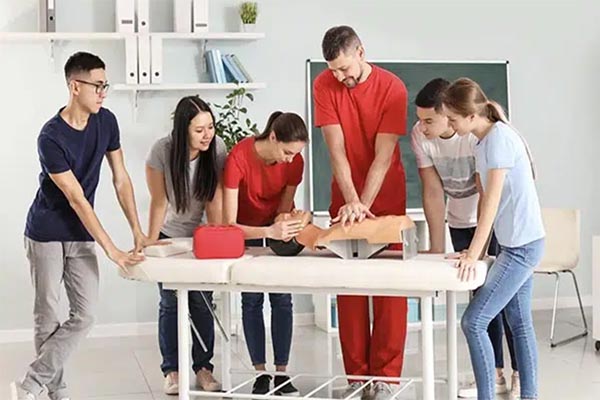
First aid instructor teaching CPR to a group of students using a practice mannequin.

Have you ever sat in a classroom, looking at a CPR manikin, and felt a tiny knot of anxiety in your stomach? You’re not alone. Whether you need your card for a new job in healthcare or you just want to be prepared to save a life, the question “Can you fail CPR certification?” is incredibly common.

The short answer is: yes, it is possible to fail. But here is the good news—the process is designed to help you succeed, not to trip you up. CPR training isn’t a “gotcha” style exam; it’s a competency-based program intended to ensure that if a real emergency happens, you actually know what to do.

In this guide, we’ll break down exactly what might cause someone to miss the mark, what happens if you don’t pass on your first try, and how you can prepare to breeze through your class with CPR Classes Near Me.

Is it hard to pass a CPR certification course?

For the vast majority of people, passing a CPR course is very straightforward. The curriculum is built to be logical and repetitive, which helps the information stick. Most people find that the hands-on nature of the class makes the “how-to” much easier to remember than just reading a textbook.

That said, “easy” doesn’t mean “automatic.” You do have to show up, pay attention, and demonstrate that you can perform the physical skills. If you approach the class with a willingness to learn and practice, you are almost guaranteed to walk away with your certification.

What are the most common reasons people fail?

While the failure rate is low, there are a few specific areas where students tend to struggle. Usually, it comes down to one of three things:

  1. Physical Technique Issues: This is the most common reason for a “not yet” during the skills test. CPR is physically demanding. You might fail to push deep enough (at least 2 inches for adults) or you might be going too fast or too slow (the “Stayin’ Alive” beat is the goal).
  2. Missing Critical Steps: CPR follows a very specific “Chain of Survival.” If you forget to check if the scene is safe or neglect to call 911 before starting compressions, an instructor might ask you to restart the scenario.
  3. Test Anxiety on the Written Exam: Some people are great at the physical part but get nervous when faced with a multiple-choice test. If you don’t meet the minimum passing score (which is usually around 80% to 84% depending on the provider), you may need to retake that portion.

What happens if you fail the written exam?

If you don’t hit the required score on your written test, don’t panic. It is not the end of the road. Most instructors will allow you to review the questions you missed right then and there.

In many cases, the instructor will provide “remediation.” This is a fancy way of saying they will sit down with you, explain the concepts you didn’t quite grasp, and give you a second chance to take the test or a similar version of it. The goal of CPR Classes Near Me is to ensure you understand the material, so instructors are usually very happy to help you get over that finish line.

What happens if you fail the hands-on skills test?

The skills test is where you show the instructor you can actually do the work. If you are struggling with your compression depth or hand placement, the instructor will usually give you feedback in real-time.

If, by the end of the session, you still aren’t meeting the required standards, you won’t receive your card that day. However, you aren’t “banned” from trying again. You will likely be encouraged to:

  • Review the instructional videos.
  • Practice the physical motions at home (even on a firm pillow).
  • Schedule a follow-up session or retake the skills portion of the class.

Are there physical requirements that could cause a failure?

CPR is a physical act. You are essentially acting as someone’s heart and lungs. This requires you to be on your knees on the floor and use your upper body strength to compress a chest.

Common physical hurdles include:

  • Inability to kneel: If you have severe knee or back issues that prevent you from getting on the floor, you should talk to your instructor beforehand. Often, accommodations can be made, such as placing the manikin on a table.
  • Fatigue: Performing high-quality compressions for two minutes is exhausting. If you can’t maintain the depth and rate due to exhaustion, you might fail the skills check.

Can you fail for not showing up?

This might seem obvious, but “failure to complete” is a common reason people don’t get certified. Most accredited courses, like those found through CPR Classes Near Me, require 100% attendance. Because the information is condensed into a few hours, missing even thirty minutes of class means you missed a vital module (like how to use an AED or how to help a choking infant). If you are late or have to leave early, you will likely have to reschedule the entire course.

How can you prepare to ensure you pass?

Preparation is the best cure for nerves. If you want to make sure you pass on the first try, follow these simple steps:

  • Watch the videos: If you are taking a blended learning course (part online, part in-person), don’t skip the videos. They provide the visual rhythm you need for the skills test.
  • Focus on the numbers: Memorize the key ratios. For adults, it’s always 30 compressions to 2 breaths. Knowing these numbers cold will save you a lot of stress during the test.
  • Dress comfortably: You will be moving around, kneeling, and working hard. Wear clothes that allow you to move freely and shoes that give you a good grip on the floor.
  • Ask questions: If you aren’t sure where your hands go or how to tilt the head for a breath, ask! Your instructor is your best resource.

How does the instructor decide if you pass or fail?

Instructors use a standardized checklist provided by the certifying body (like the American Heart Association). They are looking for specific “Critical Skills Descriptors.” These usually include:

  1. Checking the scene for safety.
  2. Checking for responsiveness (tap and shout).
  3. Calling for help/911 and getting an AED.
  4. Correct hand placement in the center of the chest.
  5. Adequate compression depth and rate (100–120 beats per minute).
  6. Allowing the chest to fully recoil between compressions.
  7. Delivering effective rescue breaths that make the chest rise.

If you check all these boxes, you pass!

Why is the AED portion so important?

Many students worry about the Automated External Defibrillator (AED) portion of the test. However, the AED is actually the easiest part of the class because the machine literally tells you what to do! As long as you follow the voice prompts exactly—turn it on, plug in the pads, and stay clear when it tells you to—you will pass this section with flying colors.

Is the certification the same for everyone?

The criteria for passing can vary slightly depending on the level of the course. For instance:

  • Layperson CPR: Focuses on high-quality compressions and basic AED use.
  • Healthcare Provider (BLS): Has a higher standard for precision, including two-rescuer scenarios and the use of bag-mask ventilators.

When you book through CPR Classes Near Me, make sure you select the course that matches your needs so you aren’t overcomplicating the process for yourself.

Conclusion

Failing a CPR certification is rare, but it does happen. When it does, it’s usually a sign that you just need a little more practice to ensure you can safely save a life. Remember, the goal of the certification isn’t just to get a plastic card—it’s to gain the confidence and skill to act when someone’s life is on the line.

By choosing a reputable training provider, staying engaged during class, and practicing your physical techniques, you’ll find that passing your CPR test is not only achievable but also an empowering experience.

Ready to get certified? 

Don’t let the fear of a test hold you back. Our instructors are dedicated to your success and will work with you every step of the way to ensure you feel confident and capable.

Contact CPR Classes Near Me today to find a class in your area and start your journey to becoming a lifesaver!

Frequently Asked Questions (FAQ)

Q: Can I retake the CPR test the same day if I fail?

A: In most cases, yes. If you fail the written exam or a specific skill, many instructors will allow you to review the material and re-test immediately or at the end of the class session.

Q: Is there a limit to how many times I can retake the test?

A: Most organizations do not have a hard limit on retakes, but individual training centers may have policies. Usually, if you cannot pass after a couple of attempts, they may suggest you retake the entire course to reinforce your foundational knowledge.

Q: Do I have to pay again if I fail?

A: This depends on the training center’s policy. Some include one free retake in the initial cost, while others may require a small fee for a remedial session. Always ask about the “re-test policy” before booking.

Q: What is the passing score for the CPR written exam?

A: While it varies, the American Heart Association generally requires a score of 84% or higher, while the Red Cross typically requires 80%.

Q: Can I fail if I am not strong enough to do compressions?

A: You must be able to compress the chest at least 2 inches for an adult. If you struggle with strength, instructors can teach you better body mechanics (like using your body weight rather than just your arms) to help you succeed.

Who Needs What? The Ultimate Guide to CPR Certification Requirements by Job

Whether you are starting a new career in healthcare, coaching a youth soccer team, or managing a high-voltage construction site, one question inevitably pops up: “Which CPR class do I actually need?”

It’s a fair question. If you pick the wrong one, you might waste a Saturday in a class that your boss won’t accept. If you skip it entirely, you could be out of compliance with OSHA or state licensing boards.

At CPR Classes Near Me, we believe that life-saving skills should be accessible and easy to understand. This guide breaks down CPR requirements role-by-role, so you can book the right session with total confidence.

Why is CPR certification required for so many different jobs?

The simple answer is safety and liability, but the real reason is “the four-minute rule.” Research shows that when a person’s heart stops, brain damage begins within four to six minutes.

OSHA (the Occupational Safety and Health Administration) generally requires that if your workplace is not in “near proximity” (defined as 3–4 minutes) to a hospital or clinic, the employer must have someone on-site trained to provide first aid and CPR.

Beyond the legal requirements, having staff who can react calmly in a crisis is a massive asset for any business. It protects your customers, your employees, and your reputation.

What are the CPR requirements for healthcare professionals?

If you work in a clinical setting, “standard” CPR isn’t enough. You are considered a professional rescuer, and your training reflects that.

Doctors and Registered Nurses (RN/LPN)

Healthcare providers are almost always required to hold a Basic Life Support (BLS) certification. Unlike community classes, BLS focuses on:

  • Two-rescuer CPR techniques.
  • Bag-valve-mask (BVM) ventilation.
  • Team dynamics in a hospital or clinic setting.
  • Pulse checks and advanced assessment.

Dentists and Dental Hygienists

Most state dental boards require BLS certification for licensure. Because sedation is often used in dental offices, the risk of respiratory or cardiac distress is higher, making professional-level training mandatory.

Pharmacists and Pharmacy Techs

With the rise of pharmacists administering vaccinations, many states now mandate that they maintain BLS certification to handle potential allergic reactions or syncopal (fainting) episodes.

Do teachers and childcare providers need specialized CPR?

Yes. When you work with children, the protocols change. Pediatric CPR focuses heavily on respiratory issues, as children are more likely to stop breathing before their heart stops.

K-12 Teachers and School Staff

Most states require teachers to be certified in Heartsaver® Pediatric CPR/AED. This covers:

  1. Adult CPR: For staff and older students.
  2. Child CPR: For elementary-aged kids.
  3. Infant CPR: Essential for preschool and daycare workers.
  4. Choking Relief: Specific techniques for small children.

Daycare Workers and Nannies

Licensing for childcare centers is strict. You usually need a certification that specifically lists “Pediatric” on the card. Employers often look for courses that are approved by the EMSA (Emergency Medical Services Authority) or similar state-level agencies.

What are the CPR standards for the fitness and sports industry?

In a gym, people are pushing their bodies to the limit. High-intensity interval training (HIIT), heavy lifting, and competitive sports naturally increase the risk of cardiac events.

Personal Trainers and Group Fitness Instructors

Most major certifying bodies (like NASM, ACE, or ISSA) will not issue or renew a personal training credential without a valid CPR/AED certificate. For this role, a Heartsaver® CPR/AED course is the gold standard. It ensures you know how to:

  • Recognize the signs of a heart attack vs. overexertion.
  • Use an Automated External Defibrillator (AED) quickly.
  • Perform high-quality compressions on an adult.

Coaches and Athletic Trainers

High school and collegiate coaches are often required by their athletic associations to have both CPR and First Aid. Since heatstroke and concussions are common in sports, the First Aid component is just as vital as the CPR.

Which trades and industrial jobs require OSHA-compliant CPR?

Construction and trade work are high-risk environments. Between electrical hazards, extreme heat, and heavy machinery, the “first responder” is often a coworker.

Electricians and Linemen

OSHA Standard 1910.269 is very specific: employees working on energized lines must have CPR training. If you work in a team of two or more, at least two people must be trained. If you are a new hire, you usually have 3 months to get certified.

Construction Workers and Contractors

While not every single person on a job site may be required by law to have a card, many general contractors require it for safety compliance. At a minimum, there must be a designated “safety officer” or first aid provider on-site at all times.

Logging and Commercial Diving

These are two of the most dangerous jobs in the world. OSHA mandates that all logging employees and all commercial dive team members maintain current CPR and First Aid certification.

Are there CPR requirements for corporate office roles?

In a standard office setting, CPR is rarely “mandatory” by law, but it is highly recommended.

Workplace Safety Teams (ERT)

Many large corporations have Emergency Response Teams (ERT). These are volunteer employees who are trained to bridge the gap until 911 arrives. They typically need:

  • CPR/AED certification.
  • Standard First Aid.
  • Bloodborne Pathogens training (to handle cleanups safely).

Flight Attendants and Cabin Crew

The FAA requires flight attendants to be trained in CPR and the use of the onboard AED. Since you are 30,000 feet in the air, you are the only medical help available for the first 20 minutes of an emergency.

How do you choose the right certification level?

If you’re still unsure, follow this simple hierarchy:

  1. Are you a licensed medical professional? Choose BLS (Basic Life Support).
  2. Do you work with children? Choose Pediatric CPR/AED & First Aid.
  3. Do you work in an office, gym, or construction site? Choose Heartsaver® CPR/AED & First Aid.
  4. Are you a parent or community member? Choose Community CPR (usually non-certification) or Heartsaver®.

What should you look for in a CPR class?

Not all “certificates” are created equal. Many online-only courses offer a 15-minute video and a PDF printout. Warning: Most employers and regulatory bodies (like OSHA or state nursing boards) will not accept a certificate that does not include an in-person skills assessment.

A valid, high-quality course should include:

  • Hands-on practice: You must physically practice compressions on a manikin.
  • AED training: You should practice with a trainer unit to understand the prompts.
  • A reputable curriculum: Look for courses based on the latest American Heart Association (AHA) or Red Cross guidelines.
  • An instructor: Someone to correct your hand placement and compression depth in real-time.

Conclusion

Getting the right CPR certification isn’t just about checking a box for your employer; it’s about having the confidence to save a life when the unthinkable happens. Whether you are a nurse needing BLS or a coach needing a Heartsaver card, knowing the requirements for your specific role ensures you stay compliant and prepared.

Don’t wait until an emergency happens to realize your skills are out of date. Stay ahead of the curve and keep your workplace safe.

Contact CPR Classes Near Me today to find a local, certified instructor and get your career-ready certification in just a few hours!

Frequently Asked Questions

Does my CPR certification expire?

Yes. Most CPR certifications are valid for two years. After 24 months, your skills begin to “fade,” and the science may have updated, so you are required to take a renewal or “challenge” course to maintain your credential.

Can I get my CPR certification entirely online?

Technically, you can buy a “certificate” online, but it is rarely accepted for work. Most employers require “Blended Learning” (online theory + in-person skills) or a fully in-person class. If your job depends on it, always ensure there is a hands-on component.

What is the difference between CPR and BLS?

Think of CPR as the “general” version and BLS as the “professional” version. CPR classes are for the general public (lay rescuers). BLS is more rigorous, covers team-based scenarios, and is required for anyone working in a hospital or clinical environment.

Do I need First Aid with my CPR?

It depends on your job. Teachers, construction workers, and coaches almost always need the “CPR/AED & First Aid” combo. Healthcare workers usually just need “BLS,” as their medical training covers the first aid portion.

Is an AED hard to use?

Not at all. Modern AEDs are designed to be used by anyone. Once you turn it on, a voice walks you through every step. The machine will even analyze the heart rhythm and tell you if a shock is necessary—it won’t shock someone who doesn’t need it.

CPR Certification Near Me: How to Choose the Right Local Class

When a medical emergency strikes, seconds are the difference between a life saved and a tragedy. Whether you are a nurse needing to renew your credentials, a teacher responsible for a classroom, or a new parent wanting peace of mind, finding the right “CPR certification near me” is about more than just checking a box. It is about gaining the confidence to act when it matters most.

With so many providers and acronyms like BLS, AED, and AHA floating around, picking the right course can feel overwhelming. This guide will walk you through everything you need to know to choose the best local class for your specific needs.

Why is it important to choose the right CPR class?

Not all CPR classes are created equal. Choosing the wrong one could mean your employer won’t accept your card, or worse, you might not be properly trained for the specific age group or environment you work in.

Selecting the right class ensures:

  • Job Compliance: You meet the exact requirements of your workplace or licensing board.
  • Skill Mastery: You receive hands-on training tailored to your role.
  • Confidence: You leave the classroom knowing exactly how to use an AED or perform chest compressions on an infant versus an adult.

What is the difference between BLS and Heartsaver CPR?

This is the most common question students ask. The answer depends entirely on your profession.

  1. Basic Life Support (BLS):
    • Who it’s for: Doctors, nurses, EMTs, dentists, and medical students.
    • What you learn: High-quality CPR for all ages, team-based rescue, and the use of advanced equipment like bag-valve masks (BVMs).
  2. Heartsaver CPR AED:
    • Who it’s for: Teachers, coaches, personal trainers, daycare providers, and the general public.
    • What you learn: Fundamental life-saving skills, how to recognize cardiac arrest, and how to use an Automated External Defibrillator (AED).

If you are in healthcare, you almost certainly need BLS. If you are a layperson, Heartsaver is usually the standard.

Is American Heart Association (AHA) better than Red Cross?

Both the American Heart Association (AHA) and the American Red Cross (ARC) provide excellent training, but there are key differences in how they are viewed by employers.

  • AHA (The Gold Standard): The AHA is the world leader in resuscitation research. They write the guidelines that every other organization follows. Because of this, AHA certification is the most widely accepted by hospitals and healthcare facilities nationwide.
  • Red Cross: Often used by community organizations and social services. While reputable, some medical employers strictly require AHA-aligned certification.

At CPR Classes Near Me, we are an AHA Certified Training Site, ensuring your card is recognized by the widest range of employers possible.

Should I choose an online, in-person, or blended learning class?

Technology has changed how we learn, but some skills require a “hands-on” touch.

  • Online-Only: These are often the cheapest and fastest. However, most employers will not accept online-only certification. CPR is a physical skill that requires muscle memory.
  • Blended Learning: You do the “book work” online and then come in for a quick “skills check” with an instructor. This is a great middle ground for busy professionals.
  • In-Person Training: This remains the top-rated way to learn. You get immediate feedback from a certified trainer, you can ask questions in real-time, and you practice on high-tech manikins until you are perfect.

What should I look for in a local training facility?

When searching for “CPR certification near me,” look for these five “must-haves”:

  1. Same-Day Certification: You shouldn’t have to wait weeks for your card. Top providers issue your eCard the same day you finish.
  2. AHA Alignment: Look for the official American Heart Association seal to ensure the curriculum is up-to-date.
  3. Experienced Instructors: You want a trainer who has actually used these skills in the field, like a paramedic or nurse.
  4. Hands-On Equipment: Ensure the class uses modern manikins and AED trainers.
  5. Location and Scheduling: The best class is the one you can actually attend. Look for facilities with multiple locations and flexible weekend or evening times.

How much does a local CPR class typically cost?

Prices vary by location and course type, but here is a general breakdown of what to expect for quality training:

  • AHA BLS Certification: Typically starts around $59.95.
  • CPR & First Aid Combo: Usually starts around $79.95.

Beware of “scam” sites offering $20 certifications. If there is no hands-on skills test, the card is likely not OSHA-compliant and won’t be accepted by your employer.

What are the benefits of getting certified with CPR Classes Near Me?

We pride ourselves on making the CPR certification process as painless as possible. When you choose one of our local classes, you get:

  • Guaranteed Acceptance: Our AHA-certified courses meet the highest national standards.
  • Speed: We offer same-day eCards so you can get back to work immediately.
  • Expertise: Our trainers make the material engaging and easy to remember.
  • Affordability: We offer competitive, discounted rates for individuals and groups.

How often do I need to renew my CPR certification?

Most CPR and BLS certifications are valid for two years. It is a good idea to set a reminder at the 22-month mark to find a renewal class. Techniques and guidelines are updated every few years, so renewing ensures you are using the most effective, life-saving methods currently available.

Conclusion

Choosing the right CPR class doesn’t have to be a headache. By identifying your professional needs (BLS vs. Heartsaver), ensuring the provider is AHA-certified, and opting for a hands-on learning environment, you are setting yourself up for success. Remember, you aren’t just getting a card; you are gaining the ability to save a life.

Ready to get certified? Contact CPR Classes Near Me today to find a local class and get your same-day certification!

Frequently Asked Questions (FAQ)

1. Can I get a CPR card in one day?

Yes. Most in-person classes take between 2 to 4 hours depending on the course type. At CPR Classes Near Me, we issue your official AHA BLS eCard the same day you complete your training.

2. Does my CPR certification cover infants and children?

Standard Heartsaver and BLS courses typically cover adult, child, and infant CPR, as well as choking relief for all age groups. Always check the specific course description to be sure.

3. Is there a written test?

For BLS (Healthcare Provider) classes, there is a written exam and a skills test. For Heartsaver (Layperson) classes, the written test is often optional or replaced by a thorough skills evaluation, depending on the instructor and workplace requirements.

4. What if my card is already expired?

If your card is expired, you simply need to take a full certification or renewal class. There is no penalty for an expired card, but you cannot legally perform duties that require an active certification until you pass a new class.

5. Are AEDs included in the training?

Yes. All modern AHA CPR classes include training on how to use an Automated External Defibrillator (AED), as it is a critical component of the “Chain of Survival.”

CPR Certification vs BLS: Which One Do You Need?

First aid instructor teaching CPR to a group of students using a practice mannequin.

Choosing the right life-saving course can feel like navigating a sea of acronyms. If you are looking to get certified, you’ve likely seen “CPR” and “BLS” used almost interchangeably. However, while they share the same goal—saving lives—they are designed for very different people and settings.

At CPR Classes Near Me, we believe that being prepared is the first step toward making a difference. Whether you are a nursing student, a high school coach, or a concerned parent, knowing the difference between these two certifications will ensure you meet your employer’s requirements and gain the right skills for your environment.

What is the main difference between CPR and BLS?

The primary difference lies in the level of detail and the intended audience.

CPR (Cardiopulmonary Resuscitation) is generally referred to as “Heartsaver” or “Layperson CPR.” It focuses on the fundamental skills needed to keep someone alive until professional help arrives. It is perfect for people who do not work in a medical environment.

BLS (Basic Life Support) is the professional standard for healthcare providers. It includes everything taught in a standard CPR class but adds advanced techniques such as team-based resuscitation, the use of medical-grade equipment like bag-valve masks, and more intense testing.

Who should take a standard CPR certification course?

Standard CPR certification is designed for the general public and “lay rescuers.” If your job involves the safety of others in a non-medical capacity, this is likely the course for you.

Common professions that require standard CPR include:

  • Teachers and daycare providers
  • Fitness instructors and personal trainers
  • Coaches and athletic directors
  • Construction workers and OSHA-regulated employees
  • Flight attendants
  • Security guards

This course is also ideal for parents, grandparents, and community volunteers who simply want to be ready to act during a cardiac emergency.

Who is required to have BLS certification?

BLS is a “professional level” certification. If you work in a clinical setting or are a first responder, your employer or licensing board will almost certainly require BLS rather than standard CPR.

You need BLS certification if you are:

  • A Registered Nurse (RN) or Licensed Practical Nurse (LPN)
  • A Doctor or Physician Assistant
  • A Dentist or Dental Hygienist
  • An EMT or Paramedic
  • A Medical or Nursing Student
  • A Physical or Occupational Therapist

If you are a student entering the healthcare field, it is highly recommended to get your BLS certification now, as most clinical rotations require it before you can step foot in a hospital.

What skills are taught in a CPR course?

A standard CPR class is fast-paced and focuses on muscle memory. The goal is to give you the confidence to jump in without overthinking.

In a standard CPR/AED class, you will learn:

  1. High-Quality Chest Compressions: The correct depth and rate for adults, children, and infants.
  2. Rescue Breathing: Techniques for delivering oxygen to a victim.
  3. AED Operation: How to safely use an Automated External Defibrillator.
  4. Choking Relief: The Heimlich maneuver and modified techniques for infants.
  5. Scene Safety: How to assess an environment before providing help.

What makes BLS training more advanced?

BLS training goes deeper into the “why” and “how” of resuscitation. Because healthcare professionals work in teams, the training emphasizes coordination.

Advanced skills included in BLS but not standard CPR include:

  • Multi-Rescuer Coordination: Learning how to switch roles seamlessly (e.g., one person doing compressions while another handles the airway).
  • Bag-Valve-Mask (BVM) Ventilation: Using a manual resuscitator to provide high-flow oxygen.
  • Pulse Checks: Healthcare providers are trained to check for a pulse for up to 10 seconds, whereas laypersons are taught to start CPR if a victim is unresponsive and not breathing.
  • Advanced Airway Management: How to provide CPR when a patient has a breathing tube or other advanced airway in place.
  • Critical Thinking: Managing complex scenarios where multiple life-threatening issues are happening at once.

Can a BLS certification replace a CPR certification?

Yes. If your job requires CPR but you choose to take a BLS course, your BLS card will almost always satisfy the requirement. Since BLS is a higher level of training that includes all CPR components, it is widely accepted as a superior credential.

However, the reverse is not true. If your employer requires BLS, a standard Heartsaver CPR card will not be accepted. Always check your specific workplace requirements before booking your seat.

Is First Aid included in these certifications?

This is a common point of confusion. Standard CPR and BLS are primarily focused on cardiac and respiratory arrest. They do not automatically include First Aid training.

  • For CPR: Many people choose to take a “CPR & First Aid” combo class. This is common for teachers and daycare workers who need to know how to handle scrapes, burns, and broken bones in addition to CPR.
  • For BLS: First Aid is almost never a standard part of a BLS class. Healthcare providers usually receive First Aid training through their medical schooling or separate certifications.

At CPR Classes Near Me, we offer both standalone BLS and combined CPR/First Aid options to ensure you get exactly what you need for your career.

How long do these certifications last?

Both CPR and BLS certifications are valid for two years.

Science and medical guidelines are constantly evolving. Every five years, the American Heart Association updates its protocols based on the latest life-saving data. Staying certified every two years ensures your skills remain sharp and that you are using the most effective techniques currently known to medicine.

Why is in-person training better than online-only?

While “online-only” certifications exist, they are rarely accepted by employers, especially in healthcare and education.

There is no substitute for the hands-on experience of compressing a manikin’s chest. In an in-person class at CPR Classes Near Me, an instructor can correct your hand placement, ensure you are hitting the right depth, and help you get comfortable with the rhythm of compressions. That physical “muscle memory” is what saves lives when the pressure is on.

How do I choose the right class?

To make the right choice, ask yourself these three questions:

  1. What is my profession? (Healthcare = BLS; General Public = CPR)
  2. Does my employer require First Aid? (If yes, look for a combo class.)
  3. Is the certification AHA-approved? (The American Heart Association is the gold standard for employer acceptance.)

Conclusion

Whether you choose CPR or BLS, the most important step is simply getting trained. Cardiac arrest can happen anywhere—at the gym, in the grocery store, or at the dinner table. Having the skills to intervene can double or even triple a victim’s chance of survival.

If you are ready to gain the confidence to save a life, contact CPR Classes Near Me today. Our expert instructors provide high-quality, AHA-certified training in a relaxed and professional environment. Don’t wait for an emergency to happen—be the one who knows what to do.

Frequently Asked Questions (FAQ)

Is BLS harder than CPR?

While BLS is more comprehensive and includes a written exam, it is not necessarily “harder.” It simply covers more ground. Our instructors at CPR Classes Near Me are experts at breaking down complex medical concepts so that every student leaves feeling confident, regardless of their medical background.

Will my BLS card say CPR on it?

Most BLS cards are titled “Basic Life Support (BLS) Provider.” Since BLS is the highest level of CPR training, it is understood by all employers that you are fully certified in CPR and AED usage.

How long does a BLS class take?

A typical initial BLS certification class takes about 4 to 5 hours. This includes hands-on practice, video instruction, and the written and skills tests. If you are renewing a current card, the process is usually shorter.

Does CPR certification cover infants?

Yes, at CPR Classes Near Me, our standard CPR and BLS courses cover adult, child, and infant techniques. This is essential for parents and those working in schools or childcare settings.

What should I wear to my class?

Since both CPR and BLS involve significant hands-on practice on the floor or at tables with manikins, we recommend wearing comfortable, casual clothing that allows you to move easily.