How to Choose Family-Focused CPR Training in Austin

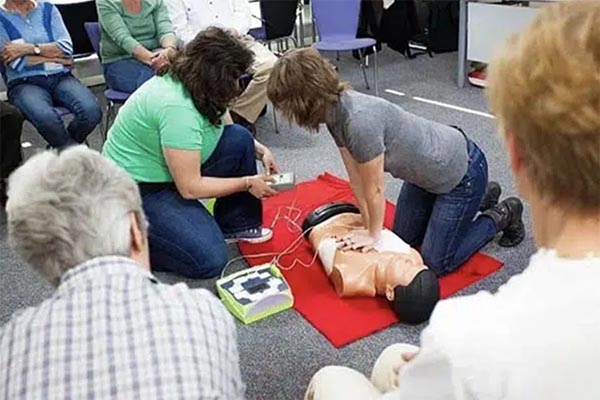
Closeup of students practicing CPR chest compression on dummy.

As a parent, grandparent, or caregiver, your top priority is keeping your loved ones safe. Whether you are spending a Saturday afternoon swimming at Barton Springs, hiking the Barton Creek Greenbelt, or just enjoying a backyard barbecue with neighbors, emergencies can happen in a split second. This is why enrolling in family-focused CPR training in Austin is one of the most important investments you can make for your family’s safety and your own peace of mind.

However, not all CPR classes are created equal. Some courses are designed strictly for clinical medical professionals, while others might be entirely online, lacking the practical, hands-on experience you desperately need to feel confident. When you are looking to learn life-saving techniques to protect your children, you need a course tailored specifically to real-world family scenarios.

In this comprehensive guide, we will walk you through exactly how to choose the right family-focused CPR training in Austin. You will learn what makes a class effective, why official American Heart Association (AHA) certification matters, and what specific life-saving skills you should walk away with to ensure you are ready to act when every second counts.

Why Are Family-Focused CPR Classes Essential for Austin Parents?

Austin is a vibrant, incredibly active city. Families here spend a massive amount of time outdoors, around water, and on the move. While this active lifestyle is fantastic for family bonding, it naturally introduces specific environmental risks.

From accidental drownings in neighborhood pools and local lakes to sudden choking hazards at the dinner table, the unexpected is always a possibility. A family-focused CPR class goes far beyond the basics of adult resuscitation. It hones in on the unique physiological differences between adults, children, and infants.

When a child’s breathing stops, the cause is almost always respiratory—such as choking, asthma, or near-drowning—rather than a primary cardiac event. A specialized, family-oriented class teaches you how to recognize these specific distress signals early. Furthermore, taking a class alongside other parents creates a highly supportive learning environment. You aren’t just memorizing compression-to-breath ratios; you are learning how to manage the intense panic and adrenaline that inevitably flood your system when a child is in danger.

How Does Austin’s Geography Make First Aid and CPR Crucial?

Living in Central Texas means having access to incredible natural landscapes, but those same landscapes can complicate emergency response times. If an emergency occurs while you are miles deep into the Walnut Creek trail system or out on a boat in the middle of Lake Travis, paramedics will not be able to reach you in standard response times.

In these crucial moments, you are the first responder. The national average response time for EMS is roughly 7 to 8 minutes, but brain damage from a lack of oxygen can begin in as little as 4 minutes.

Having specialized CPR and First Aid training means you can sustain your child’s life, maintain oxygen flow to their brain, and stabilize their condition while waiting for professional help to navigate difficult terrain. Your immediate action bridges the critical gap between the onset of the emergency and the arrival of an ambulance.

What Should You Look for in an Austin CPR Training Program?

Choosing the right provider can feel overwhelming, especially with so many options available online. However, there are a few non-negotiable standards you should always look for when booking a class to protect your family.

American Heart Association (AHA) Certification

First and foremost, look for a provider that issues official American Heart Association (AHA) certifications. The AHA sets the gold standard for emergency cardiovascular care based on the latest scientific research and data. When you choose an AHA-aligned course, you guarantee that the techniques you are learning are the most current, effective, and evidence-based methods available today.

Comprehensive Pediatric Curriculum

Your chosen class should comprehensively cover adults, children, and infants. A top-tier family-focused CPR training in Austin will teach you how to perform chest compressions and rescue breaths on all age groups. It should also cover how to properly locate and use an Automated External Defibrillator (AED), devices that are increasingly common in Austin schools, community centers, and gyms.

Same-Day Certification and Ultimate Convenience

As a parent, your time is highly valuable. Look for a training center that values your schedule by issuing your official eCard on the exact same day you complete the course. Providers with dedicated, permanent facilities—rather than pop-up classes in hotel conference rooms—offer a more professional, reliable learning experience. Ensure the location is convenient so you can get your training done and get back to your family.

How Does Infant and Child CPR Differ from Adult CPR?

One of the primary reasons general CPR classes fall short for parents is that they do not dedicate enough time to pediatric differences. The anatomical and physiological makeup of a baby or a toddler requires a completely different approach to resuscitation.

When performing CPR on an infant, you do not use two hands for chest compressions. Instead, you use two fingers placed just below the nipple line. The depth of the compression is also notably shallower—about 1.5 inches for an infant, compared to at least 2 inches for a full-grown adult. A high-quality class will provide specialized infant mannequins so you can feel the exact pressure required without fear of causing injury.

For young children, you might use one or two hands depending on the child’s size, pressing down about 2 inches. Because pediatric cardiac arrest is usually triggered by a breathing issue, rescue breaths carry a much heavier emphasis. Your instructor will teach you how to deliver a gentle puff of air for an infant—just enough to make the chest rise—rather than the deep breath required for an adult.

Choking relief is another critical distinction. If an adult is choking, you perform the traditional Heimlich maneuver. For a choking infant, you must perform a very specific, gravity-assisted sequence of back slaps and chest thrusts while safely supporting the baby’s head and neck.

Why is In-Person, Hands-On CPR Practice Crucial?

Over the past few years, there has been a massive surge in online-only certification courses. While these might seem convenient for busy Austin parents, they are entirely insufficient for mastering physical, life-saving skills.

CPR is a physical, tactile skill, much like riding a bike or swimming. You absolutely cannot learn how much pressure to apply to a human chest by clicking through a slideshow or watching a video. You need to physically lock your elbows, position your shoulders directly over a mannequin, and feel the physical resistance of the chest.

You also need an expert instructor watching your form in real-time. They will correct your hand placement and ensure you are allowing for full chest recoil between compressions. Furthermore, many employers and childcare organizations do not accept online-only CPR certificates because they lack this vital physical skills check.

Does the Training Provider Offer First Aid Certification?

While CPR is necessary for life-or-death, worst-case scenarios, everyday parenting involves a lot of minor bumps, bruises, and medical scares. The best family-focused CPR training in Austin will offer a combined First Aid and CPR class.

A comprehensive First Aid module will teach you how to handle burns from a hot stove, manage severe bleeding from a playground fall, and respond to sudden illnesses like seizures or severe allergic reactions (anaphylaxis). In a city where outdoor activities often lead to insect stings, scraped knees, and heat exhaustion in the Texas summer, knowing how to stabilize a loved one is incredibly empowering.

By bundling your CPR and First Aid training, you dedicate a single morning or afternoon to becoming a fully prepared, highly capable caregiver.

How Should You Prepare for Your Family-Focused CPR Class?

Once you have selected a high-quality, AHA-certified training provider, a little preparation can go a long way in ensuring you get the most out of your educational session.

First, dress comfortably. You will be on the floor practicing chest compressions, airway management, and recovery positions, so wear loose-fitting clothing and comfortable, closed-toe shoes.

Second, come with a list of questions. Think about the specific environments where your family spends the most time. Ask your instructor how to adapt your emergency response to these specific settings.

Finally, consider making it a whole-family affair. Encourage your spouse, the grandparents, and your regular babysitters or nannies to sign up for the exact same session. Having everyone in your child’s care circle on the same page ensures a unified, coordinated response if an emergency ever occurs.

Conclusion: Take Action for Your Family’s Safety

Medical emergencies do not wait for you to be ready; they happen without warning, often in the most ordinary of moments. Investing a few hours into a family-focused CPR training in Austin is the single most effective way to ensure you have the skills, knowledge, and confidence to protect your children when it matters most.

By prioritizing an AHA-aligned curriculum, demanding in-person hands-on practice, and seeking out expert instruction that extensively covers infants and children, you are taking a proactive step toward your family’s lifelong safety. Don’t settle for online-only shortcuts when your loved ones’ lives are on the line.

Are you ready to become a certified lifesaver for your family? Contact CPR Classes Near Me today to book your AHA-certified, hands-on CPR and First Aid training. With convenient locations, same-day certification, and expert instructors, we make it easy for Austin families to get the best training possible.

FAQ

How long does an in-person CPR certification class take?

Most comprehensive, in-person BLS CPR classes take approximately 3.5 to 4 hours to complete. If you are taking a combined CPR and First Aid course, you should expect the class to run slightly longer. You will leave the facility with your certification completed that same day.

Is it better to take CPR online or in person?

In-person CPR training is always recommended over online-only courses because it allows for hands-on practice with mannequins. An experienced instructor can correct your posture and compression depth, ensuring you build the correct muscle memory. Most reputable organizations do not accept online-only CPR certifications.

How often do I need to renew my CPR certification?

American Heart Association CPR certifications are valid for exactly two years from the date of issue. To keep your skills sharp and your certification active, you must take a renewal class before your current card expires.

At what age can a teenager take a CPR class?

There is no strict minimum age requirement to take a CPR class. As long as a teenager or child has the physical strength to perform adequate chest compressions and the maturity to understand the material, they are encouraged to get certified.

Will I learn how to use an AED in a standard CPR class?

Yes, high-quality CPR training includes instruction on how to operate an Automated External Defibrillator (AED). You will learn how to turn the device on, follow its vocal prompts, and safely deliver a shock to adults, children, and infants.

Do CPR classes teach you how to help a choking baby?

Absolutely. A family-focused CPR class covers the specific differences between adult, child, and infant emergencies. You will learn and practice the exact sequence of back slaps and chest thrusts required to dislodge an object from a choking infant’s airway.
Choking Relief for Infants and Children: What CPR Classes Cover

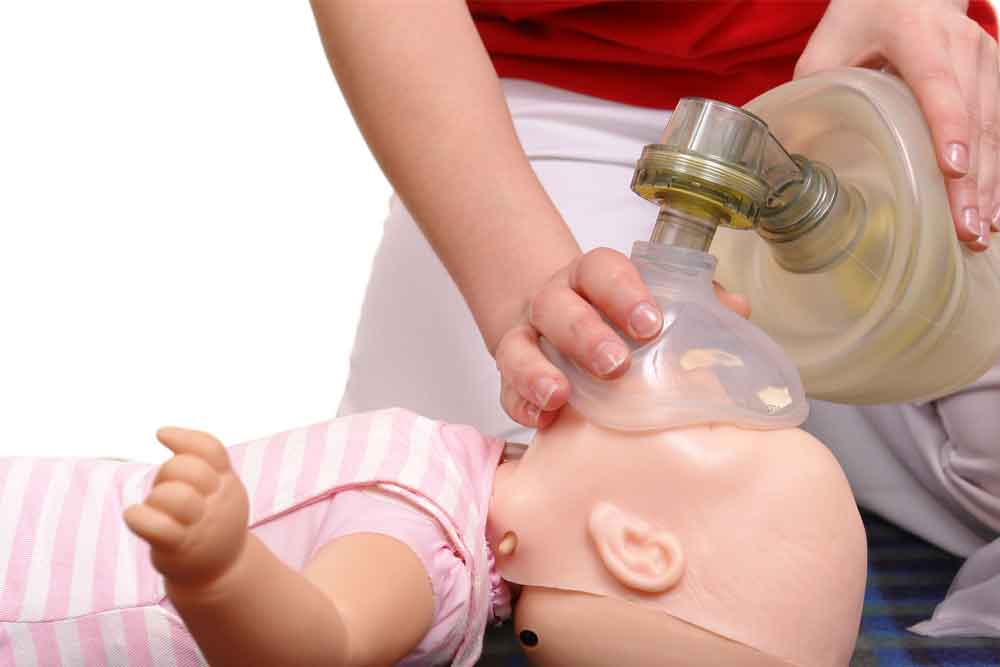
Infant CPR

A choking incident involving a child or baby is one of the most terrifying emergencies a parent, teacher, or caregiver can face. It happens silently, quickly, and often without any warning. Whether a toddler swallows a small toy or an infant struggles with a piece of food, the window to act is incredibly small.

Knowing exactly how to respond can mean the difference between a momentary scare and a devastating tragedy. Unfortunately, many well-meaning bystanders rely on outdated advice or panic-driven instincts. This is why formal, hands-on training is an absolute necessity.

In a certified American Heart Association (AHA) class, you learn evidence-based choking relief for infants and children. The techniques taught differ significantly from adult procedures due to a child’s delicate anatomy. By learning these age-specific protocols, you build the muscle memory required to act decisively under extreme pressure.

In this comprehensive guide, we break down exactly what to expect from your pediatric CPR training. We cover how to recognize severe airway obstructions, the distinct methods used for babies versus older children, and why in-person practice is unmatched. Here is what you will learn when you sign up for a high-quality CPR and First Aid class.

Why Pediatric Choking Requires Specialized Training

Babies and young children are naturally curious, frequently using their mouths to explore the world around them. This developmental stage makes them highly susceptible to airway obstructions. According to pediatric safety data, items like grapes, hot dogs, coins, and small toy parts are frequent culprits.

However, a child is not just a miniature adult. Their airways are narrower, their bones are still developing, and their internal organs are far more exposed. Applying adult choking techniques to an infant can cause severe, life-threatening internal damage.

This is where formal training bridges the gap between panic and effective action. A certified CPR instructor teaches you how to modify your physical force. You learn the anatomical reasons why specific thrusts are used and how to adapt your body mechanics to fit the size of the victim.

Recognizing the Signs of a Severe Airway Obstruction

Before intervening physically, you must first assess the severity of the choking incident. CPR classes emphasize the critical difference between a mild airway obstruction and a severe one. If a child is coughing forcefully or crying loudly, they still have air exchange. In these mild cases, instructors teach you to monitor the child closely and encourage them to keep coughing, rather than interfering.

A severe obstruction, on the other hand, requires immediate physical intervention. The hallmark sign of severe choking is sudden silence. The infant or child cannot cry, speak, or cough effectively.

Other unmistakable red flags include a high-pitched squeaking noise when trying to breathe, clutching the throat (the universal choking sign), and a bluish tint to the lips or skin. When you recognize these signs, you must step in immediately. Your AHA BLS CPR certification course will run through varied scenarios so you can identify these visual cues in seconds.

How Do CPR Classes Teach Choking Relief for Infants?

Infants, defined in medical training as children under one year of age, require a highly specialized approach. Because their abdominal organs are fragile and unprotected by a fully developed rib cage, you should never use abdominal thrusts on a baby. Doing so can cause catastrophic internal injuries.

Instead, CPR classes teach a strict sequence of back slaps and chest thrusts. First, you learn how to safely support the infant’s head and jaw while resting their body face-down along your forearm. Gravity plays a vital role here, so the baby’s head must be angled lower than their chest.

Once the infant is properly positioned, you deliver five forceful back slaps between the shoulder blades using the heel of your free hand. If the object does not dislodge, you carefully flip the baby over, keeping their head and neck supported. You then administer five chest thrusts using two fingers placed directly on the lower half of the breastbone.

This 5-and-5 cycle continues until the object is expelled or the infant becomes unresponsive. During an in-person class, you practice this exact sequence on realistic infant manikins. This tactile experience ensures you know exactly how much force to apply in a real-world crisis.

Performing Choking Relief for Children: What You Will Learn

For children older than one year, the approach changes. The protocol closely mirrors adult choking relief but requires crucial modifications for size and height. The primary technique taught for this age group is the abdominal thrust, widely known as the Heimlich maneuver.

In your certification class, you learn how to correctly position yourself behind the choking child. If the child is small, you may need to kneel behind them to align your arms properly. Kneeling ensures your thrusts go inward and upward, effectively forcing air out of the lungs to push the obstruction free.

Proper hand placement is essential to avoid breaking ribs or damaging organs. Instructors teach you to make a fist with one hand, place it just above the child’s navel, and grasp it with your other hand. You then deliver quick, upward thrusts as if you are trying to lift the child off their feet.

You must continue these thrusts until the airway is clear. Hands-on practice allows you to refine your grip, stance, and angle so you can deliver abdominal thrusts efficiently and without hesitation.

The Hidden Danger: Why You Should Never Do a Blind Finger Sweep

One of the most valuable lessons taught in any American Heart Association CPR class is what not to do. Human instinct often tells panicked parents to stick their fingers into a choking child’s mouth to pull the object out. This is known as a “blind finger sweep,” and it is incredibly dangerous.

Instructors explicitly warn against this practice because it usually makes the situation worse. A blind finger sweep often pushes the foreign object deeper into the narrow pediatric airway. This turns a partial blockage into a complete, fatal obstruction.

Instead, training emphasizes that you should only attempt to remove an object if you can clearly see it and easily pinch it out with your fingers. Otherwise, rely entirely on back slaps, chest thrusts, or abdominal thrusts to do the work safely.

Transitioning to CPR: What Happens If the Child Becomes Unresponsive?

A critical component of choking relief for infants and children is knowing how to escalate your care. If the obstruction cannot be cleared and the child is deprived of oxygen, they will eventually lose consciousness. At this terrifying moment, choking relief protocols transition directly into Cardiopulmonary Resuscitation (CPR).

Your instructor will guide you through this seamless transition. The moment an infant or child goes limp, you must carefully lower them to a firm, flat surface and shout for someone to call 911. You then immediately begin chest compressions.

The chest compressions used in CPR serve a dual purpose here: they circulate oxygenated blood to the brain and can also create enough internal pressure to pop the obstructing object loose. Every time you open the airway to give rescue breaths during CPR, you are taught to briefly look in the mouth for the dislodged object.

By mastering both choking relief and high-quality CPR in a single training session, you become fully equipped to handle a respiratory emergency from the first sign of distress through a full cardiac arrest.

The Value of In-Person AHA BLS Certification

While you can read countless articles or watch online videos about choking relief, nothing replaces hands-on training. In a high-stress emergency, your brain relies heavily on muscle memory. Reading about proper hand placement is fundamentally different from physically performing it on a training manikin.

Local organizations like CPR Classes Near Me offer specialized AHA BLS CPR and First Aid training that guarantees you learn these skills correctly. With highly trained instructors providing immediate, personalized feedback, you learn exactly how deep to compress a chest and how hard to deliver a back slap.

Furthermore, obtaining an official AHA eCard ensures that your certification is globally accepted by employers in healthcare, education, childcare, and beyond. You leave the classroom on the exact same day not just with a piece of paper, but with the genuine confidence that you can save a life.

Conclusion

Choking is a silent, sudden emergency that leaves zero time for second-guessing. By understanding the distinct protocols for choking relief for infants and children, you can take immediate, effective action. From delivering life-saving back slaps to a fragile baby, to properly executing abdominal thrusts on a toddler, these skills are invaluable for any parent, teacher, or medical professional.

Don’t wait until an emergency strikes to figure out what to do. Protect the ones you love and the community you serve by getting fully certified.

Ready to master these life-saving skills? Contact CPR Classes Near Me today to register for your local AHA BLS CPR certification class and gain the confidence you need to handle any emergency.

Frequently Asked Questions

How is choking relief for infants different from adults?

Infants have fragile bodies and underdeveloped rib cages, making adult techniques dangerous. Instead of abdominal thrusts, infant choking relief relies on a sequence of five back slaps followed by five chest thrusts. The infant’s head must also be carefully supported and angled downward during the procedure.

Can I use the Heimlich maneuver on a baby?

No, you should never use the Heimlich maneuver (abdominal thrusts) on a baby under one year old. Applying deep pressure to an infant’s abdomen can cause severe damage to their internal organs. Always use back slaps and chest thrusts for infants.

What should I do if a choking child becomes unconscious?

If a choking infant or child loses consciousness, immediately lower them to a firm, flat surface and shout for help or call 911. You must then begin standard CPR, starting with chest compressions. Remember to look inside the mouth for the obstructing object every time you open the airway to give rescue breaths.

How long does a CPR certification class take?

An in-person AHA BLS CPR certification class typically takes about 3.5 to 4 hours to complete. During this time, you will watch required instructional videos, complete hands-on skills practice, and take a brief evaluation to earn your same-day certification card.

Do CPR classes teach you how to use an AED on children?

Yes, a comprehensive CPR class covers the use of an Automated External Defibrillator (AED) for victims of all ages. You will learn how to apply pediatric AED pads and adjust the device settings specifically for infants and small children.

What are the most common choking hazards for infants?

Infants and toddlers frequently choke on small, round foods and household objects. Common hazards include grapes, hot dog slices, popcorn, coins, marbles, and small parts broken off from toys.

Is hands-on CPR training better than online certification?

Yes, hands-on training is vastly superior and often required by employers. In-person classes allow you to practice physical techniques on manikins, building vital muscle memory, while instructors provide real-time feedback to ensure you are applying the correct amount of force.

Why Infant & Child CPR Skills Matter for Educators

Closeup of students practicing CPR chest compression on dummy.

As an educator, your daily responsibilities extend far beyond lesson plans, grading rubrics, and standardized testing. You are often the first line of defense when a student’s health or safety is suddenly compromised in the classroom. This is exactly why mastering infant and child CPR skills is not just a resume booster—it is an absolute necessity for anyone entrusted with the care of children. Whether you teach in a bustling daycare center or manage a middle school gym class, emergencies strike without warning.

As we evaluate school safety standards for the 2026 academic year, the importance of emergency preparedness has never been more apparent. Parents drop their children off every morning trusting that school staff can handle worst-case scenarios. When an accident happens, having the right training ensures you can step up confidently rather than waiting helplessly for paramedics to arrive.

This guide will break down exactly why pediatric CPR training is mandatory for modern teachers. You will learn how children’s bodies react differently to emergencies, what specific techniques you need to know, and how securing your American Heart Association certification will make you a more capable, confident educator.

Why Do Infant and Child CPR Skills Save Lives in Modern Classrooms?

When a medical emergency occurs on school grounds, time is the ultimate enemy. If a child stops breathing or their heart stops beating, irreversible brain damage can begin within just four to six minutes. Emergency medical services (EMS) do incredible work, but their average response time can range from eight to fourteen minutes depending on traffic and location.

Because educators are already in the room, they bridge that terrifying gap between the onset of an emergency and the arrival of an ambulance. By immediately beginning chest compressions, a teacher keeps oxygenated blood circulating to a student’s vital organs. This immediate intervention can literally double or triple a child’s chances of survival.

Effective infant and child CPR skills provide a vital safety net in educational settings where large groups of kids eat, play, and learn. A classroom is a dynamic environment, and teachers with muscle memory from hands-on training are far less likely to freeze under pressure. Instead of panicking, a certified educator instantly shifts into life-saving mode.

What Unforeseen School Emergencies Make Pediatric CPR Training Mandatory?

Adults typically experience sudden cardiac arrest due to underlying cardiovascular disease or arterial blockages. However, pediatric cardiac emergencies are almost always secondary to a severe respiratory issue. This means a child’s heart usually stops beating because they have been deprived of oxygen for too long.

The most common culprit in schools and daycares is choking. A child can easily aspirate a grape in the cafeteria, choke on a small toy part during recess, or swallow a pen cap during a lecture. If the airway is completely blocked, the child will quickly lose consciousness, making immediate pediatric First Aid and CPR critical.

Other sudden emergencies include severe allergic reactions (anaphylaxis) from undisclosed food allergies, asthma attacks triggered by playground exertion, or even drowning incidents during field trips. Furthermore, some children have undiagnosed congenital heart defects that can suddenly trigger an arrhythmia during physical education. In all of these scenarios, an educator trained in BLS training (Basic Life Support) is the child’s best hope.

How Does Infant and Child CPR Anatomy Differ From Adult Resuscitation?

Children are not just miniature adults; their anatomical structures require entirely different life-saving approaches. An infant’s bones are softer, their airways are significantly narrower, and their lung capacities are much smaller. If you apply the forceful chest compressions used on a full-grown adult to a baby, you risk causing severe internal injuries.

To perform effective CPR on an infant (under one year old), an educator must use just two fingers in the center of the chest, pressing down approximately 1.5 inches. For a child (ages one to puberty), the rescuer typically uses the heel of one hand to compress the chest to a depth of about 2 inches. Adult CPR, by contrast, requires two intertwined hands pressing at least 2 to 2.4 inches deep.

Understanding these physical nuances is why general adult training is not enough for school staff. Pediatric CPR requires specific hand placements, different compression depths, and a gentle touch that can only be perfected through hands-on practice with specialized manikins.

Why Are Rescue Breaths Essential for Effective Infant and Child CPR?

In recent years, “hands-only CPR” has been heavily promoted for adult victims of sudden cardiac arrest. Because adults usually have oxygen left in their bloodstream when they collapse, rapid chest compressions are often enough to keep them alive until paramedics arrive. However, this hands-only approach is not recommended for pediatric patients.

Because children generally go into cardiac arrest due to respiratory failure—such as choking or an asthma attack—their bodies are entirely depleted of oxygen by the time their heart stops. Compressing the chest of a child who has no oxygen left in their blood will simply circulate deoxygenated blood to the brain, which does not prevent brain damage.

Therefore, American Heart Association guidelines strongly emphasize the addition of rescue breaths when resuscitating infants and children. Educators learn the precise ratio of 30 compressions to 2 breaths, ensuring they replenish the child’s oxygen supply while manually pumping their heart. Mastering the exact volume of air to breathe into small lungs without over-inflating them is a core component of pediatric training.

How Do Automated External Defibrillators (AEDs) Work on Pediatric Patients?

Most modern schools, daycares, and athletic facilities are now equipped with Automated External Defibrillators (AEDs). These incredible devices analyze a patient’s heart rhythm and deliver a targeted electrical shock to restore a normal heartbeat. However, using an AED on a child requires specialized knowledge that teachers must learn.

Pediatric patients need a lower dosage of electricity than adults. An educator trained in pediatric CPR knows to look for pediatric-specific AED pads, which reduce the shock’s energy to a safe level for a child’s small body. If pediatric pads are unavailable, teachers learn the exact placement of adult pads on a child (one on the front of the chest, one on the back) so the electricity doesn’t arc improperly.

Knowing how to swiftly locate, power on, and apply an AED while simultaneously performing CPR is a complex multi-tasking skill. High-quality training courses drill this sequence repeatedly until it becomes second nature to the school staff.

Why Is American Heart Association (AHA) Certification the Standard for Teachers?

When it comes to emergency medical training, not all certifications are created equal. The American Heart Association (AHA) is widely recognized as the premier authority on cardiovascular science and emergency response protocols. Almost all state education boards and healthcare institutions mandate AHA-aligned training because of its rigorous, evidence-based curriculum.

Employers trust AHA certification because it requires students to demonstrate their skills in front of a certified instructor. Unlike cut-rate online programs that just ask you to click through a PowerPoint presentation, AHA guidelines guarantee that the cardholder has successfully executed the physical maneuvers of CPR.

For educators, holding a valid AHA certification ensures full compliance with local school board regulations, daycare licensing laws, and OSHA workplace safety standards. It protects the teacher professionally while simultaneously guaranteeing they possess the highest level of life-saving readiness.

How Does Hands-On Pediatric CPR Training Prepare Teachers for Real-World Crises?

You cannot learn to swim by reading a book, and you cannot learn CPR by watching a video online. True emergency preparedness relies heavily on muscle memory, which is only developed through physical repetition. When a classroom crisis hits, adrenaline spikes, and fine motor skills can instantly degrade if they haven’t been physically practiced.

In-person CPR classes allow teachers to experience the physical resistance of a chest cavity using advanced feedback manikins. These tools click to let the student know they are pushing deep enough and fast enough. Instructors can actively correct hand placement, adjust pacing, and ensure that rescue breaths are making the manikin’s chest rise visibly.

Furthermore, hands-on training builds immense psychological confidence. Educators who have physically practiced relieving a choking infant report far less anxiety about meal times and recess duty. They lead their classrooms with the peace of mind that comes from knowing exactly how to handle the worst-case scenario.

What Essential Emergency Response Techniques Will Educators Master in Class?

A comprehensive pediatric CPR and First Aid course is designed to cover every major life-threatening event a teacher might encounter. The curriculum begins with a strong foundation in assessing the scene to ensure it is safe for the rescuer before approaching the victim. From there, educators learn to quickly identify the subtle signs of cardiac arrest and respiratory distress in young children.

Teachers will master the Heimlich maneuver for older children and the specific back-slap and chest-thrust techniques required to dislodge objects from a choking infant. They will also learn how to seamlessly transition from choking relief to full CPR if the child loses consciousness.

Beyond CPR, these courses cover critical First Aid responses for everyday schoolyard accidents. This includes managing severe bleeding, stabilizing suspected fractures, recognizing the onset of a seizure, and utilizing an EpiPen for severe allergic reactions. By the end of the session, educators walk away as highly capable first responders.

Conclusion: Are You Ready to Protect Your Students?

As a teacher, daycare provider, or coach, you hold the lives of the next generation in your hands every single day. Taking a few hours out of your week to master infant and child CPR skills is one of the most profound and selfless ways you can protect your students. The ability to restore a child’s breathing or restart their heart is a superpower that no educator should enter a classroom without.

Don’t wait until a terrifying emergency forces you to realize the value of this training. Whether you need an initial certification or it is time to renew your expiring credentials, immediate action is the best policy.

Contact CPR Classes Near Me today to schedule your American Heart Association certified training. With hands-on instruction from industry experts, small class sizes, and same-day eCards, we make it easy for educators to get fully certified. Secure your peace of mind and protect your classroom by booking your session now!

FAQ

How long does a pediatric CPR certification last for educators?

Upon successfully completing an American Heart Association CPR course, your certification is valid for exactly two years. Educators must take a renewal class before the expiration date on their eCard to maintain continuous compliance with school and state regulations.

Can teachers take infant and child CPR classes entirely online?

No, fully online CPR certifications are rarely accepted by school districts or employers. Because CPR requires physical muscle memory and precise techniques, the American Heart Association requires a hands-on, in-person skills session with an instructor to issue a valid certification.

What is the difference between adult CPR and pediatric CPR?

Adult CPR generally focuses on hard, deep chest compressions to treat sudden cardiac arrest caused by heart disease. Pediatric CPR utilizes gentler compressions with different hand placements and places a much stronger emphasis on rescue breaths, as children usually suffer cardiac arrest secondary to respiratory failure.

Does CPR Classes Near Me provide same-day certification cards?

Yes, CPR Classes Near Me issues official American Heart Association BLS eCards on the exact same day you complete your training. This ensures educators can immediately provide proof of certification to their school administrators without any delay.

Who is qualified to take a pediatric CPR class?

Anyone who can independently complete the physical requirements of the course is highly encouraged to take it. There is no minimum age or professional prerequisite, making it perfect for teachers, daycare staff, babysitters, parents, and school bus drivers.

CPR vs First Aid: Which Class Should You Take First?

When an emergency happens, every second counts. But if you are standing on the sidelines wondering what to do, those seconds can feel like hours. You know you want to be prepared, but as you look through course listings, you might find yourself stuck: Should you take a CPR class or a First Aid class first?

The truth is that while both sets of skills fall under the umbrella of “emergency response,” they serve very different purposes. One focuses on keeping the heart pumping, while the other focuses on treating injuries and managing sudden illnesses. Choosing the right one—or choosing both—depends on your job requirements and your personal goals for safety.

In this guide, we will break down the essential differences between CPR and First Aid, explore which one you should prioritize, and explain how you can master both in a single afternoon.

What is the Difference Between CPR and First Aid?

At its simplest, CPR is a life-saving procedure used when someone’s heart has stopped (cardiac arrest). First Aid is a broader term for the immediate care given to a person who is injured or suddenly becomes ill.

When you take a CPR class, you are learning how to become a temporary “mechanical heart.” You learn the rhythm of chest compressions and the technique for rescue breaths to keep oxygenated blood flowing to the brain. Without CPR, a person in cardiac arrest can suffer permanent brain damage in as little as four minutes.

First Aid, on the other hand, covers a vast range of scenarios that don’t necessarily involve the heart stopping. This includes treating heavy bleeding, cooling a burn, stabilizing a broken bone, or helping someone having a severe allergic reaction. While First Aid can save lives (like stopping a major bleed), it is often about preventing a situation from getting worse until professional help arrives.

Is CPR Included in a First Aid Class?

This is a common point of confusion for many students. While many people use the terms interchangeably, they are distinct certifications. However, at CPR Classes Near Me, we often bundle them together because they work hand-in-hand.

In a standalone First Aid course, the focus is strictly on trauma and medical emergencies like seizures, poisoning, or heatstroke. You might talk about when to start CPR, but you won’t necessarily get the hands-on practice needed for certification.

In a combined CPR and First Aid class, you get the best of both worlds. You spend half the time on the floor practicing high-quality compressions on manikins and the other half learning how to bandage wounds or use an EpiPen. If you are looking for a “one and done” solution for your employer, the combined course is almost always the best choice.

Which Certification Should You Get First?

If you are forced to choose just one to start with, the answer usually depends on your environment. However, for most people, CPR is the priority.

Cardiac arrest is one of the leading causes of death worldwide. Because the window for survival is so small, having the “hard” skill of CPR is often seen as the most critical tool in a rescuer’s toolkit. Most employers—especially in healthcare, education, and childcare—require CPR certification as their baseline safety standard.

If you are a healthcare professional, such as a nurse or EMT, you will likely start with a Basic Life Support (BLS) class. This is a professional-level CPR course that goes deeper into team dynamics and advanced airway management. For everyone else, a standard CPR and AED course is the perfect foundation.

Who Needs CPR Certification More Than First Aid?

While everyone can benefit from both, some roles have a higher demand for CPR specifically. If you work in a high-stress environment where the risk of a cardiovascular event is present, CPR is your primary focus.

Healthcare workers are the obvious group, but this also includes personal trainers, coaches, and lifeguards. These professionals are often in charge of individuals who are physically exerting themselves, which can trigger underlying heart conditions. In these cases, knowing how to use an Automated External Defibrillator (AED) and perform compressions is more likely to be used than wound care.

That said, if you work in a high-risk physical environment like construction, electrical work, or manufacturing, First Aid becomes equally important. In these fields, injuries like falls, cuts, and burns are statistically more frequent than heart attacks.

Can I Take Both CPR and First Aid at the Same Time?

Yes, and this is actually the recommended path for most people. Taking a combined class ensures that you don’t have gaps in your knowledge. For example, if you encounter a victim of a severe car accident, you may need First Aid to stop a bleed, followed immediately by CPR if they lose consciousness and their heart stops.

At our Austin training site and our locations across the country, we offer an integrated CPR, AED, and First Aid course. This 4-hour session covers everything from adult and infant CPR to choking relief and trauma care. The benefit of taking them together is that you see how the skills flow into one another.

By combining the courses, you also save time and money. Rather than taking two separate classes on different weekends, you can complete all your requirements in a single afternoon and walk away with your American Heart Association (AHA) eCard the same day.

How Long Do These Certifications Last?

Both CPR and First Aid certifications from the American Heart Association are valid for two years. This two-year window is industry-standard because life-saving skills are “perishable.” If you don’t use them, you tend to forget the specific compression depths or the steps for treating shock.

When your two-year mark approaches, you don’t necessarily have to take a different “renewal” class. You simply sign up for the same in-person course to refresh your skills, learn any updated guidelines from the AHA, and prove your competency to an instructor.

Staying current is vital. Medical research evolves, and the techniques we used ten years ago have been refined to be more effective today. Renewing every two years ensures you are providing the best possible care based on the latest science.

Why Choose In-Person Training Over Online-Only Courses?

In your search for “CPR classes near me,” you will likely find websites offering 100% online certification for a very low price. While these might seem tempting, they often fail to meet employer and OSHA requirements.

CPR and First Aid are physical skills. You cannot truly learn the “feel” of a chest compression or the pressure needed for a tourniquet by clicking a mouse. Most reputable employers—especially in Texas and throughout the U.S.—require an in-person skills check to verify that you can actually perform the techniques.

Our classes are led by certified AHA instructors who provide real-time feedback. If your compressions aren’t deep enough, or if you’re leaning on the chest, an instructor will correct you on the spot. This hands-on experience is what builds the confidence you need to act in a real emergency.

What Should I Expect in a Combined Class?

When you walk into a CPR and First Aid class, expect to be active. You won’t just be sitting in a chair watching videos. You will be on the floor working with manikins and practicing with AED trainers.

The course is structured to be scannable and easy to follow. You will cover:

  • High-Quality CPR: Learning the correct rate and depth for adults, children, and infants.
  • AED Use: Learning how to power on and follow the voice prompts of a defibrillator.
  • Choking Relief: Techniques for clearing an airway for all ages.
  • Medical Emergencies: Recognizing signs of heart attack, stroke, and allergic reactions.
  • Injury Management: Bandaging, splinting, and treating environmental emergencies like heat exhaustion.

The goal is to leave the classroom feeling empowered, not overwhelmed. We keep the tone business casual and conversational so that the information sticks.

Ready to Get Certified?

Choosing between CPR and First Aid doesn’t have to be a difficult decision. If you want to be fully prepared for any emergency—whether it’s a heart attack at the gym or a bad cut in the kitchen—the combined course is your best path forward.

At CPR Classes Near Me, we specialize in providing high-quality, AHA-compliant training that fits your schedule. Whether you are a teacher in Austin needing to meet state requirements or a corporate team looking to improve workplace safety, we are here to help.

Don’t wait for an emergency to realize you aren’t prepared. Contact CPR Classes Near Me today to find a class in Austin or at one of our many locations nationwide. Gain the skills, get your same-day certification, and be the person who knows what to do when it matters most.

Frequently Asked Questions

Which is more important, CPR or First Aid? 

Both are important, but CPR is generally considered more critical because it addresses life-threatening cardiac arrest where the window for survival is only minutes. First Aid addresses a broader range of injuries that are often less immediately fatal but still require urgent care.

Can I get my CPR and First Aid certification on the same day? 

Yes. Most training centers offer a combined CPR and First Aid course that takes approximately 4 hours to complete. You will receive your certification card for both disciplines upon finishing the class.

Do employers prefer one over the other? 

It depends on the industry. Healthcare and fitness industries almost always require CPR/AED or BLS. Construction, daycare, and manufacturing industries usually require a combination of both CPR and First Aid to comply with OSHA standards.

How long does a combined CPR and First Aid class take? 

A comprehensive, in-person class typically takes about 3.5 to 4 hours. This includes video instruction, hands-on practice, and the skills testing required for your American Heart Association eCard.

Is there an age limit for taking these classes? 

There is no minimum age requirement to learn CPR or First Aid. As long as a student can physically perform the compressions and follow the course material, they can become certified.

What is the “eCard” I receive after class? 

An eCard is the official digital certification issued by the American Heart Association. It is sent via email and can be printed or saved to your phone. It is the most widely accepted form of certification by employers nationwide.

Is Your Life-Saving Skill Set Up to Date? A Guide to CPR Renewal

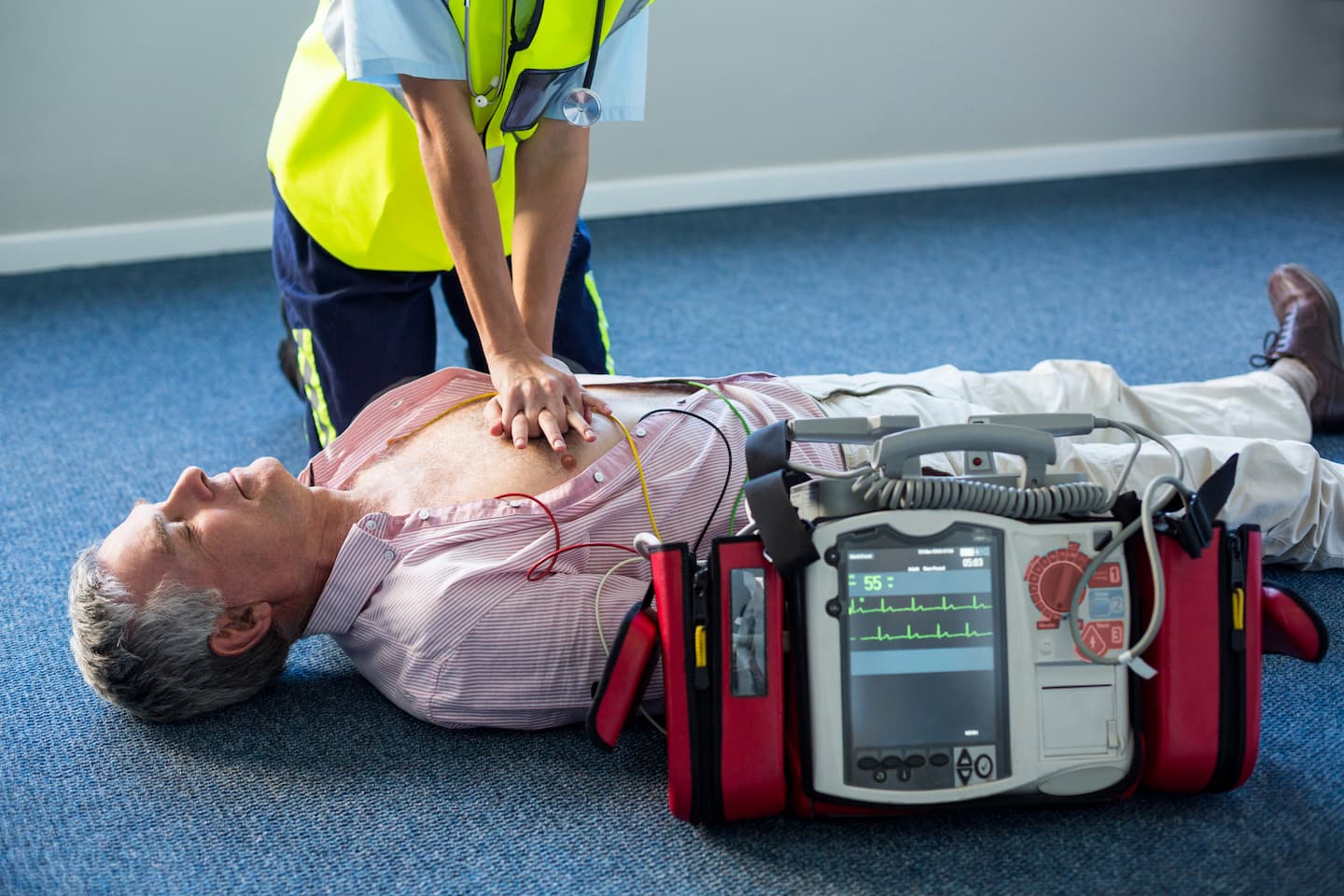
Paramedic performing CPR with defibrillator on cardiac arrest patient

Whether you are a seasoned nurse, a dedicated high school coach, or a proactive parent, your CPR certification is more than just a piece of paper—it’s a promise to be ready when the unthinkable happens. But as time passes, even the most diligent responders can find their skills getting a little rusty.

In the world of emergency response, “staying current” isn’t just a suggestion; it’s a necessity. Medical guidelines evolve, technology like AEDs becomes more advanced, and your muscle memory naturally fades. This comprehensive guide will walk you through everything you need to know about renewing your CPR certification, ensuring you remain a confident and capable link in the chain of survival.

Why is CPR certification renewal necessary?

The most critical reason to renew your CPR certification is skill retention. Research from major health organizations shows that CPR skills begin to decline significantly just a few months after training. By the two-year mark, many people struggle to remember the correct compression depth or the proper ratio of breaths to pumps. Regular renewal forces you to refresh that muscle memory so that you don’t hesitate during a real emergency.

Beyond the physical skills, renewal keeps you informed about the latest science. Every few years, organizations like the American Heart Association update their “Chain of Survival” based on new data. What was considered “best practice” five years ago might be outdated today. Renewal ensures you are providing the most effective care possible based on the latest life-saving research.

Finally, for many, it is a matter of professional survival. If you work in healthcare, education, or childcare, a lapsed certification can lead to immediate suspension or even the loss of your license. Staying ahead of your expiration date is the best way to avoid unnecessary professional stress.

When should you start the renewal process?

Most CPR certifications are valid for exactly two years from the date of your last class. You can find this date printed clearly on your provider card or within your digital certificate portal. However, you shouldn’t wait until the day before it expires to start looking for a class.

We recommend starting the renewal process at least 30 to 60 days before your current card expires. This “buffer zone” is essential for a few reasons:

  1. Class Availability: Popular time slots (like Saturday mornings) can fill up weeks in advance.
  2. Abbreviated Options: Many providers offer “Renewal” or “Challenge” courses that are shorter and cheaper than the full initial course. However, these are often only available to those whose cards are still valid.
  3. Processing Time: While many digital cards are issued instantly, some employers require a verified physical copy which can take a few days to process.

If your card has already expired, don’t panic—but do act quickly. Most training centers will require you to take the full “Initial” course again if your card is even one day past its expiration date, as you are no longer eligible for the abbreviated renewal curriculum.

How do you choose the right renewal course?

Not all CPR classes are created equal. The “right” course for you depends entirely on your job requirements and your learning style. To make the best choice, ask yourself these three questions:

1. What does my employer require?

If you are a doctor, nurse, or paramedic, you likely need BLS (Basic Life Support) for Healthcare Providers. If you work in an office or a gym, a Heartsaver CPR/AED course is usually sufficient. Always check if your employer requires a specific accrediting body, such as the American Heart Association or the American Red Cross.

2. Which format fits my schedule?

  • In-Person: Best for hands-on learners who want immediate feedback from an instructor.
  • Blended Learning: The “gold standard” for busy professionals. You complete the lecture and testing portions online at your own pace, then drop in for a quick 30-minute hands-on skills check.
  • Online Only: Be cautious here. While convenient, 100% online courses often do not meet OSHA or workplace requirements because they lack a physical skills assessment on a manikin.

3. Does the course include AED training?

In the modern world, CPR and AEDs go hand-in-hand. Ensure your renewal course includes the latest protocols for using an Automated External Defibrillator on adults, children, and infants.

What should you expect during a CPR renewal class?

A renewal course is designed to be more efficient than your first class. Instead of starting from scratch, the instructor focuses on “refreshing” your existing knowledge and correcting any bad habits you may have picked up. You can typically expect the following:

  • Review of Core Techniques: You’ll revisit high-quality chest compressions (2 inches deep for adults) and the 30:2 compression-to-breath ratio.
  • AED Troubleshooting: You’ll practice applying pads quickly and following the voice prompts of the device.
  • Choking Relief: A refresher on the Heimlich maneuver for various age groups.
  • The Skills Test: You will be asked to demonstrate your skills on a manikin while the instructor observes. They aren’t looking for perfection, but they are looking for “competency”—meaning you can perform the steps safely and effectively.
  • Written Exam: Depending on the level of certification (like BLS), there may be a short multiple-choice quiz to verify your understanding of the theory.

How can you maintain your skills between renewals?

Two years is a long time. To ensure you don’t lose your edge between renewal cycles, consider these simple maintenance tips:

  • Watch a Video: Every six months, spend 5 minutes watching a YouTube video from a reputable source (like the AHA) on “Hands-Only CPR.”
  • Download an App: There are several free apps that provide step-by-step emergency guides and metronomes to help you keep the correct beat (100–120 compressions per minute).
  • Locate the AEDs: Whenever you are in a familiar place—like your office, the mall, or your gym—take note of where the nearest AED is located. Simply knowing where the equipment is can save precious minutes in a crisis.

Conclusion

Renewing your CPR certification is a small investment of time that pays massive dividends in safety and confidence. Whether you are doing it for a job requirement or simply to protect your loved ones, staying current ensures that if you are ever called to act, you will be ready.

Don’t wait for an emergency to realize your skills have faded. Check your card today, look for the expiration date, and get ahead of the curve.

Ready to update your skills? Contact CPR Classes Near Me today to find a renewal course that fits your schedule and keeps you certified!

Frequently Asked Questions (FAQ)

Q: Can I renew my CPR certification online?

A: Yes, you can complete the educational portion of your renewal online. However, if you need the certification for a workplace or professional license (OSHA compliance), you must also complete an in-person skills assessment with a certified instructor to receive your valid card.

Q: Is there a grace period after my CPR card expires?

A: Generally, no. Most accrediting bodies do not offer a grace period. Once the date on your card passes, you are technically uncertified. While some instructors may allow you into a renewal class within 30 days of expiration, many employers will consider you non-compliant the moment the card expires.

Q: How long does a CPR renewal class take?

A: A traditional in-person renewal class typically takes 2 to 3 hours. If you choose a blended learning format, the in-person skills check can often be completed in 30 to 45 minutes after you finish your online coursework.

Q: What is the difference between BLS and CPR renewal?

A: BLS (Basic Life Support) is a more advanced form of CPR training specifically designed for healthcare providers. It includes two-person CPR, bag-valve mask usage, and more intense testing. Standard CPR renewal (Heartsaver) is designed for laypeople and focuses on basic life-saving skills.

Q: Do I need to buy a new student manual for every renewal?

A: Most organizations require you to have access to the current student manual during your course. Since guidelines are updated every few years, it is important to ensure you are studying from the most recent edition provided by your training center.

CPR Certification: What It Is and Why It Matters

Imagine you are at a local grocery store, a high school basketball game, or a family dinner. Suddenly, someone nearby collapses. They aren’t breathing, and they don’t have a pulse. At that moment, the clock starts ticking. Every second that passes without intervention decreases their chance of survival. Would you know what to do?

This is where CPR certification moves from being a “good idea” to an “essential life skill.” While many people think CPR is only for doctors or nurses, the reality is that most cardiac arrests happen in public or at home. The person most likely to save a life isn’t a surgeon in an operating room—it’s a bystander with the right training.

In this guide, we’ll dive deep into what CPR certification actually entails, why it is so critical for everyone (not just healthcare pros), and how you can take the first step toward becoming a neighborhood hero.

What Exactly Is CPR Certification?

CPR certification is a formal credential that proves you have undergone professional training in Cardiopulmonary Resuscitation. It isn’t just about reading a book or watching a video; it is a comprehensive educational process that combines theory with hands-on practice.

When you earn a certification, it means you have demonstrated to a certified instructor that you understand the mechanics of the human heart and lungs. You’ve shown you can perform high-quality chest compressions and provide rescue breaths according to current medical standards, such as those set by the American Heart Association (AHA) or the Red Cross.

A typical certification covers:

  • Recognizing the signs of sudden cardiac arrest.
  • How to call for emergency services effectively.
  • The proper depth and rate of chest compressions.
  • The use of an Automated External Defibrillator (AED).
  • How to assist a choking victim.

Most certifications are valid for two years. This is because life-saving skills are “perishable.” Without practice, your technique can fade, and medical guidelines are updated regularly as we learn more about how to save lives more effectively.

Why Is CPR Certification So Important for the General Public?

You might think, “I’ll just call 911.” While calling 911 is the first step, emergency medical services (EMS) take time to arrive—often between 8 to 12 minutes. Brain damage can begin in as little as 4 minutes without oxygen. CPR acts as a manual pump, keeping oxygenated blood flowing to the brain until professionals arrive.

Here are a few reasons why it matters for everyone:

  • Immediate Action: You become the bridge between the collapse and the arrival of the ambulance.
  • Confidence Over Panic: In an emergency, adrenaline spikes. Without training, most people freeze. Certification gives you a “mental script” to follow, allowing you to act decisively.
  • Protecting Loved Ones: Statistically, 70% of out-of-hospital cardiac arrests happen at home. Your training is most likely to be used on a family member or friend.
  • Empowering Communities: A community where more people are certified is a safer community. It creates a network of safety in parks, offices, and schools.

What Happens During a CPR Training Class?

If you’ve never been to a CPR class, you might feel a bit nervous about what to expect. There’s no need to worry. CPR classes are designed to be supportive, engaging, and highly practical. They are built for people of all backgrounds and physical abilities.

When you walk into a class at CPR Classes Near Me, you can expect the following:

  1. Expert Instruction: You’ll be guided by an experienced instructor who has seen these scenarios in real life. They explain the “why” behind every movement.
  2. Hands-On Practice: You won’t just sit in a chair. You’ll use medical-grade manikins to practice compressions. This helps you get a feel for how much pressure is required.
  3. AED Demonstration: You will learn how to use an Automated External Defibrillator. These machines are very easy to use—they actually talk to you—but practicing with a trainer model builds the confidence to use one in a real emergency.
  4. Skills Testing: At the end of the session, the instructor will watch you perform the skills you’ve learned. Once you demonstrate proficiency, you receive your certification.

The goal isn’t to make you a doctor; it’s to make you a capable first responder who can keep someone stable until the cavalry arrives.

Is Online CPR Certification Enough?

In the digital age, many people wonder if they can just get certified through a quick online quiz. While online courses can provide great “head knowledge,” they often lack the most important element: the hands-on component.

Performing CPR is a physical task. It requires a specific depth (about 2 inches for adults) and a specific rhythm (100–120 beats per minute). It is very difficult to judge if you are doing this correctly without a manikin that provides feedback or an instructor who can correct your form.

Most employers—especially in healthcare, education, and childcare—require a certification that includes an in-person skills check. At CPR Classes Near Me, we focus on that hands-on experience because we know it’s what actually saves lives when the pressure is on.

Who Should Consider Getting Certified?

The short answer is: everyone. However, for certain groups, CPR certification is either a job requirement or a critical safety necessity.

  • Parents and Caregivers: Infants and children require different CPR techniques than adults. Learning these can prevent a tragedy during a choking or drowning incident.
  • Teachers and Coaches: Educators are on the front lines. With kids running around and playing sports, the risk of injury or respiratory distress is higher.
  • Fitness Professionals: Gyms are high-risk environments for cardiac events due to the physical strain on the heart.
  • Workplace Safety Officers: Every office should have at least a few people who know how to use the office AED and perform CPR.
  • Healthcare Providers: For nurses, dental assistants, and physical therapists, Basic Life Support (BLS) certification is a standard requirement for employment.

What Is the Difference Between CPR and BLS?

When looking for classes, you might see two different terms: Heartsaver CPR and BLS (Basic Life Support). It’s important to know which one you need.

  • Heartsaver CPR/AED: This is designed for the general public—teachers, fitness trainers, and corporate employees. It covers the basics of CPR, AED use, and choking relief for adults, children, and infants.
  • BLS (Basic Life Support): This is a more advanced level of training designed for healthcare professionals. It includes everything in the Heartsaver course plus advanced techniques like multi-rescuer coordination and the use of bag-mask devices.

If you aren’t sure which one to take, the team at CPR Classes Near Me can help you determine which course fits your needs or job requirements.

How Does an AED Work With CPR?

You’ve probably seen AED boxes in airports or malls. They are small, portable devices that can literally “reboot” a heart that has an irregular rhythm. CPR and AEDs are a team.

While CPR keeps the blood moving manually, it rarely stops the underlying cause of the cardiac arrest. The AED is the tool that can stop the chaotic electrical activity in the heart (ventricular fibrillation) and allow a normal rhythm to return.

In a certification class, you learn:

  • Where to place the electrode pads.
  • How to ensure no one is touching the victim when the shock is delivered.
  • How to immediately resume CPR after the shock.

Using an AED within the first 3 to 5 minutes of collapse can increase survival rates to as high as 50% to 70%. Without an AED, the chances drop significantly every minute.

How Can You Maintain Your CPR Skills?

As mentioned earlier, CPR certification typically lasts for two years. But why? Studies show that CPR skills begin to decline as early as six months after training. You might forget the exact compression-to-breath ratio or feel hesitant about where to place your hands.

To stay sharp, we recommend:

  • Regular Review: Glance at your provider manual or digital resources every few months.
  • Watch Refreshers: Look at updated videos on proper technique.
  • Recertify Early: Don’t wait for your card to expire. Schedule your renewal class a month or two in advance.

By keeping your certification current, you ensure that if you ever have to use your skills, they will be second nature.

Why Choose a Local Class Over a National Chain?

When you search for “CPR classes,” you’ll find plenty of options. However, there is a distinct advantage to choosing a local provider like CPR Classes Near Me.

  • Personalized Attention: Smaller class sizes mean the instructor can spend more time with you, ensuring your technique is perfect.
  • Local Instructors: Our instructors are members of your community. They understand local emergency response times and community needs.
  • Flexible Scheduling: We know you’re busy. Local providers often offer more frequent classes at times that work for working professionals and busy parents.
  • Quick Documentation: Getting your certification card shouldn’t take weeks. We prioritize getting your credentials to you as quickly as possible.

Conclusion

CPR certification is more than just a piece of paper or a digital card. It is an investment in the safety of your family, your coworkers, and your community. It transforms you from a helpless bystander into a capable rescuer. Whether you are a parent wanting to protect your child, a professional meeting a job requirement, or simply a Good Samaritan, the skills you learn in a CPR class are the most valuable skills you will ever own.

The heart is a fragile thing, but with the right training, you have the power to keep it beating. Don’t wait for an emergency to happen before you decide to learn. Be prepared, be confident, and be the difference between a tragedy and a success story.

Ready to gain the skills that save lives? Contact CPR Classes Near Me today to find a local class and get certified!

FAQ Section

How long does a CPR certification class take?

Most in-person CPR and AED classes for the general public take between 2 to 3 hours. If you are taking a professional-level BLS (Basic Life Support) course, it may take 3 to 4 hours. The duration depends on the size of the class and the specific modules being covered (such as adding first aid).

Is the CPR test difficult?

The test is designed to ensure you understand the life-saving basics, not to “trick” you. It consists of a practical skills demonstration where you show the instructor you can perform compressions and use an AED, followed by a simple multiple-choice written exam. Most students find that if they pay attention during the hands-on portion, the test is very manageable.

Do I need to be physically fit to perform CPR?

While CPR is a physical activity, you do not need to be an athlete to do it. The most important factor is technique. Instructors teach you how to use your body weight rather than just your arm strength. If you have physical limitations, instructors can often show you modifications or how to direct others to assist.

Can I be sued for performing CPR?

In the United States, “Good Samaritan” laws protect individuals who provide voluntary assistance in an emergency. As long as you act in good faith and within the scope of your training without expecting compensation, you are generally protected from legal liability.

Does CPR always work?

Unfortunately, CPR is not a guarantee of survival. Its purpose is to buy time for professional medical help and defibrillation to arrive. However, performing CPR significantly increases the victim’s chances of survival compared to doing nothing at all. Even if the outcome isn’t what we hope for, knowing you did everything possible is vital.

Is Rescue Breathing Necessary? Modern CPR vs. Hands-Only Guide

If you’ve taken a CPR class in the last decade, you’ve likely encountered a great debate: is rescue breathing—the classic mouth-to-mouth—still necessary? It is one of the most common questions people ask when discussing modern Cardiopulmonary Resuscitation (CPR) guidelines. The rise of Hands-Only CPR has led many to believe that the vital breaths have been completely eliminated from life-saving protocols.

This is a powerful misconception.

The truth is much more nuanced than a simple “yes” or “no.” Rescue breathing has not disappeared; rather, its role has been refined and clarified based on the specific cause of the emergency and the training level of the rescuer. This shift was intentional, designed by organizations like the American Heart Association (AHA) to empower the general public to act immediately in an emergency. However, for many life-threatening situations—especially those involving children or non-cardiac arrests—rescue breathing remains absolutely essential. Understanding when to use it is key to becoming a truly prepared lifesaver.

What is the difference between Hands-Only CPR and the traditional method?

To cut through the confusion, we first need to clearly define the two main approaches to CPR in the modern era. These techniques are tailored for different situations and different levels of training.

Hands-Only CPR: The Simplest Intervention

Hands-Only CPR is the most simplified version of resuscitation. It focuses entirely on continuous, high-quality chest compressions.

  • This method is recommended for the untrained bystander who witnesses an adult suddenly collapse.
  • The goal is to push hard and fast in the center of the chest at a rate of 100 to 120 compressions per minute.
  • It eliminates the need for rescue breaths, lowering the psychological barrier that often prevents people from helping a stranger.

Standard CPR: The Comprehensive Technique

Standard CPR is the traditional, comprehensive approach required for certification.

  • This technique involves alternating cycles of chest compressions and rescue breaths at a defined ratio.
  • The current standard for a single rescuer is 30 compressions followed by 2 rescue breaths (30:2).
  • This is the skill set that all trained and certified providers—from healthcare professionals to formally trained lay rescuers—are expected to master.

The critical difference is the addition of the two breaths. Hands-Only CPR prioritizes circulation, while Standard CPR aims to provide both circulation and supplemental oxygen.

Is Rescue Breathing Necessary? Modern CPR vs. Hands-Only Guide

Why did the guidelines introduce Hands-Only CPR for adult bystanders?

The introduction of Hands-Only CPR was a landmark decision rooted in research on human behavior and cardiac physiology. The simple act of eliminating rescue breathing solved several critical problems that hampered bystander intervention.

Did fear and hesitation stop people from performing CPR?

Studies revealed that the requirement for mouth-to-mouth resuscitation was the single biggest obstacle to bystander action. People were often unwilling or hesitant to provide breaths.

  • Fear of Infection: Concerns about disease transmission, which were amplified during global health events, significantly reduced the public’s willingness to perform mouth-to-mouth on a stranger.
  • Fear of Failure: Many people worried about performing the breath technique incorrectly, worrying they might hurt the victim or fail to provide enough air.
  • Overcoming Reluctance: By removing the requirement for breathing, the guidelines provided an immediate, simple call to action: push hard and fast. This simplicity encourages intervention, which is crucial because some CPR is always better than no CPR.

Is the victim’s blood already oxygenated during a sudden collapse?

Yes, in the most common scenario for adult cardiac arrest—Sudden Cardiac Arrest (SCA)—there is typically enough oxygen stored in the blood to sustain life for a few minutes. SCA occurs when the heart’s electrical system malfunctions, causing an abrupt stop in pumping.

  • Because the person was usually breathing normally seconds before the collapse, their bloodstream remains oxygenated.
  • For the first crucial minutes, the priority is circulation, not ventilation.
  • Chest compressions are vital because they circulate this existing, oxygen-rich blood to the brain and heart until medical professionals arrive.

Does pausing compressions for rescue breaths reduce survival chances?

Every pause in chest compressions causes a dramatic drop in blood pressure and coronary perfusion pressure—the pressure that pumps blood to the heart itself.

  • Rescue breaths require the rescuer to stop compressions, even if only for a few seconds.
  • Continuous compressions maintain a more steady and effective flow of blood to the vital organs.
  • For victims of SCA in the first critical minutes, maximizing uninterrupted blood flow often outweighs the immediate benefit of supplemental breaths. Hands-Only CPR ensures the flow keeps moving.

When is rescue breathing absolutely necessary to save a life?

Despite the focus on Hands-Only CPR for bystanders, rescue breathing is still an absolutely non-negotiable component of resuscitation in numerous life-threatening situations. These scenarios fall under the category of Secondary Cardiac Arrest, where the core problem is a lack of oxygen, not an electrical failure of the heart.

Do children and infants require rescue breaths?

Yes, they do. Cardiac arrest in infants and children is overwhelmingly caused by respiratory failure—a problem with breathing—rather than a sudden, electrical heart issue like in adults.

  • Priority is Oxygen: For pediatric victims, the blood is typically oxygen-depleted before the heart stops.
  • Standard of Care: Therefore, Standard CPR (30:2 or 15:2 with two rescuers), which includes rescue breaths, is the mandatory standard of care for children and infants.
  • Hands-Only CPR is not recommended as the primary approach for pediatric victims by major guidelines.

What are the specific adult emergencies that always require rescue breathing?

Any incident where the victim has been deprived of oxygen before their heart stops requires immediate supplemental air. In these cases, simply circulating oxygen-depleted blood with compressions will not be effective long-term.

Critical adult scenarios requiring rescue breathing include:

  • Drowning Victims: Lungs are blocked with water, and the body desperately needs new oxygen.
  • Opioid Overdose: The drug suppresses the respiratory drive, causing breathing to slow and stop before the heart fails.
  • Choking Incidents: An airway blockage prevents all oxygen from entering the lungs. Rescue breaths are necessary immediately after clearing the obstruction.
  • Trauma or Smoke Inhalation: Incidents that directly compromise the airway or lungs require immediate ventilation.

In these respiratory-related emergencies, a trained individual must perform the full 30 compressions to 2 breaths cycle to effectively re-oxygenate the bloodstream.

Why are trained rescuers still required to master the full 30:2 technique?
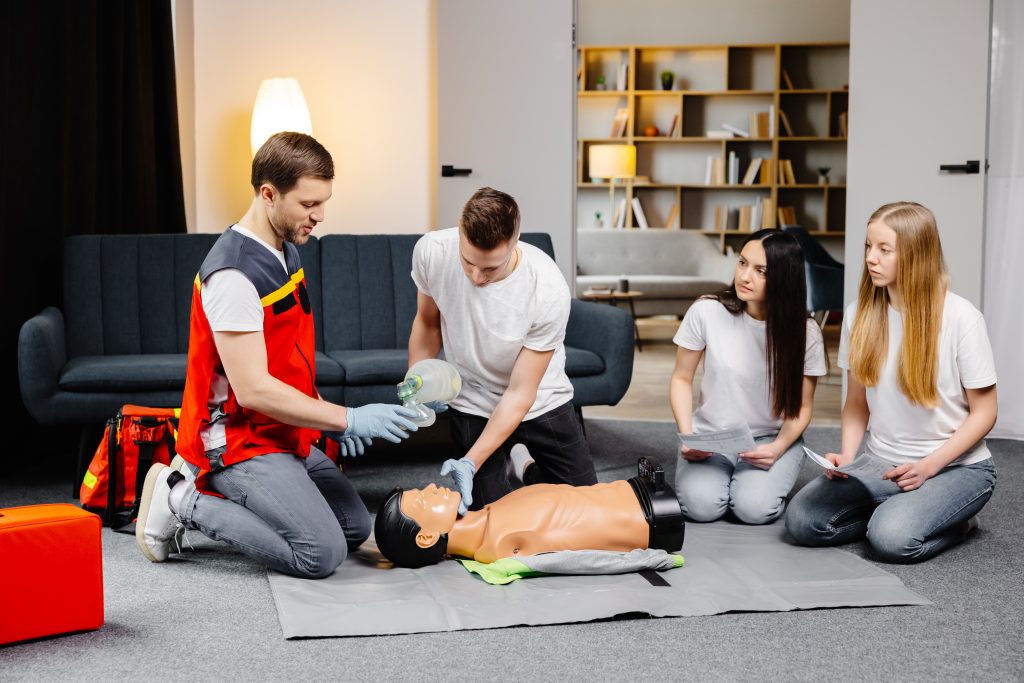
Young man instructor helping to make first aid heart compressions with dummy during the group training indoors.

Why are trained rescuers still required to master the full 30:2 technique?

For anyone who pursues formal, certified training, such as the Basic Life Support (BLS) credential, the expectation is that they master the complete, Standard CPR technique, including rescue breaths.

Does professional training allow for better decision-making?

Yes, professional training equips a rescuer with the skills and knowledge to make a rapid, accurate assessment.

  • A certified provider is not limited to one technique; they are trained to diagnose the cause of the emergency—cardiac or respiratory—and then choose the most effective intervention.
  • If a trained person finds a victim of a suspected drug overdose, they know to prioritize the delivery of oxygen via rescue breaths.
  • They are also trained to handle multi-rescuer situations and utilize team dynamics to ensure both uninterrupted compressions and timely breaths are delivered.

Do rescue breaths matter if EMS arrival is delayed?

Scientific research suggests that the benefits of Hands-Only CPR are most pronounced in the first few minutes of Sudden Cardiac Arrest. However, if the local Emergency Medical Services (EMS) response time is prolonged (potentially beyond 10 to 14 minutes), the body’s stored oxygen will become fully depleted.

  • During prolonged resuscitation efforts, studies suggest that Standard CPR (compressions plus breaths) can lead to higher long-term survival rates compared to compression-only CPR.
  • A trained rescuer is prepared for this eventuality and can provide the necessary ventilations to sustain the patient over a longer duration.

Can trained rescuers use safety devices for rescue breathing?

A crucial component of formal certification is learning how to use barrier devices, such as a CPR face shield or a pocket mask.

  • These devices allow a trained rescuer to deliver effective rescue breaths while creating a physical separation.
  • This minimizes the risk of infection and overcomes the psychological reluctance associated with direct mouth-to-mouth contact.
  • Mastering the use of a barrier device ensures that a trained provider is never forced to choose between personal safety and providing the necessary breaths.

Conclusion: The Final Verdict on Rescue Breathing

The answer to the question, “Is rescue breathing still necessary?” is clear: Absolutely, yes, it is necessary.

The modern guidelines simply clarify who needs to perform it and when.

  • For the untrained bystander witnessing an adult collapse: Hands-Only CPR is the heroic, effective intervention that saves precious time.
  • For all pediatric victims and adult respiratory arrests: Rescue breathing is a mandatory, life-saving skill that must be performed.
  • For the certified provider: Standard CPR (30:2) remains the gold standard, equipping you to handle every type of arrest scenario with confidence and competence.

Do not allow the public promotion of Hands-Only CPR to create a gap in your own knowledge. Being able to provide rescue breaths is not an outdated skill; it is a critical differentiator that allows you to save a child, a drowning victim, or someone suffering from an overdose. Your willingness to learn and use this full skillset makes you an indispensable link in the chain of survival.

Ready to master the full scope of life-saving skills?

Contact CPR Classes Near Me today to register for an American Heart Association certified BLS CPR and First Aid course and ensure you are prepared for every emergency scenario.

Modern CPR: Frequently Asked Questions (FAQ)

What is the primary reason the American Heart Association recommends Hands-Only CPR for untrained bystanders?

The primary reason is to overcome the psychological barriers that cause people to hesitate or refuse to help. Studies showed that the need for mouth-to-mouth resuscitation was the biggest deterrent to bystander action. By recommending the simple action of continuous chest compressions (Hands-Only CPR), the AHA encourages immediate intervention. This is crucial because for an adult who suffers a sudden cardiac arrest, the most important action in the first few minutes is to circulate the oxygen-rich blood that is already in their system.

If I am trained, should I always perform the 30 compressions to 2 breaths ratio?

If you are fully trained and certified, the 30 compressions to 2 breaths (30:2) ratio is the standard technique you should be prepared to use. However, you should tailor your response based on the situation and your professional judgment. If you are alone and the victim is an adult who collapsed suddenly, you may choose to begin with continuous compressions to minimize interruption, especially if you do not have a barrier device. If the victim is a child or the cause of the arrest is respiratory (like drowning), you must use the full 30:2 ratio immediately. The key is that you possess the skill for both.

Does the victim need rescue breathing immediately if the cardiac arrest was caused by an opioid overdose?

Yes, if the cardiac arrest is caused by an opioid overdose, the victim needs rescue breathing immediately. Opioids cause breathing to slow down and then stop before the heart fails, meaning the person’s blood is already severely oxygen-depleted. In this scenario, simply circulating deoxygenated blood with compressions is far less effective. A trained rescuer should initiate the full 30:2 cycle of compressions and breaths to deliver vital oxygen to the body.

How long is the CPR certification valid, and can I renew it?

The standard CPR certification card, such as the American Heart Association BLS certification, is valid for two years. Yes, you absolutely can and should renew it. Most training organizations offer renewal courses that are equivalent to the initial course but are designed to refresh your knowledge and skills, ensuring you remain current with the latest life-saving guidelines and techniques.

Why is there a different compression-to-breath ratio for children with two rescuers?

When two trained rescuers are performing CPR on an infant or child, the compression-to-breath ratio is typically 15 compressions followed by 2 breaths (15:2). This lower compression-to-breath ratio is used because pediatric cardiac arrest is usually due to a lack of oxygen (respiratory failure). The 15:2 ratio prioritizes the delivery of more frequent ventilations to the child or infant, which is necessary to re-oxygenate their blood, while still ensuring blood flow is maintained by the chest compressions.