Which Course Should You Take if Your Employer Just Says “CPR Required”?

CPR Certification for Construction Workers

It happens more often than you’d think. You land a new job or receive a performance review, and there it is in the fine print: “CPR required.” No specific course name, no organization mentioned, just a vague mandate to get certified.

Navigating the world of emergency cardiovascular care (ECC) can feel like learning a second language. If you choose the wrong class, you might waste a Saturday and a hundred dollars on a certificate your HR department won’t even accept. Understanding the nuances of “CPR required” is the difference between being compliant on day one and having to retake a course.

In this guide, we will break down exactly how to decode your employer’s requirements, the differences between major course types, and why the “brand” of your CPR certification matters more than you think.

Is “CPR Required” the Same for Every Job?

The short answer is no. When an employer states that “CPR is required,” they are usually referring to one of two distinct paths: Healthcare Provider (Professional) or General Workplace (Lay Responder).

For those in the medical field—nurses, dental assistants, or physical therapists—the standard is almost always Basic Life Support (BLS). This course is rigorous and covers multi-rescuer resuscitation and advanced equipment. For non-clinical roles, such as teachers, coaches, or construction workers, a Heartsaver CPR and AED course is typically the standard.

The intent behind the requirement is safety and liability. Employers need to know that if an emergency occurs, you have the hands-on skills to intervene effectively. However, the level of skill expected depends entirely on your professional environment and the “duty to act” associated with your role.

What Is the Difference Between BLS and Heartsaver CPR?

This is the most common point of confusion for students. If your employer says “CPR required,” you need to determine if you need the “professional” version or the “community” version.

Basic Life Support (BLS):

  • Target Audience: Healthcare professionals and first responders.
  • Focus: High-quality CPR for adults, children, and infants; use of an Automated External Defibrillator (AED); and bag-mask ventilation.
  • Key Detail: It emphasizes team dynamics and how to work with other medical professionals during a cardiac arrest.

Heartsaver CPR AED:

  • Target Audience: Non-medical professionals (teachers, personal trainers, OSHA-regulated workplaces).
  • Focus: Fundamental life-saving skills, including chest compressions and AED use.
  • Key Detail: It is designed for someone who might be the only person on the scene until paramedics arrive.

At CPR Classes Near Me, we find that when in doubt, taking the BLS course is the safest bet. It is the “higher” level of certification; most employers who only require Heartsaver will gladly accept a BLS card, but the reverse is rarely true.

Does the Certification Provider Matter to Employers?

Yes, the organization that issues your card is arguably more important than the course title itself. Most employers in the United States specifically look for American Heart Association (AHA) certification.

The AHA is the gold standard for CPR training. Their guidelines are based on the latest science and are updated every five years. Many hospitals and corporate safety departments have strict policies that only accept AHA-aligned certifications.

If you see a “CPR required” notice, check if they specify “AHA.” Even if they don’t, opting for an AHA-certified course—like those offered at our Austin location—ensures your card will be recognized nationwide. Avoid “online-only” certifications that do not include an in-person skills check, as these are rarely accepted by employers due to the lack of hands-on verification.

Should You Include First Aid With Your CPR Certification?

If your employer’s handbook says “CPR required,” you should double-check if First Aid is also a silent requirement.

In industries like construction, childcare, and manufacturing, OSHA (Occupational Safety and Health Administration) often mandates both CPR and First Aid. A “CPR/AED” course focuses strictly on cardiac events and choking. A “First Aid” component adds training for:

  • Banding and wound care
  • Managing allergic reactions (Epi-Pen use)
  • Treating burns and bone fractures
  • Handling environmental emergencies like heatstroke

Combining these into one session, such as a CPR, AED & First Aid Class, is usually more cost-effective and saves you from having to return for a second training session later.

How Can You Verify Your Specific Job Requirements?

If you are still staring at a “CPR required” memo and aren’t sure which path to take, the best step is to ask your supervisor or HR representative two specific questions:

  1. “Do I need BLS for Healthcare Providers or Heartsaver?”
  2. “Does the certification need to be through the American Heart Association?”

If you cannot get a clear answer, look at your peers. If you work in a clinical setting (anywhere with patients), you need BLS. If you work in a corporate or public setting, Heartsaver is the standard. At CPR Classes Near Me, we provide same-day eCards for both, so you can meet your deadline immediately regardless of the course you choose.

Conclusion

When your employer says “CPR required,” they aren’t trying to be difficult—they are ensuring a safer workplace. By choosing an American Heart Association-certified course, you are gaining a credential that is respected, scientifically backed, and valid for two years. Whether you need the advanced team-based training of BLS or the essential skills of Heartsaver, getting certified is a proactive step in your professional development.

Don’t leave your compliance to chance. Contact CPR Classes Near Me today to find a local class that fits your schedule and ensures you walk away with the exact certification your employer needs.

Frequently Asked Questions

How long does a CPR certification last?

Once you successfully complete your course and receive your AHA eCard, the certification is valid for exactly two years. You will need to take a renewal course before the expiration date printed on your card to maintain your status.

Can I get my CPR certification entirely online?

While some websites offer “100% online” courses, these are almost never accepted by employers. CPR is a physical skill that requires hands-on practice. A valid certification requires an in-person skills evaluation with a certified instructor to ensure you can perform compressions correctly.

How long does the actual class take?

An American Heart Association BLS or CPR class typically takes about 3.5 to 4 hours. This time includes watching the instructional videos, practicing the hands-on manikin skills, and completing the required testing.

What is the difference between CPR and BLS?

BLS (Basic Life Support) is a type of CPR class specifically designed for healthcare professionals. It includes more advanced techniques, like two-rescuer breathing and the use of bag-mask devices. “CPR” is often used as a general term for the Heartsaver level course intended for the general public.

Will I get my card the same day?

Yes, when you train with CPR Classes Near Me, your instructor issues your official AHA eCard on the same day you complete your class. You will receive an email to claim your digital card, which you can immediately print or forward to your employer.

CPR vs First Aid: Which Class Should You Take First?

When an emergency happens, every second counts. But if you are standing on the sidelines wondering what to do, those seconds can feel like hours. You know you want to be prepared, but as you look through course listings, you might find yourself stuck: Should you take a CPR class or a First Aid class first?

The truth is that while both sets of skills fall under the umbrella of “emergency response,” they serve very different purposes. One focuses on keeping the heart pumping, while the other focuses on treating injuries and managing sudden illnesses. Choosing the right one—or choosing both—depends on your job requirements and your personal goals for safety.

In this guide, we will break down the essential differences between CPR and First Aid, explore which one you should prioritize, and explain how you can master both in a single afternoon.

What is the Difference Between CPR and First Aid?

At its simplest, CPR is a life-saving procedure used when someone’s heart has stopped (cardiac arrest). First Aid is a broader term for the immediate care given to a person who is injured or suddenly becomes ill.

When you take a CPR class, you are learning how to become a temporary “mechanical heart.” You learn the rhythm of chest compressions and the technique for rescue breaths to keep oxygenated blood flowing to the brain. Without CPR, a person in cardiac arrest can suffer permanent brain damage in as little as four minutes.

First Aid, on the other hand, covers a vast range of scenarios that don’t necessarily involve the heart stopping. This includes treating heavy bleeding, cooling a burn, stabilizing a broken bone, or helping someone having a severe allergic reaction. While First Aid can save lives (like stopping a major bleed), it is often about preventing a situation from getting worse until professional help arrives.

Is CPR Included in a First Aid Class?

This is a common point of confusion for many students. While many people use the terms interchangeably, they are distinct certifications. However, at CPR Classes Near Me, we often bundle them together because they work hand-in-hand.

In a standalone First Aid course, the focus is strictly on trauma and medical emergencies like seizures, poisoning, or heatstroke. You might talk about when to start CPR, but you won’t necessarily get the hands-on practice needed for certification.

In a combined CPR and First Aid class, you get the best of both worlds. You spend half the time on the floor practicing high-quality compressions on manikins and the other half learning how to bandage wounds or use an EpiPen. If you are looking for a “one and done” solution for your employer, the combined course is almost always the best choice.

Which Certification Should You Get First?

If you are forced to choose just one to start with, the answer usually depends on your environment. However, for most people, CPR is the priority.

Cardiac arrest is one of the leading causes of death worldwide. Because the window for survival is so small, having the “hard” skill of CPR is often seen as the most critical tool in a rescuer’s toolkit. Most employers—especially in healthcare, education, and childcare—require CPR certification as their baseline safety standard.

If you are a healthcare professional, such as a nurse or EMT, you will likely start with a Basic Life Support (BLS) class. This is a professional-level CPR course that goes deeper into team dynamics and advanced airway management. For everyone else, a standard CPR and AED course is the perfect foundation.

Who Needs CPR Certification More Than First Aid?

While everyone can benefit from both, some roles have a higher demand for CPR specifically. If you work in a high-stress environment where the risk of a cardiovascular event is present, CPR is your primary focus.

Healthcare workers are the obvious group, but this also includes personal trainers, coaches, and lifeguards. These professionals are often in charge of individuals who are physically exerting themselves, which can trigger underlying heart conditions. In these cases, knowing how to use an Automated External Defibrillator (AED) and perform compressions is more likely to be used than wound care.

That said, if you work in a high-risk physical environment like construction, electrical work, or manufacturing, First Aid becomes equally important. In these fields, injuries like falls, cuts, and burns are statistically more frequent than heart attacks.

Can I Take Both CPR and First Aid at the Same Time?

Yes, and this is actually the recommended path for most people. Taking a combined class ensures that you don’t have gaps in your knowledge. For example, if you encounter a victim of a severe car accident, you may need First Aid to stop a bleed, followed immediately by CPR if they lose consciousness and their heart stops.

At our Austin training site and our locations across the country, we offer an integrated CPR, AED, and First Aid course. This 4-hour session covers everything from adult and infant CPR to choking relief and trauma care. The benefit of taking them together is that you see how the skills flow into one another.

By combining the courses, you also save time and money. Rather than taking two separate classes on different weekends, you can complete all your requirements in a single afternoon and walk away with your American Heart Association (AHA) eCard the same day.

How Long Do These Certifications Last?

Both CPR and First Aid certifications from the American Heart Association are valid for two years. This two-year window is industry-standard because life-saving skills are “perishable.” If you don’t use them, you tend to forget the specific compression depths or the steps for treating shock.

When your two-year mark approaches, you don’t necessarily have to take a different “renewal” class. You simply sign up for the same in-person course to refresh your skills, learn any updated guidelines from the AHA, and prove your competency to an instructor.

Staying current is vital. Medical research evolves, and the techniques we used ten years ago have been refined to be more effective today. Renewing every two years ensures you are providing the best possible care based on the latest science.

Why Choose In-Person Training Over Online-Only Courses?

In your search for “CPR classes near me,” you will likely find websites offering 100% online certification for a very low price. While these might seem tempting, they often fail to meet employer and OSHA requirements.

CPR and First Aid are physical skills. You cannot truly learn the “feel” of a chest compression or the pressure needed for a tourniquet by clicking a mouse. Most reputable employers—especially in Texas and throughout the U.S.—require an in-person skills check to verify that you can actually perform the techniques.

Our classes are led by certified AHA instructors who provide real-time feedback. If your compressions aren’t deep enough, or if you’re leaning on the chest, an instructor will correct you on the spot. This hands-on experience is what builds the confidence you need to act in a real emergency.

What Should I Expect in a Combined Class?

When you walk into a CPR and First Aid class, expect to be active. You won’t just be sitting in a chair watching videos. You will be on the floor working with manikins and practicing with AED trainers.

The course is structured to be scannable and easy to follow. You will cover:

  • High-Quality CPR: Learning the correct rate and depth for adults, children, and infants.
  • AED Use: Learning how to power on and follow the voice prompts of a defibrillator.
  • Choking Relief: Techniques for clearing an airway for all ages.
  • Medical Emergencies: Recognizing signs of heart attack, stroke, and allergic reactions.
  • Injury Management: Bandaging, splinting, and treating environmental emergencies like heat exhaustion.

The goal is to leave the classroom feeling empowered, not overwhelmed. We keep the tone business casual and conversational so that the information sticks.

Ready to Get Certified?

Choosing between CPR and First Aid doesn’t have to be a difficult decision. If you want to be fully prepared for any emergency—whether it’s a heart attack at the gym or a bad cut in the kitchen—the combined course is your best path forward.

At CPR Classes Near Me, we specialize in providing high-quality, AHA-compliant training that fits your schedule. Whether you are a teacher in Austin needing to meet state requirements or a corporate team looking to improve workplace safety, we are here to help.

Don’t wait for an emergency to realize you aren’t prepared. Contact CPR Classes Near Me today to find a class in Austin or at one of our many locations nationwide. Gain the skills, get your same-day certification, and be the person who knows what to do when it matters most.

Frequently Asked Questions

Which is more important, CPR or First Aid? 

Both are important, but CPR is generally considered more critical because it addresses life-threatening cardiac arrest where the window for survival is only minutes. First Aid addresses a broader range of injuries that are often less immediately fatal but still require urgent care.

Can I get my CPR and First Aid certification on the same day? 

Yes. Most training centers offer a combined CPR and First Aid course that takes approximately 4 hours to complete. You will receive your certification card for both disciplines upon finishing the class.

Do employers prefer one over the other? 

It depends on the industry. Healthcare and fitness industries almost always require CPR/AED or BLS. Construction, daycare, and manufacturing industries usually require a combination of both CPR and First Aid to comply with OSHA standards.

How long does a combined CPR and First Aid class take? 

A comprehensive, in-person class typically takes about 3.5 to 4 hours. This includes video instruction, hands-on practice, and the skills testing required for your American Heart Association eCard.

Is there an age limit for taking these classes? 

There is no minimum age requirement to learn CPR or First Aid. As long as a student can physically perform the compressions and follow the course material, they can become certified.

What is the “eCard” I receive after class? 

An eCard is the official digital certification issued by the American Heart Association. It is sent via email and can be printed or saved to your phone. It is the most widely accepted form of certification by employers nationwide.

Are You Making These 7 Common CPR Certification Mistakes?

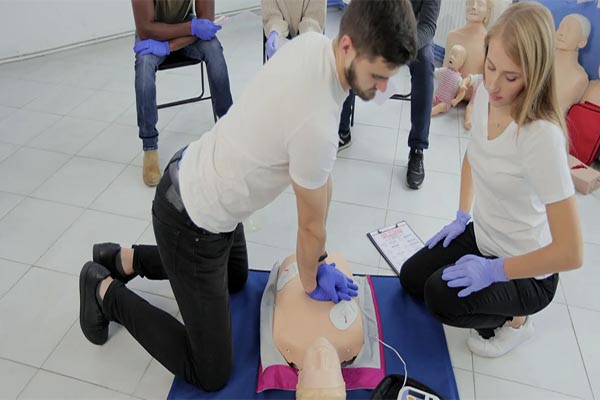
CPR training session with students practicing chest compressions on a first aid mannequin

Getting your CPR certification is one of the most proactive steps you can take to protect your family, coworkers, and community. However, simply showing up to a class doesn’t guarantee you’ll walk away with the skills—or the confidence—to save a life. Many students fall into the same traps, leading to ineffective techniques or even failing their practical exams.

At CPR Classes Near Me, we’ve seen thousands of students walk through our doors. We’ve noticed a pattern in where people struggle most. Whether you are a first-timer or a seasoned pro looking for a renewal, understanding these common pitfalls is the first step toward mastery.

In this guide, we’ll dive deep into the most frequent CPR certification mistakes and, more importantly, how you can avoid them to ensure you’re ready when the clock is ticking.

Why is proper hand placement so important?

One of the most frequent errors we see in the classroom is incorrect hand placement. It sounds simple—place your hands in the center of the chest—but in the heat of a timed assessment, many students drift.

Some students place their hands too high, near the neck, or too low, over the stomach (xiphoid process). Placing hands too low can cause internal injuries, such as a fractured breastbone or damage to the liver, rather than effectively pumping the heart.

To avoid this:

  • Locate the “Nipple Line”: For an adult, the center of the chest between the nipples is your target.
  • Use the Heel of Your Hand: Only the heel of your bottom hand should touch the chest. Interlace your fingers and pull them upward so they don’t press against the ribs.
  • Lock Your Elbows: Keep your arms straight and your shoulders directly over your hands. This allows you to use your body weight rather than just your arm strength.

Are your compressions deep enough to save a life?

“Push harder” is the most common phrase heard in a CPR class. It is human nature to be afraid of hurting the person you are trying to help. Students often perform “shallow” compressions because they are worried about breaking ribs.

However, if you don’t compress the chest at least 2 inches for an adult, the blood simply won’t reach the brain. During certification, manikins are designed with internal “clickers” or lights to tell you if you’ve hit the right depth. If you don’t hear that click, you aren’t doing effective CPR.

How to get it right:

  1. Trust the Manikin: Use the practice time to find the “sweet spot” where the click occurs.
  2. Accept the Risk: Understand that ribs may crack during real CPR, and that is a secondary concern compared to a stopped heart.
  3. Lean Into It: Use your upper body weight to drive the compression. If you find yourself getting tired quickly, you’re likely using only your arms.

Is your compression rate too fast or too slow?

Timing is everything. If you go too slow, you won’t maintain enough blood pressure to keep the brain alive. If you go too fast (over 120 beats per minute), the heart doesn’t have enough time to refill with blood between squeezes.

Many students get nervous and start pumping as fast as they can, which is a recipe for exhaustion and ineffective resuscitation.

To stay on track:

  • Think of the Music: The classic song “Stayin’ Alive” by the Bee Gees is 103 beats per minute—the perfect pace. Other options include “Dancing Queen” by ABBA or “Just Dance” by Lady Gaga.
  • Count Out Loud: “One, two, three, four…” Counting out loud helps you maintain a steady rhythm and keeps your breathing regulated.
  • Practice with a Metronome: Many modern CPR classes use metronomes or apps to help students internalize the 100–120 BPM rhythm.

Do you forget to let the chest recoil?

This is the “silent killer” of effective CPR. Recoil is the act of letting the chest come all the way back up to its neutral position after a compression.

Many students “lean” on the chest. This means they never fully release the pressure between compressions. If the chest doesn’t fully recoil, the heart can’t refill with blood. It’s like trying to pump a half-empty bellows—you’re working hard, but very little is happening.

How to avoid leaning:

  • Lighten the Load: After the downward push, make sure your weight is completely off the manikin, though your hands should remain in contact with the skin so you don’t lose your placement.
  • Think “Up and Down”: Focus as much on the “up” motion as you do on the “down” motion.
  • Check Your Posture: If you are leaning too far forward, you’ll naturally keep weight on the chest. Ensure your shoulders are directly over your hands, not in front of them.

Are you over-inflating the lungs during rescue breaths?

While many layperson classes focus on “Hands-Only CPR,” most certification levels still require rescue breaths. A common mistake is blowing too much air or blowing too hard into the victim.

Over-inflating the lungs can cause air to enter the stomach (gastric inflation). This often leads to vomiting, which can block the airway and create a much messier, more dangerous situation.

To give perfect breaths:

  • Watch the Chest: You only need to provide enough air to see the chest visibly rise. As soon as it starts to lift, stop blowing.
  • One Second Each: Each breath should last about one second.
  • Tilt the Head: Ensure you are using the “head-tilt, chin-lift” maneuver to open the airway properly. If the airway isn’t open, the air won’t go in no matter how hard you blow.

Why do students hesitate to use an AED?

In a certification class, the Automated External Defibrillator (AED) is often the part that makes students the most nervous. They worry about “zapping” someone who doesn’t need it or getting the pads in the wrong place.

The truth is, an AED is designed to be foolproof. The biggest mistake is delaying its use. Every minute that passes without a shock (if one is needed) decreases the chance of survival by about 10%.

To master the AED:

  1. Turn it on immediately: As soon as the device arrives, power it up. It will talk you through the rest of the steps.
  2. Follow the pictures: The pads have clear diagrams showing exactly where to place them.
  3. Clear the area: Ensure no one is touching the person when the AED is analyzing the rhythm or delivering a shock.

Is your certification actually valid?

Believe it or not, one of the biggest “mistakes” happens before you even step into a classroom: choosing the wrong course. There are many “online-only” certifications that claim to be valid but are not accepted by employers or OSHA because they lack a hands-on skills assessment.

If you need a certification for work—whether you are a teacher, a construction worker, or a coach—you must ensure the course includes an in-person component with a certified instructor.

How to choose correctly:

  • Check Accreditation: Look for courses backed by the American Heart Association (AHA) or the American Red Cross.
  • Avoid “Instant” Online Certificates: If there is no manikin involved, your employer likely won’t accept it.
  • Verify the Type: Ensure you are taking a “Provider” level course if required for your job, rather than just a general awareness class.

How can you summarize these common errors?

To ensure you are fully prepared, it is helpful to look at these mistakes as a checklist for your next practice session. Avoiding these specific errors will significantly improve your chances of passing your exam and saving a life.

  • Hand Placement: Instead of drifting toward the ribs or neck, keep your hands centered between the nipples to avoid internal injury.
  • Compression Depth: Don’t be afraid to push. You must reach at least 2 inches to circulate blood; use the manikin’s feedback lights or clicks as your guide.
  • Rhythm and Pace: Avoid the urge to rush. Stay between 100 and 120 beats per minute by using a song or metronome to guide your speed.
  • The Recoil Phase: Remember that the heart fills when you let go. Never lean on the chest; allow it to return to its natural height after every push.
  • Ventilation Volume: Don’t over-inflate. Stop your rescue breath the moment you see the chest rise to prevent stomach inflation and vomiting.
  • AED Speed: Never wait to use an AED. The moment it is available, turn it on and let the voice prompts lead the way.
  • Course Choice: Avoid the “online only” trap. Ensure your certification includes an in-person skills check to meet workplace requirements.

Conclusion

Mastering CPR isn’t about being a medical genius; it’s about muscle memory, composure, and following the most up-to-date guidelines. By being aware of these common certification mistakes—like leaning on the chest or pushing too shallowly—you can focus your training on the techniques that actually save lives.

When you train with CPR Classes Near Me, our experienced instructors are dedicated to catching these mistakes early. We provide the hands-on feedback you need to feel confident, not just during your test, but in a real-world emergency. Don’t wait until a crisis happens to realize your technique is off.

Ready to get certified the right way? Contact CPR Classes Near Me today to find a local, accredited class that fits your schedule!

Frequently Asked Questions (FAQ)

Can I fail a CPR certification class?

Yes, it is possible to fail if you cannot demonstrate the physical skills required by the certifying body. This usually involves failing to reach the correct compression depth, rate, or failing to use the AED safely. However, a good instructor will work with you during the practice session to ensure you are ready before the final test.

Do I have to do mouth-to-mouth during the test?

In most certified “Healthcare Provider” or “Professional Rescuer” courses, rescue breaths are required. However, many “Heartsaver” or layperson courses focus on “Hands-Only” CPR. Most classes will provide a pocket mask or a barrier device so you are never in direct contact with the manikin’s mouth.

What happens if I break a rib during CPR?

In a real-life emergency, breaking a rib is a common side effect of high-quality CPR. The priority is to circulate blood to the brain. Most “Good Samaritan” laws protect rescuers from liability for such injuries during life-saving attempts. In a certification class, you practice on manikins to learn the right amount of force to use.

How often do I need to renew my certification?

Most CPR certifications are valid for two years. Because guidelines are updated periodically and physical skills can degrade over time, you must take a renewal course every 24 months to remain “current.”

Are online-only CPR certifications legitimate?

While online courses provide great theoretical knowledge, most employers and regulatory bodies (like OSHA) do not recognize “online-only” certifications. To be fully certified, you almost always need a “Blended Learning” approach where you complete the theory online but perform the physical skills in front of a certified instructor.

Same-Day CPR Certification: How It Works (and Who It’s For)

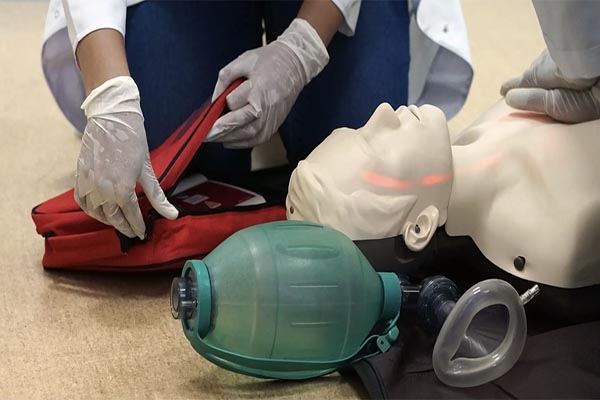
Students performing CPR and ventilation on a training manikin in class

In a world where everything moves at the speed of light, waiting weeks for a certification card to arrive in the mail feels like a relic of the past. Whether you just landed a new job that starts Monday or your current credentials expired yesterday, the pressure to get certified quickly is real.

The good news? You don’t have to wait. Same-day CPR certification has revolutionized how professionals and everyday heroes get trained. At CPR Classes Near Me, we’ve streamlined the process so you can walk in, learn the skills, and walk out with your official American Heart Association (AHA) eCard in your inbox before you even get to your car.

But how exactly does it work, and is it the right choice for you? Let’s dive into the details.

What is same-day CPR certification?

Same-day CPR certification refers to a training format where the student completes all required coursework and hands-on skills assessments in a single day, receiving their official certification immediately upon completion.

Unlike traditional classes that might mail a paper certificate or take days to process paperwork, this modern approach uses the AHA’s digital eCard system. This ensures that as soon as your instructor marks you as “passed” in the system, your credentials are live and verifiable.

How does the same-day certification process work?

The process is designed to be efficient without cutting corners on the quality of training. Most same-day certifications follow one of two paths:

  1. The All-In-Person Method: You attend a scheduled class at a local training center. Over the course of 3 to 4 hours, an expert instructor guides you through videos, lectures, and—most importantly—physical practice on manikins. Once you pass the written (if required) and skills tests, your eCard is issued.
  2. The Blended Learning Method: This is the ultimate “time-saver.” You complete the “book work” and videos online at your own pace. Once finished, you schedule a “Skills Session” that usually lasts only 30 to 60 minutes. Because you’ve already done the theory, you just show up to prove you can do the physical compressions and use an AED.

Who is same-day CPR certification designed for?

While anyone can benefit from a fast turnaround, certain groups find same-day certification particularly vital:

  • Healthcare Professionals: Nurses, doctors, and EMTs often need Basic Life Support (BLS) certification to maintain their licenses. A gap in certification can mean being pulled from a shift.
  • New Hires: Many job offers in childcare, fitness, and construction are “contingent on certification.” Getting certified today means starting your paycheck sooner.
  • Busy Parents and Caregivers: If you only have a small window of childcare or free time, a “one-and-done” session is much more manageable than a multi-day course.
  • Students: Nursing or dental students often realize they need a specific AHA BLS card right before clinical rotations begin.

Is a same-day eCard as valid as a traditional card?

Yes, provided it is an official American Heart Association (AHA) eCard. In fact, most employers now prefer eCards over paper certificates because they are:

  • Tamper-proof: They cannot be easily forged.
  • Easy to Verify: Employers can scan a QR code to see the validity in seconds.
  • Impossible to Lose: Your card is stored digitally; you can download and print it as many times as you need.

At CPR Classes Near Me, we only issue AHA-accredited certifications, which are the gold standard for hospitals, schools, and government agencies nationwide.

Why is hands-on training required for same-day certs?

You might see websites offering “100% Online CPR” in 20 minutes. While these are fast, they are rarely accepted by employers. Why? Because you cannot learn the “muscle memory” of a chest compression by clicking a mouse.

OSHA and the AHA require a physical skills check on a manikin. Same-day certification at a physical location ensures:

  1. Correct Technique: An instructor can tell you if you aren’t pushing hard enough or fast enough.
  2. AED Familiarity: You get to handle a trainer AED, so you aren’t confused by the buttons during a real emergency.
  3. Real-Time Q&A: You can ask questions about specific scenarios, like what to do if the victim is in a confined space.

What should you bring to a same-day class?

To ensure you get your card on the same day, you should come prepared. Here is a quick checklist:

  • Comfortable Clothing: You will be on the floor or leaning over manikins. Wear clothes you can move in.
  • Online Completion Certificate: If you chose the “Blended Learning” route, you must bring the printed or digital certificate showing you finished the online portion.
  • A Valid Email Address: This is how your eCard is delivered. Double-check your spelling when you register!

How long does the certification last?

Regardless of how fast you get it, an AHA CPR or BLS certification is valid for two years. The expiration date will be clearly marked on your eCard. We recommend scheduling your renewal at least 30 days before that date to ensure you never have a lapse in coverage.

What are the benefits of choosing “CPR Classes Near Me”?

Choosing a local, specialized provider offers advantages that national “big box” training centers can’t match:

  • Speed: We focus on efficiency, ensuring you don’t spend a minute longer in class than necessary to master the skills.
  • Expertise: Our instructors are often local healthcare professionals who bring real-world experience to the table.
  • Availability: We offer frequent classes and skills sessions to fit your tight schedule.
  • Instant Gratification: We prioritize the immediate issuance of eCards so you can get back to work.

Conclusion

Same-day CPR certification isn’t just about speed; it’s about providing a path to compliance and confidence that fits into a modern lifestyle. By combining the flexibility of digital eCards with the rigors of hands-on training, you get the best of both worlds: a valid, employer-accepted certification and the ability to save a life starting today.

Don’t let an expired card or a new job requirement slow you down. Get trained, get certified, and get on with your day.

Need your CPR certification today? Contact CPR Classes Near Me now to find an upcoming session and secure your spot!

Frequently Asked Questions (FAQ)

Q: Can I get my CPR certification 100% online?

A: While you can learn the theory online, most employers (especially in healthcare and childcare) require a hands-on skills assessment. A “100% online” certificate without a manikin check is usually rejected by OSHA and the AHA.

Q: How soon will I receive my eCard after the class?

A: At CPR Classes Near Me, we aim to issue eCards immediately following the successful completion of your skills test. Most students have their card in their email inbox before they leave the building.

Q: Is the same-day certification more expensive?

A: Generally, no. The cost of a same-day class is comparable to any other high-quality AHA-accredited course. You are paying for the expertise of the instructor and the official AHA registration.

Q: What if I fail the skills test?

A: Our instructors are dedicated to your success. If you struggle with a specific skill, they will work with you, provide feedback, and allow you to practice until you can perform the technique correctly.

Q: Does my same-day certification include First Aid?

A: This depends on the specific course you register for. We offer BLS for Healthcare Providers, Heartsaver CPR/AED, and Heartsaver First Aid/CPR/AED. Make sure to select the course that meets your specific job requirements.

CPR Certification Near Me: How to Choose the Right Local Class

When a medical emergency strikes, seconds are the difference between a life saved and a tragedy. Whether you are a nurse needing to renew your credentials, a teacher responsible for a classroom, or a new parent wanting peace of mind, finding the right “CPR certification near me” is about more than just checking a box. It is about gaining the confidence to act when it matters most.

With so many providers and acronyms like BLS, AED, and AHA floating around, picking the right course can feel overwhelming. This guide will walk you through everything you need to know to choose the best local class for your specific needs.

Why is it important to choose the right CPR class?

Not all CPR classes are created equal. Choosing the wrong one could mean your employer won’t accept your card, or worse, you might not be properly trained for the specific age group or environment you work in.

Selecting the right class ensures:

  • Job Compliance: You meet the exact requirements of your workplace or licensing board.
  • Skill Mastery: You receive hands-on training tailored to your role.
  • Confidence: You leave the classroom knowing exactly how to use an AED or perform chest compressions on an infant versus an adult.

What is the difference between BLS and Heartsaver CPR?

This is the most common question students ask. The answer depends entirely on your profession.

  1. Basic Life Support (BLS):
    • Who it’s for: Doctors, nurses, EMTs, dentists, and medical students.
    • What you learn: High-quality CPR for all ages, team-based rescue, and the use of advanced equipment like bag-valve masks (BVMs).
  2. Heartsaver CPR AED:
    • Who it’s for: Teachers, coaches, personal trainers, daycare providers, and the general public.
    • What you learn: Fundamental life-saving skills, how to recognize cardiac arrest, and how to use an Automated External Defibrillator (AED).

If you are in healthcare, you almost certainly need BLS. If you are a layperson, Heartsaver is usually the standard.

Is American Heart Association (AHA) better than Red Cross?

Both the American Heart Association (AHA) and the American Red Cross (ARC) provide excellent training, but there are key differences in how they are viewed by employers.

  • AHA (The Gold Standard): The AHA is the world leader in resuscitation research. They write the guidelines that every other organization follows. Because of this, AHA certification is the most widely accepted by hospitals and healthcare facilities nationwide.
  • Red Cross: Often used by community organizations and social services. While reputable, some medical employers strictly require AHA-aligned certification.

At CPR Classes Near Me, we are an AHA Certified Training Site, ensuring your card is recognized by the widest range of employers possible.

Should I choose an online, in-person, or blended learning class?

Technology has changed how we learn, but some skills require a “hands-on” touch.

  • Online-Only: These are often the cheapest and fastest. However, most employers will not accept online-only certification. CPR is a physical skill that requires muscle memory.
  • Blended Learning: You do the “book work” online and then come in for a quick “skills check” with an instructor. This is a great middle ground for busy professionals.
  • In-Person Training: This remains the top-rated way to learn. You get immediate feedback from a certified trainer, you can ask questions in real-time, and you practice on high-tech manikins until you are perfect.

What should I look for in a local training facility?

When searching for “CPR certification near me,” look for these five “must-haves”:

  1. Same-Day Certification: You shouldn’t have to wait weeks for your card. Top providers issue your eCard the same day you finish.
  2. AHA Alignment: Look for the official American Heart Association seal to ensure the curriculum is up-to-date.
  3. Experienced Instructors: You want a trainer who has actually used these skills in the field, like a paramedic or nurse.
  4. Hands-On Equipment: Ensure the class uses modern manikins and AED trainers.
  5. Location and Scheduling: The best class is the one you can actually attend. Look for facilities with multiple locations and flexible weekend or evening times.

How much does a local CPR class typically cost?

Prices vary by location and course type, but here is a general breakdown of what to expect for quality training:

  • AHA BLS Certification: Typically starts around $59.95.
  • CPR & First Aid Combo: Usually starts around $79.95.

Beware of “scam” sites offering $20 certifications. If there is no hands-on skills test, the card is likely not OSHA-compliant and won’t be accepted by your employer.

What are the benefits of getting certified with CPR Classes Near Me?

We pride ourselves on making the CPR certification process as painless as possible. When you choose one of our local classes, you get:

  • Guaranteed Acceptance: Our AHA-certified courses meet the highest national standards.
  • Speed: We offer same-day eCards so you can get back to work immediately.
  • Expertise: Our trainers make the material engaging and easy to remember.
  • Affordability: We offer competitive, discounted rates for individuals and groups.

How often do I need to renew my CPR certification?

Most CPR and BLS certifications are valid for two years. It is a good idea to set a reminder at the 22-month mark to find a renewal class. Techniques and guidelines are updated every few years, so renewing ensures you are using the most effective, life-saving methods currently available.

Conclusion

Choosing the right CPR class doesn’t have to be a headache. By identifying your professional needs (BLS vs. Heartsaver), ensuring the provider is AHA-certified, and opting for a hands-on learning environment, you are setting yourself up for success. Remember, you aren’t just getting a card; you are gaining the ability to save a life.

Ready to get certified? Contact CPR Classes Near Me today to find a local class and get your same-day certification!

Frequently Asked Questions (FAQ)

1. Can I get a CPR card in one day?

Yes. Most in-person classes take between 2 to 4 hours depending on the course type. At CPR Classes Near Me, we issue your official AHA BLS eCard the same day you complete your training.

2. Does my CPR certification cover infants and children?

Standard Heartsaver and BLS courses typically cover adult, child, and infant CPR, as well as choking relief for all age groups. Always check the specific course description to be sure.

3. Is there a written test?

For BLS (Healthcare Provider) classes, there is a written exam and a skills test. For Heartsaver (Layperson) classes, the written test is often optional or replaced by a thorough skills evaluation, depending on the instructor and workplace requirements.

4. What if my card is already expired?

If your card is expired, you simply need to take a full certification or renewal class. There is no penalty for an expired card, but you cannot legally perform duties that require an active certification until you pass a new class.

5. Are AEDs included in the training?

Yes. All modern AHA CPR classes include training on how to use an Automated External Defibrillator (AED), as it is a critical component of the “Chain of Survival.”

What Happens If Your CPR Certification Expires? Your Guide to Renewal

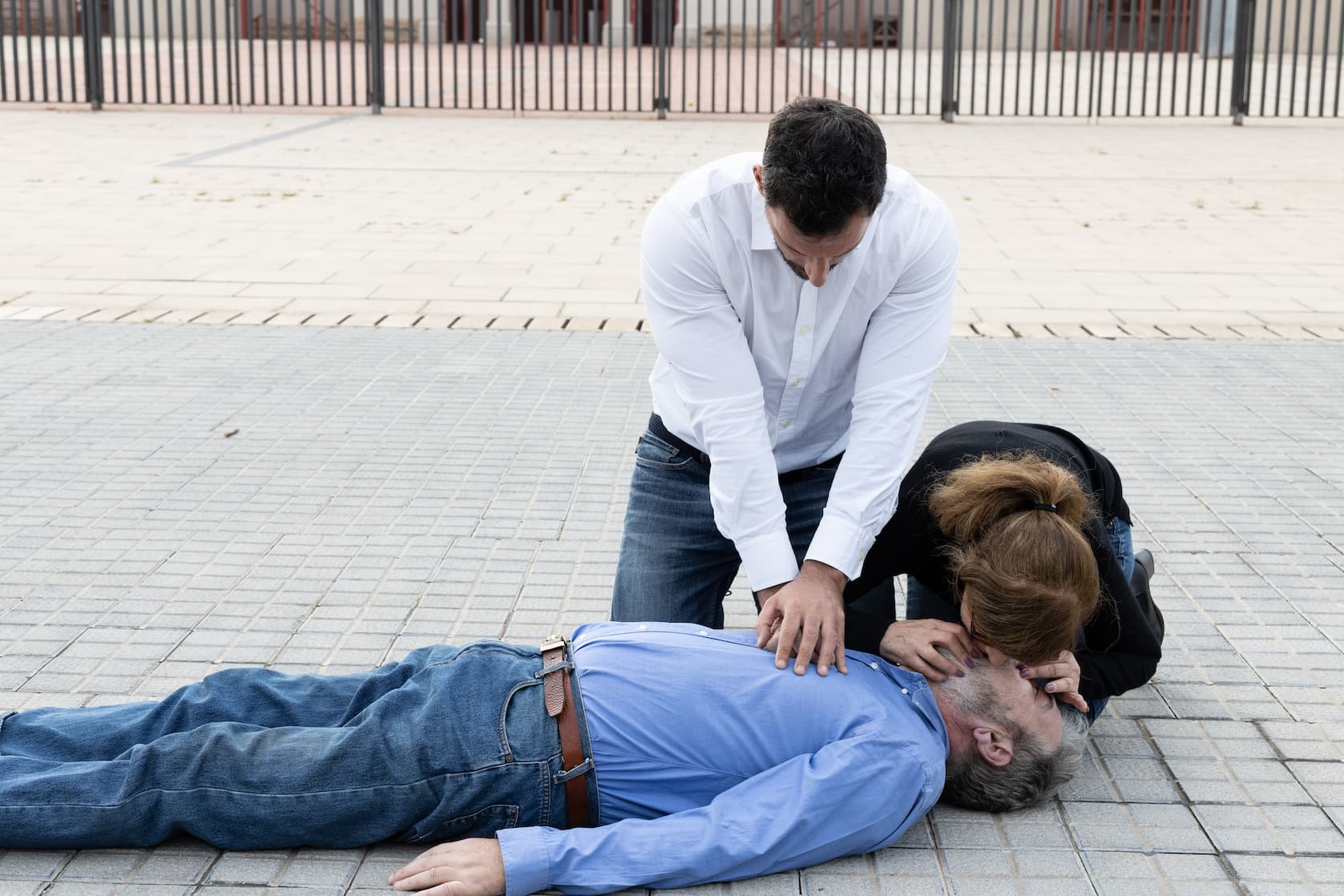
Two bystanders giving CPR and rescue breaths to a man on the ground under Good Samaritan aid

You might wonder why a life-saving skill needs a “best by” date. After all, once you learn how to ride a bike, you don’t usually forget. However, CPR is a high-stakes clinical skill that relies on precision. Organizations like the American Heart Association (AHA) and the American Red Cross set a two-year expiration for several vital reasons.

First, medical science is always evolving. Every few years, the International Liaison Committee on Resuscitation (ILCOR) reviews global cardiac data. They might find that a specific compression depth or a different ratio of breaths-to-compressions saves more lives. If your certification is five years old, you are likely using outdated techniques that are less effective.

Second, “skill decay” is a very real phenomenon. Research shows that most people—including healthcare professionals—begin to lose the physical muscle memory required for high-quality chest compressions within just six months of training. By the two-year mark, your ability to perform effective CPR has significantly diminished. The expiration date acts as a safety “reset” to ensure you remain competent. This is why CPR recertification in Columbus is crucial.

Is there a grace period for expired CPR cards?

A common myth is that there is a 30-day “grace period” after your card expires. In the past, some providers allowed this, but today, most major certifying bodies have eliminated it.

If your card expires on the 31st of the month, you are officially uncertified on the 1st of the next month. This means:

  • You cannot legally claim to be CPR certified.
  • You may be ineligible to enroll in a “Renewal” or “Update” course and may have to take the full “Provider” course again.
  • Your employer may not allow you to remain on the schedule.

While some individual employers might give you a few weeks to get recertified, the certification itself is technically invalid the moment it passes the expiration date printed on the card.

Can you still perform CPR if your certification is expired?

Yes, you can—and should—perform CPR in an emergency even if your card has expired. Life-saving doesn’t require a valid piece of plastic; it requires action. If you witness a cardiac arrest, your primary goal is to keep blood flowing to the brain until paramedics arrive.

From a legal standpoint, most states have “Good Samaritan Laws” that protect laypeople who act in good faith during an emergency. These laws generally do not require you to have an active certification to be protected, as long as you are acting as a reasonable person would in that situation. However, for professionals like nurses, teachers, or lifeguards, the legal landscape is different, as they may be held to a higher standard of care based on their professional obligations.

How does an expired certification affect your job?

For many professions, a valid CPR or Basic Life Support (BLS) card is a non-negotiable requirement of employment. If you are a nurse, dental assistant, daycare provider, or fitness trainer, an expired card is more than a nuisance; it’s a compliance violation.

  • Immediate Suspension: Many healthcare facilities use tracking software that alerts management when a certification lapses. This can result in being “taken off the schedule” immediately until proof of renewal is provided.
  • Loss of Professional Liability Insurance: Some professional insurance policies are contingent upon maintaining all required certifications. If your CPR card expires, you might not be covered in the event of a workplace incident.
  • Career Stagnation: If you are applying for a new job, an expired certification can stall your application. Most employers will not hire a candidate who isn’t fully compliant with safety requirements.

What is the difference between a renewal course and a full course?

When your certification is current, you are eligible for a Renewal Course (sometimes called an “Update” or “Review” course). This is the preferred path for most people because:

  1. It’s Faster: Renewal courses focus on updates and skills testing rather than teaching every concept from scratch.
  2. It’s Cheaper: Because the class time is shorter, the cost is typically lower.
  3. It’s Less Intensive: It assumes you already have a foundation of knowledge and just need to shake off the rust.

If you let your certification expire for a long period (usually more than 30 days, though this varies by provider), you will likely be required to take the Full Provider Course. This means spending 4 to 6 hours in a classroom covering every basic detail, even the parts you still remember. Staying on top of your renewal date saves you both time and money.

How do you find your expiration date?

If you aren’t sure when your card expires, don’t guess. You can verify your status in a few ways:

  • Check the Card: Most digital or physical cards clearly list the “Recommended Renewal Date” or “Expiration Date.”
  • AHA eCard Search: If you were certified through the American Heart Association, you can visit their website and enter your name and email to look up your digital eCard.
  • Red Cross Tool: The Red Cross offers a similar lookup tool where you can scan a QR code or enter your certificate ID.
  • Contact Your Training Center: If you took a class at a local site like CPR Classes Near Me, they keep records of your training and can often send you a copy of your card.

What are the steps to renew an expired certification?

Renewing doesn’t have to be a headache. Follow these steps to get back into compliance:

  1. Identify the Correct Course: Do you need Heartsaver (for the general public) or BLS (for healthcare providers)? Taking the wrong course won’t satisfy your employer.
  2. Choose Your Learning Style: * In-Person: Traditional classroom setting with an instructor.
    • Blended Learning: You complete the “book work” online at your own pace and then visit a center for a quick hands-on skills check.
  3. Schedule the Class: Don’t wait until the last minute. Classes can fill up quickly.
  4. Complete the Skills Test: You must demonstrate high-quality compressions and proper AED use on a manikin to earn your new card.
  5. Submit Proof: Once you receive your digital card, save a copy and email it to your supervisor or HR department immediately.

Why should you choose local training over purely online courses?

You may see ads for “100% Online CPR Certification” that claim you can get certified in 15 minutes. Be careful. OSHA and most employers do not recognize CPR certifications that do not include a hands-on skills assessment.

CPR is a physical skill. You cannot learn the correct depth of a compression or the feel of a chest recoil by clicking a mouse. Choosing a local provider like CPR Classes Near Me ensures that you receive hands-on training from a certified instructor. This not only makes you compliant with workplace rules but also gives you the confidence that you could actually save a life if the moment arrived.

Conclusion

An expired CPR certification is more than just a lapse in paperwork; it’s a lapse in your readiness to help someone in their most desperate moment. Whether you are a healthcare professional keeping your license active or a parent wanting to keep your family safe, staying current with your training is essential. By renewing on time, you avoid the hassle of retaking a full course, stay compliant with your job, and—most importantly—keep your life-saving skills sharp.

Don’t wait until your card is invalid. Check your date today, and if you’re due for a refresh, get back into the classroom.

Ready to renew your life-saving skills? Contact CPR Classes Near Me today to find a convenient local class and get your certification back on track!

Frequently Asked Questions

Does my CPR certification ever truly expire? 

Yes. Almost all reputable CPR certifications from the AHA or Red Cross are valid for exactly two years from the end of the month they were issued. After that date, the card is no longer valid for professional or legal compliance.

Can I renew my certification if it has already expired? 

Yes, you can always get recertified. However, if your card has been expired for more than a few weeks, you will likely have to take a “Full Provider” course rather than a shorter “Renewal” course.

Will my employer pay for my CPR renewal? 

Many employers, especially in healthcare and education, will cover the cost of the course or provide the training in-house. Check with your HR department before paying out of pocket.

What is the “blended learning” option for renewal? 

Blended learning allows you to complete the classroom portion of the training online through a series of videos and quizzes. Afterward, you must meet with an instructor in person for about 30-45 minutes to prove you can physically perform the skills.

Is BLS different from CPR? 

Basic Life Support (BLS) is a higher level of CPR training designed for healthcare professionals (nurses, doctors, EMTs). It includes advanced techniques like bag-valve-mask ventilation and multi-rescuer coordination. If your job requires BLS, a standard Heartsaver CPR card will not be sufficient.

Infant CPR Classes in Washington DC: Lifesaving Skills for Your Child

Healthcare trainee holding a baby training doll during practice

TL;DR: Infant CPR Classes in Washington DC

Infant CPR training in Washington DC is essential for parents, caregivers, and professionals. To ensure you’re fully prepared and certified for DC requirements:

  • Focus on AHA BLS Certification: Choose an American Heart Association (AHA) Basic Life Support (BLS) course. This is the gold standard, universally accepted by DC employers, and covers CPR for Infants, Children, and Adults.
  • Infant CPR is Unique: Techniques for babies (under 1 year) are drastically different, requiring specific two-finger chest compressions and gentle breaths.
  • Hands-On Training is Essential: Avoid online-only courses. In-person, hands-on training is required to build muscle memory, ensure proper technique for infants, and receive a valid, accepted AHA eCard (often issued the same day).
  • Comprehensive Coverage: BLS training includes life-saving skills for all ages, plus training on AED use and choking relief.
  • Action: Get Your CPR Certification with CPR Classes Near Me for accredited, same-day certification in Washington DC.

Why Every Second Counts in the Nation’s Capital

Washington DC is a vibrant, bustling city where life moves fast, and preparedness is paramount. While we often think of emergencies as affecting adults, the moments immediately following a cardiac or breathing incident in an infant are arguably the most critical.

For new parents, grandparents, nannies, and childcare providers in the DC area, taking a certified Infant Cardiopulmonary Resuscitation (CPR) class is not merely a suggestion, it’s a fundamental responsibility.

Infants are uniquely vulnerable to sudden emergencies. These events could be caused by choking on a small toy, sudden cardiac arrest, or a respiratory issue.

The reality is that immediate, proper intervention can dramatically change the outcome for a baby. Knowing what to do in those first critical minutes, before professional help arrives, is a power you must possess.

This comprehensive guide delves into everything you need to know about securing top-tier Infant CPR certification right here in Washington DC. We focus on the importance of certified, hands-on training that adheres to the American Heart Association (AHA) standards. This ensures you walk away with the confidence and competence to protect the infants in your care.

By choosing an AHA-aligned training site, like CPR Classes Near Me, you invest in the highest quality, most recognized life-saving education available today.

Why is Infant CPR Training an Essential Skill for DC Parents and Caregivers?

The decision to enroll in an Infant CPR class is often driven by a deeply personal commitment to safety. However, for those in Washington DC, there is also a clear professional and statistical urgency behind this vital training.

First and foremost, the anatomy of an infant dictates a completely different emergency response than that used for an adult or even a child. A baby’s airway is smaller, their bone structure is more fragile, and the primary cause of cardiac arrest in infants is typically respiratory failure, not a sudden heart issue. This means the techniques used for resuscitation must be tailored precisely to their size and physical needs.

Infants face unique vulnerabilities that make CPR training essential:

  • Choking Incidents: Infants explore the world with their mouths. Small objects, pieces of food, or even thickened liquids can lead to airway obstruction quickly and silently.
  • Sudden Infant Death Syndrome (SIDS): While the exact cause is unknown, proper training equips caregivers to respond immediately if an infant stops breathing.
  • Respiratory Distress: Illnesses, allergic reactions, or congenital issues can cause breathing to stop, which rapidly leads to cardiac arrest if not addressed.

Moreover, if you are a professional working with children in the DC area, whether as a daycare operator, teacher, or licensed nanny, your certification is likely mandated by law or licensing requirements. Washington DC often requires professionals who work with children to have current CPR credentials.

By obtaining a comprehensive, AHA-approved Basic Life Support (BLS) certification, you ensure you meet all local employer and regulatory standards.

The confidence derived from high-quality, in-person training is perhaps the most critical benefit. In a true emergency, panic is the enemy of action. When you have physically practiced the steps of Infant CPR, your muscle memory takes over, allowing you to act quickly and effectively, significantly increasing a baby’s chance of survival.

What is the Difference Between Standard CPR and Infant CPR?

While the acronym CPR (Cardiopulmonary Resuscitation) applies across all age groups, the actual life-saving steps for an infant are dramatically different from those performed on an adult or a child. Understanding these distinctions is why specialized infant training is non-negotiable.

Infant CPR is specifically designed for babies from birth up to 12 months of age. The core principles remain circulation and breathing, but the execution is scaled down and modified for their delicate bodies.

Here are the key technical differences that distinguish Infant CPR:

  • Compression Method:
    • Adult & Child: Uses one or two hands placed over the center of the chest (sternum).
    • Infant: Uses two fingers (index and middle fingers) placed just below the nipple line.
  • Compression Depth:
    • Adult & Child: Approximately two inches (at least two inches for adults).
    • Infant: Approximately 1.5 inches, or about one-third the depth of the chest.
  • Rescue Breaths:
    • Adult & Child: Full breaths, ensuring the chest rises.
    • Infant: Tiny, gentle “puffs” of air (just enough to make the chest rise visibly, covering both the nose and mouth).
  • Choking Relief:
    • Adult & Child: Abdominal thrusts (Heimlich maneuver).
    • Infant: A combination of five back blows and five chest thrusts.

The most critical element to master is the compression technique. Because an infant’s heart is higher in the chest and their ribs are flexible, using too much force can cause serious injury. The two-finger method taught in certified courses ensures the correct pressure is applied to achieve circulation without causing harm.

In infant rescue, rescue breaths play an even more prominent role. Since breathing failure is the most common precursor to cardiac arrest in babies, prompt delivery of gentle breaths, combined with chest compressions, is essential for delivering oxygen to the brain and vital organs.

Only a practical, in-person class allows you to drill these techniques using age-appropriate mannequins and receive real-time feedback from an expert instructor. This hands-on, supportive learning environment, like those offered by CPR Classes Near Me in Washington DC, solidifies the muscle memory necessary for competent emergency response.

Which Certification Standard Should I Choose for Infant CPR in Washington DC?

When searching for “Infant CPR classes near me” in Washington DC, you will encounter various organizations offering certification. Choosing the right standard is crucial, especially if your certification is required for employment or if you want the assurance of the most credible, science-backed training.

In the United States, the two most recognized certification providers are the American Heart Association (AHA) and another major non-profit humanitarian organization. While both provide life-saving training, the American Heart Association (AHA) Basic Life Support (BLS) certification is universally regarded as the gold standard. This is particularly true within the healthcare community and for high-stakes professional roles.

Here is why AHA BLS is the preferred choice in DC:

  1. Science-Based Guidelines: The AHA establishes the science and guidelines for all resuscitation efforts. Their BLS curriculum is updated regularly based on the latest evidence, ensuring you learn the most effective techniques.
  2. Universal Acceptance: The AHA BLS eCard is the most widely accepted certification by employers nationwide. This includes:
    • Hospitals and medical offices.
    • Schools and educational facilities.
    • Licensed childcare and daycare facilities throughout the DMV area.
  3. Comprehensive Scope: While standard CPR courses may focus primarily on lay rescuers, the AHA BLS course is a comprehensive program covering the full spectrum of resuscitation:
    • Adult, Child, and Infant CPR and AED use.
    • Single-rescuer and team-based resuscitation skills.
    • Airway obstruction (choking) management for all ages.

By enrolling with a certified AHA training site, such as CPR Classes Near Me, you are not just getting a piece of plastic (or a digital card). You are receiving instruction that has met rigorous quality standards set by the leading authority in cardiovascular science. This commitment to excellence ensures that the Infant CPR skills you learn are accurate, current, and maximally effective.

What Types of Training Formats Are Available for DC Residents, and Which Is Best?

DC residents have a choice between three primary training formats for CPR certification: fully online, blended learning, and 100% in-person, hands-on classroom instruction. When it comes to mastering life-saving skills for an infant, the format you choose is as important as the content itself.

1. Fully Online Training (Not Recommended)

This option allows you to complete the entire course without ever physically demonstrating your skills to an instructor.

  • Pro: Offers maximum convenience; it can be completed anywhere, anytime.
  • Con: This is a crucial drawback: most DC employers do not accept online-only certifications. You cannot practice the physical skills of Infant CPR (two-finger compressions, depth, breath volume) without an instructor observing you. The certification card often lacks credibility.

2. Blended Learning (Partially Effective)

This format involves completing the lecture and cognitive portion of the course online, followed by a mandatory, short in-person skills session. During this session, you practice on a mannequin and demonstrate proficiency to an instructor.

  • Pro: Provides flexibility for learning the theory; it saves time in the classroom.
  • Con: The in-person session can feel rushed, and you may miss out on valuable discussion and instructor-led coaching that occurs during a full classroom session.

3. 100% In-Person, Hands-On Classroom (The Gold Standard)

This is the traditional, instructor-led model. You spend the entire course time with a certified professional in a dedicated learning environment, practicing on mannequins.

This is the best option for Infant CPR training because it provides:

  • Mastery of Technique: You receive constant, immediate feedback on your compression rate, depth, and hand placement, which is essential for an infant’s delicate frame.
  • Confidence Building: The hands-on practice reduces hesitation and builds the critical muscle memory needed to act under pressure.
  • Same-Day Certification: Reputable training sites, like CPR Classes Near Me in Washington DC, issue your official AHA eCard on the same day you successfully complete the training.
  • Q&A Opportunities: Direct access to an experienced instructor allows you to ask complex, real-world questions specific to your family or work environment.

For a skill as precise and critical as Infant CPR, the hands-on approach is invaluable. By selecting a dedicated, local provider that prioritizes in-person, AHA-aligned training, you ensure your skills are sharp and your certification is fully recognized by any professional standard in Washington DC.

Beyond the Baby: Does Infant CPR Training Cover Adults and Children Too?

When searching for “Infant CPR classes,” many people assume the training is only for babies. However, when you enroll in a comprehensive American Heart Association (AHA) Basic Life Support (BLS) course in Washington DC, you are acquiring a full spectrum of life-saving knowledge that covers every age group.

This is arguably one of the greatest values of selecting an AHA BLS-level course: you gain the skills to protect everyone in your home, workplace, or community.

The standard BLS curriculum is structured to teach you how to respond to cardiac and breathing emergencies for three distinct groups:

  1. Adults (Puberty and Older): You will learn the standard two-hand compression technique, adult rescue breathing, and the proper use of an Automated External Defibrillator (AED).
  2. Children (Age 1 to Puberty): You will practice adjusting techniques for a child, which involves using one hand for compressions and modifying the depth and breath volume.
  3. Infants (Under 1 Year): You will master the specialized two-finger compressions and gentle, mouth-over-nose-and-mouth rescue breaths, as discussed previously.

Beyond CPR itself, a quality certification course ensures you are proficient in two other crucial areas for all ages:

  • Automated External Defibrillator (AED) Usage: While rare for infants, knowing how to safely operate an AED and apply pediatric pads is a vital component of resuscitation for children and adults. The course teaches you how to recognize when a defibrillator is needed and how to use it safely.
  • Choking Relief: Airway obstruction is a major threat across all age groups. Your training will cover the specialized five back blow/five chest thrust technique for infants, as well as the standard abdominal thrusts for conscious and unconscious children and adults.

By committing to a comprehensive AHA BLS course offered by CPR Classes Near Me, you streamline your training. You walk away with a single, powerful certification that makes you an equipped rescuer for any potential emergency, regardless of the victim’s age. This comprehensive approach is particularly beneficial for busy DC professionals and parents who need to maximize their time while achieving the highest level of competence.

Conclusion: Gain the Confidence to Be a Lifesaver in DC

The urgency of knowing Infant CPR cannot be overstated. In an emergency, hesitation costs lives, and only high-quality, hands-on training can eliminate that hesitation and replace it with decisive, life-saving action.

For parents, caregivers, and professionals throughout Washington DC, investing in an American Heart Association-aligned BLS certification provides peace of mind and the proven skills to act when it matters most.

By choosing a local, certified training provider like CPR Classes Near Me, you benefit from expert instruction, a focused, hands-on learning environment, and the convenience of same-day certification. You will leave the course not just with an eCard, but with the confidence that you are fully prepared to provide competent and effective CPR to an infant, child, or adult. This critical skill is your most important tool for safeguarding the health and well-being of the people you love and care for in the nation’s capital.

Take the next step toward total preparedness today.

Get Your CPR Certification with CPR Classes Near Me.

FAQ Section

Q: How long does Infant CPR certification last, and when do I need to renew it?

A: Infant CPR certification, typically obtained through a comprehensive AHA BLS course, is valid for two years. It is important to renew your certification before it expires to ensure your skills remain sharp and current with the latest AHA guidelines. Renewal courses are available and typically focus on refreshing your knowledge and techniques. Regular renewal ensures you are always prepared to respond effectively in an emergency situation.

Q: Is the Infant CPR class designed only for healthcare professionals, or can lay rescuers take it?

A: While the American Heart Association’s Basic Life Support (BLS) certification is the mandatory standard for healthcare professionals (such as nurses and paramedics), it is highly recommended for lay rescuers as well, including new parents, teachers, and childcare providers. The BLS curriculum provides the most comprehensive and detailed training available, covering all age groups (Adult, Child, and Infant) to the highest standard, equipping anyone to handle a critical emergency with confidence and precision.

Q: Can I just take an online-only course to learn Infant CPR techniques?

A: You can take the theoretical portion of CPR training online, but an online-only certification is not recognized by most employers or licensing bodies in Washington DC or nationwide. To truly master the life-saving physical skills, such as the correct depth and rate of two-finger compressions for an infant and proper rescue breathing, you must complete a hands-on, in-person skills session with a certified instructor. This practical, in-person component is essential for gaining real competence, ensuring the skills are accurate, and receiving a valid, accepted AHA eCard.

Online vs. In-Person CPR Training: Which is Right for You?

In today’s digital world, you can learn almost anything online—from cooking to coding. But when it comes to life-saving skills like Cardiopulmonary Resuscitation (CPR), the decision between clicking “play” on a video and stepping into a classroom carries a lot more weight.

Whether you are a nurse renewing your BLS credential, a teacher preparing for the school year, or a parent wanting peace of mind, choosing the right class format is critical. You might be wondering: Is an online certificate actually valid? or Do I really need to spend hours in a classroom?

As a premier provider of CPR Classes Near Me, we understand the confusion. In this guide, we will break down the pros and cons of online versus in-person training so you can choose the path that fits your schedule—and keeps you compliant.

What is In-Person CPR Training?

In-person training is the traditional method of learning CPR. You attend a scheduled class at a local facility, guided by a certified instructor. These sessions are designed to be interactive, physical, and comprehensive.

Why Choose In-Person Training?

The primary advantage of in-person training is the hands-on experience. CPR is a physical skill. Watching a video of someone performing chest compressions is very different from pushing down on a high-fidelity manikin yourself.

  • Muscle Memory: You physically practice the depth and rate of compressions (100-120 per minute), ensuring you “feel” what it takes to circulate blood manually.
  • Immediate Feedback: If your elbows are bending or you aren’t pushing hard enough, an instructor corrects you instantly. This prevents you from developing bad habits that could be fatal in a real emergency.
  • Equipment Familiarity: You get to handle an AED (Automated External Defibrillator), practice applying pads, and listen to the device’s voice prompts in a controlled setting.

Are There Downsides?

The main hurdle for most people is logistics. You have to drive to a location and commit a few hours of your day. However, providers like CPR Classes Near Me optimize these sessions to be efficient, often issuing your American Heart Association (AHA) eCard the very same day.

What is Online CPR Training?

Online CPR training delivers course content via digital modules. You read text, watch instructional videos, and take quizzes on your computer or smartphone.

The Appeal of Online Courses

The biggest selling point is flexibility. You can pause the training to take a call, finish it at 2 AM in your pajamas, or break it up over several days. For those who just want knowledge for personal reasons and don’t need a work-recognized card, this can be a convenient option.

The Hidden Trap: Employer Acceptance

Here is the catch that trips up many professionals: Online-only certifications are rarely accepted by employers in healthcare, childcare, or industrial safety.

Most regulatory bodies, including OSHA and the American Heart Association, require a hands-on skills check for a certification to be valid. If you take a 100% online course that does not require you to touch a manikin, there is a high probability your employer will reject it, forcing you to pay for and attend an in-person class anyway.

Will My Employer Accept an Online Certification?

This is the most common question we hear. If you are taking CPR for a job requirement, the answer is almost always no—unless it includes an in-person skills session.

Who Typically Requires In-Person Training?

  • Healthcare Providers: Nurses, doctors, CNAs, and EMTs generally require AHA Basic Life Support (BLS), which mandates a skills test.
  • Childcare Workers: Daycares and schools usually require state-approved training that includes physical practice.
  • Construction & Safety: OSHA guidelines strongly emphasize the need for physical practice to verify competency.

If you submit an online-only certificate to a hospital or school district, you risk being non-compliant. It is always safer to choose a course that guarantees hands-on verification.

Comparison: Online vs. In-Person at a Glance

Not sure which way to lean? Here is a quick comparison of how the two formats stack up.

  • Convenience: Online wins for scheduling, but In-Person wins for “one-and-done” completion (no need to schedule a separate skills check later).
  • Cost: Online courses often appear cheaper upfront, but hidden fees for “skills sessions” or having to retake a rejected class can make them more expensive in the long run.
  • Confidence: In-Person is superior. Real-life emergencies are stressful; having physical muscle memory helps you act on instinct.
  • Validation: In-Person training is universally accepted. Online-only is frequently rejected for professional use.

Is Blended Learning a Good Compromise?

Blended learning is a hybrid model where you do the “book work” online and then come into a facility for a short skills session. While this offers some flexibility, you still have to travel to a training center to meet with an instructor.

At CPR Classes Near Me, we focus on providing high-quality, efficient in-person classes. We find that completing the theory and the skills together in one cohesive session often leads to better retention and a smoother experience—plus, you walk out with your certification card in hand immediately.

Why “CPR Classes Near Me” is Your Best Option

We know your time is valuable. That’s why we have streamlined the in-person experience to be as painless and professional as possible.

  • AHA Certification: We issue American Heart Association cards, the gold standard in the industry.
  • Same-Day Certification: No waiting by the mailbox. You qualify, you pass, you get your eCard.
  • Expert Instructors: Our team consists of healthcare and safety professionals who make the class engaging, not boring.
  • Locally Owned: We are part of your community, helping Austin stay safe.

When you weigh the risks of an online course being rejected against the confidence and compliance of in-person training, the choice is clear.

Ready to Get Certified?

Don’t risk your compliance or your confidence with a “click-through” course. Get real hands-on training that empowers you to save a life.

Contact CPR Classes Near Me today to check our schedule and book your seat.

FAQs

Q: Can I get CPR certified entirely online?

A: You can find websites that will issue a “certification” online, but it is important to know that these are typically not recognized by employers, OSHA, or hospitals. To be fully certified—especially for a job—you almost always need a hands-on skills evaluation with an instructor.

Q: How long does an in-person CPR class take?

A: Class times vary by provider, but our streamlined BLS and CPR classes are designed to be efficient. You can typically expect to spend a few hours learning and practicing, ensuring you leave confident without taking up your entire day.

Q: Is online CPR training valid for OSHA?

A: generally, no. OSHA standards state that online training alone does not meet the requirements for first aid and CPR training because it lacks the physical skills demonstration. A hands-on component is required.

Q: Do I need a book for the class?

A: For American Heart Association classes, students are usually required to have access to the student manual. Check with your specific class registration details to see if the book is included or needs to be purchased separately.

Q: How often do I need to renew my certification?

A: Most CPR and BLS certifications, including those from the AHA, are valid for two years. You must retake a course before your card expires to remain compliant.

Q: What is the difference between CPR and BLS?

A: CPR (Cardiopulmonary Resuscitation) is a general term for the lifesaving technique. BLS (Basic Life Support) is a higher-level certification specifically for healthcare providers (nurses, doctors, EMTs) that covers team dynamics, advanced airways, and 2-rescuer scenarios.