Employer-Accepted CPR Certification in Austin: How to Choose the Right Class

If you have been told that “CPR is required” for your job in Austin, you might feel a bit overwhelmed by the options. From quick online videos to weekend-long seminars, the variety of courses available can be confusing. However, not all certifications are created equal.

Choosing the wrong class isn’t just a waste of time; it can be a waste of money if your employer refuses to accept the card. In this guide, we’ll help you navigate the requirements for CPR certification in Austin so you can get back to work with confidence.

Why does the type of CPR certification matter to Austin employers?

When an employer asks for CPR certification, they aren’t just checking a box. They are ensuring that you can perform life-saving skills under pressure. In industries like healthcare, childcare, and construction, having an “off-brand” certification can be a major liability.

Most Austin employers specifically look for American Heart Association (AHA) alignment. The AHA is the gold standard for resuscitation science. Because their curriculum is evidence-based and meets strict OSHA requirements, a card from an AHA-authorized provider is almost universally accepted. If you choose a class that doesn’t follow these standards, you risk having to retake the training elsewhere.

What is the difference between BLS and Heartsaver CPR?

This is the most common question we hear from professionals in Central Texas. “BLS” stands for Basic Life Support. It is a more advanced form of CPR designed for healthcare providers, first responders, and anyone working in a clinical setting. It covers high-quality CPR for adults, children, and infants, as well as team dynamics and advanced airway management.

“Heartsaver” or general CPR/First Aid is typically intended for the general public—think coaches, flight attendants, or office safety wardens. Before you book your CPR certification in Austin, double-check your job description. If you work in a hospital, dental office, or nursing home, you almost certainly need the BLS Healthcare Provider level.

Can I get my CPR certification entirely online?

In short: No. While many websites promise “instant” online-only certifications for a low price, these are rarely accepted by employers in Austin. The reason is simple—you cannot prove you know how to perform chest compressions correctly by clicking a mouse.

Real-world life-saving requires muscle memory. Employers and regulatory bodies like OSHA require a hands-on skills assessment. At CPR Classes Near Me Austin, we believe in the value of in-person training. Our instructors provide real-time feedback on your compression depth and rate, ensuring you are actually ready to save a life when it counts.

How do I know if a training center is legitimate?

With so many providers popping up, it’s important to verify their credentials. A legitimate training center will clearly state their affiliation with a major organization like the American Heart Association.

Look for providers that offer same-day certification. In today’s fast-paced job market, you shouldn’t have to wait two weeks for a card to arrive in the mail. We issue AHA BLS eCards the very same day you complete your class, so you can show your employer proof of certification immediately.

What should I expect during an Austin CPR class?

A high-quality CPR certification in Austin should be engaging, not boring. You will typically spend about 3.5 to 4 hours in a classroom setting. The course covers:

  • High-quality chest compressions for all ages.
  • How to use an Automated External Defibrillator (AED).
  • Rescue breathing and bag-mask ventilation.
  • Choking relief for adults, children, and infants.
  • Working effectively as a team during a cardiac arrest.

By the time you leave, you won’t just have a card in your hand; you will have the skills to handle an emergency with a clear head.

How often do I need to renew my certification?

Most CPR certifications are valid for two years. However, some high-risk employers in Austin may require annual refreshers. It is a good idea to check your card’s expiration date every six months.

If your card is about to expire, you can simply take an AHA BLS renewal course. These classes are designed to update you on any changes in the latest science and ensure your skills are still sharp. Staying current is essential, as techniques for resuscitation are constantly being refined to improve survival rates.

Conclusion: Ready to Get Certified?

Choosing the right CPR certification in Austin doesn’t have to be a headache. By sticking with AHA-authorized training and ensuring your course includes a hands-on skills session, you’ll meet the requirements of virtually any employer in Texas.

Whether you are a nurse at St. David’s, a teacher in AISD, or a fitness trainer in West Lake Hills, having a valid BLS card is your ticket to professional compliance and personal readiness.

Ready to get your employer-accepted certification? 

Contact CPR Classes Near Me today to find a class that fits your schedule. We offer same-day cards and expert instruction right here in Austin.

Frequently Asked Questions

How long does it take to get a CPR card in Austin?

At our Austin training site, the BLS CPR course takes approximately 3.7 hours to complete. We issue your American Heart Association eCard on the same day you finish the class, so there is no waiting around for mail delivery.

How much does CPR certification cost in Austin?

Currently, our Austin BLS classes are discounted to $64.95, while the combined CPR and First Aid class is $84.95. Be wary of “cheap” online-only courses; they often lack the credentials required by employers and end up costing you more in the long run.

Who is required to have a BLS certification?

BLS is typically required for healthcare professionals like nurses (RN/LPN), doctors, dentists, paramedics, and physical therapists. However, many “non-medical” jobs in construction or education also prefer the BLS level because of its comprehensive nature.

Is the AHA certification accepted by my employer?

Yes, the American Heart Association (AHA) certification is the most widely recognized and accepted CPR certification nationwide. It is OSHA-compliant and meets the strict safety standards set by hospitals and corporate offices across Austin.

Is there an age limit for CPR classes in Austin?

There is no specific minimum age for CPR certification through the AHA. As long as the individual can physically perform the compressions and pass the skills assessment, they are eligible to earn their certification.

Heartsaver vs BLS in Austin: Which One Fits Your Job?

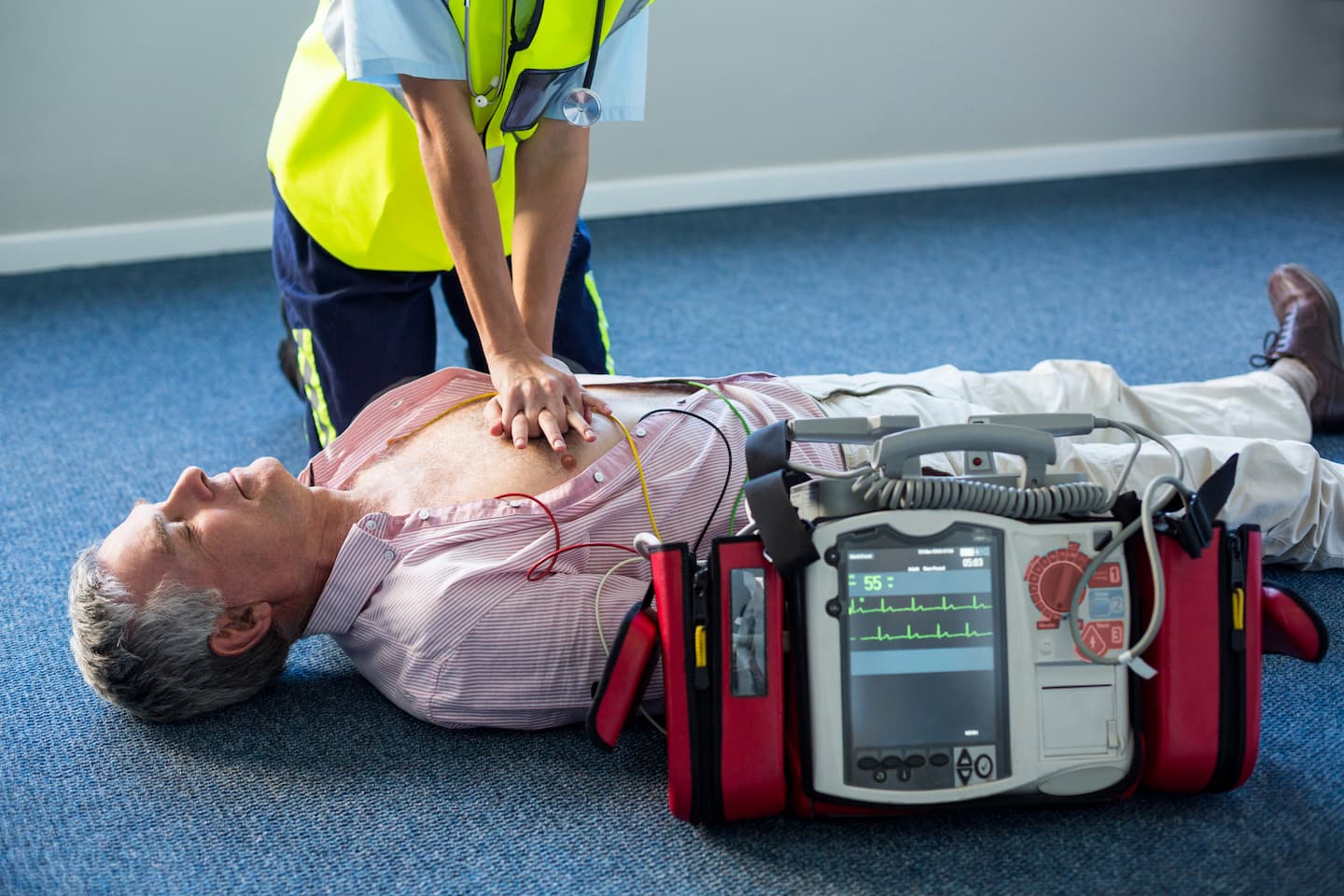
Paramedic performing CPR with defibrillator on cardiac arrest patient

So, you’ve been told you need a CPR certification for your job in Austin. You start searching online and immediately run into a wall of acronyms. Should you take Heartsaver? Or is BLS the right choice?

Choosing the wrong class isn’t just a waste of an afternoon; it can mean your employer won’t accept your card. In the Austin job market, the distinction between these two American Heart Association (AHA) courses is critical.

In this guide, CPR Classes Near Me will break down exactly what makes these courses different. You’ll learn which one aligns with your specific career path and why getting certified in person is the gold standard for Austin professionals.

What is the main difference between Heartsaver and BLS?

The simplest way to look at it is the “Who” and the “How.” Heartsaver is designed for the general public—people who don’t have medical training but want to be ready to help. BLS, which stands for Basic Life Support, is the professional standard for anyone working in a clinical or healthcare environment.

While both courses cover the fundamentals of high-quality CPR and the use of an Automated External Defibrillator (AED), the depth of training differs significantly. Heartsaver focuses on the basics: recognizing an emergency, calling 911, and performing chest compressions until help arrives.

BLS goes much deeper. It teaches you how to work as part of a high-performance rescue team. You’ll learn advanced techniques like using a bag-mask device to provide ventilations and how to pulse-check like a pro. If your job involves a stethoscope or a scrubs-based uniform, BLS is almost certainly what you need.

Who should take the BLS certification in Austin?

If you are a healthcare professional or currently enrolled in a medical program in Central Texas, BLS is your mandatory credential. Austin is a major hub for healthcare, and local hospital systems like St. David’s HealthCare and Ascension Seton require their staff to hold an AHA BLS provider card.

This course is specifically tailored for:

  • Registered Nurses (RNs) and Licensed Vocational Nurses (LVNs)
  • Dental professionals (Dentists and Dental Hygienists)
  • Physical and Occupational Therapists
  • Pharmacists
  • EMTs and Paramedics
  • Medical students and Nursing students

Employers in these fields need to know you can handle complex cardiac arrest scenarios within a clinical setting. At CPR Classes Near Me Austin, our BLS course ensures you can perform rapid assessments and coordinate with other rescuers seamlessly.

Is Heartsaver the right choice for non-healthcare jobs?

For many Austinites, the Heartsaver course is the perfect fit. This certification is intended for “lay rescuers”—people whose primary job is not healthcare but who may be first responders in their workplace. It is OSHA-compliant and meets the regulatory requirements for dozens of industries.

You should opt for Heartsaver (often paired with First Aid) if you work as:

  • A teacher or childcare provider in the Austin Independent School District
  • A personal trainer at a local gym
  • A construction foreman or site safety officer
  • A flight attendant or hospitality manager
  • A coach or camp counselor

Heartsaver training is practical and hands-on. It gives you the confidence to act during those scary moments before the ambulance arrives at your office or school.

Do I need to take First Aid with my CPR class?

This depends entirely on your employer’s specific “on-boarding” checklist. In Austin, many daycare centers and construction firms require a “CPR, AED, and First Aid” combo. However, most clinical healthcare jobs only require the BLS certification without the additional First Aid module.

Our Austin training site offers a combined CPR AED & First Aid class starting at $84.95. This is a popular choice for those who want to be fully prepared for any workplace injury, from minor cuts to cardiac arrest. If you aren’t sure, we always recommend checking your employee handbook first.

Why is an AHA certification better than an online-only course?

It can be tempting to take a $20 “online-only” CPR course you found on a random website. However, many Austin employers—especially those in healthcare—will not accept these certifications. The American Heart Association requires an in-person skills practice and testing component to issue a valid card.

Think about it: could you really learn how to perform life-saving chest compressions just by watching a video? Probably not. At our Austin facility, we use high-fidelity manikins that provide real-time feedback. This ensures you are pushing deep enough and fast enough to actually save a life.

Furthermore, we issue your official AHA eCard on the same day you complete the class. There’s no waiting for the mail; you can show your digital card to your boss before you even leave our parking lot.

What will I actually learn in a BLS class?

When you join us for a BLS session in Austin, you are getting more than just a certificate; you are getting a specialized skill set. The course is approximately 3.7 hours of intensive, hands-on learning.

Key modules include:

  1. High-Quality CPR: Proper hand placement and compression depth for adults, children, and infants.
  2. AED Proficiency: How to safely and quickly use a defibrillator.
  3. Team Dynamics: Learning to lead or support a multi-person rescue attempt.
  4. Ventilation Techniques: Using barrier devices and bag-masks to provide oxygen.
  5. Choking Relief: Real-world techniques for clearing airways for all ages.

Our instructors are certified by the AHA and bring years of real-world experience to the table. We make the environment comfortable so you can ask questions and perfect your technique without stress.

How long does my Austin CPR certification stay valid?

Whether you choose Heartsaver or BLS, your certification is valid for exactly two years from the date of the class. The American Heart Association updates its guidelines frequently based on the latest science, so recertifying every two years ensures your skills are up to date.

In Austin, the process for renewal is simple. You don’t need a special “challenge” course; you simply sign up for the standard BLS or Heartsaver class again. This refreshes your muscle memory and ensures you are ready for any emergency.

Conclusion: Making the Right Move for Your Career

Choosing between Heartsaver and BLS doesn’t have to be a headache. If you work in a hospital or clinic, go with BLS. If you work in a school, gym, or office, Heartsaver is likely your best bet. Both certifications provide the life-saving skills needed to protect the Austin community.

Ready to get your certification? Don’t wait until your current card expires or your HR department sends a reminder.

Contact CPR Classes Near Me today to view our upcoming schedule in Austin and secure your spot!

FAQ Section

1. Can I take BLS if I am not a healthcare professional?

Yes, anyone is welcome to take the BLS course. While it is more technical and designed for healthcare providers, many people choose it because it offers the most comprehensive level of CPR training available.

2. How much do CPR classes cost in Austin?

At CPR Classes Near Me, BLS classes start at $64.95, while the combined CPR and First Aid classes are offered at $84.95. This reflects a significant discount off the standard rate to help keep the Austin community safe.

3. Will I get my card the same day?

Yes! We pride ourselves on efficiency. Once you successfully complete your in-person skills training at our Austin location, our instructors issue your American Heart Association eCard on the same day.

4. Is there an age requirement for CPR classes in Austin?

There is no specific minimum age required by the AHA. As long as the individual can physically perform the compressions and complete the course requirements independently, they can earn their certification.

5. What should I wear to my CPR class?

Since these classes involve hands-on practice on the floor with manikins, we recommend wearing comfortable, casual clothing. Business casual or athletic wear is perfect for moving around during the skills portion.

6. Where is the Austin training center located?

We offer classes at multiple convenient locations, including North Austin and the surrounding regions like Pflugerville and Round Rock. Check our location page for the specific address of your upcoming session.

In-Person vs. Online CPR Certification in Austin: Making the Right Choice for Your Career

First aid instructor teaching CPR to a group of students using a practice mannequin.

When you’re looking to get CPR certified in Austin, you’re usually faced with two main paths: sitting in a local classroom with an instructor or clicking through a course on your laptop at home.

In a fast-growing city like Austin, where healthcare, tech, and construction industries are booming, having the right “save-a-life” credentials isn’t just a bonus—it’s often a job requirement. But which format actually gives you the skills you need, and more importantly, which one will your boss actually accept?

At CPR Classes Near Me Austin, we see students every day who are confused by the options. This guide breaks down the differences between in-person and online CPR certification to help you make the best choice for your schedule, your wallet, and your peace of mind.

Why is hands-on training the standard in Austin?

When it comes to life-saving skills, there is a massive difference between watching a video of someone performing chest compressions and actually feeling the resistance of a manikin’s chest.

In-person training at our Austin location focuses on “muscle memory.” If you are in a high-pressure situation, you won’t have time to recall a video module; you need your hands to know exactly how deep to press and how fast to go.

  • Real-time correction: Our AHA-certified instructors watch your technique. If your hand placement is off or your compressions are too shallow, we fix it on the spot.
  • Equipment practice: You get to use real AED (Automated External Defibrillator) trainers and bag-mask devices, ensuring you aren’t guessing when a real emergency happens.
  • Peer learning: Working in a classroom allows you to practice team dynamics, which is vital for healthcare providers and first responders.

Is online CPR certification valid for Austin employers?

This is the “million-dollar” question. While online-only courses are often cheaper and more convenient, they come with a major catch: Most Austin employers do not accept 100% online CPR certifications.

Organizations like OSHA (Occupational Safety and Health Administration) and the American Heart Association (AHA) require a hands-on skills assessment for a certification to be considered valid for the workplace. If your job is in healthcare (nurses, dental assistants), education (teachers, coaches), or high-risk labor (construction, electricity), an online-only certificate likely won’t cut it.

By choosing an in-person class, you are guaranteed:

  1. OSHA Compliance: Meeting federal safety requirements.
  2. Universal Acceptance: The AHA BLS eCard is the most widely recognized credential in the country.
  3. Job Security: No risk of having your certification rejected during the hiring process.

How does the cost compare between formats?

It is true that online-only courses can be found for as low as $20 or $30. However, you often get what you pay for. These courses frequently lack the official AHA seal, meaning they hold very little weight in the professional world.

In-person classes in Austin are an investment in a legitimate, two-year certification. At CPR Classes Near Me Austin, our BLS classes start at $64.95, and our combined CPR and First Aid classes are $84.95.

While the upfront cost is higher than a digital PDF, the value includes:

  • Professional instruction from certified experts.
  • Use of high-end medical training equipment.
  • A same-day eCard delivered to your inbox.
  • The peace of mind that your certification is 100% legitimate.

What can you expect during an Austin in-person class?

Many people avoid in-person classes because they think it will take up their entire weekend. That’s a myth! Our classes are streamlined and efficient.

A typical session at our Austin training site takes about 3.5 to 4 hours. During this time, you aren’t just sitting and listening to a lecture. You are active:

  • Adult, Child, & Infant CPR: Learning the nuances of saving lives across all age groups.
  • AED Training: Knowing how to operate the device that restarts a heart.
  • Choking Relief: Hands-on practice for the Heimlich maneuver and back slaps.
  • Testing: A short written exam and a skills check-off.

Because we are an official AHA training site, we provide same-day certification. You walk in as a student and leave as a certified lifesaver.

Can online learning be part of the process?

There is a middle ground known as “Blended Learning.” This involves completing the “lecture” portion of the class online via the AHA website and then coming to our Austin office for a “Skills Session.”

This is a great option for busy professionals who want to reduce their time in the classroom but still need that hands-on validation to meet OSHA standards. However, for most people, the full in-person class is the most straightforward and social way to learn.

Who should choose in-person training in Austin?

While anyone can benefit from a classroom setting, certain groups in Central Texas find it essential:

  1. Healthcare Professionals: Doctors, RNs, CNAs, and physical therapists in the Austin Hospital District.
  2. School Staff: Educators in AISD, Round Rock ISD, and local daycares.
  3. Fitness Experts: Personal trainers and lifeguards at Austin’s many gyms and pools.
  4. Construction Workers: Teams working on the massive infrastructure projects across Travis County.

Why choose CPR Classes Near Me Austin?

We aren’t just a national brand; we are part of the Austin community. We serve everyone from Bastrop to Cedar Park and everywhere in between.

  • Same-Day eCards: No waiting for weeks in the mail.
  • No Minimum Age: We believe anyone capable of the technique should learn.
  • Expert Instructors: Our team makes the classes engaging, fun, and stress-free.
  • Convenient Locations: Easy to find and easy to park.

How do the two formats compare side-by-side?

When choosing between an in-person class and an online-only module, it helps to look at the specific advantages of the classroom environment.

In-Person Training Advantages:

  • Full recognition by the American Heart Association (AHA).
  • Guaranteed acceptance by Austin hospitals and schools.
  • Real-time feedback on compression depth and speed.
  • Experience with physical AED units and life-saving equipment.
  • Certification (eCard) issued on the same day.

Online-Only Course Limitations:

  • Lack of hands-on practice leads to lower skill retention.
  • Most “online-only” cards are not issued by the AHA.
  • High rejection rate from employers and regulatory boards.
  • No ability to ask questions or interact with a professional instructor.
  • Limited to theoretical knowledge rather than practical life-saving ability.

Conclusion

While the convenience of sitting on your couch to get “certified” is tempting, the reality of emergency response requires more. In Austin, employers value the quality of your training. In-person CPR certification ensures that if the time ever comes to save a neighbor, a student, or a coworker, you won’t just have a piece of paper—you’ll have the confidence to act.

Ready to get certified? 

Don’t settle for a “keyboard-only” certificate that might be rejected by your employer. Get the gold standard of training today.

Contact CPR Classes Near Me Austin today to book your seat and earn your AHA BLS certification!

Frequently Asked Questions (FAQ)

Q: Is an online CPR certificate the same as an in-person one?

A: No. While they cover similar information, online-only certificates do not include a hands-on skills assessment. Because of this, they are generally not OSHA-compliant and are not accepted by most healthcare or childcare employers in Austin.

Q: How long does the in-person Austin CPR class take?

A: Most of our American Heart Association BLS classes take approximately 3.5 to 4 hours to complete. This includes the video instruction, hands-on practice, and the final skills check.

Q: Will I get my card the same day?

A: Yes! When you train with CPR Classes Near Me Austin, we issue your official AHA BLS eCard on the same day you finish your class.

Q: What if my certification is about to expire?

A: You can sign up for any of our BLS classes as a renewal. The AHA considers the full course and the renewal course to be the same, ensuring you are up to date with the latest 2024-2025 guidelines.

Q: Do I need to bring anything to class?

A: Just yourself! We provide all the necessary training materials, manikins, and AED trainers. We recommend wearing comfortable clothing since you will be practicing on the floor with the manikins.

CPR Certification in Austin, TX: Classes, Costs, Course Types, and How to Choose

Paramedic performing CPR with defibrillator on cardiac arrest patient

Are you looking to boost your resume or gain the confidence to save a life? Getting your CPR certification in Austin is one of the most impactful steps you can take. Whether you are a nurse at St. David’s, a teacher in AISD, or a local fitness coach, knowing how to react in a cardiac emergency is essential.

At CPR Classes Near Me, we provide top-tier American Heart Association (AHA) training right here in the Heart of Texas. This guide will walk you through everything you need to know about finding the right class, understanding the costs, and ensuring you get a certification that employers actually accept.

Why should you get CPR certified in Austin?

Austin is a fast-growing hub for healthcare, tech, and education. With more people moving to Central Texas every day, the need for trained lifesavers is higher than ever.

  • Be Prepared: Most cardiac arrests happen at home. Certification gives you the skills to protect your family.
  • Career Advancement: Many professions in Texas require OSHA-compliant certification.
  • Community Safety: More trained individuals mean a safer Austin for everyone.

What types of CPR classes are available in Austin?

Not all CPR classes are created equal. Depending on your job or personal goals, you will likely need one of two main course types:

1. Basic Life Support (BLS) for Healthcare Providers

This is the “gold standard” for anyone in the medical field. It covers high-quality CPR for adults, children, and infants, as well as team dynamics and AED usage.

2. CPR, AED, and First Aid

This combined course is perfect for the general public, teachers, and construction workers. It adds a layer of training for handling injuries, burns, and environmental emergencies.

How much does CPR certification cost in Austin?

Pricing can vary, but we believe in transparent, affordable rates that don’t sacrifice quality. In Austin, you can expect the following:

  • BLS CPR & AED Classes: Starting at $59.95. This is currently discounted from the standard $79.95 rate.
  • CPR, AED, & First Aid Classes: Starting at $79.95. This is discounted from the standard $99.95 rate.

When comparing costs, always check if the price includes your official AHA eCard. Some “budget” sites charge extra for the card or offer non-AHA certifications that many employers will reject.

How do you choose the right CPR course?

Choosing the right class depends on your specific needs. Ask yourself these three questions:

  1. Does my employer require the AHA seal? Most healthcare and high-risk industries specifically demand American Heart Association (AHA) certification.
  2. Do I need First Aid? If you work in childcare, coaching, or a trade like electrical or construction, you likely need the combined First Aid course.
  3. Is the card issued the same day? If you are on a deadline for a job application, ensure the provider offers same-day eCards.

Can you get CPR certified online in Austin?

While many websites offer “100% online” CPR, we strongly advise against them. Here is why:

  • Employer Acceptance: Most Austin employers, especially in healthcare, do not accept certifications that lack a hands-on skills assessment.
  • Skill Mastery: You cannot learn the physical depth of chest compressions or the “feel” of a bag-mask device through a computer screen.
  • AHA Standards: The AHA requires in-person skills practice to issue an official BLS card.

What will you learn during the training session?

Our Austin classes are designed to be engaging, efficient, and highly practical. You won’t just sit and watch videos; you will be active.

  • Chest Compressions: Learning the correct depth and rate for adults, children, and infants.
  • Rescue Breathing: Using pocket masks and bag-mask devices.
  • AED Operation: How to safely use an Automated External Defibrillator.
  • Choking Relief: Techniques for clearing airways in responsive and unresponsive victims.
  • Team Dynamics: How to lead or assist in a multi-rescuer resuscitation attempt.

How long does the certification last?

Once you successfully complete your class and skills test, your AHA certification is valid for two years. We recommend marking your calendar for a “CPR renewal” class about 30 days before your card expires to ensure you never have a gap in your credentials.

Who is required to have CPR certification in Austin?

While we believe everyone should know CPR, it is a mandatory requirement for several local professions:

  • Medical Professionals: Nurses (RN, LVN), Doctors, and CNAs.
  • Emergency Responders: Firefighters and EMTs.
  • Educators: Teachers, daycare providers, and school staff.
  • Fitness & Sports: Personal trainers, coaches, and lifeguards.
  • Laborers: Construction workers, electricians, and flight attendants.

Where are the classes located in Austin?

We serve the entire Greater Austin area. Our training sites are conveniently located to serve:

  • Austin (Central, North, and South)
  • Round Rock & Pflugerville
  • Cedar Park & Leander
  • Buda & Kyle
  • Georgetown & Hutto

Why choose CPR Classes Near Me for your Austin certification?

We pride ourselves on being the #1 rated CPR training site in Austin. Here is what sets us apart:

  • Expert Instructors: Our team consists of experienced professionals who make the class fun and stress-free.
  • Same-Day eCards: No waiting by the mailbox. You get your digital card the same day you pass the class.
  • Flexible Scheduling: We offer morning, afternoon, and weekend slots to fit your busy life.
  • Group Training: We can come to your office or facility to certify your entire team at once.

Conclusion

Securing your CPR certification in Austin is a straightforward process when you choose the right partner. By focusing on AHA-approved, hands-on training, you ensure that your skills are sharp and your certification is recognized nationwide. Don’t wait until an emergency happens to wish you knew what to do.

Contact CPR Classes Near Me today to book your session and join the ranks of Austin’s life-savers!

Frequently Asked Questions (FAQ)

How do I get CPR certified in Austin?

To get certified, you simply need to register for an in-person class. You will attend a single session that lasts approximately 3.5 to 4 hours, where you will practice skills on manikins and pass a skills test. Your instructor will then issue your AHA eCard.

How much does training cost?

In Austin, BLS classes start at $59.95, and combined CPR and First Aid classes start at $79.95. These prices include the cost of the training and the official certification card.

How long does the CPR class take?

Most AHA BLS classes take about 3.7 hours to complete. This includes the video instruction, hands-on practice, and the final testing phase.

Is there an age requirement for CPR?

There is no specific minimum age for CPR certification through the AHA. As long as the individual can perform the physical requirements (compressions) and pass the written/skills test, they can be certified.

What is the difference between CPR and BLS?

CPR (Cardiopulmonary Resuscitation) is the general term for the lifesaving technique. BLS (Basic Life Support) is a specific level of CPR training designed for healthcare providers and public safety professionals, involving more advanced techniques like team resuscitation and bag-mask ventilation.

Same-Day CPR Certification: How It Works (and Who It’s For)

Students performing CPR and ventilation on a training manikin in class

In a world where everything moves at the speed of light, waiting weeks for a certification card to arrive in the mail feels like a relic of the past. Whether you just landed a new job that starts Monday or your current credentials expired yesterday, the pressure to get certified quickly is real.

The good news? You don’t have to wait. Same-day CPR certification has revolutionized how professionals and everyday heroes get trained. At CPR Classes Near Me, we’ve streamlined the process so you can walk in, learn the skills, and walk out with your official American Heart Association (AHA) eCard in your inbox before you even get to your car.

But how exactly does it work, and is it the right choice for you? Let’s dive into the details.

What is same-day CPR certification?

Same-day CPR certification refers to a training format where the student completes all required coursework and hands-on skills assessments in a single day, receiving their official certification immediately upon completion.

Unlike traditional classes that might mail a paper certificate or take days to process paperwork, this modern approach uses the AHA’s digital eCard system. This ensures that as soon as your instructor marks you as “passed” in the system, your credentials are live and verifiable.

How does the same-day certification process work?

The process is designed to be efficient without cutting corners on the quality of training. Most same-day certifications follow one of two paths:

  1. The All-In-Person Method: You attend a scheduled class at a local training center. Over the course of 3 to 4 hours, an expert instructor guides you through videos, lectures, and—most importantly—physical practice on manikins. Once you pass the written (if required) and skills tests, your eCard is issued.
  2. The Blended Learning Method: This is the ultimate “time-saver.” You complete the “book work” and videos online at your own pace. Once finished, you schedule a “Skills Session” that usually lasts only 30 to 60 minutes. Because you’ve already done the theory, you just show up to prove you can do the physical compressions and use an AED.

Who is same-day CPR certification designed for?

While anyone can benefit from a fast turnaround, certain groups find same-day certification particularly vital:

  • Healthcare Professionals: Nurses, doctors, and EMTs often need Basic Life Support (BLS) certification to maintain their licenses. A gap in certification can mean being pulled from a shift.
  • New Hires: Many job offers in childcare, fitness, and construction are “contingent on certification.” Getting certified today means starting your paycheck sooner.
  • Busy Parents and Caregivers: If you only have a small window of childcare or free time, a “one-and-done” session is much more manageable than a multi-day course.
  • Students: Nursing or dental students often realize they need a specific AHA BLS card right before clinical rotations begin.

Is a same-day eCard as valid as a traditional card?

Yes, provided it is an official American Heart Association (AHA) eCard. In fact, most employers now prefer eCards over paper certificates because they are:

  • Tamper-proof: They cannot be easily forged.
  • Easy to Verify: Employers can scan a QR code to see the validity in seconds.
  • Impossible to Lose: Your card is stored digitally; you can download and print it as many times as you need.

At CPR Classes Near Me, we only issue AHA-accredited certifications, which are the gold standard for hospitals, schools, and government agencies nationwide.

Why is hands-on training required for same-day certs?

You might see websites offering “100% Online CPR” in 20 minutes. While these are fast, they are rarely accepted by employers. Why? Because you cannot learn the “muscle memory” of a chest compression by clicking a mouse.

OSHA and the AHA require a physical skills check on a manikin. Same-day certification at a physical location ensures:

  1. Correct Technique: An instructor can tell you if you aren’t pushing hard enough or fast enough.
  2. AED Familiarity: You get to handle a trainer AED, so you aren’t confused by the buttons during a real emergency.
  3. Real-Time Q&A: You can ask questions about specific scenarios, like what to do if the victim is in a confined space.

What should you bring to a same-day class?

To ensure you get your card on the same day, you should come prepared. Here is a quick checklist:

  • Comfortable Clothing: You will be on the floor or leaning over manikins. Wear clothes you can move in.
  • Online Completion Certificate: If you chose the “Blended Learning” route, you must bring the printed or digital certificate showing you finished the online portion.
  • A Valid Email Address: This is how your eCard is delivered. Double-check your spelling when you register!

How long does the certification last?

Regardless of how fast you get it, an AHA CPR or BLS certification is valid for two years. The expiration date will be clearly marked on your eCard. We recommend scheduling your renewal at least 30 days before that date to ensure you never have a lapse in coverage.

What are the benefits of choosing “CPR Classes Near Me”?

Choosing a local, specialized provider offers advantages that national “big box” training centers can’t match:

  • Speed: We focus on efficiency, ensuring you don’t spend a minute longer in class than necessary to master the skills.
  • Expertise: Our instructors are often local healthcare professionals who bring real-world experience to the table.
  • Availability: We offer frequent classes and skills sessions to fit your tight schedule.
  • Instant Gratification: We prioritize the immediate issuance of eCards so you can get back to work.

Conclusion

Same-day CPR certification isn’t just about speed; it’s about providing a path to compliance and confidence that fits into a modern lifestyle. By combining the flexibility of digital eCards with the rigors of hands-on training, you get the best of both worlds: a valid, employer-accepted certification and the ability to save a life starting today.

Don’t let an expired card or a new job requirement slow you down. Get trained, get certified, and get on with your day.

Need your CPR certification today? Contact CPR Classes Near Me now to find an upcoming session and secure your spot!

Frequently Asked Questions (FAQ)

Q: Can I get my CPR certification 100% online?

A: While you can learn the theory online, most employers (especially in healthcare and childcare) require a hands-on skills assessment. A “100% online” certificate without a manikin check is usually rejected by OSHA and the AHA.

Q: How soon will I receive my eCard after the class?

A: At CPR Classes Near Me, we aim to issue eCards immediately following the successful completion of your skills test. Most students have their card in their email inbox before they leave the building.

Q: Is the same-day certification more expensive?

A: Generally, no. The cost of a same-day class is comparable to any other high-quality AHA-accredited course. You are paying for the expertise of the instructor and the official AHA registration.

Q: What if I fail the skills test?

A: Our instructors are dedicated to your success. If you struggle with a specific skill, they will work with you, provide feedback, and allow you to practice until you can perform the technique correctly.

Q: Does my same-day certification include First Aid?

A: This depends on the specific course you register for. We offer BLS for Healthcare Providers, Heartsaver CPR/AED, and Heartsaver First Aid/CPR/AED. Make sure to select the course that meets your specific job requirements.

CPR Certification Near Me: How to Choose the Right Local Class

When a medical emergency strikes, seconds are the difference between a life saved and a tragedy. Whether you are a nurse needing to renew your credentials, a teacher responsible for a classroom, or a new parent wanting peace of mind, finding the right “CPR certification near me” is about more than just checking a box. It is about gaining the confidence to act when it matters most.

With so many providers and acronyms like BLS, AED, and AHA floating around, picking the right course can feel overwhelming. This guide will walk you through everything you need to know to choose the best local class for your specific needs.

Why is it important to choose the right CPR class?

Not all CPR classes are created equal. Choosing the wrong one could mean your employer won’t accept your card, or worse, you might not be properly trained for the specific age group or environment you work in.

Selecting the right class ensures:

  • Job Compliance: You meet the exact requirements of your workplace or licensing board.
  • Skill Mastery: You receive hands-on training tailored to your role.
  • Confidence: You leave the classroom knowing exactly how to use an AED or perform chest compressions on an infant versus an adult.

What is the difference between BLS and Heartsaver CPR?

This is the most common question students ask. The answer depends entirely on your profession.

  1. Basic Life Support (BLS):
    • Who it’s for: Doctors, nurses, EMTs, dentists, and medical students.
    • What you learn: High-quality CPR for all ages, team-based rescue, and the use of advanced equipment like bag-valve masks (BVMs).
  2. Heartsaver CPR AED:
    • Who it’s for: Teachers, coaches, personal trainers, daycare providers, and the general public.
    • What you learn: Fundamental life-saving skills, how to recognize cardiac arrest, and how to use an Automated External Defibrillator (AED).

If you are in healthcare, you almost certainly need BLS. If you are a layperson, Heartsaver is usually the standard.

Is American Heart Association (AHA) better than Red Cross?

Both the American Heart Association (AHA) and the American Red Cross (ARC) provide excellent training, but there are key differences in how they are viewed by employers.

  • AHA (The Gold Standard): The AHA is the world leader in resuscitation research. They write the guidelines that every other organization follows. Because of this, AHA certification is the most widely accepted by hospitals and healthcare facilities nationwide.
  • Red Cross: Often used by community organizations and social services. While reputable, some medical employers strictly require AHA-aligned certification.

At CPR Classes Near Me, we are an AHA Certified Training Site, ensuring your card is recognized by the widest range of employers possible.

Should I choose an online, in-person, or blended learning class?

Technology has changed how we learn, but some skills require a “hands-on” touch.

  • Online-Only: These are often the cheapest and fastest. However, most employers will not accept online-only certification. CPR is a physical skill that requires muscle memory.
  • Blended Learning: You do the “book work” online and then come in for a quick “skills check” with an instructor. This is a great middle ground for busy professionals.
  • In-Person Training: This remains the top-rated way to learn. You get immediate feedback from a certified trainer, you can ask questions in real-time, and you practice on high-tech manikins until you are perfect.

What should I look for in a local training facility?

When searching for “CPR certification near me,” look for these five “must-haves”:

  1. Same-Day Certification: You shouldn’t have to wait weeks for your card. Top providers issue your eCard the same day you finish.
  2. AHA Alignment: Look for the official American Heart Association seal to ensure the curriculum is up-to-date.
  3. Experienced Instructors: You want a trainer who has actually used these skills in the field, like a paramedic or nurse.
  4. Hands-On Equipment: Ensure the class uses modern manikins and AED trainers.
  5. Location and Scheduling: The best class is the one you can actually attend. Look for facilities with multiple locations and flexible weekend or evening times.

How much does a local CPR class typically cost?

Prices vary by location and course type, but here is a general breakdown of what to expect for quality training:

  • AHA BLS Certification: Typically starts around $59.95.
  • CPR & First Aid Combo: Usually starts around $79.95.

Beware of “scam” sites offering $20 certifications. If there is no hands-on skills test, the card is likely not OSHA-compliant and won’t be accepted by your employer.

What are the benefits of getting certified with CPR Classes Near Me?

We pride ourselves on making the CPR certification process as painless as possible. When you choose one of our local classes, you get:

  • Guaranteed Acceptance: Our AHA-certified courses meet the highest national standards.
  • Speed: We offer same-day eCards so you can get back to work immediately.
  • Expertise: Our trainers make the material engaging and easy to remember.
  • Affordability: We offer competitive, discounted rates for individuals and groups.

How often do I need to renew my CPR certification?

Most CPR and BLS certifications are valid for two years. It is a good idea to set a reminder at the 22-month mark to find a renewal class. Techniques and guidelines are updated every few years, so renewing ensures you are using the most effective, life-saving methods currently available.

Conclusion

Choosing the right CPR class doesn’t have to be a headache. By identifying your professional needs (BLS vs. Heartsaver), ensuring the provider is AHA-certified, and opting for a hands-on learning environment, you are setting yourself up for success. Remember, you aren’t just getting a card; you are gaining the ability to save a life.

Ready to get certified? Contact CPR Classes Near Me today to find a local class and get your same-day certification!

Frequently Asked Questions (FAQ)

1. Can I get a CPR card in one day?

Yes. Most in-person classes take between 2 to 4 hours depending on the course type. At CPR Classes Near Me, we issue your official AHA BLS eCard the same day you complete your training.

2. Does my CPR certification cover infants and children?

Standard Heartsaver and BLS courses typically cover adult, child, and infant CPR, as well as choking relief for all age groups. Always check the specific course description to be sure.

3. Is there a written test?

For BLS (Healthcare Provider) classes, there is a written exam and a skills test. For Heartsaver (Layperson) classes, the written test is often optional or replaced by a thorough skills evaluation, depending on the instructor and workplace requirements.

4. What if my card is already expired?

If your card is expired, you simply need to take a full certification or renewal class. There is no penalty for an expired card, but you cannot legally perform duties that require an active certification until you pass a new class.

5. Are AEDs included in the training?

Yes. All modern AHA CPR classes include training on how to use an Automated External Defibrillator (AED), as it is a critical component of the “Chain of Survival.”

Fastest Way to Renew CPR Certification in Columbus

Paramedic performing CPR with defibrillator on cardiac arrest patient

Are you a healthcare professional or a dedicated community member whose CPR card is about to expire? In the fast-paced world of Columbus, Ohio, you don’t have time to wait weeks for a certificate or spend hours navigating glitchy online modules. You need a solution that is quick, official, and stress-free.

Renewing your Life Support credentials shouldn’t feel like a hurdle. Whether you are a nurse at OhioHealth, a teacher in the Columbus City School District, or a local coach, staying certified is about more than just compliance—it is about being ready to save a life at a moment’s notice.

This guide explores the absolute fastest way to renew your CPR certification in Columbus, ensuring you walk away with your American Heart Association (AHA) card the very same day.

Why is speed important for CPR renewal?

When your certification expires, it isn’t just a piece of paper you lose; it’s often your eligibility to work. Many employers in Columbus require a valid AHA BLS (Basic Life Support) card as a condition of employment. If your card lapses, you could face administrative leave or missed shifts.

The fastest way to renew is to find a provider that eliminates unnecessary steps. Traditional “blended learning” often requires you to complete hours of online videos before you can even step foot in a classroom. By choosing an efficient, in-person training site, you skip the digital headaches and get straight to the hands-on practice that matters most.

How can I get my CPR card on the same day?

The secret to the fastest renewal is finding a training center that issues electronic cards (eCards) immediately upon completion of the course. At CPR Classes Near Me Columbus, we utilize the American Heart Association’s digital platform to ensure you don’t have to wait for the mail.

As soon as you finish your skills check and pass the assessment, your instructor processes your certification. You will receive an email with your official AHA BLS eCard before you even get back to your car. This is the gold standard for those on a tight deadline.

Is there a faster alternative to online-only classes?

While online-only classes might seem fast, they are often a “speed trap.” Most reputable employers in Columbus—especially in healthcare, education, and construction—do not accept certifications that lack a hands-on skills assessment.

If you take an online-only course, you may find yourself having to retake an in-person class anyway because your employer rejected the certificate. The fastest way to do something is to do it right the first time. In-person training takes about three hours and is guaranteed to be accepted by your employer.

What makes the BLS renewal process efficient?

Efficiency comes down to the quality of instruction and the structure of the class. A streamlined renewal class focuses on the essential “high-quality” CPR metrics:

  • Depth and rate of compressions: Ensuring you are providing effective blood flow.
  • Chest recoil: Allowing the heart to refill between compressions.
  • Minimizing interruptions: Keeping the “hands-on” time as high as possible.
  • AED usage: Quick and safe operation of an Automated External Defibrillator.

By working with expert instructors, you can polish these skills quickly through hands-on practice without the fluff of a beginner-level lecture.

Where can I find the best renewal classes in Columbus?

You don’t have to travel far to find top-tier training. CPR Classes Near Me Columbus serves the entire metro area and surrounding suburbs. We provide convenient scheduling for those living or working in:

  • Dublin and Westerville
  • Upper Arlington and Grandview Heights
  • Gahanna and New Albany
  • Grove City and Hilliard
  • Reynoldsburg and Pickerington

Our location is designed for easy access, making it the perfect “pit stop” for your biennial renewal.

What should I bring to my renewal class?

To make your renewal as fast as possible, come prepared. You don’t need to bring heavy equipment or textbooks, but having these items ready will help:

  1. Comfortable clothing: You will be on the floor practicing compressions on manikins, so wear something you can move in.
  2. Your current (or expired) card: This helps the instructor verify your previous training level.
  3. A positive attitude: Our classes are designed to be laid-back and engaging.

Because there is no pre-work or mandatory online “homework,” you simply show up, learn, and leave certified.

Who is required to have a BLS renewal?

In Columbus, various industries rely on AHA-certified professionals to maintain a safe environment. You likely need a fast renewal if you work in any of the following fields:

  • Healthcare Providers: RNs, LPNs, CNAs, and dental professionals.
  • Emergency Services: Firefighters, police officers, and security personnel.
  • Education: Teachers, daycare providers, and school administrators.
  • Fitness and Sports: Personal trainers, coaches, and lifeguards.
  • Industrial/Construction: Electricians and site supervisors who must meet OSHA standards.

How much does it cost to renew in Columbus?

Fast service shouldn’t mean overpriced service. Currently, CPR Classes Near Me Columbus offers competitive, discounted rates to make sure lifesaving knowledge is accessible.

  • BLS CPR & AED: Starting at $59.95 (a $20 savings).
  • CPR, AED & First Aid: Starting at $79.95 (a $20 savings).

Investing in an AHA-approved course ensures you aren’t wasting money on a certificate that won’t be recognized by your workplace.

Can I renew my First Aid at the same time?

Yes! If your job requires both CPR and First Aid, the fastest way to handle this is a “combo” class. Instead of booking two separate appointments, you can complete both certifications in a single session. This integrated approach covers everything from cardiac arrest to wound care and allergic reactions, providing a comprehensive safety toolkit in one afternoon.

Why choose American Heart Association (AHA) over others?

While there are several organizations that offer CPR training, the AHA is the most widely recognized and respected. Their guidelines are based on the latest science and are updated regularly. When you hold an AHA card, you hold a credential that is the “gold standard” nationwide. Most hospitals and clinics in Central Ohio strictly require AHA certification for their staff.

Conclusion

Renewing your CPR certification in Columbus doesn’t have to be a time-consuming chore. By choosing an AHA-authorized training site that offers in-person, same-day eCards, you can fulfill your professional requirements in just a few hours. No online pre-work, no waiting for the mail—just expert instruction and a guaranteed certificate.

Don’t wait until your card expires! Contact CPR Classes Near Me today to secure your spot in our next Columbus class and stay rescue-ready.

Frequently Asked Questions (FAQ)

How long does the CPR renewal class take?

The standard in-person BLS renewal class in Columbus typically takes about three hours. This includes the video instruction required by the AHA, hands-on practice, and the skills assessment.

Do I need to do any work online before the class?

No. Unlike “blended” courses, our classes are 100% in-person. You do not need to complete any modules or quizzes online before arriving at the training site.

When will I receive my certification card?

You will receive your official American Heart Association BLS eCard on the same day you complete the class. It is sent directly to your email for easy printing or forwarding to your employer.

What if my CPR card is already expired?

You can still take a renewal class! The AHA allows individuals with expired cards to take the BLS course to get re-certified. However, you should check with your employer to see if they have specific policies regarding working with an expired card.

Is the certification OSHA-compliant?

Yes. Our AHA BLS and First Aid certifications meet all OSHA requirements for workplace safety, making them ideal for construction, manufacturing, and healthcare industries.

Stay Certified: The Ultimate Guide to CPR Renewal Classes in Columbus

Hands performing chest compressions on a CPR training mannequin with AED pads attached.

Keeping your life-saving skills sharp isn’t just a professional requirement; it is a commitment to the safety of your community. If you are a healthcare provider, an educator, or a safety-conscious professional in Central Ohio, staying up to date with your American Heart Association (AHA) credentials is non-negotiable.

At CPR Classes Near Me Columbus, we specialize in making the renewal process efficient, engaging, and highly effective. Whether your card is about to expire or you simply want to refresh your knowledge, our local training center is designed to get you back in the field with confidence.

Why are CPR renewal classes in Columbus necessary?

CPR certification is not a “one and done” event. Skills degrade over time, and medical guidelines frequently evolve to improve victim outcomes. The American Heart Association requires renewal every two years to ensure that everyone holding a card is proficient in the latest life-saving techniques.

In Columbus, many professions—from nursing at OhioHealth to teaching in Columbus City Schools—mandate a current BLS (Basic Life Support) card. Attending a renewal class ensures there is no gap in your employment eligibility while reinforcing the muscle memory needed to act during a cardiac emergency.

What will you learn during a CPR renewal session?

A renewal class focuses on high-quality repetitions and updates. Because you have been certified before, the course moves at a business-casual, conversational pace that respects your prior experience while filling in any knowledge gaps.

Key areas covered include:

  • High-Quality Chest Compressions: Perfecting the depth and rate for adults, children, and infants.
  • AED Operation: Quick and safe deployment of an Automated External Defibrillator.
  • Team Dynamics: How to lead or participate in a multi-rescuer resuscitation attempt.
  • Airway Management: Effective use of barrier devices and rescue breathing techniques.
  • Choking Relief: Real-world maneuvers for conscious and unconscious victims of all ages.

How does the AHA BLS certification benefit Columbus professionals?

The American Heart Association (AHA) is the gold standard for CPR training. While other organizations offer “CPR” cards, the AHA BLS certification is the most widely accepted by hospitals, clinics, and government agencies in Ohio.

By choosing an AHA-aligned course, you ensure:

  1. Guaranteed Acceptance: Your employer will recognize the credential.
  2. OSHA Compliance: Meets federal workplace safety requirements.
  3. Same-Day Results: No waiting weeks for a card to arrive in the mail.

Who should enroll in Columbus CPR renewal classes?

Our classes are tailored for anyone who currently holds or previously held a CPR card. While we see a high volume of medical professionals, our doors are open to anyone in the Columbus metro area.

Common attendees include:

  • Registered Nurses (RNs) and Licensed Practical Nurses (LPNs)
  • Dental professionals and medical office staff
  • Physical therapists and personal trainers
  • Daycare providers and K-12 teachers
  • Construction foremen and safety officers
  • Lifeguards and swim instructors

Is in-person training better than online-only CPR courses?

While online “fast-track” courses might seem tempting, they often fail to meet employer standards. Most Columbus healthcare systems and schools require a hands-on skills assessment.

At CPR Classes Near Me Columbus, we offer the best of both worlds: a streamlined in-person experience led by expert instructors. You get the physical practice required to actually save a life, which a computer screen simply cannot replicate. Furthermore, our instructors provide real-time feedback, ensuring your technique is perfect before you leave the classroom.

How long does the CPR renewal process take?

We value your time. Our Columbus renewal classes are designed to be comprehensive yet concise. Typically, a full BLS certification and assessment session takes about three hours.

The best part? You don’t have to wait for your results. We issue your official AHA BLS eCard on the same day you complete the class. You can walk out of our facility and immediately email your digital certificate to your employer or licensing board.

What is the cost of CPR renewal in Columbus?

We believe life-saving education should be accessible. Currently, our CPR classes in Columbus are competitively priced:

  • AHA BLS CPR & AED: Starting at $59.95 (a $20 savings from standard rates).
  • BLS CPR + First Aid Combo: Starting at $79.95.

Investing in a local, AHA-authorized class ensures you aren’t wasting money on a “cheap” certification that your employer might reject.

Where can you find CPR renewal near you?

Our training site serves the entire Columbus region. We are conveniently located for residents and professionals in:

  • Dublin and Westerville
  • Upper Arlington and Grandview Heights
  • Gahanna and New Albany
  • Grove City and Hilliard
  • Reynoldsburg and Pickerington

If you have a large group, our instructors can even travel to your office or facility anywhere in Ohio to conduct on-site training.

Conclusion

Renewing your CPR certification in Columbus shouldn’t be a stressful hurdle. It is an opportunity to sharpen your skills, stay compliant with workplace regulations, and maintain the readiness to save a life. With same-day eCards, expert instructors, and a relaxed learning environment, CPR Classes Near Me Columbus is your partner in emergency preparedness.

Don’t let your certification lapse. Ensure you are ready for the unexpected and keep your professional credentials current.

Contact CPR Classes Near Me today to secure your spot in our next Columbus renewal class!

Frequently Asked Questions (FAQ)

Q: How do I know if I need BLS or Heartsaver CPR?

A: Generally, healthcare providers (nurses, doctors, EMTs) require BLS (Basic Life Support). Non-healthcare workers (teachers, coaches, construction workers) often only need Heartsaver CPR and First Aid. However, BLS is the higher-level certification and is accepted by almost all employers.

Q: Can I attend a renewal class if my card has already expired?

A: Yes. At CPR Classes Near Me Columbus, you can enroll in our BLS course even if your previous card has lapsed. You will receive the same high-quality training and the same two-year AHA certification.

Q: Do I need to complete any online “pre-work” before the class?

A: No. Our in-person classes are designed to be comprehensive. You simply show up, participate in the instructor-led training, and complete your skills check-off.

Q: How long is my new CPR card valid for?

A: All American Heart Association CPR certifications are valid for two years from the date of issue.

Q: What if I lose my digital eCard?

A: Since we issue digital eCards, you can log in to the AHA portal at any time to claim or print a copy of your certificate.

Why Infant CPR Training Should Be a Requirement for Babysitters and Caregivers

Group of people during the first aid training for baby

Why Infant CPR Training Should Be a Requirement for Babysitters and Caregivers

Group of people during the first aid training for baby

When you entrust your child to a babysitter or caregiver, you assume they have the necessary skills to keep your little one safe. But have you ever considered whether they know what to do in a life-threatening emergency, such as when a baby stops breathing? Infant CPR training is a vital skill that can make the difference between life and death in these situations. In this article, we’ll explore why infant CPR training should be a requirement for babysitters and caregivers, the benefits of CPR certification, and how to get trained.

Understanding Infant CPR

Infant CPR, or cardiopulmonary resuscitation, is a lifesaving technique used when a baby is not breathing or their heart has stopped beating. It involves a combination of chest compressions and rescue breaths to help restore blood circulation and breathing. Knowing how to perform CPR on an infant is crucial because their bodies are delicate and require a different approach than CPR for adults or older children.

Why is Infant CPR Different?

Babies are not just smaller versions of adults; their physiology is unique. Their airways are smaller, their bones are more fragile, and their breathing patterns differ. Therefore, the technique and pressure applied during CPR on infants need to be adjusted accordingly. Understanding these differences is a key component of infant CPR training.

Why Infant CPR Training Should Be a Requirement for Babysitters and Caregivers

The Importance of CPR Certification

CPR certification provides formal training and assessment of a person’s ability to perform CPR correctly. This certification is not just a piece of paper—it’s a testament to a caregiver’s commitment to ensuring the safety and well-being of children in their care.

Benefits of Being Certified

  1. Confidence in Emergencies: With CPR certification, caregivers are more likely to remain calm and act effectively during emergencies. This confidence can significantly impact the outcome of a crisis.
  2. Increased Employability: Babysitters and caregivers with CPR certification are often more appealing to parents and employers. It shows a level of professionalism and preparedness that is highly valued.
  3. Safety Assurance: Knowing that a caregiver is certified in infant CPR provides peace of mind to parents, knowing that their child is in capable hands.

Why Infant CPR Training Should Be Mandatory

Ensuring Child Safety

Child safety is a top priority for every parent. Mandatory infant CPR training for caregivers ensures that they are equipped to handle critical situations. When a caregiver knows how to perform CPR, they can act quickly and effectively, which can be life-saving.

Reducing Risks

Accidents happen, and while we cannot prevent all emergencies, we can reduce the risks associated with them. By making CPR training mandatory, we prepare caregivers to deal with potential hazards, thus reducing the likelihood of tragic outcomes.

Setting a Standard

Making infant CPR training a requirement sets a standard of care within the industry. It elevates the level of professionalism among babysitters and caregivers and ensures that everyone entrusted with the care of infants has the necessary skills to protect them.

How to Get Infant CPR Training

How to Get Infant CPR Training

There are several ways to obtain CPR training and certification. Many organizations offer courses designed specifically for infant CPR, ensuring that caregivers receive the most relevant and up-to-date information.

Finding a Course

Organizations such as the American Red Cross, American Heart Association, and local community centers often provide CPR certification courses. These courses typically include both theoretical instruction and hands-on practice with mannequins.

Online vs. In-Person Training

While online courses offer convenience, they may lack the hands-on practice necessary to build confidence and muscle memory. In-person training, on the other hand, allows participants to practice techniques under the guidance of certified instructors, providing immediate feedback and corrections.

Keeping Certification Current

CPR certification is not a one-time achievement. It requires periodic renewal to ensure that caregivers remain informed about the latest techniques and guidelines. Staying current with certification also demonstrates a continued commitment to child safety.

Conclusion

Infant CPR training is not just an optional skill for babysitters and caregivers—it’s a necessity. By requiring CPR certification, we can ensure that those responsible for our children’s safety are prepared to act in emergencies. The peace of mind that comes from knowing a caregiver is trained and certified in infant CPR is invaluable. If you are a parent, consider discussing this requirement with your babysitter or caregiver. If you are a caregiver, take the initiative to get certified and set yourself apart as a professional dedicated to the highest standard of care. Remember, a little preparation can make all the difference in a critical moment.

Contact CPR Classes Near Me for CPR and First Aid Classes

If you’re ready to take the important step of ensuring the safety of the children in your care, don’t hesitate to reach out for CPR and First Aid classes. These courses will equip you with the essential skills and knowledge needed to respond effectively in emergencies.

Contact CPR Classes Near Me today to find a class that fits your schedule. Investing in your training not only enhances your qualifications but also provides peace of mind for the families you serve. Remember, being prepared can save lives!

AHA BLS CPR & AED Classes

Starting at $59.95
American Heart Association BLS CPR & AED Certification 
Our CPR Trainers are American Heart Association Certified. We teach the best CPR Classes and deliver your certification eCard the same day. Get your AHA BLS CPR Certification and save now!

FAQ

Our primary goal is to ensure that you receive a top-quality CPR/First Aid certification. With our in-person training in Austin, you can learn CPR and BLS in just one class. Your presence is all that’s needed to continue with your lesson! During your session, you will complete all the live-training components necessary to ensure you receive your AHA Healthcare Provider certification card.

Our CPR Classes in Austin are discounted to $59.95 (saving you $20), and our CPR + First Aid Class is offered at $79.95 (also saving you $20). When looking for CPR Classes, ensure to check for the American Heart Association seal. Other sites might seem cheaper but frequently lack the official training credentials demanded by employers.

Upon successful completion of the course, you will obtain a CPR certification that is valid for two years. The AHA CPR certification is recognized with the highest acceptance rate among employers nationwide.

Indeed! Enroll in any CPR Certification Austin BLS course to extend your certification for an additional two years. The in-person BLS course and the Renewal Class are identical.

Anyone capable of completing the course independently should consider pursuing CPR training and CPR Certification. There is no minimum age restriction for obtaining a CPR certification in Austin through the American Heart Association (AHA)..

CPR training needs to be carried out in person to guarantee its effectiveness. Our experienced instructors offer an engaging and dynamic learning experience. Typically, employers do not recognize CPR certifications that are obtained solely through online courses.

All authorized American Heart Association training centers are obligated to display the entire video. After a three-hour session with CPR Classes Near Me Austin, your BLS CPR eCard will be promptly issued by the instructor on the same day!