How to Verify Whether a CPR Card Will Be Accepted by Your Employer

Imagine sitting down for your first day at a new job or preparing for your annual credential audit, only to find out your safety certification is invalid. Every single year, thousands of healthcare professionals, teachers, and workplace safety coordinators face this exact dilemma. They spend valuable time and money on a class, only to find out it does not meet their company’s core safety criteria.
The pressure to maintain compliance can make the renewal process feel rushed. However, taking a few strategic steps before booking a class protects your career and ensures you can confidently step into any workplace.
In this comprehensive guide, you will learn exactly how to verify whether a CPR card will be accepted by your employer. We will break down the crucial differences between varying course types, reveal hidden workplace compliance rules, and provide a direct roadmap to acquiring a nationally recognized certification.
Why Do Employers Reject Certain CPR Cards?
The most common reason a certification gets turned away down at the human resources office comes down to a lack of physical practice. Many people fall into the trap of purchasing cheap, online-only CPR certifications because they seem fast and convenient. While reading text on a computer screen can teach you the basic theory of resuscitation, it cannot build true physical muscle memory.
Regulatory agencies like the Occupational Safety and Health Administration (OSHA) strictly state that digital learning cannot replace physical, in-person training. Real-world emergencies require you to understand the actual physical resistance of a chest compression. Because online-only programs skip the physical practice, employers across nearly every industry routinely reject them to protect their staff and limit liability.
Furthermore, corporate compliance guidelines are written around strict administrative rules. If your company manual specifies an exact curriculum standard, an unaccredited or off-brand certificate simply will not pass an audit. Checking the specific background of your training site keeps your professional documentation clear and compliant.
How Can You Check Your Company’s Written Requirements?
Before you spend a single dollar on a class, your first step should always be consulting your internal employee handbook or human resources department. Compliance policies are highly specific and vary greatly depending on your exact job description. A corporate office worker may have different baseline requirements than a critical care nurse or an industrial job foreman.
When you speak with your HR manager or compliance supervisor, ask for the exact language of their health and safety policies. Specifically, ask if they require a Basic Life Support (BLS) designation or if a standard public-safety course suffices. Getting these clear parameters in writing beforehand prevents costly mistakes and ensures you register for the exact course model your company recognizes.
Why Is the American Heart Association Considered the Gold Standard?
If your employer has not provided a highly detailed list of guidelines, your safest strategy is to select an American Heart Association course. The AHA is universally recognized as the absolute leader in resuscitation science and cardiovascular training. Their rigorous, research-backed curriculum sets the fundamental baseline for medical facilities and corporations nationwide.
An official AHA certification card is built on evidence-based practices that are updated continuously to improve survival rates. Because of this unparalleled reputation, choosing this path eliminates the guesswork. When an HR representative sees the official seal on your credential, they know instantly that you have been trained to the highest possible standard.
What Are the Dangers of Online-Only CPR Certifications?
The internet is filled with websites offering instant digital certificates for low prices with zero physical practice required. While these programs use clever marketing phrasing like “nationally recognized” or “OSHA compliant,” they rarely pass a strict workplace review. Employers understand that you simply cannot learn how to properly clear a blocked airway or handle a real AED trainer through a computer screen.
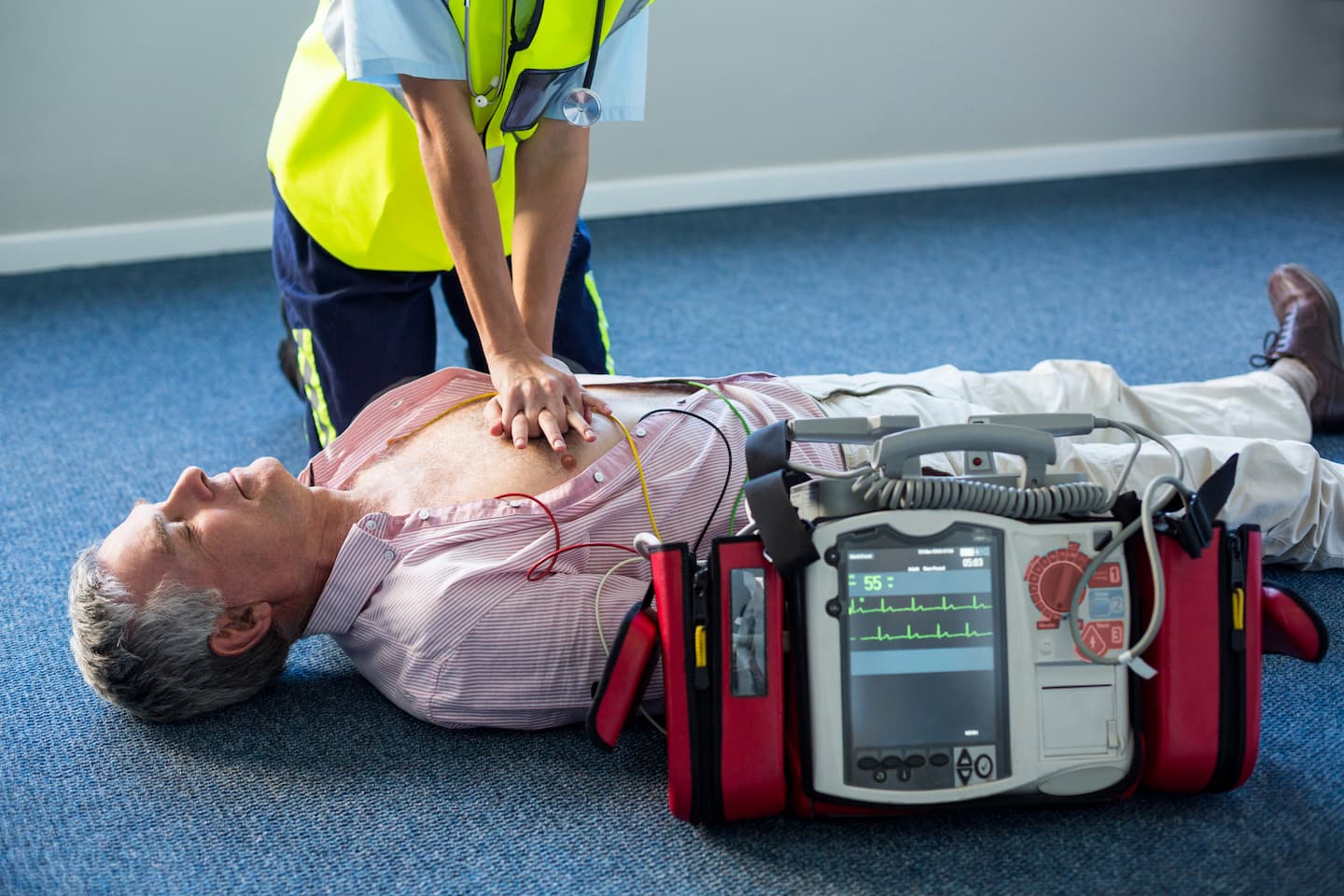
In-person instruction allows a certified professional to observe your technique in real-time. An instructor can immediately correct your hand placement, fix your compression depth, or adjust your timing. This live feedback ensures you leave class with the practical capability to act decisively during a sudden cardiac event.
How Do You Authenticate an Official CPR Card?
Once you finish an authorized training session, verifying the legitimacy of your credential is an easy, transparent process. Modern, compliant training providers no longer distribute easily forged paper certificates. Instead, valid training programs provide digital eCards sent directly to your email inbox.
These digital credentials feature unique identification codes and scannable tracking elements. Your employer can enter your specific card details directly into the official training registry online to verify its authenticity within seconds. If a training provider cannot provide a trackable, digitally verifiable eCard linked directly to an authorized registry, your employer will likely reject it.
The Step-by-Step Workplace Verification Checklist
To make absolutely certain your upcoming certification experience goes smoothly, follow this practical operational checklist before you register:
- Consult Human Resources: Ask your employer directly for their written compliance requirements.
- Verify the Curriculum Provider: Ensure the training site uses an official American Heart Association curriculum.
- Confirm In-Person Delivery: Avoid online-only programs; select a class that includes dedicated, face-to-face physical instruction.
- Confirm Same-Day Card Delivery: Check that your provider issues official digital eCards immediately upon course completion.
- Check the Validity Period: Ensure the program guarantees a full two-year certification window.
By following this straightforward checklist, you ensure that your certification satisfies your company’s safety requirements from day one.
Conclusion: Protect Your Credentials Today
Verifying whether a CPR card will be accepted by your employer comes down to choosing the right delivery method and the right curriculum provider. Avoiding unverified, online-only shortcuts and prioritizing official, hands-on training keeps your workplace compliance secure. Investing a few hours in an authorized, physical training environment delivers the verified credentials you need and the life-saving skills your community relies on.
Don’t leave your workplace compliance or professional safety credentials to chance. Contact CPR Classes Near Me today to secure your spot in an official, in-person training class and receive your official certification eCard the very same day.
Frequently Asked Questions (FAQ)
Will my employer accept a CPR card from an online-only course?
Most employers will not accept online-only CPR certifications because they lack a hands-on physical evaluation. Regulatory bodies like OSHA require a practical, face-to-face skills assessment to verify proper technique. To guarantee acceptance, always select a course that includes live, in-person training.
How can I verify that my CPR card is authentic?
You can verify the authenticity of your card by checking the unique identification number listed on your digital eCard. Official credentials can be looked up instantly online through the issuing organization’s secure database registry. If your provider does not offer a trackable digital eCard, the certificate may not be legitimate.
How long does an official CPR certification remain valid?
An official CPR or BLS certification is valid for exactly two years from the date of course completion. Once this two-year window expires, you must complete an authorized renewal course to maintain your active compliance status. Keeping track of this expiration date prevents sudden lapses in your employment eligibility.
What is the difference between a standard CPR course and a BLS course?
A Basic Life Support (BLS) course is specifically tailored for healthcare professionals, emergency responders, and individuals requiring advanced clinical training. Standard CPR courses are geared toward the general public, teachers, and fitness professionals. Healthcare employers almost universally mandate the BLS designation for clinical staff.
Can I get my official CPR certification card on the exact same day as my class?
Yes, when you train with an authorized in-person provider like CPR Classes Near Me, your official digital eCard is issued on the exact same day you complete the course. The instructor processes your successful skills testing immediately, sending the trackable credential directly to your email before you leave. This allows you to provide instant verification to your employer without delay.