How to Find an AHA CPR Class This Week in Austin
If you suddenly discover that your job requirements have updated or your current life-saving certification is expiring, you are likely feeling a sense of urgency. Finding an open, high-quality training slot on short notice can feel overwhelming when balancing a hectic work schedule. The good news is that obtaining an official certification does not have to involve weeks of waiting or stressful coordination.
By choosing an established regional provider with flexible booking pipelines, you can easily secure a seat in a certified training course within the next few days. This comprehensive guide will show you exactly how to locate a local, compliant class, choose the right course format, and walk away with your credential in hand before your weekend begins.
Where Can I Find an American Heart Association CPR Class in Austin on Short Notice?
When time is short, your first step should be evaluating local training locations that offer frequent, recurring weekly sessions. Finding a provider situated right in your neighborhood saves commute times and increases the likelihood of secure booking options. In the Austin metro area, dedicated training sites run multiple classes a day to accommodate last-minute enrollments.
For those residing in central or south Austin, local training rooms offer streamlined weekday and weekend schedules designed around shifting professional shifts. If you are located further north, premium facilities serve the tech corridors and growing residential areas near Pflugerville, Round Rock, and Cedar Park. Choosing an established site with dual locations across the city ensures you do not have to drive across town in heavy highway traffic just to make your morning session.
Can I Get My Official CPR Certification Card on the Very Same Day?
One of the biggest concerns for working professionals is how quickly they can present proof of certification to an employer or licensing board. Many national web-based programs promise instant access but delay sending your actual credentials or send paperwork that local hospitals do not accept. Real-world compliance requires a modernized delivery system that honors your immediate scheduling constraints.
When you complete an in-person session with an authorized training center, your digital credentials are processed instantly. The instructor evaluates your hands-on skills in real time and issues your official American Heart Association BLS eCard the very same day. This means you can attend a morning class and email your verified credential to your supervisor or hiring coordinator by the afternoon.
Why Is an In-Person CPR Training Course Required for Employer Acceptance?
It can be tempting to choose a fully online course that promises compliance in under an hour without leaving your home office. However, online-only courses almost never meet the rigorous safety standards set by major corporate compliance departments and healthcare boards. True emergency readiness requires kinesthetic learning that an internet browser simply cannot replicate.
Employers across all sectors reject online-only certificates because they lack verified hands-on evaluation. Medical boards, school districts, and industrial sites require physical practice on automated manikins and real feedback from an expert eye. Spending a few hours in an engaging, interactive classroom ensures you gain authentic muscle memory while securing a credential that is fully OSHA-compliant and universally accepted.
What Lifesaving Skills Are Covered During a 3.7-Hour BLS Class?
An authorized American Heart Association Basic Life Support course packs critical, life-saving knowledge into a highly organized, efficient 3.7-hour window. The curriculum focuses entirely on practical application, omitting fluff to respect your schedule. You spend your classroom hours interacting directly with real emergency equipment under close expert supervision.
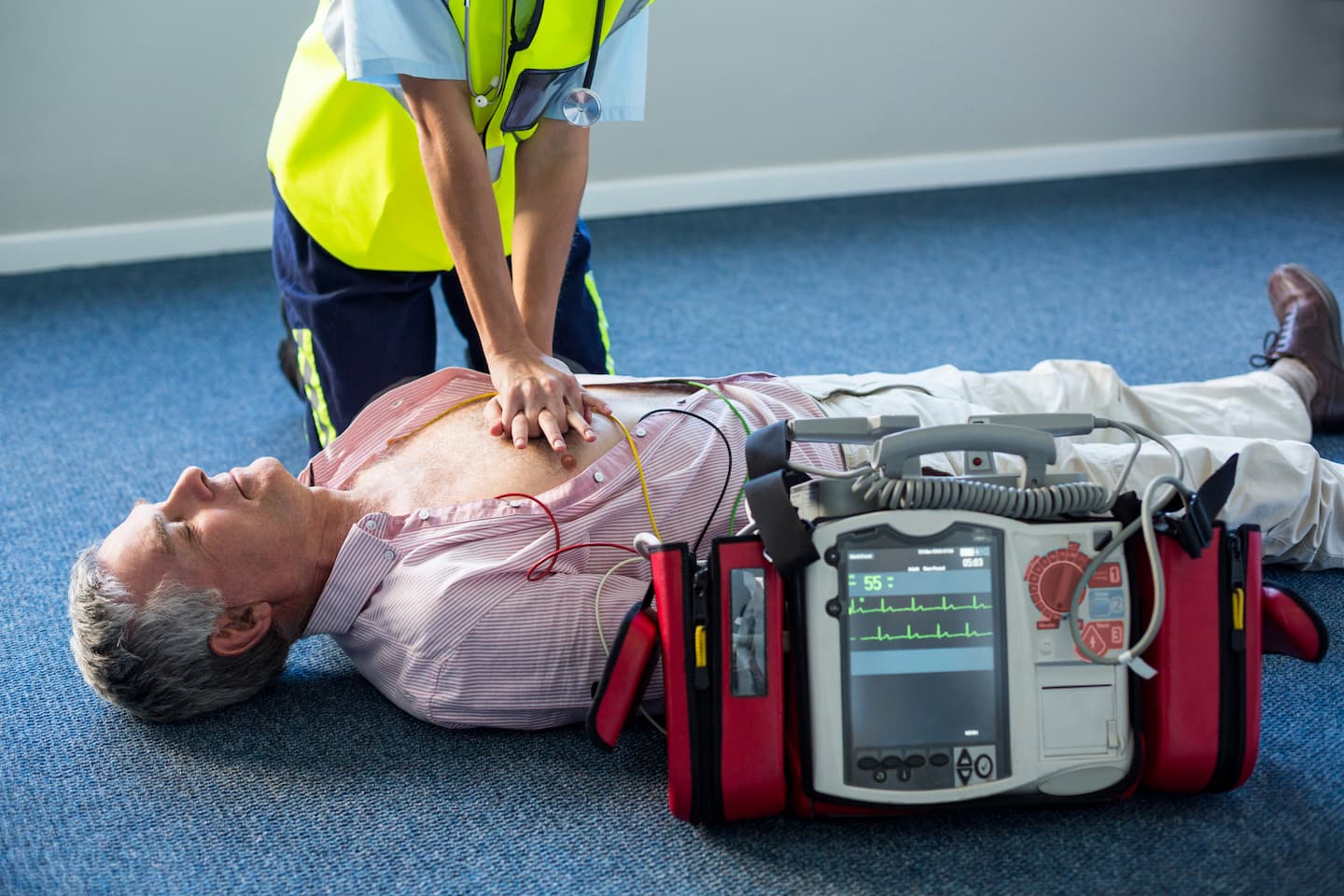
During your session, you will master the proper mechanics for high-quality chest compressions and rescue breathing across adults, children, and infants. You will also learn the precise steps to operate an Automated External Defibrillator (AED) safely and clear severe airway obstructions caused by choking. The training also highlights critical multi-rescuer team dynamics, giving you the confidence to communicate clearly and step in seamlessly during high-stress cardiac events.
How Much Does an Accredited CPR and First Aid Class Cost in Austin?
Budgeting for emergency training shouldn’t involve hidden administrative fees or surprise textbook charges when you arrive at the facility. Transparent pricing allows you to meet your professional obligations without overspending. Choosing an established regional provider ensures you receive fully accredited training at highly competitive local rates.
An official American Heart Association BLS class is available for an accessible investment of $64.95, which saves you $20 off standard regional pricing. If your specific job role or workplace safety plan mandates comprehensive trauma management, you can opt for an integrated CPR and First Aid class for just $84.95. This combined registration covers environmental injuries, bleeding control, and cardiovascular emergencies in a single, cost-effective afternoon session.
Who Is Required to Maintain a Valid BLS or First Aid Certification?
A wide range of professional fields across Central Texas require up-to-date life-saving credentials to maintain regulatory compliance and consumer safety. From hospital wards to active construction zones, having certified staff members on-site minimizes risk and protects lives. Understanding your industry’s specific expectations helps you choose the exact course path you need this week.
The most common professions requiring regular, ongoing certification include:
- Healthcare Professionals: Registered Nurses (RNs), Certified Nursing Assistants (CNAs), clinical office staff, and physical therapists.
- Educators and Caretakers: K-12 teachers, daycare workers, specialized youth coaches, and private nannies.
- Fitness and Recreation: Personal trainers, swim instructors, community camp directors, and lifeguards.
- Industrial and Field Workers: Construction personnel, commercial electricians, flight crews, and hospitality managers.
Summary of Key Takeaways for Fast Austin Certification
Securing your emergency response credentials this week is entirely achievable when you follow a clear path. Focus on finding an accredited, fully in-person training facility that aligns directly with American Heart Association guidelines to ensure full employer compliance. Look for local training centers in central Austin or Pflugerville that offer rapid scheduling, transparent upfront pricing, and immediate, same-day eCard processing. By dedicating less than four hours to hands-on training with expert instructors, you protect your career path, satisfy your safety coordinator, and gain real readiness to save lives in your community.
Don’t let a looming deadline disrupt your work week or stall your pending job application. Secure your seat in a fast, reliable, and highly engaging local training session today. Reach out to the dedicated team at CPR Classes Near Me right now to find an open time slot, book your class, and get your certified credential this week!
Frequently Asked Questions
How long does a standard CPR certification remain valid?
An official American Heart Association certification remains valid for exactly two years from the final day of your course completion. To prevent a lapse in your workplace compliance, it is wise to schedule an in-person renewal class a few weeks before that 24-month period wraps up.
What is the minimum age requirement to take a class in Austin?
There is no restrictive minimum age requirement set by the American Heart Association to earn an official certification. Any adolescent or adult who can independently comprehend the course material and physically perform high-quality chest compressions on a training manikin is welcome to enroll.
Is there a difference between an initial certification class and a renewal class?
In terms of the required classroom time and materials, the standard in-person BLS course and the official renewal class are completely identical. Every student watches the required instructional videos, practices the hands-on rhythms, and undergoes the same standard skills assessment to ensure their techniques match modern safety guidelines.
Can I register a large group of employees for a single training session?
Yes, customized group training options are readily available for corporate offices, medical facilities, schools, and industrial teams throughout the region. Instructors can easily travel directly to your business location to certify your entire staff at once, providing an efficient path to organizational compliance.
What should I bring with me to my scheduled in-person class?
You do not need to bring any advanced medical gear or external study guides to your session, as all training manikins and AED devices are provided on-site. Simply bring a valid photo ID for verification and wear comfortable clothing that allows you to easily move around on the floor during the practical compressions portion of the course.