What You Learn in a CPR Certification Course in Austin

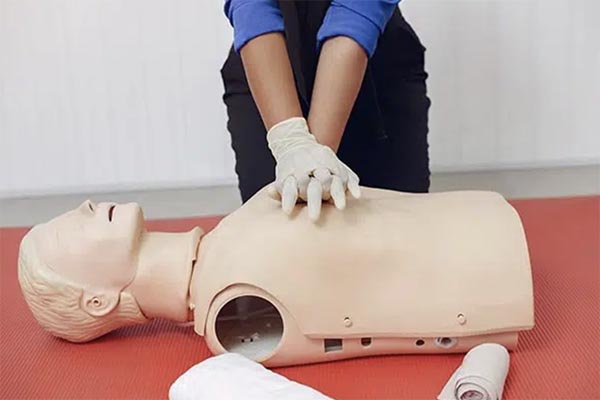
CPR training session with students practicing chest compressions on a first aid mannequin

Are you ready to become a lifesaver? Whether you are a healthcare professional needing to meet job requirements or a concerned parent wanting to protect your family, enrolling in a CPR course is one of the most impactful decisions you can make. In Austin, Texas, the standard for excellence in this training is the American Heart Association (AHA) Basic Life Support (BLS) curriculum.

At CPR Classes Near Me, we provide hands-on, engaging training that prepares you for real-world emergencies. But what exactly happens behind the classroom doors? This guide breaks down every skill and concept you will master during your certification journey.

What is the Primary Goal of CPR Training?

The core objective of any CPR course is to teach you how to maintain life when a person’s heart stops beating or they stop breathing. You will learn how to act as a vital bridge between the moment an emergency occurs and the arrival of advanced medical professionals.

By the end of the course, you will understand:

  • How to recognize the signs of sudden cardiac arrest.
  • The importance of high-quality chest compressions.
  • How to use an AED to restart a heart.
  • The legal protections afforded to those who provide aid (Good Samaritan laws).

How Do You Perform High-Quality Chest Compressions?

Not all chest compressions are created equal. To save a life, compressions must be “high-quality.” In an Austin CPR class, you will practice on high-fidelity manikins to master the physical mechanics of resuscitation.

Key attributes of high-quality compressions include:

  1. Correct Depth: For adults, you must compress the chest at least 2 inches.
  2. Proper Rate: You will learn to maintain a rhythm of 100 to 120 compressions per minute (think of the beat to “Stayin’ Alive”).
  3. Chest Recoil: You must allow the chest to fully expand between compressions to let blood flow back into the heart.
  4. Minimizing Interruptions: Every second you aren’t compressing, blood flow stops. You will learn to switch rescuers in under 10 seconds.

How is an Automated External Defibrillator (AED) Used?

Many people are intimidated by medical devices, but an AED is designed for anyone to use. In your Austin certification course, you will get hands-on experience with a trainer AED.

You will learn the step-by-step process:

  • Powering on the device immediately.
  • Applying the pads correctly to a bare chest.
  • Ensuring no one is touching the victim while the device analyzes the heart rhythm.
  • Delivering a shock safely when prompted by the machine.

What are the Differences Between Adult, Child, and Infant CPR?

A “one size fits all” approach doesn’t work in emergency medicine. A baby’s body requires a much different touch than an adult’s. Our Austin classes cover the specific nuances for all age groups.

  • Adults: Use two hands for compressions; compress at least 2 inches deep.
  • Children: Use one or two hands depending on the child’s size; compress about 2 inches deep.
  • Infants: Use two fingers (or the two-thumb technique) in the center of the chest; compress about 1.5 inches deep.

How Do You Save a Choking Victim?

Choking is a leading cause of accidental death, particularly in children and the elderly. Your certification course includes comprehensive training on airway obstructions.

Techniques you will master include:

  • The Abdominal Thrust (Heimlich Maneuver): For responsive adults and children.
  • Back Slaps and Chest Thrusts: The specific protocol for choking infants.
  • Unresponsive Protocol: What to do if the choking victim loses consciousness (transitioning into CPR).

What Ventilation Techniques Will You Master?

While compressions move the blood, ventilation provides the oxygen. You will learn how to use barrier devices to protect yourself while providing rescue breaths.

Skills include:

  • Pocket Masks: How to create a proper seal over the nose and mouth.
  • Bag-Mask Devices (BVM): Often used in healthcare settings, you will learn how two rescuers work together to provide ventilation.
  • The Head-Tilt/Chin-Lift: The anatomical maneuver required to open a victim’s airway.

Why is Team Dynamics Important in a Rescue?

In many emergencies, more than one person is available to help. Learning how to work as a team can significantly improve a victim’s chance of survival.

In the Austin BLS course, you will practice:

  • Assigning clear roles (compressor, AED operator, ventilator).
  • Communicating clearly to avoid confusion.
  • Coordinating smooth transitions to prevent rescuer fatigue.

Who Should Take This CPR Course in Austin?

Our classes are designed to be accessible to everyone. Because we use the AHA curriculum, our certifications are the “Gold Standard” and are accepted by virtually all employers.

Common attendees include:

  • Healthcare Providers: Nurses (RN/LPN), Doctors, Dentists, and Pharmacists.
  • Emergency Personnel: Firefighters, Police, and EMTs.
  • Education & Childcare: Teachers, Coaches, Daycare workers, and Nannies.
  • General Public: Parents, Personal Trainers, Construction Workers, and Flight Attendants.

Why Choose CPR Classes Near Me in Austin?

When searching for “CPR classes near me,” you want a provider that values your time and provides high-quality instruction. We offer several advantages:

  • Same-Day Certification: We issue your AHA BLS eCard the very same day you finish the class.
  • Expert Instructors: Our team is comprised of AHA-certified professionals who make the class engaging and stress-free.
  • Convenient Locations: Serving Austin, Round Rock, Pflugerville, Cedar Park, and the surrounding regions.
  • No Online-Only Risks: Most employers do not accept 100% online certifications. Our in-person training ensures you are actually prepared to save a life.

Conclusion

Learning CPR is more than just checking a box for a job requirement; it is about gaining the confidence to act when every second counts. From mastering the rhythm of chest compressions to the precision of an AED, the skills you learn in our Austin course stay with you for life.

Ready to get certified? Contact CPR Classes Near Me today to find a class time that fits your schedule. Our instructors are ready to help you gain the skills needed to save lives in our community!

Frequently Asked Questions (FAQ)

How long does the CPR certification last?

AHA CPR certifications are valid for two years from the date of issue. After two years, you must take a renewal course to maintain your credentials.

Is this class the same as a BLS renewal?

Yes. In Austin, the in-person BLS course and the renewal class are the same. This ensures that even experienced providers are up-to-date on the latest life-saving guidelines.

How long does the class take?

The full AHA BLS course typically takes about 3.5 to 4 hours to complete, including the video instruction, hands-on practice, and the skills assessment.

Can I get my card the same day?

Yes! At CPR Classes Near Me Austin, we issue your official American Heart Association eCard via email the same day you successfully complete the course.

Is there an age requirement for CPR?

There is no formal minimum age. As long as the individual can physically perform the compressions and pass the written and skills tests, they can become certified.

Do I need a separate First Aid class?

It depends on your job requirements. We offer a “CPR & First Aid” combo class for those who need both certifications, such as teachers or construction workers.

Get Your Austin CPR Certification in Just One Day: The Ultimate Guide

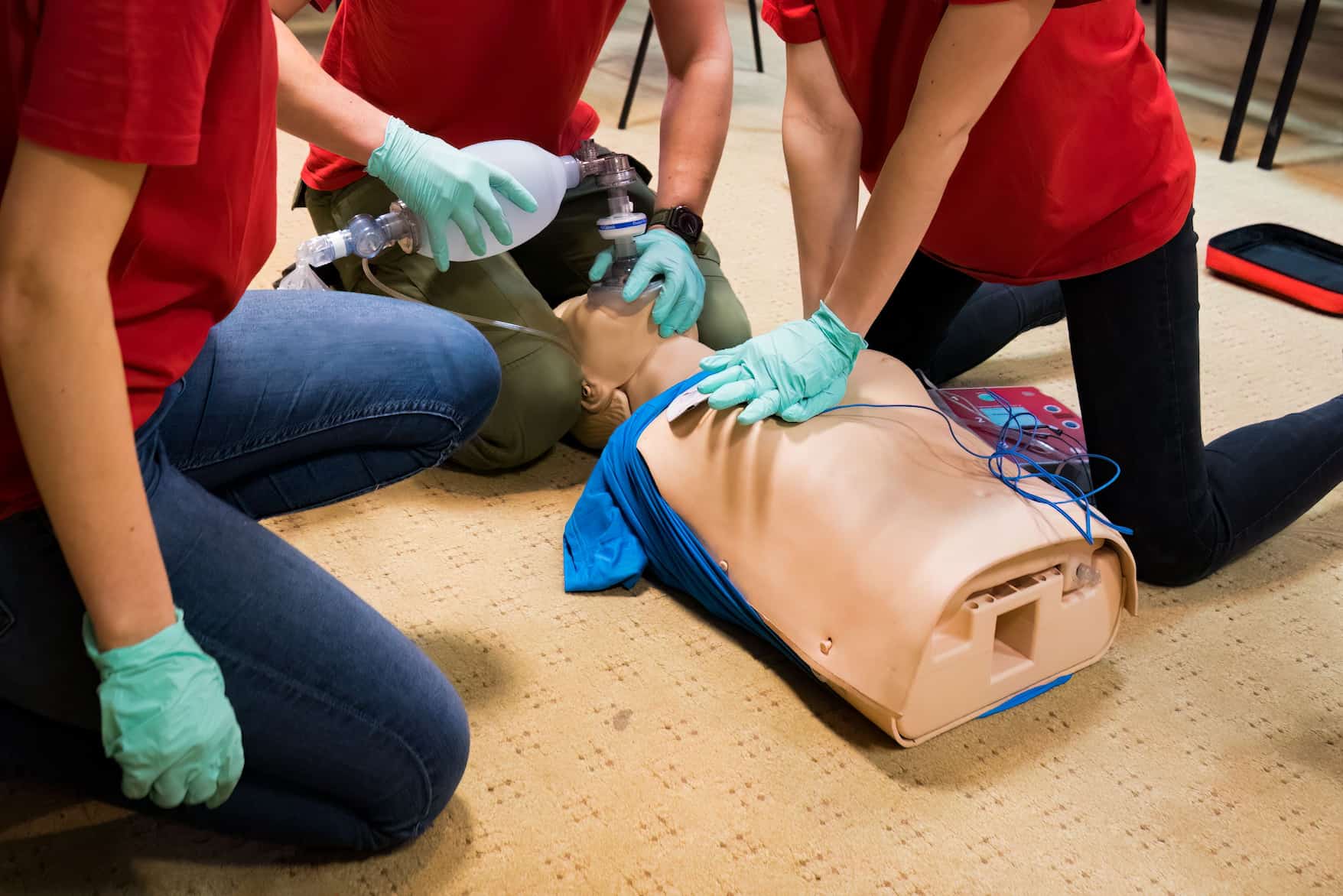
Students performing CPR and ventilation on a training manikin in class

Are you a healthcare professional needing a quick renewal? Or perhaps a new parent or teacher looking to gain life-saving skills for the first time? In the fast-paced environment of Austin, Texas, you don’t have weeks to spend in a classroom. The good news is that you don’t have to.

Getting CPR certified in Austin is now a streamlined, efficient process that fits into a single morning or afternoon. By choosing an American Heart Association (AHA) authorized training site, you can walk in with a desire to learn and walk out with a nationally recognized certification card in hand.

Is it really possible to get CPR certified in one day?

Yes, it is entirely possible to complete your full CPR certification in a single session. While some online programs claim to offer “instant” certificates, these are rarely accepted by employers because they lack the hands-on skills assessment required by OSHA and the American Heart Association.

At CPR Classes Near Me Austin, our courses are designed to be comprehensive yet efficient. A standard Basic Life Support (BLS) session typically lasts about 3.7 hours. During this time, you cover all required video modules, participate in hands-on practice, and complete your skills testing. Because our instructors are authorized to issue digital eCards, you will receive your official certification via email before you even leave the building.

What should you expect during your Austin CPR class?

When you sign up for a one-day class, you can expect a high-energy, focused environment. The goal is to move you from theory to practice as quickly as possible. You won’t just be sitting and watching videos; you will be actively engaged with the equipment.

The curriculum is standardized by the American Heart Association to ensure you receive the highest quality of training. During your Austin class, you will focus on:

  • High-Quality Chest Compressions: Learning the correct depth and rate for adults, children, and infants.
  • Rescue Breathing: Using pocket masks and bag-mask devices to provide oxygen.
  • AED Operation: Understanding how to safely and effectively use an Automated External Defibrillator.
  • Choking Relief: Master the techniques for clearing an airway for all age groups.
  • Team Dynamics: Learning how to work with other rescuers during a high-stress cardiac event.

Who needs a BLS certification in Austin?

While anyone can—and should—learn CPR, the Basic Life Support (BLS) certification is specifically designed for those who work in environments where they may be called upon to use these skills professionally. In Austin’s booming medical and education sectors, this certification is often a non-negotiable job requirement.

Common professionals who seek one-day certification include:

  1. Healthcare Providers: Nurses (RNs/LVNs), Doctors, Dentists, and Pharmacists.
  2. Emergency Responders: Firefighters, Police Officers, and EMTs.
  3. Medical Staff: CNAs, Medical Assistants, and Physical Therapists.
  4. Educators: K-12 Teachers, Coaches, and Daycare Providers.
  5. Fitness Professionals: Personal Trainers and Lifeguards.
  6. Industrial Workers: Construction Foremen and Electricians who must meet OSHA standards.

Why is in-person training better than online-only courses?

In a world of digital convenience, it’s tempting to take a 20-minute online quiz and call it “certification.” However, in the world of life-saving, there is no substitute for physical practice. This is why the vast majority of Austin employers do not accept online-only CPR cards.

In-person training offers several critical advantages:

  • Muscle Memory: You cannot learn the physical resistance of a chest compression through a computer screen. Pushing on a manikin builds the muscle memory needed to perform when it counts.
  • Immediate Feedback: Our AHA-certified instructors watch your technique in real-time. They can correct your hand placement or compression depth instantly, ensuring you are doing it right.
  • Equipment Familiarity: You get to handle real AED trainers and bag-mask devices, making you much more comfortable using them in a real emergency.
  • Peer Interaction: You practice team-based resuscitation, which is how most rescues actually occur in a clinical or professional setting.

How do you find the best CPR class in Austin?

Not all CPR classes are created equal. When searching for a provider in the Austin area, you want to ensure you are getting the best value and the most recognized credential. Here are the things you should look for:

  • AHA Alignment: Ensure the provider is an American Heart Association authorized training site. This guarantees your card will be accepted nationwide.
  • Same-Day Certification: Many providers mail physical cards weeks later. Look for a site that issues digital eCards the same day.
  • Transparent Pricing: You should know exactly what you are paying upfront. In Austin, a standard BLS class should range from $59.00 to $79.00, depending on if First Aid is included.
  • Flexible Scheduling: Life in Austin is busy. Look for a provider that offers morning, afternoon, and weekend slots to fit your schedule.
  • Local Reputation: Check for a provider that has a proven track record of certifying thousands of students and has a physical presence in the community.

What is the difference between CPR and BLS?

This is one of the most common questions we hear. While the terms are often used interchangeably, there is a technical difference that matters for your certification needs.

  • CPR (Cardiopulmonary Resuscitation): This is the general term for the life-saving procedure. “Heartsaver” courses are typically intended for non-medical professionals like parents or office workers.
  • BLS (Basic Life Support): This is a specific level of CPR training designed for healthcare providers. It includes everything in a standard CPR course but adds advanced techniques like bag-mask ventilation, pulse checks, and two-rescuer team dynamics. If your employer asks for “CPR Certification,” and you work in healthcare, they almost always mean BLS.

How long does your Austin CPR certification stay valid?

Once you complete your one-day class and receive your AHA eCard, your certification is valid for two years.

We recommend putting a reminder in your calendar for 22 months from your class date. Because the science of resuscitation is constantly evolving, the AHA updates its guidelines every few years. Renewing your certification ensures that you are always using the most effective, up-to-date techniques. The renewal process is the same as the initial certification—you simply attend another one-day session to refresh your skills and receive a new card.

Conclusion

Getting CPR certified in Austin doesn’t have to be a multi-day ordeal. With a focused, 4-hour session, you can gain the skills and the credentials needed to save a life and satisfy your employer’s requirements. By choosing a local, AHA-authorized training site like CPR Classes Near Me Austin, you are investing in high-quality instruction that is both fast and effective.

Don’t wait until an emergency happens to wish you had the training. Whether you are in Pflugerville, Round Rock, or downtown Austin, life-saving skills are just one class away.

Ready to get certified? Contact CPR Classes Near Me Austin today to find a class and get your same-day certification!

Frequently Asked Questions (FAQ)

How long does the Austin CPR class take?

The American Heart Association BLS class typically takes about 3.7 hours to complete. This includes all video instruction, hands-on practice, and the final skills assessment.

Will I get my card the same day?

Yes. When you train with us in Austin, your official AHA BLS eCard is issued digitally the same day you complete your class. You can download, print, or email it to your employer immediately.

Are there age requirements for CPR certification?

There is no specific minimum age for CPR certification. As long as the individual can perform the physical requirements of the course (such as deep chest compressions on a manikin) and pass the written portion, they can become certified.

Does this certification cover infants and children?

Yes. All of our AHA BLS and CPR/First Aid courses include specific modules for adult, child, and infant resuscitation techniques, as the methods vary significantly by age.

What should I wear to my CPR class?

Since the class involves significant hands-on practice and kneeling on the floor to work with manikins, we recommend wearing comfortable, casual clothing and closed-toe shoes.

CPR Certification in Austin, TX: Classes, Costs, Course Types, and How to Choose

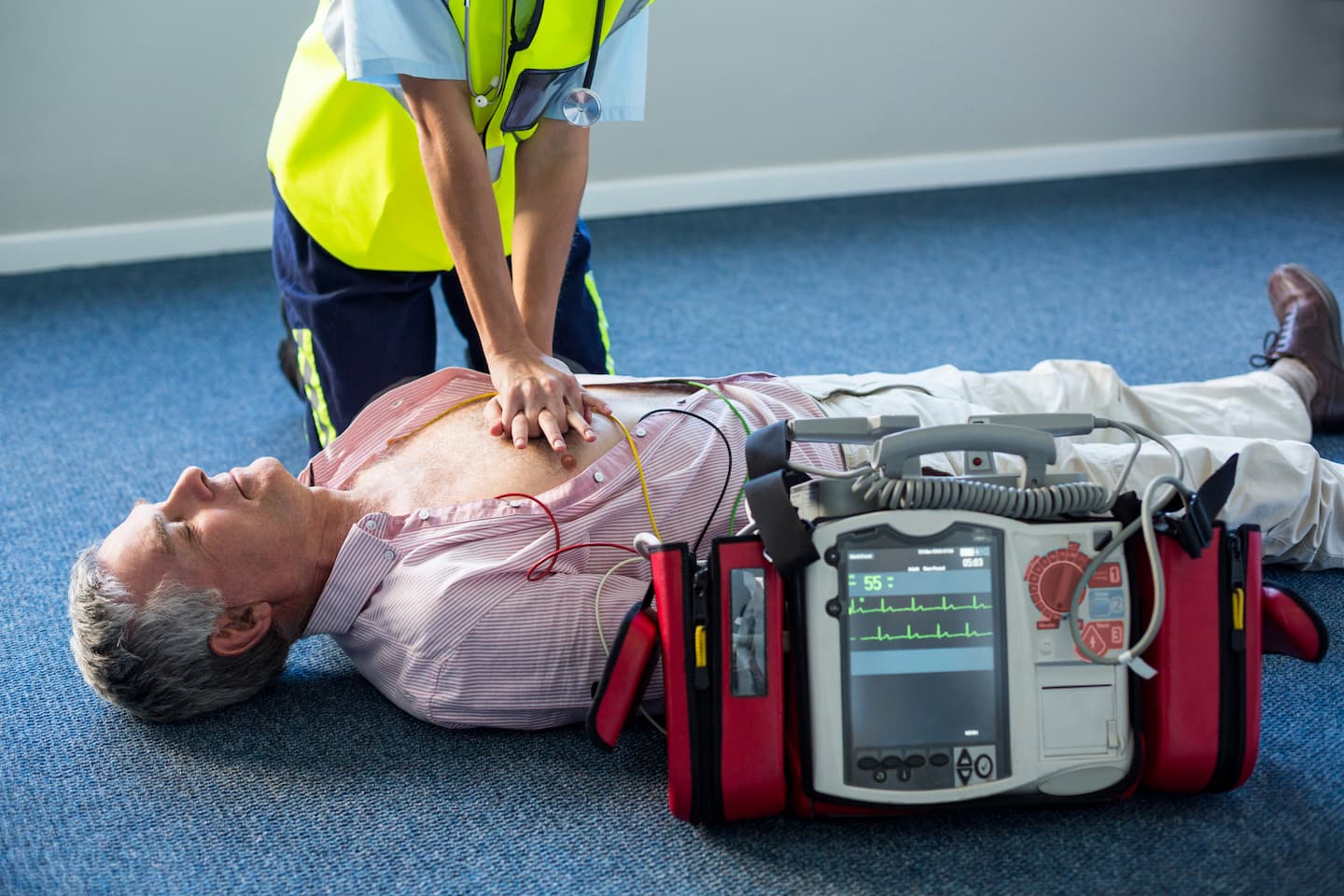
Paramedic performing CPR with defibrillator on cardiac arrest patient

Are you looking to boost your resume or gain the confidence to save a life? Getting your CPR certification in Austin is one of the most impactful steps you can take. Whether you are a nurse at St. David’s, a teacher in AISD, or a local fitness coach, knowing how to react in a cardiac emergency is essential.

At CPR Classes Near Me, we provide top-tier American Heart Association (AHA) training right here in the Heart of Texas. This guide will walk you through everything you need to know about finding the right class, understanding the costs, and ensuring you get a certification that employers actually accept.

Why should you get CPR certified in Austin?

Austin is a fast-growing hub for healthcare, tech, and education. With more people moving to Central Texas every day, the need for trained lifesavers is higher than ever.

  • Be Prepared: Most cardiac arrests happen at home. Certification gives you the skills to protect your family.
  • Career Advancement: Many professions in Texas require OSHA-compliant certification.
  • Community Safety: More trained individuals mean a safer Austin for everyone.

What types of CPR classes are available in Austin?

Not all CPR classes are created equal. Depending on your job or personal goals, you will likely need one of two main course types:

1. Basic Life Support (BLS) for Healthcare Providers

This is the “gold standard” for anyone in the medical field. It covers high-quality CPR for adults, children, and infants, as well as team dynamics and AED usage.

2. CPR, AED, and First Aid

This combined course is perfect for the general public, teachers, and construction workers. It adds a layer of training for handling injuries, burns, and environmental emergencies.

How much does CPR certification cost in Austin?

Pricing can vary, but we believe in transparent, affordable rates that don’t sacrifice quality. In Austin, you can expect the following:

  • BLS CPR & AED Classes: Starting at $59.95. This is currently discounted from the standard $79.95 rate.
  • CPR, AED, & First Aid Classes: Starting at $79.95. This is discounted from the standard $99.95 rate.

When comparing costs, always check if the price includes your official AHA eCard. Some “budget” sites charge extra for the card or offer non-AHA certifications that many employers will reject.

How do you choose the right CPR course?

Choosing the right class depends on your specific needs. Ask yourself these three questions:

  1. Does my employer require the AHA seal? Most healthcare and high-risk industries specifically demand American Heart Association (AHA) certification.
  2. Do I need First Aid? If you work in childcare, coaching, or a trade like electrical or construction, you likely need the combined First Aid course.
  3. Is the card issued the same day? If you are on a deadline for a job application, ensure the provider offers same-day eCards.

Can you get CPR certified online in Austin?

While many websites offer “100% online” CPR, we strongly advise against them. Here is why:

  • Employer Acceptance: Most Austin employers, especially in healthcare, do not accept certifications that lack a hands-on skills assessment.
  • Skill Mastery: You cannot learn the physical depth of chest compressions or the “feel” of a bag-mask device through a computer screen.
  • AHA Standards: The AHA requires in-person skills practice to issue an official BLS card.

What will you learn during the training session?

Our Austin classes are designed to be engaging, efficient, and highly practical. You won’t just sit and watch videos; you will be active.

  • Chest Compressions: Learning the correct depth and rate for adults, children, and infants.
  • Rescue Breathing: Using pocket masks and bag-mask devices.
  • AED Operation: How to safely use an Automated External Defibrillator.
  • Choking Relief: Techniques for clearing airways in responsive and unresponsive victims.
  • Team Dynamics: How to lead or assist in a multi-rescuer resuscitation attempt.

How long does the certification last?

Once you successfully complete your class and skills test, your AHA certification is valid for two years. We recommend marking your calendar for a “CPR renewal” class about 30 days before your card expires to ensure you never have a gap in your credentials.

Who is required to have CPR certification in Austin?

While we believe everyone should know CPR, it is a mandatory requirement for several local professions:

  • Medical Professionals: Nurses (RN, LVN), Doctors, and CNAs.
  • Emergency Responders: Firefighters and EMTs.
  • Educators: Teachers, daycare providers, and school staff.
  • Fitness & Sports: Personal trainers, coaches, and lifeguards.
  • Laborers: Construction workers, electricians, and flight attendants.

Where are the classes located in Austin?

We serve the entire Greater Austin area. Our training sites are conveniently located to serve:

  • Austin (Central, North, and South)
  • Round Rock & Pflugerville
  • Cedar Park & Leander
  • Buda & Kyle
  • Georgetown & Hutto

Why choose CPR Classes Near Me for your Austin certification?

We pride ourselves on being the #1 rated CPR training site in Austin. Here is what sets us apart:

  • Expert Instructors: Our team consists of experienced professionals who make the class fun and stress-free.
  • Same-Day eCards: No waiting by the mailbox. You get your digital card the same day you pass the class.
  • Flexible Scheduling: We offer morning, afternoon, and weekend slots to fit your busy life.
  • Group Training: We can come to your office or facility to certify your entire team at once.

Conclusion

Securing your CPR certification in Austin is a straightforward process when you choose the right partner. By focusing on AHA-approved, hands-on training, you ensure that your skills are sharp and your certification is recognized nationwide. Don’t wait until an emergency happens to wish you knew what to do.

Contact CPR Classes Near Me today to book your session and join the ranks of Austin’s life-savers!

Frequently Asked Questions (FAQ)

How do I get CPR certified in Austin?

To get certified, you simply need to register for an in-person class. You will attend a single session that lasts approximately 3.5 to 4 hours, where you will practice skills on manikins and pass a skills test. Your instructor will then issue your AHA eCard.

How much does training cost?

In Austin, BLS classes start at $59.95, and combined CPR and First Aid classes start at $79.95. These prices include the cost of the training and the official certification card.

How long does the CPR class take?

Most AHA BLS classes take about 3.7 hours to complete. This includes the video instruction, hands-on practice, and the final testing phase.

Is there an age requirement for CPR?

There is no specific minimum age for CPR certification through the AHA. As long as the individual can perform the physical requirements (compressions) and pass the written/skills test, they can be certified.

What is the difference between CPR and BLS?

CPR (Cardiopulmonary Resuscitation) is the general term for the lifesaving technique. BLS (Basic Life Support) is a specific level of CPR training designed for healthcare providers and public safety professionals, involving more advanced techniques like team resuscitation and bag-mask ventilation.

Top 5 Reasons to Get CPR Certified in Austin This Year

Austin is a city that never stops moving. From the bustling crowds on South Congress to the hikers conquering Mount Bonnell and the swimmers cooling off at Barton Springs, our community is vibrant, active, and alive. But with such an active lifestyle comes an increased responsibility to look out for one another. Have you ever wondered what you would do if a medical emergency struck while you were enjoying a day out in the city?

Getting CPR certified isn’t just a box to check for a job application; it is a vital skill that empowers you to protect the people around you. Whether you are a healthcare professional, a concerned parent, or just an Austinite who wants to be prepared, the time to act is now. At CPR Classes Near Me, we believe that everyone should have the confidence to save a life. Here are the top five reasons why you should get CPR certified in Austin this year.

1. Do You Want the Power to Save a Life?

The most compelling reason to learn CPR is arguably the most obvious: it saves lives. Sudden Cardiac Arrest (SCA) does not discriminate. It can happen to anyone, anywhere, at any time—regardless of age or fitness level. According to the American Heart Association, more than 350,000 cardiac arrests occur outside of the hospital each year in the United States.

Why Seconds Matter:

  • Immediate Action: Survival rates drop by 7-10% for every minute that passes without CPR.
  • The Gap: Emergency services in Austin are world-class, but traffic and distance can sometimes delay response times.
  • The Bridge: You act as the bridge between the emergency and the ambulance. By performing chest compressions, you keep oxygenated blood flowing to the brain and other vital organs.

When you take a class with CPR Classes Near Me, you aren’t just memorizing a textbook. You are learning hands-on techniques that turn you from a helpless bystander into a lifesaver.

2. Is Your Career Ready for the Next Step?

Austin’s job market is booming, and competition is fierce. Did you know that CPR certification is a requirement for many of the city’s fastest-growing industries? It is no longer just for doctors and nurses. Employers across the board are looking for candidates who bring extra value and safety to the workplace.

Industries Requiring Certification:

  • Healthcare: RNs, CNAs, and medical office personnel.
  • Education: Teachers, daycare providers, and coaches.
  • Fitness: Personal trainers, yoga instructors, and gym staff.
  • Construction & Trades: Electricians and safety officers.
  • Hospitality: Hotel staff, lifeguards, and event coordinators.

Even if your employer doesn’t explicitly require it, having “AHA BLS Certified” on your resume demonstrates responsibility and a proactive attitude. Our Austin courses are fully accredited by the American Heart Association, ensuring your card is recognized and respected by employers nationwide.

3. Are You Prepared for Austin’s Active Lifestyle?

We live in one of the most active cities in the country. Austinites love their outdoor activities, from kayaking on Lady Bird Lake to attending massive events like ACL and SXSW. While this active culture is great for our health, it also increases the exposure to potential emergencies such as heatstroke, dehydration leading to cardiac events, or drowning accidents.

Common Austin Scenarios:

  • Heat-Related Illness: Texas summers are brutal. Heat exhaustion can escalate quickly.
  • Water Safety: With so many pools, creeks, and lakes, water safety is paramount.
  • Crowd Control: Large festivals can make it difficult for EMS to reach a victim instantly.

By getting certified, you ensure that your fun weekend doesn’t turn into a tragedy. You will be the person in your hiking group or running club who knows exactly what to do when things go wrong.

4. Can You Protect Your Loved Ones at Home?

It is a frightening statistic, but it is one you need to know: nearly 70% of out-of-hospital cardiac arrests happen at home. This means that if you ever have to perform CPR, the person you are saving will likely be a spouse, a parent, a child, or a friend.

The “Home Field” Advantage:

  • Recognition: You will learn to recognize the signs of a stroke or cardiac arrest immediately.
  • Confidence: Panic is the enemy. Training gives you the muscle memory to act without hesitation.
  • Child & Infant Safety: Our classes cover techniques for adults, children, and infants, ensuring you are ready to protect your entire family.

Don’t leave the safety of your family up to chance. Taking a few hours to attend a class at our convenient North Lamar or Pflugerville locations could mean the difference between losing a loved one and celebrating another birthday with them.

5. Do You Want to Build Unshakable Confidence?

Have you ever frozen in a stressful situation? It is a natural human response, but it is one that training can overcome. One of the most underrated benefits of CPR certification is the psychological boost it provides.

From Panic to Power:

  • Overcoming Helplessness: Knowing you have the skills to intervene removes the feeling of helplessness during a crisis.
  • Leadership: In an emergency, people look for a leader. Your training allows you to take command of the scene, delegate tasks (like calling 911), and administer care.
  • Peace of Mind: You walk through the world with a little less anxiety, knowing you can handle the worst-case scenario.

Our instructors at CPR Classes Near Me are experienced professionals who create a low-stress, high-impact learning environment. We use real-world scenarios to ensure you leave the classroom feeling ready, not overwhelmed.

Why Choose CPR Classes Near Me in Austin?

You have options for training, but we pride ourselves on being the premier choice for Austin residents. We understand that your time is valuable and your need for quality is high.

  • Same-Day Certification: We don’t make you wait. You will receive your AHA BLS eCard the very same day you complete the class.
  • Guaranteed Acceptance: Our certifications are American Heart Association aligned, meaning they are accepted by virtually every employer.
  • Convenient Locations: Whether you are in Central Austin (North Lamar Blvd) or further north in Pflugerville (Old Austin Hutto Rd), we have a classroom near you.
  • Affordable Pricing: With classes starting at just $59.95, we make life-saving training accessible to everyone.

Conclusion

The decision to get CPR certified is a decision to value life. Whether motivated by career requirements, family safety, or simply the desire to be a good neighbor in our beautiful city, the benefits are undeniable. Don’t wait for an emergency to wish you were prepared.

Join the thousands of Austinites who have already taken the step to become certified lifesavers. It takes just a few hours of your time, but the impact lasts a lifetime.

Ready to get started? Contact CPR Classes Near Me today to book your spot!

Frequently Asked Questions (FAQ)

How long does the CPR class take in Austin?

Our American Heart Association (AHA) Basic Life Support (BLS) classes typically take about 3.7 to 4 hours. We value your time and ensure the course is efficient while covering all necessary video modules and hands-on skills practice.

Will I get my CPR card the same day?

Yes! At CPR Classes Near Me, we issue your American Heart Association BLS eCard the same day you successfully complete the class. You won’t have to wait days or weeks to provide proof of certification to your employer.

Is this certification accepted by employers in Austin?

Absolutely. We provide American Heart Association (AHA) certification, which is the gold standard in the industry. It is universally accepted by healthcare organizations, hospitals, schools, and construction companies throughout Texas and the United States.

Do I need to bring anything to the class?

You generally do not need to bring any special equipment. We provide all the necessary training materials, including mannequins and AED trainers. We recommend wearing comfortable clothing since you will be practicing hands-on compressions.

Where are your Austin classrooms located?

We have two convenient locations to serve the Austin area. Our central location is at 5540 N Lamar Blvd, Austin, TX 78756. Our North location serves Pflugerville and surrounding areas at 1006 Old Austin Hutto Rd, Pflugerville, TX 78660.

Can I take the class online?

While there are online components available for some courses, the American Heart Association requires an in-person skills session for full certification. Most employers will not accept a certification that was obtained entirely online without a hands-on skills evaluation. Our classes provide the required in-person training.