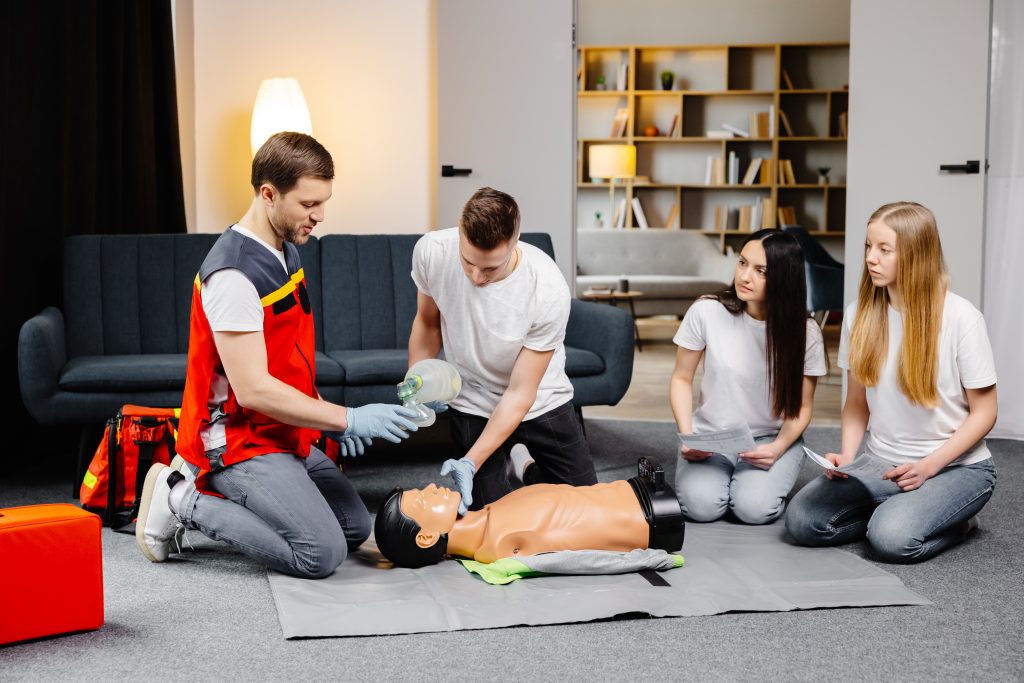
Which Course Should You Take if Your Employer Just Says “CPR Required”?

CPR Certification for Construction Workers

It happens more often than you’d think. You land a new job or receive a performance review, and there it is in the fine print: “CPR required.” No specific course name, no organization mentioned, just a vague mandate to get certified.

Navigating the world of emergency cardiovascular care (ECC) can feel like learning a second language. If you choose the wrong class, you might waste a Saturday and a hundred dollars on a certificate your HR department won’t even accept. Understanding the nuances of “CPR required” is the difference between being compliant on day one and having to retake a course.

In this guide, we will break down exactly how to decode your employer’s requirements, the differences between major course types, and why the “brand” of your CPR certification matters more than you think.

Is “CPR Required” the Same for Every Job?

The short answer is no. When an employer states that “CPR is required,” they are usually referring to one of two distinct paths: Healthcare Provider (Professional) or General Workplace (Lay Responder).

For those in the medical field—nurses, dental assistants, or physical therapists—the standard is almost always Basic Life Support (BLS). This course is rigorous and covers multi-rescuer resuscitation and advanced equipment. For non-clinical roles, such as teachers, coaches, or construction workers, a Heartsaver CPR and AED course is typically the standard.

The intent behind the requirement is safety and liability. Employers need to know that if an emergency occurs, you have the hands-on skills to intervene effectively. However, the level of skill expected depends entirely on your professional environment and the “duty to act” associated with your role.

What Is the Difference Between BLS and Heartsaver CPR?

This is the most common point of confusion for students. If your employer says “CPR required,” you need to determine if you need the “professional” version or the “community” version.

Basic Life Support (BLS):

  • Target Audience: Healthcare professionals and first responders.
  • Focus: High-quality CPR for adults, children, and infants; use of an Automated External Defibrillator (AED); and bag-mask ventilation.
  • Key Detail: It emphasizes team dynamics and how to work with other medical professionals during a cardiac arrest.

Heartsaver CPR AED:

  • Target Audience: Non-medical professionals (teachers, personal trainers, OSHA-regulated workplaces).
  • Focus: Fundamental life-saving skills, including chest compressions and AED use.
  • Key Detail: It is designed for someone who might be the only person on the scene until paramedics arrive.

At CPR Classes Near Me, we find that when in doubt, taking the BLS course is the safest bet. It is the “higher” level of certification; most employers who only require Heartsaver will gladly accept a BLS card, but the reverse is rarely true.

Does the Certification Provider Matter to Employers?

Yes, the organization that issues your card is arguably more important than the course title itself. Most employers in the United States specifically look for American Heart Association (AHA) certification.

The AHA is the gold standard for CPR training. Their guidelines are based on the latest science and are updated every five years. Many hospitals and corporate safety departments have strict policies that only accept AHA-aligned certifications.

If you see a “CPR required” notice, check if they specify “AHA.” Even if they don’t, opting for an AHA-certified course—like those offered at our Austin location—ensures your card will be recognized nationwide. Avoid “online-only” certifications that do not include an in-person skills check, as these are rarely accepted by employers due to the lack of hands-on verification.

Should You Include First Aid With Your CPR Certification?

If your employer’s handbook says “CPR required,” you should double-check if First Aid is also a silent requirement.

In industries like construction, childcare, and manufacturing, OSHA (Occupational Safety and Health Administration) often mandates both CPR and First Aid. A “CPR/AED” course focuses strictly on cardiac events and choking. A “First Aid” component adds training for:

  • Banding and wound care
  • Managing allergic reactions (Epi-Pen use)
  • Treating burns and bone fractures
  • Handling environmental emergencies like heatstroke

Combining these into one session, such as a CPR, AED & First Aid Class, is usually more cost-effective and saves you from having to return for a second training session later.

How Can You Verify Your Specific Job Requirements?

If you are still staring at a “CPR required” memo and aren’t sure which path to take, the best step is to ask your supervisor or HR representative two specific questions:

  1. “Do I need BLS for Healthcare Providers or Heartsaver?”
  2. “Does the certification need to be through the American Heart Association?”

If you cannot get a clear answer, look at your peers. If you work in a clinical setting (anywhere with patients), you need BLS. If you work in a corporate or public setting, Heartsaver is the standard. At CPR Classes Near Me, we provide same-day eCards for both, so you can meet your deadline immediately regardless of the course you choose.

Conclusion

When your employer says “CPR required,” they aren’t trying to be difficult—they are ensuring a safer workplace. By choosing an American Heart Association-certified course, you are gaining a credential that is respected, scientifically backed, and valid for two years. Whether you need the advanced team-based training of BLS or the essential skills of Heartsaver, getting certified is a proactive step in your professional development.

Don’t leave your compliance to chance. Contact CPR Classes Near Me today to find a local class that fits your schedule and ensures you walk away with the exact certification your employer needs.

Frequently Asked Questions

How long does a CPR certification last?

Once you successfully complete your course and receive your AHA eCard, the certification is valid for exactly two years. You will need to take a renewal course before the expiration date printed on your card to maintain your status.

Can I get my CPR certification entirely online?

While some websites offer “100% online” courses, these are almost never accepted by employers. CPR is a physical skill that requires hands-on practice. A valid certification requires an in-person skills evaluation with a certified instructor to ensure you can perform compressions correctly.

How long does the actual class take?

An American Heart Association BLS or CPR class typically takes about 3.5 to 4 hours. This time includes watching the instructional videos, practicing the hands-on manikin skills, and completing the required testing.

What is the difference between CPR and BLS?

BLS (Basic Life Support) is a type of CPR class specifically designed for healthcare professionals. It includes more advanced techniques, like two-rescuer breathing and the use of bag-mask devices. “CPR” is often used as a general term for the Heartsaver level course intended for the general public.

Will I get my card the same day?

Yes, when you train with CPR Classes Near Me, your instructor issues your official AHA eCard on the same day you complete your class. You will receive an email to claim your digital card, which you can immediately print or forward to your employer.

CPR vs First Aid: Which Class Should You Take First?

When an emergency happens, every second counts. But if you are standing on the sidelines wondering what to do, those seconds can feel like hours. You know you want to be prepared, but as you look through course listings, you might find yourself stuck: Should you take a CPR class or a First Aid class first?

The truth is that while both sets of skills fall under the umbrella of “emergency response,” they serve very different purposes. One focuses on keeping the heart pumping, while the other focuses on treating injuries and managing sudden illnesses. Choosing the right one—or choosing both—depends on your job requirements and your personal goals for safety.

In this guide, we will break down the essential differences between CPR and First Aid, explore which one you should prioritize, and explain how you can master both in a single afternoon.

What is the Difference Between CPR and First Aid?

At its simplest, CPR is a life-saving procedure used when someone’s heart has stopped (cardiac arrest). First Aid is a broader term for the immediate care given to a person who is injured or suddenly becomes ill.

When you take a CPR class, you are learning how to become a temporary “mechanical heart.” You learn the rhythm of chest compressions and the technique for rescue breaths to keep oxygenated blood flowing to the brain. Without CPR, a person in cardiac arrest can suffer permanent brain damage in as little as four minutes.

First Aid, on the other hand, covers a vast range of scenarios that don’t necessarily involve the heart stopping. This includes treating heavy bleeding, cooling a burn, stabilizing a broken bone, or helping someone having a severe allergic reaction. While First Aid can save lives (like stopping a major bleed), it is often about preventing a situation from getting worse until professional help arrives.

Is CPR Included in a First Aid Class?

This is a common point of confusion for many students. While many people use the terms interchangeably, they are distinct certifications. However, at CPR Classes Near Me, we often bundle them together because they work hand-in-hand.

In a standalone First Aid course, the focus is strictly on trauma and medical emergencies like seizures, poisoning, or heatstroke. You might talk about when to start CPR, but you won’t necessarily get the hands-on practice needed for certification.

In a combined CPR and First Aid class, you get the best of both worlds. You spend half the time on the floor practicing high-quality compressions on manikins and the other half learning how to bandage wounds or use an EpiPen. If you are looking for a “one and done” solution for your employer, the combined course is almost always the best choice.

Which Certification Should You Get First?

If you are forced to choose just one to start with, the answer usually depends on your environment. However, for most people, CPR is the priority.

Cardiac arrest is one of the leading causes of death worldwide. Because the window for survival is so small, having the “hard” skill of CPR is often seen as the most critical tool in a rescuer’s toolkit. Most employers—especially in healthcare, education, and childcare—require CPR certification as their baseline safety standard.

If you are a healthcare professional, such as a nurse or EMT, you will likely start with a Basic Life Support (BLS) class. This is a professional-level CPR course that goes deeper into team dynamics and advanced airway management. For everyone else, a standard CPR and AED course is the perfect foundation.

Who Needs CPR Certification More Than First Aid?

While everyone can benefit from both, some roles have a higher demand for CPR specifically. If you work in a high-stress environment where the risk of a cardiovascular event is present, CPR is your primary focus.

Healthcare workers are the obvious group, but this also includes personal trainers, coaches, and lifeguards. These professionals are often in charge of individuals who are physically exerting themselves, which can trigger underlying heart conditions. In these cases, knowing how to use an Automated External Defibrillator (AED) and perform compressions is more likely to be used than wound care.

That said, if you work in a high-risk physical environment like construction, electrical work, or manufacturing, First Aid becomes equally important. In these fields, injuries like falls, cuts, and burns are statistically more frequent than heart attacks.

Can I Take Both CPR and First Aid at the Same Time?

Yes, and this is actually the recommended path for most people. Taking a combined class ensures that you don’t have gaps in your knowledge. For example, if you encounter a victim of a severe car accident, you may need First Aid to stop a bleed, followed immediately by CPR if they lose consciousness and their heart stops.

At our Austin training site and our locations across the country, we offer an integrated CPR, AED, and First Aid course. This 4-hour session covers everything from adult and infant CPR to choking relief and trauma care. The benefit of taking them together is that you see how the skills flow into one another.

By combining the courses, you also save time and money. Rather than taking two separate classes on different weekends, you can complete all your requirements in a single afternoon and walk away with your American Heart Association (AHA) eCard the same day.

How Long Do These Certifications Last?

Both CPR and First Aid certifications from the American Heart Association are valid for two years. This two-year window is industry-standard because life-saving skills are “perishable.” If you don’t use them, you tend to forget the specific compression depths or the steps for treating shock.

When your two-year mark approaches, you don’t necessarily have to take a different “renewal” class. You simply sign up for the same in-person course to refresh your skills, learn any updated guidelines from the AHA, and prove your competency to an instructor.

Staying current is vital. Medical research evolves, and the techniques we used ten years ago have been refined to be more effective today. Renewing every two years ensures you are providing the best possible care based on the latest science.

Why Choose In-Person Training Over Online-Only Courses?

In your search for “CPR classes near me,” you will likely find websites offering 100% online certification for a very low price. While these might seem tempting, they often fail to meet employer and OSHA requirements.

CPR and First Aid are physical skills. You cannot truly learn the “feel” of a chest compression or the pressure needed for a tourniquet by clicking a mouse. Most reputable employers—especially in Texas and throughout the U.S.—require an in-person skills check to verify that you can actually perform the techniques.

Our classes are led by certified AHA instructors who provide real-time feedback. If your compressions aren’t deep enough, or if you’re leaning on the chest, an instructor will correct you on the spot. This hands-on experience is what builds the confidence you need to act in a real emergency.

What Should I Expect in a Combined Class?

When you walk into a CPR and First Aid class, expect to be active. You won’t just be sitting in a chair watching videos. You will be on the floor working with manikins and practicing with AED trainers.

The course is structured to be scannable and easy to follow. You will cover:

  • High-Quality CPR: Learning the correct rate and depth for adults, children, and infants.
  • AED Use: Learning how to power on and follow the voice prompts of a defibrillator.
  • Choking Relief: Techniques for clearing an airway for all ages.
  • Medical Emergencies: Recognizing signs of heart attack, stroke, and allergic reactions.
  • Injury Management: Bandaging, splinting, and treating environmental emergencies like heat exhaustion.

The goal is to leave the classroom feeling empowered, not overwhelmed. We keep the tone business casual and conversational so that the information sticks.

Ready to Get Certified?

Choosing between CPR and First Aid doesn’t have to be a difficult decision. If you want to be fully prepared for any emergency—whether it’s a heart attack at the gym or a bad cut in the kitchen—the combined course is your best path forward.

At CPR Classes Near Me, we specialize in providing high-quality, AHA-compliant training that fits your schedule. Whether you are a teacher in Austin needing to meet state requirements or a corporate team looking to improve workplace safety, we are here to help.

Don’t wait for an emergency to realize you aren’t prepared. Contact CPR Classes Near Me today to find a class in Austin or at one of our many locations nationwide. Gain the skills, get your same-day certification, and be the person who knows what to do when it matters most.

Frequently Asked Questions

Which is more important, CPR or First Aid? 

Both are important, but CPR is generally considered more critical because it addresses life-threatening cardiac arrest where the window for survival is only minutes. First Aid addresses a broader range of injuries that are often less immediately fatal but still require urgent care.

Can I get my CPR and First Aid certification on the same day? 

Yes. Most training centers offer a combined CPR and First Aid course that takes approximately 4 hours to complete. You will receive your certification card for both disciplines upon finishing the class.

Do employers prefer one over the other? 

It depends on the industry. Healthcare and fitness industries almost always require CPR/AED or BLS. Construction, daycare, and manufacturing industries usually require a combination of both CPR and First Aid to comply with OSHA standards.

How long does a combined CPR and First Aid class take? 

A comprehensive, in-person class typically takes about 3.5 to 4 hours. This includes video instruction, hands-on practice, and the skills testing required for your American Heart Association eCard.

Is there an age limit for taking these classes? 

There is no minimum age requirement to learn CPR or First Aid. As long as a student can physically perform the compressions and follow the course material, they can become certified.

What is the “eCard” I receive after class? 

An eCard is the official digital certification issued by the American Heart Association. It is sent via email and can be printed or saved to your phone. It is the most widely accepted form of certification by employers nationwide.

Is Your Life-Saving Skill Set Up to Date? A Guide to CPR Renewal

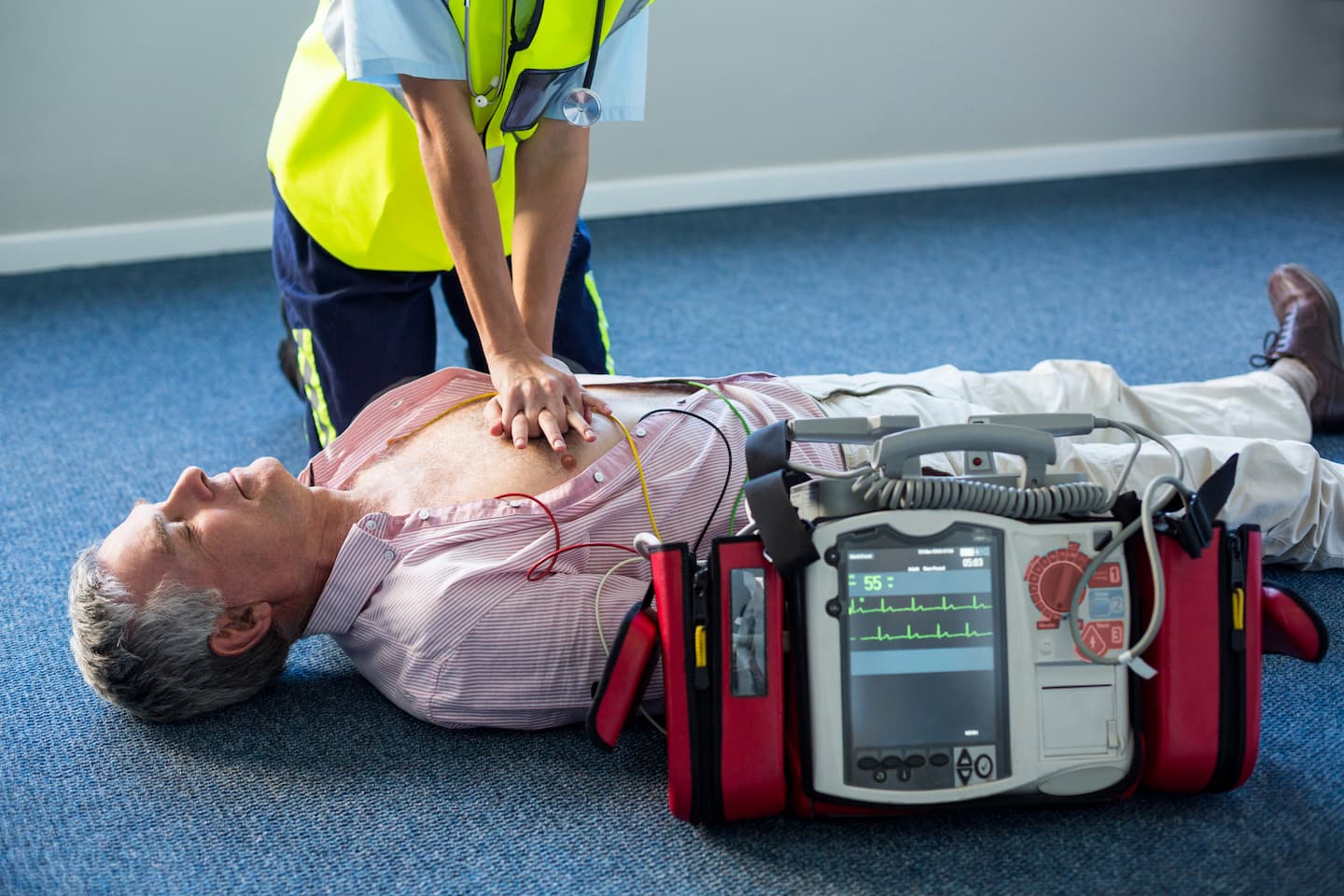
Paramedic performing CPR with defibrillator on cardiac arrest patient

Whether you are a seasoned nurse, a dedicated high school coach, or a proactive parent, your CPR certification is more than just a piece of paper—it’s a promise to be ready when the unthinkable happens. But as time passes, even the most diligent responders can find their skills getting a little rusty.

In the world of emergency response, “staying current” isn’t just a suggestion; it’s a necessity. Medical guidelines evolve, technology like AEDs becomes more advanced, and your muscle memory naturally fades. This comprehensive guide will walk you through everything you need to know about renewing your CPR certification, ensuring you remain a confident and capable link in the chain of survival.

Why is CPR certification renewal necessary?

The most critical reason to renew your CPR certification is skill retention. Research from major health organizations shows that CPR skills begin to decline significantly just a few months after training. By the two-year mark, many people struggle to remember the correct compression depth or the proper ratio of breaths to pumps. Regular renewal forces you to refresh that muscle memory so that you don’t hesitate during a real emergency.

Beyond the physical skills, renewal keeps you informed about the latest science. Every few years, organizations like the American Heart Association update their “Chain of Survival” based on new data. What was considered “best practice” five years ago might be outdated today. Renewal ensures you are providing the most effective care possible based on the latest life-saving research.

Finally, for many, it is a matter of professional survival. If you work in healthcare, education, or childcare, a lapsed certification can lead to immediate suspension or even the loss of your license. Staying ahead of your expiration date is the best way to avoid unnecessary professional stress.

When should you start the renewal process?

Most CPR certifications are valid for exactly two years from the date of your last class. You can find this date printed clearly on your provider card or within your digital certificate portal. However, you shouldn’t wait until the day before it expires to start looking for a class.

We recommend starting the renewal process at least 30 to 60 days before your current card expires. This “buffer zone” is essential for a few reasons:

  1. Class Availability: Popular time slots (like Saturday mornings) can fill up weeks in advance.
  2. Abbreviated Options: Many providers offer “Renewal” or “Challenge” courses that are shorter and cheaper than the full initial course. However, these are often only available to those whose cards are still valid.
  3. Processing Time: While many digital cards are issued instantly, some employers require a verified physical copy which can take a few days to process.

If your card has already expired, don’t panic—but do act quickly. Most training centers will require you to take the full “Initial” course again if your card is even one day past its expiration date, as you are no longer eligible for the abbreviated renewal curriculum.

How do you choose the right renewal course?

Not all CPR classes are created equal. The “right” course for you depends entirely on your job requirements and your learning style. To make the best choice, ask yourself these three questions:

1. What does my employer require?

If you are a doctor, nurse, or paramedic, you likely need BLS (Basic Life Support) for Healthcare Providers. If you work in an office or a gym, a Heartsaver CPR/AED course is usually sufficient. Always check if your employer requires a specific accrediting body, such as the American Heart Association or the American Red Cross.

2. Which format fits my schedule?

  • In-Person: Best for hands-on learners who want immediate feedback from an instructor.
  • Blended Learning: The “gold standard” for busy professionals. You complete the lecture and testing portions online at your own pace, then drop in for a quick 30-minute hands-on skills check.
  • Online Only: Be cautious here. While convenient, 100% online courses often do not meet OSHA or workplace requirements because they lack a physical skills assessment on a manikin.

3. Does the course include AED training?

In the modern world, CPR and AEDs go hand-in-hand. Ensure your renewal course includes the latest protocols for using an Automated External Defibrillator on adults, children, and infants.

What should you expect during a CPR renewal class?

A renewal course is designed to be more efficient than your first class. Instead of starting from scratch, the instructor focuses on “refreshing” your existing knowledge and correcting any bad habits you may have picked up. You can typically expect the following:

  • Review of Core Techniques: You’ll revisit high-quality chest compressions (2 inches deep for adults) and the 30:2 compression-to-breath ratio.
  • AED Troubleshooting: You’ll practice applying pads quickly and following the voice prompts of the device.
  • Choking Relief: A refresher on the Heimlich maneuver for various age groups.
  • The Skills Test: You will be asked to demonstrate your skills on a manikin while the instructor observes. They aren’t looking for perfection, but they are looking for “competency”—meaning you can perform the steps safely and effectively.
  • Written Exam: Depending on the level of certification (like BLS), there may be a short multiple-choice quiz to verify your understanding of the theory.

How can you maintain your skills between renewals?

Two years is a long time. To ensure you don’t lose your edge between renewal cycles, consider these simple maintenance tips:

  • Watch a Video: Every six months, spend 5 minutes watching a YouTube video from a reputable source (like the AHA) on “Hands-Only CPR.”
  • Download an App: There are several free apps that provide step-by-step emergency guides and metronomes to help you keep the correct beat (100–120 compressions per minute).
  • Locate the AEDs: Whenever you are in a familiar place—like your office, the mall, or your gym—take note of where the nearest AED is located. Simply knowing where the equipment is can save precious minutes in a crisis.

Conclusion

Renewing your CPR certification is a small investment of time that pays massive dividends in safety and confidence. Whether you are doing it for a job requirement or simply to protect your loved ones, staying current ensures that if you are ever called to act, you will be ready.

Don’t wait for an emergency to realize your skills have faded. Check your card today, look for the expiration date, and get ahead of the curve.

Ready to update your skills? Contact CPR Classes Near Me today to find a renewal course that fits your schedule and keeps you certified!

Frequently Asked Questions (FAQ)

Q: Can I renew my CPR certification online?

A: Yes, you can complete the educational portion of your renewal online. However, if you need the certification for a workplace or professional license (OSHA compliance), you must also complete an in-person skills assessment with a certified instructor to receive your valid card.

Q: Is there a grace period after my CPR card expires?

A: Generally, no. Most accrediting bodies do not offer a grace period. Once the date on your card passes, you are technically uncertified. While some instructors may allow you into a renewal class within 30 days of expiration, many employers will consider you non-compliant the moment the card expires.

Q: How long does a CPR renewal class take?

A: A traditional in-person renewal class typically takes 2 to 3 hours. If you choose a blended learning format, the in-person skills check can often be completed in 30 to 45 minutes after you finish your online coursework.

Q: What is the difference between BLS and CPR renewal?

A: BLS (Basic Life Support) is a more advanced form of CPR training specifically designed for healthcare providers. It includes two-person CPR, bag-valve mask usage, and more intense testing. Standard CPR renewal (Heartsaver) is designed for laypeople and focuses on basic life-saving skills.

Q: Do I need to buy a new student manual for every renewal?

A: Most organizations require you to have access to the current student manual during your course. Since guidelines are updated every few years, it is important to ensure you are studying from the most recent edition provided by your training center.

Top 5 Reasons Raleigh Residents Need CPR Certification

Raleigh, North Carolina, is widely celebrated as one of the best places to live and work in the nation. This vibrant city, part of the thriving Wake County, boasts beautiful parks, booming businesses, and world-class healthcare systems. Yet, even in the safest and most advanced communities, emergency health crises can strike without warning.

When a sudden medical emergency occurs, such as a cardiac arrest or severe choking incident, every single second counts. The time it takes for professional Emergency Medical Services (EMS) to arrive is often too long for a victim to survive without intervention. This is why the power to save a life rests not just with paramedics and doctors, but with you, the everyday resident.

Obtaining your CPR certification is not just a resume booster or a box to check for work. It is an investment in your neighbors, your family, and your community’s overall health and resilience. For Raleigh residents, becoming CPR certified is particularly critical. This comprehensive guide will explore the top five compelling reasons why now is the perfect time to enroll in an American Heart Association (AHA) certified CPR class.

We will delve into the local statistics that prove the necessity of bystander intervention. We will also examine how your certification supports Wake County’s esteemed public safety efforts. Finally, we will outline how this essential skill can protect your professional future and the most vulnerable people in your life, your children and infants. By the end, you will understand that getting certified is one of the most proactive steps you can take for your Raleigh life.

The decision to become certified puts you at the ready. It transforms you from a bystander into a lifesaver. It equips you with the confidence and practical skills necessary to perform Cardiopulmonary Resuscitation (CPR) and use an Automated External Defibrillator (AED). These are the first, most crucial links in the “Chain of Survival.” Don’t wait for an emergency to realize you wish you had these skills.

1. Why Do Most Cardiac Arrests Happen Where EMS Cannot Immediately Reach?

The vast majority of sudden medical emergencies do not happen in hospitals or public squares. They occur in the intimate, quiet setting of a private residence.

Factual data confirms this overwhelming trend.

Where is the most likely location for a cardiac event?

Approximately 71% of all Out-of-Hospital Cardiac Arrests (OHCA) take place within the victim’s home or residence. This is a critical factor for every Raleigh homeowner and renter to consider. When a loved one collapses in their own home, EMS is not standing by instantly.

  • You are the undisputed first responder in this scenario.
  • A spouse, partner, child, or grandparent relies on the immediate presence of a trained individual.
  • The victim’s survival hinges on someone present initiating CPR immediately.

The average EMS response time in North Carolina, even in urban areas like Raleigh, can be several minutes. When the heart stops, brain death can begin in as little as four to six minutes.

Top 5 Reasons Raleigh Residents Need CPR Certification

What is the survival difference between immediate and delayed intervention?

The gap between life and death is often measured in these few minutes, and the difference is startling. Survival rates for OHCA are drastically higher when a bystander begins CPR immediately.

For instance, data shows that receiving bystander CPR results in significantly improved survival outcomes compared to those who do not receive immediate help. This underscores the power of widespread community training. Even if you are not a medical professional, your swift action keeps blood and oxygen flowing. This bridges the critical time gap until professional help arrives.

When you become certified, you learn to:

  1. Recognize the signs of sudden cardiac arrest.
  2. Call 911 immediately to activate professional help.
  3. Perform high-quality chest compressions and rescue breaths to maintain vital functions.
  4. Utilize an AED if one is available nearby.

Your home is your sanctuary, and certifying in CPR turns it into the safest possible environment for your entire household.

2. How Does My Certification Directly Boost Wake County’s High Save Rate?

Wake County, which encompasses Raleigh, is recognized nationally for its excellence in emergency medical services. Wake County EMS has successfully cultivated one of the highest cardiac arrest survival programs in the entire country.

This success is not achieved through technology alone. It is a system built on robust training, speedy response, and effective community partnership, which includes you.

What is the “Chain of Survival” and what is the public’s role?

The American Heart Association (AHA) defines the Chain of Survival as a series of critical actions that maximize the chance of survival for a victim of cardiac arrest. The links include:

  • Recognition and Activation: Recognizing the emergency and calling 911.
  • Immediate High-Quality CPR: Performed by a bystander (you).
  • Rapid Defibrillation: Applying an AED, often by a bystander or first responder.
  • Advanced Resuscitation: Provided by EMS and hospital staff.
  • Post-Cardiac Arrest Care: Treatment received in the hospital.

Why is the bystander link the most vulnerable?

While Wake County EMS shines in its response metrics, the community still struggles with consistent bystander intervention rates.

While EMS is fast, even the shortest response time still requires minutes to reach the scene. The immediate CPR performed by a trained citizen is the second and arguably most vital link in the entire chain.

  • A trained citizen cuts the time to intervention from minutes down to seconds.
  • Every minute of delay in defibrillation decreases a victim’s chance of survival by approximately 10%.
  • When Raleigh residents step up to learn CPR, they collectively reduce this fatal delay.

By obtaining your AHA BLS certification, you are actively participating in and strengthening a public health effort that is nationally celebrated. You are helping Wake County uphold its reputation for saving lives. You are ensuring that when professional help arrives, they are greeted by a victim who has a fighting chance because essential life support was already initiated. Your certification becomes a measurable contribution to the public safety success of the entire Raleigh metropolitan area.

3. Is CPR Certification a True Requirement for Career Advancement in Raleigh?

For many Raleigh residents, CPR certification is not merely a beneficial skill; it is a non-negotiable professional requirement. The broad, diverse economy of the Raleigh-Durham area, especially its healthcare, education, and construction sectors, demands certified personnel.

The gold standard for employers across the country is the American Heart Association (AHA) Basic Life Support (BLS) certification. This is the certification offered by CPR Classes Near Me Raleigh.

Which Raleigh professions typically require AHA BLS certification?

The list of careers that mandate or highly prefer BLS certification spans far beyond traditional hospital settings. If your job involves public interaction, physical activity, or duty of care, this certification is essential.

Required or preferred professionals include:

  • Healthcare Workers: Nurses (RNs, LPNs), Certified Nursing Assistants (CNAs), Medical Office Personnel, Physical Therapists, Dentists, and Clinical Staff.
  • Education and Childcare: Teachers, School Administrators, Daycare Providers, and Nannies.
  • Fitness and Recreation: Personal Trainers, Coaches, Sports Referees, Swim Instructors, and Lifeguards.
  • Industrial and Service Roles: Construction Workers, Electricians, Flight Attendants, and Hospitality Staff.

How does OSHA compliance affect local Raleigh businesses?

The Occupational Safety and Health Administration (OSHA) sets strict guidelines for businesses in North Carolina concerning workplace safety. These rules make CPR certification a necessity for any Raleigh business where life-threatening hazards exist.

According to OSHA interpretation, if a workplace has hazards that could cause serious injuries (like falls, suffocation, electrocution, or amputation), emergency medical services (EMS) must be available within 3 to 4 minutes.

If your business cannot guarantee EMS arrival in that tight timeframe, the employer must ensure that employees are trained and available to provide first aid and CPR immediately. Common severe workplace injuries that require immediate CPR often include:

  • Electrical Burns: Can instantly disrupt heart rhythm and cause cardiac arrest.
  • Falls from Heights: Can cause trauma leading to stopped breathing or cardiac arrest.
  • Exposure to Chemicals: Can lead to respiratory distress or unconsciousness.

By getting certified, you increase your job marketability and simultaneously help your Raleigh employer meet vital safety and legal compliance requirements. This makes you an indispensable asset in any professional environment.

4. Why is Proficiency in Infant and Child CPR Particularly Important for Raleigh Families?

Raleigh is a city full of young, growing families, making proficiency in pediatric life support techniques a crucial skill. Accidental injuries, choking, and sudden illness are tragically common in children and infants.

An AHA-certified BLS course, such as those offered by CPR Classes Near Me Raleigh, is designed to provide comprehensive training across all age groups. This specialized knowledge is what makes your certification truly valuable within a community of families.

Are pediatric emergencies different from adult emergencies?

Yes, they are fundamentally different, and the training must reflect this. While adult cardiac arrest is often related to pre-existing heart conditions, pediatric cardiac emergencies are more frequently caused by respiratory failure (choking, severe asthma, drowning) or trauma.

This distinction requires specialized knowledge that is covered extensively in a comprehensive CPR course:

  • Infant Technique: Specific hand placement (two fingers), shallower chest compression depth, and different rescue breathing techniques are required due to an infant’s size and fragility.
  • Child Technique: Use of one or two hands for compressions and a modified ratio for breaths and compressions are taught for children between ages one and eight.
  • Choking Scenarios: You will learn age-appropriate maneuvers for clearing an obstructed airway in a conscious or unconscious victim, whether they are an adult, child, or infant.

How does this training protect children in public and private settings?

A parent or caretaker who is certified is immediately ready for the most stressful situations involving a child.

  • At Home: An infant choking on a small toy or a child suffering a severe allergic reaction.
  • In Public: A child drowning at a pool in Cary or a youth athlete collapsing on the field in Raleigh.

The training equips you to handle the terrifying moment when a child stops breathing. Furthermore, this knowledge is paramount for anyone involved in youth activities, including:

  • School teachers and coaches.
  • Babysitters and nannies.
  • Gymnastics or dance instructors.

When dealing with a pediatric emergency, there is absolutely no time for hesitation. The specific, hands-on training you receive ensures you can act with confidence and precision to give the child the highest chance of survival.

CPR a Skill That Provides Lifelong Community and Personal Value?
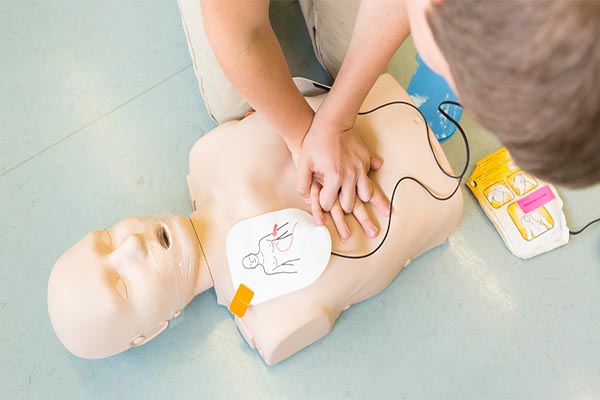
Young man instructor helping to make first aid heart compressions with dummy during the group training indoors.

5. Is CPR a Skill That Provides Lifelong Community and Personal Value?

Unlike fleeting trends or software knowledge that quickly become obsolete, the ability to perform life support is a timeless skill. Once you master the fundamentals of CPR and AED use, that knowledge remains part of your core competency.

Your certification, which is valid for two years, serves as a regular reminder and opportunity to refresh the skills that could save a life at any moment.

How does certification offer practical skills beyond cardiac arrest?

The lessons learned in an AHA BLS course are applicable to a wide array of accidents and sudden emergencies that are common in any active city like Raleigh.

The training provides foundational knowledge for responding to incidents such as:

  1. Choking: This is a daily risk in any home or restaurant. Quick action is essential to clear the airway.
  2. Drowning: This risk is present around pools, lakes, and even bathtubs. CPR is often the immediate intervention required to expel water and restart breathing.
  3. Severe Trauma: Accidents on Raleigh roads or construction sites can cause victims to lose consciousness and stop breathing. CPR skills apply here as well.
  4. Sudden Illness: Strokes or severe allergic reactions (anaphylaxis) can lead to respiratory or cardiac failure. Your training teaches you to manage the victim until EMS arrives.

By enrolling in a class, you receive more than just a card. You gain comprehensive life skills that translate into confidence during chaos.

What is the advantage of hands-on, in-person training?

While online resources exist, the American Heart Association (AHA) and most employers agree that effective CPR requires in-person, hands-on training.

CPR Classes Near Me Raleigh provides a dynamic, relaxed environment where certified instructors ensure you develop muscle memory.

  • Hands-on Practice: You practice chest compressions and rescue breaths on professional manikins, ensuring correct depth and rate.
  • Instructor Feedback: Local, certified trainers provide immediate, constructive feedback, a necessity for mastering this physical skill.
  • Scenario Training: You work through realistic emergency scenarios (choking, AED use) to build the confidence required to act decisively in a real-life crisis.

This comprehensive, yet concise, training takes approximately 3.7 hours and culminates in receiving your official, universally accepted AHA eCard on the same day you pass the class. This makes the path to becoming a certified lifesaver in Raleigh efficient and highly effective.

Conclusion: Take Action for Raleigh’s Future

The need for widespread CPR certification in Raleigh is clear and multifaceted. It is a necessity rooted in the following key areas:

  1. Family and Home Safety: Protecting the 70%+ of cardiac arrest victims who collapse in private residences.
  2. Community Resilience: Strengthening Wake County’s esteemed Chain of Survival by ensuring rapid bystander intervention.
  3. Professional Requirement: Meeting the mandatory BLS standards for key industries across the Research Triangle area.
  4. Pediatric Protection: Equipping parents and caretakers with the specialized skills needed to save infants and children.
  5. Lifelong Preparedness: Gaining a timeless skill applicable to various trauma and choking scenarios.

Every certified person in Raleigh is a protective layer for the community. You have the ability to make a life-or-death difference.

Don’t be a hopeful bystander; be a capable lifesaver.

Ready to take the step to secure your certification today?

Contact CPR Classes Near Me Raleigh to enroll in the most trusted and employer-accepted American Heart Association (AHA) BLS, CPR/AED, and First Aid courses. Receive your official eCard the same day you train!

FAQ Section: Your Certification Questions Answered

How long does a CPR certification from CPR Classes Near Me Raleigh last?

Your American Heart Association (AHA) BLS CPR Certification, obtained through CPR Classes Near Me Raleigh, is valid for a period of two full years from the date of successful course completion. Because the AHA regularly updates its guidelines based on the latest science, a renewal course is required every two years to ensure your skills remain current and effective.

What is the difference between AHA BLS and a basic CPR class?

AHA BLS (Basic Life Support) is the highest standard of non-professional, entry-level certification, making it the most recognized and employer-accepted credential nationwide. It is specifically designed for both the general public and healthcare providers, covering advanced topics such as team-based resuscitation and the proper use of an Automated External Defibrillator (AED). A basic CPR class often covers only adult CPR and may not include the comprehensive training or official AHA credentials required by most professional employers in Raleigh.

Can I renew my CPR certification through CPR Classes Near Me Raleigh?

Yes, absolutely. To renew your certification for an additional two years, you can simply enroll in any Raleigh BLS CPR course offered by CPR Classes Near Me Raleigh. The renewal process is typically the same as the initial in-person BLS course, ensuring you get the essential hands-on practice needed to refresh your life-saving techniques and receive your updated eCard promptly.

How long does the in-person class take to complete?

The required hands-on, in-person American Heart Association (AHA) BLS training course takes approximately 3.7 hours to complete. This includes video instruction, direct interaction with a certified local instructor, and the mandatory hands-on practice and testing segments. CPR Classes Near Me Raleigh prides itself on its efficient process, ensuring you receive your official AHA BLS certification eCard on the very same day you finish the class.

Does CPR Classes Near Me Raleigh offer training for infants and children?

Yes. The American Heart Association BLS CPR and AED certification class offered by CPR Classes Near Me Raleigh provides comprehensive training that covers life-saving techniques for Adults, Children, and Infants. This ensures that you are prepared for a cardiac or choking emergency regardless of the victim’s age, which is essential for parents, teachers, and childcare professionals in the Raleigh community.