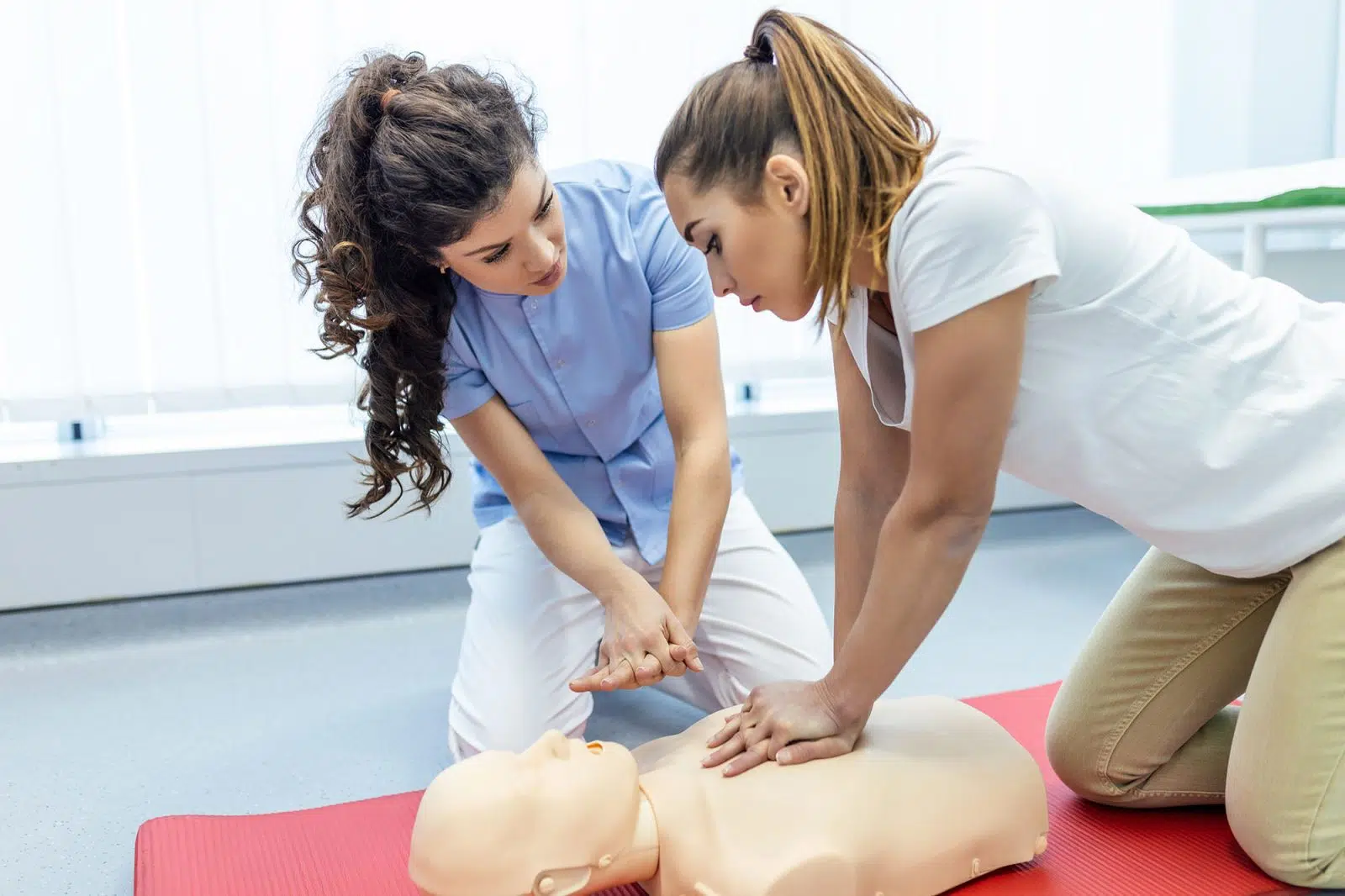
Why Office Managers Book CPR Training for Staff
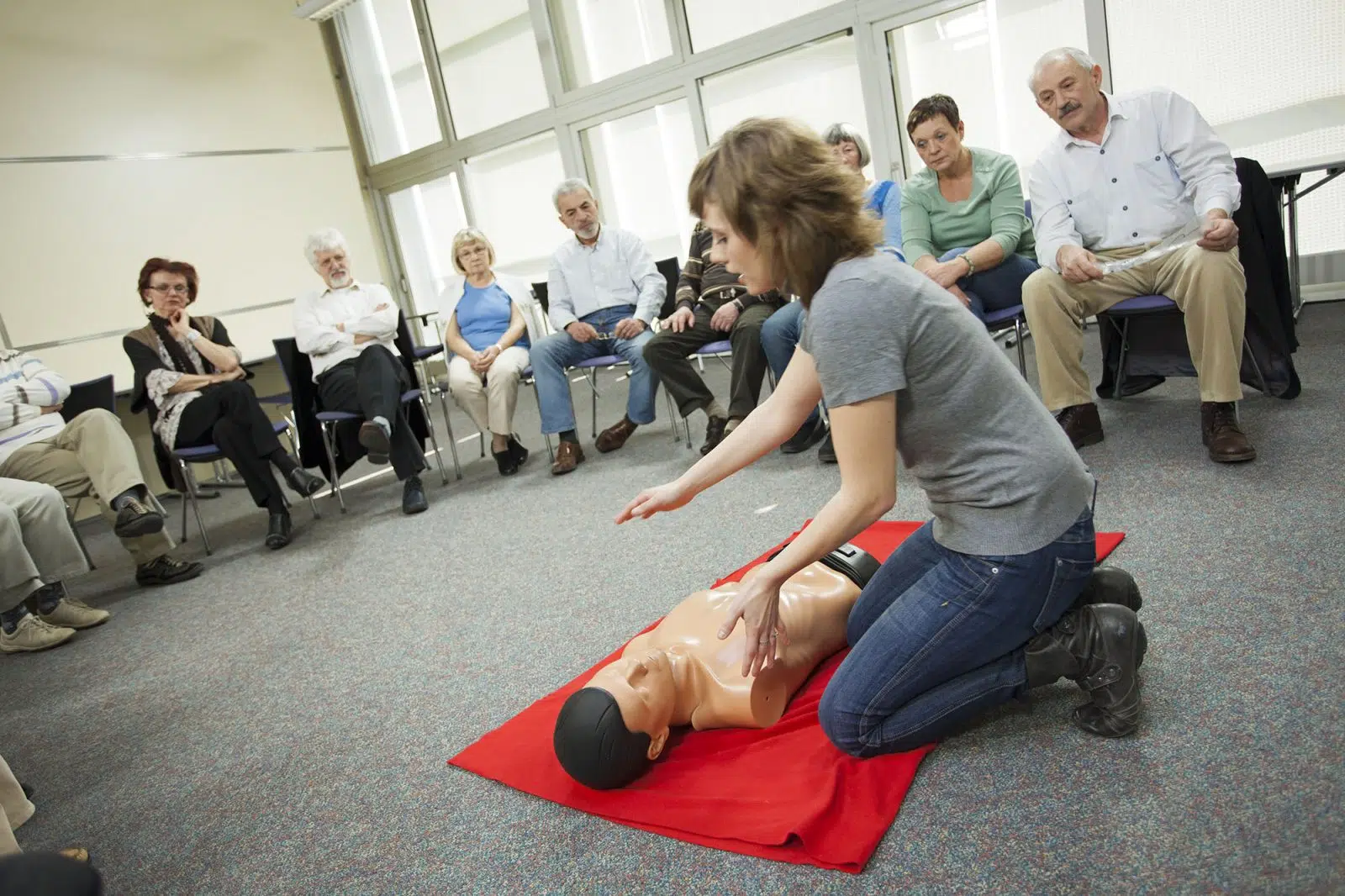
First Aid Training Course

Office managers wear many hats in the modern workplace. From handling intricate HR logistics to ensuring the breakroom runs smoothly, their ultimate underlying priority is always keeping the team safe and productive. That is exactly why forward-thinking office managers book CPR training for staff. It is an investment in human life that yields immeasurable returns.

Medical emergencies simply do not wait for a convenient time. Sudden cardiac arrest, severe choking, or catastrophic allergic reactions can happen anywhere—including right in the middle of a Tuesday morning staff meeting. When the unthinkable occurs, having a trained, confident team can literally mean the difference between life and death.

Beyond the obvious life-saving benefits, corporate CPR certification offers incredible value for workplace culture, legal compliance, and employee confidence. Providing this vital education is one of the highest-impact investments a company can make in its workforce. It transforms an office of passive bystanders into a proactive, capable community.

Let’s dive into exactly why booking group CPR and first aid classes is a top priority for office managers everywhere. We will explore how professional training transforms an ordinary workplace into a prepared, secure, and compliant environment.

Why Is It Crucial to Book CPR Training for Staff Immediately?

According to the American Heart Association (AHA), thousands of out-of-hospital cardiac arrests occur annually, and immediate CPR can double or triple a victim’s chance of survival. Office managers know that waiting passively for first responders is not a viable emergency plan. The average ambulance response time can range from eight to fourteen minutes. Sadly, irreversible brain damage begins in just four to six minutes without oxygen.

When you book CPR training for staff, you are actively shrinking that vulnerable window. Employees learn how to identify a sudden medical emergency, direct someone to call 911 effectively, and begin high-quality chest compressions right away. This rapid, confident response keeps oxygen flowing to the brain and vital organs until professional paramedics arrive on the scene.

Furthermore, emergencies in the office are not limited to cardiac arrest. Employees frequently choke on food in the breakroom or suffer sudden, severe medical episodes at their desks. Immediate, educated intervention is the only proven way to prevent a minor workplace medical issue from becoming a permanent tragedy.

How Does Corporate CPR Training Improve Overall Workplace Safety?

Workplace safety goes far beyond ergonomic desk chairs, well-lit hallways, and yellow wet floor signs. True safety requires a proactive company culture where employees actively look out for one another. When an office manager organizes group CPR certification, they dramatically elevate the entire company’s safety standards and situational awareness.

Trained employees naturally become hyper-aware of their surroundings. They are significantly more likely to spot potential physical hazards, recognize the early warning signs of medical distress, and step in before a situation escalates. This shifts the overall workplace dynamic from passive observation to active, communal protection.

Additionally, group training ensures that office safety is not strictly reliant on a single individual. If only the office manager or a designated safety officer knows CPR, what happens when they are out sick or on vacation? By training the entire staff, you create a robust, overlapping network of capable responders who are always on-site.

What Are the OSHA Compliance Benefits of Group First Aid and CPR Certification?

Navigating complex workplace regulations is a massive part of a modern office manager’s job description. The Occupational Safety and Health Administration (OSHA) requires employers to provide a safe, hazard-free workplace. For many specific industries, this explicitly includes having personnel trained in first aid and CPR readily available at all times.

Even if your specific corporate industry does not legally mandate CPR certification, OSHA’s General Duty Clause requires employers to protect staff from recognized hazards. Offering an American Heart Association BLS CPR course helps companies easily meet these stringent regulatory standards. It provides documented, verifiable proof that the organization takes workplace safety seriously.

Beyond strict compliance, certified training helps mitigate corporate liability. If an incident occurs and the staff is completely untrained, the company could face severe legal and financial repercussions. Office managers book CPR training for staff to protect both the employees’ lives and the company’s financial future.

Why Do Office Managers Prefer American Heart Association (AHA) BLS Courses?

Not all CPR classes are created equal in the eyes of regulators or employers. When booking training, office managers consistently seek out American Heart Association (AHA) Basic Life Support (BLS) certification. The AHA sets the undisputed gold standard for emergency cardiovascular care, ensuring the curriculum is always based on the latest scientific research.

Employers nationwide recognize and prefer AHA certification above all other alternatives. Whether your team works in healthcare, education, construction, or a standard corporate office, an AHA-certified eCard carries unparalleled credibility. This guaranteed acceptance means office managers never have to worry about whether the training meets their specific industry standards.

Furthermore, AHA BLS courses are incredibly comprehensive and detail-oriented. They cover adult, child, and infant CPR, precise Automated External Defibrillator (AED) usage, and techniques for clearing complex airway obstructions. Office managers know that investing in the highest quality instruction yields the most competent, capable employees.

How Does Hands-On Emergency Preparedness Boost Employee Confidence and Morale?

Corporate training is often viewed by staff as a dry, mandatory requirement, but professional CPR and first aid classes are entirely different. Learning how to physically save a human life is an incredibly empowering experience. When you book CPR training for staff, you are equipping them with skills they will use at work, at home, and in their local communities.

This specific investment in their personal development boosts office morale significantly. Employees feel deeply valued when their company spends resources to teach them life-saving, universally applicable techniques. It sends a clear, undeniable message: the company cares about your personal well-being, not just your daily productivity.

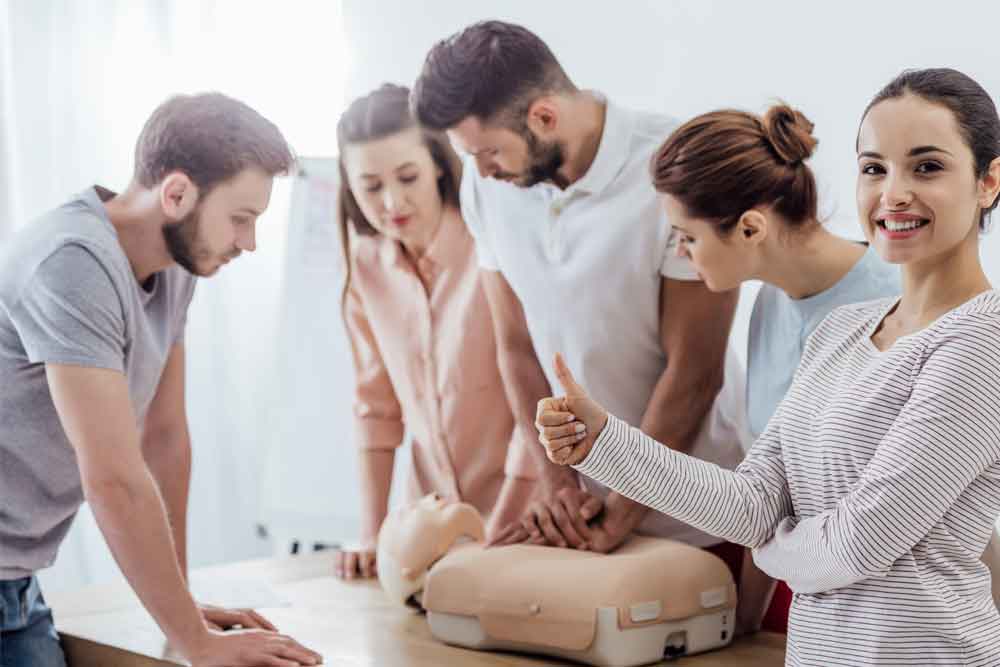
Moreover, group CPR classes act as fantastic, organic team-building exercises. Practicing chest compressions on a specialized mannequin or role-playing an intense AED scenario requires communication, vulnerability, and teamwork. Coworkers bond over the shared, hands-on experience, leading to a stronger, more cohesive office culture built on mutual trust.

What Real-World Emergencies Can Employees Handle After Professional CPR Classes?

The ultimate goal of corporate emergency training is practical, real-world application. Once an office manager schedules a class, employees are prepared to face a wide variety of terrifying scenarios with calm, practiced efficiency. The hands-on curriculum ensures your team can confidently handle:

  • Sudden Cardiac Arrest: Recognizing the early signs and immediately starting high-quality chest compressions to maintain critical blood flow.
  • Severe Choking: Using precise airway clearance methods, such as abdominal thrusts, to safely dislodge life-threatening obstructions.
  • AED Operation: Powering on the device, applying the pads correctly to a bare chest, and following automated voice prompts to safely deliver a shock.

Instead of panicking or freezing when a coworker collapses, a trained employee defaults to their training. They understand the critical differences between a heart attack and sudden cardiac arrest, allowing them to communicate accurate information to 911 dispatchers. Professional training demystifies medical emergencies and turns everyday employees into immediate lifesavers.

Why Should You Avoid Online-Only CPR Certifications for Your Team?

In a busy corporate environment, it is incredibly tempting to take the quickest, easiest route available. Office managers frequently see targeted ads for five-minute, online-only CPR certificates promising instant compliance. However, experienced HR professionals know that these digital shortcuts are a dangerous waste of time, money, and effort.

CPR is a deeply physical skill that strictly requires muscle memory to perform correctly under pressure. You simply cannot learn the proper depth, rate, and recoil of chest compressions by clicking a mouse or watching an animated video. Hands-on practice with specialized mannequins, under the watchful eye of a certified instructor, is absolutely essential for effective training.

Furthermore, most reputable employers and government regulatory bodies do not accept online-only certifications. True AHA-certified BLS classes require a strict in-person skills evaluation. By booking reputable, hands-on training, office managers ensure their team receives legitimate credentials that actually prepare them for a real crisis.

How Does On-Site or Group Training Save Office Managers Time and Money?

Coordinating individual training sessions for an entire staff can quickly become an administrative nightmare. Bringing certified instructors directly to your corporate location offers three distinct advantages for busy office managers:

  1. Minimized Downtime: Employees do not lose valuable work hours commuting back and forth to external, off-site training centers.
  2. Budget Efficiency: Group certification packages are drastically more economical than paying for individual, scattered enrollments throughout the year.
  3. Streamlined Compliance: Managers receive officially documented eCards for the entire team at once, instantly updating and finalizing internal HR records.

Top-tier providers make the logistics completely seamless. Instructors evaluate the team, provide real-time feedback, and issue OSHA-compliant, AHA BLS eCards on the exact same day. The office manager instantly receives the required documentation, crossing a massive, high-stakes task off their to-do list in just a few efficient hours.

Conclusion

In today’s unpredictable world, prioritizing workplace safety is a non-negotiable responsibility. Office managers book CPR training for staff because it is unequivocally the most effective way to protect employees, meet stringent OSHA compliance standards, and build a confident, cohesive team. The ability to save a life is the ultimate human skill, and providing that exact knowledge is a testament to a company’s exceptional, people-first leadership.

Do not wait for a terrifying medical emergency to realize the immense value of workplace preparedness. Equip your team with the absolute gold standard in life-saving education today. Contact CPR Classes Near Me today to schedule your comprehensive corporate group training. Our expert, AHA-certified instructors offer convenient hands-on classes that issue same-day eCards, ensuring your office is fully prepared, compliant, and confident.

Frequently Asked Questions (FAQ)

How long does a corporate CPR training class take?

Most comprehensive AHA BLS CPR classes take approximately three to four hours to complete. This block includes detailed video instruction, essential hands-on skills practice with responsive mannequins, and learning how to properly operate an AED. Instructors always ensure all employees are fully confident before concluding the training session.

Does CPR certification satisfy OSHA workplace safety requirements?

Yes, providing American Heart Association CPR and first aid training is a widely accepted method for meeting OSHA’s stringent workplace safety guidelines. OSHA strictly requires many businesses to have appropriately trained first-aid responders on site. Official AHA certification provides the verifiable proof needed for this required compliance.

Will employees receive their CPR certification cards immediately?

When you book your corporate training with a premium provider like CPR Classes Near Me, employees receive their official AHA BLS eCards on the exact same day they successfully complete the course. This rapid, immediate turnaround helps office managers quickly and accurately update their corporate compliance records without delay.

Is online-only CPR training acceptable for the workplace?

Generally, no. Most regulatory bodies and major employers explicitly do not accept CPR certifications obtained strictly through online platforms. Highly effective training naturally requires hands-on practice with mannequins and an in-person skills evaluation by a certified instructor to ensure correct compression depth and technique.

How often do employees need to renew their CPR certification?

American Heart Association CPR certifications are legally valid for exactly two years from the precise date of issue. Office managers should proactively schedule corporate renewal classes before the expiration date to maintain uninterrupted workplace compliance, safety, and employee readiness.

Can CPR instructors travel directly to our office?

Yes, many top-tier national training organizations expertly offer convenient on-site corporate classes. Certified instructors will physically bring all necessary educational equipment, including mannequins and AED trainers, directly to your corporate facility. This greatly minimizes employee downtime and profoundly simplifies scheduling logistics for the busy office manager.

What specific emergencies does BLS CPR training cover?

A standard AHA BLS CPR course thoroughly prepares staff to expertly handle a wide range of critical medical emergencies. Employees learn exactly how to respond to adult, child, and infant cardiac arrest, clear severe airway obstructions (choking), and correctly utilize an Automated External Defibrillator (AED) in high-stress situations.

How to Schedule Group CPR Classes Without Disrupting Operations

first aid training class

Coordinating employee training often feels like a logistical puzzle, especially when your company cannot afford to halt daily productivity. However, ensuring your team is prepared for a medical emergency is not something you can postpone. Safety compliance and workplace readiness are non-negotiable pillars of a successful business.

You might assume that getting your entire staff certified means shutting down the office or running on a skeleton crew for the day. Fortunately, modern training providers have adapted to the fast-paced needs of corporate environments. By utilizing flexible booking strategies and on-site instruction, you can empower your staff with life-saving skills while keeping your business running smoothly.

In this comprehensive guide, you will learn exactly how to seamlessly integrate life-saving training into your corporate calendar. We will cover actionable scheduling strategies, the logistical benefits of on-site instruction, and how to partner with the right training experts. Let’s dive into how you can successfully schedule group CPR classes without ever skipping a beat in your daily operations.

Why Should You Prioritize Group CPR Classes for Your Employees?

Before diving into the logistics of scheduling, it is vital to understand the immense value of team-wide emergency training. Medical emergencies, such as sudden cardiac arrest or severe choking, do not wait for a convenient time to occur. Having a staff trained in the latest American Heart Association (AHA) guidelines can literally mean the difference between life and death.

Beyond the obvious life-saving benefits, group CPR classes keep your business compliant with rigorous safety standards. Organizations across healthcare, education, childcare, and construction are heavily regulated by OSHA. Failing to maintain current certifications can result in hefty fines, legal liabilities, and a tarnished reputation.

Furthermore, team training fosters a profound sense of workplace confidence and camaraderie. When employees know their peers have their backs in an emergency, overall morale improves. Group training sessions naturally double as team-building exercises, allowing co-workers to practice critical communication under pressure.

What Are the Best Strategies for Scheduling Employee CPR Certification?

The secret to maintaining productivity during mandatory training lies in strategic scheduling. You do not have to certify your entire company at the exact same moment. Instead, breaking the staff into manageable cohorts ensures that every department remains adequately staffed.

Here are a few proven scheduling methods that HR managers use to maintain business continuity:

  • The Split-Shift Method: Divide your staff in half. Group A takes the morning class while Group B covers the floor, and they swap after lunch.
  • The Departmental Rollout: Train one specific department at a time over the course of a week. This ensures cross-functional teams remain operational.
  • The Bridge Schedule: Schedule classes during the overlap between first and second shifts. This allows the departing shift to stay slightly later and the incoming shift to arrive slightly early, capturing both groups in one session.

By analyzing your lowest-traffic business hours, you can pinpoint the exact right time to pull employees off the floor. A little proactive calendar management goes a long way in preserving your daily revenue and workflow.

How Does On-Site CPR Training Minimize Business Downtime?

One of the largest time-wasters in corporate training is employee travel. If you send 20 employees to an off-site facility, you are losing hours of billable time just in transit and parking. The most effective way to eliminate this friction is to bring the classroom directly to your facility.

On-site CPR training allows certified instructors to travel directly to your office, warehouse, or clinic. Providers simply pack up their sanitized mannequins, AED trainers, and training materials, setting up a temporary classroom in your conference room or breakroom. This completely erases travel time from your payroll expenses.

Additionally, on-site training allows employees to learn in the exact environment where they might actually need to perform a rescue. Practicing chest compressions in the familiar layout of your own office building helps commit the emergency response plan to memory. When the class wraps up, employees can literally walk out of the conference room and get right back to work.

When Is the Ideal Time to Host Workplace CPR and First Aid Classes?

Timing your training correctly is critical to keeping operations fluid. The “ideal” time varies heavily depending on your industry. For example, a busy dental office might choose to utilize a Friday afternoon when patient volume is historically low.

Consider piggybacking your life-saving training onto events that are already on the corporate calendar. Annual company retreats, scheduled maintenance shutdown days, or mandatory quarterly all-hands meetings are perfect opportunities. Since the staff is already gathered and regular operations are paused, adding a certification class maximizes your time investment.

For industries with 24/7 operations, such as hospitals or manufacturing plants, weekend or evening classes might be necessary. Look for a training provider that offers extended hours and flexible weekend availability to accommodate non-traditional schedules.

How Can You Manage Group Sizes for Hands-On CPR Training?

AHA BLS CPR certification requires strict adherence to hands-on skills testing. Employees must demonstrate proper rescue breathing, chest compression depth, and AED operation. Because of this, massive lecture-hall-style classes are highly ineffective and non-compliant.

To manage group sizes effectively, aim for a ratio that allows individualized attention from the instructor. Small class sizes guarantee that each employee gets adequate time practicing on the mannequins without standing around waiting. While providers can handle large company rosters, they will strategically divide your staff into practical learning groups.

If you have a staff of 50 people, a professional training company might deploy multiple instructors simultaneously to run concurrent small groups. This parallel training model gets your entire staff certified in a fraction of the time without compromising the quality of the hands-on instruction.

What Should You Look for in a Group CPR Training Provider?

Not all safety training companies operate at the same level of excellence. When corporate productivity is on the line, you need a vendor that is punctual, professional, and widely recognized. Your first non-negotiable requirement is ensuring the provider is an official American Heart Association Training Site.

Beyond AHA alignment, evaluate the logistical perks the provider offers. Look for companies that guarantee same-day BLS eCards. Employees who need immediate proof of compliance to legally perform their jobs cannot afford to wait weeks for a physical card to arrive in the mail.

Finally, read their reviews and assess their geographic reach. A company with nationwide locations and thousands of verified five-star reviews demonstrates a proven track record of corporate reliability. You want instructors who are engaging and knowledgeable, ensuring your staff actually pays attention and retains the information.

How Does Employee CPR Certification Benefit Overall Company Safety?

A certified workforce is the cornerstone of a robust corporate safety culture. When an emergency strikes, the national average response time for EMS is between 7 to 10 minutes. Unfortunately, brain damage from a lack of oxygen can begin in as little as four minutes.

By having your team trained in AHA Basic Life Support (BLS), you bridge that dangerous gap between the initial collapse and the arrival of paramedics. Employees learn how to swiftly clear airway obstructions, operate an Automated External Defibrillator (AED), and perform high-quality compressions. This immediate, on-the-spot intervention drastically increases survival rates.

Furthermore, training inherently makes your staff more safety-conscious in their daily routines. Employees become more adept at spotting potential workplace hazards and identifying early warning signs of stroke or cardiac distress in their colleagues or customers.

Can You Customize Your Group First Aid and CPR Certification Course?

Every industry faces its own unique set of occupational hazards. A daycare center deals with infant choking risks, while a construction crew is more likely to encounter severe bleeding or environmental injuries. Therefore, a one-size-fits-all approach to corporate training is rarely the best option.

When scheduling your group CPR classes, ask about bundling modules. The most popular addition is a comprehensive First Aid certification. Adding First Aid to an AHA BLS CPR course creates a well-rounded emergency responder out of your everyday employee.

Top-tier training providers will tailor the scenarios discussed in class to fit your specific workplace. This contextual learning ensures that your staff isn’t just memorizing a textbook, but rather preparing for the exact types of emergencies they are statistically most likely to face on the clock.

What Are the Steps to Prepare Your Facility for On-Site CPR Instructors?

Once you have scheduled your on-site training, a little internal preparation goes a long way in ensuring a smooth session. First, secure a room with ample floor space. Employees will be on their knees practicing chest compressions, so a cramped office will not suffice. Large conference rooms, cafeterias, or empty lobbies work best.

Ensure the room is equipped with basic audiovisual capabilities. AHA curriculum requires the showing of standardized instructional videos, so a reliable TV or projector with sound is necessary. If your facility lacks this equipment, communicate with your training provider in advance so they can bring their own AV gear.

Finally, send out clear communication to your team regarding dress codes. CPR is a physical activity. Remind your staff to wear comfortable, loose-fitting clothing and practical shoes on the day of the training, as they will be moving around and performing physical exertion.

How Do You Get Started with CPR Classes Near Me Today?

Scheduling high-quality, OSHA-compliant safety training does not have to be a logistical nightmare for your operations team. By utilizing smart scheduling tactics, embracing the convenience of on-site instruction, and partnering with industry experts, you can easily prioritize both safety and productivity.

At CPR Classes Near Me, we specialize in seamless corporate training. Our AHA-certified instructors travel directly to your facility, offering flexible scheduling, engaging hands-on instruction, and immediate same-day eCards for your entire team. We make compliance easy so you can get back to doing what you do best—running your business.

Don’t wait for an emergency to realize your team is unprepared. Protect your employees, your customers, and your business by taking action now. Contact CPR Classes Near Me today to request a quote and schedule your tailored group training session!

FAQ

How long does a group CPR class take?

An official AHA BLS CPR class typically takes about 3.7 hours to complete. This includes the required video instruction, hands-on skills practice with mannequins, and the final evaluation. Adding First Aid modules will extend the class time slightly.

Do we get our CPR certification cards the same day?

Yes, when you train with CPR Classes Near Me, your instructors will issue your AHA BLS eCards on the exact same day you complete the course. This immediate processing ensures your staff meets their workplace compliance deadlines instantly.

Can the instructors travel to our office location?

Absolutely. Instructors are available to travel directly to your business, office, or facility across multiple regions. This on-site model saves your staff from traveling and drastically reduces business downtime.

Is the training American Heart Association certified?

Yes, the training is conducted through an official American Heart Association Training Site. The AHA certification is OSHA-compliant and widely recognized as the gold standard by employers and regulatory boards nationwide.

How many employees do we need for a group CPR class?

While minimums can occasionally vary by region, training providers are well-equipped to handle groups of all sizes, from small teams of five to massive corporate rosters. Large groups are split into smaller practical cohorts to ensure everyone gets hands-on practice.

How long is the AHA BLS CPR certification valid?

Upon successful completion of the course, the CPR certification is valid for a full two years. After two years, employees must take a renewal class to keep their skills sharp and their credentials active.

The Ultimate Guide to CPR Training for Restaurants, Gyms, and Hospitality Teams

Medical emergencies do not wait for a convenient time, and they rarely happen in a hospital. Most sudden cardiac arrests and life-threatening choking incidents occur in public spaces where people gather to eat, exercise, and relax.

When a patron collapses in your dining room, fitness center, or hotel lobby, the immediate first responders are not the paramedics—they are your employees. The difference between a tragic outcome and a saved life often comes down to the training your team has received. Implementing comprehensive CPR training for restaurants, gyms, and hospitality teams is one of the most critical investments a business owner can make.

In this guide, you will learn exactly why high-traffic public venues carry unique medical risks and how professional, in-person emergency training mitigates them. We will explore the specific scenarios your staff might face and explain why partnering with experts for your certification is the best way to protect your customers, your employees, and your business.

Why is CPR Training for Restaurants, Gyms, and Hospitality Teams a Non-Negotiable Business Asset?

When a medical crisis strikes, time is the ultimate enemy. The human brain can begin to suffer irreversible damage in as little as four to six minutes without oxygen. Unfortunately, average emergency medical services (EMS) response times can range from seven to fourteen minutes, depending on your location and local traffic conditions.

This critical time gap is where your staff must step in. Businesses that host hundreds of people daily inherently carry a higher risk of someone experiencing a medical emergency on their premises. Having a team trained in American Heart Association (AHA) Basic Life Support (BLS) CPR ensures that life-saving chest compressions and rescue breathing can begin immediately.

Furthermore, comprehensive training is a crucial liability shield. OSHA-compliant CPR and First Aid certification demonstrates a proactive commitment to customer and workplace safety. When your team knows exactly how to handle an emergency, it prevents panic, ensures a coordinated response, and builds incredible trust with your customer base.

How Does Specialized First Aid and CPR Training Prevent Restaurant Tragedies?

The bustling environment of a restaurant presents very specific physical hazards. Dining establishments are the most common locations for severe choking incidents. When a piece of food lodges in a patron’s airway, panic sets in instantly, and the situation can escalate to respiratory failure in minutes.

A premium CPR and First Aid class teaches your front-of-house and back-of-house staff how to identify the universal signs of choking. More importantly, they learn the precise hands-on techniques for airway clearance methods, including abdominal thrusts, for individuals of all sizes.

Beyond choking, restaurants also frequently deal with severe allergic reactions (anaphylaxis) related to food allergies. Severe allergic reactions can quickly lead to cardiac events. Staff trained in recognizing these emergencies can swiftly assist with an EpiPen, call 911, and begin chest compressions if the patron loses consciousness and their heart stops. Having this level of readiness transforms your serving staff into a capable, life-saving team.

Why is Immediate AED and CPR Certification Crucial for Gyms and Fitness Centers?

Fitness centers are designed for physical exertion, which naturally elevates heart rates and puts stress on the cardiovascular system. While exercise is healthy, it is also a known trigger for Sudden Cardiac Arrest (SCA), particularly in individuals with undiagnosed heart conditions.

Many modern gyms wisely invest in Automated External Defibrillators (AEDs), placing them prominently on the facility walls. However, an AED is effectively useless if your personal trainers, group fitness instructors, and front desk staff are too terrified or untrained to use it.

During an AHA BLS CPR course, fitness professionals learn the precise use of an AED alongside high-quality chest compressions. They learn how to:

  • Quickly power on the device and follow the vital voice prompts.
  • Properly place the pads on an adult or child’s bare chest.
  • Clear the area safely before delivering a shock.
  • Seamlessly integrate the AED shocks with continuous CPR compressions.

When a member collapses on a treadmill or in a weight room, your staff’s immediate, confident action can double or triple that person’s chance of survival.

What Are the Real-World Benefits of Group CPR Classes for Hospitality Staff?

Hotels, resorts, and event venues are unique because they essentially function as small, self-contained cities. A large hospitality venue might host infants on a family vacation, young adults at a wedding, and elderly guests attending a conference—all under one roof.

Because of the massive square footage of modern hotels, it can take EMS extra time just to navigate the building, ride the elevators, and locate the specific guest room or ballroom where the emergency is happening. Hospitality staff must be prepared to sustain a victim’s life for longer periods while waiting for paramedics to arrive.

Because the demographics of hotel guests are so varied, your team needs comprehensive knowledge. A quality certification course covers:

  1. Adult CPR: Managing incidents like heart attacks in conference attendees.
  2. Child and Infant CPR: Handling emergencies like drowning incidents at the resort swimming pool.
  3. Basic First Aid: Treating slip-and-fall injuries, cuts, or heat exhaustion from outdoor events.

By standardizing this education across your entire hotel staff—from housekeeping to management—you create a cohesive, rapid-response culture that prioritizes human life.

Why is In-Person, Hands-On CPR Instruction Required for True Workplace Preparedness?

In today’s digital age, it is tempting for busy managers to look for shortcuts, such as online-only training modules. However, watching a video on a computer screen does not build the muscle memory required to save a life in the real world.

CPR training must be carried out in person to guarantee its effectiveness. Proper chest compressions require a specific depth (at least two inches for adults) and a specific rate (100 to 120 compressions per minute). You cannot learn the physical feedback, the required pressure, or the endurance needed for this task without practicing on professional training mannequins.

Furthermore, employers and regulatory bodies typically do not recognize CPR certifications that are obtained solely through online courses. Authorized AHA training centers ensure that every student is physically evaluated by a certified instructor. This guarantees that when a real emergency happens, your team isn’t trying to recall a video they clicked through months ago—they are relying on practiced, hands-on experience.

What Should Employers Expect When Booking Corporate Emergency Certification?

Organizing group training for your employees should be a seamless, empowering experience. When you partner with a top-rated local provider, you eliminate the logistical headaches of sending employees to individual classes on their days off.

A standard AHA BLS CPR and AED session typically takes less than four hours to complete. During this engaging, dynamic learning experience, your team will work closely together, which doubles as an excellent team-building exercise. They will practice communication, learn about age-appropriate legal requirements, and master teamwork during emergency scenarios.

The best training centers respect your time. Upon successfully completing the skills evaluation, your employees will receive their American Heart Association eCards on the exact same day. These cards are widely accepted nationwide and remain valid for two full years, ensuring your business stays compliant and your staff stays confident.

How Can You Ensure Your Team is Ready for the Unexpected Today?

You cannot predict when a customer will choke on a meal, when a gym member will experience cardiac arrest, or when a hotel guest will slip by the pool. However, you have complete control over how your team responds to that exact moment.

Providing high-quality CPR training for restaurants, gyms, and hospitality teams is a moral obligation and a smart business practice. It protects your patrons, empowers your employees with lifelong skills, and safeguards the reputation of your establishment. Don’t wait for a tragedy to realize the importance of emergency preparedness.

Take the necessary step to protect your community. Contact CPR Classes Near Me today to schedule an expert-led, in-person certification class for your entire team. Your employees will leave with their AHA BLS eCards in hand, and you will leave with the peace of mind that your business is truly a safe place for everyone.

Frequently Asked Questions (FAQ)

How long does a workplace CPR certification last?

Upon successful completion of the course, your CPR certification is valid for exactly two years. The AHA CPR certification is recognized with the highest acceptance rate among employers nationwide.

Can I take my CPR Certification online for my job?

Typically, employers do not recognize CPR certifications obtained solely through online courses. CPR training needs to be carried out in person to guarantee its effectiveness, as mastering chest compressions and AED usage requires hands-on practice.

Is First Aid included in the CPR training class?

You have the option to take a combined course. Many providers offer a dual First Aid and AHA BLS CPR & AED Certification class, which covers both trauma response and cardiac life-saving skills in one comprehensive session.

What specific skills will our hospitality staff learn?

Your staff will learn the proper techniques for hands-on chest compressions, rescue breathing, and the precise use of an AED. They will also master airway clearance and choking relief for adults, children, and infants.

Will our employees get their certification cards immediately?

Yes, when training with top-rated providers like CPR Classes Near Me, the instructor will issue the American Heart Association BLS eCards on the exact same day the class is completed.

Who is qualified to teach the CPR classes to our business team?

The classes are led by in-house teachers who are officially certified by the American Heart Association. These expert instructors ensure an engaging learning environment while rigorously evaluating each student’s life-saving skills.

How Group CPR Certification Works for Offices and Teams

Company/Group CPR Classes

When a medical emergency strikes in the breakroom or on the warehouse floor, every single second counts. You simply do not have time to wait for emergency medical services to arrive before someone takes action. By investing in group CPR certification, you empower your entire team to step up and potentially save a coworker’s life.

Many business owners and HR managers understand the importance of workplace safety, but the logistics of training an entire staff can feel overwhelming. Sending employees off-site one by one disrupts productivity and leaves dangerous gaps in your safety coverage. That is exactly where group CPR certification comes in to solve the problem.

In this comprehensive guide, you will learn exactly how group CPR certification works for offices and teams. We will walk through the logistical process of on-site training, the specific life-saving skills your staff will master, and the hidden team-building benefits of learning together. You will also discover why American Heart Association (AHA) guidelines are the gold standard for corporate compliance.

If you are looking to build a safer, more resilient workplace, this guide has everything you need to get started. Let’s dive into how you can turn your everyday employees into confident, capable first responders.

Why Is Group CPR Certification Essential for Workplace Safety and OSHA Compliance?

According to the American Heart Association, more than 10,000 cardiac arrests occur in the workplace every single year. Sudden cardiac arrest can happen to anyone, regardless of their age or apparent fitness level. If an employee collapses in the middle of a meeting, survival depends heavily on immediate chest compressions and the use of a defibrillator.

Beyond the clear moral obligation to protect your staff, there are strict legal and regulatory reasons to schedule group CPR training. The Occupational Safety and Health Administration (OSHA) requires employers to provide a safe and healthy work environment. If your office or job site is not in “near proximity” to a hospital or medical clinic—usually defined as a three-to-four-minute response time—OSHA mandates that you have personnel adequately trained in first aid and CPR.

Training just one or two designated safety officers is rarely enough. What happens if your designated responder is out sick, on vacation, or working remotely on the day an emergency occurs? By certifying a large group or your entire team, you ensure that life-saving knowledge is always present in the building.

Furthermore, widespread training drastically reduces the “bystander effect.” When only one person knows what to do, others tend to freeze in a panic. When an entire office goes through group CPR certification together, a collective sense of responsibility takes over. Employees act decisively, knowing their coworkers have their back.

How Does the On-Site Group CPR Training Process Actually Work for Businesses?

The biggest misconception about corporate CPR training is that it requires a massive logistical headache. In reality, the process is incredibly streamlined and designed to fit effortlessly into your business operations. When you book a corporate session, the instructors bring the entire classroom directly to your facility.

Here is a step-by-step breakdown of how on-site group training usually works:

  • Scheduling the Session: You choose a date and time that minimizes disruption to your workflow. Training can be scheduled during a dedicated morning block, an afternoon development session, or even over a weekend shift.
  • Instructor Arrival and Setup: Certified instructors arrive early with all the necessary training equipment. This includes sanitized adult and infant manikins, training AEDs (Automated External Defibrillators), and disposable barrier masks.
  • Space Requirements: You do not need a fancy auditorium. A standard conference room, a cleared-out breakroom, or an open lobby works perfectly. Instructors just need enough floor space for employees to kneel beside the manikins and practice chest compressions comfortably.
  • Hands-On Instruction: The class is not just a passive video presentation. Instructors guide your team through interactive, physical practice to build critical muscle memory.

This on-site model completely eliminates employee travel time and mileage reimbursements. It also ensures that your staff is learning how to respond to emergencies in the exact environment where those emergencies are most likely to occur.

What Specific Life-Saving Skills Will Your Team Master During Their CPR Class?

A high-quality group CPR certification class covers a wide spectrum of emergency responses. Instructors focus on giving your employees the practical skills they need to stabilize a victim until paramedics take over. The curriculum is rooted in the latest scientific guidelines for cardiovascular care.

During the session, your team will learn how to perform high-quality chest compressions. They will practice the exact depth and rate required to manually pump blood to a victim’s brain and vital organs. Instructors will also teach the proper technique for delivering effective rescue breaths using a pocket mask or barrier device.

Another critical component of the training is mastering the AED. Many offices have an AED mounted on the wall, but very few employees actually know how to turn it on or apply the pads. Your team will practice with trainer AEDs, learning how to follow the device’s voice prompts and deliver a shock safely.

Finally, the class will cover how to respond to severe choking. Employees will learn how to perform the Heimlich maneuver (abdominal thrusts) on adults, as well as specialized techniques for clearing the airways of children and infants. By the end of the class, they will have a comprehensive toolkit for handling the most common workplace medical crises.

What Are the Hidden Team-Building Benefits of Workplace CPR Classes?

Most HR managers book group CPR certification to check a compliance box or improve workplace safety. However, they are often surprised by the profound team-building impact the class has on their staff. Learning how to save a life requires deep cooperation, clear communication, and mutual trust.

During an emergency, chaos is the enemy. Instructors teach teams how to delegate tasks effectively under extreme pressure. One employee learns to point and clearly instruct a specific coworker to call 911, while another is directed to run and grab the office AED. This clear, closed-loop communication translates beautifully back into everyday corporate project management.

Practicing chest compressions is also physically demanding and inherently collaborative. Because a single rescuer can tire out quickly, employees learn how to seamlessly swap out and take turns performing compressions without interrupting the flow of care. This shared physical effort breaks down traditional office hierarchies and silos.

Ultimately, completing a challenging, high-stakes certification together fosters a deep sense of camaraderie. Employees walk away knowing that they are not just colleagues typing on laptops; they are a unified team capable of protecting one another’s lives. That level of psychological safety is invaluable for company culture.

Why Choose American Heart Association (AHA) CPR Certification for Your Office?

When searching for group CPR certification, you will likely encounter dozens of cheap, online-only training programs. While these might seem tempting for the budget, they are completely inadequate for true workplace readiness. The American Heart Association (AHA) Basic Life Support (BLS) and Heartsaver courses are the undisputed gold standard for emergency training.

AHA certification requires live, hands-on skills testing with an instructor present. You cannot learn the physical resistance of a human chest by clicking through a slideshow on your computer. Because of this rigorous standard, AHA certification is the most universally accepted credential by employers, medical facilities, and OSHA inspectors nationwide.

Additionally, AHA courses are backed by decades of peer-reviewed medical research. The guidelines are constantly updated to reflect the absolute best practices in resuscitation science. When your team is AHA-certified, you can rest easily knowing they are using the most current, effective life-saving techniques available.

Finally, navigating the administrative side of AHA certification is easier than ever. Reputable training centers now issue official AHA eCards, completely replacing easily lost paper certificates. These secure, digital credentials can be instantly verified by employers and easily tracked by HR departments for compliance audits.

How Long Does a Corporate Group CPR Certification Class Actually Take?

A major concern for business owners is the amount of downtime required for group CPR certification. Fortunately, modern training is highly efficient and respects your company’s valuable time. You do not need to shut down your entire operation for multiple days to get your team certified.

A standard, comprehensive AHA CPR and AED training class generally takes between three to four hours to complete. This timeframe includes the video instruction modules, the hands-on practice with manikins, and the final skills evaluation. If you choose to add First Aid training to the curriculum, the class will take slightly longer, usually wrapping up in a single half-day session.

To minimize workflow disruptions, many companies choose to split their workforce into two smaller groups. One group completes their certification in the morning, while the other handles office operations. Then, they swap places in the afternoon.

Keep in mind that this half-day time investment pays massive dividends. Once your employees successfully complete the class and their skills evaluation, their American Heart Association CPR certification remains valid for two full years.

How Can You Schedule Group CPR Training with CPR Classes Near Me?

Setting up a safer workplace is one of the best investments you will ever make in your team. Your employees deserve the confidence of knowing what to do in an emergency, and you deserve the peace of mind that comes with full OSHA compliance. But you shouldn’t have to navigate complicated logistics to make it happen.

At CPR Classes Near Me, we make the process incredibly simple. Our highly experienced, AHA-certified instructors travel across the country to deliver top-tier training directly to your office, warehouse, or facility. We provide all the manikins, AED trainers, and supplies necessary for a comfortable, engaging, and highly effective learning experience.

We pride ourselves on offering same-day certification cards. As soon as your team completes their skills evaluation, we will issue their official American Heart Association BLS eCards that exact same day. No waiting for weeks, and no administrative headaches for your HR team.

Ready to protect your workplace and build a stronger, more confident team? Contact CPR Classes Near Me today to schedule your on-site group CPR certification. Let us bring the classroom to you so you can get back to doing what your business does best.

Frequently Asked Questions

Can we do group CPR training at our own office location?

Yes, on-site training is the most popular option for corporate teams. Certified instructors will travel to your facility with all necessary equipment, allowing your staff to learn life-saving skills in the environment where they actually work. You just need a space large enough for employees to practice on floor manikins.

Is online-only CPR certification acceptable for workplace compliance?

Generally, no. Most employers and regulatory bodies, including OSHA, require a hands-on skills evaluation to consider an employee fully certified. While blended learning (online coursework followed by an in-person skills check) is acceptable, strictly online courses without physical practice do not meet the American Heart Association standard.

How many employees need to be CPR certified in an office?

OSHA guidelines state that if a medical facility is not in near proximity (3 to 4 minutes away), an adequate number of employees must be trained to render first aid and CPR. Many companies choose to train their entire staff to ensure a certified responder is always present, regardless of vacations or sick days.

How long is an AHA corporate CPR certification good for?

An American Heart Association CPR and AED certification is valid for exactly two years from the date of the completed class. To maintain active certification and workplace compliance, employees must complete a renewal course before their expiration date.

Will our team get their certification cards on the same day as the class?

Yes, when you train with a premium provider like CPR Classes Near Me, your team will receive their official AHA eCards on the exact same day they pass the course. These digital cards are highly secure, OSHA-compliant, and easy for HR departments to keep on file.

Choking Relief for Infants and Children: What CPR Classes Cover

Infant CPR

A choking incident involving a child or baby is one of the most terrifying emergencies a parent, teacher, or caregiver can face. It happens silently, quickly, and often without any warning. Whether a toddler swallows a small toy or an infant struggles with a piece of food, the window to act is incredibly small.

Knowing exactly how to respond can mean the difference between a momentary scare and a devastating tragedy. Unfortunately, many well-meaning bystanders rely on outdated advice or panic-driven instincts. This is why formal, hands-on training is an absolute necessity.

In a certified American Heart Association (AHA) class, you learn evidence-based choking relief for infants and children. The techniques taught differ significantly from adult procedures due to a child’s delicate anatomy. By learning these age-specific protocols, you build the muscle memory required to act decisively under extreme pressure.

In this comprehensive guide, we break down exactly what to expect from your pediatric CPR training. We cover how to recognize severe airway obstructions, the distinct methods used for babies versus older children, and why in-person practice is unmatched. Here is what you will learn when you sign up for a high-quality CPR and First Aid class.

Why Pediatric Choking Requires Specialized Training

Babies and young children are naturally curious, frequently using their mouths to explore the world around them. This developmental stage makes them highly susceptible to airway obstructions. According to pediatric safety data, items like grapes, hot dogs, coins, and small toy parts are frequent culprits.

However, a child is not just a miniature adult. Their airways are narrower, their bones are still developing, and their internal organs are far more exposed. Applying adult choking techniques to an infant can cause severe, life-threatening internal damage.

This is where formal training bridges the gap between panic and effective action. A certified CPR instructor teaches you how to modify your physical force. You learn the anatomical reasons why specific thrusts are used and how to adapt your body mechanics to fit the size of the victim.

Recognizing the Signs of a Severe Airway Obstruction

Before intervening physically, you must first assess the severity of the choking incident. CPR classes emphasize the critical difference between a mild airway obstruction and a severe one. If a child is coughing forcefully or crying loudly, they still have air exchange. In these mild cases, instructors teach you to monitor the child closely and encourage them to keep coughing, rather than interfering.

A severe obstruction, on the other hand, requires immediate physical intervention. The hallmark sign of severe choking is sudden silence. The infant or child cannot cry, speak, or cough effectively.

Other unmistakable red flags include a high-pitched squeaking noise when trying to breathe, clutching the throat (the universal choking sign), and a bluish tint to the lips or skin. When you recognize these signs, you must step in immediately. Your AHA BLS CPR certification course will run through varied scenarios so you can identify these visual cues in seconds.

How Do CPR Classes Teach Choking Relief for Infants?

Infants, defined in medical training as children under one year of age, require a highly specialized approach. Because their abdominal organs are fragile and unprotected by a fully developed rib cage, you should never use abdominal thrusts on a baby. Doing so can cause catastrophic internal injuries.

Instead, CPR classes teach a strict sequence of back slaps and chest thrusts. First, you learn how to safely support the infant’s head and jaw while resting their body face-down along your forearm. Gravity plays a vital role here, so the baby’s head must be angled lower than their chest.

Once the infant is properly positioned, you deliver five forceful back slaps between the shoulder blades using the heel of your free hand. If the object does not dislodge, you carefully flip the baby over, keeping their head and neck supported. You then administer five chest thrusts using two fingers placed directly on the lower half of the breastbone.

This 5-and-5 cycle continues until the object is expelled or the infant becomes unresponsive. During an in-person class, you practice this exact sequence on realistic infant manikins. This tactile experience ensures you know exactly how much force to apply in a real-world crisis.

Performing Choking Relief for Children: What You Will Learn

For children older than one year, the approach changes. The protocol closely mirrors adult choking relief but requires crucial modifications for size and height. The primary technique taught for this age group is the abdominal thrust, widely known as the Heimlich maneuver.

In your certification class, you learn how to correctly position yourself behind the choking child. If the child is small, you may need to kneel behind them to align your arms properly. Kneeling ensures your thrusts go inward and upward, effectively forcing air out of the lungs to push the obstruction free.

Proper hand placement is essential to avoid breaking ribs or damaging organs. Instructors teach you to make a fist with one hand, place it just above the child’s navel, and grasp it with your other hand. You then deliver quick, upward thrusts as if you are trying to lift the child off their feet.

You must continue these thrusts until the airway is clear. Hands-on practice allows you to refine your grip, stance, and angle so you can deliver abdominal thrusts efficiently and without hesitation.

The Hidden Danger: Why You Should Never Do a Blind Finger Sweep

One of the most valuable lessons taught in any American Heart Association CPR class is what not to do. Human instinct often tells panicked parents to stick their fingers into a choking child’s mouth to pull the object out. This is known as a “blind finger sweep,” and it is incredibly dangerous.

Instructors explicitly warn against this practice because it usually makes the situation worse. A blind finger sweep often pushes the foreign object deeper into the narrow pediatric airway. This turns a partial blockage into a complete, fatal obstruction.

Instead, training emphasizes that you should only attempt to remove an object if you can clearly see it and easily pinch it out with your fingers. Otherwise, rely entirely on back slaps, chest thrusts, or abdominal thrusts to do the work safely.

Transitioning to CPR: What Happens If the Child Becomes Unresponsive?

A critical component of choking relief for infants and children is knowing how to escalate your care. If the obstruction cannot be cleared and the child is deprived of oxygen, they will eventually lose consciousness. At this terrifying moment, choking relief protocols transition directly into Cardiopulmonary Resuscitation (CPR).

Your instructor will guide you through this seamless transition. The moment an infant or child goes limp, you must carefully lower them to a firm, flat surface and shout for someone to call 911. You then immediately begin chest compressions.

The chest compressions used in CPR serve a dual purpose here: they circulate oxygenated blood to the brain and can also create enough internal pressure to pop the obstructing object loose. Every time you open the airway to give rescue breaths during CPR, you are taught to briefly look in the mouth for the dislodged object.

By mastering both choking relief and high-quality CPR in a single training session, you become fully equipped to handle a respiratory emergency from the first sign of distress through a full cardiac arrest.

The Value of In-Person AHA BLS Certification

While you can read countless articles or watch online videos about choking relief, nothing replaces hands-on training. In a high-stress emergency, your brain relies heavily on muscle memory. Reading about proper hand placement is fundamentally different from physically performing it on a training manikin.

Local organizations like CPR Classes Near Me offer specialized AHA BLS CPR and First Aid training that guarantees you learn these skills correctly. With highly trained instructors providing immediate, personalized feedback, you learn exactly how deep to compress a chest and how hard to deliver a back slap.

Furthermore, obtaining an official AHA eCard ensures that your certification is globally accepted by employers in healthcare, education, childcare, and beyond. You leave the classroom on the exact same day not just with a piece of paper, but with the genuine confidence that you can save a life.

Conclusion

Choking is a silent, sudden emergency that leaves zero time for second-guessing. By understanding the distinct protocols for choking relief for infants and children, you can take immediate, effective action. From delivering life-saving back slaps to a fragile baby, to properly executing abdominal thrusts on a toddler, these skills are invaluable for any parent, teacher, or medical professional.

Don’t wait until an emergency strikes to figure out what to do. Protect the ones you love and the community you serve by getting fully certified.

Ready to master these life-saving skills? Contact CPR Classes Near Me today to register for your local AHA BLS CPR certification class and gain the confidence you need to handle any emergency.

Frequently Asked Questions

How is choking relief for infants different from adults?

Infants have fragile bodies and underdeveloped rib cages, making adult techniques dangerous. Instead of abdominal thrusts, infant choking relief relies on a sequence of five back slaps followed by five chest thrusts. The infant’s head must also be carefully supported and angled downward during the procedure.

Can I use the Heimlich maneuver on a baby?

No, you should never use the Heimlich maneuver (abdominal thrusts) on a baby under one year old. Applying deep pressure to an infant’s abdomen can cause severe damage to their internal organs. Always use back slaps and chest thrusts for infants.

What should I do if a choking child becomes unconscious?

If a choking infant or child loses consciousness, immediately lower them to a firm, flat surface and shout for help or call 911. You must then begin standard CPR, starting with chest compressions. Remember to look inside the mouth for the obstructing object every time you open the airway to give rescue breaths.

How long does a CPR certification class take?

An in-person AHA BLS CPR certification class typically takes about 3.5 to 4 hours to complete. During this time, you will watch required instructional videos, complete hands-on skills practice, and take a brief evaluation to earn your same-day certification card.

Do CPR classes teach you how to use an AED on children?

Yes, a comprehensive CPR class covers the use of an Automated External Defibrillator (AED) for victims of all ages. You will learn how to apply pediatric AED pads and adjust the device settings specifically for infants and small children.

What are the most common choking hazards for infants?

Infants and toddlers frequently choke on small, round foods and household objects. Common hazards include grapes, hot dog slices, popcorn, coins, marbles, and small parts broken off from toys.

Is hands-on CPR training better than online certification?

Yes, hands-on training is vastly superior and often required by employers. In-person classes allow you to practice physical techniques on manikins, building vital muscle memory, while instructors provide real-time feedback to ensure you are applying the correct amount of force.

Infant CPR vs Full CPR Certification: What’s the Difference?

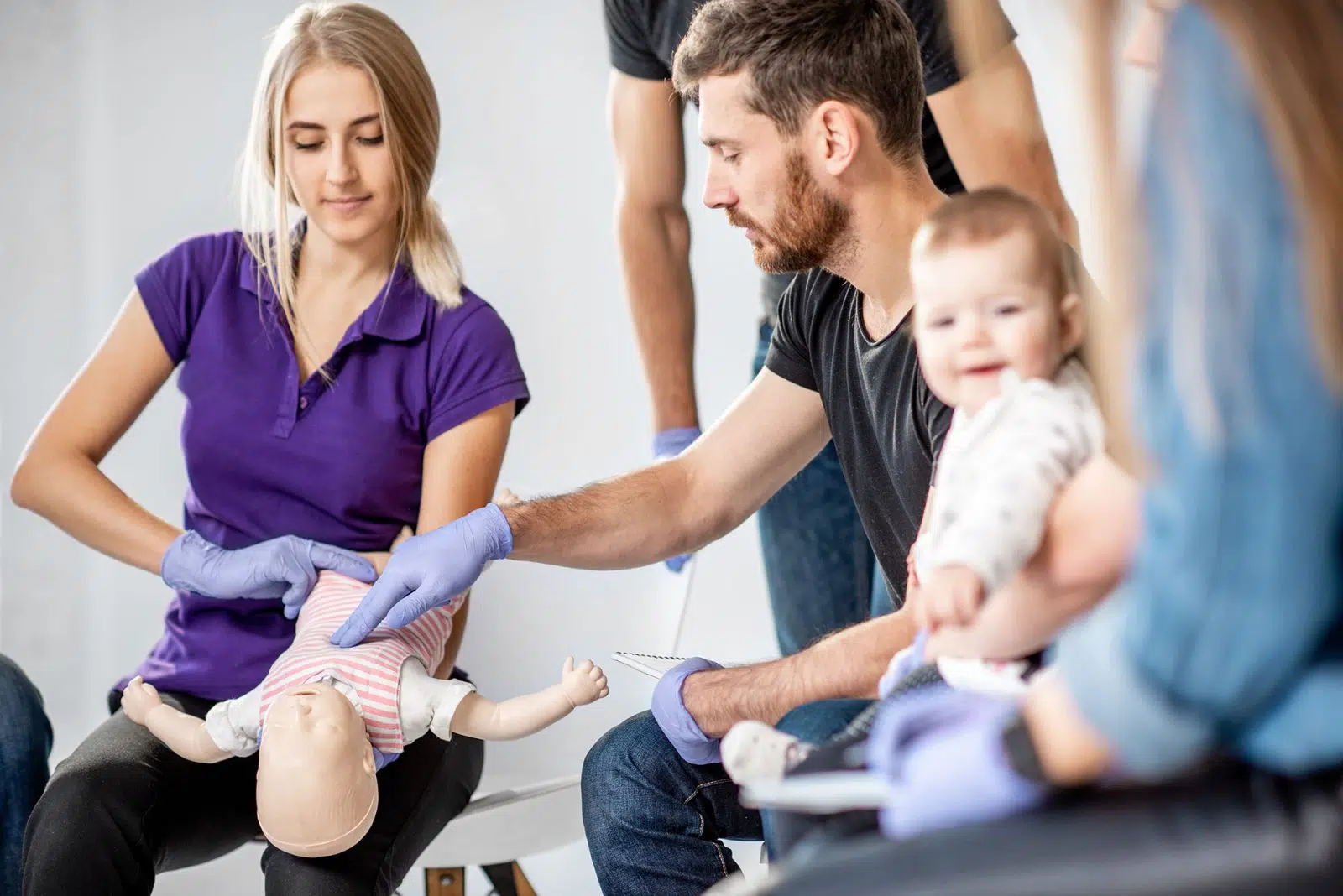
Group of people during the first aid training for baby

When a medical emergency occurs, knowing how to perform CPR can mean the difference between life and death. Many parents, caregivers, and professionals wonder whether taking a specialized infant CPR class is enough, or if they need a complete, full CPR certification.

Understanding the difference between Infant CPR vs Full CPR Certification comes down to anatomical requirements, technique variations, and certification scope. Performing adult resuscitation techniques on a baby can cause severe injury, while using delicate infant techniques on an adult will be ineffective.

In this guide, you will learn the physical differences in hand placement and compression depth, why rescue breathing varies by age group, and how to choose the right class for your needs.

What Is the Main Physical Difference in Performing Infant CPR vs Adult CPR?

The main physical differences between infant and adult CPR stem directly from human anatomy. An infant’s rib cage is far more flexible, their bones are softer, and their internal organs sit closer to the chest surface.

During adult CPR, a rescuer uses the heels of both hands on the center of the chest to depress the sternum at least 2 inches, up to 2.4 inches. Applying this level of force to a baby can cause severe internal injury.

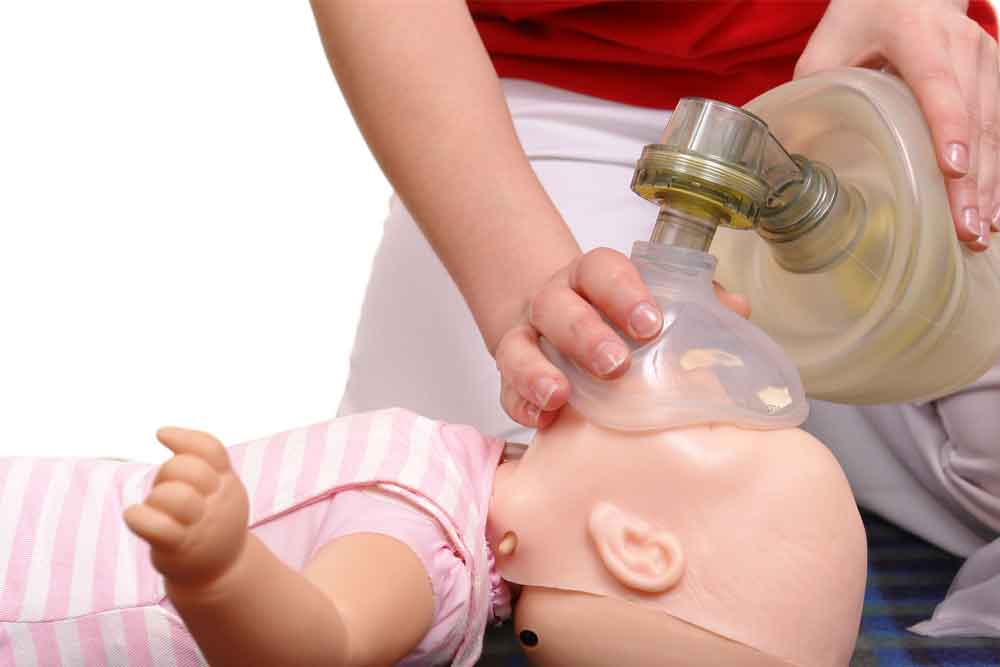
When performing CPR on an infant under 12 months old, rescuers modify their technique based on the number of rescuers present:

  • Single Rescuer Technique: Place two fingers in the center of the chest, just below the nipple line, and compress down about 1.5 inches.
  • Two-Rescuer Technique: Encircle the infant’s torso with both hands and press down on the sternum using both thumbs.
  • Compression Depth: Depress the chest about 1.5 inches, which equals approximately one-third the total depth of the infant’s torso.

Airway management also differs based on age. Opening an adult’s airway requires a pronounced head-tilt and chin-lift to pull the tongue away from the back of the throat.

Doing this to a baby can pinch their flexible trachea and block their airway. An infant’s head must be kept in a neutral position, often called the “sniffing position,” where the nose points straight up toward the ceiling without tilting the head back.

Why Is Rescue Breathing Managed Differently for Infants and Adults?

Rescue breathing protocols differ between infants and adults because of body size and the underlying root causes of cardiac events in different age groups.

Adult cardiac arrest usually stems from a primary cardiac event, such as a heart attack or arrhythmia. This means an adult’s blood still contains oxygen when they collapse, making continuous chest compressions the top priority to keep blood moving to the brain.

Infants rarely experience primary heart failure. Instead, infant cardiac arrest is almost always secondary to a severe respiratory issue, including:

  • Choking or foreign object airway obstruction
  • Near-drowning incidents
  • Severe asthma attacks or allergic reactions
  • Sudden Infant Death Syndrome (SIDS) or accidental suffocation

Because oxygen deprivation causes the infant’s heart to stop, rescue breaths are vital right from the start of resuscitation.

When delivering rescue breaths to an infant, place your mouth over both the baby’s mouth and nose simultaneously to create an airtight seal. Administer gentle puffs of air from your cheeks rather than deep, forceful breaths from your lungs, and watch for the chest to gently rise. For adults, cover only the mouth while pinching the nostrils closed, delivering full breaths until the chest rises.

What Does a Full CPR Certification Course Cover Compared to Infant-Only Modules?

A full CPR certification course, such as an American Heart Association (AHA) Basic Life Support (BLS) class, is a comprehensive credential covering emergency life support for adults, children, and infants.

While an infant-only workshop focuses strictly on pediatric choking relief and infant CPR, a full CPR certification course prepares you to handle emergencies across all age groups.

In a full AHA BLS certification class, you receive comprehensive training on:

  • Adult and Child Resuscitation: Step-by-step guidance on hand placement, chest compression rates between 100 and 120 beats per minute, and proper ventilation strategies.
  • Automated External Defibrillator (AED) Use: Hands-on practice placing and operating AED pads on adults, children, and infants using pediatric attenuators.
  • Multi-Rescuer Teamwork: Coordinating compression-to-ventilation ratios, switching roles to prevent fatigue, and managing high-performance team dynamics.
  • Airway Obstruction Relief: Practical techniques for clearing choking hazards in conscious and unconscious adults, children, and infants.
  • Official Certification eCard: Earning an OSHA-compliant, employer-accepted AHA BLS eCard valid for two years.

Who Needs an Infant CPR Class vs a Full CPR Certification?

Deciding between an infant-focused module and a full CPR certification depends on your workplace requirements, career path, and personal life.

Who Needs a Full CPR Certification?

Employers requiring official workplace safety compliance insist on full AHA BLS or CPR and First Aid certification. Professions that require full certification include:

  • Nurses, physicians, dental staff, and emergency medical technicians
  • Elementary, middle, and high school teachers, coaches, and administrators
  • Daycare directors, licensed childcare providers, and preschool staff
  • Lifeguards, swim instructors, personal trainers, and fitness instructors
  • Construction managers, electricians, and industrial safety officers

Who Benefits from Infant CPR Classes?

Informal infant CPR classes are ideal for individuals who want targeted skills to protect a baby in their care without needing a formal credential for work:

  • New and expectant parents
  • Grandparents and family caregivers
  • Babysitters and casual neighborhood nannies

If you work as a professional nanny or commercial daycare employee, state licensing boards typically require a full adult, child, and infant CPR and First Aid certification card rather than an informal infant-only class.

How Does AED Operation Change Between Infants and Adults?

Automated External Defibrillators (AEDs) deliver an electrical shock to reset the heart’s rhythm during sudden cardiac arrest. While AEDs guide rescuers with clear voice prompts, pad placement and energy levels change based on the victim’s age.

On an adult, place one AED pad on the upper right chest and the other pad on the lower left side of the torso. On an infant, standard pads are often too large and would touch each other if placed on the front of the chest. Rescuers must place one pad directly in the center of the infant’s chest and the second pad directly in the center of the back.

AEDs also adjust the shock energy delivered to infants. Most AEDs use pediatric attenuator pads or a key to reduce the electrical dose to a safe level for a baby’s heart. If pediatric equipment is unavailable during a life-threatening emergency, you can safely use standard adult pads placed on the front and back of the infant.

Why Choose CPR Classes Near Me for Your Certification?

Earning your certification through a trusted training provider ensures your skills are up to date and your credential is accepted by employers nationwide.

At CPR Classes Near Me, we provide hands-on, American Heart Association aligned training designed to fit your schedule:

  • Official AHA Certification: Earn an employer-accepted AHA BLS eCard recognized by hospitals, school districts, and corporate safety boards nationwide.
  • Same-Day eCard Delivery: Complete your class and receive your official digital certification card on the very same day.
  • Hands-On Learning: Practice compressions, rescue breathing, and AED operation on specialized adult, child, and infant manikins guided by experienced instructors.
  • Affordable Pricing: Basic Life Support courses start at $64.95, while combination CPR and First Aid classes are offered at $84.95.
  • Flexible Schedules: Select from convenient morning, evening, and weekend classes across our training locations.

Ready to Get Certified? Contact CPR Classes Near Me Today!

Whether you are a healthcare professional updating your credentials or a new parent learning life-saving emergency skills, hands-on training builds confidence when seconds count.

Understanding the differences between Infant CPR vs Full CPR Certification helps you choose the exact training you need to respond effectively in an emergency.

Don’t wait for an emergency to learn these critical skills. Contact CPR Classes Near Me today at (512) 831-4243 or visit our website to sign up for an upcoming class and receive your official certification card on the same day!

Frequently Asked Questions

Can I use adult CPR techniques on an infant in an emergency?

No, using adult CPR techniques on an infant can cause severe physical harm. Pressing down two inches with the full force of two hands can fracture an infant’s ribs and damage underlying organs. Always use two fingers or the encircle-thumb technique to compress an infant’s chest about 1.5 inches.

Is Infant CPR included in a standard BLS CPR certification course?

Yes, official American Heart Association (AHA) Basic Life Support (BLS) certification courses cover Infant CPR alongside Adult and Child CPR. Completing a full BLS certification ensures you are trained to perform CPR on victims of any age.

How often do I need to renew my CPR certification?

AHA BLS CPR certifications remain valid for two years from the issue date. To maintain your credentials and keep your workplace compliance active, you must complete a CPR renewal course every two years.

Can an AED be used on an infant under one year old?

Yes, an AED can be used on infants under one year of age. It is best to use pediatric attenuator pads that lower the energy shock. Place one pad on the center of the chest and the second pad on the center of the back to keep them from touching.

Are online-only CPR certifications accepted by employers?

Most healthcare employers, school boards, and state regulatory agencies reject online-only CPR certifications. Effective resuscitation requires hands-on skill evaluation using physical manikins. Authentic AHA certification requires an in-person, instructor-led skills evaluation.

BLS for Austin Nursing Students: What Local Programs Typically Expect

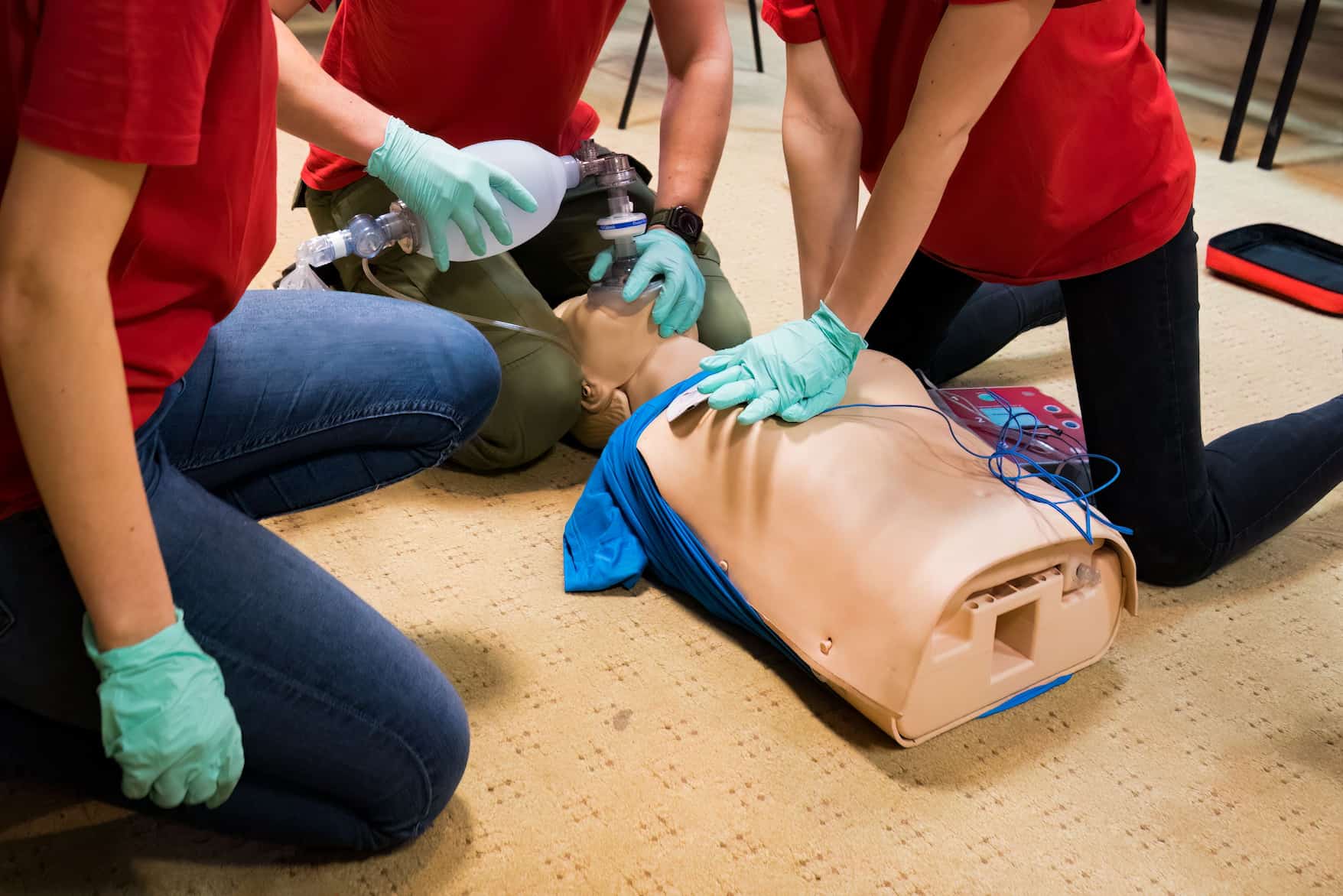
Students performing CPR and ventilation on a training manikin in class

Preparing for nursing school is an incredibly exciting milestone, but it also comes with a mountain of clinical compliance paperwork. Between background checks, immunization records, and drug screens, there is one critical credential you cannot afford to overlook: your Basic Life Support (BLS) certification.

If you are enrolling in a nursing program in the Austin area, you will quickly find that keeping an active BLS card is a strict, non-negotiable prerequisite for stepping foot in any local hospital or clinical facility. However, not all CPR courses are created equal. Slipping up and taking the wrong class can cost you time, delay your clinical rotations, and force you to pay for training twice.

In this comprehensive guide, we will break down exactly why Austin nursing schools are so strict about their BLS requirements, what you will experience during your training, and how to ensure your certification meets every local institutional standard.

Why Do Austin Nursing Programs Specifically Require BLS Certification?

To understand why local schools are so rigid about this requirement, you have to look at the clinical environments where you will be trained. Major healthcare networks throughout Central Texas—such as Ascension Seton, St. David’s HealthCare, and Baylor Scott & White—partner with local colleges to host nursing students for clinical rotations.

These hospital networks maintain strict patient safety standards. They mandate that anyone providing direct patient care, including student nurses, must be fully certified to respond to cardiac and respiratory emergencies. Because hospitals require their staff to hold professional-level lifesaver credentials, nursing schools must enforce the exact same standard.

Furthermore, general CPR classes designed for the public do not cover the advanced team-based dynamics and clinical scenarios you will encounter in a hospital ward. Basic Life Support training ensures that when a code is called on your floor, you can seamlessly jump in to assist the healthcare team without hesitation.

Which BLS Certifying Body Is Accepted by Local Nursing Schools?

There is one golden rule when it comes to clinical compliance in Central Texas: Your BLS certification must be from the American Heart Association (AHA).

While there are other national organizations that teach emergency resuscitation, local nursing programs and major hospital systems almost exclusively recognize the AHA. In fact, submitting a non-AHA card to your clinical coordinator is one of the most common reasons students get turned away on compliance day.

When searching for a local course, always look for the official American Heart Association seal. Many online providers use misleading language to make their courses look official, but they lack the genuine credentials required by academic institutions. Taking a course through an authorized training site like CPR Classes Near Me Austin guarantees that your card will be fully accepted.

Can I Take My BLS Certification Online for Nursing School?

The short answer is no. Virtually all nursing programs in Austin reject 100% online CPR certifications.

Online-only courses are popular because they are fast and cheap, but they lack the physical, hands-on practice that is vital to mastering life-saving skills. You cannot learn the physical muscle memory of proper chest compression depth, or the spatial coordination of operating an Automated External Defibrillator (AED), simply by clicking through slides on a computer.

To meet school requirements, you must complete an in-person class where an authorized instructor physically evaluates your technique on adult, child, and infant manikins. If you prefer a hybrid approach, the AHA does allow “blended learning,” where you complete the cognitive portion online and then attend an in-person hands-on skills session. However, a fully in-person class remains the most straightforward way to get certified and ask real-time questions.

What Skills Will You Learn in an Austin BLS Class?

An AHA BLS course is designed to prepare you for high-stress, multi-rescuer medical emergencies. Unlike basic community CPR, this curriculum focuses on the clinical precision needed in professional healthcare environments.

During your session, you will dive deep into both the theory and physical application of the following core emergency skills:

  • High-Quality CPR: You will learn the exact compression depth (at least 2 inches for adults) and rate (100 to 120 compressions per minute) required to keep blood circulating to vital organs.
  • Airway Management & Ventilation: Instructors will teach you how to use barrier devices and pocket masks, as well as how to coordinate two-rescuer bag-mask ventilation.
  • AED Operation: You will practice safely setting up, powering, and delivering shocks using an Automated External Defibrillator on both adult and pediatric victims.
  • Team Dynamics: Because hospital codes rely on seamless communication, you will practice multi-rescuer scenarios where you must delegate roles, communicate clearly, and minimize compression interruptions.
  • Choking Relief: You will master the foreign-body airway obstruction clearance techniques for conscious and unconscious adults, children, and infants.

How Long Does the BLS Certification Class Take to Complete?

For busy nursing students juggling heavy study loads, time is incredibly precious. Fortunately, the in-person BLS class is designed to be highly efficient.

At authorized AHA training centers, the entire course—including the instructional video, hands-on practice, physical skills evaluation, and written exam—takes approximately 3.7 hours to complete. Because the curriculum is highly structured, there is no wasted time.

Once you successfully complete the course, you do not have to wait weeks for your physical card to arrive in the mail. Providers like CPR Classes Near Me Austin issue your official AHA BLS eCard digitally on the very same day. This means you can immediately download the PDF and upload it directly to your school’s clinical compliance portal.

How Often Must Nursing Students Renew Their BLS Certification?

Your AHA BLS certification is valid for exactly two years from the month it was issued.

As a nursing student, it is your responsibility to monitor this expiration date closely. If your card expires in the middle of a semester, your clinical coordinator will immediately pull you from your hospital shifts until you provide proof of renewal. Missing clinical hours due to an expired card can delay your graduation or force you to retake a course.

Fortunately, renewing your card is simple. The renewal class is identical to the standard in-person BLS class, allowing you to quickly refresh your skills, pass the evaluation, and secure another two years of compliance in a single afternoon.

Ready to Complete Your Clinical Compliance?

Meeting your clinical prerequisites does not have to be stressful. If you are preparing to start your nursing journey in the Central Texas region, secure your schedule ahead of time to avoid last-minute registration rushes.

Get compliant, gain the confidence to handle cardiac emergencies, and set yourself up for clinical success. Contact CPR Classes Near Me today to book your in-person AHA BLS class and receive your official certification card on the very same day.

Frequently Asked Questions

What happens if my BLS card expires during my nursing school semester?

If your BLS certification expires during the academic semester, you will be barred from participating in clinical rotations until you complete a renewal class. To prevent clinical delays, it is best to renew your card at least one month before it expires.

How much does an AHA BLS class typically cost in Austin?

An authorized American Heart Association BLS class in Austin typically starts at $64.95. Be cautious of websites advertising cheaper online-only classes, as these do not include the hands-on skills testing required by nursing schools.

Is a standard First Aid card sufficient for nursing clinicals?

No, a standard First Aid card or general CPR card is not sufficient. Nursing programs specifically require the professional-grade “Basic Life Support (BLS) for Healthcare Providers” certification, which includes advanced clinical concepts and team rescue dynamics.

What should I wear to my in-person BLS class in Austin?

You should wear comfortable, casual clothing or clean nursing scrubs. The class involves significant physical activity, including kneeling on the floor to perform continuous chest compressions on practice manikins.

Do Austin nursing schools accept BLS cards from the Red Cross?

While some schools may technically accept American Red Cross BLS, the vast majority of Austin nursing programs and local hospital systems specifically mandate American Heart Association (AHA) certifications to maintain absolute uniformity across clinical teams.

BLS for Nurses in Austin: What to Know Before You Enroll

Demonstrating CPR (Cardiopulmonary resuscitation) training medical procedure on CPR doll in the class.Doctor and nurse students are learning how to rescue the patient.First aid for safe life concept.

Securing your Basic Life Support (BLS) certification is a non-negotiable step for healthcare professionals. Whether you are a nursing student preparing for clinical rotations at the University of Texas at Austin, a newly licensed Registered Nurse (RN) joining the team at Ascension Seton, or an experienced nurse relocating to Central Texas, having the right credential matters.

The state of Texas enforces strict compliance standards for medical facilities, meaning an incorrect or unapproved certificate can stall your employment or pull you off the floor. Navigating the local options can feel overwhelming when balancing a hectic shift schedule.

This guide breaks down exactly what Austin healthcare employers look for, how to avoid common certification traps, and what you will experience during your training session. Here is everything you must evaluate before choosing your local training site.

Why Do Austin Healthcare Employers Reject Online-Only BLS Certifications?

When searching for convenient training options, you will likely encounter web-based programs promising fast, fully online CPR certification. While these programs claim convenience, nearly all major hospital networks and clinical sites across Austin explicitly reject them.

Healthcare environments require physical mastery of lifesaving skills. Online-only courses cannot evaluate your compression depth, hand placement, or your ability to establish a tight seal on a bag-mask ventilator.

To meet the high compliance standards of institutions like St. David’s HealthCare or Dell Children’s Medical Center, your training must include a live, physical component. Authentic competency is developed by working over a physical manikin, experiencing real-time feedback, and responding to simulated cardiac emergencies alongside peers.

Which BLS Certification Provider Is Globally Recognized by Medical Facilities?

The American Heart Association (AHA) is the gold standard for healthcare provider resuscitation training. The AHA Basic Life Support course is the specific program required by virtually every hospital system, outpatient surgery clinic, and nursing program in Central Texas.

Choosing an unaligned third-party provider often results in a wasted financial investment and a rejected credential. Employers demand an official AHA BLS Provider eCard because it proves you have been evaluated under the most rigorous, scientifically vetted guidelines.

CPR Classes Near Me is an authorized American Heart Association training site serving the greater Austin metroplex. Enrolling with an approved AHA partner ensures your training adheres to current Emergency Cardiovascular Care (ECC) standards, making your completed credential universally accepted.

What Core Resuscitation Skills Are Covered in an Austin Nurse BLS Course?

An authentic healthcare provider course goes far beyond the basic chest compressions taught to the general public. As a nurse, you are expected to step into leadership roles during a code blue or a sudden respiratory arrest.

The comprehensive curriculum focuses deeply on high-quality multi-rescuer resuscitation. You will master critical team dynamics, learning exactly how to communicate clearly and trade roles efficiently to prevent rescuer fatigue.

The physical skills segments train you extensively in adult, child, and infant rescue procedures. You will practice using advanced barrier devices, administering precise ventilations with a bag-mask device, delivering shock protocols via an Automated External Defibrillator (AED), and executing immediate foreign-body airway obstruction clearance.

How Long Does the In-Person BLS Certification Class Take to Complete?

Your schedule as a nursing professional or a student is packed tightly with clinical shifts, lectures, and studying. Finding a program that respects your limited free time without cutting corners on educational quality is paramount.

A standard, comprehensive in-person BLS course takes approximately 3.7 hours to finish from start to finish. Per strict American Heart Association regulations, all approved training sites must display the foundational training video modules completely during class.

At our local training centers, this 3.7-hour session is streamlined to maximize engagement and efficiency. You will participate in live lectures, review real-world emergency scenarios, execute your hands-on practice, and complete your written examination all within a single morning or afternoon.

When and How Will I Receive My Official BLS Provider Certification Card?

Waiting days or weeks for a physical certificate to arrive in the mail can jeopardize your job placement or delay your clinical start date. Modern healthcare credentialing relies entirely on digital validation.

Upon successfully passing your hands-on skills test and the written exam, your instructor will issue your official AHA BLS Provider eCard on the exact same day. There is no processing delay or administrative lag.

This digital certificate is sent straight to your email inbox before you leave the training facility. It contains a secure, unique identification profile that your employer can instantly verify online, giving you immediate compliance paperwork to submit to your HR department or clinical coordinator.

Where Are the Most Convenient BLS Training Locations in the Austin Area?

Proximity and accessibility play a massive role when picking an emergency training provider. You shouldn’t have to battle gridlock traffic across the local highways just to renew your essential professional credentials.

To serve the local nursing community effectively, classroom options are strategically situated around the metroplex. For centralized access, you can visit the Central Austin training facility situated at 5540 N Lamar Blvd, Suite A, Austin, TX 78756. This location features plenty of accessible on-street parking, with entry glass doors clearly marked on the side of the building.

If you live or work closer to the northern suburbs, a dedicated training site operates in the Pflugerville corridor at 1006 Old Austin Hutto Rd Suite 101, Pflugerville, TX 78660. Both locations provide clean, professional, and fully equipped environments designed to make your learning experience smooth and comfortable.

How Much Should I Expect to Pay for an Austin Healthcare BLS Class?

Professional licensing requirements can quickly pile up with hidden fees and expensive study materials. Transparency in pricing allows you to fulfill your mandatory employment obligations without overextending your budget.

High-quality, official AHA Basic Life Support training in the local market starts at an affordable $64.95. This competitive pricing includes your complete live instruction, dedicated use of sanitized equipment, and the execution of your testing elements.

If your current nursing position or facility mandate requires comprehensive emergency readiness, you can also opt to combine your training. Adding professional First Aid training to your AHA BLS course is available starting at $84.95, providing a cost-effective way to secure dual certifications in a single visit.

What Is the Expiration and Renewal Timeline for Texas Nursing BLS?

An American Heart Association BLS certification remains fully valid for exactly two years from the month it is issued. Keeping track of this timeline is vital, as practicing with an expired card can trigger immediate disciplinary action or suspension at many local clinical facilities.

The renewal process follows the exact same structure as the initial provider path. Because emergency resuscitation guidelines are continuously updated with the latest survival data, the AHA requires all renewing professionals to undergo the full in-person training curriculum to refresh their physical muscle memory.

Planning ahead and booking your update course approximately 30 days before your current card expires ensures that you experience absolutely zero gaps in your active employment status.

Conclusion: Take the Next Step for Your Nursing Career

Securing a valid, employer-accepted BLS certification doesn’t have to be a stressful or overly complicated roadblock. By choosing an authorized in-person AHA course, you guarantee that your credentials will pass institutional compliance checks on the first try while gaining true confidence to manage acute cardiac emergencies.

Do not risk your shift compliance or clinical placement with an unverified online course. Contact CPR Classes Near Me today to view our upcoming calendar, secure a seat at our Central Austin or Pflugerville locations, and walk away with your official same-day AHA BLS eCard.

Frequently Asked Questions (People Also Ask)

Do Austin hospitals accept online-only BLS certificates?

No, the vast majority of hospitals, outpatient care networks, and clinical facilities across Austin do not accept online-only certifications. Medical employers require an in-person, hands-on skills assessment to verify your practical competency before allowing you to provide direct patient care.

How long does a standard BLS certification remain valid?

An official American Heart Association (AHA) BLS certification is valid for exactly two years from the date of issue. To maintain active compliance for your nursing license and employment, you must complete a renewal course before that two-year window closes.

Can I get my BLS certification card on the same day as my class?

Yes, when you train with CPR Classes Near Me, your instructor will issue your official AHA BLS Provider eCard digitally on the very same day you pass the course. You will receive an email containing your secure certificate before leaving the training center.

Is the BLS class for initial certification different from a renewal class?

Under current AHA operational rules, the core curriculum and physical skills testing are identical for both initial certification and renewal students. This structure guarantees that every practicing healthcare professional reviews the exact same updated life-support protocols every two years.

What should I wear to my in-person BLS training session in Austin?

You should wear loose, comfortable clothing or clinical scrubs to your session. The course requires active physical participation, including bending, kneeling on the floor, and delivering continuous chest compressions on physical manikins for extended periods.

Fastest Ways to Renew BLS in Austin: Same-Day AHA Cards

Maintaining your clinical credentials should not require jumping through endless corporate hoops or losing days of valuable shift work. For medical staff, first responders, and emergency personnel throughout Travis and Williamson counties, keeping a Basic Life Support status active is a non-negotiable professional mandate. If your current credential is close to its expiration date, finding an efficient path to renew BLS in Austin is essential to preventing any gaps in your employment eligibility.

The process does not have to be long or overly complicated. By choosing an optimized, American Heart Association (AHA) authorized training site, you can finish your entire update in just a single afternoon or morning block. You will walk out of the classroom fully authorized and prepared for your shifts.

This comprehensive guide breaks down the quickest pathways to secure your official documentation, explores what to expect during your hands-on classroom review, and shows you how to receive your digital verification card the very same day.

How Long Does an Official BLS Renewal Class in Austin Take?

When you need to renew BLS in Austin, the total time commitment is a major priority. An official, fully accredited AHA BLS renewal class is completed in a single in-person session lasting approximately 3.7 hours. This focused time block guarantees that you fulfill every national training criterion established by the American Heart Association without any unnecessary delay.

During this focused session, you will fast-track through core concepts while prioritizing high-quality muscle memory. The instructional flow is designed for professionals who have seen this material before but require a strict review of updated guidelines. You will watch the official AHA instructional modules, practice with high-fidelity manikins, and finish your skills test in under four hours.

This streamlined setup eliminates the need for multi-day seminars or prolonged lectures. It provides the ideal balance of speed and thoroughness, allowing busy medical workers to easily schedule their training around demanding hospital shifts or clinic hours.

Can You Earn Your AHA BLS Certification with Same-Day Card Delivery?

Yes, you can absolutely earn your official digital documentation on the exact same day that you complete your classroom work. The modern standard for clinical verification relies entirely on the AHA eCard system, which cuts out the old-fashioned wait times associated with physical paper certificates.

As soon as your instructor verifies your successful written exam score and passes your manual rescue skills evaluation, your digital eCard is processed. Your secure digital profile updates in real time, sending an official credential directly to your email inbox before you leave the parking lot.

[Classroom Dismissal] ➔ [Instructor Digital Sign-Off] ➔ [Instant Email Notification with eCard Link]

This rapid turnaround is a lifesaver if you are facing a strict human resources deadline at your hospital or clinic. Instead of waiting days for processing, you can immediately print your electronic certificate or forward the official verification link directly to your employer’s compliance portal.

Why In-Person Training is the Quickest Pathway to Employer Acceptance

While online-only shortcuts might seem tempting when looking to renew BLS in Austin, they almost always lead to compliance issues. The vast majority of healthcare organizations, emergency networks, and corporate medical boards across Texas strictly reject any Basic Life Support credentials that lack a live, monitored manual skills check.

In-person sessions ensure you receive direct feedback on compression depth, recoil speed, and ventilation volume. Learning from live instructors who are seasoned emergency response experts gives you a major advantage, ensuring your physical technique is up to standard.

  • Real-time Corrections: Instructors tweak your hand placement instantly, ensuring you do not form bad habits.
  • Guaranteed Compliance: In-person AHA training satisfies all strict OSHA guidelines and hospital credentialing rules.
  • True Equipment Practice: You get to work with actual automated external defibrillator (AED) trainers and pocket masks, building real confidence.

Choosing a certified in-person class protects you from wasting money on a cheap online certificate that your employer will turn down, forcing you to start the process all over again.

What Lifesaving Protocols are Covered in an Advanced Austin CPR Renewal?

A professional Basic Life Support update goes far beyond basic first aid tips. It is a highly technical review of the chain of survival for adults, children, and infants, tailored specifically for multi-rescuer clinical environments.

High-Quality Compressions ➔ Advanced Airway Management ➔ Rapid AED Integration ➔ Team Dynamics

Your classroom training covers the precise mechanics of high-quality chest compressions, ensuring you hit the exact depths and rates required for maximum blood flow. You will also practice advanced ventilation techniques using bag-mask devices and barrier shields, ensuring smooth oxygen delivery with minimal interruptions.

A major focus of the modern curriculum is perfecting team dynamics. You will practice coordinated rescue scenarios where multiple providers must seamlessly manage roles, clear airways, trade off compressions, and operate an AED together. This direct training ensures you can walk back onto your clinic floor ready to communicate clearly and act decisively during sudden cardiac events.

Who is Required to Hold a Valid Basic Life Support Recertification in Texas?

Basic Life Support compliance forms the foundational safety backbone across the entire Central Texas medical community. If your daily work involves direct patient care, diagnostics, or emergency management, keeping this credential current is a core professional duty.

Registered Nurses and Certified Nursing Assistants operating in acute care facilities, hospitals, and long-term care environments rely on this certification to manage advanced multi-rescuer system dynamics. The intense nature of hospital care means these professionals must refresh their muscle memory regularly to maintain high-quality intervention standards under pressure.

Medical office personnel and dental clinic staff require this validation to ensure rapid airway clearance and immediate AED use during outpatient emergencies. Because sudden cardiac events can happen in specialized clinical waiting rooms, administrative and support staff must remain just as prepared as frontline emergency nurses.

Physical therapists, occupational specialists, and sports medicine units utilize this training to recognize sudden adult cardiac arrest during rehabilitation sessions. Meanwhile, first responders and public safety personnel utilize these fast-track updates to ensure high-quality compressions during high-stress field operations throughout the metropolitan area.

Outside of traditional hospital settings, this level of validation is regularly required for private health specialists, dental surgeons, athletic coaches, and childcare directors. Anyone tasked with supervising vulnerable groups can benefit from holding the highest standard of life-saving validation available.

Where Can You Find Convenient Training Locations Throughout the Austin Metro Area?

You do not have to drive far to find exceptional local training options. High-quality registration portals provide flexible classroom scheduling distributed across multiple neighborhoods to keep your commute as short as possible.

Whether you need a convenient morning slot at a primary Austin training hub or an evening class in Austin North, you can easily find options that fit your schedule. Local classes also serve surrounding communities like Pflugerville, Round Rock, Cedar Park, Lakeway, Buda, and Kyle.

If you are managing a larger team at an outpatient center, urgent care clinic, or local school district, you can arrange custom group training sessions. Certified instructors will travel directly to your facility anywhere in the region, bringing all the necessary manikins and testing gear to certify your whole staff at once right on-site.

How Much Does a Local AHA BLS Class Cost and What is Included?

Quality emergency training should be both reliable and affordable. In the local region, an official AHA BLS certification class starts at a discounted promotional rate of $64.95, giving you a top-tier educational experience at an accessible price.

Be Smart with Your Credentials: If a local provider lists prices that seem too good to be true, double-check for the official American Heart Association seal. Many unaccredited online businesses sell cheap, unofficial certifications that fail to meet employer standards, costing you more time and money in the long run.

Your registration fee covers everything you need for success. It includes your full classroom session, hands-on practice equipment, your formal skills assessment, and the issuance of your official same-day digital eCard. There are no hidden processing fees or surprise charges at checkout.

Secure Your Same-Day Certification Today

Do not risk missing shifts or losing your professional compliance status due to an expired card. Securing an official, affordable, and incredibly fast update is simple and stress-free. With expert-led classes that take less than four hours and provide immediate digital documentation, you can easily check this requirement off your list.

Take a moment to view the upcoming calendar options at our local training hubs, pick the time slot that fits your schedule, and complete your registration in just a few clicks. Contact CPR Classes Near Me today to secure your seat and protect your clinical credentials!

Frequently Asked Questions About Local BLS Recertification

How long does an official BLS renewal certification last?

An official American Heart Association Basic Life Support credential remains fully valid for exactly two years from the final day of your course completion. Once that two-year window closes, you must complete another approved classroom renewal session to keep your active employment status.

Is there a difference between a standard BLS course and a renewal class?

Content-wise, the core guidelines, skills tests, and written exams are identical for both versions. Because the AHA requires all authorized training sites to present the complete instructional material and video sequences, a renewal class features the same comprehensive information as an initial certification course.

Can I complete my entire BLS recertification online?

No, a 100% online course will not earn you an universally accepted professional credential. True employer-compliant validation requires an in-person skills check to verify your manual technique, compression depth, and ventilation timing.

What happens if my current BLS credential has already expired?

If your card has passed its expiration date, you need to sign up for an upcoming classroom session as soon as possible. Most clinical employers do not offer a grace period and will immediately take you off active shifts until you show an updated, valid AHA eCard.

Is there a minimum age requirement to take an Austin CPR renewal course?

There is no official minimum age limit enforced by the American Heart Association for this training. Anyone who can independently understand the course material and physically perform high-quality chest compressions on the training manikins is welcome to enroll.

CPR Certification for Nursing School: Avoiding Rejected Credentials

Entering nursing school is a whirlwind of textbooks, clinical rotations, and a mountain of paperwork. Among the most critical documents in your compliance folder is your CPR certification. However, many students face a frustrating setback: they spend time and money on a course only to have their clinical site or nursing program reject the certificate.

How do you ensure your credentials are accepted the first time? This guide breaks down exactly what nursing schools require and why choosing the right provider is the most important step in your professional journey.

Why is specific CPR certification required for nursing school?

Nursing schools and hospitals have a legal and ethical responsibility to ensure that every individual providing patient care is trained to the highest possible standard. In a healthcare setting, “standard CPR” isn’t enough.

Nursing programs require Basic Life Support (BLS). Unlike general CPR courses designed for the public, BLS is specifically tailored for healthcare providers. It covers advanced techniques including:

  • Multi-rescuer team dynamics.
  • The use of Bag-Valve Masks (BVM).
  • Critical thinking in a clinical environment.

Without the correct BLS credential, you cannot participate in clinicals, which can delay your graduation or even lead to dismissal from the program.

Which CPR provider do nursing schools actually accept?

The healthcare industry has a clear favorite: the American Heart Association (AHA). While there are many organizations that offer CPR training, the vast majority of nursing schools and hospital systems in the United States only accept AHA BLS Provider cards.

Why is the AHA the gold standard?

  1. Evidence-Based Guidelines: They set the national standards for resuscitation science.
  2. Consistency: An AHA card earned in Florida represents the same level of skill as one earned in Texas.
  3. Universal Recognition: It is the most widely recognized and employer-accepted certification nationwide.

Before you book a class, check your school’s handbook. If it says “AHA BLS for Healthcare Providers required,” any other brand—regardless of how professional the website looks—will likely be rejected.

Can you get CPR certification online for nursing school?

This is the most common reason for rejected credentials. Many students search for “fast CPR certification” and end up on websites offering 100% online courses for a low fee.

Nursing schools will almost never accept a 100% online CPR certificate.

The reason is simple: you cannot prove you can save a life through a computer screen. Real-world CPR requires physical stamina, the correct hand placement, and the proper depth of compressions.

  • The Problem: Online-only courses lack “skills testing.”
  • The Result: Hospitals and schools view these as “awareness” courses, not “certification” courses.
  • The Solution: You must attend an in-person, instructor-led class or a “blended” course that includes a hands-on skills session with a certified instructor.

What is the difference between BLS and Heartsaver?

When browsing for classes, you will see two main categories: BLS and Heartsaver. Choosing the wrong one is a guaranteed way to have your credentials rejected.

  • BLS (Basic Life Support): This is for nurses, doctors, EMTs, and nursing students. It focuses on healthcare-level intervention.
  • Heartsaver: This is for the general public, teachers, and fitness trainers. It is less intensive and does not meet the requirements for nursing school clinicals.

Always ensure you are signing up for the AHA BLS Provider course. At CPR Classes Near Me, we specialize in this specific certification to ensure our students are always compliant with their school’s demands.

How do you verify your CPR card is authentic?

Fraudulent “certification mills” are a real threat. To avoid being a victim of a scam, look for these three things:

  1. The AHA Seal: The official American Heart Association logo should be present on the training site’s website and the card itself.
  2. Electronic Verification: AHA now issues eCards. You should receive a digital link that allows you and your school to verify your certification through the official AHA website.
  3. Physical Presence: A legitimate provider will have a physical training location where you perform compressions on a manikin.

How can you avoid last-minute credential rejection?

To keep your clinical start date on track, follow this simple checklist:

  • Verify the Requirement: Confirm your school requires “AHA BLS Provider.”
  • Avoid “Online-Only”: If there is no manikin involved, it isn’t valid for nursing school.
  • Check the Provider: Ensure the company is an authorized AHA Training Site.
  • Get Same-Day Results: Nursing schools often have tight deadlines. Choose a provider like CPR Classes Near Me that issues your eCard the same day you finish.
  • Save Your eCard: Keep your digital certificate in a dedicated “Compliance” folder on your phone for easy access during clinical audits.

Why should nursing students choose CPR Classes Near Me?

We understand the pressure nursing students are under. You don’t just need a card; you need the confidence to act in a code blue situation and the peace of mind that your paperwork is bulletproof.

When you train with us, you benefit from:

  • Guaranteed Acceptance: We are an American Heart Association Certified Training Site. Our cards are accepted by nursing schools and hospitals nationwide.
  • Expert Instructors: Learn from professionals who make the training engaging and practical for your future career.
  • Efficiency: We offer flexible scheduling and issue your AHA BLS eCard the very same day.
  • In-Person Training: We provide the hands-on practice you need to master chest compressions, AED use, and rescue breathing.

Don’t risk your clinical placement with a “cheap” online course. Invest in a certification that counts.

Contact CPR Classes Near Me today to schedule your AHA BLS certification and start your nursing journey with confidence!

Frequently Asked Questions (FAQ)

1. Does my nursing school accept Red Cross CPR?

While the Red Cross is a reputable organization, many nursing schools and hospitals specifically mandate American Heart Association (AHA) certification. It is vital to check your program’s specific requirements before enrolling, as most prefer or strictly require AHA BLS.

2. How long does the BLS certification last?

Your AHA BLS certification is valid for two years. You must complete a renewal course before the end of the month in which your card expires to maintain your clinical eligibility.

3. What happens if I show up to clinicals with an online-only CPR card?

In most cases, you will be sent home immediately. Clinical sites require hands-on verification of your skills. Being sent home can result in an unexcused absence, which may impact your grade or standing in the nursing program.

4. Is the AED part of the BLS course?

Yes. The AHA BLS course includes comprehensive training on the use of an Automated External Defibrillator (AED) for adults, children, and infants. This is a core requirement for healthcare provider certification.

5. Can I get my CPR card the same day?

Yes, at CPR Classes Near Me, we issue your official American Heart Association BLS eCard the same day you complete your class. This ensures you can meet your school’s compliance deadlines without delay.