Are You Making These 7 Common CPR Certification Mistakes?

CPR training session with students practicing chest compressions on a first aid mannequin

Getting your CPR certification is one of the most proactive steps you can take to protect your family, coworkers, and community. However, simply showing up to a class doesn’t guarantee you’ll walk away with the skills—or the confidence—to save a life. Many students fall into the same traps, leading to ineffective techniques or even failing their practical exams.

At CPR Classes Near Me, we’ve seen thousands of students walk through our doors. We’ve noticed a pattern in where people struggle most. Whether you are a first-timer or a seasoned pro looking for a renewal, understanding these common pitfalls is the first step toward mastery.

In this guide, we’ll dive deep into the most frequent CPR certification mistakes and, more importantly, how you can avoid them to ensure you’re ready when the clock is ticking.

Why is proper hand placement so important?

One of the most frequent errors we see in the classroom is incorrect hand placement. It sounds simple—place your hands in the center of the chest—but in the heat of a timed assessment, many students drift.

Some students place their hands too high, near the neck, or too low, over the stomach (xiphoid process). Placing hands too low can cause internal injuries, such as a fractured breastbone or damage to the liver, rather than effectively pumping the heart.

To avoid this:

  • Locate the “Nipple Line”: For an adult, the center of the chest between the nipples is your target.
  • Use the Heel of Your Hand: Only the heel of your bottom hand should touch the chest. Interlace your fingers and pull them upward so they don’t press against the ribs.
  • Lock Your Elbows: Keep your arms straight and your shoulders directly over your hands. This allows you to use your body weight rather than just your arm strength.

Are your compressions deep enough to save a life?

“Push harder” is the most common phrase heard in a CPR class. It is human nature to be afraid of hurting the person you are trying to help. Students often perform “shallow” compressions because they are worried about breaking ribs.

However, if you don’t compress the chest at least 2 inches for an adult, the blood simply won’t reach the brain. During certification, manikins are designed with internal “clickers” or lights to tell you if you’ve hit the right depth. If you don’t hear that click, you aren’t doing effective CPR.

How to get it right:

  1. Trust the Manikin: Use the practice time to find the “sweet spot” where the click occurs.
  2. Accept the Risk: Understand that ribs may crack during real CPR, and that is a secondary concern compared to a stopped heart.
  3. Lean Into It: Use your upper body weight to drive the compression. If you find yourself getting tired quickly, you’re likely using only your arms.

Is your compression rate too fast or too slow?

Timing is everything. If you go too slow, you won’t maintain enough blood pressure to keep the brain alive. If you go too fast (over 120 beats per minute), the heart doesn’t have enough time to refill with blood between squeezes.

Many students get nervous and start pumping as fast as they can, which is a recipe for exhaustion and ineffective resuscitation.

To stay on track:

  • Think of the Music: The classic song “Stayin’ Alive” by the Bee Gees is 103 beats per minute—the perfect pace. Other options include “Dancing Queen” by ABBA or “Just Dance” by Lady Gaga.
  • Count Out Loud: “One, two, three, four…” Counting out loud helps you maintain a steady rhythm and keeps your breathing regulated.
  • Practice with a Metronome: Many modern CPR classes use metronomes or apps to help students internalize the 100–120 BPM rhythm.

Do you forget to let the chest recoil?

This is the “silent killer” of effective CPR. Recoil is the act of letting the chest come all the way back up to its neutral position after a compression.

Many students “lean” on the chest. This means they never fully release the pressure between compressions. If the chest doesn’t fully recoil, the heart can’t refill with blood. It’s like trying to pump a half-empty bellows—you’re working hard, but very little is happening.

How to avoid leaning:

  • Lighten the Load: After the downward push, make sure your weight is completely off the manikin, though your hands should remain in contact with the skin so you don’t lose your placement.
  • Think “Up and Down”: Focus as much on the “up” motion as you do on the “down” motion.
  • Check Your Posture: If you are leaning too far forward, you’ll naturally keep weight on the chest. Ensure your shoulders are directly over your hands, not in front of them.

Are you over-inflating the lungs during rescue breaths?

While many layperson classes focus on “Hands-Only CPR,” most certification levels still require rescue breaths. A common mistake is blowing too much air or blowing too hard into the victim.

Over-inflating the lungs can cause air to enter the stomach (gastric inflation). This often leads to vomiting, which can block the airway and create a much messier, more dangerous situation.

To give perfect breaths:

  • Watch the Chest: You only need to provide enough air to see the chest visibly rise. As soon as it starts to lift, stop blowing.
  • One Second Each: Each breath should last about one second.
  • Tilt the Head: Ensure you are using the “head-tilt, chin-lift” maneuver to open the airway properly. If the airway isn’t open, the air won’t go in no matter how hard you blow.

Why do students hesitate to use an AED?

In a certification class, the Automated External Defibrillator (AED) is often the part that makes students the most nervous. They worry about “zapping” someone who doesn’t need it or getting the pads in the wrong place.

The truth is, an AED is designed to be foolproof. The biggest mistake is delaying its use. Every minute that passes without a shock (if one is needed) decreases the chance of survival by about 10%.

To master the AED:

  1. Turn it on immediately: As soon as the device arrives, power it up. It will talk you through the rest of the steps.
  2. Follow the pictures: The pads have clear diagrams showing exactly where to place them.
  3. Clear the area: Ensure no one is touching the person when the AED is analyzing the rhythm or delivering a shock.

Is your certification actually valid?

Believe it or not, one of the biggest “mistakes” happens before you even step into a classroom: choosing the wrong course. There are many “online-only” certifications that claim to be valid but are not accepted by employers or OSHA because they lack a hands-on skills assessment.

If you need a certification for work—whether you are a teacher, a construction worker, or a coach—you must ensure the course includes an in-person component with a certified instructor.

How to choose correctly:

  • Check Accreditation: Look for courses backed by the American Heart Association (AHA) or the American Red Cross.
  • Avoid “Instant” Online Certificates: If there is no manikin involved, your employer likely won’t accept it.
  • Verify the Type: Ensure you are taking a “Provider” level course if required for your job, rather than just a general awareness class.

How can you summarize these common errors?

To ensure you are fully prepared, it is helpful to look at these mistakes as a checklist for your next practice session. Avoiding these specific errors will significantly improve your chances of passing your exam and saving a life.

  • Hand Placement: Instead of drifting toward the ribs or neck, keep your hands centered between the nipples to avoid internal injury.
  • Compression Depth: Don’t be afraid to push. You must reach at least 2 inches to circulate blood; use the manikin’s feedback lights or clicks as your guide.
  • Rhythm and Pace: Avoid the urge to rush. Stay between 100 and 120 beats per minute by using a song or metronome to guide your speed.
  • The Recoil Phase: Remember that the heart fills when you let go. Never lean on the chest; allow it to return to its natural height after every push.
  • Ventilation Volume: Don’t over-inflate. Stop your rescue breath the moment you see the chest rise to prevent stomach inflation and vomiting.
  • AED Speed: Never wait to use an AED. The moment it is available, turn it on and let the voice prompts lead the way.
  • Course Choice: Avoid the “online only” trap. Ensure your certification includes an in-person skills check to meet workplace requirements.

Conclusion

Mastering CPR isn’t about being a medical genius; it’s about muscle memory, composure, and following the most up-to-date guidelines. By being aware of these common certification mistakes—like leaning on the chest or pushing too shallowly—you can focus your training on the techniques that actually save lives.

When you train with CPR Classes Near Me, our experienced instructors are dedicated to catching these mistakes early. We provide the hands-on feedback you need to feel confident, not just during your test, but in a real-world emergency. Don’t wait until a crisis happens to realize your technique is off.

Ready to get certified the right way? Contact CPR Classes Near Me today to find a local, accredited class that fits your schedule!

Frequently Asked Questions (FAQ)

Can I fail a CPR certification class?

Yes, it is possible to fail if you cannot demonstrate the physical skills required by the certifying body. This usually involves failing to reach the correct compression depth, rate, or failing to use the AED safely. However, a good instructor will work with you during the practice session to ensure you are ready before the final test.

Do I have to do mouth-to-mouth during the test?

In most certified “Healthcare Provider” or “Professional Rescuer” courses, rescue breaths are required. However, many “Heartsaver” or layperson courses focus on “Hands-Only” CPR. Most classes will provide a pocket mask or a barrier device so you are never in direct contact with the manikin’s mouth.

What happens if I break a rib during CPR?

In a real-life emergency, breaking a rib is a common side effect of high-quality CPR. The priority is to circulate blood to the brain. Most “Good Samaritan” laws protect rescuers from liability for such injuries during life-saving attempts. In a certification class, you practice on manikins to learn the right amount of force to use.

How often do I need to renew my certification?

Most CPR certifications are valid for two years. Because guidelines are updated periodically and physical skills can degrade over time, you must take a renewal course every 24 months to remain “current.”

Are online-only CPR certifications legitimate?

While online courses provide great theoretical knowledge, most employers and regulatory bodies (like OSHA) do not recognize “online-only” certifications. To be fully certified, you almost always need a “Blended Learning” approach where you complete the theory online but perform the physical skills in front of a certified instructor.

How Long Does CPR Certification Take? A Realistic Timeline

CPR and Sports

So, you’ve decided it’s time to get CPR certified. Maybe it’s a requirement for your new job in healthcare, or perhaps you’re a coach, a teacher, or just a prepared neighbor who wants to know what to do in a crisis. One of the first questions everyone asks is: “How long is this actually going to take?”

In our fast-paced world, finding a four-hour block of time can feel like a tall order. However, when you realize that the skills you learn in those few hours could literally save a life, the investment feels much smaller. The good news is that modern CPR training is designed to be efficient, engaging, and faster than you might think.

At CPR Classes Near Me, we specialize in getting you trained and certified without wasting a second of your time. Let’s break down exactly what you can expect when it comes to the clock.

What Factors Determine the Length of a CPR Class?

Not all CPR classes are created equal, and the duration can fluctuate based on several variables. If you are looking for a “one-size-fits-all” answer, you might be surprised to find that the timeline depends largely on your specific needs.

  • The Certification Level: A basic course for a construction worker will naturally be shorter than a Basic Life Support (BLS) course for a cardiac nurse.
  • The Training Format: Are you sitting in a classroom for the whole session, or did you do half of it in your pajamas at home?
  • The Instructor’s Efficiency: Experienced instructors, like those at our AHA-certified sites, know how to keep the class moving without sacrificing quality.
  • Class Size: A class of four people moves much faster than a class of twenty, as there is less waiting time for hands-on practice.
  • The Addition of First Aid: Adding First Aid modules to your CPR training will add a significant chunk of time—usually between 1.5 to 2 hours.

How Long Does a Standard Adult CPR Course Take?

For most people in the general public, a standard Adult CPR and AED course is the go-to option. This course focuses on the fundamentals: recognizing cardiac arrest, calling 911, and performing high-quality chest compressions until help arrives.

On average, you can expect an in-person Adult CPR/AED class to last between 2 and 2.5 hours.

During this time, you will cover:

  • Scene safety and assessment.
  • Adult chest compressions.
  • Rescue breathing (with or without a mask).
  • Proper use of an Automated External Defibrillator (AED).
  • Choking relief for adults.

This timeframe is designed to give you enough “reps” on the manikin so that your muscle memory kicks in during a real emergency, while still getting you out the door in time for lunch.

Is BLS Training Longer Than a General CPR Class?

If you work in a medical environment, you likely need Basic Life Support (BLS). Because this is a “professional” level course, it goes deeper than the standard layperson class.

A full, in-person BLS course typically takes about 4 to 4.5 hours.

Why does it take longer? Because the stakes and the techniques are more complex. In a BLS class, you aren’t just learning how to help a stranger on the sidewalk; you are learning how to work as part of a high-performance rescue team. You will spend extra time on:

  1. Two-rescuer CPR techniques.
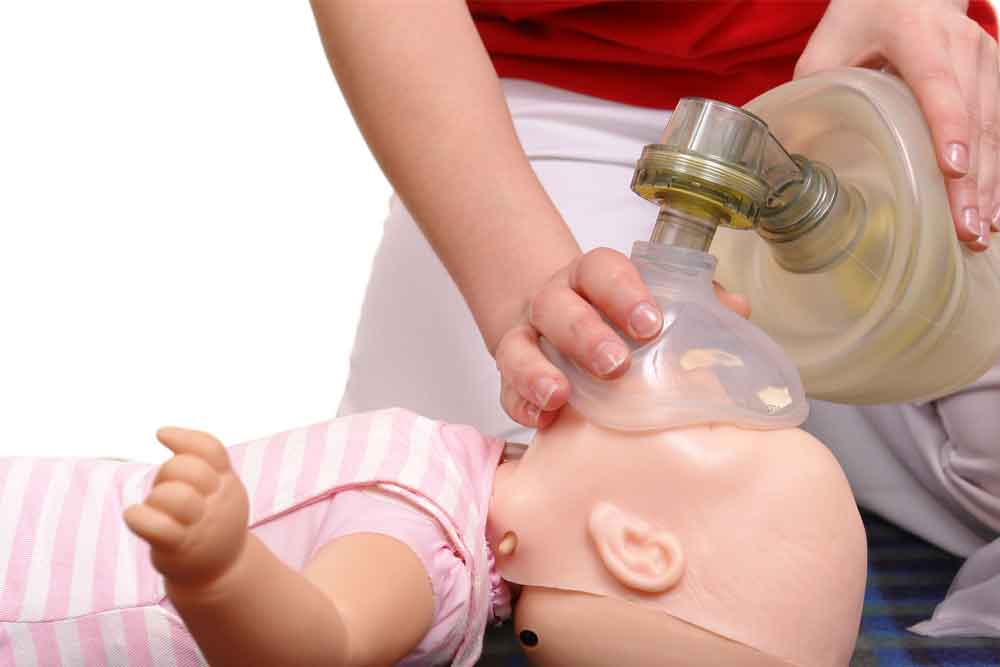
  2. Using a bag-valve mask (BVM) to provide ventilations.
  3. Pulse checks and more advanced assessment skills.
  4. Pediatric and infant CPR (which are often optional in basic classes).

At CPR Classes Near Me, we streamline this process. By focusing on hands-on mastery rather than long, boring lectures, we ensure that those 4 hours are packed with value.

How Much Time Should You Allot for CPR and First Aid Together?

Many employers—especially in childcare, education, and construction—require a “Combo” card: Heartsaver First Aid, CPR, and AED. This is the “complete package” of emergency preparedness.

If you are taking the full classroom version, you should plan to spend 4 to 6 hours at the training center.

The First Aid portion usually takes about 2 to 3 hours on its own because it covers a massive range of topics, including:

  • Allergic reactions and EpiPen use.
  • Bleeding control and tourniquets.
  • Broken bones, sprains, and splinting.
  • Seizures, strokes, and diabetic emergencies.
  • Environmental emergencies like heatstroke or hypothermia.

While it’s a longer day, it’s often the most cost-effective and time-efficient way to get all your requirements checked off in a single visit.

Can You Complete CPR Certification Online in Less Time?

Technically, yes, but there is a major “but.” You will see many websites offering 100% online CPR certification that takes about 60 to 90 minutes. While these are fast and convenient, they come with a significant risk: most employers and OSHA do not accept online-only certificates.

CPR is a physical skill. You can’t learn the correct depth and rhythm of chest compressions by clicking a mouse.

However, there is a middle ground called Blended Learning. This is how it works:

  • Part 1 (Online): You complete the lecture and video portions at your own pace (usually 1.5 to 2 hours).
  • Part 2 (Skills Session): You come to one of our locations for a focused, hands-on test (usually 30 to 60 minutes).

Total “active” time is about the same as an in-person class, but it allows you to split the work up over two different days if your schedule is tight.

How Long Does the In-Person Skills Session Take for Hybrid Classes?

If you chose the blended learning path, your “in-person” time is drastically reduced. At CPR Classes Near Me, our skills-only sessions are designed for efficiency.

You can usually expect to be in and out in 45 to 60 minutes.

Because you’ve already completed the written exam and watched the instructional videos online, the instructor only needs to verify that you can physically perform the skills. You’ll walk in, demonstrate compressions, use the AED, show you can handle a choking scenario, and you’re done. It is the perfect option for busy professionals who can’t commit to a full half-day in the classroom.

Does Recertification Take as Long as the Initial Course?

If your card is about to expire (or has recently expired), you don’t necessarily have to sit through the “beginner” version of the class again. Many providers offer Renewal or Update courses.

A renewal course usually takes about 2 to 3 hours for BLS.

These sessions assume you already have a foundation of knowledge. The instructor will quickly review any updates to the AHA guidelines (which change every few years) and then move straight into the skills testing. It’s a great way to “refresh” your memory without starting from scratch.

Note: If your certification has been expired for a long time, some instructors may require you to take the full course again to ensure you are up to date with the latest life-saving protocols.

What Can You Expect During the Training Session?

Knowing what happens during those hours can help ease any “class anxiety.” Here is a realistic breakdown of how a typical 3-hour class at CPR Classes Near Me is structured:

  1. Introduction and Video (30 mins): You’ll watch high-quality simulations of real-world emergencies.
  2. Instructor Demonstration (20 mins): A certified pro will show you exactly how the manikins work and the proper body mechanics for compressions.
  3. Hands-on Practice (60 mins): This is the core of the class. You’ll get down on the floor and practice until you feel confident.
  4. AED Training (20 mins): You’ll learn how to turn on the machine and follow its voice prompts.
  5. Skills Testing (30 mins): The instructor will watch you perform the skills one last time to ensure you’ve got it.
  6. Certification Processing (20 mins): We finalize your paperwork and, in most cases, issue your digital eCard before you even leave the building.

Conclusion: A Small Investment for a Lifetime of Preparedness

When you ask, “How long does CPR certification take?” the answer is really: not long enough to justify waiting. Whether it’s a 2-hour basic class or a 4-hour BLS intensive, you are essentially trading one afternoon for the ability to keep a heart beating until the paramedics arrive.

At CPR Classes Near Me, we pride ourselves on making this process as painless as possible. We offer convenient locations, expert instructors who actually make the material interesting, and a guarantee that you’ll receive your AHA eCard the same day you finish.

Don’t wait for an emergency to realize you aren’t prepared. Contact CPR Classes Near Me today to find a session that fits your schedule and get certified in just a few short hours!

Frequently Asked Questions (FAQ)

Q: Can I get my CPR card on the same day as the class?

A: Yes! At CPR Classes Near Me, we issue American Heart Association eCards on the same day you complete your training. You will receive an email with your digital card shortly after the class ends.

Q: Is the 2-year certification period the same for all types of CPR?

A: Generally, yes. Both AHA BLS and Heartsaver certifications are valid for two years. After that, you must take a renewal course to maintain your status.

Q: Do I have to take a written test to get certified?

A: For BLS (Healthcare Provider) courses, a written exam is required and usually consists of 25 multiple-choice questions. For many general Heartsaver courses, the focus is primarily on the physical skills test, though some employers may request a written component.

Q: Is the time for a pediatric CPR class different from an adult one?

A: If you are taking a “Pediatric-only” class, it is usually about 2 hours. If you are taking a “Comprehensive” class that covers Adults, Children, and Infants, expect the class to run about 3.5 to 4 hours.

Q: What happens if I fail the skills test?

A: Our instructors are there to help you succeed! If you struggle with a specific skill, they will provide extra coaching and let you practice until you can perform it correctly. Most students pass on their first try after our guided practice sessions.

Online vs. In-Person CPR Training: Which is Right for You?

In today’s digital world, you can learn almost anything online—from cooking to coding. But when it comes to life-saving skills like Cardiopulmonary Resuscitation (CPR), the decision between clicking “play” on a video and stepping into a classroom carries a lot more weight.

Whether you are a nurse renewing your BLS credential, a teacher preparing for the school year, or a parent wanting peace of mind, choosing the right class format is critical. You might be wondering: Is an online certificate actually valid? or Do I really need to spend hours in a classroom?

As a premier provider of CPR Classes Near Me, we understand the confusion. In this guide, we will break down the pros and cons of online versus in-person training so you can choose the path that fits your schedule—and keeps you compliant.

What is In-Person CPR Training?

In-person training is the traditional method of learning CPR. You attend a scheduled class at a local facility, guided by a certified instructor. These sessions are designed to be interactive, physical, and comprehensive.

Why Choose In-Person Training?

The primary advantage of in-person training is the hands-on experience. CPR is a physical skill. Watching a video of someone performing chest compressions is very different from pushing down on a high-fidelity manikin yourself.

  • Muscle Memory: You physically practice the depth and rate of compressions (100-120 per minute), ensuring you “feel” what it takes to circulate blood manually.
  • Immediate Feedback: If your elbows are bending or you aren’t pushing hard enough, an instructor corrects you instantly. This prevents you from developing bad habits that could be fatal in a real emergency.
  • Equipment Familiarity: You get to handle an AED (Automated External Defibrillator), practice applying pads, and listen to the device’s voice prompts in a controlled setting.

Are There Downsides?

The main hurdle for most people is logistics. You have to drive to a location and commit a few hours of your day. However, providers like CPR Classes Near Me optimize these sessions to be efficient, often issuing your American Heart Association (AHA) eCard the very same day.

What is Online CPR Training?

Online CPR training delivers course content via digital modules. You read text, watch instructional videos, and take quizzes on your computer or smartphone.

The Appeal of Online Courses

The biggest selling point is flexibility. You can pause the training to take a call, finish it at 2 AM in your pajamas, or break it up over several days. For those who just want knowledge for personal reasons and don’t need a work-recognized card, this can be a convenient option.

The Hidden Trap: Employer Acceptance

Here is the catch that trips up many professionals: Online-only certifications are rarely accepted by employers in healthcare, childcare, or industrial safety.

Most regulatory bodies, including OSHA and the American Heart Association, require a hands-on skills check for a certification to be valid. If you take a 100% online course that does not require you to touch a manikin, there is a high probability your employer will reject it, forcing you to pay for and attend an in-person class anyway.

Will My Employer Accept an Online Certification?

This is the most common question we hear. If you are taking CPR for a job requirement, the answer is almost always no—unless it includes an in-person skills session.

Who Typically Requires In-Person Training?

  • Healthcare Providers: Nurses, doctors, CNAs, and EMTs generally require AHA Basic Life Support (BLS), which mandates a skills test.
  • Childcare Workers: Daycares and schools usually require state-approved training that includes physical practice.
  • Construction & Safety: OSHA guidelines strongly emphasize the need for physical practice to verify competency.

If you submit an online-only certificate to a hospital or school district, you risk being non-compliant. It is always safer to choose a course that guarantees hands-on verification.

Comparison: Online vs. In-Person at a Glance

Not sure which way to lean? Here is a quick comparison of how the two formats stack up.

  • Convenience: Online wins for scheduling, but In-Person wins for “one-and-done” completion (no need to schedule a separate skills check later).
  • Cost: Online courses often appear cheaper upfront, but hidden fees for “skills sessions” or having to retake a rejected class can make them more expensive in the long run.
  • Confidence: In-Person is superior. Real-life emergencies are stressful; having physical muscle memory helps you act on instinct.
  • Validation: In-Person training is universally accepted. Online-only is frequently rejected for professional use.

Is Blended Learning a Good Compromise?

Blended learning is a hybrid model where you do the “book work” online and then come into a facility for a short skills session. While this offers some flexibility, you still have to travel to a training center to meet with an instructor.

At CPR Classes Near Me, we focus on providing high-quality, efficient in-person classes. We find that completing the theory and the skills together in one cohesive session often leads to better retention and a smoother experience—plus, you walk out with your certification card in hand immediately.

Why “CPR Classes Near Me” is Your Best Option

We know your time is valuable. That’s why we have streamlined the in-person experience to be as painless and professional as possible.

  • AHA Certification: We issue American Heart Association cards, the gold standard in the industry.
  • Same-Day Certification: No waiting by the mailbox. You qualify, you pass, you get your eCard.
  • Expert Instructors: Our team consists of healthcare and safety professionals who make the class engaging, not boring.
  • Locally Owned: We are part of your community, helping Austin stay safe.

When you weigh the risks of an online course being rejected against the confidence and compliance of in-person training, the choice is clear.

Ready to Get Certified?

Don’t risk your compliance or your confidence with a “click-through” course. Get real hands-on training that empowers you to save a life.

Contact CPR Classes Near Me today to check our schedule and book your seat.

FAQs

Q: Can I get CPR certified entirely online?

A: You can find websites that will issue a “certification” online, but it is important to know that these are typically not recognized by employers, OSHA, or hospitals. To be fully certified—especially for a job—you almost always need a hands-on skills evaluation with an instructor.

Q: How long does an in-person CPR class take?

A: Class times vary by provider, but our streamlined BLS and CPR classes are designed to be efficient. You can typically expect to spend a few hours learning and practicing, ensuring you leave confident without taking up your entire day.

Q: Is online CPR training valid for OSHA?

A: generally, no. OSHA standards state that online training alone does not meet the requirements for first aid and CPR training because it lacks the physical skills demonstration. A hands-on component is required.

Q: Do I need a book for the class?

A: For American Heart Association classes, students are usually required to have access to the student manual. Check with your specific class registration details to see if the book is included or needs to be purchased separately.

Q: How often do I need to renew my certification?

A: Most CPR and BLS certifications, including those from the AHA, are valid for two years. You must retake a course before your card expires to remain compliant.

Q: What is the difference between CPR and BLS?

A: CPR (Cardiopulmonary Resuscitation) is a general term for the lifesaving technique. BLS (Basic Life Support) is a higher-level certification specifically for healthcare providers (nurses, doctors, EMTs) that covers team dynamics, advanced airways, and 2-rescuer scenarios.

7 Essential First Aid Skills That Can Save Lives

Essential First Aid Skills

7 Essential First Aid Skills That Can Save Lives

Essential First Aid Skills

When it comes to emergencies, being equipped with basic first aid skills can make a world of difference. Whether at home, work, or in public spaces, having the knowledge to provide immediate assistance can truly be lifesaving. In this article, we’ll delve into seven fundamental first aid skills that everyone should know.

Understanding Basic First Aid Skills

1. Assessing the Situation

The first step in any emergency is to assess the situation. Check for potential dangers and ensure the safety of both the victim and yourself. Assess the victim’s responsiveness and breathing. Learning this initial assessment can help determine the necessary steps to take. First aid training includes scenarios and simulations. Participants practice evaluating different emergency situations, honing their ability to make quick and informed decisions. This practical approach ensures that individuals not only understand the theoretical aspects but also develop hands-on proficiency in assessing various scenarios.

The ability to assess an emergency situation is foundational in providing effective first aid. Beyond the initial assessment, first aid training involves immersive scenarios and simulations. These exercises enhance participants’ practical skills, enabling them to make swift and well-informed decisions in diverse emergency situations. This hands-on approach not only reinforces theoretical knowledge but also cultivates a confidence in assessing and responding to various scenarios, making the learning experience more robust.

2. Cardiopulmonary Resuscitation (CPR)

CPR is a vital skill that can keep someone alive until professional help arrives. Acquire the precise chest compression and rescue breathing methods. Getting certified through courses like those offered by CPR Classes Near Me can provide hands-on training for CPR, ensuring you’re equipped to respond confidently during emergencies.

Participants delve into variations in performing CPR on different age groups. The course covers the nuances of administering CPR to infants, children, and adults, adapting techniques to the specific needs of each age category. This comprehensive approach ensures that individuals completing first aid training are versatile in their life-saving abilities.

CPR remains a crucial life-saving skill, and specialized courses, such as those offered by CPR Classes Near Me, provide hands-on training. Going beyond the basics, these courses explore the nuances of performing CPR on individuals of different age groups. From infants to adults, participants gain a comprehensive understanding of tailored approaches, ensuring versatility in responding confidently during emergencies involving people of all ages.

3. Bleeding Control

Knowing how to control bleeding is crucial. Applying pressure to the wound and using bandages or clothing can help stem the flow of blood. Elevating the injured area and maintaining pressure until help arrives is key in managing bleeding. Moreover, first aid training provides insights into the different types of bleeding and their respective treatments. Participants learn to distinguish between arterial, venous, and capillary bleeding, tailoring their response to the specific circumstances. This detailed knowledge ensures a more targeted and effective approach in controlling bleeding in various situations.

Managing bleeding is a critical first aid skill, and training goes beyond basic techniques. Participants learn to differentiate between arterial, venous, and capillary bleeding, adapting their responses accordingly. This detailed knowledge ensures a more targeted and effective approach in controlling bleeding in various situations. Additionally, first aid training emphasizes the importance of sustained pressure and proper wound care until professional help arrives.

4. Treating Burns

Understanding how to treat burns is essential. Run cool water over the burn for several minutes and cover it with a clean, dry cloth. Avoid using ice or butter, as they can worsen the injury. Learning the appropriate steps to take can prevent further damage.

First aid training covers the classification of burns based on severity. Participants learn to differentiate between first-degree, second-degree, and third-degree burns, each requiring a specific approach. This nuanced understanding enables individuals to provide tailored care, promoting optimal recovery for burn victims.

Proper burn care involves more than just running water over the affected area. First aid training covers the classification of burns based on severity, empowering individuals to provide nuanced care. This understanding enables responders to differentiate between first-degree, second-degree, and third-degree burns, ensuring appropriate and tailored interventions for optimal recovery.

5. Dealing with Fractures

In cases of suspected fractures, immobilize the injured area to prevent further harm. Use splints or improvised materials like cardboard or rolled-up newspapers to support the injured limb. Learning the proper handling of fractures is crucial to avoid aggravating the injury.

Participants in first aid training not only learn basic fracture stabilization techniques but also explore advanced methods. The course covers the use of traction and the importance of realigning displaced bones before immobilization. This comprehensive knowledge ensures a more effective response in complex fracture scenarios.

First aid training not only covers basic fracture stabilization techniques but also delves into advanced methods. Participants learn about the use of traction and the significance of realigning displaced bones before immobilization. This comprehensive knowledge equips individuals to respond effectively in complex fracture scenarios, preventing further harm and promoting the best possible outcomes for the injured.

6. Choking Incidents

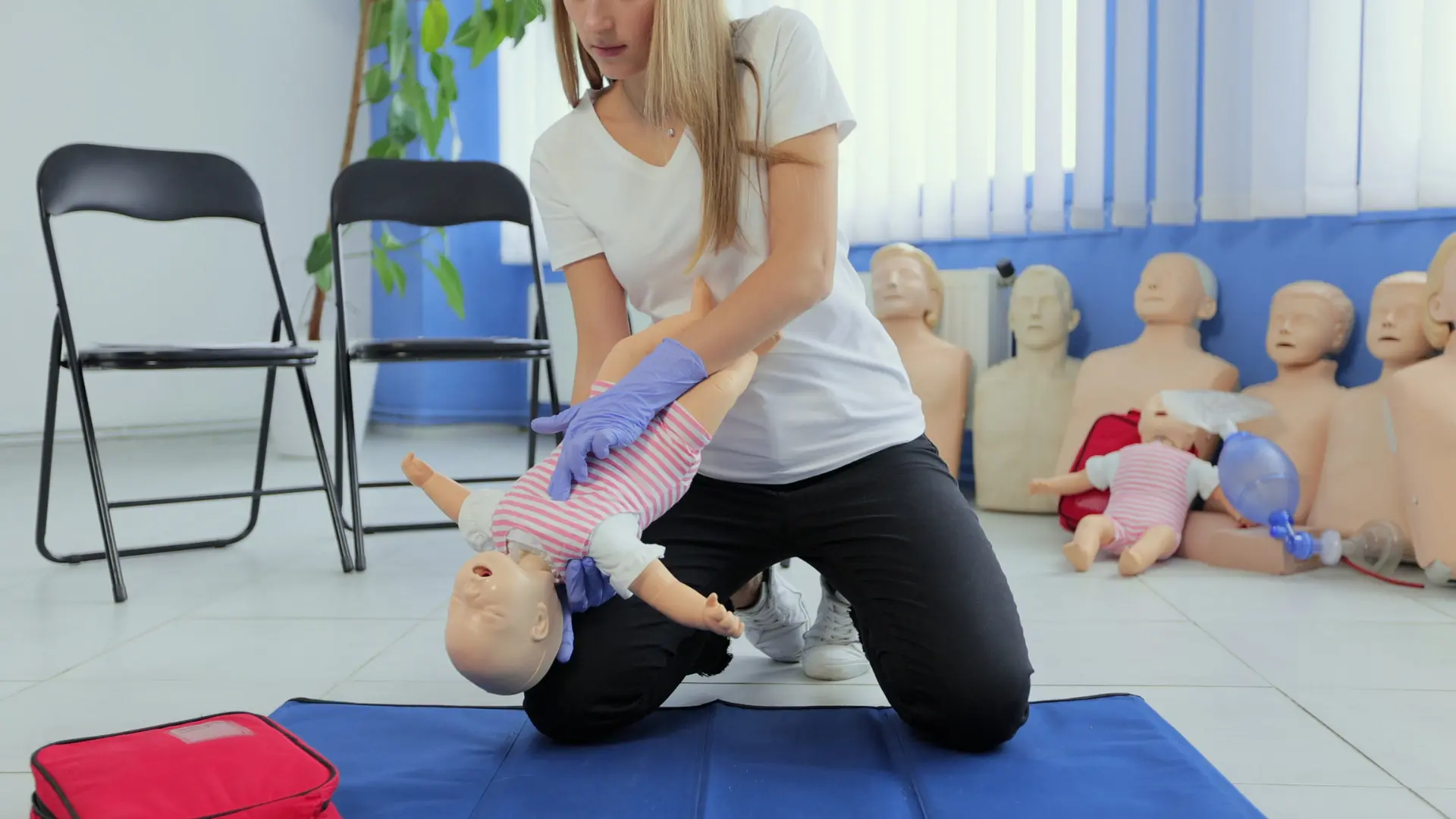
Knowing how to handle choking situations is critical. Perform the Heimlich maneuver for adults or back blows and chest thrusts for infants and children to dislodge an obstructed airway. Proper training can ensure you react effectively in these tense moments.

Expanding on choking incident response, first aid training includes practice scenarios with different types of airway obstructions. Participants simulate various situations, including conscious and unconscious victims, reinforcing their ability to adapt techniques based on the specific circumstances. This practical approach enhances confidence and effectiveness in real-life choking emergencies.

Choking situations require quick and effective responses. First aid training includes practice scenarios with various types of airway obstructions, allowing participants to simulate responses to conscious and unconscious victims. This practical approach enhances confidence and adaptability in real-life choking emergencies, ensuring that individuals can apply appropriate techniques based on specific circumstances.

7. Recognizing and Responding to Heart Attacks

Being able to recognize the signs of a heart attack—such as chest pain, shortness of breath, and nausea—is essential. Call emergency services immediately and assist the person by keeping them calm and comfortable while waiting for help to arrive.

Further, first aid training delves into the emotional and psychological aspects of assisting individuals experiencing a heart attack. Participants learn effective communication strategies to keep the victim calm and reassured, minimizing stress and contributing to a more favorable outcome. This holistic approach ensures that responders not only address the physical symptoms but also provide crucial emotional support during a heart attack.

Beyond recognizing the physical symptoms of a heart attack, first aid training addresses the emotional and psychological aspects of assistance. Participants learn effective communication strategies to keep the victim calm and reassured. This holistic approach ensures that responders not only address the physical symptoms but also provide crucial emotional support during a heart attack, contributing to a more favorable outcome.

Boost Your Ability to Save Lives with CPR Classes Near Me

Take a proactive step towards becoming a confident and effective responder in critical situations by enrolling in the comprehensive courses offered at CPR Classes Near Me. We understand the importance of simplicity and practicality in life-saving skills, making our training accessible to everyone.

Our courses go beyond traditional approaches, breaking down complex techniques into easy-to-understand steps. Whether you’re a beginner or looking to refresh your skills, our expert instructors guide you through hands-on exercises, ensuring you grasp the essentials of CPR and other life-saving procedures.

We prioritize real-world scenarios, allowing you to apply your knowledge in a simulated environment. This practical approach not only reinforces your understanding but also builds the confidence needed to act swiftly and decisively during emergencies.

Investing in your education with CPR Classes Near Me means you’re not just learning; you’re gaining the skills that can make a difference when it matters most. From basic CPR to advanced life support techniques, our courses cover a spectrum of scenarios, ensuring you’re well-prepared for various emergency situations.

Join our community of empowered individuals who have chosen to take control of their ability to respond in emergencies. Enroll today, and let us  be your partner in enhancing your life-saving skills. Your journey to becoming a certified and confident first aid responder starts here!

Conclusion

Being equipped with basic first aid skills can make a significant difference in emergency situations. However, the knowledge and confidence to act appropriately come with learning and practice. Consider enrolling in certified courses like those offered by CPR Classes Near Me to gain hands-on training and certification in first aid skills.

Remember, being prepared and knowing how to respond can truly save lives. Train yourself with the information and assurance to act quickly and successfully during emergencies.

By mastering these essential first aid skills, you can become a crucial link in the chain of survival.

Explore our all-location page for in-depth CPR and first aid training. Find a nearby training center to be prepared – your readiness can be a lifeline for others.

AHA BLS CPR & AED Classes

Starting at $59.95
American Heart Association BLS CPR & AED Certification 
Our CPR Trainers are American Heart Association Certified. We teach the best CPR Classes and deliver your certification eCard the same day. Get your AHA BLS CPR Certification and save now!