Infant CPR Classes in Washington DC: Lifesaving Skills for Your Child

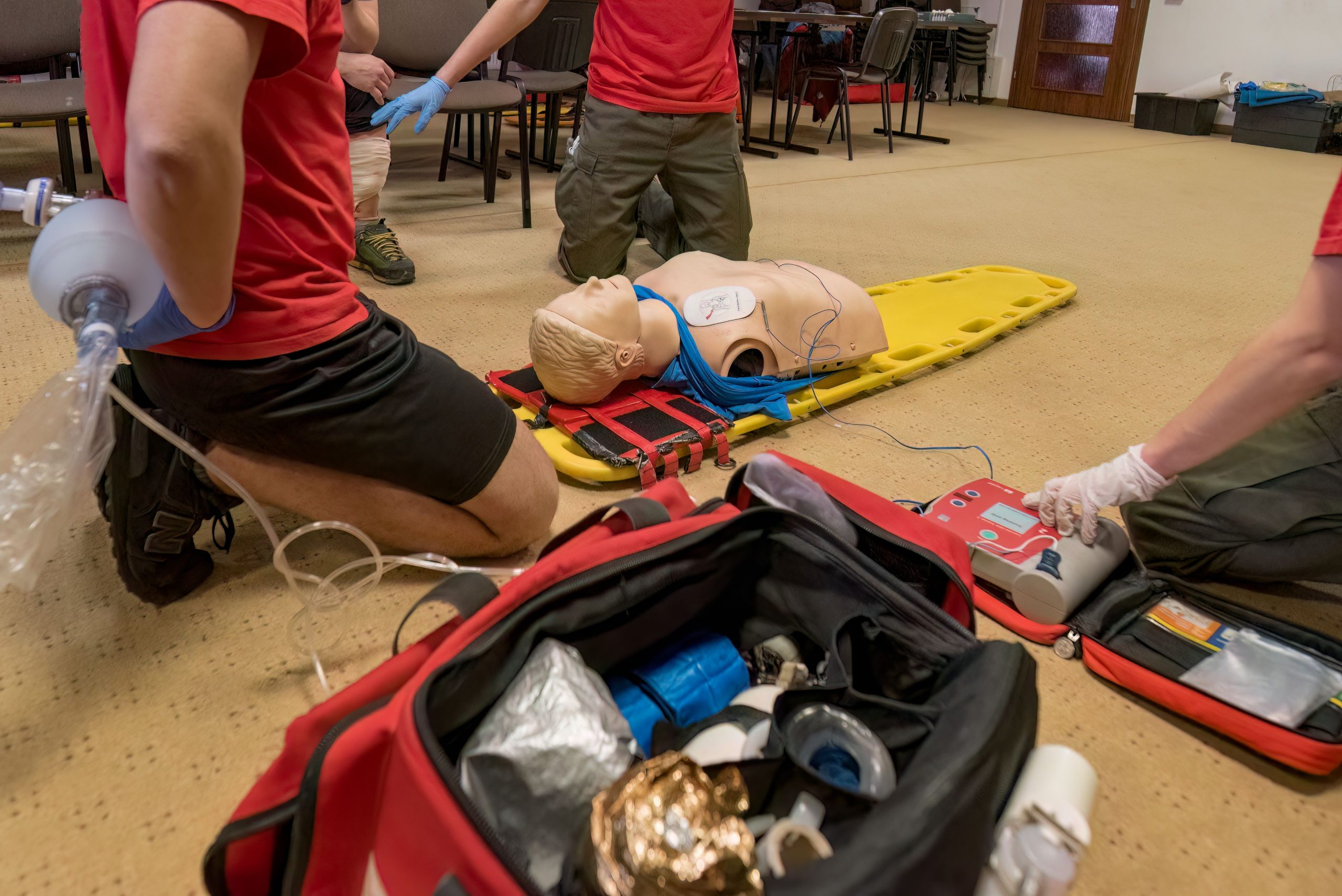
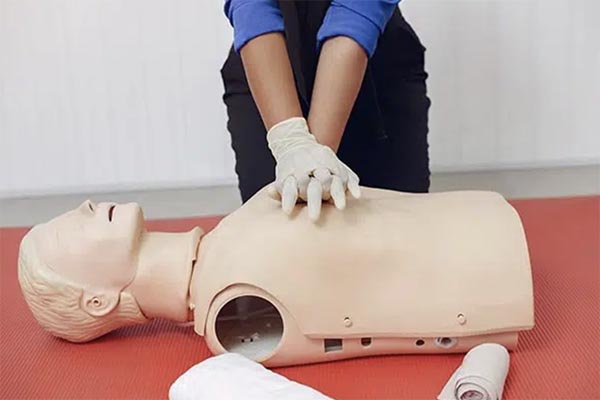
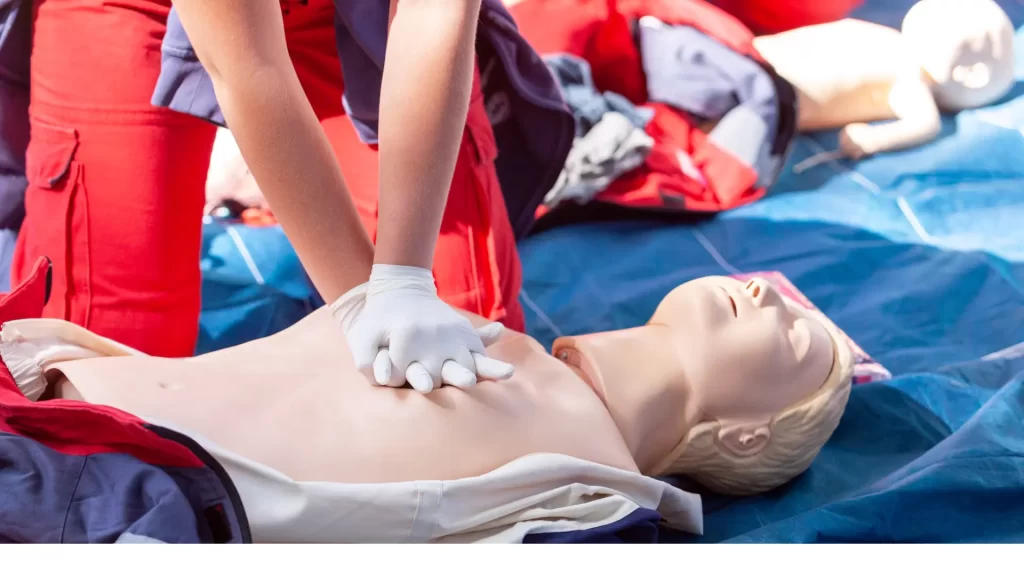
Healthcare trainee holding a baby training doll during practice

TL;DR: Infant CPR Classes in Washington DC

Infant CPR training in Washington DC is essential for parents, caregivers, and professionals. To ensure you’re fully prepared and certified for DC requirements:

  • Focus on AHA BLS Certification: Choose an American Heart Association (AHA) Basic Life Support (BLS) course. This is the gold standard, universally accepted by DC employers, and covers CPR for Infants, Children, and Adults.
  • Infant CPR is Unique: Techniques for babies (under 1 year) are drastically different, requiring specific two-finger chest compressions and gentle breaths.
  • Hands-On Training is Essential: Avoid online-only courses. In-person, hands-on training is required to build muscle memory, ensure proper technique for infants, and receive a valid, accepted AHA eCard (often issued the same day).
  • Comprehensive Coverage: BLS training includes life-saving skills for all ages, plus training on AED use and choking relief.
  • Action: Get Your CPR Certification with CPR Classes Near Me for accredited, same-day certification in Washington DC.

Why Every Second Counts in the Nation’s Capital

Washington DC is a vibrant, bustling city where life moves fast, and preparedness is paramount. While we often think of emergencies as affecting adults, the moments immediately following a cardiac or breathing incident in an infant are arguably the most critical.

For new parents, grandparents, nannies, and childcare providers in the DC area, taking a certified Infant Cardiopulmonary Resuscitation (CPR) class is not merely a suggestion, it’s a fundamental responsibility.

Infants are uniquely vulnerable to sudden emergencies. These events could be caused by choking on a small toy, sudden cardiac arrest, or a respiratory issue.

The reality is that immediate, proper intervention can dramatically change the outcome for a baby. Knowing what to do in those first critical minutes, before professional help arrives, is a power you must possess.

This comprehensive guide delves into everything you need to know about securing top-tier Infant CPR certification right here in Washington DC. We focus on the importance of certified, hands-on training that adheres to the American Heart Association (AHA) standards. This ensures you walk away with the confidence and competence to protect the infants in your care.

By choosing an AHA-aligned training site, like CPR Classes Near Me, you invest in the highest quality, most recognized life-saving education available today.

Why is Infant CPR Training an Essential Skill for DC Parents and Caregivers?

The decision to enroll in an Infant CPR class is often driven by a deeply personal commitment to safety. However, for those in Washington DC, there is also a clear professional and statistical urgency behind this vital training.

First and foremost, the anatomy of an infant dictates a completely different emergency response than that used for an adult or even a child. A baby’s airway is smaller, their bone structure is more fragile, and the primary cause of cardiac arrest in infants is typically respiratory failure, not a sudden heart issue. This means the techniques used for resuscitation must be tailored precisely to their size and physical needs.

Infants face unique vulnerabilities that make CPR training essential:

  • Choking Incidents: Infants explore the world with their mouths. Small objects, pieces of food, or even thickened liquids can lead to airway obstruction quickly and silently.
  • Sudden Infant Death Syndrome (SIDS): While the exact cause is unknown, proper training equips caregivers to respond immediately if an infant stops breathing.
  • Respiratory Distress: Illnesses, allergic reactions, or congenital issues can cause breathing to stop, which rapidly leads to cardiac arrest if not addressed.

Moreover, if you are a professional working with children in the DC area, whether as a daycare operator, teacher, or licensed nanny, your certification is likely mandated by law or licensing requirements. Washington DC often requires professionals who work with children to have current CPR credentials.

By obtaining a comprehensive, AHA-approved Basic Life Support (BLS) certification, you ensure you meet all local employer and regulatory standards.

The confidence derived from high-quality, in-person training is perhaps the most critical benefit. In a true emergency, panic is the enemy of action. When you have physically practiced the steps of Infant CPR, your muscle memory takes over, allowing you to act quickly and effectively, significantly increasing a baby’s chance of survival.

What is the Difference Between Standard CPR and Infant CPR?

While the acronym CPR (Cardiopulmonary Resuscitation) applies across all age groups, the actual life-saving steps for an infant are dramatically different from those performed on an adult or a child. Understanding these distinctions is why specialized infant training is non-negotiable.

Infant CPR is specifically designed for babies from birth up to 12 months of age. The core principles remain circulation and breathing, but the execution is scaled down and modified for their delicate bodies.

Here are the key technical differences that distinguish Infant CPR:

  • Compression Method:
    • Adult & Child: Uses one or two hands placed over the center of the chest (sternum).
    • Infant: Uses two fingers (index and middle fingers) placed just below the nipple line.
  • Compression Depth:
    • Adult & Child: Approximately two inches (at least two inches for adults).
    • Infant: Approximately 1.5 inches, or about one-third the depth of the chest.
  • Rescue Breaths:
    • Adult & Child: Full breaths, ensuring the chest rises.
    • Infant: Tiny, gentle “puffs” of air (just enough to make the chest rise visibly, covering both the nose and mouth).
  • Choking Relief:
    • Adult & Child: Abdominal thrusts (Heimlich maneuver).
    • Infant: A combination of five back blows and five chest thrusts.

The most critical element to master is the compression technique. Because an infant’s heart is higher in the chest and their ribs are flexible, using too much force can cause serious injury. The two-finger method taught in certified courses ensures the correct pressure is applied to achieve circulation without causing harm.

In infant rescue, rescue breaths play an even more prominent role. Since breathing failure is the most common precursor to cardiac arrest in babies, prompt delivery of gentle breaths, combined with chest compressions, is essential for delivering oxygen to the brain and vital organs.

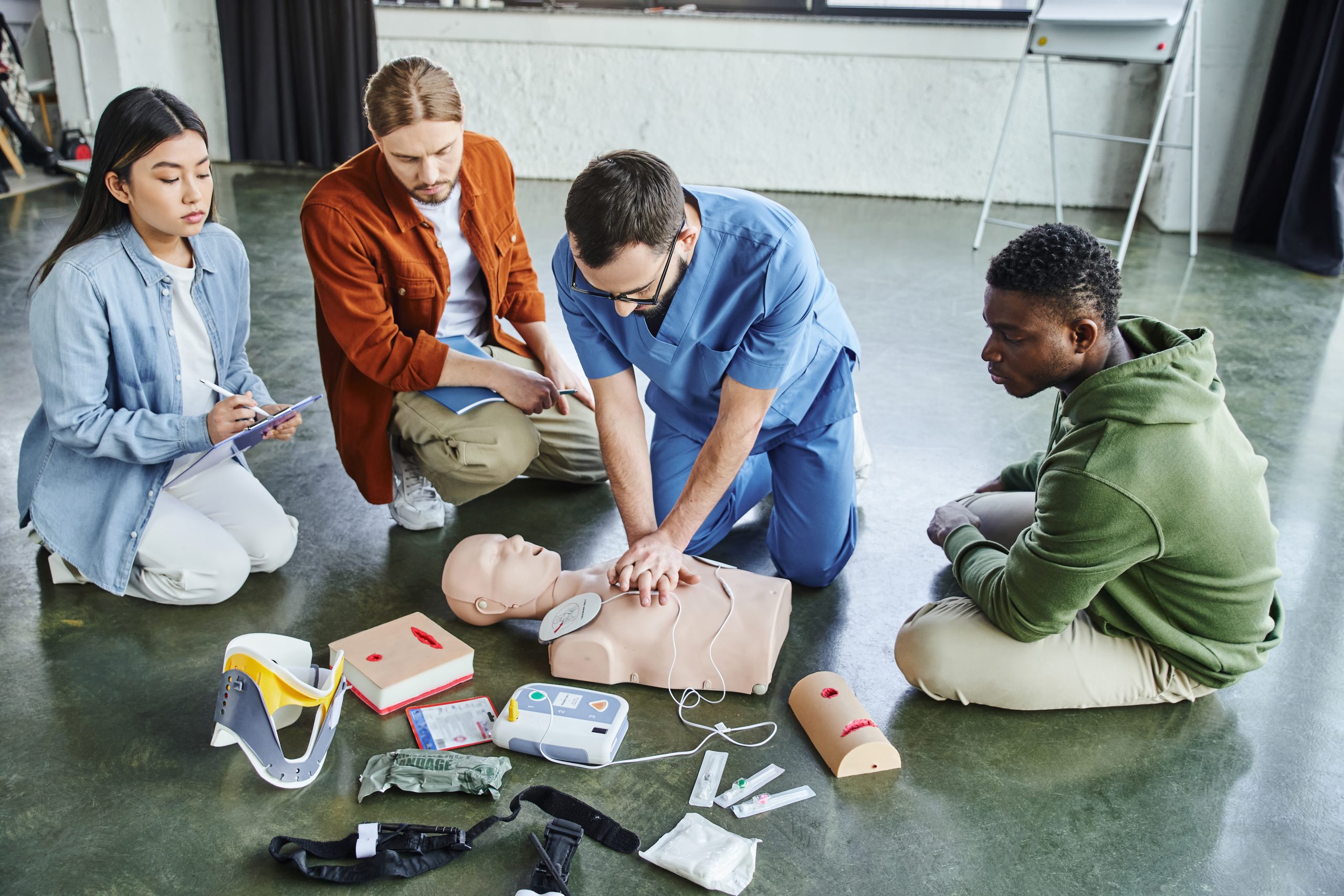
Only a practical, in-person class allows you to drill these techniques using age-appropriate mannequins and receive real-time feedback from an expert instructor. This hands-on, supportive learning environment, like those offered by CPR Classes Near Me in Washington DC, solidifies the muscle memory necessary for competent emergency response.

Which Certification Standard Should I Choose for Infant CPR in Washington DC?

When searching for “Infant CPR classes near me” in Washington DC, you will encounter various organizations offering certification. Choosing the right standard is crucial, especially if your certification is required for employment or if you want the assurance of the most credible, science-backed training.

In the United States, the two most recognized certification providers are the American Heart Association (AHA) and another major non-profit humanitarian organization. While both provide life-saving training, the American Heart Association (AHA) Basic Life Support (BLS) certification is universally regarded as the gold standard. This is particularly true within the healthcare community and for high-stakes professional roles.

Here is why AHA BLS is the preferred choice in DC:

  1. Science-Based Guidelines: The AHA establishes the science and guidelines for all resuscitation efforts. Their BLS curriculum is updated regularly based on the latest evidence, ensuring you learn the most effective techniques.
  2. Universal Acceptance: The AHA BLS eCard is the most widely accepted certification by employers nationwide. This includes:
    • Hospitals and medical offices.
    • Schools and educational facilities.
    • Licensed childcare and daycare facilities throughout the DMV area.
  3. Comprehensive Scope: While standard CPR courses may focus primarily on lay rescuers, the AHA BLS course is a comprehensive program covering the full spectrum of resuscitation:
    • Adult, Child, and Infant CPR and AED use.
    • Single-rescuer and team-based resuscitation skills.
    • Airway obstruction (choking) management for all ages.

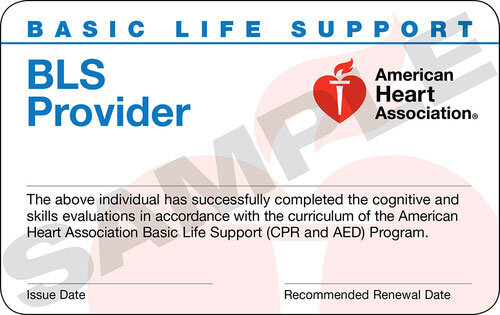
By enrolling with a certified AHA training site, such as CPR Classes Near Me, you are not just getting a piece of plastic (or a digital card). You are receiving instruction that has met rigorous quality standards set by the leading authority in cardiovascular science. This commitment to excellence ensures that the Infant CPR skills you learn are accurate, current, and maximally effective.

What Types of Training Formats Are Available for DC Residents, and Which Is Best?

DC residents have a choice between three primary training formats for CPR certification: fully online, blended learning, and 100% in-person, hands-on classroom instruction. When it comes to mastering life-saving skills for an infant, the format you choose is as important as the content itself.

1. Fully Online Training (Not Recommended)

This option allows you to complete the entire course without ever physically demonstrating your skills to an instructor.

  • Pro: Offers maximum convenience; it can be completed anywhere, anytime.
  • Con: This is a crucial drawback: most DC employers do not accept online-only certifications. You cannot practice the physical skills of Infant CPR (two-finger compressions, depth, breath volume) without an instructor observing you. The certification card often lacks credibility.

2. Blended Learning (Partially Effective)

This format involves completing the lecture and cognitive portion of the course online, followed by a mandatory, short in-person skills session. During this session, you practice on a mannequin and demonstrate proficiency to an instructor.

  • Pro: Provides flexibility for learning the theory; it saves time in the classroom.
  • Con: The in-person session can feel rushed, and you may miss out on valuable discussion and instructor-led coaching that occurs during a full classroom session.

3. 100% In-Person, Hands-On Classroom (The Gold Standard)

This is the traditional, instructor-led model. You spend the entire course time with a certified professional in a dedicated learning environment, practicing on mannequins.

This is the best option for Infant CPR training because it provides:

  • Mastery of Technique: You receive constant, immediate feedback on your compression rate, depth, and hand placement, which is essential for an infant’s delicate frame.
  • Confidence Building: The hands-on practice reduces hesitation and builds the critical muscle memory needed to act under pressure.
  • Same-Day Certification: Reputable training sites, like CPR Classes Near Me in Washington DC, issue your official AHA eCard on the same day you successfully complete the training.
  • Q&A Opportunities: Direct access to an experienced instructor allows you to ask complex, real-world questions specific to your family or work environment.

For a skill as precise and critical as Infant CPR, the hands-on approach is invaluable. By selecting a dedicated, local provider that prioritizes in-person, AHA-aligned training, you ensure your skills are sharp and your certification is fully recognized by any professional standard in Washington DC.

Beyond the Baby: Does Infant CPR Training Cover Adults and Children Too?

When searching for “Infant CPR classes,” many people assume the training is only for babies. However, when you enroll in a comprehensive American Heart Association (AHA) Basic Life Support (BLS) course in Washington DC, you are acquiring a full spectrum of life-saving knowledge that covers every age group.

This is arguably one of the greatest values of selecting an AHA BLS-level course: you gain the skills to protect everyone in your home, workplace, or community.

The standard BLS curriculum is structured to teach you how to respond to cardiac and breathing emergencies for three distinct groups:

  1. Adults (Puberty and Older): You will learn the standard two-hand compression technique, adult rescue breathing, and the proper use of an Automated External Defibrillator (AED).
  2. Children (Age 1 to Puberty): You will practice adjusting techniques for a child, which involves using one hand for compressions and modifying the depth and breath volume.
  3. Infants (Under 1 Year): You will master the specialized two-finger compressions and gentle, mouth-over-nose-and-mouth rescue breaths, as discussed previously.

Beyond CPR itself, a quality certification course ensures you are proficient in two other crucial areas for all ages:

  • Automated External Defibrillator (AED) Usage: While rare for infants, knowing how to safely operate an AED and apply pediatric pads is a vital component of resuscitation for children and adults. The course teaches you how to recognize when a defibrillator is needed and how to use it safely.
  • Choking Relief: Airway obstruction is a major threat across all age groups. Your training will cover the specialized five back blow/five chest thrust technique for infants, as well as the standard abdominal thrusts for conscious and unconscious children and adults.

By committing to a comprehensive AHA BLS course offered by CPR Classes Near Me, you streamline your training. You walk away with a single, powerful certification that makes you an equipped rescuer for any potential emergency, regardless of the victim’s age. This comprehensive approach is particularly beneficial for busy DC professionals and parents who need to maximize their time while achieving the highest level of competence.

Conclusion: Gain the Confidence to Be a Lifesaver in DC

The urgency of knowing Infant CPR cannot be overstated. In an emergency, hesitation costs lives, and only high-quality, hands-on training can eliminate that hesitation and replace it with decisive, life-saving action.

For parents, caregivers, and professionals throughout Washington DC, investing in an American Heart Association-aligned BLS certification provides peace of mind and the proven skills to act when it matters most.

By choosing a local, certified training provider like CPR Classes Near Me, you benefit from expert instruction, a focused, hands-on learning environment, and the convenience of same-day certification. You will leave the course not just with an eCard, but with the confidence that you are fully prepared to provide competent and effective CPR to an infant, child, or adult. This critical skill is your most important tool for safeguarding the health and well-being of the people you love and care for in the nation’s capital.

Take the next step toward total preparedness today.

Get Your CPR Certification with CPR Classes Near Me.

FAQ Section

Q: How long does Infant CPR certification last, and when do I need to renew it?

A: Infant CPR certification, typically obtained through a comprehensive AHA BLS course, is valid for two years. It is important to renew your certification before it expires to ensure your skills remain sharp and current with the latest AHA guidelines. Renewal courses are available and typically focus on refreshing your knowledge and techniques. Regular renewal ensures you are always prepared to respond effectively in an emergency situation.

Q: Is the Infant CPR class designed only for healthcare professionals, or can lay rescuers take it?

A: While the American Heart Association’s Basic Life Support (BLS) certification is the mandatory standard for healthcare professionals (such as nurses and paramedics), it is highly recommended for lay rescuers as well, including new parents, teachers, and childcare providers. The BLS curriculum provides the most comprehensive and detailed training available, covering all age groups (Adult, Child, and Infant) to the highest standard, equipping anyone to handle a critical emergency with confidence and precision.

Q: Can I just take an online-only course to learn Infant CPR techniques?

A: You can take the theoretical portion of CPR training online, but an online-only certification is not recognized by most employers or licensing bodies in Washington DC or nationwide. To truly master the life-saving physical skills, such as the correct depth and rate of two-finger compressions for an infant and proper rescue breathing, you must complete a hands-on, in-person skills session with a certified instructor. This practical, in-person component is essential for gaining real competence, ensuring the skills are accurate, and receiving a valid, accepted AHA eCard.

The Importance of First Aid in Austin’s Outdoor Community

Austin, Texas, is synonymous with outdoor adventure. From the limestone cliffs of the Barton Creek Greenbelt to the paddle-board-filled waters of Lady Bird Lake, our city invites us to step outside and explore. However, the very landscapes that make Central Texas beautiful also conceal unique hazards. Whether you are a seasoned trekker tackling the Hill Country or a family enjoying a weekend picnic at Zilker Park, the line between a great day and a medical emergency can be surprisingly thin.

In a city where “going outside” is a way of life, preparedness is not just a recommendation; it is a responsibility. Understanding the importance of first aid in Austin’s outdoor community is about more than just bandages and antiseptic—it is about having the confidence and competence to protect yourself and the people around you.

This guide explores the specific risks associated with our local environment, the life-saving difference training can make, and how CPR Classes Near Me can equip you with the skills you need today.

Why Is Austin’s Landscape Unique for Outdoor Enthusiasts?

Have you ever considered how the specific geography of Austin influences your safety? Unlike flat urban environments, Austin sits on the edge of the Balcones Escarpment, offering a mix of rolling hills, dense woodlands, and rocky riverbeds.

  • Rugged Terrain: The limestone trails of the Hill Country are uneven and often loose. A simple misstep can lead to complex fractures or severe sprains miles from the nearest trailhead.
  • Water Access: With natural springs and lakes integrated into the city, water safety is paramount. The currents in seemingly calm waters can be deceptive, and slippery algae-covered rocks are a common cause of falls.
  • Isolation in the City: It is possible to be physically close to downtown Austin while being operationally remote. If you are deep in the Greenbelt, an ambulance cannot simply drive up to you. Extraction takes time, making your immediate first aid response critical.

What Are the Most Common Outdoor Injuries in Central Texas?

To be prepared, you must know what you are preparing for. The injuries we see in Austin are directly related to our climate and ecosystem.

Heat-Related Illnesses

Texas heat is legendary. During our long summers, temperatures frequently soar above triple digits.

  • Heat Exhaustion: Symptoms include heavy sweating, weakness, and nausea. Without intervention, this can escalate quickly.
  • Heat Stroke: This is a life-threatening emergency where the body loses the ability to cool itself. Swift recognition and cooling protocols learned in first aid training are vital for survival.

Traumatic Injuries

  • Sprains and Fractures: Uneven trails are notorious for causing ankle and knee injuries.
  • Lacerations: Sharp limestone and thorny vegetation (like mesquite and cacti) can cause deep cuts that require immediate bleeding control to prevent infection or significant blood loss.

Environmental Hazards

  • Snake Bites: Central Texas is home to venomous snakes like Rattlesnakes, Copperheads, and Cottonmouths. Knowing the do’s and don’ts of snake bite treatment (e.g., never apply a tourniquet or try to suck out venom) is a key component of wilderness safety.
  • Allergic Reactions: From cedar fever respiratory issues to severe reactions from insect stings (bees, wasps, fire ants), anaphylaxis can happen anywhere.

How Does First Aid Knowledge Change Outcomes in Remote Areas?

When an injury occurs in a controlled environment, like an office or a home, help is usually minutes away. In the outdoors, the “Golden Hour“—the critical window where medical intervention has the highest chance of preventing death—is often consumed by travel time.

Stabilization is Key:

Knowledge of first aid allows you to stabilize a patient before professional help arrives. This includes:

  • Stopping Bleeding: Using direct pressure or a tourniquet effectively.
  • Immobilization: Splinting a broken limb to prevent further damage during transport.
  • Temperature Regulation: actively cooling a heat stroke victim or warming a hypothermia victim (yes, hypothermia can happen here in winter or after water exposure).

Without these immediate interventions, a survivable injury can become fatal before the rescue team even reaches the scene.

Why Is CPR Crucial for Water Activities at Lady Bird Lake and Barton Springs?

Water activities are a staple of Austin life, but they come with the inherent risk of drowning. Drowning is silent and quick. It doesn’t look like it does in the movies; there is often no splashing or screaming.

The Role of CPR:

When a person is pulled from the water unconscious and not breathing, their heart may have stopped, or they may be in respiratory arrest.

  • Immediate Oxygen: CPR provides artificial circulation and ventilation. For a drowning victim, the rescue breaths are particularly crucial to replace oxygen in the blood.
  • Bridge to Life: CPR keeps the brain alive until advanced life support (EMS) arrives with an AED and medication.

If you frequent Austin’s swimming holes, being certified in CPR is one of the most impactful ways you can contribute to community safety.

What Should Be in Your Austin-Specific First Aid Kit?

A generic first aid kit is a good start, but an Austin outdoor kit needs specific additions. When you take a course with CPR Classes Near Me, you learn how to use these tools effectively.

  1. Hydration Salts/Electrolytes: Water isn’t always enough when dealing with severe heat exhaustion.
  2. Fine-Point Tweezers: For removing cactus spines or ticks.
  3. SAM Splint: Lightweight and moldable, perfect for immobilizing limbs on hiking trails.
  4. Antihistamines: Vital for sudden allergic reactions to local flora or fauna.
  5. Blister Care: Moleskin or hydrocolloid bandages are essential for long treks.
  6. Tourniquet: Essential for severe bleeding control, especially for hunters or mountain bikers.

Who Should Take First Aid and CPR Training?

You might think, “I’m not a guide, do I really need this?” The answer is a resounding yes. Accidents rarely happen when it is convenient, and they rarely happen to strangers. You are most likely to perform first aid or CPR on a friend, a family member, or a partner.

  • Parents: Kids are prone to scrapes, falls, and insect bites.
  • Dog Owners: Hiking with pets brings its own risks; knowing how to manage their injuries (and your own while managing them) is helpful.
  • Solo Adventurers: You are your own first responder.
  • Group Leaders: If you organize informal hiking or biking meetups, you have a duty of care to your group.

How Can You Get Certified with CPR Classes Near Me?

Getting certified is easier and more affordable than you might think. CPR Classes Near Me offers top-rated American Heart Association (AHA) BLS, CPR, and First Aid classes right here in Austin.

Why Choose CPR Classes Near Me?

  • Same-Day Certification: We understand you are busy. You will leave our class with your AHA BLS eCard in hand (or in your email) the very same day.
  • Expert Instructors: Our team consists of healthcare professionals and experts who make learning engaging, not boring.
  • Hands-On Training: We believe in muscle memory. You will practice on modern mannequins with feedback devices to ensure your compression technique is perfect.
  • Convenient Locations: We serve the entire Austin area, including Pflugerville, Round Rock, Cedar Park, and Georgetown.

Our Class Options:

  • BLS CPR & AED: Perfect for healthcare providers and general safety. Covers adults, children, and infants.
  • First Aid + CPR/AED: The comprehensive choice for outdoor enthusiasts. Learn to manage medical emergencies, injuries, and environmental hazards alongside CPR.

What Is the “Bystander Effect” and How Do We Combat It?

The “Bystander Effect” occurs when individuals do not offer help to a victim when others are present. The assumption is often, “Someone else will handle it,” or “I don’t know what to do, so I shouldn’t interfere.”

Training Breeds Confidence:

The primary cure for the Bystander Effect is competence. When you know exactly what to do—how to check for a pulse, how to bandage a wound, how to use an AED—you stop hesitating. You become the leader the situation requires. In Austin’s tight-knit outdoor community, we look out for one another. Your certification is a badge of that commitment.

Conclusion

Austin is a playground for nature lovers, but nature demands respect. The rugged beauty of our greenbelts and lakes is best enjoyed with peace of mind. That peace of mind comes from preparation. Knowing you have the skills to handle a snake bite, a heat stroke, or a cardiac emergency allows you to focus on the fun, knowing you can handle the “what ifs.”

Don’t wait for an accident to realize you need training. The skills you learn in a single afternoon can last a lifetime—and save one, too.

Ready to become a lifesaver?

Contact CPR Classes Near Me today to schedule your training.

Get Certified. Be Prepared. Save a Life.

Frequently Asked Questions (FAQ)

1. How long does a CPR and First Aid class take in Austin?

Our American Heart Association BLS CPR classes typically run between 3 to 4 hours. If you add the First Aid module, it provides a comprehensive overview of emergency response in a single session. We value your time, which is why we ensure the training is efficient and you receive your certification card the same day.

2. Is the certification accepted by employers and parks departments?

Yes. We issue American Heart Association (AHA) certifications. The AHA is the gold standard for CPR and First Aid training in the United States. Whether you are a park ranger, a camp counselor, a healthcare worker, or a corporate employee, our certification cards are widely recognized and accepted by employers nationwide, including OSHA.

3. Do I need a medical background to take a First Aid class?

Absolutely not. Our classes are designed for everyone. We teach using simple, actionable steps that anyone can master, regardless of their background. Whether you are a teenager, a parent, or a retiree, you will leave our class feeling confident in your ability to assist in an emergency.

4. How often do I need to renew my CPR certification?

American Heart Association CPR and First Aid certifications are valid for two years. However, if you are frequently outdoors or in high-risk environments, we recommend reviewing your materials often. You can renew your certification by signing up for any of our standard BLS courses; the curriculum covers both initial certification and renewal.

5. What is the difference between CPR and First Aid?

CPR (Cardiopulmonary Resuscitation) is a specific technique used when a person’s heart or breathing has stopped. It involves chest compressions and rescue breaths. First Aid is a broader category that covers the immediate care for a wide range of illnesses and injuries, such as cuts, burns, sprains, heat exhaustion, and allergic reactions. For outdoor safety, we highly recommend taking the combined course.

Online vs. In-Person CPR Training: Which is Right for You?

In today’s digital world, you can learn almost anything online—from cooking to coding. But when it comes to life-saving skills like Cardiopulmonary Resuscitation (CPR), the decision between clicking “play” on a video and stepping into a classroom carries a lot more weight.

Whether you are a nurse renewing your BLS credential, a teacher preparing for the school year, or a parent wanting peace of mind, choosing the right class format is critical. You might be wondering: Is an online certificate actually valid? or Do I really need to spend hours in a classroom?

As a premier provider of CPR Classes Near Me, we understand the confusion. In this guide, we will break down the pros and cons of online versus in-person training so you can choose the path that fits your schedule—and keeps you compliant.

What is In-Person CPR Training?

In-person training is the traditional method of learning CPR. You attend a scheduled class at a local facility, guided by a certified instructor. These sessions are designed to be interactive, physical, and comprehensive.

Why Choose In-Person Training?

The primary advantage of in-person training is the hands-on experience. CPR is a physical skill. Watching a video of someone performing chest compressions is very different from pushing down on a high-fidelity manikin yourself.

  • Muscle Memory: You physically practice the depth and rate of compressions (100-120 per minute), ensuring you “feel” what it takes to circulate blood manually.
  • Immediate Feedback: If your elbows are bending or you aren’t pushing hard enough, an instructor corrects you instantly. This prevents you from developing bad habits that could be fatal in a real emergency.
  • Equipment Familiarity: You get to handle an AED (Automated External Defibrillator), practice applying pads, and listen to the device’s voice prompts in a controlled setting.

Are There Downsides?

The main hurdle for most people is logistics. You have to drive to a location and commit a few hours of your day. However, providers like CPR Classes Near Me optimize these sessions to be efficient, often issuing your American Heart Association (AHA) eCard the very same day.

What is Online CPR Training?

Online CPR training delivers course content via digital modules. You read text, watch instructional videos, and take quizzes on your computer or smartphone.

The Appeal of Online Courses

The biggest selling point is flexibility. You can pause the training to take a call, finish it at 2 AM in your pajamas, or break it up over several days. For those who just want knowledge for personal reasons and don’t need a work-recognized card, this can be a convenient option.

The Hidden Trap: Employer Acceptance

Here is the catch that trips up many professionals: Online-only certifications are rarely accepted by employers in healthcare, childcare, or industrial safety.

Most regulatory bodies, including OSHA and the American Heart Association, require a hands-on skills check for a certification to be valid. If you take a 100% online course that does not require you to touch a manikin, there is a high probability your employer will reject it, forcing you to pay for and attend an in-person class anyway.

Will My Employer Accept an Online Certification?

This is the most common question we hear. If you are taking CPR for a job requirement, the answer is almost always no—unless it includes an in-person skills session.

Who Typically Requires In-Person Training?

  • Healthcare Providers: Nurses, doctors, CNAs, and EMTs generally require AHA Basic Life Support (BLS), which mandates a skills test.
  • Childcare Workers: Daycares and schools usually require state-approved training that includes physical practice.
  • Construction & Safety: OSHA guidelines strongly emphasize the need for physical practice to verify competency.

If you submit an online-only certificate to a hospital or school district, you risk being non-compliant. It is always safer to choose a course that guarantees hands-on verification.

Comparison: Online vs. In-Person at a Glance

Not sure which way to lean? Here is a quick comparison of how the two formats stack up.

  • Convenience: Online wins for scheduling, but In-Person wins for “one-and-done” completion (no need to schedule a separate skills check later).
  • Cost: Online courses often appear cheaper upfront, but hidden fees for “skills sessions” or having to retake a rejected class can make them more expensive in the long run.
  • Confidence: In-Person is superior. Real-life emergencies are stressful; having physical muscle memory helps you act on instinct.
  • Validation: In-Person training is universally accepted. Online-only is frequently rejected for professional use.

Is Blended Learning a Good Compromise?

Blended learning is a hybrid model where you do the “book work” online and then come into a facility for a short skills session. While this offers some flexibility, you still have to travel to a training center to meet with an instructor.

At CPR Classes Near Me, we focus on providing high-quality, efficient in-person classes. We find that completing the theory and the skills together in one cohesive session often leads to better retention and a smoother experience—plus, you walk out with your certification card in hand immediately.

Why “CPR Classes Near Me” is Your Best Option

We know your time is valuable. That’s why we have streamlined the in-person experience to be as painless and professional as possible.

  • AHA Certification: We issue American Heart Association cards, the gold standard in the industry.
  • Same-Day Certification: No waiting by the mailbox. You qualify, you pass, you get your eCard.
  • Expert Instructors: Our team consists of healthcare and safety professionals who make the class engaging, not boring.
  • Locally Owned: We are part of your community, helping Austin stay safe.

When you weigh the risks of an online course being rejected against the confidence and compliance of in-person training, the choice is clear.

Ready to Get Certified?

Don’t risk your compliance or your confidence with a “click-through” course. Get real hands-on training that empowers you to save a life.

Contact CPR Classes Near Me today to check our schedule and book your seat.

FAQs

Q: Can I get CPR certified entirely online?

A: You can find websites that will issue a “certification” online, but it is important to know that these are typically not recognized by employers, OSHA, or hospitals. To be fully certified—especially for a job—you almost always need a hands-on skills evaluation with an instructor.

Q: How long does an in-person CPR class take?

A: Class times vary by provider, but our streamlined BLS and CPR classes are designed to be efficient. You can typically expect to spend a few hours learning and practicing, ensuring you leave confident without taking up your entire day.

Q: Is online CPR training valid for OSHA?

A: generally, no. OSHA standards state that online training alone does not meet the requirements for first aid and CPR training because it lacks the physical skills demonstration. A hands-on component is required.

Q: Do I need a book for the class?

A: For American Heart Association classes, students are usually required to have access to the student manual. Check with your specific class registration details to see if the book is included or needs to be purchased separately.

Q: How often do I need to renew my certification?

A: Most CPR and BLS certifications, including those from the AHA, are valid for two years. You must retake a course before your card expires to remain compliant.

Q: What is the difference between CPR and BLS?

A: CPR (Cardiopulmonary Resuscitation) is a general term for the lifesaving technique. BLS (Basic Life Support) is a higher-level certification specifically for healthcare providers (nurses, doctors, EMTs) that covers team dynamics, advanced airways, and 2-rescuer scenarios.

On-Site CPR Training Near Downtown Raleigh & Wake Forest

The ability to perform Cardiopulmonary Resuscitation (CPR) is more than just a resume builder; it is a life-saving skill that transforms bystanders into first responders. In the thriving commercial heart of Downtown Raleigh and the bustling community of Wake Forest, ensuring that employees, teachers, and team members are certified in CPR is a critical step in creating a safe environment. Traditional classes often require travel and time away from work, presenting a logistical hurdle for organizations.

However, the solution to this challenge is both simple and highly effective: on-site CPR training. This approach brings the certified instructors and hands-on equipment directly to your location, maximizing convenience without compromising quality. Whether your business is nestled among the skyscrapers of Downtown Raleigh or located closer to the residential and commercial hubs of Wake Forest, securing top-tier, American Heart Association (AHA) certified training has never been easier. This comprehensive guide details exactly why on-site training is the superior choice and how your organization can leverage the services of local experts who specialize in this convenient delivery model.

Why is On-Site CPR Training the Smart Choice for Raleigh and Wake Forest Businesses?

On-site CPR training transforms the logistics of group certification from a burden into a benefit. It is an investment that respects your team’s time and your company’s resources. The traditional model requires coordinating multiple schedules, compensating for travel time, and dealing with unfamiliar training locations.

The on-site model completely eliminates these inefficiencies.

  • Minimizing Operational Downtime: When the class comes to you, staff members avoid lengthy commutes to external training centers. They are able to remain on-site and return to their duties immediately upon completion. This dramatically reduces lost productivity and ensures business continuity.
  • Convenience for Large Groups: Organizing training for ten, twenty, or even fifty employees is simplified into a single booking. This is especially useful for large organizations in the Downtown Raleigh corridor or growing facilities in the Wake Forest area.
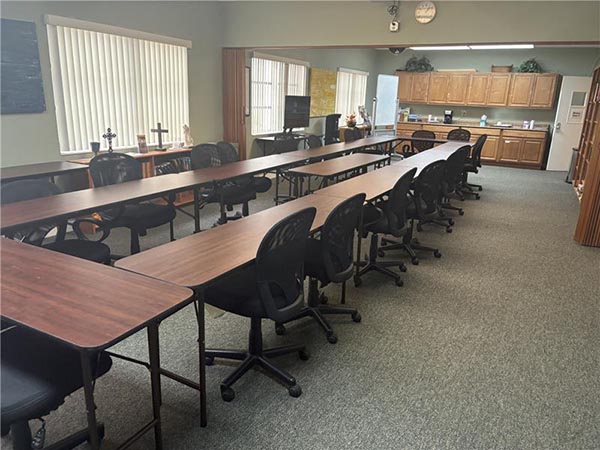
  • A Familiar and Comfortable Setting: Learning life-saving skills can be stressful, but training in a known environment—your own conference room or break area—fosters comfort. A relaxed atmosphere enhances the learning experience, encouraging better focus and retention of vital techniques.
  • Tailored to Your Environment: An on-site course can be subtly tailored to your specific workplace concerns. While the core curriculum remains strictly AHA-compliant, instructors can focus on emergency scenarios most relevant to your specific business, whether that involves a corporate office, a manufacturing facility, or a childcare center.
  • Simplified Group Coordination: Human Resources and departmental heads only need to manage a single event schedule. There is no need to track individual employee attendance and reimbursement for classes held at disparate public venues.

Choosing the on-site model is a clear decision for any Raleigh or Wake Forest business prioritizing efficiency, convenience, and preparedness. It proves that securing critical safety training doesn’t have to disrupt the working week. It is a streamlined approach that gets your team certified faster and with less administrative effort.

On-Site CPR Training Near Downtown Raleigh & Wake Forest
Screenshot

Does On-Site Training Meet the Gold Standard of American Heart Association Certification?

Absolutely. The key measure of any CPR training is its certification authority, and the American Heart Association (AHA) Basic Life Support (BLS) certification is universally recognized as the gold standard. When you choose a reputable on-site provider like CPR Classes Near Me Raleigh, you are guaranteed that the training meets the highest clinical and educational criteria set by the AHA.

Certification standards are meticulously maintained regardless of the training location.

  • AHA-Aligned Curriculum: Every on-site class follows the official, evidence-based AHA curriculum. This ensures consistency in the quality of instruction, covering the latest guidelines for adult, child, and infant resuscitation. The focus is always on high-quality, hands-on CPR.
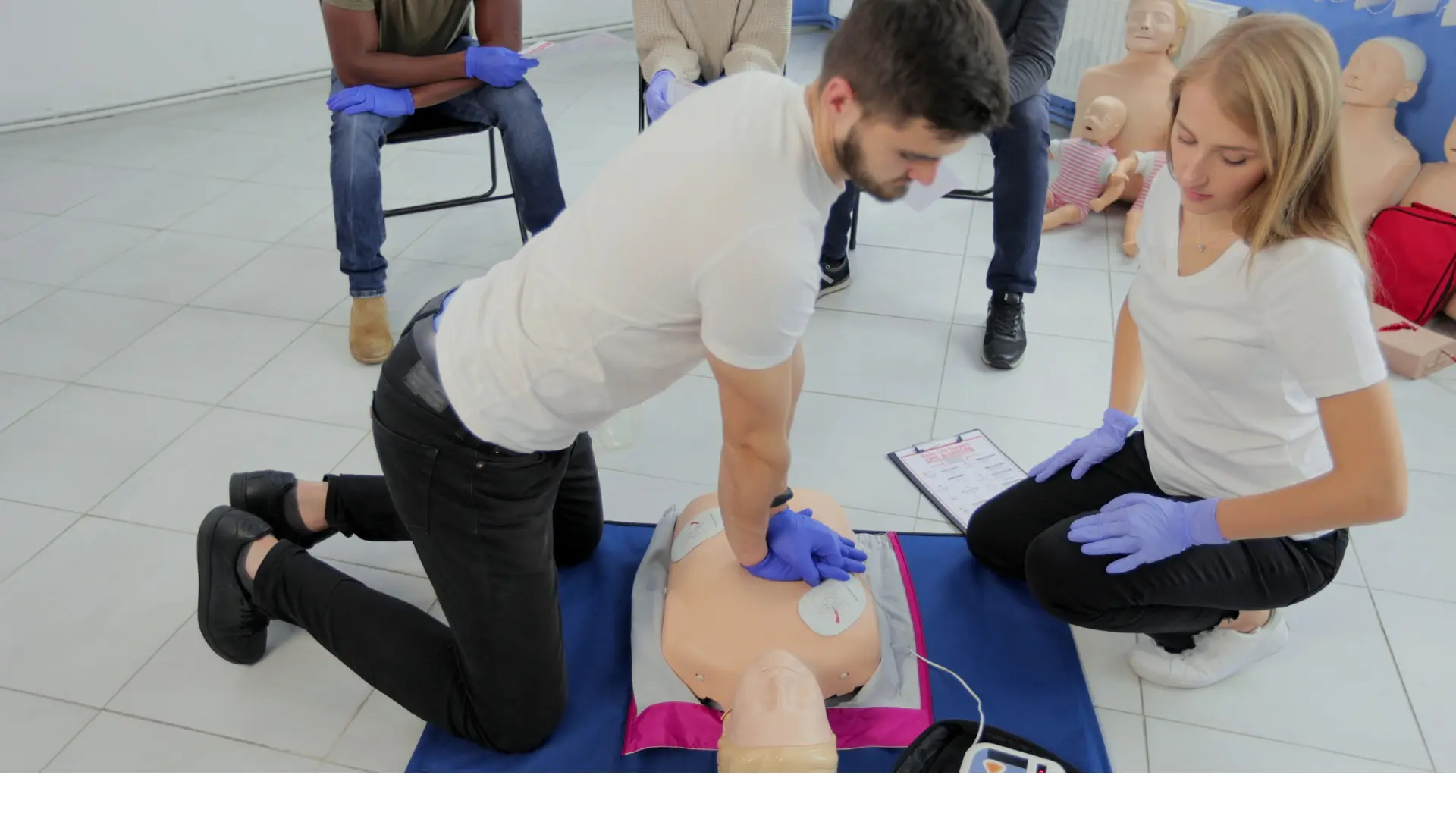
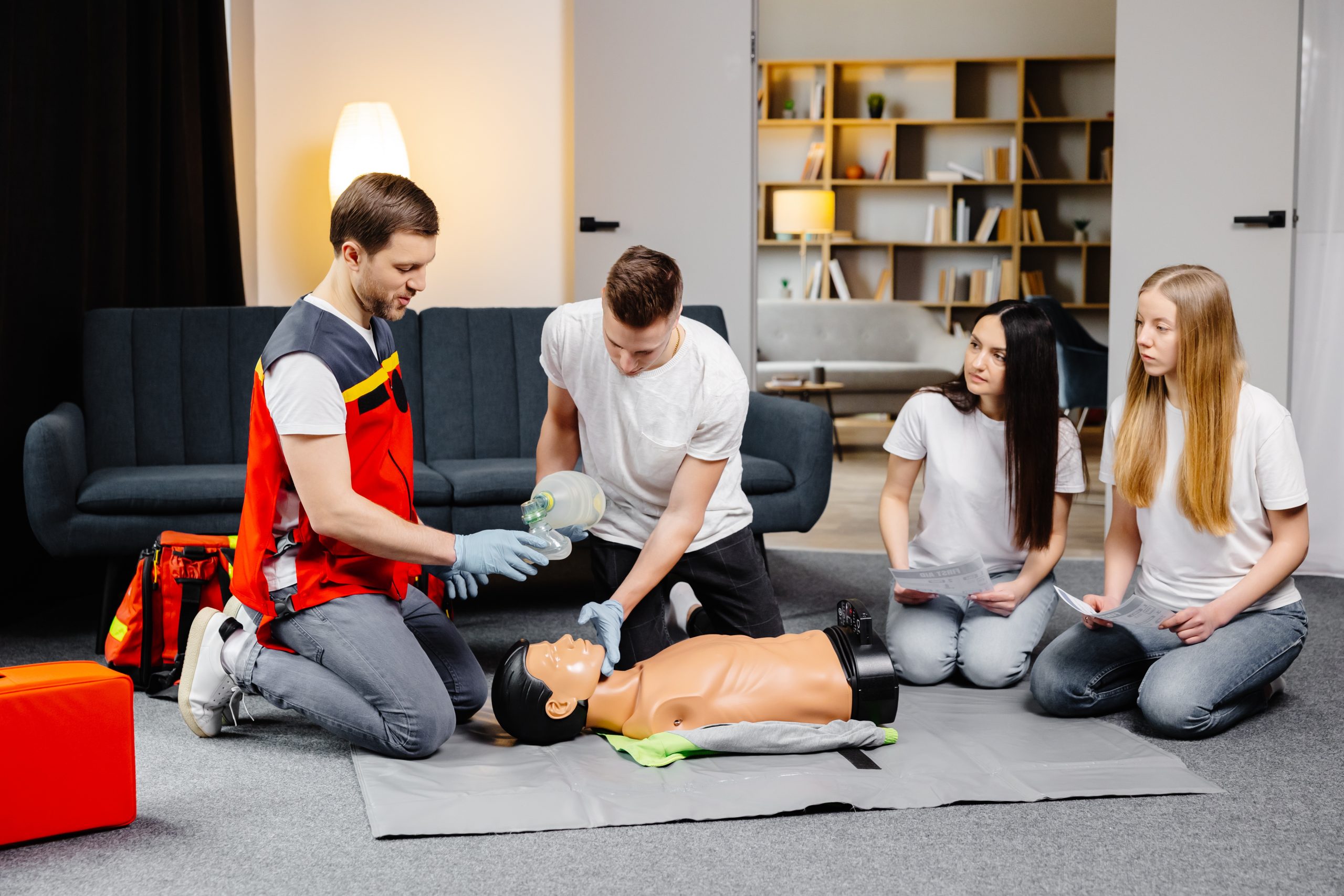
  • The Power of Hands-On Practice: Effective CPR requires physical skill, not just theoretical knowledge. On-site classes emphasize the “practice-while-watching” methodology. Certified instructors bring all necessary training equipment—including mannequins, AED trainers, and barrier devices—to your facility. This comprehensive, hands-on approach is mandatory for earning AHA certification.
  • Guaranteed Employer Acceptance: For healthcare professionals (Nurses, RNs, CNAs, Physical Therapists) and those in regulated industries (childcare, education), the AHA BLS certification is the most widely accepted and often mandatory credential nationwide. On-site training through an authorized AHA Training Site ensures your team receives the required, non-negotiable proof of competence.
  • Same-Day Certification Cards: Efficiency is paramount. Upon successful completion of the course, trainees receive their official AHA BLS eCard immediately, on the same day as the training. There is no waiting period, allowing professionals to meet compliance requirements without delay. This same-day service is a huge benefit for professionals in the fast-paced Downtown Raleigh environment.
  • Training by Certified Local Experts: The instructors are American Heart Association certified and are often local professionals themselves. They understand the specific needs and environments of the Wake County region, enhancing the relevance of the training.

The convenience of on-site delivery is simply a logistical feature; the integrity of the AHA certification remains completely intact and fully guaranteed. Your organization receives the exact same, valid, and highly-respected certification that is earned in a traditional training center.

What Essential Life-Saving Skills are Taught in an On-Site Group Class?

An on-site CPR training session is designed to be a comprehensive, yet concise, dive into the core life-saving techniques required in various emergency scenarios. The focus is on creating confident, capable responders who can act decisively until Emergency Medical Services (EMS) arrives.

The curriculum is structured around the critical moments following a cardiac or breathing emergency:

  1. High-Quality Chest Compressions: Students learn the proper depth, rate, and recoil necessary to effectively circulate blood in adults, children, and infants. Mastering compression technique is the cornerstone of modern CPR. The goal is to maximize blood flow to the brain and vital organs.
  2. Rescue Breathing Techniques: Instruction includes the correct methods for delivering effective rescue breaths, ensuring oxygen reaches the victim’s lungs. This is practiced using sanitary training barrier devices and mannequins for various age groups, providing a realistic experience.
  3. Automated External Defibrillator (AED) Use: Participants receive detailed, hands-on training on how to operate an AED. This includes:
    • Recognizing when defibrillation is necessary.
    • Proper placement of AED pads on different body types.
    • Following the machine’s prompts during a crisis.
    • Understanding that rapid defibrillation is one of the most vital links in the Chain of Survival.
  4. Choking Relief: Comprehensive training covers identifying and clearing airway obstructions in conscious and unconscious adults, children, and infants using proven AHA techniques. This is critical for environments like restaurants or childcare facilities in Wake Forest.
  5. Understanding the Chain of Survival: Trainees learn the five critical steps—or the Chain of Survival—that maximize the chance of survival from cardiac arrest. This framework guides responders on recognizing the emergency, calling for help, performing CPR, using an AED, and preparing for professional care.

Additionally, groups have the option to include a full First Aid certification module. This expanded session teaches essential skills to manage immediate trauma and medical emergencies, such as:

  • Controlling severe bleeding and treating shock.
  • Bandaging wounds and stabilizing bone or joint injuries.
  • Recognizing and providing initial care for medical emergencies like strokes, seizures, and diabetic issues.
  • Handling environmental emergencies like heatstroke or cold-related issues.

These courses are led by instructors who are highly experienced, often coming from emergency medical backgrounds, ensuring real-world expertise informs every lesson and builds maximum student confidence.

Who in the Downtown Raleigh and Wake Forest Area Needs AHA BLS Certification?

The necessity for high-quality CPR certification extends far beyond traditional hospital settings. While healthcare providers constitute a large portion of trainees, many other professions and organizations throughout Downtown Raleigh and Wake Forest rely on certified personnel for safety, compliance, and peace of mind. On-site training is especially valuable for these professional groups.

Key industries and roles that frequently utilize on-site group certification include:

  • Healthcare Professionals: This is the primary group, requiring Basic Life Support (BLS) certification.
    • Nurses (RNs, LPNs) and CNAs.
    • Dentists, Dental Assistants, and Hygienists.
    • Pharmacists, Physical Therapists, and Occupational Therapists.
  • Education and Childcare: Schools, daycare centers, and preschools in Wake Forest and surrounding areas must meet state and local safety regulations.
    • Teachers and School Staff (K-12).
    • Childcare Providers and Daycare Workers.
    • School Administrators and Athletic Directors.
  • Corporate and Office Environments (Downtown Raleigh): Many large companies based downtown recognize the ethical and legal benefit of prepared staff.
    • Safety Teams and Emergency Response Leaders.
    • Human Resources (HR) and Administrative Staff.
    • Any company committed to a proactive safety culture.
  • Fitness and Recreation: Public safety is paramount in these environments.
    • Personal Trainers and Group Fitness Instructors.
    • Coaches and Referees for youth and adult sports.
    • Staff at local gyms and community centers.
  • Industrial and Construction: Workers in physically demanding or high-risk environments often need both CPR and First Aid for OSHA compliance.
    • Construction Workers and Site Managers.
    • Electricians, Plumbers, and Engineers.
    • Manufacturing and Warehouse Staff.
  • Hospitality and Tourism: Staff who deal directly with the public in hotels, restaurants, and event venues in the Raleigh area.
    • Hotel Staff and Concierges.
    • Flight Attendants and Airline Personnel.

For any employer, having certified staff on-hand minimizes liability and maximizes the chance of a positive outcome during an emergency, reinforcing the cultural commitment to employee well-being and safety.

How Can My Company Schedule a Custom CPR Training Session Near Downtown Raleigh?

How Can My Company Schedule a Custom CPR Training Session Near Downtown Raleigh?

Scheduling an on-site training session for a group near Downtown Raleigh or in Wake Forest is a streamlined process designed for organizational efficiency. The goal is to move from initial contact to certification in the shortest, most effective time possible.

The typical process involves a few simple steps:

  1. Initial Contact and Consultation: The first step is to reach out to the certified training provider. You can easily contact CPR Classes Near Me Raleigh to clearly state your needs:
    • Your desired location (e.g., Downtown Raleigh office, Wake Forest school).
    • The approximate number of employees needing certification.
    • The specific course required (e.g., BLS only, or BLS + First Aid).
    • Your preferred dates and times. Flexible scheduling is often available to meet shift work or weekend needs.
  2. Logistics Planning and Quote: The provider will determine the necessary instructor and equipment ratios based on your group size. A formal quote covering the cost per student, materials, and travel will be provided. On-site training often results in competitive group pricing, offering significant value compared to individual registrations. Group discounts make this choice highly economical.
  3. Course Confirmation and Preparation: Once the date is confirmed, the training organization will handle all setup. The only requirements from your side are a suitable space (a large meeting room or common area) and confirmation of the attendees. This minimal preparation ensures a stress-free experience for your team.
  4. Training Day Execution: The instructor arrives at your Raleigh or Wake Forest location with all necessary, modern training equipment. The session is conducted in a professional yet relaxed environment, maximizing hands-on practice. The class takes approximately 3.7 hours for BLS certification.
  5. Same-Day Certification: Upon successful completion of the course, the instructor issues the official American Heart Association eCard to each certified participant immediately, concluding the training process efficiently and providing instant compliance verification.

This simple, five-step process ensures that securing group certification is swift, hassle-free, and customized to your corporate or organizational calendar. It’s the ultimate way to get certified on your terms.

What Makes CPR Classes Near Me Raleigh the Top On-Site Provider in the Area?

When investing in life-saving training, quality and reliability are the most important considerations. In the competitive Raleigh and Wake Forest market, CPR Classes Near Me Raleigh stands out as the premier choice for organizations seeking certified, convenient, and high-value group training. This distinction is built upon several core commitments:

  • Exclusive American Heart Association Focus: Commitment to only offering the AHA BLS curriculum ensures your certification holds the highest value and is accepted by every major employer and licensing board in North Carolina and nationwide. Your organization can trust the quality of the credential.
  • Unmatched Convenience and Accessibility: The company specializes in on-site delivery, guaranteeing that instructors can travel anywhere within the greater Raleigh area, including the specific needs of Downtown Raleigh businesses and institutions in Wake Forest. The instructors are experts in setting up effective training spaces in non-traditional environments, minimizing disruption to your workday.
  • Guaranteed Same-Day Certification: Eliminating the wait time for official credentials is a huge benefit for busy professionals. The ability to issue the AHA BLS eCard immediately upon course completion ensures instant compliance for those who need it for licensing or employment. This is a crucial feature for time-sensitive renewals.
  • Expert and Engaging Instructors: The team consists of local, certified trainers dedicated to delivering the finest training experience. Their approach emphasizes a fun, relaxed, and confidence-building atmosphere, moving beyond rote memorization to foster true mastery of life-saving skills. They use real-world experience to make the content relatable.
  • Affordable, Transparent Pricing: With discounted rates starting as low as $59.95 for BLS CPR & AED Classes and $79.95 for the First Aid combination course, CPR Classes Near Me Raleigh ensures that securing the gold standard certification is highly accessible. This competitive pricing is paired with transparent practices, avoiding the hidden fees sometimes associated with other, less credible training options.
  • A Dedication to Hands-On Excellence: The training model is centered entirely on ensuring every student gains practical competence. Instructors prioritize one-on-one feedback during the skills sessions to maximize retention and boost confidence in an emergency.

Choosing a provider that combines the gold standard of AHA certification with unparalleled on-site service and same-day credentials guarantees the best return on your investment in safety and compliance. It is a decision to prioritize quality, convenience, and professional recognition.

Conclusion: Secure Your Group’s Certification Today

The need for competent, certified CPR responders is constant in any thriving community, especially in high-traffic and rapidly growing areas like Downtown Raleigh and Wake Forest. By opting for on-site training through a certified American Heart Association provider, your organization can seamlessly integrate this crucial requirement into its operations. You are not just checking a compliance box; you are empowering your employees with the confidence and ability to save a life, making your workplace and community safer for everyone.

On-site CPR training is the most responsible, convenient, and cost-effective method for ensuring your entire team is professionally certified. It reduces downtime, guarantees the highest standard of certification (AHA), and delivers the eCards immediately.

Do not let complicated scheduling and travel logistics prevent your team from obtaining this essential certification. Take the proactive step today toward a safer, better-prepared workplace.

Ready to bring the gold standard of AHA certification directly to your office, school, or facility in Downtown Raleigh or Wake Forest?

Contact CPR Classes Near Me today to schedule your on-site group training session, or to inquire about custom group rates!

On-Site CPR Training: Frequently Asked Questions (FAQ)

1. How long does the on-site CPR certification training take for a group?

The typical length of the American Heart Association (AHA) BLS CPR & AED certification course, which includes the required video and hands-on skills practice, is approximately 3.7 hours. The AHA mandates a minimum duration to ensure thorough training and skills mastery. If your group chooses the combined CPR, AED, and First Aid course, the length will be slightly longer to accommodate the additional First Aid content, typically around 7 hours in total. This estimate is for the actual instruction and testing time, not including short breaks. By choosing the on-site model, the training provider works efficiently to ensure the course meets all AHA requirements while respecting your employees’ schedules, allowing them to earn their full, two-year certification in just a single training session.

2. Is the American Heart Association (AHA) certification received from on-site training truly accepted by all employers?

Yes, absolutely. The American Heart Association (AHA) Basic Life Support (BLS) certification is the most widely recognized and accepted CPR credential in the United States. It is considered the gold standard in emergency cardiovascular care training. Organizations like CPR Classes Near Me Raleigh are official AHA Certified Training Sites, meaning the content, instruction, and certification cards meet the highest national standard. This specific certification is the one required by nearly all healthcare employers (hospitals, clinics, medical offices), as well as schools, daycares, fitness centers, and other professional entities across Raleigh, Wake Forest, and the entire country. The AHA eCard you receive on the same day is the verifiable proof your employer needs for compliance and licensing purposes.

3. How often do my employees need to renew their CPR certification, and can we do the renewal on-site as well?

CPR certification is valid for two years from the date of successful course completion. This two-year period is the industry standard set by the American Heart Association. The renewal process is straightforward. For certification renewal, employees must enroll in an equivalent AHA BLS course, just like a first-time certification, to review new science and refresh skills. CPR Classes Near Me Raleigh offers renewal training that can also be conducted entirely on-site at your Downtown Raleigh or Wake Forest facility. The renewal course covers the latest science and techniques, allowing your team to maintain their current credential efficiently and conveniently without any lapse in their certification status.