Infant CPR Classes in Washington DC: Lifesaving Skills for Your Child

Healthcare trainee holding a baby training doll during practice

TL;DR: Infant CPR Classes in Washington DC

Infant CPR training in Washington DC is essential for parents, caregivers, and professionals. To ensure you’re fully prepared and certified for DC requirements:

  • Focus on AHA BLS Certification: Choose an American Heart Association (AHA) Basic Life Support (BLS) course. This is the gold standard, universally accepted by DC employers, and covers CPR for Infants, Children, and Adults.
  • Infant CPR is Unique: Techniques for babies (under 1 year) are drastically different, requiring specific two-finger chest compressions and gentle breaths.
  • Hands-On Training is Essential: Avoid online-only courses. In-person, hands-on training is required to build muscle memory, ensure proper technique for infants, and receive a valid, accepted AHA eCard (often issued the same day).
  • Comprehensive Coverage: BLS training includes life-saving skills for all ages, plus training on AED use and choking relief.
  • Action: Get Your CPR Certification with CPR Classes Near Me for accredited, same-day certification in Washington DC.

Why Every Second Counts in the Nation’s Capital

Washington DC is a vibrant, bustling city where life moves fast, and preparedness is paramount. While we often think of emergencies as affecting adults, the moments immediately following a cardiac or breathing incident in an infant are arguably the most critical.

For new parents, grandparents, nannies, and childcare providers in the DC area, taking a certified Infant Cardiopulmonary Resuscitation (CPR) class is not merely a suggestion, it’s a fundamental responsibility.

Infants are uniquely vulnerable to sudden emergencies. These events could be caused by choking on a small toy, sudden cardiac arrest, or a respiratory issue.

The reality is that immediate, proper intervention can dramatically change the outcome for a baby. Knowing what to do in those first critical minutes, before professional help arrives, is a power you must possess.

This comprehensive guide delves into everything you need to know about securing top-tier Infant CPR certification right here in Washington DC. We focus on the importance of certified, hands-on training that adheres to the American Heart Association (AHA) standards. This ensures you walk away with the confidence and competence to protect the infants in your care.

By choosing an AHA-aligned training site, like CPR Classes Near Me, you invest in the highest quality, most recognized life-saving education available today.

Why is Infant CPR Training an Essential Skill for DC Parents and Caregivers?

The decision to enroll in an Infant CPR class is often driven by a deeply personal commitment to safety. However, for those in Washington DC, there is also a clear professional and statistical urgency behind this vital training.

First and foremost, the anatomy of an infant dictates a completely different emergency response than that used for an adult or even a child. A baby’s airway is smaller, their bone structure is more fragile, and the primary cause of cardiac arrest in infants is typically respiratory failure, not a sudden heart issue. This means the techniques used for resuscitation must be tailored precisely to their size and physical needs.

Infants face unique vulnerabilities that make CPR training essential:

  • Choking Incidents: Infants explore the world with their mouths. Small objects, pieces of food, or even thickened liquids can lead to airway obstruction quickly and silently.
  • Sudden Infant Death Syndrome (SIDS): While the exact cause is unknown, proper training equips caregivers to respond immediately if an infant stops breathing.
  • Respiratory Distress: Illnesses, allergic reactions, or congenital issues can cause breathing to stop, which rapidly leads to cardiac arrest if not addressed.

Moreover, if you are a professional working with children in the DC area, whether as a daycare operator, teacher, or licensed nanny, your certification is likely mandated by law or licensing requirements. Washington DC often requires professionals who work with children to have current CPR credentials.

By obtaining a comprehensive, AHA-approved Basic Life Support (BLS) certification, you ensure you meet all local employer and regulatory standards.

The confidence derived from high-quality, in-person training is perhaps the most critical benefit. In a true emergency, panic is the enemy of action. When you have physically practiced the steps of Infant CPR, your muscle memory takes over, allowing you to act quickly and effectively, significantly increasing a baby’s chance of survival.

What is the Difference Between Standard CPR and Infant CPR?

While the acronym CPR (Cardiopulmonary Resuscitation) applies across all age groups, the actual life-saving steps for an infant are dramatically different from those performed on an adult or a child. Understanding these distinctions is why specialized infant training is non-negotiable.

Infant CPR is specifically designed for babies from birth up to 12 months of age. The core principles remain circulation and breathing, but the execution is scaled down and modified for their delicate bodies.

Here are the key technical differences that distinguish Infant CPR:

  • Compression Method:
    • Adult & Child: Uses one or two hands placed over the center of the chest (sternum).
    • Infant: Uses two fingers (index and middle fingers) placed just below the nipple line.
  • Compression Depth:
    • Adult & Child: Approximately two inches (at least two inches for adults).
    • Infant: Approximately 1.5 inches, or about one-third the depth of the chest.
  • Rescue Breaths:
    • Adult & Child: Full breaths, ensuring the chest rises.
    • Infant: Tiny, gentle “puffs” of air (just enough to make the chest rise visibly, covering both the nose and mouth).
  • Choking Relief:
    • Adult & Child: Abdominal thrusts (Heimlich maneuver).
    • Infant: A combination of five back blows and five chest thrusts.

The most critical element to master is the compression technique. Because an infant’s heart is higher in the chest and their ribs are flexible, using too much force can cause serious injury. The two-finger method taught in certified courses ensures the correct pressure is applied to achieve circulation without causing harm.

In infant rescue, rescue breaths play an even more prominent role. Since breathing failure is the most common precursor to cardiac arrest in babies, prompt delivery of gentle breaths, combined with chest compressions, is essential for delivering oxygen to the brain and vital organs.

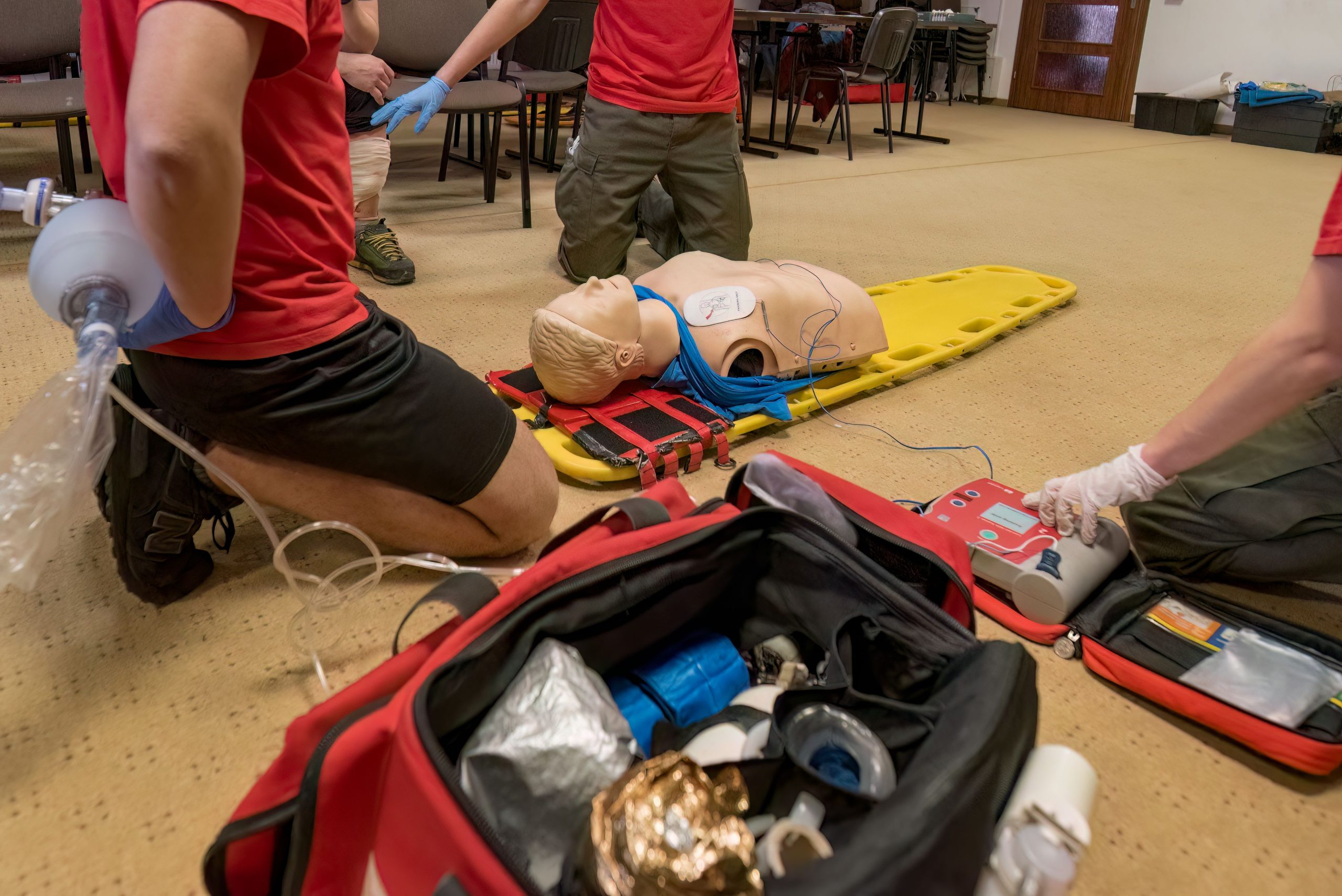
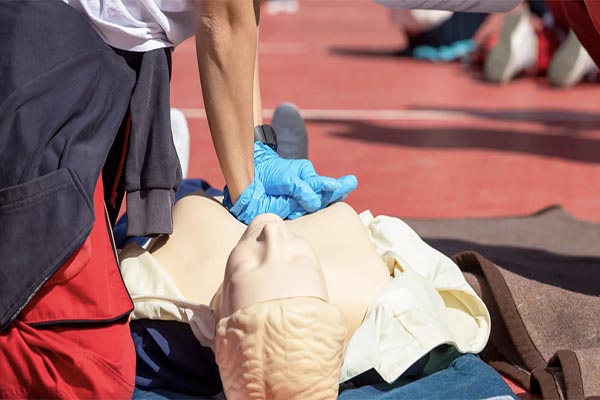
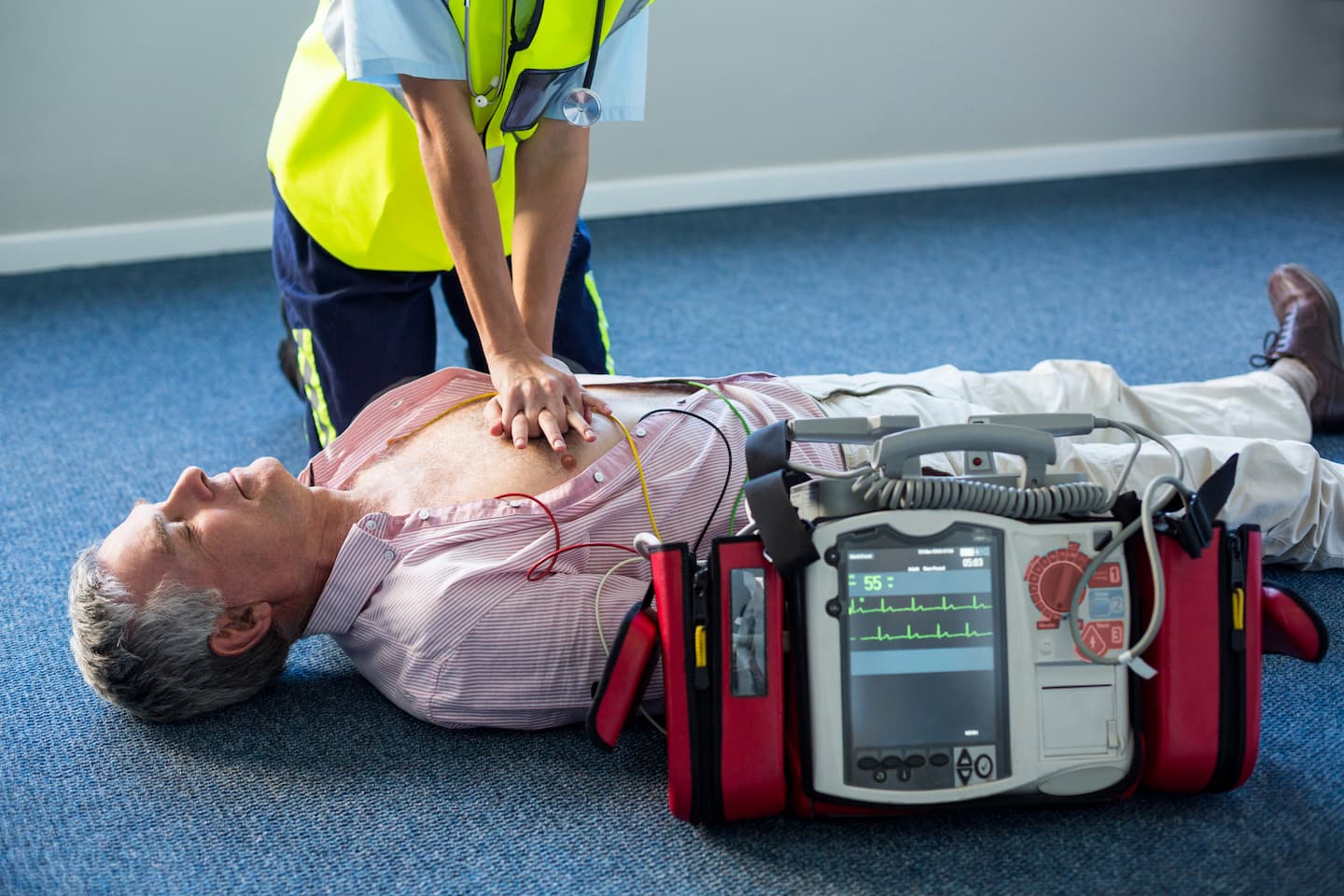
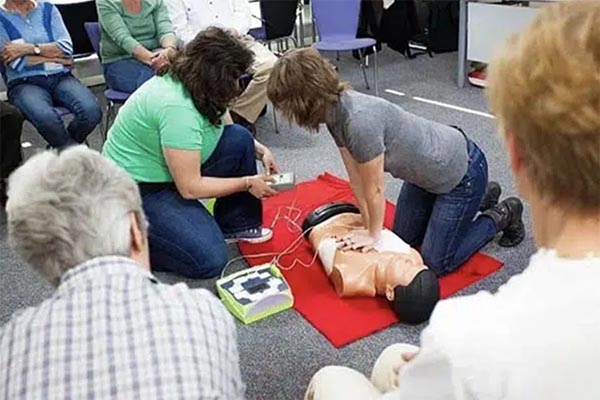
Only a practical, in-person class allows you to drill these techniques using age-appropriate mannequins and receive real-time feedback from an expert instructor. This hands-on, supportive learning environment, like those offered by CPR Classes Near Me in Washington DC, solidifies the muscle memory necessary for competent emergency response.

Which Certification Standard Should I Choose for Infant CPR in Washington DC?

When searching for “Infant CPR classes near me” in Washington DC, you will encounter various organizations offering certification. Choosing the right standard is crucial, especially if your certification is required for employment or if you want the assurance of the most credible, science-backed training.

In the United States, the two most recognized certification providers are the American Heart Association (AHA) and another major non-profit humanitarian organization. While both provide life-saving training, the American Heart Association (AHA) Basic Life Support (BLS) certification is universally regarded as the gold standard. This is particularly true within the healthcare community and for high-stakes professional roles.

Here is why AHA BLS is the preferred choice in DC:

  1. Science-Based Guidelines: The AHA establishes the science and guidelines for all resuscitation efforts. Their BLS curriculum is updated regularly based on the latest evidence, ensuring you learn the most effective techniques.
  2. Universal Acceptance: The AHA BLS eCard is the most widely accepted certification by employers nationwide. This includes:
    • Hospitals and medical offices.
    • Schools and educational facilities.
    • Licensed childcare and daycare facilities throughout the DMV area.
  3. Comprehensive Scope: While standard CPR courses may focus primarily on lay rescuers, the AHA BLS course is a comprehensive program covering the full spectrum of resuscitation:
    • Adult, Child, and Infant CPR and AED use.
    • Single-rescuer and team-based resuscitation skills.
    • Airway obstruction (choking) management for all ages.

By enrolling with a certified AHA training site, such as CPR Classes Near Me, you are not just getting a piece of plastic (or a digital card). You are receiving instruction that has met rigorous quality standards set by the leading authority in cardiovascular science. This commitment to excellence ensures that the Infant CPR skills you learn are accurate, current, and maximally effective.

What Types of Training Formats Are Available for DC Residents, and Which Is Best?

DC residents have a choice between three primary training formats for CPR certification: fully online, blended learning, and 100% in-person, hands-on classroom instruction. When it comes to mastering life-saving skills for an infant, the format you choose is as important as the content itself.

1. Fully Online Training (Not Recommended)

This option allows you to complete the entire course without ever physically demonstrating your skills to an instructor.

  • Pro: Offers maximum convenience; it can be completed anywhere, anytime.
  • Con: This is a crucial drawback: most DC employers do not accept online-only certifications. You cannot practice the physical skills of Infant CPR (two-finger compressions, depth, breath volume) without an instructor observing you. The certification card often lacks credibility.

2. Blended Learning (Partially Effective)

This format involves completing the lecture and cognitive portion of the course online, followed by a mandatory, short in-person skills session. During this session, you practice on a mannequin and demonstrate proficiency to an instructor.

  • Pro: Provides flexibility for learning the theory; it saves time in the classroom.
  • Con: The in-person session can feel rushed, and you may miss out on valuable discussion and instructor-led coaching that occurs during a full classroom session.

3. 100% In-Person, Hands-On Classroom (The Gold Standard)

This is the traditional, instructor-led model. You spend the entire course time with a certified professional in a dedicated learning environment, practicing on mannequins.

This is the best option for Infant CPR training because it provides:

  • Mastery of Technique: You receive constant, immediate feedback on your compression rate, depth, and hand placement, which is essential for an infant’s delicate frame.
  • Confidence Building: The hands-on practice reduces hesitation and builds the critical muscle memory needed to act under pressure.
  • Same-Day Certification: Reputable training sites, like CPR Classes Near Me in Washington DC, issue your official AHA eCard on the same day you successfully complete the training.
  • Q&A Opportunities: Direct access to an experienced instructor allows you to ask complex, real-world questions specific to your family or work environment.

For a skill as precise and critical as Infant CPR, the hands-on approach is invaluable. By selecting a dedicated, local provider that prioritizes in-person, AHA-aligned training, you ensure your skills are sharp and your certification is fully recognized by any professional standard in Washington DC.

Beyond the Baby: Does Infant CPR Training Cover Adults and Children Too?

When searching for “Infant CPR classes,” many people assume the training is only for babies. However, when you enroll in a comprehensive American Heart Association (AHA) Basic Life Support (BLS) course in Washington DC, you are acquiring a full spectrum of life-saving knowledge that covers every age group.

This is arguably one of the greatest values of selecting an AHA BLS-level course: you gain the skills to protect everyone in your home, workplace, or community.

The standard BLS curriculum is structured to teach you how to respond to cardiac and breathing emergencies for three distinct groups:

  1. Adults (Puberty and Older): You will learn the standard two-hand compression technique, adult rescue breathing, and the proper use of an Automated External Defibrillator (AED).
  2. Children (Age 1 to Puberty): You will practice adjusting techniques for a child, which involves using one hand for compressions and modifying the depth and breath volume.
  3. Infants (Under 1 Year): You will master the specialized two-finger compressions and gentle, mouth-over-nose-and-mouth rescue breaths, as discussed previously.

Beyond CPR itself, a quality certification course ensures you are proficient in two other crucial areas for all ages:

  • Automated External Defibrillator (AED) Usage: While rare for infants, knowing how to safely operate an AED and apply pediatric pads is a vital component of resuscitation for children and adults. The course teaches you how to recognize when a defibrillator is needed and how to use it safely.
  • Choking Relief: Airway obstruction is a major threat across all age groups. Your training will cover the specialized five back blow/five chest thrust technique for infants, as well as the standard abdominal thrusts for conscious and unconscious children and adults.

By committing to a comprehensive AHA BLS course offered by CPR Classes Near Me, you streamline your training. You walk away with a single, powerful certification that makes you an equipped rescuer for any potential emergency, regardless of the victim’s age. This comprehensive approach is particularly beneficial for busy DC professionals and parents who need to maximize their time while achieving the highest level of competence.

Conclusion: Gain the Confidence to Be a Lifesaver in DC

The urgency of knowing Infant CPR cannot be overstated. In an emergency, hesitation costs lives, and only high-quality, hands-on training can eliminate that hesitation and replace it with decisive, life-saving action.

For parents, caregivers, and professionals throughout Washington DC, investing in an American Heart Association-aligned BLS certification provides peace of mind and the proven skills to act when it matters most.

By choosing a local, certified training provider like CPR Classes Near Me, you benefit from expert instruction, a focused, hands-on learning environment, and the convenience of same-day certification. You will leave the course not just with an eCard, but with the confidence that you are fully prepared to provide competent and effective CPR to an infant, child, or adult. This critical skill is your most important tool for safeguarding the health and well-being of the people you love and care for in the nation’s capital.

Take the next step toward total preparedness today.

Get Your CPR Certification with CPR Classes Near Me.

FAQ Section

Q: How long does Infant CPR certification last, and when do I need to renew it?

A: Infant CPR certification, typically obtained through a comprehensive AHA BLS course, is valid for two years. It is important to renew your certification before it expires to ensure your skills remain sharp and current with the latest AHA guidelines. Renewal courses are available and typically focus on refreshing your knowledge and techniques. Regular renewal ensures you are always prepared to respond effectively in an emergency situation.

Q: Is the Infant CPR class designed only for healthcare professionals, or can lay rescuers take it?

A: While the American Heart Association’s Basic Life Support (BLS) certification is the mandatory standard for healthcare professionals (such as nurses and paramedics), it is highly recommended for lay rescuers as well, including new parents, teachers, and childcare providers. The BLS curriculum provides the most comprehensive and detailed training available, covering all age groups (Adult, Child, and Infant) to the highest standard, equipping anyone to handle a critical emergency with confidence and precision.

Q: Can I just take an online-only course to learn Infant CPR techniques?

A: You can take the theoretical portion of CPR training online, but an online-only certification is not recognized by most employers or licensing bodies in Washington DC or nationwide. To truly master the life-saving physical skills, such as the correct depth and rate of two-finger compressions for an infant and proper rescue breathing, you must complete a hands-on, in-person skills session with a certified instructor. This practical, in-person component is essential for gaining real competence, ensuring the skills are accurate, and receiving a valid, accepted AHA eCard.

Why the American Heart Association Defines CPR Training

Healthcare worker holding a red heart with a medical cross symbol.

TLDR (Too Long; Didn’t Read)

The American Heart Association (AHA) is the gold standard authority for CPR and resuscitation science, backed by over a century of research.

  • Mission: To fund research, fight heart disease/stroke, and set definitive, evidence-based guidelines for life-saving care globally.
  • AHA vs. CPR/BLS: CPR is the basic skill; BLS (Basic Life Support) is the advanced professional certification that includes CPR and AED use; AHA Certification is the credential that validates the training is high-quality and science-backed.
  • Why It Matters: AHA certification is the most widely accepted credential by employers (especially in healthcare), ensuring you learn the current, effective techniques required to save a life. You must complete a mandatory hands-on session to get certified.
  • Next Step: Get certified with an AHA-approved Training Site like CPR Classes Near Me Washington DC to gain the skills and credential employers trust.

Why is the American Heart Association the gold standard for CPR training?

In the United States, hundreds of thousands of cardiac arrests happen outside of a hospital setting every year. These critical moments often rely on immediate action by an everyday hero, a bystander. This is where the American Heart Association (AHA) steps in.

But what exactly is the American Heart Association? You may know them from the ubiquitous red-and-white shield logo or from the certification card you need for work. In reality, the AHA is far more than a certifying body; it is a global engine for scientific discovery and public health advocacy.

The AHA is the relentless force driving the improvement of cardiovascular health worldwide. Its mission touches everything from groundbreaking medical research to setting the definitive, evidence-based standards for life-saving skills like Cardiopulmonary Resuscitation (CPR).

For anyone seeking a reliable, high-quality CPR credential, particularly the Basic Life Support (BLS) certification, the AHA is the benchmark. Its commitment to science and education ensures that when you choose an AHA-certified course, like those offered by CPR Classes Near Me Washington DC, you’re learning the most effective techniques available to save a life.

In this comprehensive guide, we will explore the history, mission, impact, and unparalleled authority of the American Heart Association, explaining why its guidelines are the gold standard for resuscitation science and why holding an AHA eCard is the most valuable credential you can earn.

Why was the American Heart Association founded and how did it begin?

The story of the American Heart Association stretches back over a century, beginning at a time when physicians were largely resigned to the limitations of treating heart disease.

The organization was formally founded in Chicago on June 10, 1924. It was started by six pioneering cardiologists and social workers who believed that scientific research, prevention, and public education could lead to better outcomes for patients.

  • A Time of “Ignorance”: One of the founders, Dr. Paul Dudley White, famously described the early years as a period of “almost unbelievable ignorance” about cardiovascular disease. Heart disease was already America’s number one killer, yet treatment often amounted to mandatory bed rest.
  • A Shift in Focus (1948): The organization was initially established as a professional scientific society for doctors. However, a major reorganization in 1948 transformed the AHA into a nationwide voluntary health organization. This shift opened the doors for thousands of volunteers and supporters, allowing the organization to focus on crucial public fundraising and widespread community outreach.
  • Early Milestones: This reorganization paved the way for the AHA to award its first research grant and launch its first public campaign, “Heart Week,” cementing its role as a leader in both science and public engagement.

Since then, the AHA has funded groundbreaking research that led to major medical advances, including linking dietary fat and cholesterol to heart disease (1956) and contributing to the development of the artificial heart valve and the fully implanted pacemaker (1957).

What is the American Heart Association’s core mission and how does it impact public health?

The modern American Heart Association operates under a powerful, clearly defined mission, updated in 2018: “To be a relentless force for a world of longer, healthier lives.”

This mission is supported by strategic work across five key pillars, which collectively have a profound impact on public health globally:

  1. Research Funding: The AHA is the nation’s largest non-government funder of cardiovascular and cerebrovascular research. Since 1949, it has invested over $6.1 billion in science, driving discoveries that impact everything from medication development to surgical techniques and resuscitation protocols.
  2. Heart and Brain Health: The organization promotes consumer education on healthy living, nutrition, exercise, and preventative care. Programs like Go Red for Women (launched in 2004) specifically raise awareness that heart disease is the leading cause of death for women.
  3. Equitable Health: The AHA actively works to address health disparities rooted in societal structures, aiming to ensure equitable delivery and accessibility of life-saving care and resources, especially in low-resource settings.
  4. Advocacy: The AHA champions stronger public health policies, including fighting for smoke-free environments, improving emergency medical services (EMS) systems, and promoting quality standards in hospitals.
  5. Professional Education and Development: This pillar is critical for the general public and professionals alike. The AHA trains millions of people annually in CPR and advanced life support, ensuring that healthcare providers and lay rescuers have consistent, evidence-based training.

How does the AHA set the gold standard for resuscitation science?

The American Heart Association holds its ultimate authority through its role as the global leader in Emergency Cardiovascular Care (ECC) guidelines. These guidelines are not arbitrary; they are the foundation for virtually every resuscitation course taught around the world.

The Foundation of Evidence

Every five years, the AHA publishes comprehensive Guidelines for CPR and ECC, such as the 2025 Guidelines, following an exhaustive review of global resuscitation science. This process ensures that the techniques taught are the most current and effective available.

Key elements of the AHA’s scientific authority include:

  • Evidence-Based Practice: The guidelines are developed based on an unbiased, rigorous review of scientific literature, frequently in collaboration with other international organizations like the International Liaison Committee on Resuscitation (ILCOR).
  • The Chain of Survival: The AHA defines the necessary sequence of actions required to maximize the survival rate of someone experiencing cardiac arrest. This sequence outlines the precise, time-sensitive steps that must be taken, including:
    • Immediate recognition of cardiac arrest and activation of the emergency response system.
    • Early CPR with emphasis on high-quality chest compressions.
    • Rapid defibrillation (using an AED).
    • Effective advanced life support and post-cardiac arrest care.
    • Recovery.
  • The Get With The Guidelines (GWTG) Program: This hospital-based quality improvement program helps hospitals implement the latest AHA guidelines and track data, directly turning research into practice and constantly refining resuscitation efforts in clinical settings.

The resulting guidelines ensure that a person certified in Washington DC, or anywhere in the U.S., is trained using the exact same standard of care established by the world’s top cardiologists and resuscitation scientists.

What is the difference between CPR, BLS, and AHA certification?

When looking for training, you will often encounter three key terms: CPR, BLS, and AHA. While they are related, they represent different levels of skill and credentialing.

1. CPR (Cardiopulmonary Resuscitation)

CPR is the fundamental skill set. It is an emergency procedure performed when the heart stops beating, aiming to keep blood (and thus oxygen) flowing to the brain and other vital organs until professional medical help arrives.

Key components of CPR taught in all AHA courses include:

  • Hands-on Chest Compressions: Focusing on high-quality, continuous compressions at the correct depth and rate.
  • Rescue Breaths (Ventilations): Providing air to oxygenate the victim’s blood.
  • Choking Relief: Techniques for clearing airway obstructions in various age groups.

2. BLS (Basic Life Support)

BLS is the higher-level, professional credential that incorporates CPR, but with additional focus and complexity necessary for those working in a healthcare or regulated setting. The AHA BLS Provider Course is the industry standard.

BLS goes beyond basic CPR by teaching:

  • Advanced Assessment: Identifying signs of cardiac arrest, respiratory arrest, and stroke.
  • Automated External Defibrillator (AED) Proficiency: Detailed training on the safe and effective use of an AED.
  • Team Dynamics: Effective communication and collaboration within a resuscitation team setting, crucial for healthcare teams.
  • Multi-Age Proficiency: Training that is robust and detailed for adults, children, and infants.

3. AHA Certification

AHA Certification is the credential that validates a person has mastered the skills and cognitive material for BLS (or other AHA courses) according to the latest, scientific guidelines.

AHA certification is the most trusted because:

  • It means the instructor and curriculum were audited and approved by the highest authority in resuscitation science.
  • It ensures the training includes a mandatory, in-person, hands-on skills session, which most employers require.
  • It is recognized nationally, making it a portable and reliable credential for any professional.

Why is AHA certification the most trusted credential for employers nationwide?

In the professional world, the type of CPR certification you hold matters immensely. Many employers specify that they will only accept a certification from the American Heart Association, a demand rooted in quality assurance and legal compliance.

1. Guaranteed Acceptance and Standardization

The most compelling reason to choose AHA certification is its universal acceptance. 

  • Healthcare Industry: For Nurses, EMTs, CNAs, and Medical Office Personnel, the AHA BLS Provider card is the de facto requirement. Hospitals and clinics rely on the AHA’s strict, scientifically validated training curriculum.
  • Regulated Industries: Professions subject to health and safety regulations, such as Childcare Providers, Teachers, and Physical Therapists, rely on the AHA’s credential due to its alignment with federal standards. The certification is often OSHA approved, meeting the requirements for various safety-sensitive jobs, including construction workers and flight attendants.

By choosing the AHA, you eliminate the risk of an employer rejecting your eCard because they don’t recognize the training provider or curriculum.

2. Commitment to Hands-On Skills

Unlike some online-only courses that are often rejected by employers, AHA training models emphasize proficiency. The AHA strongly advocates for Blended Learning (HeartCode®) which combines:

  • Online Cognitive Module: The student learns the necessary science, theory, and algorithms at their own pace.
  • In-Person Skills Session: A mandatory, hands-on session with a certified instructor and training manikins is required to prove competence in chest compressions and rescue breathing.

Training sites like CPR Classes Near Me facilitate this process, ensuring that every student leaves with the tactile skills necessary to act decisively in an emergency.

3. Quick and Convenient Certification

For busy professionals in the nation’s capital, speed is essential. One key benefit of choosing an accredited training site in the Washington DC area is the immediate issuance of the certification.

  • Same-Day eCards: Upon successful completion of the course, participants often receive their official AHA BLS eCard the same day. This immediate credentialing is vital for those who need to start a new job or maintain current compliance without delay.

Beyond BLS, what other life-saving programs does the AHA offer?

While Basic Life Support (BLS) is the most widely known certification, the AHA offers a full spectrum of Emergency Cardiovascular Care (ECC) courses tailored to various professional levels.

These programs all operate under the same high-quality, evidence-based umbrella established by the AHA:

  • Advanced Cardiovascular Life Support (ACLS): Designed for healthcare professionals who either direct or participate in the management of cardiopulmonary arrest or other cardiovascular emergencies. ACLS involves advanced airway management, pharmacology, and interpreting ECGs (electrocardiograms).
  • Pediatric Advanced Life Support (PALS): Similar to ACLS but focused entirely on managing life-threatening emergencies in infants and children, including resuscitation, rhythm disturbances, and shock.
  • Heartsaver® Courses: These are courses specifically designed for the general public, non-healthcare workers, or those who need to meet OSHA requirements (e.g., teachers, daycare workers, corporate staff). They include:
    • Heartsaver CPR AED
    • Heartsaver First Aid
    • Heartsaver Pediatric First Aid CPR AED

The comprehensive nature of the AHA’s offerings ensures that everyone can find the certification level they need, all backed by the same scientific authority.

What are the American Heart Association’s goals for improving survival rates?

The work of the AHA is far from complete. Despite its historical success, survival rates for Out-of-Hospital Cardiac Arrest (OHCA) remain critically low, around 9.1% for adults. The AHA recognizes this public health crisis and has set ambitious goals to combat it.

The AHA’s Emergency Cardiovascular Care (ECC) 2030 Impact Goals focus on measurable improvement in several key areas:

  • Increasing Bystander CPR Rates: Currently, only about 40% of OHCA victims receive immediate bystander CPR. The AHA aims to increase this rate significantly by expanding training accessibility and awareness, especially in public settings.
  • Improving Access and Equity: Data shows significant disparities in cardiac arrest survival based on geography (rural vs. metropolitan) and race/ethnicity. The AHA is prioritizing equitable delivery of life-saving interventions across the Chain of Survival to eliminate these disparities.
  • Early Defibrillation: The goal is to substantially increase the proportion of individuals who have an AED applied before the arrival of emergency services. Immediate CPR and AED use can double or even triple a victim’s chance of survival.
  • Establishing Cardiac Arrest as a Reportable Disease: This goal seeks to mandate standardized reporting of outcomes from various sources, enabling the AHA and other organizations to better track progress, identify gaps in care, and refine future guidelines.

These goals emphasize that every person trained in CPR, whether a Washington DC resident or a medical professional, contributes directly to a massive, national public health effort spearheaded by the AHA.

Conclusion

The American Heart Association is the single most important organization in the fight against cardiovascular disease and stroke. From its modest beginnings in 1924 to its current role as a global scientific powerhouse, the AHA has defined the modern approach to prevention, treatment, and emergency response.

For professionals, the choice is clear: an AHA certification is not just a piece of paper; it represents adherence to the highest standard of care, ensuring you have the proven, science-backed skills that employers trust and that victims need. It is a commitment to being part of the solution to the nation’s leading cause of death.

By getting certified with an AHA-approved Training Site, you are empowering yourself and your community with a skill set backed by a century of research and dedication.

Ready to join the relentless force for longer, healthier lives?

Schedule Your CPR Certification with CPR Classes Near Me Today!

Frequently Asked Questions (FAQ) Section

What is the most common CPR certification offered by the American Heart Association?

The most common and widely recognized certification offered by the American Heart Association is the Basic Life Support (BLS) Provider Certification. This course is specifically designed for healthcare professionals and students who need a comprehensive certification covering CPR and AED use for adults, children, and infants. However, for non-healthcare professionals (teachers, corporate staff, general public), the AHA also offers its popular Heartsaver courses, which focus on fundamental CPR, AED, and First Aid skills.

How long does an American Heart Association CPR certification remain valid?

An American Heart Association CPR or BLS certification is typically valid for two years. The two-year validity period ensures that certified professionals and lay rescuers refresh their knowledge and skills regularly and stay current with the AHA’s latest resuscitation science and guidelines, which are frequently updated. After this period, a renewal course is required.

Is the BLS certification the same as standard CPR certification?

No, BLS (Basic Life Support) is more comprehensive than a standard CPR certification. Standard CPR (often taught in Heartsaver courses) focuses mainly on chest compressions and rescue breaths for a single rescuer. BLS is an advanced certification that encompasses all CPR skills but adds: 1) advanced assessment and rescue techniques; 2) proficient use of an AED; 3) recognition of advanced life-threatening emergencies; and 4) essential skills for working effectively within a resuscitation team. BLS is generally mandatory for clinical healthcare roles.

Can I take an American Heart Association CPR certification course entirely online?

No, you cannot receive a full, accredited AHA CPR or BLS certification entirely online. The AHA requires a mandatory hands-on skills session to ensure competency in performing the physical techniques of chest compressions and rescue breathing. While you can complete the cognitive (lecture) portion of the course through the AHA’s online platform (known as Blended Learning or HeartCode®), you must still attend an in-person session with an AHA Instructor to successfully demonstrate your skills before receiving your eCard.

Why do employers often require the American Heart Association certification over other providers?

Employers overwhelmingly prefer the AHA certification because it is universally recognized as the gold standard, backed by over 100 years of research. The AHA is the primary organization that writes and updates the scientific guidelines for CPR and Emergency Cardiovascular Care used throughout the United States. Requiring AHA certification ensures that employees are trained in the most current, evidence-based techniques, which mitigates liability and guarantees a standardized level of emergency preparedness.