Infant CPR Classes in Washington DC: Lifesaving Skills for Your Child

Healthcare trainee holding a baby training doll during practice

TL;DR: Infant CPR Classes in Washington DC

Infant CPR training in Washington DC is essential for parents, caregivers, and professionals. To ensure you’re fully prepared and certified for DC requirements:

  • Focus on AHA BLS Certification: Choose an American Heart Association (AHA) Basic Life Support (BLS) course. This is the gold standard, universally accepted by DC employers, and covers CPR for Infants, Children, and Adults.
  • Infant CPR is Unique: Techniques for babies (under 1 year) are drastically different, requiring specific two-finger chest compressions and gentle breaths.
  • Hands-On Training is Essential: Avoid online-only courses. In-person, hands-on training is required to build muscle memory, ensure proper technique for infants, and receive a valid, accepted AHA eCard (often issued the same day).
  • Comprehensive Coverage: BLS training includes life-saving skills for all ages, plus training on AED use and choking relief.
  • Action: Get Your CPR Certification with CPR Classes Near Me for accredited, same-day certification in Washington DC.

Why Every Second Counts in the Nation’s Capital

Washington DC is a vibrant, bustling city where life moves fast, and preparedness is paramount. While we often think of emergencies as affecting adults, the moments immediately following a cardiac or breathing incident in an infant are arguably the most critical.

For new parents, grandparents, nannies, and childcare providers in the DC area, taking a certified Infant Cardiopulmonary Resuscitation (CPR) class is not merely a suggestion, it’s a fundamental responsibility.

Infants are uniquely vulnerable to sudden emergencies. These events could be caused by choking on a small toy, sudden cardiac arrest, or a respiratory issue.

The reality is that immediate, proper intervention can dramatically change the outcome for a baby. Knowing what to do in those first critical minutes, before professional help arrives, is a power you must possess.

This comprehensive guide delves into everything you need to know about securing top-tier Infant CPR certification right here in Washington DC. We focus on the importance of certified, hands-on training that adheres to the American Heart Association (AHA) standards. This ensures you walk away with the confidence and competence to protect the infants in your care.

By choosing an AHA-aligned training site, like CPR Classes Near Me, you invest in the highest quality, most recognized life-saving education available today.

Why is Infant CPR Training an Essential Skill for DC Parents and Caregivers?

The decision to enroll in an Infant CPR class is often driven by a deeply personal commitment to safety. However, for those in Washington DC, there is also a clear professional and statistical urgency behind this vital training.

First and foremost, the anatomy of an infant dictates a completely different emergency response than that used for an adult or even a child. A baby’s airway is smaller, their bone structure is more fragile, and the primary cause of cardiac arrest in infants is typically respiratory failure, not a sudden heart issue. This means the techniques used for resuscitation must be tailored precisely to their size and physical needs.

Infants face unique vulnerabilities that make CPR training essential:

  • Choking Incidents: Infants explore the world with their mouths. Small objects, pieces of food, or even thickened liquids can lead to airway obstruction quickly and silently.
  • Sudden Infant Death Syndrome (SIDS): While the exact cause is unknown, proper training equips caregivers to respond immediately if an infant stops breathing.
  • Respiratory Distress: Illnesses, allergic reactions, or congenital issues can cause breathing to stop, which rapidly leads to cardiac arrest if not addressed.

Moreover, if you are a professional working with children in the DC area, whether as a daycare operator, teacher, or licensed nanny, your certification is likely mandated by law or licensing requirements. Washington DC often requires professionals who work with children to have current CPR credentials.

By obtaining a comprehensive, AHA-approved Basic Life Support (BLS) certification, you ensure you meet all local employer and regulatory standards.

The confidence derived from high-quality, in-person training is perhaps the most critical benefit. In a true emergency, panic is the enemy of action. When you have physically practiced the steps of Infant CPR, your muscle memory takes over, allowing you to act quickly and effectively, significantly increasing a baby’s chance of survival.

What is the Difference Between Standard CPR and Infant CPR?

While the acronym CPR (Cardiopulmonary Resuscitation) applies across all age groups, the actual life-saving steps for an infant are dramatically different from those performed on an adult or a child. Understanding these distinctions is why specialized infant training is non-negotiable.

Infant CPR is specifically designed for babies from birth up to 12 months of age. The core principles remain circulation and breathing, but the execution is scaled down and modified for their delicate bodies.

Here are the key technical differences that distinguish Infant CPR:

  • Compression Method:
    • Adult & Child: Uses one or two hands placed over the center of the chest (sternum).
    • Infant: Uses two fingers (index and middle fingers) placed just below the nipple line.
  • Compression Depth:
    • Adult & Child: Approximately two inches (at least two inches for adults).
    • Infant: Approximately 1.5 inches, or about one-third the depth of the chest.
  • Rescue Breaths:
    • Adult & Child: Full breaths, ensuring the chest rises.
    • Infant: Tiny, gentle “puffs” of air (just enough to make the chest rise visibly, covering both the nose and mouth).
  • Choking Relief:
    • Adult & Child: Abdominal thrusts (Heimlich maneuver).
    • Infant: A combination of five back blows and five chest thrusts.

The most critical element to master is the compression technique. Because an infant’s heart is higher in the chest and their ribs are flexible, using too much force can cause serious injury. The two-finger method taught in certified courses ensures the correct pressure is applied to achieve circulation without causing harm.

In infant rescue, rescue breaths play an even more prominent role. Since breathing failure is the most common precursor to cardiac arrest in babies, prompt delivery of gentle breaths, combined with chest compressions, is essential for delivering oxygen to the brain and vital organs.

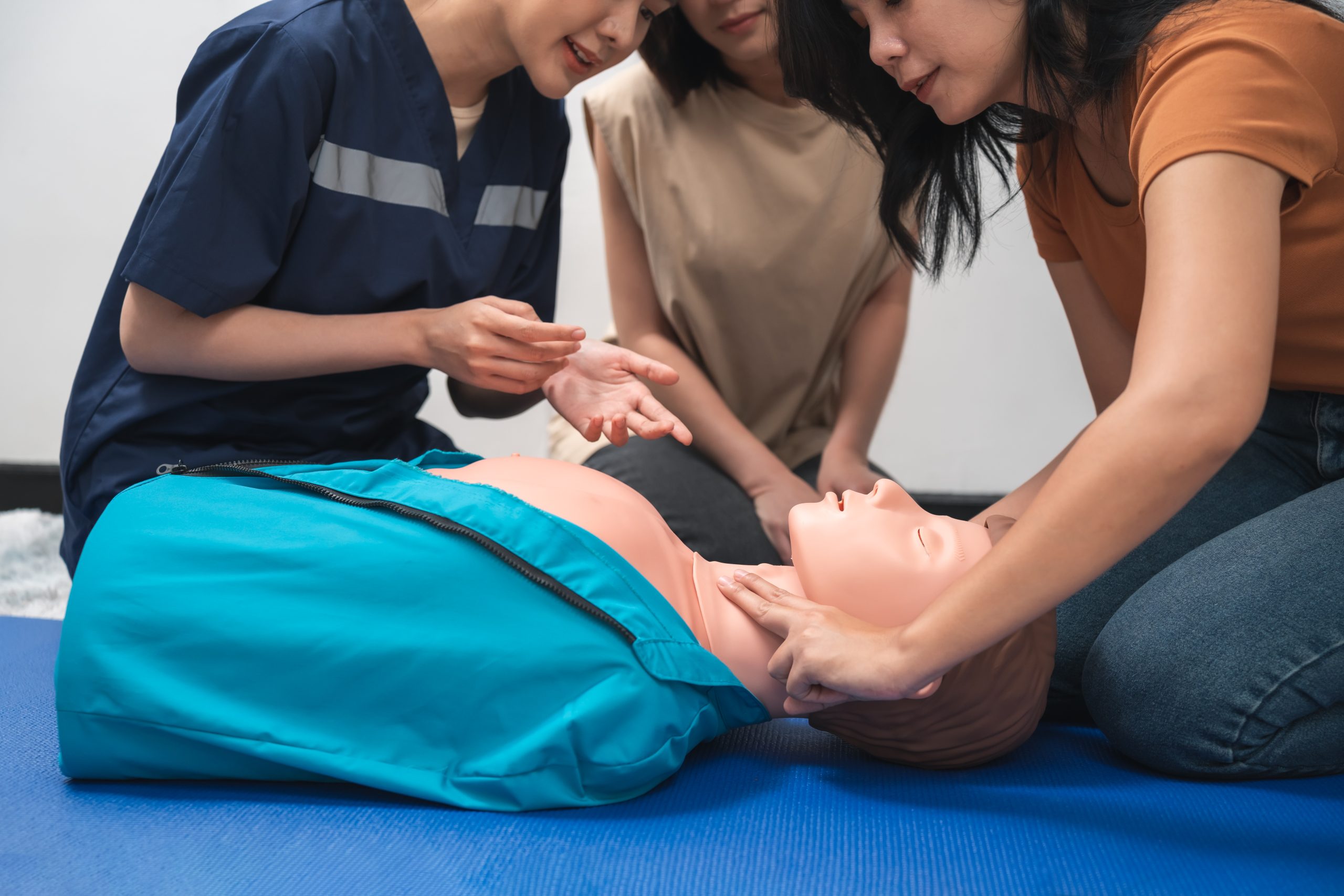
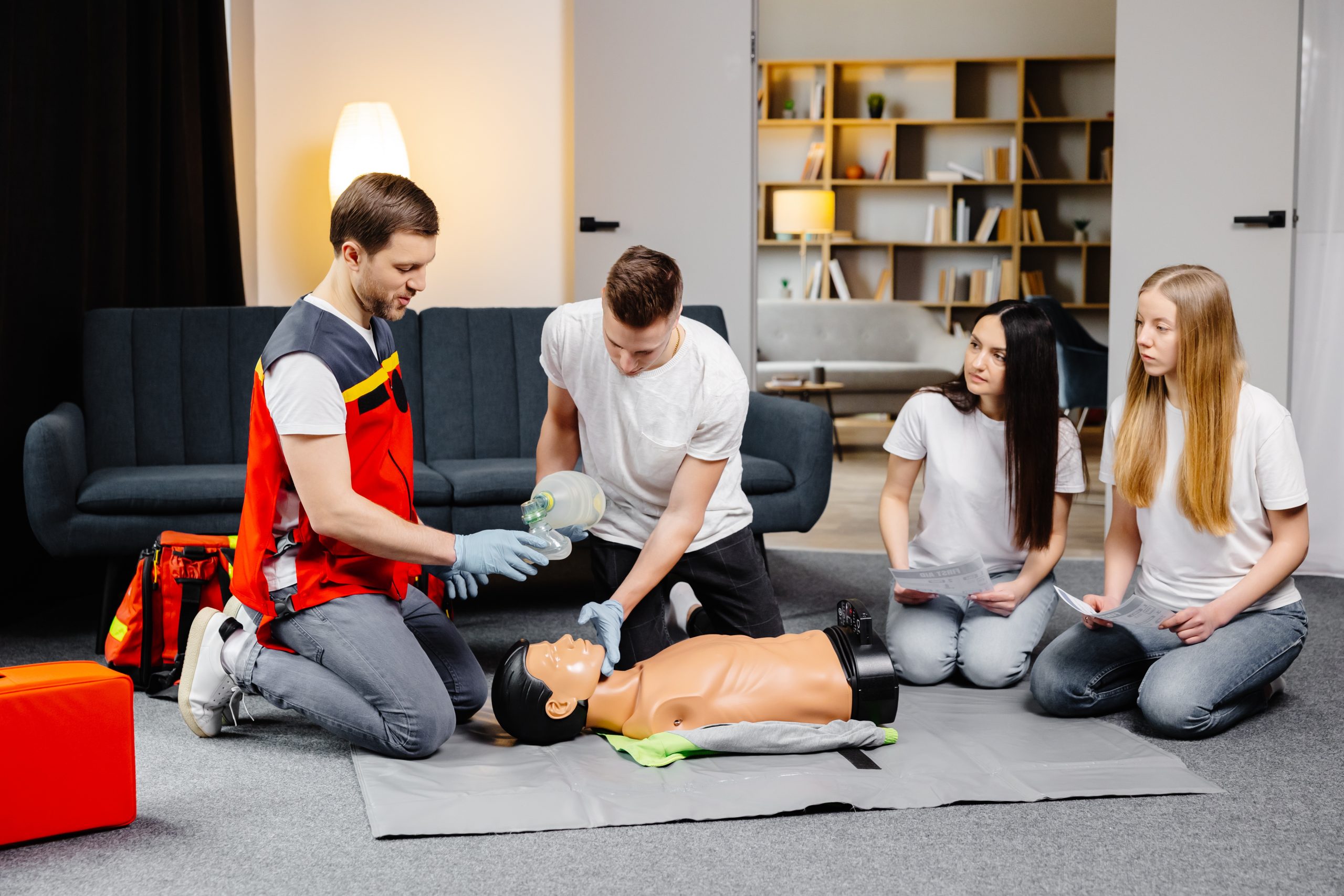
Only a practical, in-person class allows you to drill these techniques using age-appropriate mannequins and receive real-time feedback from an expert instructor. This hands-on, supportive learning environment, like those offered by CPR Classes Near Me in Washington DC, solidifies the muscle memory necessary for competent emergency response.

Which Certification Standard Should I Choose for Infant CPR in Washington DC?

When searching for “Infant CPR classes near me” in Washington DC, you will encounter various organizations offering certification. Choosing the right standard is crucial, especially if your certification is required for employment or if you want the assurance of the most credible, science-backed training.

In the United States, the two most recognized certification providers are the American Heart Association (AHA) and another major non-profit humanitarian organization. While both provide life-saving training, the American Heart Association (AHA) Basic Life Support (BLS) certification is universally regarded as the gold standard. This is particularly true within the healthcare community and for high-stakes professional roles.

Here is why AHA BLS is the preferred choice in DC:

  1. Science-Based Guidelines: The AHA establishes the science and guidelines for all resuscitation efforts. Their BLS curriculum is updated regularly based on the latest evidence, ensuring you learn the most effective techniques.
  2. Universal Acceptance: The AHA BLS eCard is the most widely accepted certification by employers nationwide. This includes:
    • Hospitals and medical offices.
    • Schools and educational facilities.
    • Licensed childcare and daycare facilities throughout the DMV area.
  3. Comprehensive Scope: While standard CPR courses may focus primarily on lay rescuers, the AHA BLS course is a comprehensive program covering the full spectrum of resuscitation:
    • Adult, Child, and Infant CPR and AED use.
    • Single-rescuer and team-based resuscitation skills.
    • Airway obstruction (choking) management for all ages.

By enrolling with a certified AHA training site, such as CPR Classes Near Me, you are not just getting a piece of plastic (or a digital card). You are receiving instruction that has met rigorous quality standards set by the leading authority in cardiovascular science. This commitment to excellence ensures that the Infant CPR skills you learn are accurate, current, and maximally effective.

What Types of Training Formats Are Available for DC Residents, and Which Is Best?

DC residents have a choice between three primary training formats for CPR certification: fully online, blended learning, and 100% in-person, hands-on classroom instruction. When it comes to mastering life-saving skills for an infant, the format you choose is as important as the content itself.

1. Fully Online Training (Not Recommended)

This option allows you to complete the entire course without ever physically demonstrating your skills to an instructor.

  • Pro: Offers maximum convenience; it can be completed anywhere, anytime.
  • Con: This is a crucial drawback: most DC employers do not accept online-only certifications. You cannot practice the physical skills of Infant CPR (two-finger compressions, depth, breath volume) without an instructor observing you. The certification card often lacks credibility.

2. Blended Learning (Partially Effective)

This format involves completing the lecture and cognitive portion of the course online, followed by a mandatory, short in-person skills session. During this session, you practice on a mannequin and demonstrate proficiency to an instructor.

  • Pro: Provides flexibility for learning the theory; it saves time in the classroom.
  • Con: The in-person session can feel rushed, and you may miss out on valuable discussion and instructor-led coaching that occurs during a full classroom session.

3. 100% In-Person, Hands-On Classroom (The Gold Standard)

This is the traditional, instructor-led model. You spend the entire course time with a certified professional in a dedicated learning environment, practicing on mannequins.

This is the best option for Infant CPR training because it provides:

  • Mastery of Technique: You receive constant, immediate feedback on your compression rate, depth, and hand placement, which is essential for an infant’s delicate frame.
  • Confidence Building: The hands-on practice reduces hesitation and builds the critical muscle memory needed to act under pressure.
  • Same-Day Certification: Reputable training sites, like CPR Classes Near Me in Washington DC, issue your official AHA eCard on the same day you successfully complete the training.
  • Q&A Opportunities: Direct access to an experienced instructor allows you to ask complex, real-world questions specific to your family or work environment.

For a skill as precise and critical as Infant CPR, the hands-on approach is invaluable. By selecting a dedicated, local provider that prioritizes in-person, AHA-aligned training, you ensure your skills are sharp and your certification is fully recognized by any professional standard in Washington DC.

Beyond the Baby: Does Infant CPR Training Cover Adults and Children Too?

When searching for “Infant CPR classes,” many people assume the training is only for babies. However, when you enroll in a comprehensive American Heart Association (AHA) Basic Life Support (BLS) course in Washington DC, you are acquiring a full spectrum of life-saving knowledge that covers every age group.

This is arguably one of the greatest values of selecting an AHA BLS-level course: you gain the skills to protect everyone in your home, workplace, or community.

The standard BLS curriculum is structured to teach you how to respond to cardiac and breathing emergencies for three distinct groups:

  1. Adults (Puberty and Older): You will learn the standard two-hand compression technique, adult rescue breathing, and the proper use of an Automated External Defibrillator (AED).
  2. Children (Age 1 to Puberty): You will practice adjusting techniques for a child, which involves using one hand for compressions and modifying the depth and breath volume.
  3. Infants (Under 1 Year): You will master the specialized two-finger compressions and gentle, mouth-over-nose-and-mouth rescue breaths, as discussed previously.

Beyond CPR itself, a quality certification course ensures you are proficient in two other crucial areas for all ages:

  • Automated External Defibrillator (AED) Usage: While rare for infants, knowing how to safely operate an AED and apply pediatric pads is a vital component of resuscitation for children and adults. The course teaches you how to recognize when a defibrillator is needed and how to use it safely.
  • Choking Relief: Airway obstruction is a major threat across all age groups. Your training will cover the specialized five back blow/five chest thrust technique for infants, as well as the standard abdominal thrusts for conscious and unconscious children and adults.

By committing to a comprehensive AHA BLS course offered by CPR Classes Near Me, you streamline your training. You walk away with a single, powerful certification that makes you an equipped rescuer for any potential emergency, regardless of the victim’s age. This comprehensive approach is particularly beneficial for busy DC professionals and parents who need to maximize their time while achieving the highest level of competence.

Conclusion: Gain the Confidence to Be a Lifesaver in DC

The urgency of knowing Infant CPR cannot be overstated. In an emergency, hesitation costs lives, and only high-quality, hands-on training can eliminate that hesitation and replace it with decisive, life-saving action.

For parents, caregivers, and professionals throughout Washington DC, investing in an American Heart Association-aligned BLS certification provides peace of mind and the proven skills to act when it matters most.

By choosing a local, certified training provider like CPR Classes Near Me, you benefit from expert instruction, a focused, hands-on learning environment, and the convenience of same-day certification. You will leave the course not just with an eCard, but with the confidence that you are fully prepared to provide competent and effective CPR to an infant, child, or adult. This critical skill is your most important tool for safeguarding the health and well-being of the people you love and care for in the nation’s capital.

Take the next step toward total preparedness today.

Get Your CPR Certification with CPR Classes Near Me.

FAQ Section

Q: How long does Infant CPR certification last, and when do I need to renew it?

A: Infant CPR certification, typically obtained through a comprehensive AHA BLS course, is valid for two years. It is important to renew your certification before it expires to ensure your skills remain sharp and current with the latest AHA guidelines. Renewal courses are available and typically focus on refreshing your knowledge and techniques. Regular renewal ensures you are always prepared to respond effectively in an emergency situation.

Q: Is the Infant CPR class designed only for healthcare professionals, or can lay rescuers take it?

A: While the American Heart Association’s Basic Life Support (BLS) certification is the mandatory standard for healthcare professionals (such as nurses and paramedics), it is highly recommended for lay rescuers as well, including new parents, teachers, and childcare providers. The BLS curriculum provides the most comprehensive and detailed training available, covering all age groups (Adult, Child, and Infant) to the highest standard, equipping anyone to handle a critical emergency with confidence and precision.

Q: Can I just take an online-only course to learn Infant CPR techniques?

A: You can take the theoretical portion of CPR training online, but an online-only certification is not recognized by most employers or licensing bodies in Washington DC or nationwide. To truly master the life-saving physical skills, such as the correct depth and rate of two-finger compressions for an infant and proper rescue breathing, you must complete a hands-on, in-person skills session with a certified instructor. This practical, in-person component is essential for gaining real competence, ensuring the skills are accurate, and receiving a valid, accepted AHA eCard.

Online vs. In-Person CPR Training: Which is Right for You?

In today’s digital world, you can learn almost anything online—from cooking to coding. But when it comes to life-saving skills like Cardiopulmonary Resuscitation (CPR), the decision between clicking “play” on a video and stepping into a classroom carries a lot more weight.

Whether you are a nurse renewing your BLS credential, a teacher preparing for the school year, or a parent wanting peace of mind, choosing the right class format is critical. You might be wondering: Is an online certificate actually valid? or Do I really need to spend hours in a classroom?

As a premier provider of CPR Classes Near Me, we understand the confusion. In this guide, we will break down the pros and cons of online versus in-person training so you can choose the path that fits your schedule—and keeps you compliant.

What is In-Person CPR Training?

In-person training is the traditional method of learning CPR. You attend a scheduled class at a local facility, guided by a certified instructor. These sessions are designed to be interactive, physical, and comprehensive.

Why Choose In-Person Training?

The primary advantage of in-person training is the hands-on experience. CPR is a physical skill. Watching a video of someone performing chest compressions is very different from pushing down on a high-fidelity manikin yourself.

  • Muscle Memory: You physically practice the depth and rate of compressions (100-120 per minute), ensuring you “feel” what it takes to circulate blood manually.
  • Immediate Feedback: If your elbows are bending or you aren’t pushing hard enough, an instructor corrects you instantly. This prevents you from developing bad habits that could be fatal in a real emergency.
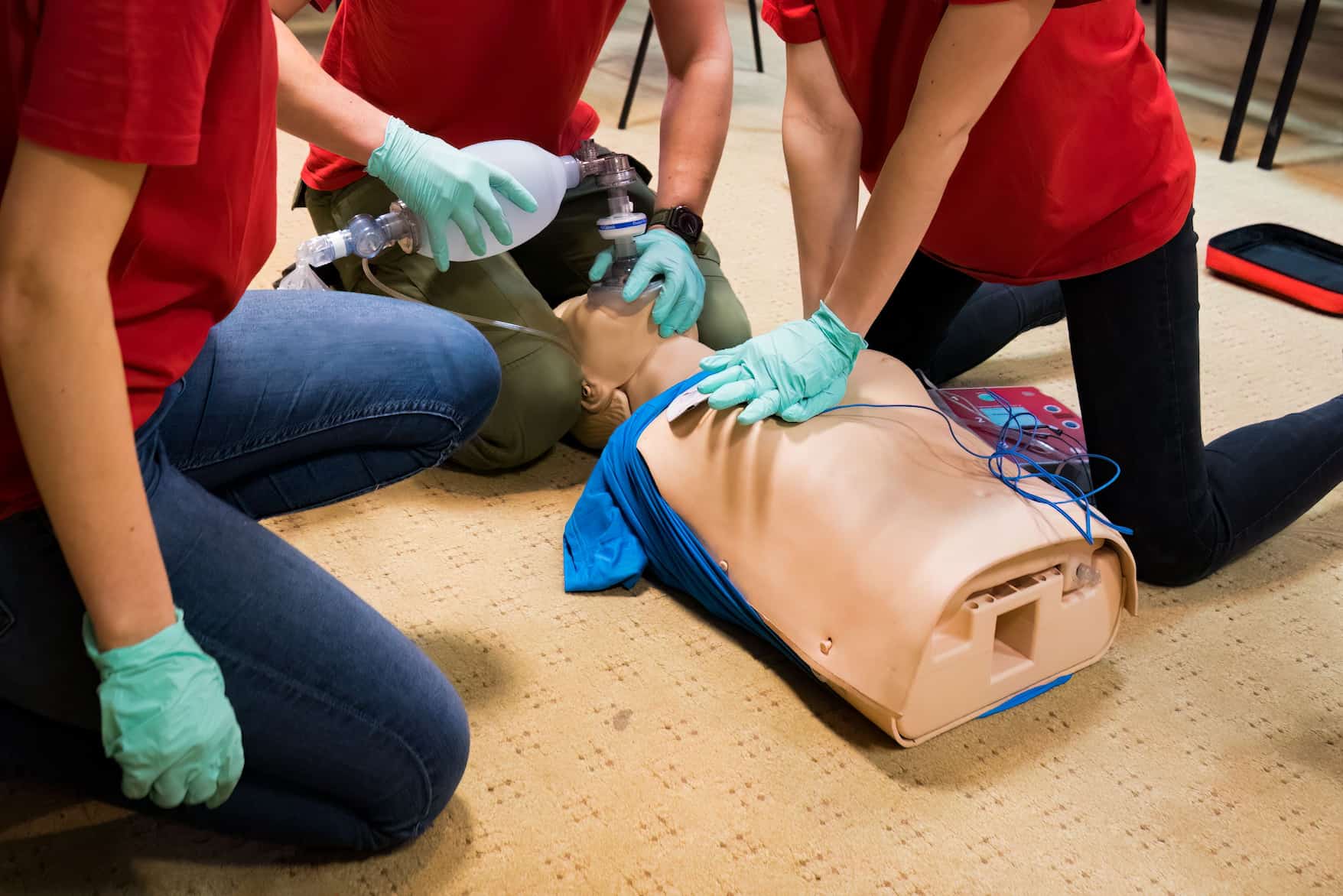
  • Equipment Familiarity: You get to handle an AED (Automated External Defibrillator), practice applying pads, and listen to the device’s voice prompts in a controlled setting.

Are There Downsides?

The main hurdle for most people is logistics. You have to drive to a location and commit a few hours of your day. However, providers like CPR Classes Near Me optimize these sessions to be efficient, often issuing your American Heart Association (AHA) eCard the very same day.

What is Online CPR Training?

Online CPR training delivers course content via digital modules. You read text, watch instructional videos, and take quizzes on your computer or smartphone.

The Appeal of Online Courses

The biggest selling point is flexibility. You can pause the training to take a call, finish it at 2 AM in your pajamas, or break it up over several days. For those who just want knowledge for personal reasons and don’t need a work-recognized card, this can be a convenient option.

The Hidden Trap: Employer Acceptance

Here is the catch that trips up many professionals: Online-only certifications are rarely accepted by employers in healthcare, childcare, or industrial safety.

Most regulatory bodies, including OSHA and the American Heart Association, require a hands-on skills check for a certification to be valid. If you take a 100% online course that does not require you to touch a manikin, there is a high probability your employer will reject it, forcing you to pay for and attend an in-person class anyway.

Will My Employer Accept an Online Certification?

This is the most common question we hear. If you are taking CPR for a job requirement, the answer is almost always no—unless it includes an in-person skills session.

Who Typically Requires In-Person Training?

  • Healthcare Providers: Nurses, doctors, CNAs, and EMTs generally require AHA Basic Life Support (BLS), which mandates a skills test.
  • Childcare Workers: Daycares and schools usually require state-approved training that includes physical practice.
  • Construction & Safety: OSHA guidelines strongly emphasize the need for physical practice to verify competency.

If you submit an online-only certificate to a hospital or school district, you risk being non-compliant. It is always safer to choose a course that guarantees hands-on verification.

Comparison: Online vs. In-Person at a Glance

Not sure which way to lean? Here is a quick comparison of how the two formats stack up.

  • Convenience: Online wins for scheduling, but In-Person wins for “one-and-done” completion (no need to schedule a separate skills check later).
  • Cost: Online courses often appear cheaper upfront, but hidden fees for “skills sessions” or having to retake a rejected class can make them more expensive in the long run.
  • Confidence: In-Person is superior. Real-life emergencies are stressful; having physical muscle memory helps you act on instinct.
  • Validation: In-Person training is universally accepted. Online-only is frequently rejected for professional use.

Is Blended Learning a Good Compromise?

Blended learning is a hybrid model where you do the “book work” online and then come into a facility for a short skills session. While this offers some flexibility, you still have to travel to a training center to meet with an instructor.

At CPR Classes Near Me, we focus on providing high-quality, efficient in-person classes. We find that completing the theory and the skills together in one cohesive session often leads to better retention and a smoother experience—plus, you walk out with your certification card in hand immediately.

Why “CPR Classes Near Me” is Your Best Option

We know your time is valuable. That’s why we have streamlined the in-person experience to be as painless and professional as possible.

  • AHA Certification: We issue American Heart Association cards, the gold standard in the industry.
  • Same-Day Certification: No waiting by the mailbox. You qualify, you pass, you get your eCard.
  • Expert Instructors: Our team consists of healthcare and safety professionals who make the class engaging, not boring.
  • Locally Owned: We are part of your community, helping Austin stay safe.

When you weigh the risks of an online course being rejected against the confidence and compliance of in-person training, the choice is clear.

Ready to Get Certified?

Don’t risk your compliance or your confidence with a “click-through” course. Get real hands-on training that empowers you to save a life.

Contact CPR Classes Near Me today to check our schedule and book your seat.

FAQs

Q: Can I get CPR certified entirely online?

A: You can find websites that will issue a “certification” online, but it is important to know that these are typically not recognized by employers, OSHA, or hospitals. To be fully certified—especially for a job—you almost always need a hands-on skills evaluation with an instructor.

Q: How long does an in-person CPR class take?

A: Class times vary by provider, but our streamlined BLS and CPR classes are designed to be efficient. You can typically expect to spend a few hours learning and practicing, ensuring you leave confident without taking up your entire day.

Q: Is online CPR training valid for OSHA?

A: generally, no. OSHA standards state that online training alone does not meet the requirements for first aid and CPR training because it lacks the physical skills demonstration. A hands-on component is required.

Q: Do I need a book for the class?

A: For American Heart Association classes, students are usually required to have access to the student manual. Check with your specific class registration details to see if the book is included or needs to be purchased separately.

Q: How often do I need to renew my certification?

A: Most CPR and BLS certifications, including those from the AHA, are valid for two years. You must retake a course before your card expires to remain compliant.

Q: What is the difference between CPR and BLS?

A: CPR (Cardiopulmonary Resuscitation) is a general term for the lifesaving technique. BLS (Basic Life Support) is a higher-level certification specifically for healthcare providers (nurses, doctors, EMTs) that covers team dynamics, advanced airways, and 2-rescuer scenarios.