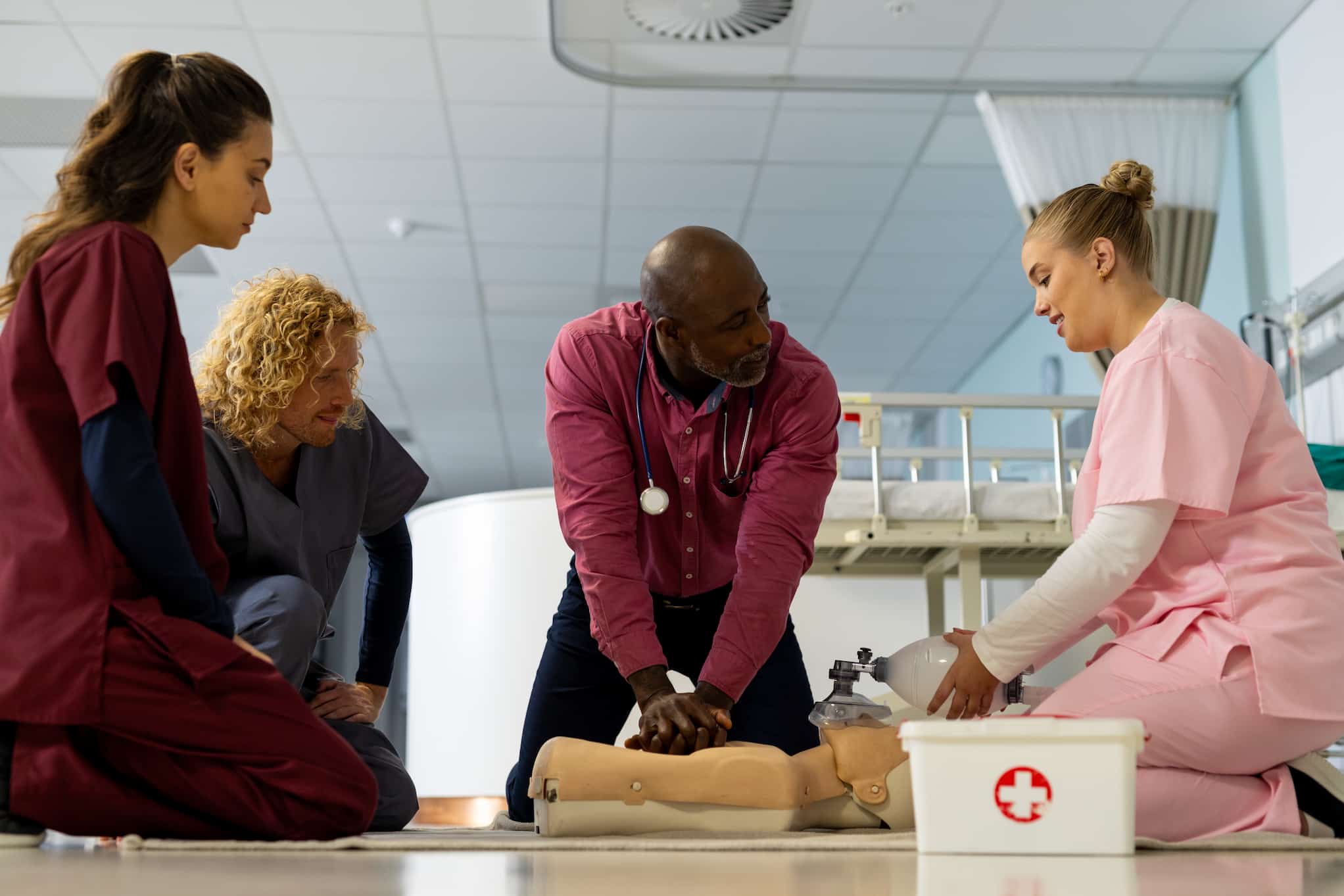
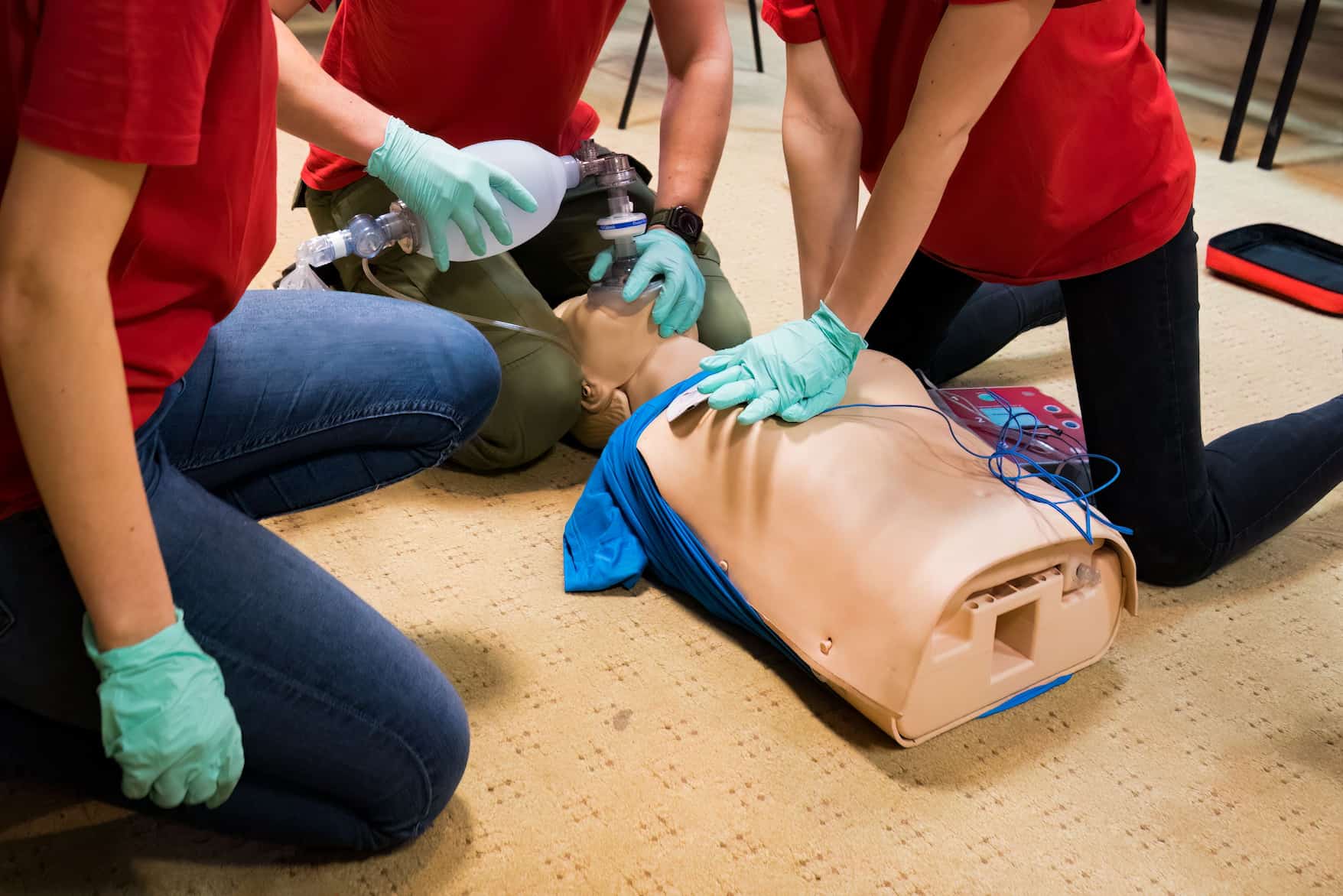
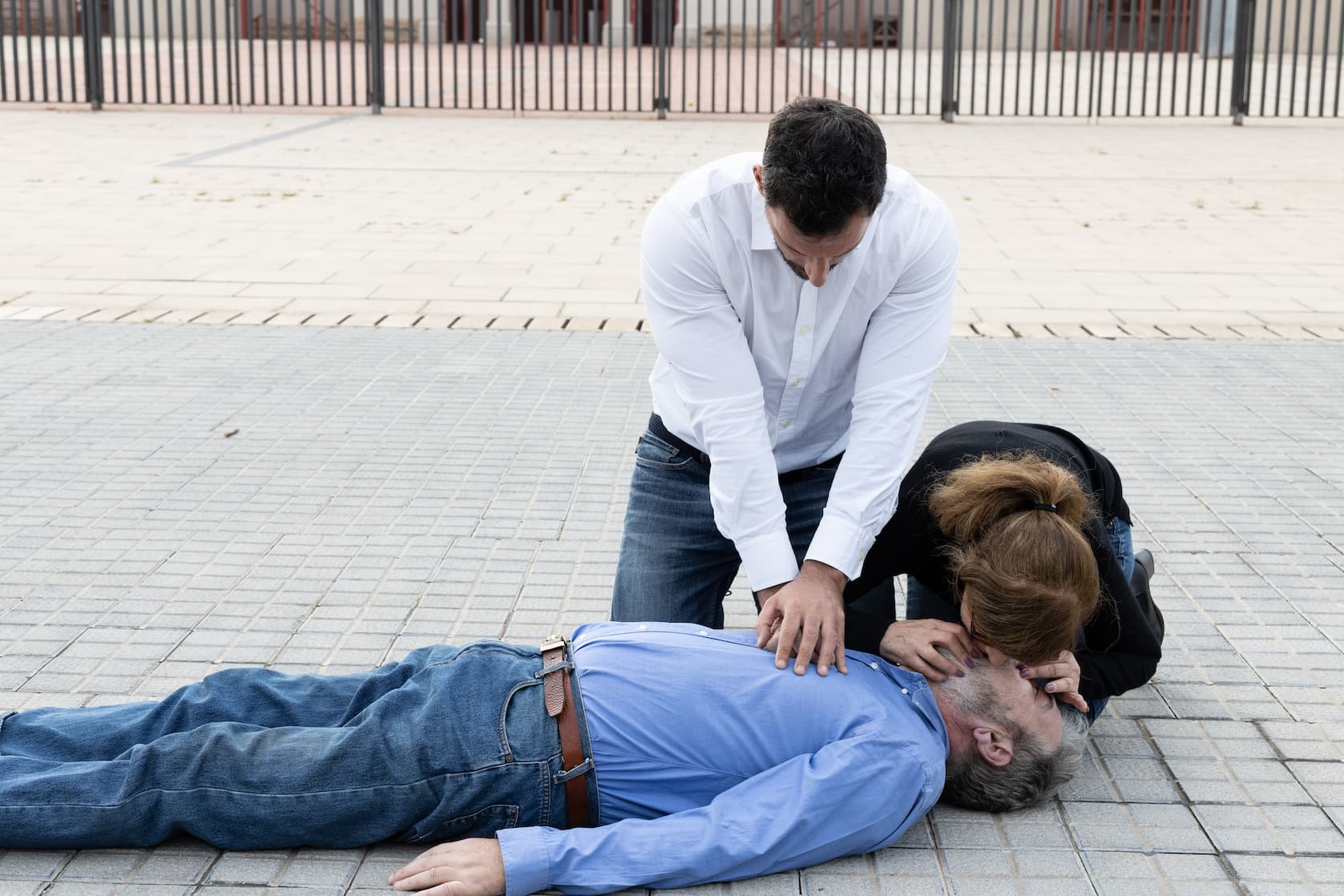
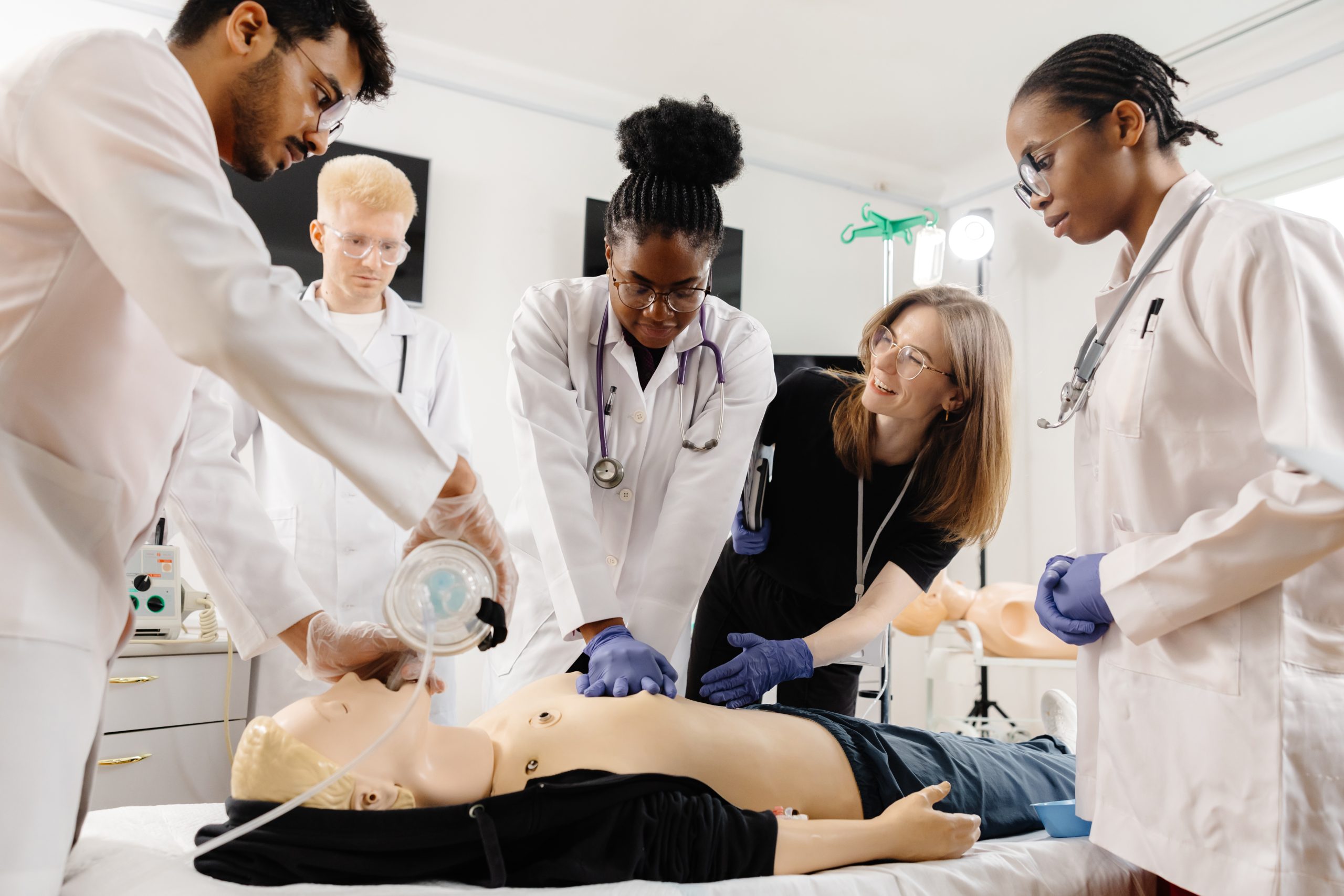
In the bustling heart of Ohio, from the busy corridors of Ohio State University’s medical centers to the quiet suburban streets of Dublin and Westerville, emergencies can strike without warning. Whether you are a seasoned nurse, a construction foreman, or a new parent in Upper Arlington, being prepared for the unexpected is more than just a good idea—it is a responsibility.
But what exactly is CPR certification, and is it something you legally need for your job in Columbus?
Understanding the “what,” “why,” and “who” of Cardiopulmonary Resuscitation (CPR) training can be the difference between standing by helplessly and saving a life. This comprehensive guide will walk you through the essentials of American Heart Association (AHA) certification, local requirements in Franklin County, and why in-person training remains the gold standard for proficiency.
What Is CPR Certification and Why Does It Matter?
At its core, CPR Certification is a validation that you have been trained to perform life-saving procedures on someone suffering from cardiac arrest. When a person’s heart stops beating, oxygen-rich blood stops flowing to the brain and other vital organs. Brain death can occur in as little as four to six minutes.
CPR serves as a manual pump, keeping that blood flowing until professional help arrives. However, certification is more than just watching a video; it is a rigorous, hands-on verification of your skills.
What Does “AHA Certified” Mean?
You will often hear the term “AHA Certified” tossed around as the benchmark for quality. The American Heart Association (AHA) is the global leader in resuscitation science. They set the guidelines that medical professionals follow. When you receive an AHA certification, it means:
Universal Acceptance: Your card is recognized by virtually every hospital, school, and employer in the United States.
Evidence-Based Training: You are learning the latest techniques based on current medical research.
Quality Assurance: You have demonstrated your skills on a feedback-equipped manikin under the supervision of an authorized instructor.
Who Needs CPR Certification in Columbus, OH?
While everyone should know CPR, many professionals in the Columbus area are required to maintain active certification. The specific type of class you need often depends on your profession.
Do Healthcare Professionals Need Specific Training?
Absolutely. If you work in the medical field, a standard community CPR class won’t suffice. You need Basic Life Support (BLS) certification. This advanced level of training focuses on high-performance CPR, team dynamics, and critical thinking.
Who needs it: Registered Nurses (RNs), LPNs, CNAs, doctors, dentists, dental hygienists, EMTs, and paramedics.
Where it applies: Major employers like OhioHealth, Mount Carmel, and Nationwide Children’s Hospital all mandate current AHA BLS certification.
Are Teachers and Coaches Required to be Certified?
Yes. The State of Ohio has strict requirements for those entrusted with the safety of children.
Ohio Law for Coaches: All paid and volunteer coaches for interscholastic sports must hold a valid pupil-activity program permit, which requires CPR and First Aid training.
Teachers & Childcare: Licensed childcare providers and preschool teachers must also be certified in pediatric CPR and First Aid to comply with Ohio Department of Job and Family Services (ODJFS) licensing rules.
Which Other Industries Require CPR?
Beyond healthcare and education, several other sectors in Columbus enforce safety mandates, often driven by OSHA regulations:
Construction & Electricians: With Columbus’s rapid growth, construction sites are everywhere. Workers need training to handle electrical shocks and traumatic injuries.
Fitness Professionals: Personal trainers, yoga instructors, and gym staff at facilities like Life Time or the YMCA are typically required to hold a CPR/AED card.
Foster Parents: To obtain or renew a foster care license in Franklin County, you must demonstrate the ability to handle emergencies.
What Will You Learn in a Columbus CPR Class?
A high-quality CPR course covers much more than just chest compressions. When you attend a class at a local training site, you are building a toolkit for survival.
What Are the Core Skills of BLS?
High-Quality Compressions: Learning the correct depth (2 inches for adults) and rate (100-120 beats per minute).
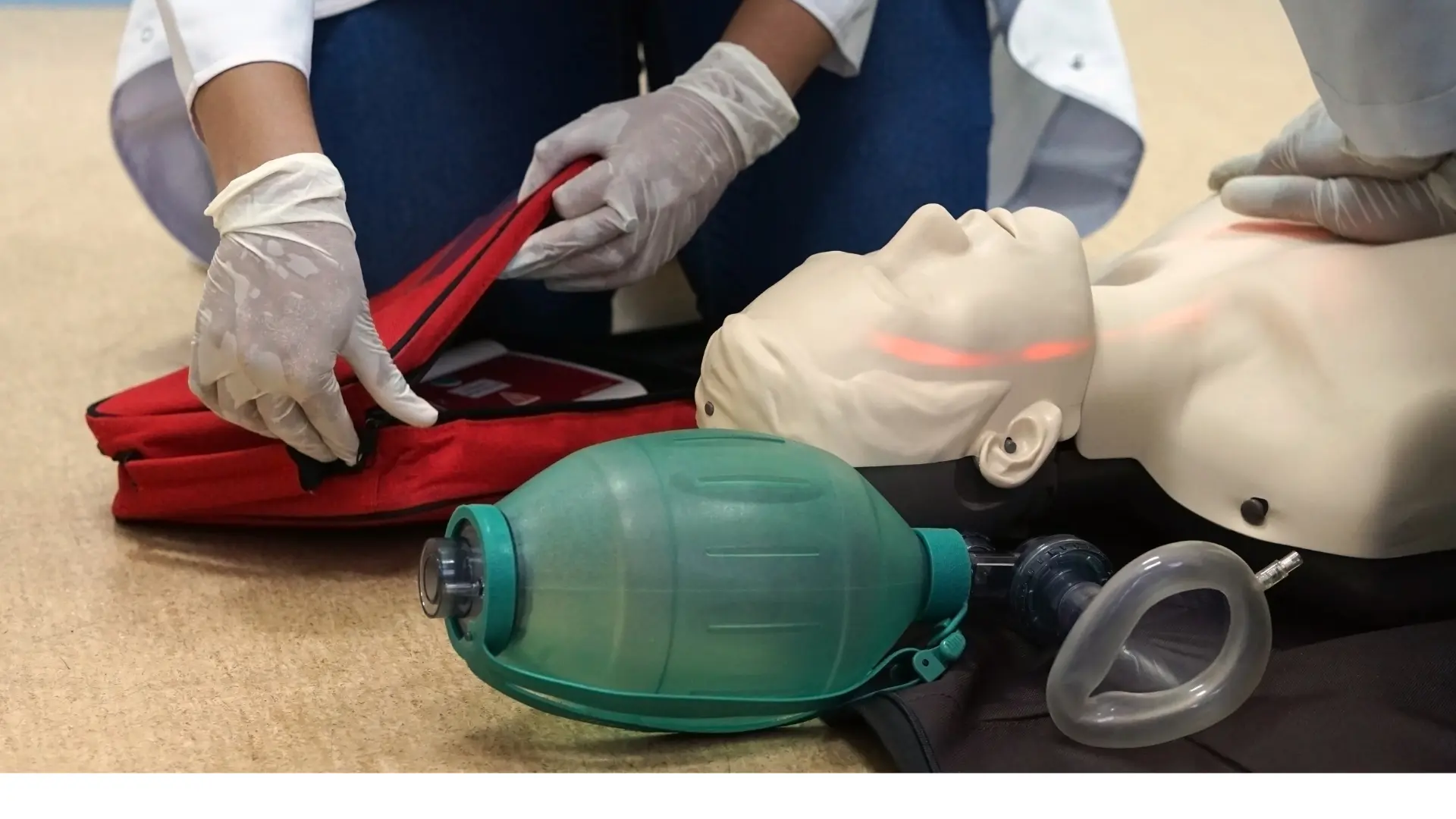
Airway Management: Techniques to open the airway and deliver effective breaths using a pocket mask or bag-valve mask.
AED Usage: How to operate an Automated External Defibrillator (AED) safely. This includes placing pads correctly and clearing the victim for analysis and shock.
Choking Relief: The Heimlich maneuver and other techniques to clear obstructed airways in adults, children, and infants.
Why Is In-Person Training Superior to Online?
You might find “instant” CPR certifications online for a few dollars. Beware of these. Most employers in Columbus will not accept a certification that did not include a hands-on skills check.
Muscle Memory: You cannot learn the physical force required for compressions by clicking a mouse.
Instructor Feedback: A live instructor can correct your hand placement and posture instantly, ensuring you don’t injure the victim or yourself.
Equipment Experience: Using a real AED trainer gives you the confidence to use a live device during the chaos of an actual emergency.
How Does CPR Classes Near Me Compare to Other Options?
When looking for training in Columbus, you have choices. However, not all programs are created equal. Here is why locals from Hilliard to Reynoldsburg choose specialized private training centers over other alternatives.
VS. Large Institutions: Colleges like Columbus State offer excellent courses, but they are often semester-based or strictly scheduled. Private training sites offer flexibility, with classes available multiple times a week to fit your schedule, not an academic calendar.
VS. National Red Cross: While reputable, Red Cross courses are sometimes not accepted by specific healthcare employers who strictly demand AHA certification. AHA BLS is the “Gold Standard” for healthcare.
VS. Online-Only Scams: Many websites promise a card in 30 minutes. These are rarely accepted by OSHA or medical boards. A legitimate local provider ensures you leave with a valid, employer-accepted eCard—often on the very same day.
How Much Does CPR Certification Cost?
Pricing can vary, but transparency is key. You should expect to pay for the quality of instruction and the validity of the certification.
Standard BLS Class: Typically ranges from $50 to $80.
CPR + First Aid Combo: Usually between $70 and $100.
At CPR Classes Near Me Columbus, we strive to keep life-saving training affordable.
BLS CPR & AED: Currently discounted to $59.95.
CPR/AED + First Aid: Currently discounted to $79.95.
Note: Prices are subject to change. Always check the booking calendar for the most current rates.
Conclusion: Don’t Wait Until It’s Too Late
Whether you are a nurse renewing your credentials in Gahanna, a teacher in Grove City, or a concerned parent in Bexley, CPR certification is an investment in safety. It is the one qualification you hope you never have to use, but will be eternally grateful for if you do.
In Columbus, the standard is high. Employers expect AHA certification, and your community deserves the peace of mind that comes with knowing you are prepared. Don’t settle for online shortcuts or overpriced courses. Get the hands-on, confidence-building training you need to become a lifesaver.
Ready to get certified?
Classes fill up quickly! Secure your spot today for the best AHA BLS CPR training in Columbus.
Cardiopulmonary Resuscitation (CPR) is widely recognized as a miraculous, life-saving technique. It is the bridge between a cardiac event and professional medical care. At CPR Classes Near Me, we spend a significant amount of time teaching you how to perform high-quality compressions and rescue breaths. However, an equally important part of your education involves knowing when not to act.
While the instinct to help is noble, there are specific circumstances—medical, legal, and environmental—where starting CPR is either futile, dangerous to the rescuer, or legally prohibited. Understanding these signs ensures that you are acting effectively, ethically, and safely.
This guide explores the critical decision-making process regarding when to withhold or stop resuscitation efforts.
Is the Scene Safe for the Rescuer?
The very first rule of any emergency response is widely known by the acronym “Scene Safety.” Before you even check the victim for responsiveness, you must assess the environment. If the scene is unsafe, you must not perform CPR.
This rule exists for a simple reason: You cannot help the victim if you become a victim yourself.
If you rush into a dangerous situation, you risk creating a scenario where Emergency Medical Services (EMS) have two patients to treat instead of one. Common hazards that necessitate withholding CPR include:
Fire or Smoke: Entering a burning building or a smoke-filled room without protective gear is deadly. Smoke inhalation can render a rescuer unconscious in seconds.
Toxic Fumes or Chemicals: If a person has collapsed due to a chemical spill or gas leak (like carbon monoxide), the air around them is poison. Unless you can move them to fresh air without endangering yourself, you cannot start care.
Traffic: Highway accidents are notoriously dangerous. If a victim is lying in a lane of traffic and cannot be moved, attempting CPR on the road puts you at risk of being struck by a vehicle.
Electrical Hazards: If a victim was electrocuted and is still in contact with the power source (like a downed power line), touching them will electrocute you as well.
Structural Instability: After earthquakes or explosions, entering a collapsing building is a “no-go” criteria.
If the scene is unsafe, call 911 immediately and wait for professionals who have the equipment to extract the victim.
What Are the Signs of Obvious Death?
CPR is designed to circulate oxygenated blood for a person whose heart has stopped but who is physically intact enough to potentially recover. There are physiological states where death is irreversible. In the medical community, these are known as “signs of life incompatible.”
If you encounter a victim exhibiting the following signs, CPR will not be effective, and you are not required to start it.
What Is Rigor Mortis?
Rigor mortis is the stiffening of the joints and muscles of a body a few hours after death, usually lasting from one to four days. It occurs because of chemical changes in the muscles.
How to identify it: If you try to move the victim’s arm to check for a pulse or position the head for rescue breaths, and the limbs are rigid and stiff (like a mannequin), rigor mortis has set in.
The Verdict: Do not perform CPR. The heart has been stopped for too long for resuscitation to work.
What Is Livor Mortis (Lividity)?
Livor mortis, or post-mortem lividity, is the pooling of blood in the lower portion of the body due to gravity. When the heart stops pumping, blood settles.
How to identify it: You will see purplish-red discoloration on the skin closest to the ground. For example, if the victim is lying on their back, their back and buttocks will look bruised or purple, while the top of the body is pale.
The Verdict: This indicates the person has been deceased for a significant amount of time. CPR should not be performed.
What Is Decomposition?
Decomposition is the process where organic substances are broken down into simpler organic matter. This is a definitive sign of death.
How to identify it: Signs include bloating, skin slippage, and a strong, distinctive odor of decay.
The Verdict: Do not perform CPR.
What Are Fatal Traumatic Injuries?
Some injuries are simply incompatible with life. Even if you could manually pump the heart, the body cannot sustain function. These include:
Decapitation: Separation of the head from the body.
Transection: The body has been cut in half (e.g., a severe train accident).
Incineration: The body has been burned to the point of charring over the majority of the surface area.
Evisceration: Total removal of vital organs (heart/lungs) from the chest cavity.
How Do DNR Orders Affect CPR?
One of the most complex areas for a lay rescuer is the Do Not Resuscitate (DNR) order. A DNR is a legal medical order written by a doctor. It instructs health care providers not to perform cardiopulmonary resuscitation if a patient’s breathing stops or if the patient’s heart stops beating.
Valid Forms of DNR Identification
For a layperson or professional to honor a DNR, it must be immediately available and clearly valid. You cannot take a bystander’s word that “he has a DNR.” You must see the proof. Valid forms often include:
Hospital or State Documents: Often a bright-colored form (Pink or Yellow, depending on the state), such as a POLST (Physician Orders for Life-Sustaining Treatment) form, signed by a physician.
Medical Jewelry: A bracelet or necklace specifically engraved with “Do Not Resuscitate” or “DNR,” often accompanied by a medical emblem.
The “When in Doubt” Rule
If you are a Good Samaritan rescuer and you are unsure if a document is valid, or if family members are arguing about the existence of a DNR, the standard protocol is to perform CPR.
It is better to err on the side of preserving life. Courts and medical boards generally protect rescuers who perform CPR in good faith because they did not know a valid DNR existed. However, if a valid DNR is presented to you clearly, you should respect the patient’s end-of-life wishes and withhold CPR.
What If the Victim Starts Breathing?
The goal of CPR is the Return of Spontaneous Circulation (ROSC). This means the heart has started beating on its own, and the victim is breathing effectively.
You should stop CPR if the victim shows obvious signs of life, which include:
Regular Breathing: Not gasping, but rising and falling of the chest with regular air exchange.
Purposeful Movement: The victim moves their arms or legs, pushes you away, or tries to sit up.
Opening Eyes/Speaking: The victim regains consciousness.
Important Note on Agonal Breathing:
Do not confuse “agonal gasps” with regular breathing. Agonal gasps are reflexive, snoring-like gasps that happen shortly after the heart stops. They are not effective breathing. If the victim is only gasping, you must continue CPR. Only stop if breathing becomes regular and rhythmic.
When Can I Stop Performing CPR?
Once you have started CPR, you are generally committed to continuing until a specific event occurs. You cannot simply stop because you are bored or assume it isn’t working. However, there are valid reasons to cease efforts.
1. EMS Arrival and Transfer of Care
You stop when a higher level of medical care arrives and tells you to stop. This could be paramedics, EMTs, or police officers with AEDs. They will usually tap you on the shoulder and say, “We have it from here.” Do not stop until they are in position to take over immediately.
2. Physical Exhaustion
CPR is physically grueling. Effective chest compressions require 100 to 120 compressions per minute at a depth of 2 inches. If you are the only rescuer, you will burn out quickly.
If you reach a point of total physical exhaustion where you can no longer continue, you are permitted to stop. Continuing with ineffective, shallow compressions is not helpful, and collapsing yourself creates a new medical emergency. If bystanders are available, always try to switch off every 2 minutes to avoid this scenario.
3. The Scene Becomes Unsafe
As mentioned earlier, safety is fluid. A scene that was safe five minutes ago might change. For example:
A building fire spreads to your room.
A structure begins to collapse.
Gunfire erupts nearby.
If the environment turns hostile, you must prioritize your life and evacuate, even if that means leaving the victim behind.
Why Is Futility a Factor?
In a hospital setting, doctors weigh the concept of medical futility—whether a treatment has any chance of benefiting the patient. In a layperson setting, futility is usually determined by the length of time CPR has been performed without a result, combined with the environment.
Wilderness Context: If you are hiking in a remote area, hours from help, and you perform CPR for 30 minutes to an hour with no response, wilderness first aid protocols often provide guidelines for stopping, as survival rates plummet without advanced life support.
Cold Water Drowning: Conversely, “you aren’t dead until you are warm and dead.” Victims of cold water drowning, especially children, have survived after prolonged CPR. In cold environments, do not stop CPR based on time alone; wait for EMS.
The Role of Good Samaritan Laws
Many people hesitate to act—or hesitate to stop—out of fear of legal repercussions. It is vital to understand that Good Samaritan Laws exist in all 50 states to protect lay responders.
These laws generally provide immunity from civil liability for individuals who voluntarily provide emergency care, provided that:
The assistance is given in an emergency.
The rescuer acts in good faith and without expectation of compensation.
The rescuer is not grossly negligent.
Knowing when not to perform CPR (such as in cases of rigor mortis or unsafe scenes) acts as a further protection. It demonstrates that you assessed the situation logically and acted reasonably.
Conclusion
CPR is a powerful tool in the chain of survival, but it is not a universal remedy for every situation. Being a trained rescuer means possessing the judgment to know when to act and when to step back.
Whether it is identifying the signs of obvious death like rigor mortis, respecting a valid DNR order, or prioritizing your own safety in a hazardous environment, these decisions are crucial. They ensure that resources are used effectively and that the dignity of the victim is respected.
The best way to feel confident in these high-pressure decisions is through hands-on training. A certification course doesn’t just teach you the physical skills; it walks you through the scenarios, the legalities, and the assessments required to be a true lifesaver.Are you ready to learn the skills to save a life? Don’t wait for an emergency to happen. Contact CPR Classes Near Me today and get certified with the best instructors in the industry.
Imagine you are at a grocery store, a park, or even your own living room. Suddenly, someone collapses. They aren’t moving. They aren’t responding. In that split second, the world seems to stop. This is the reality of Sudden Cardiac Arrest (SCA), and it happens nearly 1,000 times every day in the United States alone.
The difference between a tragedy and a survival story often comes down to one person: a bystander who decides to act.
Reading about Cardiopulmonary Resuscitation (CPR) in a textbook is one thing, but applying it in a real-life scenario requires confidence and clear knowledge. When adrenaline is high, you need a simple, actionable plan. This guide breaks down the process of administering CPR into manageable steps, focusing on what it actually feels like and what you need to prioritize to save a life.
Why is immediate action so critical?
Time is the enemy of cardiac arrest. When the heart stops pumping, blood flow to the brain ceases immediately. Brain cells begin to die within minutes.
0–4 Minutes: Brain damage is unlikely.
4–6 Minutes: Brain damage is possible.
6–10 Minutes: Brain damage is probable.
Over 10 Minutes: Survival is rare.
The average ambulance response time can range from 7 to 14 minutes depending on your location. If you wait for professionals to arrive without acting, the window for survival may close. By administering CPR, you are essentially acting as the victim’s heart, manually pumping oxygenated blood to the brain and organs until advanced help arrives.
How do I assess the scene and the victim?
Before you rush in, you must ensure you don’t become a second victim. Real-life emergencies are chaotic. There could be traffic, electrical wires, or broken glass.
1. Check the Scene:
Is it safe? If the environment is dangerous (e.g., a fire or a busy highway), stay back and call 911. If it is safe, approach the victim.
2. Check for Responsiveness:
Tap the victim on the shoulder firmly and shout, “Are you okay?” Do this loudly. You are looking for any movement, groaning, or eye-opening.
3. Check for Breathing:
Scan the chest for rise and fall. This should take no longer than 10 seconds.
Note: In the first few minutes of cardiac arrest, a victim may exhibit “agonal gasps.” This looks like snoring, gurgling, or gasping for air. This is not normal breathing. If the person is gasping or not breathing at all, you must begin CPR.
Who do I call first?
If you determine the person is unresponsive and not breathing normally, you must activate the Emergency Response System immediately.
If you are alone: Call 911 immediately. Put your phone on speaker mode and lay it on the ground next to the victim’s head. The dispatcher can guide you.
If others are around: Point specifically to one person (make eye contact) and say, “You! Call 911 and get an AED!” Being specific breaks the “bystander effect” where everyone assumes someone else is calling.
How do I perform high-quality chest compressions?
This is the core of CPR. In real life, compressions are physically demanding. You may feel ribs crack or pop; this is normal and implies you are pushing hard enough. Do not stop.
Step 1: Positioning
Place the victim on their back on a firm, flat surface. A bed or sofa is too soft and will absorb the force of your compressions. Kneel beside the victim’s chest.
Step 2: Hand Placement
Place the heel of one hand in the center of the victim’s chest (on the lower half of the breastbone).
Place the heel of your other hand directly on top of the first.
Interlock your fingers.
Step 3: Body Mechanics
Straighten your arms and lock your elbows.
Position your shoulders directly over your hands.
Use your upper body weight to push, not just your arm muscles.
Step 4: Push Hard and Fast
Depth: Push down at least 2 inches (5 cm).
Rate: Push at a rate of 100 to 120 compressions per minute.
Recoil: Allow the chest to return to its normal position after each push. This “recoil” pulls blood back into the heart so you can pump it out again.
Pro Tip: To keep the rhythm, push to the beat of “Stayin’ Alive” by the Bee Gees, “Baby Shark,” or “Imperial March” from Star Wars.
What about rescue breaths?
For decades, CPR training emphasized “A-B-C” (Airway, Breathing, Compressions). However, guidelines have shifted.
Hands-Only CPR (Untrained Rescuers)
If you are untrained or uncomfortable giving mouth-to-mouth breaths, perform Hands-Only CPR. This involves continuous chest compressions without stopping for breaths. The victim has enough oxygen in their blood to last several minutes, provided you keep it circulating.
Conventional CPR (Trained Rescuers)
If you are trained and have a barrier device (like a pocket mask), follow the 30:2 ratio:
Perform 30 chest compressions.
Open the airway (Head-Tilt, Chin-Lift maneuver).
Give 2 rescue breaths (each lasting 1 second).
Watch for chest rise.
Resume compressions immediately.
How do I use an AED?
An Automated External Defibrillator (AED) is the only thing that can restart a stopped heart. You will find them in airports, malls, gyms, and offices. They are designed to be used by anyone, even children.
1. Turn it On:
Open the lid or press the “Power” button. Once on, the machine will talk to you.
2. Follow Voice Prompts:
The AED will tell you exactly what to do. It will usually say, “Remove clothing from patient’s chest.” You may need to cut the shirt open (scissors are usually included in the kit).
3. Apply Pads:
Peel the backing off the sticky pads. Place them exactly as shown in the pictures on the pads:
Pad 1: Upper right chest (below the collarbone).
Pad 2: Lower left chest (below the armpit).
4. Clear the Victim:
The AED will say, “Analyzing heart rhythm. Do not touch the patient.” Stop CPR and step back.
5. Deliver Shock (If Advised):
If the AED detects a shockable rhythm, it will say, “Shock advised. Charging… Push the flashing button.” Ensure no one is touching the victim and press the button.
6. Resume CPR:
Immediately after the shock, or if no shock is advised, the AED will tell you to resume compressions. Do not remove the pads.
When do I stop CPR?
Once you start, do not stop unless one of the following occurs:
EMS Arrives: The paramedics physically take over.
Signs of Life: The victim begins to wake up, move, or breathe normally.
AED Analysis: The machine tells you to pause for analysis.
Exhaustion: You are too physically exhausted to continue (if possible, switch with another bystander every 2 minutes to maintain compression quality).
Scene Danger: The environment becomes unsafe.
What are the psychological hurdles of Real-Life CPR?
Administering CPR in real life is vastly different from a classroom with a mannequin. It is messy, noisy, and frightening.
Fear of Harming the Victim: Many people hesitate because they don’t want to hurt the person. Remember: The victim is already dead. You cannot make their condition worse. A broken rib heals; death does not.
The “Gasp”: As mentioned, agonal breathing can be confusing. If you are unsure if they are breathing, assume they are not and start compressions.
Physical Exhaustion: Two minutes of CPR feels like an hour. Adrenaline will help, but fatigue sets in fast. This is why involving other bystanders to switch out is helpful.
Why certification matters
While reading this guide provides a mental framework, nothing replaces the muscle memory gained in a hands-on class. In a certification course, you practice the depth of compressions, the timing of breaths, and the operation of an AED simulator.
Being certified gives you the confidence to command a scene. Instead of panicking, you fall back on your training. You become the person who knows what to do when everyone else is frozen.
Conclusion
Sudden Cardiac Arrest can happen to anyone—a parent, a spouse, a coworker, or a child. By learning the steps of assessing the scene, calling 911, and performing high-quality chest compressions, you become a lifeline.
Real-life CPR is intense, but the steps are simple: Call. Push. Shock.
Don’t wait for an emergency to wish you were prepared. Gain the confidence and skills to save a life today.Contact CPR Classes Near Me today and find a course that fits your schedule.
In the fast-paced world of healthcare, medicine never stands still. Neither should your training. For nurses, paramedics, and medical staff, Basic Life Support (BLS) is the foundational skill that saves lives when seconds count. The American Heart Association (AHA) typically releases major guideline updates every five years, with the most recent major overhaul occurring in 2020 and focused updates continuing through 2024 and into 2025.
If you are a healthcare provider, “doing it the way you’ve always done it” isn’t just outdated—it could be dangerous. Understanding the nuances of the latest science ensures you provide the highest standard of care. From the new emphasis on recovery to changes in pediatric rescue breathing, here is a comprehensive look at what is new in the latest BLS guidelines.
What is the New “Sixth Link” in the Chain of Survival?
For decades, we learned the Chain of Survival as a five-step process ending with “Post-Cardiac Arrest Care.” However, the latest guidelines have added a crucial sixth link: Recovery.
Why the change? Data showed that survival doesn’t end when a patient is discharged from the hospital. The recovery phase is often where survivors face physical, cognitive, and emotional challenges.
Treatment expectations: Providers are now encouraged to plan for long-term multimodality rehabilitation.
Holistic view: Recovery includes neurological assessment and support for anxiety or depression, which are common after cardiac arrest.
Debriefing: This link also emphasizes the health of the rescuer, encouraging debriefing for healthcare teams to process the event.
This shift transforms cardiac arrest care from a short-term emergency event into a long-term continuum of health.
How Have Opioid Overdose Protocols Changed?
With the opioid epidemic continuing to impact communities nationwide, the AHA has fully integrated opioid-associated emergency care into BLS training. It is no longer a side note; it is a primary algorithm.
The guidelines now feature two distinct algorithms: one for lay rescuers and one for healthcare providers. For providers, the key updates include:
Assessment First: If you suspect an overdose, assess breathing and pulse.
Respiratory Arrest vs. Cardiac Arrest: If the patient has a pulse but is not breathing normally, provide rescue breaths and administer Naloxone immediately.
Don’t Delay CPR: If the patient has no pulse, start CPR immediately. Do not wait for Naloxone to work before starting compressions. Naloxone can be administered while CPR is performed.
This empowers healthcare providers to act decisively in toxicological emergencies, recognizing that hypoxia is the primary killer in these cases.
What are the Updates for Pediatric Rescue Breathing?
One of the most significant technical changes in the latest guidelines involves how we breathe for infants and children. Previously, the rate was slower, but new evidence suggests that children—who have higher metabolic rates—require more aggressive ventilation.
The New Standard:
Rescue Breathing (Pulse present): Deliver 1 breath every 2 to 3 seconds (20–30 breaths per minute). This is an increase from the previous 3–5 seconds.
Advanced Airway (During CPR): If an endotracheal tube or supraglottic airway is in place, continue compressions without pausing and deliver 1 breath every 2 to 3 seconds.
This change aims to prevent hypoxia, which is the leading cause of pediatric cardiac arrest, ensuring the brain receives adequate oxygenation faster.
Why is “High-Performance Teams” a Focus?
The “Lone Wolf” rescuer is a thing of the past. The latest guidelines place a heavy premium on team dynamics. It is not enough to know how to do CPR; you must know how to communicate while doing it.
Training now emphasizes:
Clear Roles: Assigning specific tasks (Compressor, Monitor/Defibrillator, Airway) immediately.
Closed-Loop Communication: Repeating orders back to confirm they were heard and understood.
Constructive Intervention: If a team member sees compressions slowing down or becoming shallow, they are trained to correct it respectfully and immediately.
This focus on soft skills ensures that technical skills are applied effectively during the chaos of a Code Blue.
Are There Changes to CPR Feedback Technology?
Yes. The days of guessing if your compressions are deep enough are over. The guidelines now strongly recommend the use of real-time audiovisual feedback devices during both training and actual resuscitation events.
In Training: Instrument-equipped manikins (like the ones used in our classes) must provide feedback on rate and depth to ensure students develop the correct muscle memory.
In Practice: Use of pucks or monitor sensors that indicate if you are hitting the “sweet spot” of 100–120 compressions per minute and 2–2.4 inches of depth.
Data shows that even experienced providers fatigue quickly, causing compression quality to drop. Technology acts as an impartial coach to keep quality high.
What About Maternal Cardiac Arrest?
The latest guidelines have refined the approach to cardiac arrest in pregnant patients, focusing on the concept that the best way to save the fetus is to save the mother.
Key Updates:
Left Lateral Uterine Displacement: If the uterus is at or above the umbilicus, manual left uterine displacement is required to relieve pressure on the inferior vena cava and improve blood flow.
Perimortem Cesarean Delivery: If there is no return of spontaneous circulation (ROSC) within 4 minutes, providers should prepare for an immediate C-section (aiming for delivery by minute 5). This is performed to improve maternal hemodynamics, not just to save the infant.
Conclusion
Staying certified isn’t just a job requirement; it is a commitment to patient safety. The shift toward a comprehensive Chain of Survival, the aggressive management of pediatric airways, and the integration of opioid protocols show that BLS is an evolving science.
At CPR Classes Near Me, we ensure our curriculum is always aligned with the most current American Heart Association guidelines. When you train with us, you aren’t just getting a card; you’re getting the latest life-saving knowledge.
Cardiopulmonary resuscitation (CPR) is a critical life-saving technique that can be the difference between life and death in emergency situations. The importance of CPR certification cannot be overstated, as it equips individuals with the knowledge and skills necessary to respond effectively when someone experiences cardiac arrest or other life-threatening emergencies. In the United States alone, approximately 350,000 out-of-hospital cardiac arrests occur each year, and immediate CPR can double or even triple a victim’s chance of survival.
This statistic underscores the necessity for widespread CPR training and certification among the general public. Moreover, CPR certification is not just for healthcare professionals; it is essential for anyone who may find themselves in a position to help during an emergency. Parents, teachers, coaches, and community members can all benefit from being trained in CPR.
The ability to perform CPR can instill confidence in individuals, empowering them to take action rather than standing by helplessly in a crisis. Furthermore, many workplaces and organizations now require employees to be CPR certified as part of their safety protocols, highlighting the growing recognition of its importance in various settings.
Key Takeaways
CPR certification is crucial for effective emergency response and saving lives.
Various CPR certification types cater to different needs and professional requirements.
Online and in-person CPR courses each have unique benefits and limitations.
Accreditation ensures the credibility and acceptance of CPR certification programs.
Hands-on training and renewal processes are essential for maintaining CPR skills and certification validity.
Different Types of CPR Certifications Available
CPR certifications come in various forms, tailored to meet the needs of different audiences and professions. The American Heart Association (AHA) offers several courses, including Basic Life Support (BLS), Heartsaver CPR AED, and Advanced Cardiovascular Life Support (ACLS). Each course is designed with specific target groups in mind.
For instance, BLS is primarily aimed at healthcare providers and first responders, focusing on high-quality chest compressions and effective ventilation techniques. In contrast, the Heartsaver CPR AED course is designed for laypersons who may need to respond to emergencies in non-medical settings. Another notable certification is the Pediatric Advanced Life Support (PALS), which is specifically geared towards healthcare providers who work with infants and children.
This course covers critical aspects of pediatric emergencies, including recognition and management of respiratory distress and cardiac arrest in young patients. Additionally, organizations like the Red Cross offer their own CPR certification programs, which may vary slightly in content but generally adhere to similar guidelines and best practices. Understanding these distinctions is crucial for individuals seeking the most appropriate certification for their specific needs. For those interested in learning lifesaving skills, you can find comprehensive CPR Classes near you.
Comparing Online and In-Person CPR Certification Courses
The advent of technology has transformed the way CPR training is delivered, leading to the emergence of both online and in-person certification courses. Online courses offer flexibility and convenience, allowing participants to learn at their own pace and on their own schedule. This format can be particularly appealing for busy professionals or parents who may find it challenging to attend traditional classes.
Many online programs include interactive elements such as videos, quizzes, and simulations that help reinforce learning. However, while online courses provide valuable theoretical knowledge, they often lack the hands-on practice that is essential for mastering CPR techniques. In-person courses allow participants to engage directly with instructors and practice skills on mannequins under supervision.
This tactile experience is vital for building muscle memory and confidence in performing CPR during real-life emergencies. Therefore, individuals must weigh the benefits of convenience against the necessity of practical training when deciding between online and in-person courses.
Accreditation and Recognition of CPR Certification Providers
When selecting a CPR certification program, it is crucial to consider the accreditation and recognition of the provider. Reputable organizations such as the American Heart Association, the American Red Cross, and other nationally recognized bodies have established rigorous standards for their training programs. Certifications from these organizations are widely accepted by employers and institutions across various sectors, including healthcare, education, and public safety.
Conversely, some lesser-known providers may offer certifications that lack recognition or credibility. It is essential to research the background of any organization offering CPR training to ensure that their courses meet established guidelines and are respected within the industry. Checking for affiliations with recognized bodies or endorsements from professional organizations can provide additional assurance of a program’s legitimacy.
Factors to Consider When Choosing a CPR Certification Program
Certification
Issuing Organization
Course Duration
Certification Validity
Recognition
Cost Range
Best For
American Heart Association (AHA) Basic Life Support (BLS)
American Heart Association
4-6 hours
2 years
Widely recognized in healthcare settings
50-150
Healthcare professionals, first responders
American Red Cross CPR/AED for Professional Rescuers
American Red Cross
4-6 hours
2 years
Widely accepted in workplaces and healthcare
40-120
Healthcare providers, workplace responders
National Safety Council CPR and AED
National Safety Council
4-6 hours
2 years
Recognized by many employers and organizations
30-100
Workplace safety, general public
American Health Care Academy Online CPR Certification
American Health Care Academy
1-2 hours (online)
2 years
Accepted by many employers, varies by state
20-50
Individuals seeking quick certification
Emergency Care and Safety Institute (ECSI) CPR/AED
Emergency Care and Safety Institute
4-6 hours
2 years
Recognized by many employers and organizations
40-100
Workplace, community responders
Choosing the right CPR certification program involves several factors that can significantly impact the quality of training received. First and foremost, individuals should consider their specific needs based on their profession or personal circumstances. For example, a healthcare worker may require a more advanced course like BLS or ACLS, while a parent might opt for a Heartsaver course focused on basic life-saving skills.
Another important consideration is the course format—whether online or in-person—and the availability of hands-on practice opportunities. Additionally, individuals should evaluate the duration of the course and its cost. While affordability is important, it should not come at the expense of quality training.
Reading reviews or testimonials from previous participants can also provide insight into the effectiveness of a program. Ultimately, selecting a program that aligns with one’s goals and learning preferences will enhance the overall training experience.
The Importance of Hands-On Training in CPR Certification
Hands-on training is an indispensable component of effective CPR certification programs. While theoretical knowledge about cardiac arrest and emergency response is essential, practical skills are what truly prepare individuals to act decisively in real-life situations. During hands-on training sessions, participants learn how to perform chest compressions correctly, deliver rescue breaths, and use automated external defibrillators (AEDs).
These skills require practice to ensure that they can be executed efficiently under pressure. Moreover, hands-on training fosters confidence among participants. The anxiety that often accompanies emergency situations can be overwhelming; however, having practiced these skills in a controlled environment helps individuals feel more prepared when faced with an actual emergency.
Instructors can provide immediate feedback during practice sessions, allowing learners to refine their techniques and address any mistakes before they become ingrained habits. This interactive approach not only enhances skill retention but also reinforces the importance of teamwork in emergency response scenarios.
Renewal and Recertification Requirements for CPR Certification
CPR certifications are not permanent; they typically require renewal or recertification every two years to ensure that individuals remain up-to-date with current guidelines and best practices. The frequency of renewal underscores the evolving nature of medical knowledge and techniques related to cardiopulmonary resuscitation. As new research emerges and recommendations change, it is vital for certified individuals to refresh their skills and knowledge regularly.
The process for renewal often involves completing a refresher course or retaking the full certification course, depending on the provider’s requirements. Some organizations may offer streamlined recertification options for those who have previously completed their courses, allowing them to update their skills without undergoing extensive retraining. Staying current with certification not only enhances personal competence but also contributes to overall community safety by ensuring that more individuals are equipped to respond effectively in emergencies.
Making an Informed Decision for the Best CPR Certification
In conclusion, making an informed decision regarding CPR certification requires careful consideration of various factors including course content, format, accreditation, and personal needs. Individuals should take the time to research different providers and compare their offerings based on these criteria. Engaging with peers who have undergone similar training can provide valuable insights into which programs are most effective.
Ultimately, investing time and effort into obtaining a reputable CPR certification can have far-reaching implications—not just for personal development but also for community safety as a whole. By equipping oneself with these essential life-saving skills, individuals can play a pivotal role in responding to emergencies effectively and confidently. Whether one chooses an online course for convenience or an in-person class for hands-on experience, the goal remains the same: to be prepared to save lives when it matters most.
Basic Life Support (BLS) is a standardized set of emergency medical procedures used to sustain life in individuals experiencing cardiac arrest, respiratory failure, or airway obstruction. The core components of BLS include chest compressions, rescue breathing, automated external defibrillator (AED) operation, and relief of foreign body airway obstruction. These interventions aim to maintain adequate blood circulation and oxygen delivery to the brain and other vital organs during the critical period before advanced life support becomes available.
BLS training is mandatory for healthcare workers and is increasingly recommended for the general public. The techniques follow evidence-based protocols established by organizations such as the American Heart Association and the International Liaison Committee on Resuscitation. Proper implementation requires specific compression depths, rates, and ventilation ratios that have been determined through clinical research to optimize patient outcomes.
Survival rates for out-of-hospital cardiac arrest remain low, with the American Heart Association reporting approximately 10% survival to hospital discharge. However, immediate bystander CPR can increase survival rates to 20-30% in some studies. The concept of the “chain of survival” emphasizes that early recognition, prompt activation of emergency services, immediate high-quality CPR, rapid defibrillation, and advanced life support form interconnected links that maximize the probability of successful resuscitation.
Time is critical in these situations, as brain damage from oxygen deprivation typically begins within 4-6 minutes of cardiac arrest.
Key Takeaways
BLS (Basic Life Support) is a critical emergency procedure for saving lives during cardiac and respiratory emergencies.
BLS training covers essential skills like CPR, airway management, and use of AEDs.
Training duration varies but typically ranges from a few hours to a full day depending on the course format.
Learning time is influenced by prior experience, training method, and individual learning pace.
Regular refresher courses and practice are vital to maintain BLS skills and confidence.
The Basics of BLS Training
BLS training provides individuals with the essential skills and knowledge needed to respond effectively in emergency situations. The curriculum typically covers several key components, including recognizing the signs of cardiac arrest, performing high-quality chest compressions, delivering rescue breaths, and using an AED. Participants learn how to assess a victim’s responsiveness and breathing, which are critical steps in determining the appropriate course of action.
The training emphasizes the importance of calling for emergency medical services (EMS) as soon as possible, as timely intervention is crucial for improving outcomes. In addition to hands-on practice, BLS training often includes theoretical components that explain the physiological basis for the techniques taught. For instance, understanding how chest compressions help maintain blood flow to the heart and brain can reinforce the importance of performing them correctly and at the right depth and rate.
Furthermore, BLS courses often incorporate scenarios that simulate real-life emergencies, allowing participants to practice their skills in a controlled environment. This experiential learning approach helps build confidence and prepares individuals to act decisively when faced with actual emergencies. For those interested in learning lifesaving skills, you can find comprehensive CPR Classes available near you.
Length of BLS Training
The duration of BLS training courses can vary significantly depending on several factors, including the provider, course format, and participant experience level. Typically, a standard BLS course lasts between four to six hours. This timeframe includes both theoretical instruction and practical skills practice.
Some organizations may offer condensed courses that can be completed in as little as two hours, but these shorter sessions may not cover all aspects of BLS comprehensively. For healthcare professionals who require certification or recertification, courses may be longer due to additional content that addresses specific protocols relevant to their field. For example, advanced healthcare providers may need to learn about the integration of BLS with advanced cardiovascular life support (ACLS) techniques.
In contrast, laypersons seeking basic knowledge may find shorter courses sufficient for their needs. Regardless of the length, it is essential that participants engage fully in the training to ensure they acquire the necessary skills and knowledge.
Factors Affecting Learning Time
Several factors can influence how quickly an individual learns BLS techniques. One significant factor is prior experience or familiarity with emergency response procedures. Individuals who have previously taken a BLS course or have experience in healthcare settings may find it easier to grasp the concepts and skills being taught.
Conversely, those with no background in medical training may require more time to understand the material fully. Another factor affecting learning time is the teaching method employed during the training. Hands-on practice is crucial for mastering BLS skills; therefore, courses that emphasize practical application tend to facilitate quicker learning.
Additionally, the instructor’s experience and teaching style can play a role in how effectively participants absorb information. Engaging instructors who can relate real-life experiences often enhance learning by making the material more relatable and memorable.
The advent of technology has led to the emergence of online BLS training programs, which offer flexibility and convenience for learners. Online courses typically consist of video lectures, interactive modules, and quizzes that allow participants to learn at their own pace. While these programs can be beneficial for theoretical knowledge acquisition, they often lack the hands-on practice essential for mastering BLS skills.
As a result, many organizations recommend that individuals complete an in-person skills session after finishing an online course to ensure they can perform techniques correctly. In-person training remains a popular choice for many due to its interactive nature and immediate feedback from instructors. Participants can practice skills on mannequins and receive real-time corrections on their technique, which is invaluable for building confidence and competence.
Furthermore, in-person classes foster a collaborative learning environment where participants can share experiences and learn from one another. Ultimately, the choice between online and in-person training depends on individual preferences and learning styles; however, a blended approach that combines both methods may provide the most comprehensive learning experience.
BLS Refresher Courses
Learning Aspect
Estimated Time
Details
Basic BLS Course Duration
4 to 6 hours
Standard instructor-led BLS courses typically last half a day.
Online BLS Course Duration
2 to 4 hours
Self-paced online courses may be shorter but require practical skills testing.
Skill Acquisition Time
1 to 2 hours
Hands-on practice for CPR and AED use during the course.
Retention Period
2 years
Certification is valid for 2 years before renewal is recommended.
Refresher Training
2 to 4 hours
Recommended to maintain skills and knowledge before certification expires.
BLS refresher courses are designed for individuals who have previously completed a full BLS training program but wish to update their skills and knowledge periodically. These courses are particularly important because guidelines and best practices in emergency care can evolve over time based on new research and clinical evidence. Refresher courses typically focus on reviewing key concepts and practicing essential skills rather than introducing new material.
The frequency with which individuals should take refresher courses can vary based on their professional requirements or personal preferences. Many organizations recommend that healthcare providers renew their BLS certification every two years to stay current with guidelines set forth by organizations such as the American Heart Association or the Red Cross. For laypersons, taking a refresher course every few years can help reinforce skills and ensure they remain prepared to respond effectively in emergencies.
Tips for Learning BLS Quickly
To maximize learning efficiency during BLS training, participants can employ several strategies that enhance retention and skill acquisition. One effective approach is active participation during hands-on practice sessions. Engaging fully in simulations allows learners to apply theoretical knowledge in practical scenarios, reinforcing their understanding of when and how to use specific techniques.
Another helpful tip is to utilize mnemonic devices or acronyms to remember critical steps in the BLS process. For instance, the acronym “CAB” (Circulation, Airway, Breathing) serves as a reminder of the order in which interventions should be performed during CPR. Additionally, practicing skills regularly outside of formal training sessions can help solidify muscle memory and increase confidence when responding to emergencies.
Furthermore, forming study groups with fellow participants can facilitate collaborative learning. Discussing concepts and practicing skills together allows individuals to share insights and clarify doubts while reinforcing their understanding through peer teaching. Lastly, maintaining a positive mindset and being open to feedback from instructors can significantly enhance the learning experience.
Importance of BLS Training
The significance of BLS training extends beyond individual preparedness; it plays a crucial role in community health and safety. By equipping more people with life-saving skills, communities can create a network of responders ready to act in emergencies. This collective readiness can lead to improved survival rates for victims of cardiac arrest or other life-threatening situations.
Moreover, BLS training fosters a culture of awareness regarding emergency response within organizations and communities. When employees or community members are trained in BLS techniques, it promotes a sense of responsibility towards one another’s well-being. This culture not only enhances individual confidence but also encourages proactive measures such as regular emergency drills and discussions about health and safety protocols.
In summary, Basic Life Support training is an invaluable resource that empowers individuals with essential life-saving skills while promoting community resilience in times of crisis. The knowledge gained through BLS training has the potential to save lives and create safer environments for everyone.
Cardiopulmonary Resuscitation (CPR) and Basic Life Support (BLS) are critical life-saving techniques essential in emergencies, particularly during cardiac arrest or respiratory failure. Both methods aim to restore blood circulation and breathing in individuals who have stopped breathing or whose heart has ceased functioning effectively. Despite sharing similar goals, the techniques and protocols for each differ significantly.
Understanding these differences is crucial for anyone who might need to assist someone in distress. The significance of CPR and BLS is substantial. The American Heart Association reports that immediate CPR can double or triple a victim’s chance of survival following cardiac arrest.
This statistic highlights the need for widespread training in these techniques. Bystanders often serve as first responders before emergency medical services arrive, making their ability to perform CPR or BLS essential. The effectiveness of these interventions depends not only on the technique used but also on how quickly they are administered.
Therefore, understanding the nuances of both CPR and BLS is vital for emergency preparedness.
Key Takeaways
CPR focuses on emergency chest compressions and rescue breaths to restore circulation and breathing.
BLS includes CPR plus additional skills like airway management and use of an AED.
CPR is a component of BLS, which is a broader set of life-saving techniques.
Proper training and certification are essential for effective CPR and BLS administration.
Quick response and correct technique significantly improve survival outcomes in emergencies.
CPR: Cardiopulmonary Resuscitation
Cardiopulmonary Resuscitation (CPR) is a life-saving procedure that combines chest compressions and rescue breaths to maintain blood flow and oxygenation to vital organs when a person’s heart has stopped beating. The primary goal of CPR is to restore spontaneous circulation and breathing, thereby preventing brain damage and death. The technique involves a series of rhythmic compressions applied to the chest, which helps to manually pump blood through the heart and into the rest of the body.
In addition to chest compressions, rescue breaths may be administered to provide oxygen to the lungs. The process of performing CPR can vary slightly depending on whether the rescuer is trained or untrained, as well as the age of the victim. For adults, the standard approach involves a compression-to-breath ratio of 30:2, meaning that for every 30 chest compressions, two rescue breaths should be given.
In contrast, for infants and children, the ratio may differ slightly, especially if there are multiple rescuers involved. The American Heart Association recommends that trained individuals use a compression depth of at least two inches for adults and about one and a half inches for infants, with a rate of 100 to 120 compressions per minute. For those interested in learning lifesaving skills, you can find comprehensive CPR Classes available near you.
BLS: Basic Life Support
Basic Life Support (BLS) encompasses a broader range of life-saving techniques than CPR alone. While CPR is a critical component of BLS, the latter also includes other essential skills such as the use of an Automated External Defibrillator (AED), airway management, and recognizing signs of respiratory distress or cardiac arrest. BLS is designed to provide immediate care until advanced medical help arrives, making it an essential skill for healthcare providers and laypersons alike.
BLS training typically covers a variety of scenarios, including how to assess a victim’s responsiveness, activate emergency response systems, and provide high-quality chest compressions and rescue breaths. Additionally, BLS courses often include instruction on how to use an AED effectively. This device can analyze a victim’s heart rhythm and deliver an electric shock if necessary, significantly increasing the chances of survival in cases of sudden cardiac arrest.
The comprehensive nature of BLS training equips individuals with the skills needed to respond effectively in various emergency situations, making it an invaluable asset in both professional healthcare settings and everyday life.
Key Differences Between CPR and BLS
While CPR and BLS are often used interchangeably, there are distinct differences between the two that are important to understand. CPR is specifically focused on the techniques used to restore circulation and breathing in an individual who has experienced cardiac arrest or respiratory failure. It primarily involves chest compressions and rescue breaths aimed at maintaining blood flow to vital organs until further medical assistance can be provided.
On the other hand, BLS encompasses a wider range of skills beyond just CPR. It includes not only the administration of CPR but also the recognition of various medical emergencies, the use of an AED, and basic airway management techniques. BLS training prepares individuals to handle a variety of situations, including choking incidents, respiratory distress, and other life-threatening emergencies that may not necessarily involve cardiac arrest.
This broader scope makes BLS training essential for healthcare professionals who may encounter diverse medical emergencies in their line of work.
Training and Certification for CPR and BLS
Aspect
CPR (Cardiopulmonary Resuscitation)
BLS (Basic Life Support)
Definition
Emergency procedure to manually preserve brain function by maintaining circulation and breathing during cardiac arrest.
Comprehensive set of life-saving techniques including CPR, airway management, and use of AED for victims of cardiac arrest or respiratory failure.
Scope
Focuses mainly on chest compressions and rescue breaths.
Includes CPR plus additional skills such as airway management, ventilation, and use of automated external defibrillators (AED).
Training Level
Basic training suitable for laypersons and first responders.
Advanced training typically for healthcare providers and emergency responders.
Techniques Included
Chest compressions and rescue breaths (mouth-to-mouth or bag-mask ventilation).
Chest compressions, rescue breaths, airway management, use of AED, and sometimes medication administration.
Use of Equipment
Minimal equipment; may use barrier devices for rescue breaths.
Use of AEDs and bag-valve masks is standard.
Target Audience
General public, first aid providers.
Healthcare professionals, emergency medical personnel.
Certification
Basic CPR certification courses available.
BLS certification courses required for healthcare providers.
Training and certification in CPR and BLS are crucial for anyone who wishes to be prepared for emergencies. Various organizations offer courses that teach these life-saving techniques, including the American Heart Association (AHA), the Red Cross, and other accredited institutions. These courses typically include both theoretical knowledge and practical skills training, allowing participants to practice techniques in simulated scenarios.
Certification courses often culminate in a hands-on skills assessment where participants must demonstrate their ability to perform CPR and use an AED effectively. Upon successful completion, individuals receive certification that is usually valid for two years. Regular recertification is recommended to ensure that skills remain current and that individuals are familiar with any updates or changes in guidelines.
Many workplaces, especially those in healthcare or public service sectors, require employees to maintain current CPR and BLS certifications as part of their job responsibilities.
Determining when to use CPR versus BLS can be critical in emergency situations. CPR should be initiated immediately when an individual is unresponsive and not breathing or not breathing normally (e.g., gasping). In such cases, calling emergency services should also be prioritized while beginning CPR if trained to do so.
The immediate application of CPR can significantly increase the chances of survival by maintaining blood flow to vital organs until professional help arrives. BLS should be employed in a broader range of scenarios where immediate medical intervention is required but may not necessarily involve cardiac arrest. For instance, if someone is choking or experiencing severe respiratory distress but still has a pulse, BLS techniques such as abdominal thrusts or positioning may be more appropriate than traditional CPR.
Understanding these distinctions allows responders to act swiftly and effectively based on the specific circumstances they encounter.
The Importance of Quick Response and Proper Technique
In emergency situations involving cardiac arrest or respiratory failure, time is of the essence. Studies have shown that for every minute that passes without intervention during a cardiac arrest event, the chances of survival decrease by approximately 7-10%. This statistic highlights the critical importance of quick response times when administering CPR or BLS techniques.
Immediate action can mean the difference between life and death; therefore, bystanders must be prepared to act without hesitation. Equally important is the proper technique used during CPR or BLS administration. High-quality chest compressions—characterized by adequate depth, rate, and allowing full chest recoil—are essential for effective blood circulation during CPR.
Similarly, proper airway management techniques are crucial in BLS scenarios where breathing support is needed. Training programs emphasize these techniques to ensure that responders can provide effective care under pressure. Regular practice through simulations helps reinforce these skills so that they become second nature when faced with real-life emergencies.
Knowing When and How to Administer CPR and BLS
Understanding when and how to administer CPR and BLS is vital for anyone who wishes to be prepared for emergencies. The ability to recognize signs of distress, initiate appropriate interventions quickly, and apply proper techniques can save lives in critical situations. As such, training in these life-saving skills should be considered essential for everyone—whether they are healthcare professionals or laypersons looking to make a difference in their communities.
The knowledge gained from CPR and BLS training empowers individuals with confidence in their ability to respond effectively during emergencies. By fostering a culture of preparedness through education and training, we can collectively enhance community resilience against sudden medical crises. Ultimately, being equipped with these skills not only benefits those who receive assistance but also instills a sense of responsibility among individuals who take on the role of first responders in times of need.
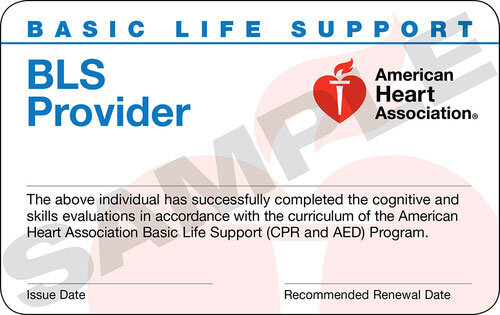
Claim Your Card: Wait for the official email from eCards@heart.org and follow the link to claim your eCard, set your security question, and complete the course survey. (If you trained with CPR Classes Near Me Washington DC, this is often Same-Day.)
Use the AHA Search Page: If you lose the email, go to the official AHA eCards search portal and use the “Student” tab to search using your exact Name and Email or the unique eCard Code.
Troubleshooting: If you can’t find your card, contact your Training Center (TC). They are the only ones who can correct typos or confirm issuance status, as the AHA National Center cannot edit student data.
For Employers: Verification is instant using the eCard Code on the “Employer” tab of the AHA search portal, confirming authenticity and current status.
Why is Knowing How to Look Up My AHA Certification So Important?
In the professional world, especially in healthcare, education, or fitness, having a valid CPR certification isn’t just a recommendation, it’s often a strict employment requirement. The American Heart Association (AHA) Basic Life Support (BLS) certification is the gold standard, widely accepted by employers nationwide.
But what happens when you need to prove your certification instantly, and your wallet card is nowhere to be found? Or perhaps your employer needs to verify your credentials to meet compliance standards?
Fortunately, the days of hunting for a physical card are over. The AHA has streamlined the process through its digital system, issuing secure electronic cards, or eCards, which make lookup and verification simple.
This comprehensive guide breaks down exactly how to navigate the AHA’s online portal to find your certification, what key information you need to have ready, and troubleshooting steps if your card seems to have vanished. We’ll cover the process from the student’s perspective and the employer’s perspective, providing you with a complete roadmap to managing your life-saving credentials.
How Is the AHA eCard System More Secure Than the Old Physical Cards?
The shift from physical cards to digital eCards represents a massive upgrade in security, efficiency, and accessibility for both students and employers.
The older physical cards were susceptible to several issues:
Loss and Damage: A paper or laminated card could easily be misplaced, damaged in a wallet, or destroyed over time. Replacing it often meant contacting the Training Center, waiting for processing, and potentially paying a fee.
Fraud Risk: While rare, physical cards could theoretically be counterfeited or altered, making verification a time-consuming process that often required a phone call to the issuing Training Center.
The new digital eCard system, which is utilized by certified providers like CPR Classes Near Me, resolves these issues by centralizing and securing the data:
Digital Traceability: Every eCard is linked to a unique alphanumeric eCard Code and a secure URL on the AHA’s centralized database. This means the card’s authenticity can be verified instantly against the official AHA roster.
Instant Verification: Employers no longer have to call Training Centers. They can use the eCard Code or QR code directly on the AHA’s dedicated verification portal to confirm the certification status, expiration date, and the identity of the issuing Training Center.
Data Integrity: The information on your eCard (like your name, course type, and completion date) is digitally populated by your certified Training Center. Any attempt to alter the digital file will invalidate the verification process, making the system highly resistant to fraud.
Immediate Access: Once claimed, the eCard can be viewed, downloaded, saved to a mobile device, or emailed instantly, ensuring you always have proof of certification on hand.
This digital infrastructure ensures that the proof of your life-saving skills is always authentic, immediately accessible, and easy for any employer or regulatory board to confirm.
How Do I Claim My AHA eCard Immediately After Class Completion?
The very first step to looking up your card is claiming it. If you have recently completed your BLS or CPR course, the process is straightforward, but it relies heavily on information submitted by your Training Center (TC).
Here is the step-by-step process for claiming your eCard:
1. Check Your Email Inbox
Your Training Center must submit your information to the AHA’s system. Once submitted, you will receive an official email invitation to claim your eCard.
Who Sent It? The email will come from the official American Heart Association address: eCards@heart.org (or sometimes No-eccreply@heart.org).
Subject Line: Look for a subject line that mentions “eCard” and invites you to claim your certification.
Check Everywhere: Check your junk, spam, or promotions folders. Due to the automated nature of the email, it may get filtered incorrectly by aggressive email security settings, especially if you used a work or school email address.
2. Follow the Claim Link
The email contains a secure, personalized link that directs you to the AHA’s student profile webpage.
Data Confirmation: Once you click the link, you’ll be prompted to confirm the accuracy of your profile information. Check your:
First Name
Last Name
Email Address
Course Type and Completion Date
Training Center Name
Address Discrepancy: If any information is incorrect (especially your name), do not proceed. Contact your Training Center immediately so they can correct the error in the system. An incorrect name on your certification may lead to employer rejection.
3. Set Up Security and Complete the Survey
To protect your credentials and help the AHA improve its programs, you must complete two final administrative steps:
Security Question: You will be required to set up a security question and answer. This is vital for future access to your eCard, especially if you lose the original claim email or forget your eCard code.
Course Evaluation Survey: You must complete a short survey about the course you just finished. This provides valuable feedback and is a required part of the claiming process.
4. View, Download, and Save Your eCard
Once the survey is complete, your eCard will display on the screen.
Viewing Options: You can choose to view the eCard in either “Full” size or “Wallet” size format.
Download and Print: Use the download function to save a digital copy (PDF) to your computer or mobile device. You can print this copy for your records or employer.
Confirmation Email: Once claimed, you will receive a second email notification confirming that the card is now claimed and providing a link for future access. Save this email!
What Should I Do If I Never Received the AHA Claim Email?
It’s surprisingly common for students to miss the eCard claim email. This might be due to spam filters, an incorrect email address being entered by the Training Center, or the card simply not having been issued yet.
If you have waited more than 72 hours since class completion and still haven’t received the email, don’t panic. The best course of action is to use the official lookup page directly.
Step-by-Step Direct Online Lookup
This method uses the AHA’s Student Search function to find your eCard without the original email link.
The page has two tabs: “Student” and “Employer.” Ensure you are on the “Student” tab.
3. Enter Your Identification Details
You have two primary options for searching:
Option A: Search by Name and Email (The Most Common Method)
Enter your First Name and Last Name exactly as they were provided to your Training Center during registration.
Enter the Email Address you provided for the class registration.
Troubleshooting Tip: Try every possible email address you might have used (personal, work, school). Also, check for common spelling errors in your name or reversed first/last names.
If you somehow received the eCard Code from your Training Center but lost the email, enter the code at the bottom of the search page. This bypasses the name and email fields.
4. Search and Claim
Select “Search.” If the system finds a match, you will be directed to the “My eCards” page.
If the card status is “Unclaimed,” select “Claim” and follow the prompts to set your security question and complete the survey.
Troubleshooting: When the Card Cannot Be Found
If the search yields “No eCard found,” follow this troubleshooting hierarchy:
Action 1: Wait for the Processing Window.
Have you waited 20 business days? While many TCs (like CPR Classes Near Me DC) issue cards same-day, the AHA legally allows Training Centers up to 20 business days (M-F, not including holidays) to issue the card. Wait a bit longer if the class was recent.
Action 2: Contact Your Training Center (TC).
Call or email the organization that conducted your class. The TC is the only entity that can correct administrative errors (typos in name/email), confirm if the card was successfully issued, or issue a replacement if necessary. The AHA National Center cannot directly fix student data.
Action 3: Check for RQI or Alternate Systems.
If your Training Center mentioned using RQI, use the specific RQI verification link. Some specialized institutions use the Resuscitation Quality Improvement (RQI) program, which has a separate verification link. Your TC should confirm if this is the case.
Can My Employer Verify My Certification Instantly, and How Does That Work?
One of the most powerful features of the AHA eCard system is the instant employer verification process. This makes the AHA BLS card, such as those earned through CPR Classes Near Me, the most widely accepted certification nationwide, largely because its authenticity is indisputable.
The process requires the eCard Code, which the student should provide to the employer.
Employer Verification Steps
1. Access the eCards Search Page
The employer navigates to the same official AHA eCards search portal.
2. Select the “Employer” Tab
Employers must switch from the “Student” tab to the “Employer” or “Verify” tab.
3. Input the eCard Code
The employer inputs the unique eCard Code provided by the student (or multiple codes for multiple employees, up to 20 at a time).
If the student provided a printed copy, the employer may also use a mobile device to scan the QR code located on the eCard.
4. Verification Result
The system instantly returns one of the following statuses, confirming the card’s authenticity and details:
Valid/Claimed: The card is authentic, claimed by the student, and the expiration date is current. Verification successful.
Unclaimed: The card is authentic, issued by the TC, but the student has not yet clicked the link and completed the survey. (The employer should ask the employee to claim the card.)
Expired: The card is authentic, but the two-year validity window has passed. Recertification is required.
No Result Found: The code entered is incorrect, or the card was never issued. The employer should contact the student and the Training Center.
What Are the Key Differences Between a Same-Day eCard and Standard Issuance?
When looking for a CPR class in Washington DC, you will notice that providers like CPR Classes Near Me often advertise “Same Day eCards.” This feature addresses one of the most common administrative delays in the standard AHA process.
This is a critical distinction that affects your immediate ability to look up and use your card:
Issuance Timeline: The standard AHA rule allows the Training Center up to 20 business days to submit student data and issue the eCard. In contrast, Same-Day Issuance means the Training Center submits and issues the eCard (via the email link) immediately upon successful completion of the course, often before the student leaves the building.
Proof of Certification: With standard issuance, students must wait for up to four weeks, potentially delaying employment start dates or compliance documentation. With Same-Day Issuance (e.g., CPR Classes Near Me DC), students can claim, view, and email the official, valid certification to their employer that same evening.
Initial Lookup: If the student searches the AHA portal using standard issuance within the first few weeks, the card may not appear because the TC hasn’t processed it yet. Same-Day Issuance ensures the card is available for immediate lookup on the AHA portal using name and email, removing initial lookup confusion.
Primary Benefit: While the standard timeline ensures compliance with AHA guidelines, the Same-Day benefit provides ultimate convenience and removes the anxiety of waiting, ensuring immediate job readiness.
Choosing a Training Center that guarantees same-day eCard issuance, like CPR Classes Near Me Washington DC, removes the longest variable in the certification process, giving you the fastest access to your verifiable credentials.
If I Took My Course Years Ago, Can I Still Look Up My Expired Card?
Yes, the AHA eCard system maintains a permanent record of all certifications, even expired ones. While an expired card cannot be used for employment or compliance purposes, the ability to look it up remains critically important for several reasons:
Proof of Prior Training: Employers or licensing boards may ask for a record of your previous training history, even if it is no longer current. Accessing the expired eCard provides definitive proof that you successfully completed the course on a certain date.
Locating Your Training Center: The expired eCard contains the name and contact information for the Training Center that issued it. This is essential if you need to contact them for re-registration or to inquire about renewal classes.
Renewal Eligibility: While some programs require a full class, others offer streamlined renewal courses. Knowing the exact course you previously took (e.g., BLS Provider, Heartsaver CPR) helps you enroll in the correct renewal program.
To look up an expired card, follow the same “Direct Online Lookup” steps described previously, using your name/email or eCard Code on the AHA eCards Search Page. If found, the verification status will simply read “Expired,” but all the original data will be intact and accessible.
What Should I Do If My AHA Certification Has Expired and I Need to Renew It?
An expired certification means that your skills and knowledge are no longer considered current according to the latest resuscitation science guidelines. Since AHA certifications are valid for two years, renewal is necessary to maintain professional competence and employment requirements.
Renewal Process Overview
The goal of renewal is to refresh your skills and ensure you are familiar with any updates to the AHA’s guidelines.
Find an Approved Course: Locate an American Heart Association-aligned Training Center offering renewal courses.
Enroll and Practice: Renewal courses typically take less time than the initial certification, often around 3.7 hours. They focus heavily on scenario-based practice and testing.
Why Renewing Quickly is Essential
Many professionals often wait until the card is already expired to start the renewal process. However, if your card is expired, your employer may suspend your ability to practice until you provide a valid replacement.
By choosing a provider that offers convenient and guaranteed training, like CPR Classes Near Me Washington DC, you can minimize the time between expiration and renewal. Furthermore, taking a course in Washington DC ensures you are learning from highly trained instructors in a local, supportive environment.
The time to renew is now. Don’t wait until your current card is expired and your job is on the line.
Conclusion
Successfully navigating the American Heart Association eCard system is a non-negotiable part of maintaining your professional credentials. The system is designed to provide immediate access, undeniable authenticity, and high security, as long as you know where to look.
By understanding the two primary paths to your eCard and knowing that your Training Center is your key resource for troubleshooting, you ensure that your certification is always ready when you need it. Whether you are claiming your first card or verifying an expired one, the centralized AHA system provides a seamless and secure experience.
If you are a professional in the DC area, remember that the speed of your eCard issuance can be critical. Providers offering same-day eCards, such as the local experts below, give you the peace of mind that comes with instant compliance.
Ready to secure your next two years of certification?
What is the difference between an AHA eCard and a traditional physical card?
The primary difference is the format. An AHA eCard is a secure, official digital certification card (usually a PDF) issued by the American Heart Association upon successful course completion. It contains the same information as a traditional card but is instantly accessible online, shareable via email, and verifiable using a unique eCard Code. The digital format replaces the need for a physical card, offering better security and accessibility.
How long do I have to wait to receive my AHA eCard after my class?
The official AHA guideline allows Training Centers up to 20 business days (approximately four weeks) from the course completion date to issue your eCard. However, many high-quality Training Centers, such as CPR Classes Near Me Washington DC, offer same-day eCard issuance. If you enroll with a provider offering same-day cards, you can typically claim and view your certification within hours of leaving the class.
What information do I need to look up my lost AHA eCard?
You need one of the following two combinations of information to access the “Student” search tab on the official AHA eCards Search Page:
Full Name and Email Address: You must use the exact first name, last name, and email address you provided during class registration.
eCard Code: If you know the unique alphanumeric code that appears on the card, you can enter it directly. You may also need to answer your security question if the card has been previously claimed.
My name or email address is wrong on my eCard. How can I fix it?
The AHA National Center cannot directly edit your student information. The only entity authorized to make corrections, such as a name misspelling, is the Training Center (TC) that issued your card. You must contact your Training Center directly, explain the error, and request that they submit an official edit request to the AHA system. Once the TC makes the correction, you will receive a new email invitation to claim the revised eCard.
Does an expired AHA eCard still show up when I search for it?
Yes. The American Heart Association system permanently records all certifications issued. Even if your card’s validity window (two years) has passed, searching for it by name/email or eCard Code will pull up the record, but the status will be clearly marked as “Expired.” This feature allows you to prove prior training and easily locate the original Training Center information needed for renewal.
Infant CPR training in Washington DC is essential for parents, caregivers, and professionals. To ensure you’re fully prepared and certified for DC requirements:
Infant CPR is Unique: Techniques for babies (under 1 year) are drastically different, requiring specific two-finger chest compressions and gentle breaths.
Hands-On Training is Essential: Avoid online-only courses. In-person, hands-on training is required to build muscle memory, ensure proper technique for infants, and receive a valid, accepted AHA eCard (often issued the same day).
Comprehensive Coverage: BLS training includes life-saving skills for all ages, plus training on AED use and choking relief.
Washington DC is a vibrant, bustling city where life moves fast, and preparedness is paramount. While we often think of emergencies as affecting adults, the moments immediately following a cardiac or breathing incident in an infant are arguably the most critical.
For new parents, grandparents, nannies, and childcare providers in the DC area, taking a certified Infant Cardiopulmonary Resuscitation (CPR) class is not merely a suggestion, it’s a fundamental responsibility.
Infants are uniquely vulnerable to sudden emergencies. These events could be caused by choking on a small toy, sudden cardiac arrest, or a respiratory issue.
The reality is that immediate, proper intervention can dramatically change the outcome for a baby. Knowing what to do in those first critical minutes, before professional help arrives, is a power you must possess.
This comprehensive guide delves into everything you need to know about securing top-tier Infant CPR certification right here in Washington DC. We focus on the importance of certified, hands-on training that adheres to the American Heart Association (AHA) standards. This ensures you walk away with the confidence and competence to protect the infants in your care.
By choosing an AHA-aligned training site, like CPR Classes Near Me, you invest in the highest quality, most recognized life-saving education available today.
Why is Infant CPR Training an Essential Skill for DC Parents and Caregivers?
The decision to enroll in an Infant CPR class is often driven by a deeply personal commitment to safety. However, for those in Washington DC, there is also a clear professional and statistical urgency behind this vital training.
First and foremost, the anatomy of an infant dictates a completely different emergency response than that used for an adult or even a child. A baby’s airway is smaller, their bone structure is more fragile, and the primary cause of cardiac arrest in infants is typically respiratory failure, not a sudden heart issue. This means the techniques used for resuscitation must be tailored precisely to their size and physical needs.
Infants face unique vulnerabilities that make CPR training essential:
Choking Incidents: Infants explore the world with their mouths. Small objects, pieces of food, or even thickened liquids can lead to airway obstruction quickly and silently.
Sudden Infant Death Syndrome (SIDS): While the exact cause is unknown, proper training equips caregivers to respond immediately if an infant stops breathing.
Respiratory Distress: Illnesses, allergic reactions, or congenital issues can cause breathing to stop, which rapidly leads to cardiac arrest if not addressed.
Moreover, if you are a professional working with children in the DC area, whether as a daycare operator, teacher, or licensed nanny, your certification is likely mandated by law or licensing requirements. Washington DC often requires professionals who work with children to have current CPR credentials.
By obtaining a comprehensive, AHA-approved Basic Life Support (BLS) certification, you ensure you meet all local employer and regulatory standards.
The confidence derived from high-quality, in-person training is perhaps the most critical benefit. In a true emergency, panic is the enemy of action. When you have physically practiced the steps of Infant CPR, your muscle memory takes over, allowing you to act quickly and effectively, significantly increasing a baby’s chance of survival.
What is the Difference Between Standard CPR and Infant CPR?
While the acronym CPR (Cardiopulmonary Resuscitation) applies across all age groups, the actual life-saving steps for an infant are dramatically different from those performed on an adult or a child. Understanding these distinctions is why specialized infant training is non-negotiable.
Infant CPR is specifically designed for babies from birth up to 12 months of age. The core principles remain circulation and breathing, but the execution is scaled down and modified for their delicate bodies.
Here are the key technical differences that distinguish Infant CPR:
Compression Method:
Adult & Child: Uses one or two hands placed over the center of the chest (sternum).
Infant: Uses two fingers (index and middle fingers) placed just below the nipple line.
Compression Depth:
Adult & Child: Approximately two inches (at least two inches for adults).
Infant: Approximately 1.5 inches, or about one-third the depth of the chest.
Rescue Breaths:
Adult & Child: Full breaths, ensuring the chest rises.
Infant: Tiny, gentle “puffs” of air (just enough to make the chest rise visibly, covering both the nose and mouth).
Infant: A combination of five back blows and five chest thrusts.
The most critical element to master is the compression technique. Because an infant’s heart is higher in the chest and their ribs are flexible, using too much force can cause serious injury. The two-finger method taught in certified courses ensures the correct pressure is applied to achieve circulation without causing harm.
In infant rescue, rescue breaths play an even more prominent role. Since breathing failure is the most common precursor to cardiac arrest in babies, prompt delivery of gentle breaths, combined with chest compressions, is essential for delivering oxygen to the brain and vital organs.
Only a practical, in-person class allows you to drill these techniques using age-appropriate mannequins and receive real-time feedback from an expert instructor. This hands-on, supportive learning environment, like those offered by CPR Classes Near Me in Washington DC, solidifies the muscle memory necessary for competent emergency response.
Which Certification Standard Should I Choose for Infant CPR in Washington DC?
When searching for “Infant CPR classes near me” in Washington DC, you will encounter various organizations offering certification. Choosing the right standard is crucial, especially if your certification is required for employment or if you want the assurance of the most credible, science-backed training.
In the United States, the two most recognized certification providers are the American Heart Association (AHA) and another major non-profit humanitarian organization. While both provide life-saving training, the American Heart Association (AHA) Basic Life Support (BLS) certification is universally regarded as the gold standard. This is particularly true within the healthcare community and for high-stakes professional roles.
Here is why AHA BLS is the preferred choice in DC:
Science-Based Guidelines: The AHA establishes the science and guidelines for all resuscitation efforts. Their BLS curriculum is updated regularly based on the latest evidence, ensuring you learn the most effective techniques.
Universal Acceptance: The AHA BLS eCard is the most widely accepted certification by employers nationwide. This includes:
Hospitals and medical offices.
Schools and educational facilities.
Licensed childcare and daycare facilities throughout the DMV area.
Comprehensive Scope: While standard CPR courses may focus primarily on lay rescuers, the AHA BLS course is a comprehensive program covering the full spectrum of resuscitation:
Adult, Child, and Infant CPR and AED use.
Single-rescuer and team-based resuscitation skills.
Airway obstruction (choking) management for all ages.
By enrolling with a certified AHA training site, such as CPR Classes Near Me, you are not just getting a piece of plastic (or a digital card). You are receiving instruction that has met rigorous quality standards set by the leading authority in cardiovascular science. This commitment to excellence ensures that the Infant CPR skills you learn are accurate, current, and maximally effective.
What Types of Training Formats Are Available for DC Residents, and Which Is Best?
DC residents have a choice between three primary training formats for CPR certification: fully online, blended learning, and 100% in-person, hands-on classroom instruction. When it comes to mastering life-saving skills for an infant, the format you choose is as important as the content itself.
1. Fully Online Training (Not Recommended)
This option allows you to complete the entire course without ever physically demonstrating your skills to an instructor.
Pro: Offers maximum convenience; it can be completed anywhere, anytime.
Con: This is a crucial drawback: most DC employers do not accept online-only certifications. You cannot practice the physical skills of Infant CPR (two-finger compressions, depth, breath volume) without an instructor observing you. The certification card often lacks credibility.
2. Blended Learning (Partially Effective)
This format involves completing the lecture and cognitive portion of the course online, followed by a mandatory, short in-person skills session. During this session, you practice on a mannequin and demonstrate proficiency to an instructor.
Pro: Provides flexibility for learning the theory; it saves time in the classroom.
Con: The in-person session can feel rushed, and you may miss out on valuable discussion and instructor-led coaching that occurs during a full classroom session.
3. 100% In-Person, Hands-On Classroom (The Gold Standard)
This is the traditional, instructor-led model. You spend the entire course time with a certified professional in a dedicated learning environment, practicing on mannequins.
This is the best option for Infant CPR training because it provides:
Mastery of Technique: You receive constant, immediate feedback on your compression rate, depth, and hand placement, which is essential for an infant’s delicate frame.
Confidence Building: The hands-on practice reduces hesitation and builds the critical muscle memory needed to act under pressure.
Same-Day Certification: Reputable training sites, like CPR Classes Near Me in Washington DC, issue your official AHA eCard on the same day you successfully complete the training.
Q&A Opportunities: Direct access to an experienced instructor allows you to ask complex, real-world questions specific to your family or work environment.
For a skill as precise and critical as Infant CPR, the hands-on approach is invaluable. By selecting a dedicated, local provider that prioritizes in-person, AHA-aligned training, you ensure your skills are sharp and your certification is fully recognized by any professional standard in Washington DC.
Beyond the Baby: Does Infant CPR Training Cover Adults and Children Too?
When searching for “Infant CPR classes,” many people assume the training is only for babies. However, when you enroll in a comprehensive American Heart Association (AHA) Basic Life Support (BLS) course in Washington DC, you are acquiring a full spectrum of life-saving knowledge that covers every age group.
This is arguably one of the greatest values of selecting an AHA BLS-level course: you gain the skills to protect everyone in your home, workplace, or community.
The standard BLS curriculum is structured to teach you how to respond to cardiac and breathing emergencies for three distinct groups:
Adults (Puberty and Older): You will learn the standard two-hand compression technique, adult rescue breathing, and the proper use of an Automated External Defibrillator (AED).
Children (Age 1 to Puberty): You will practice adjusting techniques for a child, which involves using one hand for compressions and modifying the depth and breath volume.
Infants (Under 1 Year): You will master the specialized two-finger compressions and gentle, mouth-over-nose-and-mouth rescue breaths, as discussed previously.
Beyond CPR itself, a quality certification course ensures you are proficient in two other crucial areas for all ages:
Automated External Defibrillator (AED) Usage: While rare for infants, knowing how to safely operate an AED and apply pediatric pads is a vital component of resuscitation for children and adults. The course teaches you how to recognize when a defibrillator is needed and how to use it safely.
Choking Relief: Airway obstruction is a major threat across all age groups. Your training will cover the specialized five back blow/five chest thrust technique for infants, as well as the standard abdominal thrusts for conscious and unconscious children and adults.
By committing to a comprehensive AHA BLS course offered by CPR Classes Near Me, you streamline your training. You walk away with a single, powerful certification that makes you an equipped rescuer for any potential emergency, regardless of the victim’s age. This comprehensive approach is particularly beneficial for busy DC professionals and parents who need to maximize their time while achieving the highest level of competence.
Conclusion: Gain the Confidence to Be a Lifesaver in DC
The urgency of knowing Infant CPR cannot be overstated. In an emergency, hesitation costs lives, and only high-quality, hands-on training can eliminate that hesitation and replace it with decisive, life-saving action.
For parents, caregivers, and professionals throughout Washington DC, investing in an American Heart Association-aligned BLS certification provides peace of mind and the proven skills to act when it matters most.
By choosing a local, certified training provider like CPR Classes Near Me, you benefit from expert instruction, a focused, hands-on learning environment, and the convenience of same-day certification. You will leave the course not just with an eCard, but with the confidence that you are fully prepared to provide competent and effective CPR to an infant, child, or adult. This critical skill is your most important tool for safeguarding the health and well-being of the people you love and care for in the nation’s capital.
Take the next step toward total preparedness today.
Q: How long does Infant CPR certification last, and when do I need to renew it?
A: Infant CPR certification, typically obtained through a comprehensive AHA BLS course, is valid for two years. It is important to renew your certification before it expires to ensure your skills remain sharp and current with the latest AHA guidelines. Renewal courses are available and typically focus on refreshing your knowledge and techniques. Regular renewal ensures you are always prepared to respond effectively in an emergency situation.
Q: Is the Infant CPR class designed only for healthcare professionals, or can lay rescuers take it?
A: While the American Heart Association’s Basic Life Support (BLS) certification is the mandatory standard for healthcare professionals (such as nurses and paramedics), it is highly recommended for lay rescuers as well, including new parents, teachers, and childcare providers. The BLS curriculum provides the most comprehensive and detailed training available, covering all age groups (Adult, Child, and Infant) to the highest standard, equipping anyone to handle a critical emergency with confidence and precision.
Q: Can I just take an online-only course to learn Infant CPR techniques?
A: You can take the theoretical portion of CPR training online, but an online-only certification is not recognized by most employers or licensing bodies in Washington DC or nationwide. To truly master the life-saving physical skills, such as the correct depth and rate of two-finger compressions for an infant and proper rescue breathing, you must complete a hands-on, in-person skills session with a certified instructor. This practical, in-person component is essential for gaining real competence, ensuring the skills are accurate, and receiving a valid, accepted AHA eCard.
The American Heart Association (AHA) is the gold standard authority for CPR and resuscitation science, backed by over a century of research.
Mission: To fund research, fight heart disease/stroke, and set definitive, evidence-based guidelines for life-saving care globally.
AHA vs. CPR/BLS: CPR is the basic skill; BLS (Basic Life Support) is the advanced professional certification that includes CPR and AED use; AHA Certification is the credential that validates the training is high-quality and science-backed.
Why It Matters: AHA certification is the most widely accepted credential by employers (especially in healthcare), ensuring you learn the current, effective techniques required to save a life. You must complete a mandatory hands-on session to get certified.
Why is the American Heart Association the gold standard for CPR training?
In the United States, hundreds of thousands of cardiac arrests happen outside of a hospital setting every year. These critical moments often rely on immediate action by an everyday hero, a bystander. This is where the American Heart Association (AHA) steps in.
But what exactly is the American Heart Association? You may know them from the ubiquitous red-and-white shield logo or from the certification card you need for work. In reality, the AHA is far more than a certifying body; it is a global engine for scientific discovery and public health advocacy.
The AHA is the relentless force driving the improvement of cardiovascular health worldwide. Its mission touches everything from groundbreaking medical research to setting the definitive, evidence-based standards for life-saving skills like Cardiopulmonary Resuscitation (CPR).
For anyone seeking a reliable, high-quality CPR credential, particularly the Basic Life Support (BLS) certification, the AHA is the benchmark. Its commitment to science and education ensures that when you choose an AHA-certified course, like those offered by CPR Classes Near Me Washington DC, you’re learning the most effective techniques available to save a life.
In this comprehensive guide, we will explore the history, mission, impact, and unparalleled authority of the American Heart Association, explaining why its guidelines are the gold standard for resuscitation science and why holding an AHA eCard is the most valuable credential you can earn.
Why was the American Heart Association founded and how did it begin?
The story of the American Heart Association stretches back over a century, beginning at a time when physicians were largely resigned to the limitations of treating heart disease.
The organization was formally founded in Chicago on June 10, 1924. It was started by six pioneering cardiologists and social workers who believed that scientific research, prevention, and public education could lead to better outcomes for patients.
A Time of “Ignorance”: One of the founders, Dr. Paul Dudley White, famously described the early years as a period of “almost unbelievable ignorance” about cardiovascular disease. Heart disease was already America’s number one killer, yet treatment often amounted to mandatory bed rest.
A Shift in Focus (1948): The organization was initially established as a professional scientific society for doctors. However, a major reorganization in 1948 transformed the AHA into a nationwide voluntary health organization. This shift opened the doors for thousands of volunteers and supporters, allowing the organization to focus on crucial public fundraising and widespread community outreach.
Early Milestones: This reorganization paved the way for the AHA to award its first research grant and launch its first public campaign, “Heart Week,” cementing its role as a leader in both science and public engagement.
Since then, the AHA has funded groundbreaking research that led to major medical advances, including linking dietary fat and cholesterol to heart disease (1956) and contributing to the development of the artificial heart valve and the fully implanted pacemaker (1957).
What is the American Heart Association’s core mission and how does it impact public health?
The modern American Heart Association operates under a powerful, clearly defined mission, updated in 2018: “To be a relentless force for a world of longer, healthier lives.”
This mission is supported by strategic work across five key pillars, which collectively have a profound impact on public health globally:
Research Funding: The AHA is the nation’s largest non-government funder of cardiovascular and cerebrovascular research. Since 1949, it has invested over $6.1 billion in science, driving discoveries that impact everything from medication development to surgical techniques and resuscitation protocols.
Heart and Brain Health: The organization promotes consumer education on healthy living, nutrition, exercise, and preventative care. Programs like Go Red for Women (launched in 2004) specifically raise awareness that heart disease is the leading cause of death for women.
Equitable Health: The AHA actively works to address health disparities rooted in societal structures, aiming to ensure equitable delivery and accessibility of life-saving care and resources, especially in low-resource settings.
Advocacy: The AHA champions stronger public health policies, including fighting for smoke-free environments, improving emergency medical services (EMS) systems, and promoting quality standards in hospitals.
Professional Education and Development: This pillar is critical for the general public and professionals alike. The AHA trains millions of people annually in CPR and advanced life support, ensuring that healthcare providers and lay rescuers have consistent, evidence-based training.
How does the AHA set the gold standard for resuscitation science?
The American Heart Association holds its ultimate authority through its role as the global leader in Emergency Cardiovascular Care (ECC) guidelines. These guidelines are not arbitrary; they are the foundation for virtually every resuscitation course taught around the world.
The Foundation of Evidence
Every five years, the AHA publishes comprehensive Guidelines for CPR and ECC, such as the 2025 Guidelines, following an exhaustive review of global resuscitation science. This process ensures that the techniques taught are the most current and effective available.
Key elements of the AHA’s scientific authority include:
Evidence-Based Practice: The guidelines are developed based on an unbiased, rigorous review of scientific literature, frequently in collaboration with other international organizations like the International Liaison Committee on Resuscitation (ILCOR).
The Chain of Survival: The AHA defines the necessary sequence of actions required to maximize the survival rate of someone experiencing cardiac arrest. This sequence outlines the precise, time-sensitive steps that must be taken, including:
Immediate recognition of cardiac arrest and activation of the emergency response system.
Early CPR with emphasis on high-quality chest compressions.
Rapid defibrillation (using an AED).
Effective advanced life support and post-cardiac arrest care.
Recovery.
The Get With The Guidelines (GWTG) Program: This hospital-based quality improvement program helps hospitals implement the latest AHA guidelines and track data, directly turning research into practice and constantly refining resuscitation efforts in clinical settings.
The resulting guidelines ensure that a person certified in Washington DC, or anywhere in the U.S., is trained using the exact same standard of care established by the world’s top cardiologists and resuscitation scientists.
What is the difference between CPR, BLS, and AHA certification?
When looking for training, you will often encounter three key terms: CPR, BLS, and AHA. While they are related, they represent different levels of skill and credentialing.
1. CPR (Cardiopulmonary Resuscitation)
CPR is the fundamental skill set. It is an emergency procedure performed when the heart stops beating, aiming to keep blood (and thus oxygen) flowing to the brain and other vital organs until professional medical help arrives.
Key components of CPR taught in all AHA courses include:
Hands-on Chest Compressions: Focusing on high-quality, continuous compressions at the correct depth and rate.
Rescue Breaths (Ventilations): Providing air to oxygenate the victim’s blood.
Choking Relief: Techniques for clearing airway obstructions in various age groups.
2. BLS (Basic Life Support)
BLS is the higher-level, professional credential that incorporates CPR, but with additional focus and complexity necessary for those working in a healthcare or regulated setting. The AHA BLS Provider Course is the industry standard.
BLS goes beyond basic CPR by teaching:
Advanced Assessment: Identifying signs of cardiac arrest, respiratory arrest, and stroke.
Automated External Defibrillator (AED) Proficiency: Detailed training on the safe and effective use of an AED.
Team Dynamics: Effective communication and collaboration within a resuscitation team setting, crucial for healthcare teams.
Multi-Age Proficiency: Training that is robust and detailed for adults, children, and infants.
3. AHA Certification
AHA Certification is the credential that validates a person has mastered the skills and cognitive material for BLS (or other AHA courses) according to the latest, scientific guidelines.
AHA certification is the most trusted because:
It means the instructor and curriculum were audited and approved by the highest authority in resuscitation science.
It ensures the training includes a mandatory, in-person, hands-on skills session, which most employers require.
It is recognized nationally, making it a portable and reliable credential for any professional.
Why is AHA certification the most trusted credential for employers nationwide?
In the professional world, the type of CPR certification you hold matters immensely. Many employers specify that they will only accept a certification from the American Heart Association, a demand rooted in quality assurance and legal compliance.
1. Guaranteed Acceptance and Standardization
The most compelling reason to choose AHA certification is its universal acceptance.
Healthcare Industry: For Nurses, EMTs, CNAs, and Medical Office Personnel, the AHA BLS Provider card is the de facto requirement. Hospitals and clinics rely on the AHA’s strict, scientifically validated training curriculum.
Regulated Industries: Professions subject to health and safety regulations, such as Childcare Providers, Teachers, and Physical Therapists, rely on the AHA’s credential due to its alignment with federal standards. The certification is often OSHA approved, meeting the requirements for various safety-sensitive jobs, including construction workers and flight attendants.
By choosing the AHA, you eliminate the risk of an employer rejecting your eCard because they don’t recognize the training provider or curriculum.
2. Commitment to Hands-On Skills
Unlike some online-only courses that are often rejected by employers, AHA training models emphasize proficiency. The AHA strongly advocates for Blended Learning (HeartCode®) which combines:
Online Cognitive Module: The student learns the necessary science, theory, and algorithms at their own pace.
In-Person Skills Session: A mandatory, hands-on session with a certified instructor and training manikins is required to prove competence in chest compressions and rescue breathing.
Training sites like CPR Classes Near Me facilitate this process, ensuring that every student leaves with the tactile skills necessary to act decisively in an emergency.
3. Quick and Convenient Certification
For busy professionals in the nation’s capital, speed is essential. One key benefit of choosing an accredited training site in the Washington DC area is the immediate issuance of the certification.
Same-Day eCards: Upon successful completion of the course, participants often receive their official AHA BLS eCard the same day. This immediate credentialing is vital for those who need to start a new job or maintain current compliance without delay.
Beyond BLS, what other life-saving programs does the AHA offer?
While Basic Life Support (BLS) is the most widely known certification, the AHA offers a full spectrum of Emergency Cardiovascular Care (ECC) courses tailored to various professional levels.
These programs all operate under the same high-quality, evidence-based umbrella established by the AHA:
Advanced Cardiovascular Life Support (ACLS): Designed for healthcare professionals who either direct or participate in the management of cardiopulmonary arrest or other cardiovascular emergencies. ACLS involves advanced airway management, pharmacology, and interpreting ECGs (electrocardiograms).
Pediatric Advanced Life Support (PALS): Similar to ACLS but focused entirely on managing life-threatening emergencies in infants and children, including resuscitation, rhythm disturbances, and shock.
Heartsaver® Courses: These are courses specifically designed for the general public, non-healthcare workers, or those who need to meet OSHA requirements (e.g., teachers, daycare workers, corporate staff). They include:
Heartsaver CPR AED
Heartsaver First Aid
Heartsaver Pediatric First Aid CPR AED
The comprehensive nature of the AHA’s offerings ensures that everyone can find the certification level they need, all backed by the same scientific authority.
What are the American Heart Association’s goals for improving survival rates?
The work of the AHA is far from complete. Despite its historical success, survival rates for Out-of-Hospital Cardiac Arrest (OHCA) remain critically low, around 9.1% for adults. The AHA recognizes this public health crisis and has set ambitious goals to combat it.
The AHA’s Emergency Cardiovascular Care (ECC) 2030 Impact Goals focus on measurable improvement in several key areas:
Increasing Bystander CPR Rates: Currently, only about 40% of OHCA victims receive immediate bystander CPR. The AHA aims to increase this rate significantly by expanding training accessibility and awareness, especially in public settings.
Improving Access and Equity: Data shows significant disparities in cardiac arrest survival based on geography (rural vs. metropolitan) and race/ethnicity. The AHA is prioritizing equitable delivery of life-saving interventions across the Chain of Survival to eliminate these disparities.
Early Defibrillation: The goal is to substantially increase the proportion of individuals who have an AED applied before the arrival of emergency services. Immediate CPR and AED use can double or even triple a victim’s chance of survival.
Establishing Cardiac Arrest as a Reportable Disease: This goal seeks to mandate standardized reporting of outcomes from various sources, enabling the AHA and other organizations to better track progress, identify gaps in care, and refine future guidelines.
These goals emphasize that every person trained in CPR, whether a Washington DC resident or a medical professional, contributes directly to a massive, national public health effort spearheaded by the AHA.
Conclusion
The American Heart Association is the single most important organization in the fight against cardiovascular disease and stroke. From its modest beginnings in 1924 to its current role as a global scientific powerhouse, the AHA has defined the modern approach to prevention, treatment, and emergency response.
For professionals, the choice is clear: an AHA certification is not just a piece of paper; it represents adherence to the highest standard of care, ensuring you have the proven, science-backed skills that employers trust and that victims need. It is a commitment to being part of the solution to the nation’s leading cause of death.
By getting certified with an AHA-approved Training Site, you are empowering yourself and your community with a skill set backed by a century of research and dedication.
Ready to join the relentless force for longer, healthier lives?
What is the most common CPR certification offered by the American Heart Association?
The most common and widely recognized certification offered by the American Heart Association is the Basic Life Support (BLS) Provider Certification. This course is specifically designed for healthcare professionals and students who need a comprehensive certification covering CPR and AED use for adults, children, and infants. However, for non-healthcare professionals (teachers, corporate staff, general public), the AHA also offers its popular Heartsaver courses, which focus on fundamental CPR, AED, and First Aid skills.
How long does an American Heart Association CPR certification remain valid?
An American Heart Association CPR or BLS certification is typically valid for two years. The two-year validity period ensures that certified professionals and lay rescuers refresh their knowledge and skills regularly and stay current with the AHA’s latest resuscitation science and guidelines, which are frequently updated. After this period, a renewal course is required.
Is the BLS certification the same as standard CPR certification?
No, BLS (Basic Life Support) is more comprehensive than a standard CPR certification. Standard CPR (often taught in Heartsaver courses) focuses mainly on chest compressions and rescue breaths for a single rescuer. BLS is an advanced certification that encompasses all CPR skills but adds: 1) advanced assessment and rescue techniques; 2) proficient use of an AED; 3) recognition of advanced life-threatening emergencies; and 4) essential skills for working effectively within a resuscitation team. BLS is generally mandatory for clinical healthcare roles.
Can I take an American Heart Association CPR certification course entirely online?
No, you cannot receive a full, accredited AHA CPR or BLS certification entirely online. The AHA requires a mandatory hands-on skills session to ensure competency in performing the physical techniques of chest compressions and rescue breathing. While you can complete the cognitive (lecture) portion of the course through the AHA’s online platform (known as Blended Learning or HeartCode®), you must still attend an in-person session with an AHA Instructor to successfully demonstrate your skills before receiving your eCard.
Why do employers often require the American Heart Association certification over other providers?
Employers overwhelmingly prefer the AHA certification because it is universally recognized as the gold standard, backed by over 100 years of research. The AHA is the primary organization that writes and updates the scientific guidelines for CPR and Emergency Cardiovascular Care used throughout the United States. Requiring AHA certification ensures that employees are trained in the most current, evidence-based techniques, which mitigates liability and guarantees a standardized level of emergency preparedness.