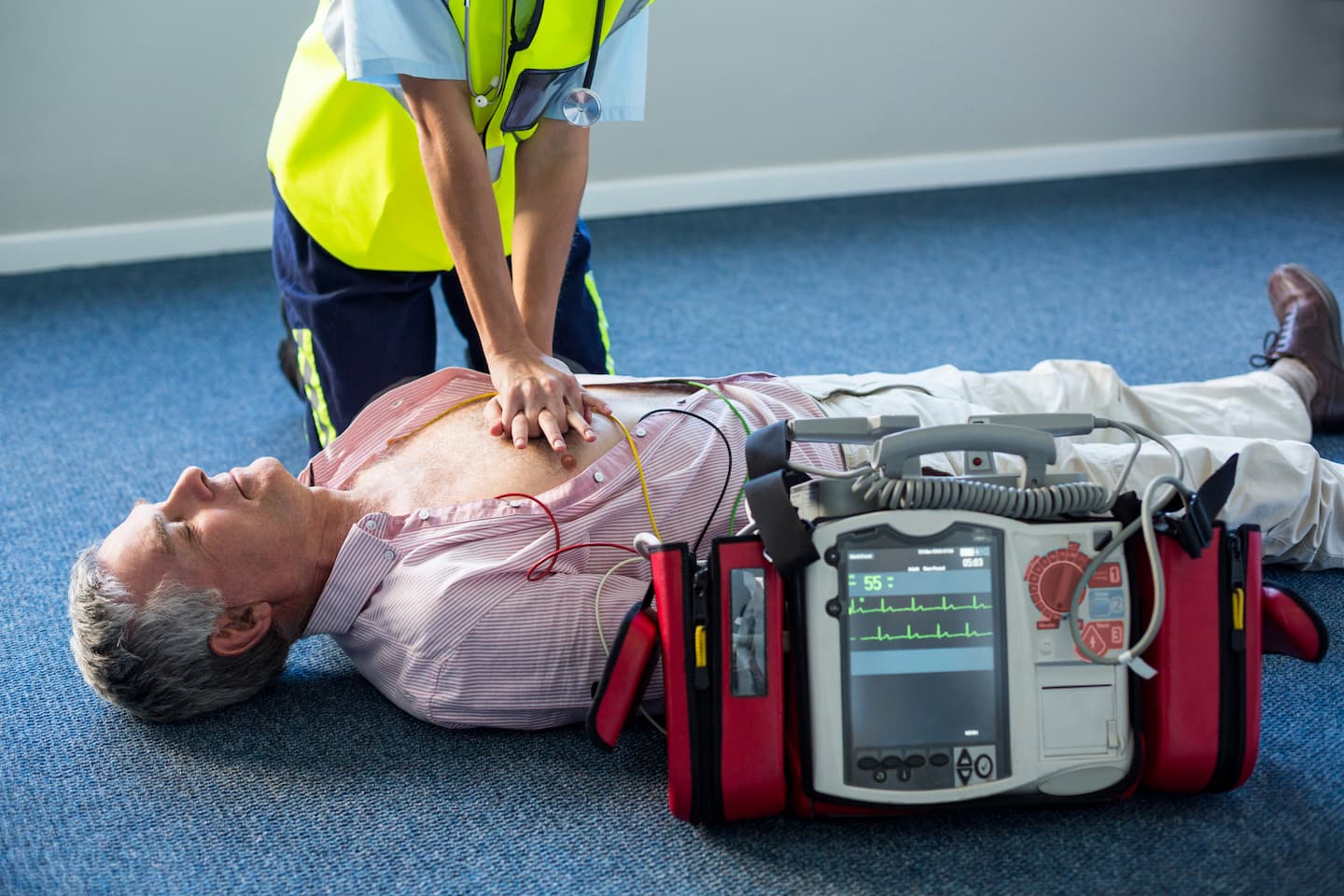
Top 5 Reasons Raleigh Residents Need CPR Certification

Raleigh, North Carolina, is widely celebrated as one of the best places to live and work in the nation. This vibrant city, part of the thriving Wake County, boasts beautiful parks, booming businesses, and world-class healthcare systems. Yet, even in the safest and most advanced communities, emergency health crises can strike without warning.

When a sudden medical emergency occurs, such as a cardiac arrest or severe choking incident, every single second counts. The time it takes for professional Emergency Medical Services (EMS) to arrive is often too long for a victim to survive without intervention. This is why the power to save a life rests not just with paramedics and doctors, but with you, the everyday resident.

Obtaining your CPR certification is not just a resume booster or a box to check for work. It is an investment in your neighbors, your family, and your community’s overall health and resilience. For Raleigh residents, becoming CPR certified is particularly critical. This comprehensive guide will explore the top five compelling reasons why now is the perfect time to enroll in an American Heart Association (AHA) certified CPR class.

We will delve into the local statistics that prove the necessity of bystander intervention. We will also examine how your certification supports Wake County’s esteemed public safety efforts. Finally, we will outline how this essential skill can protect your professional future and the most vulnerable people in your life, your children and infants. By the end, you will understand that getting certified is one of the most proactive steps you can take for your Raleigh life.

The decision to become certified puts you at the ready. It transforms you from a bystander into a lifesaver. It equips you with the confidence and practical skills necessary to perform Cardiopulmonary Resuscitation (CPR) and use an Automated External Defibrillator (AED). These are the first, most crucial links in the “Chain of Survival.” Don’t wait for an emergency to realize you wish you had these skills.

1. Why Do Most Cardiac Arrests Happen Where EMS Cannot Immediately Reach?

The vast majority of sudden medical emergencies do not happen in hospitals or public squares. They occur in the intimate, quiet setting of a private residence.

Factual data confirms this overwhelming trend.

Where is the most likely location for a cardiac event?

Approximately 71% of all Out-of-Hospital Cardiac Arrests (OHCA) take place within the victim’s home or residence. This is a critical factor for every Raleigh homeowner and renter to consider. When a loved one collapses in their own home, EMS is not standing by instantly.

  • You are the undisputed first responder in this scenario.
  • A spouse, partner, child, or grandparent relies on the immediate presence of a trained individual.
  • The victim’s survival hinges on someone present initiating CPR immediately.

The average EMS response time in North Carolina, even in urban areas like Raleigh, can be several minutes. When the heart stops, brain death can begin in as little as four to six minutes.

Top 5 Reasons Raleigh Residents Need CPR Certification

What is the survival difference between immediate and delayed intervention?

The gap between life and death is often measured in these few minutes, and the difference is startling. Survival rates for OHCA are drastically higher when a bystander begins CPR immediately.

For instance, data shows that receiving bystander CPR results in significantly improved survival outcomes compared to those who do not receive immediate help. This underscores the power of widespread community training. Even if you are not a medical professional, your swift action keeps blood and oxygen flowing. This bridges the critical time gap until professional help arrives.

When you become certified, you learn to:

  1. Recognize the signs of sudden cardiac arrest.
  2. Call 911 immediately to activate professional help.
  3. Perform high-quality chest compressions and rescue breaths to maintain vital functions.
  4. Utilize an AED if one is available nearby.

Your home is your sanctuary, and certifying in CPR turns it into the safest possible environment for your entire household.

2. How Does My Certification Directly Boost Wake County’s High Save Rate?

Wake County, which encompasses Raleigh, is recognized nationally for its excellence in emergency medical services. Wake County EMS has successfully cultivated one of the highest cardiac arrest survival programs in the entire country.

This success is not achieved through technology alone. It is a system built on robust training, speedy response, and effective community partnership, which includes you.

What is the “Chain of Survival” and what is the public’s role?

The American Heart Association (AHA) defines the Chain of Survival as a series of critical actions that maximize the chance of survival for a victim of cardiac arrest. The links include:

  • Recognition and Activation: Recognizing the emergency and calling 911.
  • Immediate High-Quality CPR: Performed by a bystander (you).
  • Rapid Defibrillation: Applying an AED, often by a bystander or first responder.
  • Advanced Resuscitation: Provided by EMS and hospital staff.
  • Post-Cardiac Arrest Care: Treatment received in the hospital.

Why is the bystander link the most vulnerable?

While Wake County EMS shines in its response metrics, the community still struggles with consistent bystander intervention rates.

While EMS is fast, even the shortest response time still requires minutes to reach the scene. The immediate CPR performed by a trained citizen is the second and arguably most vital link in the entire chain.

  • A trained citizen cuts the time to intervention from minutes down to seconds.
  • Every minute of delay in defibrillation decreases a victim’s chance of survival by approximately 10%.
  • When Raleigh residents step up to learn CPR, they collectively reduce this fatal delay.

By obtaining your AHA BLS certification, you are actively participating in and strengthening a public health effort that is nationally celebrated. You are helping Wake County uphold its reputation for saving lives. You are ensuring that when professional help arrives, they are greeted by a victim who has a fighting chance because essential life support was already initiated. Your certification becomes a measurable contribution to the public safety success of the entire Raleigh metropolitan area.

3. Is CPR Certification a True Requirement for Career Advancement in Raleigh?

For many Raleigh residents, CPR certification is not merely a beneficial skill; it is a non-negotiable professional requirement. The broad, diverse economy of the Raleigh-Durham area, especially its healthcare, education, and construction sectors, demands certified personnel.

The gold standard for employers across the country is the American Heart Association (AHA) Basic Life Support (BLS) certification. This is the certification offered by CPR Classes Near Me Raleigh.

Which Raleigh professions typically require AHA BLS certification?

The list of careers that mandate or highly prefer BLS certification spans far beyond traditional hospital settings. If your job involves public interaction, physical activity, or duty of care, this certification is essential.

Required or preferred professionals include:

  • Healthcare Workers: Nurses (RNs, LPNs), Certified Nursing Assistants (CNAs), Medical Office Personnel, Physical Therapists, Dentists, and Clinical Staff.
  • Education and Childcare: Teachers, School Administrators, Daycare Providers, and Nannies.
  • Fitness and Recreation: Personal Trainers, Coaches, Sports Referees, Swim Instructors, and Lifeguards.
  • Industrial and Service Roles: Construction Workers, Electricians, Flight Attendants, and Hospitality Staff.

How does OSHA compliance affect local Raleigh businesses?

The Occupational Safety and Health Administration (OSHA) sets strict guidelines for businesses in North Carolina concerning workplace safety. These rules make CPR certification a necessity for any Raleigh business where life-threatening hazards exist.

According to OSHA interpretation, if a workplace has hazards that could cause serious injuries (like falls, suffocation, electrocution, or amputation), emergency medical services (EMS) must be available within 3 to 4 minutes.

If your business cannot guarantee EMS arrival in that tight timeframe, the employer must ensure that employees are trained and available to provide first aid and CPR immediately. Common severe workplace injuries that require immediate CPR often include:

  • Electrical Burns: Can instantly disrupt heart rhythm and cause cardiac arrest.
  • Falls from Heights: Can cause trauma leading to stopped breathing or cardiac arrest.
  • Exposure to Chemicals: Can lead to respiratory distress or unconsciousness.

By getting certified, you increase your job marketability and simultaneously help your Raleigh employer meet vital safety and legal compliance requirements. This makes you an indispensable asset in any professional environment.

4. Why is Proficiency in Infant and Child CPR Particularly Important for Raleigh Families?

Raleigh is a city full of young, growing families, making proficiency in pediatric life support techniques a crucial skill. Accidental injuries, choking, and sudden illness are tragically common in children and infants.

An AHA-certified BLS course, such as those offered by CPR Classes Near Me Raleigh, is designed to provide comprehensive training across all age groups. This specialized knowledge is what makes your certification truly valuable within a community of families.

Are pediatric emergencies different from adult emergencies?

Yes, they are fundamentally different, and the training must reflect this. While adult cardiac arrest is often related to pre-existing heart conditions, pediatric cardiac emergencies are more frequently caused by respiratory failure (choking, severe asthma, drowning) or trauma.

This distinction requires specialized knowledge that is covered extensively in a comprehensive CPR course:

  • Infant Technique: Specific hand placement (two fingers), shallower chest compression depth, and different rescue breathing techniques are required due to an infant’s size and fragility.
  • Child Technique: Use of one or two hands for compressions and a modified ratio for breaths and compressions are taught for children between ages one and eight.
  • Choking Scenarios: You will learn age-appropriate maneuvers for clearing an obstructed airway in a conscious or unconscious victim, whether they are an adult, child, or infant.

How does this training protect children in public and private settings?

A parent or caretaker who is certified is immediately ready for the most stressful situations involving a child.

  • At Home: An infant choking on a small toy or a child suffering a severe allergic reaction.
  • In Public: A child drowning at a pool in Cary or a youth athlete collapsing on the field in Raleigh.

The training equips you to handle the terrifying moment when a child stops breathing. Furthermore, this knowledge is paramount for anyone involved in youth activities, including:

  • School teachers and coaches.
  • Babysitters and nannies.
  • Gymnastics or dance instructors.

When dealing with a pediatric emergency, there is absolutely no time for hesitation. The specific, hands-on training you receive ensures you can act with confidence and precision to give the child the highest chance of survival.

CPR a Skill That Provides Lifelong Community and Personal Value?
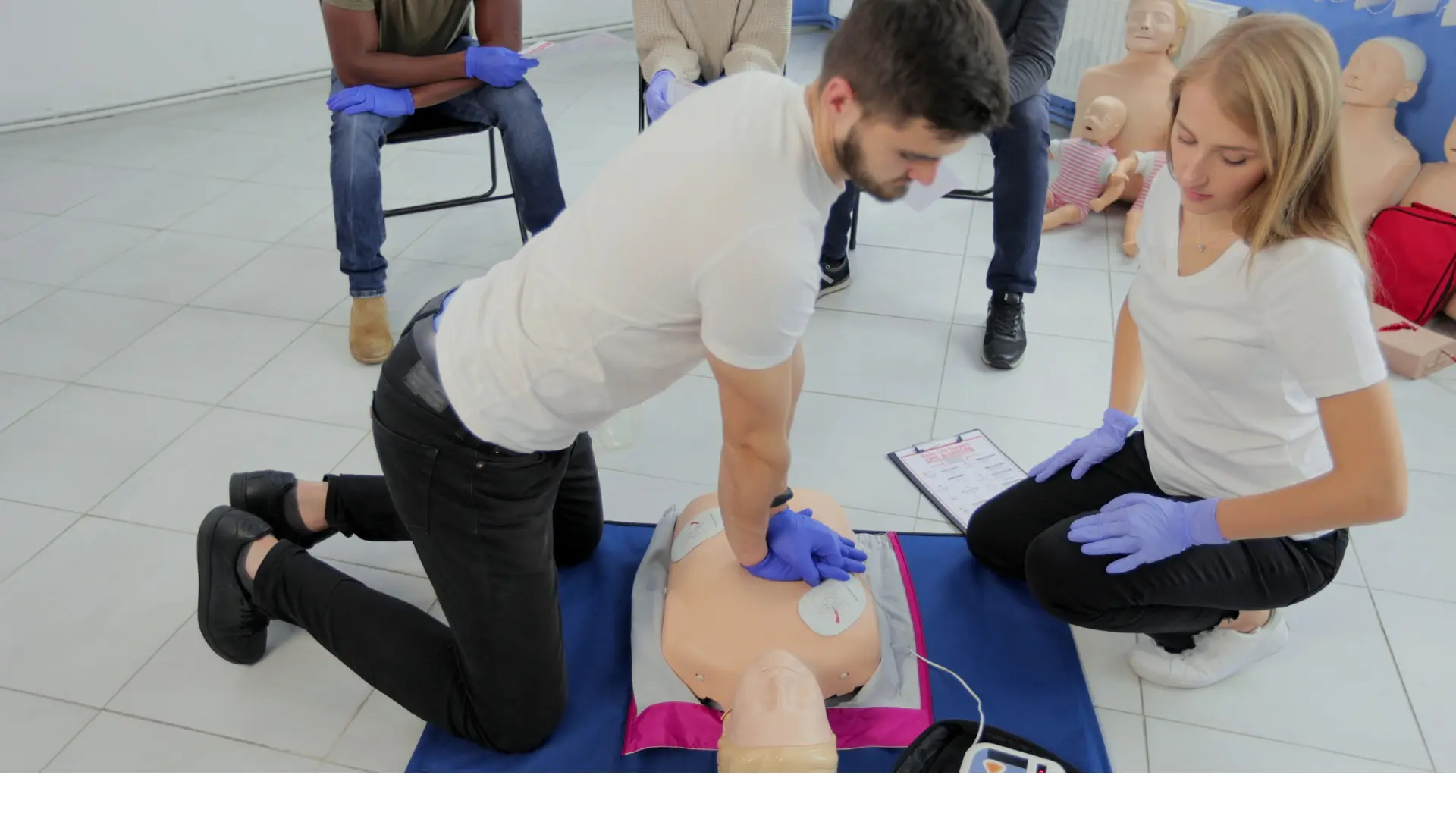
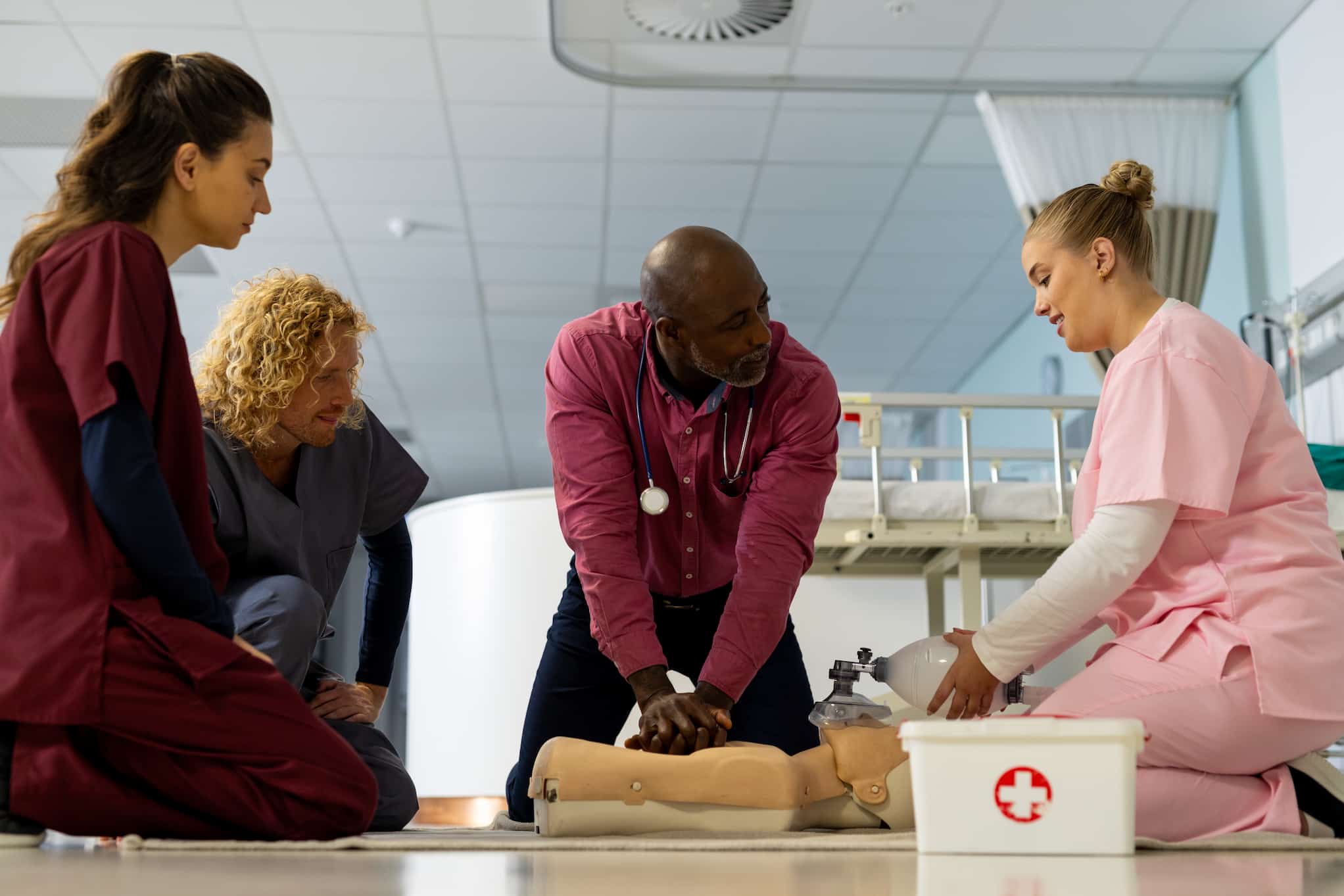
Young man instructor helping to make first aid heart compressions with dummy during the group training indoors.

5. Is CPR a Skill That Provides Lifelong Community and Personal Value?

Unlike fleeting trends or software knowledge that quickly become obsolete, the ability to perform life support is a timeless skill. Once you master the fundamentals of CPR and AED use, that knowledge remains part of your core competency.

Your certification, which is valid for two years, serves as a regular reminder and opportunity to refresh the skills that could save a life at any moment.

How does certification offer practical skills beyond cardiac arrest?

The lessons learned in an AHA BLS course are applicable to a wide array of accidents and sudden emergencies that are common in any active city like Raleigh.

The training provides foundational knowledge for responding to incidents such as:

  1. Choking: This is a daily risk in any home or restaurant. Quick action is essential to clear the airway.
  2. Drowning: This risk is present around pools, lakes, and even bathtubs. CPR is often the immediate intervention required to expel water and restart breathing.
  3. Severe Trauma: Accidents on Raleigh roads or construction sites can cause victims to lose consciousness and stop breathing. CPR skills apply here as well.
  4. Sudden Illness: Strokes or severe allergic reactions (anaphylaxis) can lead to respiratory or cardiac failure. Your training teaches you to manage the victim until EMS arrives.

By enrolling in a class, you receive more than just a card. You gain comprehensive life skills that translate into confidence during chaos.

What is the advantage of hands-on, in-person training?

While online resources exist, the American Heart Association (AHA) and most employers agree that effective CPR requires in-person, hands-on training.

CPR Classes Near Me Raleigh provides a dynamic, relaxed environment where certified instructors ensure you develop muscle memory.

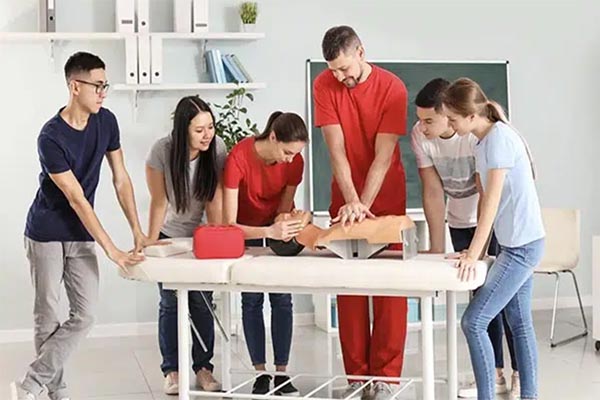
  • Hands-on Practice: You practice chest compressions and rescue breaths on professional manikins, ensuring correct depth and rate.
  • Instructor Feedback: Local, certified trainers provide immediate, constructive feedback, a necessity for mastering this physical skill.
  • Scenario Training: You work through realistic emergency scenarios (choking, AED use) to build the confidence required to act decisively in a real-life crisis.

This comprehensive, yet concise, training takes approximately 3.7 hours and culminates in receiving your official, universally accepted AHA eCard on the same day you pass the class. This makes the path to becoming a certified lifesaver in Raleigh efficient and highly effective.

Conclusion: Take Action for Raleigh’s Future

The need for widespread CPR certification in Raleigh is clear and multifaceted. It is a necessity rooted in the following key areas:

  1. Family and Home Safety: Protecting the 70%+ of cardiac arrest victims who collapse in private residences.
  2. Community Resilience: Strengthening Wake County’s esteemed Chain of Survival by ensuring rapid bystander intervention.
  3. Professional Requirement: Meeting the mandatory BLS standards for key industries across the Research Triangle area.
  4. Pediatric Protection: Equipping parents and caretakers with the specialized skills needed to save infants and children.
  5. Lifelong Preparedness: Gaining a timeless skill applicable to various trauma and choking scenarios.

Every certified person in Raleigh is a protective layer for the community. You have the ability to make a life-or-death difference.

Don’t be a hopeful bystander; be a capable lifesaver.

Ready to take the step to secure your certification today?

Contact CPR Classes Near Me Raleigh to enroll in the most trusted and employer-accepted American Heart Association (AHA) BLS, CPR/AED, and First Aid courses. Receive your official eCard the same day you train!

FAQ Section: Your Certification Questions Answered

How long does a CPR certification from CPR Classes Near Me Raleigh last?

Your American Heart Association (AHA) BLS CPR Certification, obtained through CPR Classes Near Me Raleigh, is valid for a period of two full years from the date of successful course completion. Because the AHA regularly updates its guidelines based on the latest science, a renewal course is required every two years to ensure your skills remain current and effective.

What is the difference between AHA BLS and a basic CPR class?

AHA BLS (Basic Life Support) is the highest standard of non-professional, entry-level certification, making it the most recognized and employer-accepted credential nationwide. It is specifically designed for both the general public and healthcare providers, covering advanced topics such as team-based resuscitation and the proper use of an Automated External Defibrillator (AED). A basic CPR class often covers only adult CPR and may not include the comprehensive training or official AHA credentials required by most professional employers in Raleigh.

Can I renew my CPR certification through CPR Classes Near Me Raleigh?

Yes, absolutely. To renew your certification for an additional two years, you can simply enroll in any Raleigh BLS CPR course offered by CPR Classes Near Me Raleigh. The renewal process is typically the same as the initial in-person BLS course, ensuring you get the essential hands-on practice needed to refresh your life-saving techniques and receive your updated eCard promptly.

How long does the in-person class take to complete?

The required hands-on, in-person American Heart Association (AHA) BLS training course takes approximately 3.7 hours to complete. This includes video instruction, direct interaction with a certified local instructor, and the mandatory hands-on practice and testing segments. CPR Classes Near Me Raleigh prides itself on its efficient process, ensuring you receive your official AHA BLS certification eCard on the very same day you finish the class.

Does CPR Classes Near Me Raleigh offer training for infants and children?

Yes. The American Heart Association BLS CPR and AED certification class offered by CPR Classes Near Me Raleigh provides comprehensive training that covers life-saving techniques for Adults, Children, and Infants. This ensures that you are prepared for a cardiac or choking emergency regardless of the victim’s age, which is essential for parents, teachers, and childcare professionals in the Raleigh community.

Understanding Choking Hazards and Infant CPR Techniques

Giving CPR to an Infant

Understanding Choking Hazards and Infant CPR Techniques

Giving CPR to an Infant

Ensuring the safety and well-being of infants is a paramount concern for every parent and caregiver. The infant stage is a critical period of development where babies are naturally curious and eager to explore their surroundings, often using their mouths as a primary tool for discovery. This innate curiosity, while essential for learning, also exposes them to numerous risks, including choking hazards. Understanding these hazards and knowing how to perform CPR on an infant can make a life-saving difference, allowing caregivers to act swiftly and confidently in critical moments.

In this comprehensive guide, we will delve into the common choking hazards that threaten babies and provide clear, step-by-step guidance on how to perform CPR on an infant. By equipping yourself with this knowledge, you can ensure a safer environment for your child and be prepared to act decisively in emergencies, thereby enhancing your peace of mind and safeguarding the infant’s well-being.

Common Choking Hazards for Infants

Choking is a leading cause of injury and death among children, especially infants who are naturally curious and tend to explore their world by putting objects in their mouths. This behavior is part of their developmental process but can lead to dangerous situations if not carefully monitored. Here are some common choking hazards:

Food Items

Small, round, or hard foods can easily become lodged in a baby’s throat, posing significant risks. Some of the most common food choking hazards include:

  • Grapes and Cherry Tomatoes: These foods are not only the perfect size to block a small airway but also have a smooth, slippery surface that makes them difficult to dislodge once stuck. It is crucial to cut these items into quarters before serving to an infant.
  • Nuts and Seeds: Due to their small size and hard texture, these should be avoided until the child is older and more capable of safely handling them. Nuts and seeds can easily become a choking hazard due to their tendency to break into smaller pieces.
  • Popcorn: The irregular shape and lightweight nature of popcorn make it easy for an infant to inhale, leading to a potential blockage of the airway. It’s best to refrain from giving popcorn to infants and toddlers.
  • Hard Candies and Gum: These items should be strictly avoided for infants and young children due to their potential to stick to the throat or teeth, increasing the risk of choking.

Understanding Choking Hazards and Infant CPR Techniques

Household Objects

Beyond food, many everyday items can pose a choking risk to infants. These objects are often overlooked but can be just as dangerous:

  • Small Toys and Parts: Toys with small parts are a common source of choking hazards. Always check the age recommendations on toys and ensure they are appropriate for your child’s developmental stage. Be vigilant about toys with detachable parts.
  • Coins and Batteries: These are particularly dangerous due to their size and shape. Additionally, batteries pose a chemical hazard if ingested, making it crucial to keep them out of reach.
  • Buttons and Beads: These small objects are often found in household sewing kits or craft supplies. They can be easily swallowed, so it is important to keep them stored securely away from infants.

Tips for Preventing Choking

Prevention is key when it comes to choking hazards. By taking proactive measures, you can significantly reduce the risk of choking incidents. Here are some tips to keep your baby safe:

  • Always supervise your child during meals and playtime: Never leave an infant unattended while they are eating or playing with toys, as this is when they are most likely to put objects in their mouth.
  • Ensure toys are appropriate for your child’s age: Check for any small parts that can come loose, and regularly inspect toys for wear and tear that might create choking hazards.
  • Keep small objects out of reach: This includes not only household items but also items that older children might accidentally leave within an infant’s grasp. Educate older siblings about the dangers of leaving such items around.
  • Educate older siblings about the dangers of choking hazards: Encourage them to be mindful and assist in keeping the environment safe for younger children. Teaching them the importance of safety can foster a responsible attitude.

How to Recognize Choking in Infants

Recognizing the signs of choking is crucial to responding effectively. An infant who is choking may display several visible and audible signs that demand immediate attention. Here is what you should look for:

  • Be unable to cry or make noise: Silence during what should be audible distress is a clear indication that the airway might be blocked.
  • Have difficulty breathing or noisy breathing: Listen for wheezing or high-pitched sounds, as these can indicate that something is obstructing the airway.
  • Show a bluish tint around the lips and face: A lack of oxygen can cause a noticeable change in skin color, particularly around the lips, fingers, and face.
  • Exhibit coughing or gagging: While coughing can be a sign that the body is attempting to clear the obstruction, ineffective coughing or gagging that does not resolve quickly requires immediate action.

If you suspect your child is choking and they are unable to cough effectively, it’s time to act quickly. Swift intervention can prevent severe outcomes and save your child’s life.

Infant CPR Techniques

Infant CPR Techniques

Infant CPR (Cardiopulmonary Resuscitation) is a life-saving technique used in emergencies when a baby is not breathing or their heart has stopped beating. Understanding and practicing these techniques can help you remain calm and effective in a crisis. Here’s a step-by-step guide to performing CPR on an infant:

Step 1: Check Responsiveness

Gently tap the infant’s foot and call their name to see if they respond. This initial check helps determine the level of consciousness and the need for further action. If there is no response, shout for help and have someone call emergency services while you begin CPR, as time is of the essence in such situations.

Step 2: Position the Infant

Lay the baby on their back on a firm, flat surface. This positioning ensures you can perform chest compressions effectively. Keep their head in a neutral position to ensure an open airway, as tilting the head too far back or forward may cause additional obstruction.

Step 3: Perform Chest Compressions

  • Place two fingers in the center of the infant’s chest, just below the nipple line: The placement of your fingers is crucial for effective compressions.
  • Press down hard and fast, about 1.5 inches deep, at a rate of 100-120 compressions per minute: Maintaining the correct depth and pace is vital to mimic the heart’s natural rhythm.
  • Allow the chest to fully recoil between compressions: This ensures the heart can refill with blood, maximizing the effectiveness of the compressions.

Step 4: Open the Airway

Tilt the infant’s head back slightly and lift the chin to open the airway. Be careful not to tilt the head too far back, as this could cause further obstruction rather than relief. This step is critical for ensuring that rescue breaths are effective.

Step 5: Give Rescue Breaths

  • Cover the infant’s nose and mouth with your mouth, creating an airtight seal: This ensures that the breaths you provide are directed into the lungs.
  • Gently blow into the infant’s mouth until you see the chest rise: Give two breaths, each lasting about one second. Watching for chest rise confirms that air is entering the lungs.

Step 6: Continue CPR

Continue the cycle of 30 chest compressions followed by 2 rescue breaths until help arrives or the infant shows signs of life. It’s essential to maintain focus and rhythm throughout this process to maximize its effectiveness.

Practice and Preparedness

While we hope you never have to use these skills, being prepared can make all the difference. Readiness involves not only understanding the techniques but also being equipped to act without hesitation. Here are some ways to ensure you’re ready in case of an emergency:

  • Take a CPR Class: Attending a certified CPR course will provide hands-on practice and the confidence to act in an emergency. These classes often simulate real-life scenarios, allowing you to practice your responses.
  • Keep Emergency Numbers Handy: Have a list of emergency contacts, including your pediatrician and local emergency services, easily accessible. Quick access to these numbers can save precious time.
  • Educate Family Members and Caregivers: Ensure everyone who cares for your child knows CPR techniques and choking hazard prevention. Sharing this knowledge strengthens your support network and ensures that more people are prepared to help if needed.

Conclusion

Understanding choking hazards and knowing how to perform infant CPR are essential skills for parents and caregivers. By taking proactive steps to prevent choking and learning CPR techniques, you can help ensure the safety and well-being of your infant. These skills are not just beneficial; they are crucial in ensuring that you can act quickly and effectively in an emergency.

Remember, preparedness is key, and taking the time to learn these vital skills can make all the difference in protecting the ones you love. Stay informed, stay prepared, and keep your little one safe. By prioritizing education and readiness, you create a secure environment where your child can explore and grow with confidence.

Contact CPR Classes Near Me for Essential CPR and First Aid Training

Don’t wait until an emergency happens! Equip yourself with the life-saving skills needed to protect your infant. Contact CPR Classes Near Me today to enroll in comprehensive CPR and First Aid training. These classes will provide you with hands-on experience and the confidence to act swiftly in critical situations.

Ensure the safety of your child and those around you—reach out now to find a class that fits your schedule!

AHA BLS CPR & AED Classes

Starting at $59.95
American Heart Association BLS CPR & AED Certification 
Our CPR Trainers are American Heart Association Certified. We teach the best CPR Classes and deliver your certification eCard the same day. Get your AHA BLS CPR Certification and save now!

FAQ

Our primary goal is to ensure that you receive a top-quality CPR/First Aid certification. With our in-person training in Austin, you can learn CPR and BLS in just one class. Your presence is all that’s needed to continue with your lesson! During your session, you will complete all the live-training components necessary to ensure you receive your AHA Healthcare Provider certification card.

Our CPR Classes in Austin are discounted to $59.95 (saving you $20), and our CPR + First Aid Class is offered at $79.95 (also saving you $20). When looking for CPR Classes, ensure to check for the American Heart Association seal. Other sites might seem cheaper but frequently lack the official training credentials demanded by employers.

Upon successful completion of the course, you will obtain a CPR certification that is valid for two years. The AHA CPR certification is recognized with the highest acceptance rate among employers nationwide.

Indeed! Enroll in any CPR Certification Austin BLS course to extend your certification for an additional two years. The in-person BLS course and the Renewal Class are identical.

Anyone capable of completing the course independently should consider pursuing CPR training and CPR Certification. There is no minimum age restriction for obtaining a CPR certification in Austin through the American Heart Association (AHA)..

CPR training needs to be carried out in person to guarantee its effectiveness. Our experienced instructors offer an engaging and dynamic learning experience. Typically, employers do not recognize CPR certifications that are obtained solely through online courses.

All authorized American Heart Association training centers are obligated to display the entire video. After a three-hour session with CPR Classes Near Me Austin, your BLS CPR eCard will be promptly issued by the instructor on the same day!