Same-Day CPR Certification: How It Works (and Who It’s For)
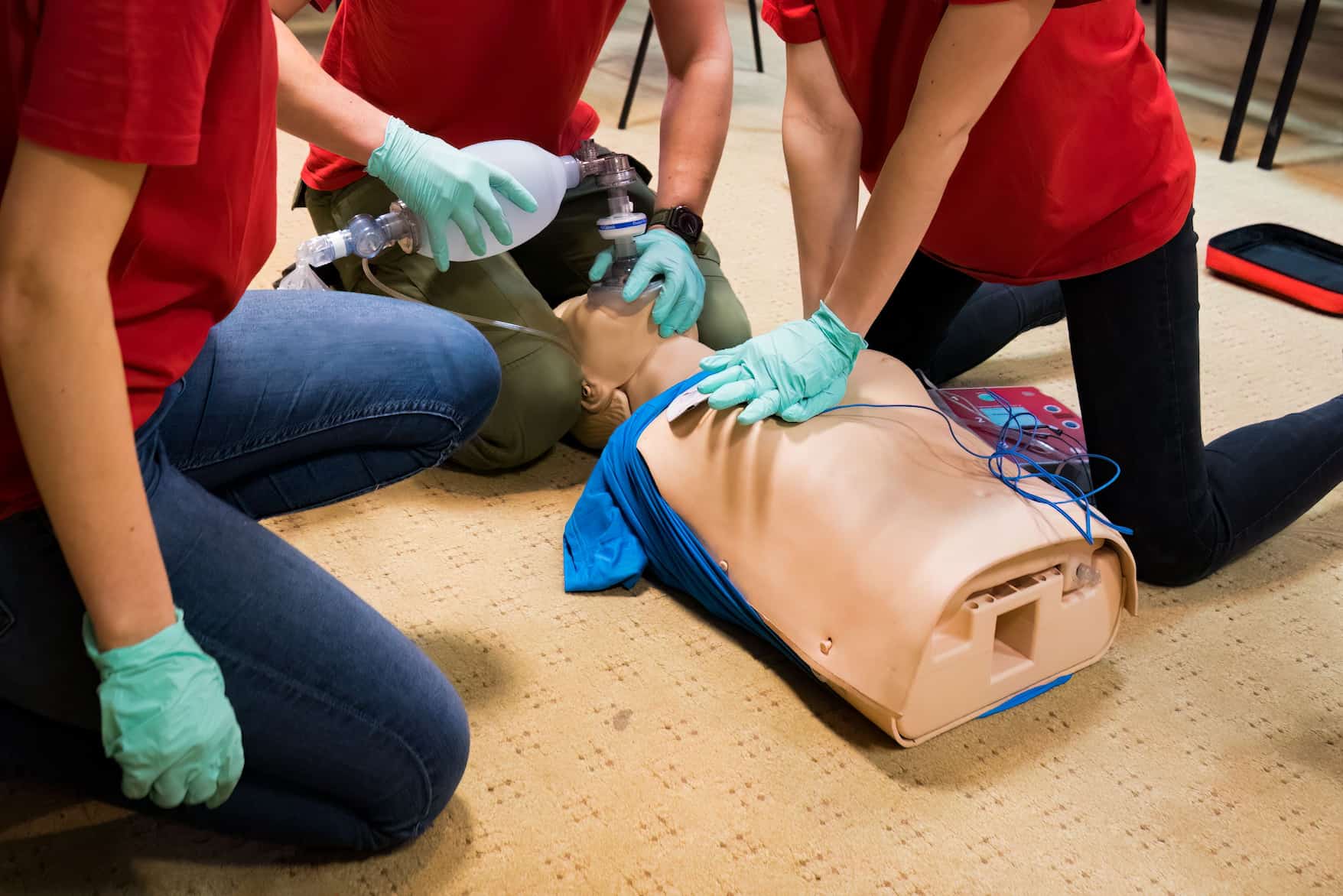
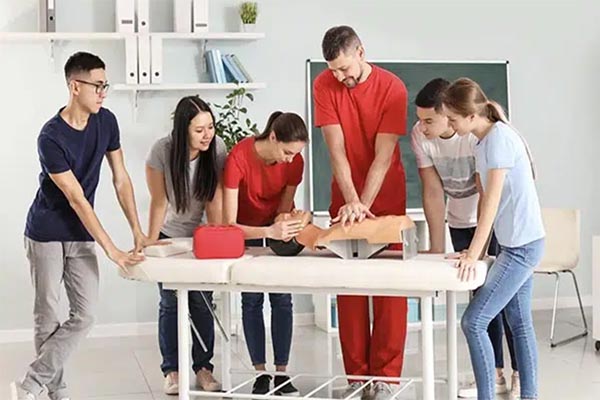
Students performing CPR and ventilation on a training manikin in class

In a world where everything moves at the speed of light, waiting weeks for a certification card to arrive in the mail feels like a relic of the past. Whether you just landed a new job that starts Monday or your current credentials expired yesterday, the pressure to get certified quickly is real.

The good news? You don’t have to wait. Same-day CPR certification has revolutionized how professionals and everyday heroes get trained. At CPR Classes Near Me, we’ve streamlined the process so you can walk in, learn the skills, and walk out with your official American Heart Association (AHA) eCard in your inbox before you even get to your car.

But how exactly does it work, and is it the right choice for you? Let’s dive into the details.

What is same-day CPR certification?

Same-day CPR certification refers to a training format where the student completes all required coursework and hands-on skills assessments in a single day, receiving their official certification immediately upon completion.

Unlike traditional classes that might mail a paper certificate or take days to process paperwork, this modern approach uses the AHA’s digital eCard system. This ensures that as soon as your instructor marks you as “passed” in the system, your credentials are live and verifiable.

How does the same-day certification process work?

The process is designed to be efficient without cutting corners on the quality of training. Most same-day certifications follow one of two paths:

  1. The All-In-Person Method: You attend a scheduled class at a local training center. Over the course of 3 to 4 hours, an expert instructor guides you through videos, lectures, and—most importantly—physical practice on manikins. Once you pass the written (if required) and skills tests, your eCard is issued.
  2. The Blended Learning Method: This is the ultimate “time-saver.” You complete the “book work” and videos online at your own pace. Once finished, you schedule a “Skills Session” that usually lasts only 30 to 60 minutes. Because you’ve already done the theory, you just show up to prove you can do the physical compressions and use an AED.

Who is same-day CPR certification designed for?

While anyone can benefit from a fast turnaround, certain groups find same-day certification particularly vital:

  • Healthcare Professionals: Nurses, doctors, and EMTs often need Basic Life Support (BLS) certification to maintain their licenses. A gap in certification can mean being pulled from a shift.
  • New Hires: Many job offers in childcare, fitness, and construction are “contingent on certification.” Getting certified today means starting your paycheck sooner.
  • Busy Parents and Caregivers: If you only have a small window of childcare or free time, a “one-and-done” session is much more manageable than a multi-day course.
  • Students: Nursing or dental students often realize they need a specific AHA BLS card right before clinical rotations begin.

Is a same-day eCard as valid as a traditional card?

Yes, provided it is an official American Heart Association (AHA) eCard. In fact, most employers now prefer eCards over paper certificates because they are:

  • Tamper-proof: They cannot be easily forged.
  • Easy to Verify: Employers can scan a QR code to see the validity in seconds.
  • Impossible to Lose: Your card is stored digitally; you can download and print it as many times as you need.

At CPR Classes Near Me, we only issue AHA-accredited certifications, which are the gold standard for hospitals, schools, and government agencies nationwide.

Why is hands-on training required for same-day certs?

You might see websites offering “100% Online CPR” in 20 minutes. While these are fast, they are rarely accepted by employers. Why? Because you cannot learn the “muscle memory” of a chest compression by clicking a mouse.

OSHA and the AHA require a physical skills check on a manikin. Same-day certification at a physical location ensures:

  1. Correct Technique: An instructor can tell you if you aren’t pushing hard enough or fast enough.
  2. AED Familiarity: You get to handle a trainer AED, so you aren’t confused by the buttons during a real emergency.
  3. Real-Time Q&A: You can ask questions about specific scenarios, like what to do if the victim is in a confined space.

What should you bring to a same-day class?

To ensure you get your card on the same day, you should come prepared. Here is a quick checklist:

  • Comfortable Clothing: You will be on the floor or leaning over manikins. Wear clothes you can move in.
  • Online Completion Certificate: If you chose the “Blended Learning” route, you must bring the printed or digital certificate showing you finished the online portion.
  • A Valid Email Address: This is how your eCard is delivered. Double-check your spelling when you register!

How long does the certification last?

Regardless of how fast you get it, an AHA CPR or BLS certification is valid for two years. The expiration date will be clearly marked on your eCard. We recommend scheduling your renewal at least 30 days before that date to ensure you never have a lapse in coverage.

What are the benefits of choosing “CPR Classes Near Me”?

Choosing a local, specialized provider offers advantages that national “big box” training centers can’t match:

  • Speed: We focus on efficiency, ensuring you don’t spend a minute longer in class than necessary to master the skills.
  • Expertise: Our instructors are often local healthcare professionals who bring real-world experience to the table.
  • Availability: We offer frequent classes and skills sessions to fit your tight schedule.
  • Instant Gratification: We prioritize the immediate issuance of eCards so you can get back to work.

Conclusion

Same-day CPR certification isn’t just about speed; it’s about providing a path to compliance and confidence that fits into a modern lifestyle. By combining the flexibility of digital eCards with the rigors of hands-on training, you get the best of both worlds: a valid, employer-accepted certification and the ability to save a life starting today.

Don’t let an expired card or a new job requirement slow you down. Get trained, get certified, and get on with your day.

Need your CPR certification today? Contact CPR Classes Near Me now to find an upcoming session and secure your spot!

Frequently Asked Questions (FAQ)

Q: Can I get my CPR certification 100% online?

A: While you can learn the theory online, most employers (especially in healthcare and childcare) require a hands-on skills assessment. A “100% online” certificate without a manikin check is usually rejected by OSHA and the AHA.

Q: How soon will I receive my eCard after the class?

A: At CPR Classes Near Me, we aim to issue eCards immediately following the successful completion of your skills test. Most students have their card in their email inbox before they leave the building.

Q: Is the same-day certification more expensive?

A: Generally, no. The cost of a same-day class is comparable to any other high-quality AHA-accredited course. You are paying for the expertise of the instructor and the official AHA registration.

Q: What if I fail the skills test?

A: Our instructors are dedicated to your success. If you struggle with a specific skill, they will work with you, provide feedback, and allow you to practice until you can perform the technique correctly.

Q: Does my same-day certification include First Aid?

A: This depends on the specific course you register for. We offer BLS for Healthcare Providers, Heartsaver CPR/AED, and Heartsaver First Aid/CPR/AED. Make sure to select the course that meets your specific job requirements.
CPR Certification Near Me: How to Choose the Right Local Class

When a medical emergency strikes, seconds are the difference between a life saved and a tragedy. Whether you are a nurse needing to renew your credentials, a teacher responsible for a classroom, or a new parent wanting peace of mind, finding the right “CPR certification near me” is about more than just checking a box. It is about gaining the confidence to act when it matters most.

With so many providers and acronyms like BLS, AED, and AHA floating around, picking the right course can feel overwhelming. This guide will walk you through everything you need to know to choose the best local class for your specific needs.

Why is it important to choose the right CPR class?

Not all CPR classes are created equal. Choosing the wrong one could mean your employer won’t accept your card, or worse, you might not be properly trained for the specific age group or environment you work in.

Selecting the right class ensures:

  • Job Compliance: You meet the exact requirements of your workplace or licensing board.
  • Skill Mastery: You receive hands-on training tailored to your role.
  • Confidence: You leave the classroom knowing exactly how to use an AED or perform chest compressions on an infant versus an adult.

What is the difference between BLS and Heartsaver CPR?

This is the most common question students ask. The answer depends entirely on your profession.

  1. Basic Life Support (BLS):
    • Who it’s for: Doctors, nurses, EMTs, dentists, and medical students.
    • What you learn: High-quality CPR for all ages, team-based rescue, and the use of advanced equipment like bag-valve masks (BVMs).
  2. Heartsaver CPR AED:
    • Who it’s for: Teachers, coaches, personal trainers, daycare providers, and the general public.
    • What you learn: Fundamental life-saving skills, how to recognize cardiac arrest, and how to use an Automated External Defibrillator (AED).

If you are in healthcare, you almost certainly need BLS. If you are a layperson, Heartsaver is usually the standard.

Is American Heart Association (AHA) better than Red Cross?

Both the American Heart Association (AHA) and the American Red Cross (ARC) provide excellent training, but there are key differences in how they are viewed by employers.

  • AHA (The Gold Standard): The AHA is the world leader in resuscitation research. They write the guidelines that every other organization follows. Because of this, AHA certification is the most widely accepted by hospitals and healthcare facilities nationwide.
  • Red Cross: Often used by community organizations and social services. While reputable, some medical employers strictly require AHA-aligned certification.

At CPR Classes Near Me, we are an AHA Certified Training Site, ensuring your card is recognized by the widest range of employers possible.

Should I choose an online, in-person, or blended learning class?

Technology has changed how we learn, but some skills require a “hands-on” touch.

  • Online-Only: These are often the cheapest and fastest. However, most employers will not accept online-only certification. CPR is a physical skill that requires muscle memory.
  • Blended Learning: You do the “book work” online and then come in for a quick “skills check” with an instructor. This is a great middle ground for busy professionals.
  • In-Person Training: This remains the top-rated way to learn. You get immediate feedback from a certified trainer, you can ask questions in real-time, and you practice on high-tech manikins until you are perfect.

What should I look for in a local training facility?

When searching for “CPR certification near me,” look for these five “must-haves”:

  1. Same-Day Certification: You shouldn’t have to wait weeks for your card. Top providers issue your eCard the same day you finish.
  2. AHA Alignment: Look for the official American Heart Association seal to ensure the curriculum is up-to-date.
  3. Experienced Instructors: You want a trainer who has actually used these skills in the field, like a paramedic or nurse.
  4. Hands-On Equipment: Ensure the class uses modern manikins and AED trainers.
  5. Location and Scheduling: The best class is the one you can actually attend. Look for facilities with multiple locations and flexible weekend or evening times.

How much does a local CPR class typically cost?

Prices vary by location and course type, but here is a general breakdown of what to expect for quality training:

  • AHA BLS Certification: Typically starts around $59.95.
  • CPR & First Aid Combo: Usually starts around $79.95.

Beware of “scam” sites offering $20 certifications. If there is no hands-on skills test, the card is likely not OSHA-compliant and won’t be accepted by your employer.

What are the benefits of getting certified with CPR Classes Near Me?

We pride ourselves on making the CPR certification process as painless as possible. When you choose one of our local classes, you get:

  • Guaranteed Acceptance: Our AHA-certified courses meet the highest national standards.
  • Speed: We offer same-day eCards so you can get back to work immediately.
  • Expertise: Our trainers make the material engaging and easy to remember.
  • Affordability: We offer competitive, discounted rates for individuals and groups.

How often do I need to renew my CPR certification?

Most CPR and BLS certifications are valid for two years. It is a good idea to set a reminder at the 22-month mark to find a renewal class. Techniques and guidelines are updated every few years, so renewing ensures you are using the most effective, life-saving methods currently available.

Conclusion

Choosing the right CPR class doesn’t have to be a headache. By identifying your professional needs (BLS vs. Heartsaver), ensuring the provider is AHA-certified, and opting for a hands-on learning environment, you are setting yourself up for success. Remember, you aren’t just getting a card; you are gaining the ability to save a life.

Ready to get certified? Contact CPR Classes Near Me today to find a local class and get your same-day certification!

Frequently Asked Questions (FAQ)

1. Can I get a CPR card in one day?

Yes. Most in-person classes take between 2 to 4 hours depending on the course type. At CPR Classes Near Me, we issue your official AHA BLS eCard the same day you complete your training.

2. Does my CPR certification cover infants and children?

Standard Heartsaver and BLS courses typically cover adult, child, and infant CPR, as well as choking relief for all age groups. Always check the specific course description to be sure.

3. Is there a written test?

For BLS (Healthcare Provider) classes, there is a written exam and a skills test. For Heartsaver (Layperson) classes, the written test is often optional or replaced by a thorough skills evaluation, depending on the instructor and workplace requirements.

4. What if my card is already expired?

If your card is expired, you simply need to take a full certification or renewal class. There is no penalty for an expired card, but you cannot legally perform duties that require an active certification until you pass a new class.

5. Are AEDs included in the training?

Yes. All modern AHA CPR classes include training on how to use an Automated External Defibrillator (AED), as it is a critical component of the “Chain of Survival.”

CPR Certification vs BLS: Which One Do You Need?

First aid instructor teaching CPR to a group of students using a practice mannequin.

Choosing the right life-saving course can feel like navigating a sea of acronyms. If you are looking to get certified, you’ve likely seen “CPR” and “BLS” used almost interchangeably. However, while they share the same goal—saving lives—they are designed for very different people and settings.

At CPR Classes Near Me, we believe that being prepared is the first step toward making a difference. Whether you are a nursing student, a high school coach, or a concerned parent, knowing the difference between these two certifications will ensure you meet your employer’s requirements and gain the right skills for your environment.

What is the main difference between CPR and BLS?

The primary difference lies in the level of detail and the intended audience.

CPR (Cardiopulmonary Resuscitation) is generally referred to as “Heartsaver” or “Layperson CPR.” It focuses on the fundamental skills needed to keep someone alive until professional help arrives. It is perfect for people who do not work in a medical environment.

BLS (Basic Life Support) is the professional standard for healthcare providers. It includes everything taught in a standard CPR class but adds advanced techniques such as team-based resuscitation, the use of medical-grade equipment like bag-valve masks, and more intense testing.

Who should take a standard CPR certification course?

Standard CPR certification is designed for the general public and “lay rescuers.” If your job involves the safety of others in a non-medical capacity, this is likely the course for you.

Common professions that require standard CPR include:

  • Teachers and daycare providers
  • Fitness instructors and personal trainers
  • Coaches and athletic directors
  • Construction workers and OSHA-regulated employees
  • Flight attendants
  • Security guards

This course is also ideal for parents, grandparents, and community volunteers who simply want to be ready to act during a cardiac emergency.

Who is required to have BLS certification?

BLS is a “professional level” certification. If you work in a clinical setting or are a first responder, your employer or licensing board will almost certainly require BLS rather than standard CPR.

You need BLS certification if you are:

  • A Registered Nurse (RN) or Licensed Practical Nurse (LPN)
  • A Doctor or Physician Assistant
  • A Dentist or Dental Hygienist
  • An EMT or Paramedic
  • A Medical or Nursing Student
  • A Physical or Occupational Therapist

If you are a student entering the healthcare field, it is highly recommended to get your BLS certification now, as most clinical rotations require it before you can step foot in a hospital.

What skills are taught in a CPR course?

A standard CPR class is fast-paced and focuses on muscle memory. The goal is to give you the confidence to jump in without overthinking.

In a standard CPR/AED class, you will learn:

  1. High-Quality Chest Compressions: The correct depth and rate for adults, children, and infants.
  2. Rescue Breathing: Techniques for delivering oxygen to a victim.
  3. AED Operation: How to safely use an Automated External Defibrillator.
  4. Choking Relief: The Heimlich maneuver and modified techniques for infants.
  5. Scene Safety: How to assess an environment before providing help.

What makes BLS training more advanced?

BLS training goes deeper into the “why” and “how” of resuscitation. Because healthcare professionals work in teams, the training emphasizes coordination.

Advanced skills included in BLS but not standard CPR include:

  • Multi-Rescuer Coordination: Learning how to switch roles seamlessly (e.g., one person doing compressions while another handles the airway).
  • Bag-Valve-Mask (BVM) Ventilation: Using a manual resuscitator to provide high-flow oxygen.
  • Pulse Checks: Healthcare providers are trained to check for a pulse for up to 10 seconds, whereas laypersons are taught to start CPR if a victim is unresponsive and not breathing.
  • Advanced Airway Management: How to provide CPR when a patient has a breathing tube or other advanced airway in place.
  • Critical Thinking: Managing complex scenarios where multiple life-threatening issues are happening at once.

Can a BLS certification replace a CPR certification?

Yes. If your job requires CPR but you choose to take a BLS course, your BLS card will almost always satisfy the requirement. Since BLS is a higher level of training that includes all CPR components, it is widely accepted as a superior credential.

However, the reverse is not true. If your employer requires BLS, a standard Heartsaver CPR card will not be accepted. Always check your specific workplace requirements before booking your seat.

Is First Aid included in these certifications?

This is a common point of confusion. Standard CPR and BLS are primarily focused on cardiac and respiratory arrest. They do not automatically include First Aid training.

  • For CPR: Many people choose to take a “CPR & First Aid” combo class. This is common for teachers and daycare workers who need to know how to handle scrapes, burns, and broken bones in addition to CPR.
  • For BLS: First Aid is almost never a standard part of a BLS class. Healthcare providers usually receive First Aid training through their medical schooling or separate certifications.

At CPR Classes Near Me, we offer both standalone BLS and combined CPR/First Aid options to ensure you get exactly what you need for your career.

How long do these certifications last?

Both CPR and BLS certifications are valid for two years.

Science and medical guidelines are constantly evolving. Every five years, the American Heart Association updates its protocols based on the latest life-saving data. Staying certified every two years ensures your skills remain sharp and that you are using the most effective techniques currently known to medicine.

Why is in-person training better than online-only?

While “online-only” certifications exist, they are rarely accepted by employers, especially in healthcare and education.

There is no substitute for the hands-on experience of compressing a manikin’s chest. In an in-person class at CPR Classes Near Me, an instructor can correct your hand placement, ensure you are hitting the right depth, and help you get comfortable with the rhythm of compressions. That physical “muscle memory” is what saves lives when the pressure is on.

How do I choose the right class?

To make the right choice, ask yourself these three questions:

  1. What is my profession? (Healthcare = BLS; General Public = CPR)
  2. Does my employer require First Aid? (If yes, look for a combo class.)
  3. Is the certification AHA-approved? (The American Heart Association is the gold standard for employer acceptance.)

Conclusion

Whether you choose CPR or BLS, the most important step is simply getting trained. Cardiac arrest can happen anywhere—at the gym, in the grocery store, or at the dinner table. Having the skills to intervene can double or even triple a victim’s chance of survival.

If you are ready to gain the confidence to save a life, contact CPR Classes Near Me today. Our expert instructors provide high-quality, AHA-certified training in a relaxed and professional environment. Don’t wait for an emergency to happen—be the one who knows what to do.

Frequently Asked Questions (FAQ)

Is BLS harder than CPR?

While BLS is more comprehensive and includes a written exam, it is not necessarily “harder.” It simply covers more ground. Our instructors at CPR Classes Near Me are experts at breaking down complex medical concepts so that every student leaves feeling confident, regardless of their medical background.

Will my BLS card say CPR on it?

Most BLS cards are titled “Basic Life Support (BLS) Provider.” Since BLS is the highest level of CPR training, it is understood by all employers that you are fully certified in CPR and AED usage.

How long does a BLS class take?

A typical initial BLS certification class takes about 4 to 5 hours. This includes hands-on practice, video instruction, and the written and skills tests. If you are renewing a current card, the process is usually shorter.

Does CPR certification cover infants?

Yes, at CPR Classes Near Me, our standard CPR and BLS courses cover adult, child, and infant techniques. This is essential for parents and those working in schools or childcare settings.

What should I wear to my class?

Since both CPR and BLS involve significant hands-on practice on the floor or at tables with manikins, we recommend wearing comfortable, casual clothing that allows you to move easily.

How Long Does CPR Certification Last in Ohio? Your Complete Guide

Have you ever looked at your CPR card and realized the date is a lot older than you remembered? You aren’t alone. Whether you are a nurse in Columbus, a high school coach in Cleveland, or a concerned parent in Cincinnati, keeping your life-saving skills current is vital.

In the state of Ohio, staying compliant with workplace safety and state laws is a top priority. But beyond the legalities, CPR is about being ready when a heart stops. If your skills are rusty, you might hesitate during a crisis—and in a cardiac emergency, every second counts.

In this guide, we will break down exactly how long your CPR certification lasts in Ohio, why the expiration date exists, and the easiest way to get renewed so you never have a gap in your credentials.

What is the standard expiration for CPR in Ohio?

In almost every case, a CPR certification in Ohio is valid for two years from the date it was issued. This standard is set by the major national training organizations, including the American Heart Association (AHA) and the American Red Cross.

While the state of Ohio follows these national guidelines, certain professions have specific rules:

  1. Healthcare Workers: Most hospitals and clinics require Basic Life Support (BLS) or ACLS certification, which also operates on a strict two-year cycle.
  2. School Coaches: Ohio law requires all coaches to maintain a current CPR/AED certification. If your card expires mid-season, you may be ineligible to coach until you renew.
  3. Childcare Providers: ODJFS (Ohio Department of Job and Family Services) requires active certification for staff to stay compliant with licensing.

Your certification typically expires on the last day of the month in which it was issued, exactly two years later. For example, if you passed your class on February 15, 2024, your card is generally valid through February 28, 2026.

Why does CPR certification expire every two years?

You might wonder why you need to retake a class if the basics of “pushing on the chest” haven’t changed much. There are actually three primary reasons why the two-year window is the gold standard:

  • Science Updates: The International Liaison Committee on Resuscitation (ILCOR) constantly reviews cardiac data. Every few years, guidelines for compression depth, rate, or breath ratios might be tweaked to improve survival rates.
  • Skill Degradation: Research shows that CPR skills—specifically the physical ability to perform high-quality compressions—start to decline as early as six months after a class. By the two-year mark, most people need a hands-on refresh to regain their “muscle memory.”
  • Technology Changes: AED (Automated External Defibrillator) technology is always evolving. Renewal courses ensure you are comfortable with the latest devices found in public spaces across Ohio.

Is there a grace period for expired CPR cards in Ohio?

The short answer is no. There is no official “grace period” for an expired CPR certification.

If your card expires on Monday, you are technically uncertified on Tuesday. This can have serious consequences depending on your job:

  • Employment Gaps: Many Ohio employers will not allow you to work a shift if your certification has lapsed.
  • Legal Liability: In some professional settings, performing CPR with an expired license could lead to complications, although Ohio’s Good Samaritan laws generally protect laypeople.
  • Renewal Eligibility: Some “Renewal” or “Review” courses require you to show a current, non-expired card to enroll. If yours is already expired, you might be required to take the full, longer “Provider” course again.

What is the difference between a full course and a renewal?

If your certification is still valid (or only recently expired), you are likely eligible for a CPR Renewal Course. Here is how they compare:

  1. Full Provider Course:
    • Designed for those who have never been certified or whose cards have been expired for a long time.
    • Covers every concept from scratch.
    • Usually takes 4–6 hours depending on the depth of the material.
  2. Renewal/Challenge Course:
    • Designed for experienced individuals who just need to prove their competency.
    • Focuses heavily on hands-on skills and the latest guideline updates.
    • Usually takes 2–3 hours.
    • Requires a valid (or very recently expired) card for entry.

Can you renew your CPR certification online in Ohio?

In Ohio, “blended learning” is the most popular way to renew. This allows you to do the “book work” online and then visit a local training center for a quick, 30-minute skills check.

However, be very careful with “100% Online” certifications. Many Ohio employers, especially in healthcare, nursing, and education, will not accept a certification that did not include a hands-on skills assessment with a live instructor. If you didn’t push on a mannequin, your card might not be valid for your job.

How do you find CPR renewal classes near you?

If you are in the Columbus area or anywhere in Ohio, finding a class is easy. You should look for a provider that offers:

  • Same-day certification: So you can get back to work immediately.
  • AHA or Red Cross accreditation: To ensure your card is accepted by your employer.
  • Flexible scheduling: Weekly classes that fit your busy work-life balance.

For local, hands-on training that meets all Ohio requirements, CPR Classes Near Me provides expert-led sessions designed to get you certified quickly and confidently.

Conclusion

Your CPR certification is more than just a piece of paper; it’s your license to save a life. In Ohio, that license has a two-year shelf life. By staying on top of your expiration date and scheduling a renewal class before your current card lapses, you ensure that you are always ready to respond to an emergency.

Don’t wait until your employer tells you that you can’t work tomorrow. Check your card today, and if you’re approaching that two-year mark, it’s time to refresh your skills.

Contact CPR Classes Near Me today to schedule your renewal and stay certified!

Frequently Asked Questions (FAQ)

How long is my CPR card valid for in Ohio? 

In Ohio, most CPR certifications from the American Heart Association or American Red Cross are valid for exactly two years.

What happens if my CPR certification expires? 

If your card expires, you are no longer considered certified. You may be unable to work if your job requires it, and you may have to take a full initial course instead of a shorter renewal class.

Do I have to take the whole class again to renew? 

No. If your card is still valid, you can usually take an abbreviated “Renewal” or “Recertification” course, which focuses on hands-on skills and takes significantly less time than the original class.

Will my Ohio employer accept an online-only CPR card? 

Most employers in Ohio, especially in the medical, dental, and education fields, require a hands-on skills check. Online-only courses that do not involve a mannequin session are often rejected.

Does BLS certification last longer than standard CPR? 

No. Basic Life Support (BLS) certification, which is common for healthcare providers in Ohio, also follows the two-year expiration cycle.

CPR vs BLS in Washington DC: What’s the Difference and Which Do You Need?

Hands performing chest compressions on a CPR training mannequin with AED pads attached.

TL;DR: CPR vs. BLS: Which Is Right for You?

Choosing between CPR (Heartsaver) and BLS (Basic Life Support) depends entirely on your job role and the environment where you work in Washington DC:

  • Standard CPR is for laypeople. If you’re a teacher, fitness coach, office manager, or parent, this covers the basics: chest compressions, rescue breaths, and how to use an AED.
  • BLS is for Healthcare Professionals. If you’re a nurse, doctor, paramedic, or dental professional, you need this advanced certification. It covers multi-rescuer teamwork, pulse checks, and advanced airway equipment like bag-mask devices.

Both certifications are vital for workplace safety in the District, and both typically require renewal every two years.

Ready to get certified in the Nation’s Capital?

Don’t wait until an emergency happens to test your skills. Ensure you have the confidence and credentials required by your employer with hands-on training that sticks.

Get Your CPR Certification with CPR Classes Near Me Washington DC

CPR vs BLS: Which Do You Need?

If you’re living or working in the nation’s capital, you know that Washington DC moves at a breakneck pace. Whether you are navigating the halls of a major hospital in Foggy Bottom or managing a busy office near Capitol Hill, safety is a priority that cannot be ignored. When it comes to emergency preparedness, two acronyms frequently pop up: CPR and BLS.

At first glance, they might seem like the same thing. Both involve helping someone whose heart has stopped, and both are essential skills for saving lives. However, choosing the wrong one can be a costly mistake, especially if your job requires a specific type of certification. This guide will walk you through the nuances of CPR versus BLS in Washington DC, helping you decide which certification is the perfect fit for your lifestyle and professional needs.

What Is the Fundamental Difference Between CPR and BLS?

To understand the difference, think of CPR as the foundation and BLS as the complete medical structure built upon that foundation.

  • Standard CPR (Heartsaver): This is generally referred to as “Layperson CPR.” It is designed for those who do not work in a clinical or medical setting. It teaches you how to recognize a cardiac arrest, perform high-quality chest compressions, and use an AED. It is the baseline for anyone who wants to be prepared to help a neighbor, family member, or coworker.
  • BLS (Basic Life Support): This is the professional standard. BLS is essentially “CPR for Healthcare Providers.” It includes everything in a standard CPR class but adds complex skills required in a medical environment. These include two-person rescue techniques, the use of a bag-mask device, and training on how to handle advanced team-based resuscitation scenarios.

In Washington DC, the distinction is vital. A teacher at a public school will likely only need standard CPR. Conversely, a nurse at a local medical center or a dentist in a private clinic will be required to hold a current BLS certification. The difference lies in the level of intensity and the specific medical equipment you are expected to know how to operate.

Why Do Healthcare Professionals in DC Require BLS?

Washington DC is home to some of the most prestigious medical institutions in the world. From research hospitals to private specialized clinics, the standard of care is exceptionally high. Employers in these sectors require BLS because they need their staff to function as part of a high-performance team.

In a clinical setting, an emergency rarely involves just one person acting alone. BLS training teaches professionals how to switch roles seamlessly during a rescue, ensuring that chest compressions remain deep and fast while another provider manages the airway. BLS also covers infant and child resuscitation at a much deeper level than standard CPR, which is critical for pediatric wards and clinics across the District.

Who Should Opt for Standard CPR Training Instead?

If your job doesn’t involve direct patient care in a hospital or clinic, standard CPR is likely the right choice for you. In Washington DC, this certification is highly recommended, and often required, for several professional groups.

  • Teachers and Daycare Providers: Essential for ensuring the safety of children and satisfying state licensing requirements.
  • Fitness Instructors and Coaches: Most gyms near Dupont Circle and beyond require trainers to be certified in case a client experiences an emergency.
  • Office Managers and Human Resources: Having a designated safety lead in an office setting is a best practice for local businesses in the private sector.
  • Federal Employees: Many federal agencies encourage or mandate basic life-saving skills for their personnel as part of workplace safety initiatives.
  • Security Personnel: As often the very first people on the scene in office buildings or residential complexes, basic CPR is a prerequisite.

The focus in these roles is on immediate action. You are the “first link” in the chain of survival, keeping the victim stable until DC Fire and EMS arrive on the scene.

What Specific Skills Are Taught in a DC BLS Course?

When you sign up for a BLS course with CPR Classes Near Me Washington DC, you’re stepping into an intensive, hands-on learning environment. The curriculum is robust and focuses on professional accountability.

  1. Team Dynamics: Learning how to effectively lead or follow in a multi-rescuer situation, including how to transition roles quickly.
  2. Advanced Airway Management: Mastery of using bag-mask ventilation rather than the simple mouth-to-mouth or pocket masks taught in basic classes.
  3. Accurate Pulse Checks: Training on how to correctly identify a pulse in infants and adults within a critical 10-second window.
  4. High-Performance Compressions: Learning the exact depth and rate needed to maximize blood flow, with minimal interruptions between cycles.
  5. Opioid-Associated Emergencies: Recognizing and responding to overdose situations, a skill that has become increasingly vital in modern urban environments.

Standard CPR classes, by contrast, focus more on simplicity. The goal is to ensure that someone with no medical background feels confident enough to jump in and begin the rescue without hesitation.

How Long Does Certification Last in the District of Columbia?

Regardless of whether you choose CPR or BLS, your certification is not permanent. In Washington DC, most accredited certifications are valid for exactly two years.

Staying current is critical for several key reasons:

  • Skills Decay: Studies consistently show that life-saving skills begin to fade within just a few months of training. Regular renewal keeps these techniques fresh in your muscle memory.
  • Employment Compliance: If your DC employer requires certification, an expired card is often treated the same as having no certification at all. This can lead to administrative suspension from work duties.
  • Evolving Standards: The science of resuscitation changes as medical research improves. Renewing every two years ensures you are using the most current, evidence-based methods approved by major safety organizations.

Why Is Hands-On Training Better Than Online-Only Courses?

While it might be tempting to take a quick, 30-minute online course, employers in Washington DC rarely accept online-only certifications for professional requirements. Life-saving is a physical skill, not just a theoretical one.

Hands-on training allows you to:

  • Feel the physical resistance of a manikin’s chest, ensuring you learn the correct pressure needed.
  • Practice the rhythm of compressions with real-time feedback from an instructor.
  • Ask complex questions of a training expert who has real-world emergency experience.
  • Demonstrate competency, which builds the genuine confidence required to act during a real crisis.

CPR Classes Near Me provides the necessary hands-on components that satisfy both national standards and local DC workplace regulations.

How Do You Choose the Best Class in Washington DC?

When searching for “CPR classes near me” in Washington DC, look for a provider that offers convenience, quality, and valid accreditation. DC is a city where time is limited. You need a location that is accessible and class schedules that fit around a busy professional or academic life.

Look for training providers that offer:

  • Clear Certification Levels: They should distinguish clearly between standard CPR and professional BLS classes.
  • Qualified Instruction: Ensuring that the teacher is certified and experienced in emergency response.
  • Small Class Sizes: This ensures that every student gets individual attention and feedback during the skills practice.
  • Current Materials: Ensure the course follows the latest emergency cardiovascular care (ECC) guidelines.
  • Fast Certification Issuance: You should receive your digital certification card shortly after completing the requirements.

Is One Certification More Expensive Than the Other?

Generally, because BLS is more comprehensive and requires more training hours, the cost may be slightly higher than a standard CPR course. However, for those in the medical field, this is considered a necessary professional investment.

Standard CPR is the most cost-effective option for laypeople and is designed to get you trained and certified quickly without the clinical overhead required by BLS courses.

Summary of Main Differences

If you are still deciding, remember that the choice is primarily based on your role. Standard CPR focuses on the solo rescuer in public settings using basic equipment. BLS focuses on professional teams in clinical settings using advanced medical devices.

Standard CPR is ideal for the “everyday hero”—the person who wants to be ready if a colleague or stranger collapses. BLS is for the “duty-bound professional”—those whose job descriptions include the responsibility to provide medical care as part of a structured medical system.

Conclusion

The District of Columbia is a place where being prepared can make all the difference. Whether you are a resident looking to keep your family safe or a professional aiming to fulfill a mandatory workplace requirement, understanding the difference between CPR and BLS is the first step toward readiness.

Standard CPR is perfect for teachers, coaches, and parents, while BLS is the essential tool for those in healthcare and emergency response. Both represent a commitment to the community and the safety of those around you.

Don’t wait until an emergency happens to realize you need training. Take the initiative today to secure your future and protect the lives of your fellow Washingtonians.

Get Your CPR Certification with CPR Classes Near Me Washington DC. Whether you need a standard certification for your small business or a professional BLS card for your hospital rotation, we are here to help you get certified quickly and confidently.

FAQ Section

Q: Can I take a BLS class even if I’m not a healthcare professional?

A: Yes. Anyone is allowed to take a BLS class. If you prefer the most comprehensive training available and are comfortable with technical medical information, BLS is an excellent choice. However, remember that standard CPR is sufficient for most non-medical employers.

Q: Is BLS harder than CPR?

A: BLS is more comprehensive, meaning it covers more techniques and specialized equipment like bag-masks. While it is more intensive, the course is structured so that anyone can learn the skills if they focus and practice under instructor guidance.

Q: Do I need to be 18 to get certified in DC?

A: No. There is no official age limit for certification. The requirement is purely physical; if the student can physically compress the manikin’s chest to the required depth and pass the skills test, they are eligible to receive their card.

Q: How long does a typical class take?

A: A standard CPR/AED class usually takes about 2 to 3 hours. A professional BLS course for healthcare providers usually runs between 3.5 and 4.5 hours, depending on the number of students and their prior experience levels.

Q: Will my DC certification be valid if I move to another state?

A: Yes. Accredited CPR and BLS certifications are recognized across the country. If you move from DC to Maryland, Virginia, or any other state, your certification remains current until the printed expiration date.

Where to Take CPR Classes in Washington DC: Best Local Training Options

First aid instructor teaching CPR to a group of students using a practice mannequin.

Where to Take CPR Classes in Washington DC

Washington DC is a city that never stops. From the bustling corridors of Capitol Hill to the high-energy neighborhoods of DuPont Circle and the Navy Yard, the capital is a hub of activity. In such a vibrant environment, being prepared for a medical emergency isn’t just a good idea, it’s a responsibility. Whether you’re a healthcare professional working in one of DC’s world-class hospitals or a parent wanting to keep your family safe, finding the right training is the first step.

Getting certified in CPR (Cardiopulmonary Resuscitation) is one of the most impactful things you can do for your community. If you are searching for the best local training options in the District, look no further. We have compiled a comprehensive look at what makes CPR training in Washington DC unique and how you can get certified efficiently.

Why is Washington DC a prime location for CPR training?

Washington DC is unique because of its high density of both healthcare facilities and federal agencies. Many professionals moving to the city for work find that CPR certification is a mandatory requirement for their positions. This high demand has resulted in a robust local infrastructure for emergency training.

Local training centers in DC are tailored to the urban lifestyle. They offer:

  • Proximity to Public Transit: Most training centers are located near Metro stops like Union Station, Gallery Place, or Foggy Bottom, making it easy to fit a class into a busy commute.
  • Diverse Course Options: Because the city serves everyone from high-level government officials to elementary school teachers, classes are tiered to meet different professional needs.
  • High Standards: Training in the capital often aligns with the highest international standards, ensuring your certification is recognized nationwide.

What certification levels are available through CPR Classes Near Me?

When you look for training in Washington DC, you will notice that not all CPR classes are the same. “CPR Classes Near Me” offers a variety of levels to ensure you get exactly the training you need for your specific situation.

  1. AHA BLS for Healthcare Providers: This is the gold standard for doctors, nurses, and paramedics. It covers multi-rescuer CPR and advanced techniques.
  2. Heartsaver® First Aid CPR AED: Designed for laypeople, such as teachers, fitness trainers, and corporate employees. It covers the basics of CPR and how to use an AED machine.
  3. Bloodborne Pathogens: Often required for those in childcare or industrial work, this course focuses on safety and cleanup in medical situations.
  4. Pediatric CPR: Focused specifically on infants and children, this is a must for new parents and childcare workers in the DC area.

How do you choose between AHA and Red Cross curricula?

A common question among those seeking “CPR Classes Near Me Washington DC” is whether to choose an American Heart Association (AHA) course or a Red Cross course. Both are respected, but there are subtle differences to consider.

  • Employer Requirements: Many hospitals and clinical settings in DC specifically require an AHA certification. It is always best to check with your manager first.
  • Content Focus: AHA courses tend to have a heavy focus on the science and technical precision of chest compressions. Red Cross courses are often lauded for their practical, scenario-based approach.
  • Recognition: Both are recognized across the United States, but AHA is frequently viewed as the primary standard-setter for CPR techniques used globally.

Where are the best training sites located within the DC Metro area?

Geography matters in a city with traffic as legendary as DC’s. “CPR Classes Near Me” focuses on providing training options in convenient neighborhoods to save you time. 

You can find sessions in:

  • Downtown / K Street: Ideal for office workers who want to take a class after the workday or during a long lunch break.
  • Georgetown: A hub for university students and residential families who prefer a more local setting.
  • Capitol Hill: Serving the legislative community and surrounding residential areas.
  • Adams Morgan / Woodley Park: Convenient for those living in the more residential parts of the District.

By choosing a site close to your home or office, you remove the barrier of travel and make it much easier to keep your certification current.

What should you expect during your Washington DC CPR training session?

If you have never taken a CPR class before, you might feel a bit nervous. However, classes are designed to be encouraging and interactive

Here is a typical walkthrough of what a session looks like:

  • Instructional Videos: Most classes start with a visual guide provided by the governing health body to set the foundation.
  • Hands-on Practice: You will spend the majority of your time working with a high-fidelity manikin. This is where you learn the feel of the correct depth and rhythm for chest compressions.
  • AED Familiarization: You will practice using a trainer AED (which does not deliver a real shock) to understand the voice prompts and pad placement.
  • Skill Testing: Toward the end of the class, the instructor will watch you perform the skills you’ve learned to ensure you are ready to use them in the real world.
  • Written Exam: For some certifications, a short multiple-choice test is required to ensure you understand the concepts.

Is BLS different from standard Heartsaver CPR?

Yes, and this is a critical distinction for DC residents to understand. While both teach the fundamental skill of chest compressions, they serve different purposes.

Heartsaver CPR is intended for the general public. It covers:

  • Adult, child, and infant CPR.
  • AED usage.
  • Choking relief.

BLS (Basic Life Support) is for healthcare professionals. It includes everything in Heartsaver plus:

  • Two-person rescue techniques.
  • Bag-valve mask (BVM) usage.
  • Advanced airway support concepts.
  • Critical thinking during a cardiac arrest team effort.

If you are a student at George Washington University or working at MedStar Washington Hospital Center, you almost certainly need BLS.

Can groups or businesses get private onsite CPR training in DC?

Absolutely. Many DC-based businesses, law firms, and NGOs prefer that our instructors come to them. Onsite training is an excellent way to ensure your entire team is compliant with OSHA safety regulations without requiring them to commute to a separate facility.

Benefits of onsite training include:

  • Convenience: We bring the equipment like manikins, AED trainers, and workbooks directly to your conference room.
  • Customization: We can tailor scenarios to your specific workplace layout.
  • Team Building: Learning life-saving skills together builds confidence and a sense of shared responsibility among staff.

How do you keep your certification current once you’ve completed training?

CPR certifications typically expire every two years. In a city as fast-paced as Washington DC, it’s easy to let that date slip by. 

To maintain your status:

  1. Set a Reminder: Put a notification in your digital calendar for 22 months after your class date.
  2. Take a Renewal Course: Renewal courses are often shorter than initial certification courses because they skip the very basic introductory concepts.
  3. Stay Informed: AHA and Red Cross update their guidelines every few years. Even if your card is valid, reading up on the latest tweaks to compression ratios is a good practice.

Conclusion

Taking the time to get certified in CPR is one of the most proactive steps you can take as a resident of Washington DC. The city is full of opportunities to help others, and being equipped with the knowledge to respond in a crisis is invaluable. Whether you need certification for your job or simply for peace of mind, there is a local class ready to welcome you.

Ready to make a difference? Ensure your skills are up to date and your confidence is high by booking your next session with local experts who understand the unique needs of the DC community.

Get Your CPR Certification with CPR Classes Near Me Washington DC.

Frequently Asked Questions (FAQ)

Q: How long does a typical CPR class in Washington DC take?

A: Most CPR and First Aid classes last between 2 and 4 hours, depending on the level of certification. BLS classes for healthcare providers generally take about 4 hours, while a standard CPR/AED class for laypeople may be closer to 2 or 3 hours.

Q: Is my DC CPR certification valid in other states like Virginia or Maryland?

A: Yes. Because our classes are built on AHA or Red Cross standards, your certification is nationally recognized. If you move from DC to Arlington or Silver Spring, your card remains valid until its expiration date.

Q: Can I take a CPR class online?

A: While there are online portions available (Blended Learning), a full certification recognized by employers usually requires an in-person skills session. You can study the theory online, but you must demonstrate the physical skills to a certified instructor in Washington DC to receive your card.

Q: What should I wear to my CPR training session?

A: Wear comfortable clothing that allows you to move easily. You will be spending time on your knees practicing compressions on a manikin, so pants and closed-toe shoes are highly recommended over professional attire or skirts.

Q: Will I receive my certification card the same day?

A: Most classes offer digital e-cards which are often processed and sent to your email on the same business day or within 24 hours of completing the course and skills test.

Are CPR Classes Hard to Pass in Washington DC? What You Need to Know

Group learning CPR with hands-on chest compressions on a training manikin.

TL;DR: Can You Pass a CPR Class in DC?

Worried about the difficulty? Don’t be! Passing a CPR class in Washington DC is designed to be straightforward and stress-free.

  • Competency-Based: The course focuses on life-saving skills, not complex medical theory.
  • Supportive Environment: Instructors coach you through the physical steps until you’re confident.
  • Manageable Exams: Written tests are intuitive, and practical assessments focus on simple muscle memory.
  • Tailored to You: Whether you’re a healthcare pro or a local teacher, the class matches your specific needs.

Passing isn’t about being a medical expert, it’s about having the confidence to act.

Ready to get certified?

Get Your CPR Certification with CPR Classes Near Me Washington DC

Is Passing a CPR Class Hard in Washington DC? What You Need to Know

If you’re a professional in the nation’s capital, you know that time is your most valuable asset. Whether you are a teacher in Ward 3, a fitness instructor in DuPont Circle, or a nurse at a major DC hospital, your schedule is packed. When you find out you need a CPR certification, the first question that usually pops up is: “Is this going to be hard to pass?”

There is a common misconception that medical certifications are designed to “weed people out.” Many people envision a stern instructor with a stopwatch and a complex 100-page exam. In reality, the goal of CPR training in Washington DC is exactly the opposite. The mission is to ensure you feel confident enough to save a life.

In this guide, we’ll break down exactly what makes these classes manageable, what the testing process looks like, and why you don’t need a medical degree to pass with flying colors.

Is the CPR Exam Difficulty Level Overrated?

The short answer is yes. CPR classes are designed for competency, not for academic exclusion. The curriculums provided by organizations like the American Heart Association (AHA) are structured so that if you participate in the class, you are almost guaranteed to pass.

Most students find that the “difficulty” isn’t in the complexity of the information, but in the physical coordination required for chest compressions. Once you get the rhythm down, the rest follows a logical flow.

Here is why most people find it easier than expected:

  • The steps are repetitive to build muscle memory.
  • Instructors use real-world scenarios that make sense.
  • The material is stripped of unnecessary medical jargon.
  • You are encouraged to ask questions throughout the session.

What Kind of Topics Are Covered in the Curriculum?

To understand if a class is “hard,” you first need to look at what you are learning. A standard CPR class in Washington DC focuses on three primary pillars.

  1. High-Quality Compressions: Learning the correct depth and rate for adults, children, and infants.
  2. AED Usage: Understanding how to operate an Automated External Defibrillator safely.
  3. Rescue Breathing: Using pocket masks or bag-mask devices to provide oxygen.

Because the focus is on these core skills, you aren’t memorizing thousands of facts. You are mastering a specific sequence of actions. For most DC professionals, this practical approach is much easier to digest than a traditional classroom lecture.

How Does the Hands-On Skills Test Work?

The practical assessment is often what makes students nervous, but it is actually the most helpful part of the class. In Washington DC, your instructor will watch you perform the skills on a manikin.

What you need to know about the skills test:

  • It’s coaching-based: If you are pushing too shallowly, the instructor will tell you. You can correct it on the spot.
  • Use of technology: Many manikins now have feedback devices that light up when you hit the right depth.
  • No “trick” scenarios: The test scenarios are exactly what you practiced for hours during the class.
  • Physicality over memory: It is more about getting your body used to the motion than it is about intense mental strain.

Is the Written Test Hard to Navigate?

If you choose a Basic Life Support (BLS) class or a standard Heartsaver course, there may be a written component. However, this is usually an open-resource or highly guided review.

The written test is designed to ensure you understand basic safety, such as:

  • When to call 911 in the DC metro area.
  • How to ensure the scene is safe before approaching.
  • The correct ratio of compressions to breaths (30:2).

Most students finish the written portion in under 20 minutes. If you have been paying attention to the videos and the instructor’s demonstrations, the answers are usually very intuitive.

Why Do Some People Struggle With the Class?

While the pass rate is extremely high, some individuals do find certain aspects challenging. Identifying these early can help you prepare.

Common hurdles include:

  • Physical Stamina: Doing two minutes of high-quality compressions is a workout! It requires leaning over a manikin and using your upper body strength.
  • Overthinking the Steps: Sometimes students try to add complex medical steps they saw on TV. CPR is about simplicity.
  • Test Anxiety: Nervousness can cause people to forget the 30:2 ratio momentarily, but instructors are there to help you reset.

What are the Requirements for DC Professionals?

In Washington DC, requirements vary by industry. Knowing exactly what you need can reduce the stress of picking the “wrong” class.

  • Healthcare Providers: Usually require BLS (Basic Life Support). This is slightly more rigorous but still focuses on core competencies.
  • Teachers and Coaches: Often require Heartsaver CPR and AED. This is very beginner-friendly.
  • General Public: Usually take a non-certification or basic awareness course, which is purely informational.

By matching the right class level to your needs, you ensure the difficulty level matches your background knowledge.

How Can You Prepare for Success Before the Class?

You don’t need to study for weeks. However, doing a few small things can make your session at CPR Classes Near Me Washington DC even easier.

  1. Wear Comfortable Clothes: You will be on your knees on the floor working with manikins. Wear sneakers and flexible pants.
  2. Watch a Summary Video: Spend 5 minutes on a reputable site watching a “CPR Overview” video. Having a visual reference beforehand makes the live class click much faster.
  3. Hydrate: As mentioned, it is a physical activity. Being hydrated helps with focus and stamina.
  4. Arrive Early: Familiarizing yourself with the training site in DC helps lower your initial anxiety.

How Long Does Certification Last in DC?

Once you pass, your certification is good for two years. This is a federal standard followed by the major training providers. Because you don’t have to do this every month, the pressure to “master” it perfectly on day one is mitigated by the fact that you will have a renewal period to refresh your skills later.

Why Choose Local Training in Washington DC?

Taking a class locally at CPR Classes Near Me Washington DC offers advantages that online-only courses cannot match.

  • Immediate Certification: You leave with the knowledge and, in many cases, your digital card immediately.
  • Expert Instructors: Local instructors understand the specific regulations for DC schools and workplaces.
  • Equipment Quality: You get to use the latest high-fidelity manikins that make learning easier through tactile feedback.

Are Hybrid Classes Easier Than In-Person Classes?

Hybrid classes allow you to do the “classroom” portion online and then come into the DC office for a “skills check.”

Pros of Hybrid:

  • You learn at your own pace.
  • You can re-watch videos as many times as you want.
  • The in-person portion is shorter (usually 30-60 minutes).

Cons of Hybrid:

  • You don’t have an instructor to answer questions in real-time during the learning phase.
  • You must be self-disciplined to complete the modules.

For most people who are worried about the difficulty, an all-in-person class is often better because you have the support of a live instructor from start to finish.

Conclusion: You Are More Capable Than You Think

Passing a CPR class in Washington DC isn’t about being a medical expert; it’s about being a prepared citizen or professional. The classes are designed to be inclusive, straightforward, and supportive. The instructors at CPR Classes Near Me are dedicated to making sure you leave the room feeling like a lifesaver, not a test-taker.

The physical skills are easy to learn, the written components are logical, and the environment is built for your success. Don’t let the fear of a “hard test” stop you from gaining a skill that could save a family member, a colleague, or a neighbor.

Get Your CPR Certification with CPR Classes Near Me Washington DC! Whether you need a renewal or are a first-timer, we provide the supportive environment you need to pass with confidence.

FAQ: Frequently Asked Questions

Q: What happens if I fail the written exam?

A: Most instructors will allow you to review the questions you missed and retake the exam on the same day. The goal is mastery of the material, so instructors will work with you until you understand the correct answers.

Q: Do I need to be in great physical shape to pass?

A: While CPR requires some physical effort, you do not need to be an athlete. If you have physical limitations that prevent you from kneeling, instructors can often accommodate you by placing the manikin on a table.

Q: Is the DC certification valid in other states?

A: Yes. Certifications from major providers like the AHA or Red Cross are recognized nationally. If you move from DC to Virginia or Maryland, your card remains valid until its expiration date.

Q: How many people are usually in a DC class?

A: Class sizes are kept small to ensure everyone gets enough hands-on time with the manikins and direct attention from the instructor.