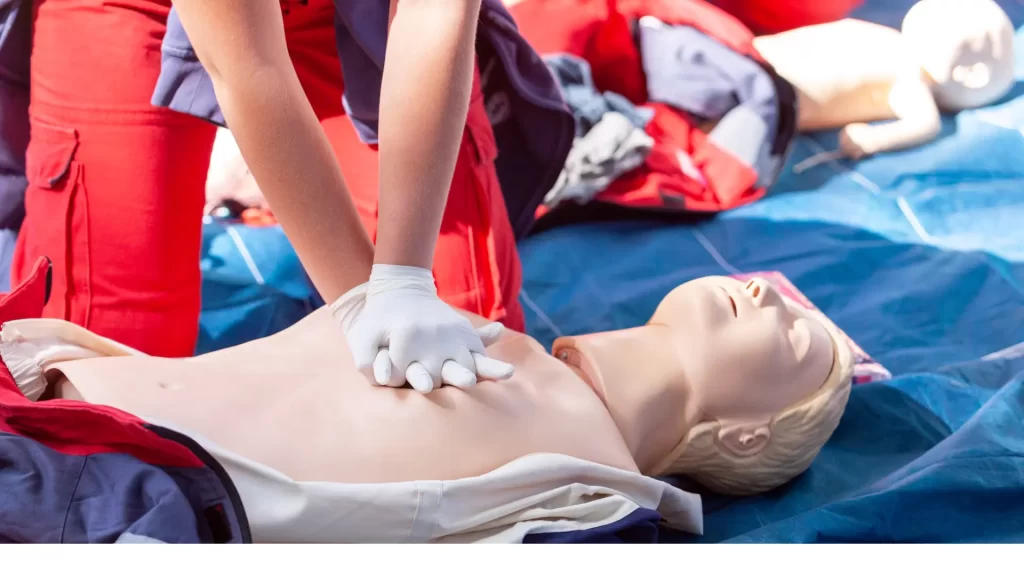
Is Your Life-Saving Skill Set Up to Date? A Guide to CPR Renewal
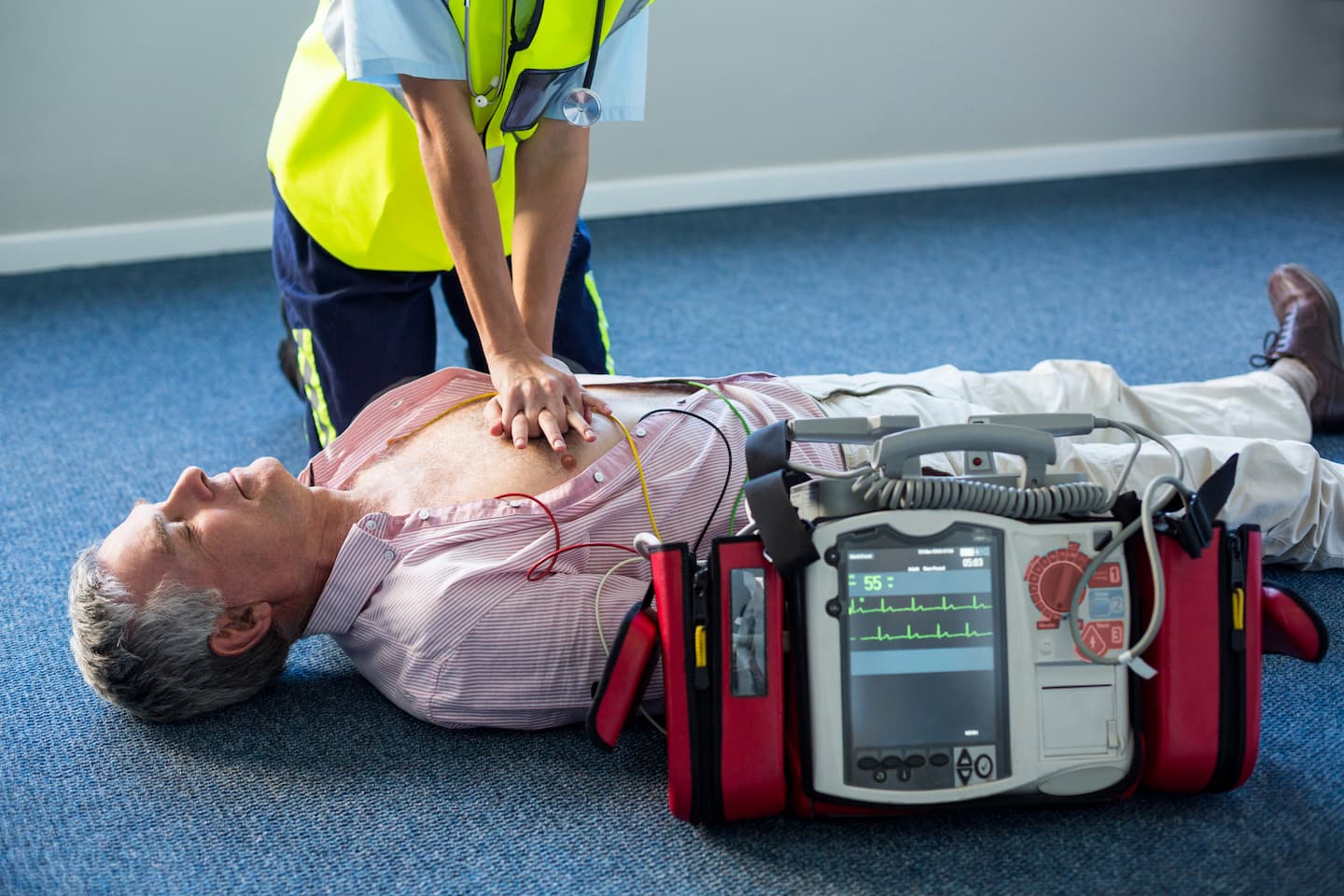
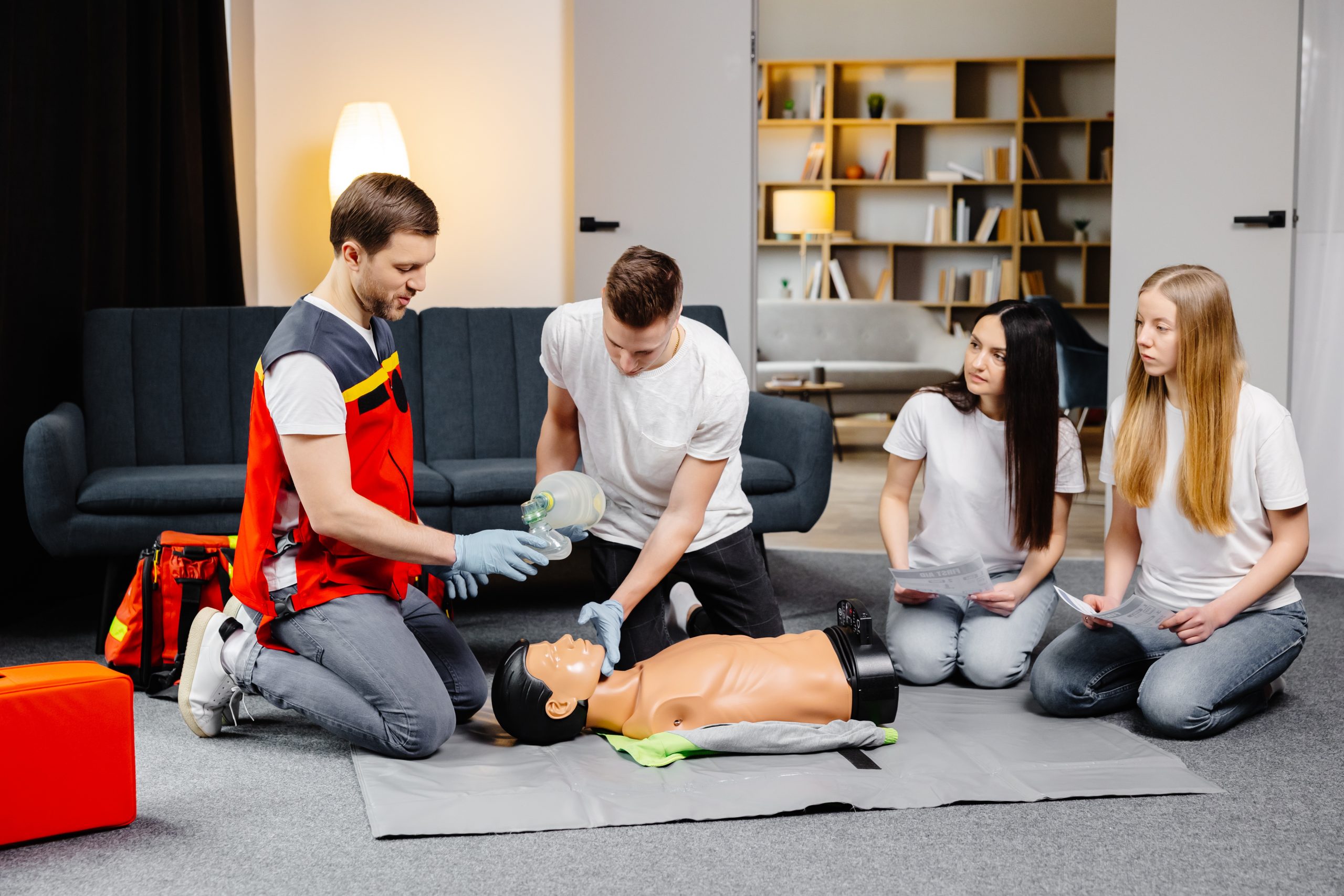
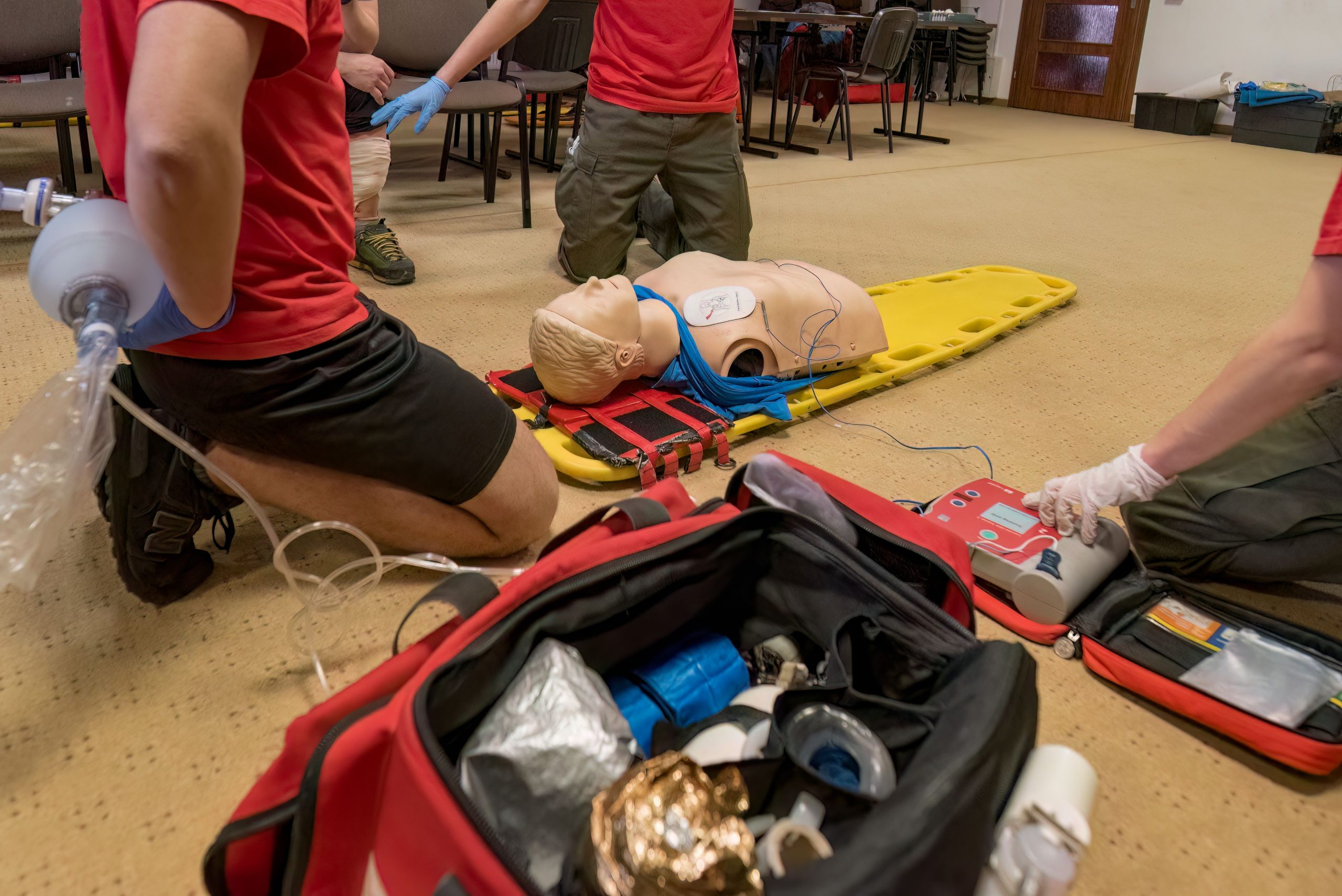
Paramedic performing CPR with defibrillator on cardiac arrest patient

Whether you are a seasoned nurse, a dedicated high school coach, or a proactive parent, your CPR certification is more than just a piece of paper—it’s a promise to be ready when the unthinkable happens. But as time passes, even the most diligent responders can find their skills getting a little rusty.

In the world of emergency response, “staying current” isn’t just a suggestion; it’s a necessity. Medical guidelines evolve, technology like AEDs becomes more advanced, and your muscle memory naturally fades. This comprehensive guide will walk you through everything you need to know about renewing your CPR certification, ensuring you remain a confident and capable link in the chain of survival.

Why is CPR certification renewal necessary?

The most critical reason to renew your CPR certification is skill retention. Research from major health organizations shows that CPR skills begin to decline significantly just a few months after training. By the two-year mark, many people struggle to remember the correct compression depth or the proper ratio of breaths to pumps. Regular renewal forces you to refresh that muscle memory so that you don’t hesitate during a real emergency.

Beyond the physical skills, renewal keeps you informed about the latest science. Every few years, organizations like the American Heart Association update their “Chain of Survival” based on new data. What was considered “best practice” five years ago might be outdated today. Renewal ensures you are providing the most effective care possible based on the latest life-saving research.

Finally, for many, it is a matter of professional survival. If you work in healthcare, education, or childcare, a lapsed certification can lead to immediate suspension or even the loss of your license. Staying ahead of your expiration date is the best way to avoid unnecessary professional stress.

When should you start the renewal process?

Most CPR certifications are valid for exactly two years from the date of your last class. You can find this date printed clearly on your provider card or within your digital certificate portal. However, you shouldn’t wait until the day before it expires to start looking for a class.

We recommend starting the renewal process at least 30 to 60 days before your current card expires. This “buffer zone” is essential for a few reasons:

  1. Class Availability: Popular time slots (like Saturday mornings) can fill up weeks in advance.
  2. Abbreviated Options: Many providers offer “Renewal” or “Challenge” courses that are shorter and cheaper than the full initial course. However, these are often only available to those whose cards are still valid.
  3. Processing Time: While many digital cards are issued instantly, some employers require a verified physical copy which can take a few days to process.

If your card has already expired, don’t panic—but do act quickly. Most training centers will require you to take the full “Initial” course again if your card is even one day past its expiration date, as you are no longer eligible for the abbreviated renewal curriculum.

How do you choose the right renewal course?

Not all CPR classes are created equal. The “right” course for you depends entirely on your job requirements and your learning style. To make the best choice, ask yourself these three questions:

1. What does my employer require?

If you are a doctor, nurse, or paramedic, you likely need BLS (Basic Life Support) for Healthcare Providers. If you work in an office or a gym, a Heartsaver CPR/AED course is usually sufficient. Always check if your employer requires a specific accrediting body, such as the American Heart Association or the American Red Cross.

2. Which format fits my schedule?

  • In-Person: Best for hands-on learners who want immediate feedback from an instructor.
  • Blended Learning: The “gold standard” for busy professionals. You complete the lecture and testing portions online at your own pace, then drop in for a quick 30-minute hands-on skills check.
  • Online Only: Be cautious here. While convenient, 100% online courses often do not meet OSHA or workplace requirements because they lack a physical skills assessment on a manikin.

3. Does the course include AED training?

In the modern world, CPR and AEDs go hand-in-hand. Ensure your renewal course includes the latest protocols for using an Automated External Defibrillator on adults, children, and infants.

What should you expect during a CPR renewal class?

A renewal course is designed to be more efficient than your first class. Instead of starting from scratch, the instructor focuses on “refreshing” your existing knowledge and correcting any bad habits you may have picked up. You can typically expect the following:

  • Review of Core Techniques: You’ll revisit high-quality chest compressions (2 inches deep for adults) and the 30:2 compression-to-breath ratio.
  • AED Troubleshooting: You’ll practice applying pads quickly and following the voice prompts of the device.
  • Choking Relief: A refresher on the Heimlich maneuver for various age groups.
  • The Skills Test: You will be asked to demonstrate your skills on a manikin while the instructor observes. They aren’t looking for perfection, but they are looking for “competency”—meaning you can perform the steps safely and effectively.
  • Written Exam: Depending on the level of certification (like BLS), there may be a short multiple-choice quiz to verify your understanding of the theory.

How can you maintain your skills between renewals?

Two years is a long time. To ensure you don’t lose your edge between renewal cycles, consider these simple maintenance tips:

  • Watch a Video: Every six months, spend 5 minutes watching a YouTube video from a reputable source (like the AHA) on “Hands-Only CPR.”
  • Download an App: There are several free apps that provide step-by-step emergency guides and metronomes to help you keep the correct beat (100–120 compressions per minute).
  • Locate the AEDs: Whenever you are in a familiar place—like your office, the mall, or your gym—take note of where the nearest AED is located. Simply knowing where the equipment is can save precious minutes in a crisis.

Conclusion

Renewing your CPR certification is a small investment of time that pays massive dividends in safety and confidence. Whether you are doing it for a job requirement or simply to protect your loved ones, staying current ensures that if you are ever called to act, you will be ready.

Don’t wait for an emergency to realize your skills have faded. Check your card today, look for the expiration date, and get ahead of the curve.

Ready to update your skills? Contact CPR Classes Near Me today to find a renewal course that fits your schedule and keeps you certified!

Frequently Asked Questions (FAQ)

Q: Can I renew my CPR certification online?

A: Yes, you can complete the educational portion of your renewal online. However, if you need the certification for a workplace or professional license (OSHA compliance), you must also complete an in-person skills assessment with a certified instructor to receive your valid card.

Q: Is there a grace period after my CPR card expires?

A: Generally, no. Most accrediting bodies do not offer a grace period. Once the date on your card passes, you are technically uncertified. While some instructors may allow you into a renewal class within 30 days of expiration, many employers will consider you non-compliant the moment the card expires.

Q: How long does a CPR renewal class take?

A: A traditional in-person renewal class typically takes 2 to 3 hours. If you choose a blended learning format, the in-person skills check can often be completed in 30 to 45 minutes after you finish your online coursework.

Q: What is the difference between BLS and CPR renewal?

A: BLS (Basic Life Support) is a more advanced form of CPR training specifically designed for healthcare providers. It includes two-person CPR, bag-valve mask usage, and more intense testing. Standard CPR renewal (Heartsaver) is designed for laypeople and focuses on basic life-saving skills.

Q: Do I need to buy a new student manual for every renewal?

A: Most organizations require you to have access to the current student manual during your course. Since guidelines are updated every few years, it is important to ensure you are studying from the most recent edition provided by your training center.
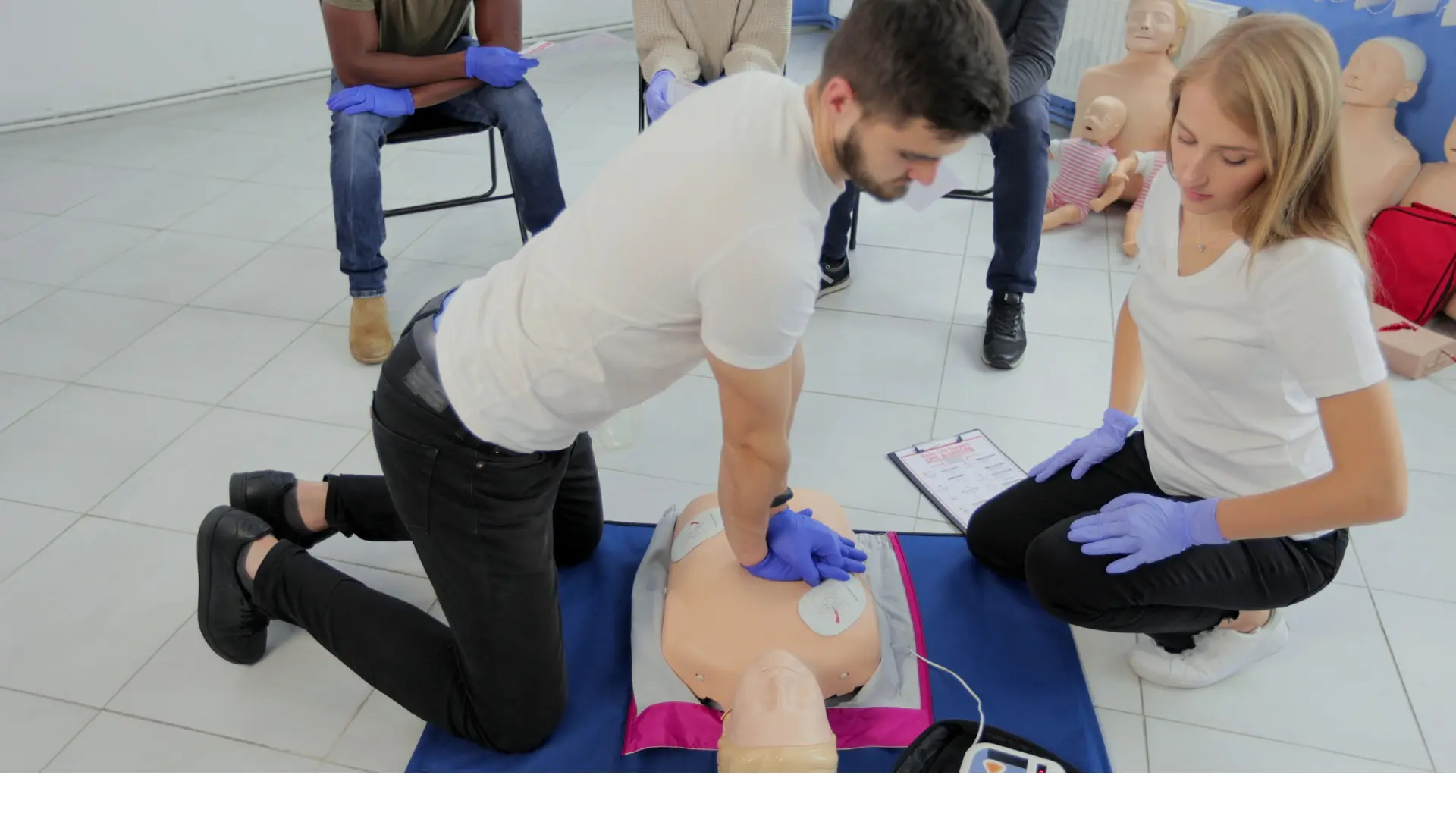
How Long Does CPR Certification Take? A Realistic Timeline

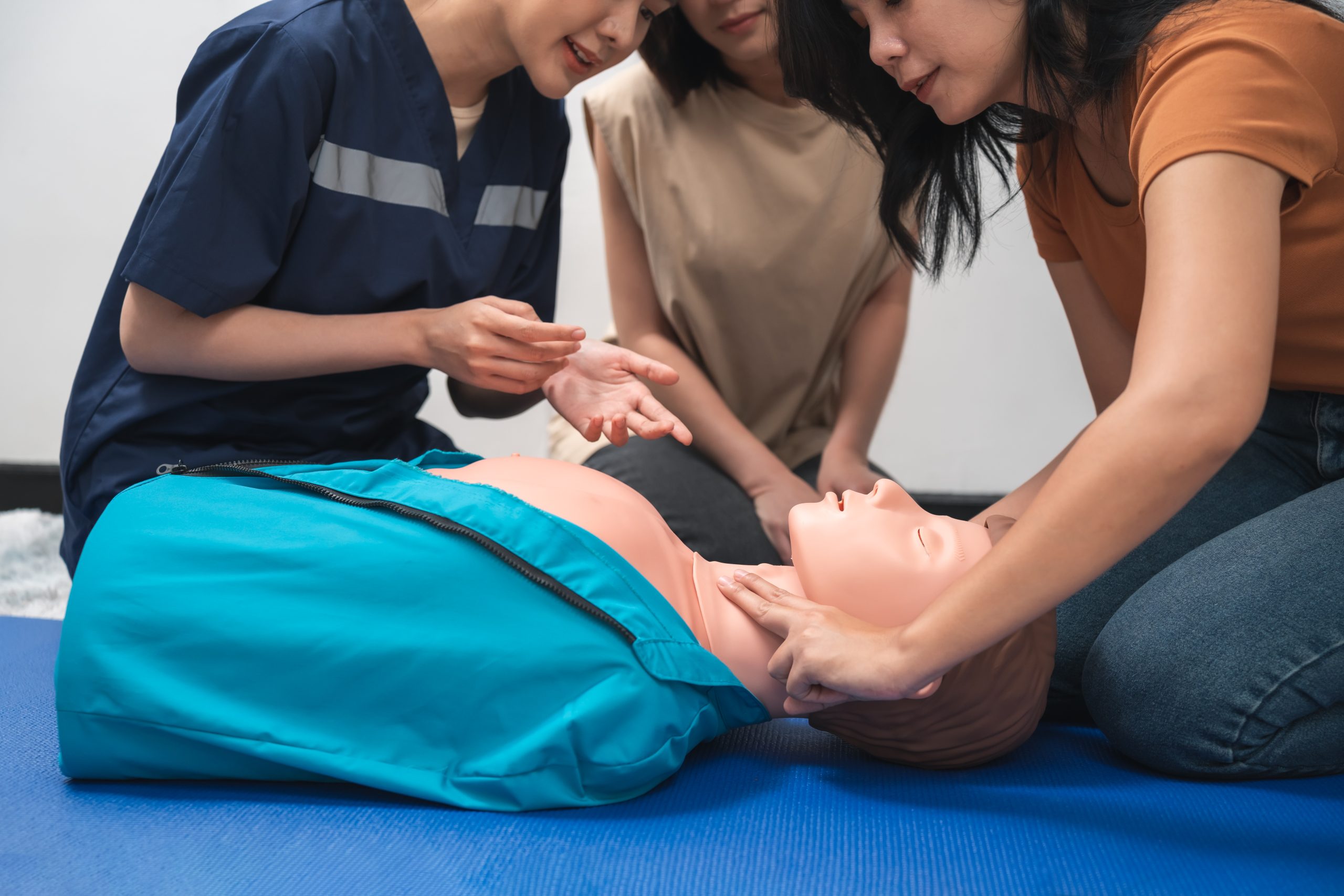
CPR and Sports

So, you’ve decided it’s time to get CPR certified. Maybe it’s a requirement for your new job in healthcare, or perhaps you’re a coach, a teacher, or just a prepared neighbor who wants to know what to do in a crisis. One of the first questions everyone asks is: “How long is this actually going to take?”

In our fast-paced world, finding a four-hour block of time can feel like a tall order. However, when you realize that the skills you learn in those few hours could literally save a life, the investment feels much smaller. The good news is that modern CPR training is designed to be efficient, engaging, and faster than you might think.

At CPR Classes Near Me, we specialize in getting you trained and certified without wasting a second of your time. Let’s break down exactly what you can expect when it comes to the clock.

What Factors Determine the Length of a CPR Class?

Not all CPR classes are created equal, and the duration can fluctuate based on several variables. If you are looking for a “one-size-fits-all” answer, you might be surprised to find that the timeline depends largely on your specific needs.

  • The Certification Level: A basic course for a construction worker will naturally be shorter than a Basic Life Support (BLS) course for a cardiac nurse.
  • The Training Format: Are you sitting in a classroom for the whole session, or did you do half of it in your pajamas at home?
  • The Instructor’s Efficiency: Experienced instructors, like those at our AHA-certified sites, know how to keep the class moving without sacrificing quality.
  • Class Size: A class of four people moves much faster than a class of twenty, as there is less waiting time for hands-on practice.
  • The Addition of First Aid: Adding First Aid modules to your CPR training will add a significant chunk of time—usually between 1.5 to 2 hours.

How Long Does a Standard Adult CPR Course Take?

For most people in the general public, a standard Adult CPR and AED course is the go-to option. This course focuses on the fundamentals: recognizing cardiac arrest, calling 911, and performing high-quality chest compressions until help arrives.

On average, you can expect an in-person Adult CPR/AED class to last between 2 and 2.5 hours.

During this time, you will cover:

  • Scene safety and assessment.
  • Adult chest compressions.
  • Rescue breathing (with or without a mask).
  • Proper use of an Automated External Defibrillator (AED).
  • Choking relief for adults.

This timeframe is designed to give you enough “reps” on the manikin so that your muscle memory kicks in during a real emergency, while still getting you out the door in time for lunch.

Is BLS Training Longer Than a General CPR Class?

If you work in a medical environment, you likely need Basic Life Support (BLS). Because this is a “professional” level course, it goes deeper than the standard layperson class.

A full, in-person BLS course typically takes about 4 to 4.5 hours.

Why does it take longer? Because the stakes and the techniques are more complex. In a BLS class, you aren’t just learning how to help a stranger on the sidewalk; you are learning how to work as part of a high-performance rescue team. You will spend extra time on:

  1. Two-rescuer CPR techniques.
  2. Using a bag-valve mask (BVM) to provide ventilations.
  3. Pulse checks and more advanced assessment skills.
  4. Pediatric and infant CPR (which are often optional in basic classes).

At CPR Classes Near Me, we streamline this process. By focusing on hands-on mastery rather than long, boring lectures, we ensure that those 4 hours are packed with value.

How Much Time Should You Allot for CPR and First Aid Together?

Many employers—especially in childcare, education, and construction—require a “Combo” card: Heartsaver First Aid, CPR, and AED. This is the “complete package” of emergency preparedness.

If you are taking the full classroom version, you should plan to spend 4 to 6 hours at the training center.

The First Aid portion usually takes about 2 to 3 hours on its own because it covers a massive range of topics, including:

  • Allergic reactions and EpiPen use.
  • Bleeding control and tourniquets.
  • Broken bones, sprains, and splinting.
  • Seizures, strokes, and diabetic emergencies.
  • Environmental emergencies like heatstroke or hypothermia.

While it’s a longer day, it’s often the most cost-effective and time-efficient way to get all your requirements checked off in a single visit.

Can You Complete CPR Certification Online in Less Time?

Technically, yes, but there is a major “but.” You will see many websites offering 100% online CPR certification that takes about 60 to 90 minutes. While these are fast and convenient, they come with a significant risk: most employers and OSHA do not accept online-only certificates.

CPR is a physical skill. You can’t learn the correct depth and rhythm of chest compressions by clicking a mouse.

However, there is a middle ground called Blended Learning. This is how it works:

  • Part 1 (Online): You complete the lecture and video portions at your own pace (usually 1.5 to 2 hours).
  • Part 2 (Skills Session): You come to one of our locations for a focused, hands-on test (usually 30 to 60 minutes).

Total “active” time is about the same as an in-person class, but it allows you to split the work up over two different days if your schedule is tight.

How Long Does the In-Person Skills Session Take for Hybrid Classes?

If you chose the blended learning path, your “in-person” time is drastically reduced. At CPR Classes Near Me, our skills-only sessions are designed for efficiency.

You can usually expect to be in and out in 45 to 60 minutes.

Because you’ve already completed the written exam and watched the instructional videos online, the instructor only needs to verify that you can physically perform the skills. You’ll walk in, demonstrate compressions, use the AED, show you can handle a choking scenario, and you’re done. It is the perfect option for busy professionals who can’t commit to a full half-day in the classroom.

Does Recertification Take as Long as the Initial Course?

If your card is about to expire (or has recently expired), you don’t necessarily have to sit through the “beginner” version of the class again. Many providers offer Renewal or Update courses.

A renewal course usually takes about 2 to 3 hours for BLS.

These sessions assume you already have a foundation of knowledge. The instructor will quickly review any updates to the AHA guidelines (which change every few years) and then move straight into the skills testing. It’s a great way to “refresh” your memory without starting from scratch.

Note: If your certification has been expired for a long time, some instructors may require you to take the full course again to ensure you are up to date with the latest life-saving protocols.

What Can You Expect During the Training Session?

Knowing what happens during those hours can help ease any “class anxiety.” Here is a realistic breakdown of how a typical 3-hour class at CPR Classes Near Me is structured:

  1. Introduction and Video (30 mins): You’ll watch high-quality simulations of real-world emergencies.
  2. Instructor Demonstration (20 mins): A certified pro will show you exactly how the manikins work and the proper body mechanics for compressions.
  3. Hands-on Practice (60 mins): This is the core of the class. You’ll get down on the floor and practice until you feel confident.
  4. AED Training (20 mins): You’ll learn how to turn on the machine and follow its voice prompts.
  5. Skills Testing (30 mins): The instructor will watch you perform the skills one last time to ensure you’ve got it.
  6. Certification Processing (20 mins): We finalize your paperwork and, in most cases, issue your digital eCard before you even leave the building.

Conclusion: A Small Investment for a Lifetime of Preparedness

When you ask, “How long does CPR certification take?” the answer is really: not long enough to justify waiting. Whether it’s a 2-hour basic class or a 4-hour BLS intensive, you are essentially trading one afternoon for the ability to keep a heart beating until the paramedics arrive.

At CPR Classes Near Me, we pride ourselves on making this process as painless as possible. We offer convenient locations, expert instructors who actually make the material interesting, and a guarantee that you’ll receive your AHA eCard the same day you finish.

Don’t wait for an emergency to realize you aren’t prepared. Contact CPR Classes Near Me today to find a session that fits your schedule and get certified in just a few short hours!

Frequently Asked Questions (FAQ)

Q: Can I get my CPR card on the same day as the class?

A: Yes! At CPR Classes Near Me, we issue American Heart Association eCards on the same day you complete your training. You will receive an email with your digital card shortly after the class ends.

Q: Is the 2-year certification period the same for all types of CPR?

A: Generally, yes. Both AHA BLS and Heartsaver certifications are valid for two years. After that, you must take a renewal course to maintain your status.

Q: Do I have to take a written test to get certified?

A: For BLS (Healthcare Provider) courses, a written exam is required and usually consists of 25 multiple-choice questions. For many general Heartsaver courses, the focus is primarily on the physical skills test, though some employers may request a written component.

Q: Is the time for a pediatric CPR class different from an adult one?

A: If you are taking a “Pediatric-only” class, it is usually about 2 hours. If you are taking a “Comprehensive” class that covers Adults, Children, and Infants, expect the class to run about 3.5 to 4 hours.

Q: What happens if I fail the skills test?

A: Our instructors are there to help you succeed! If you struggle with a specific skill, they will provide extra coaching and let you practice until you can perform it correctly. Most students pass on their first try after our guided practice sessions.

Need American Heart Association CPR in Austin? Get Certified Today!

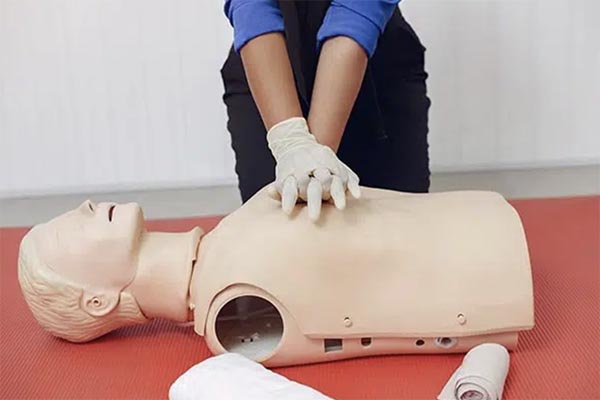
CPR training session with students practicing chest compressions on a first aid mannequin

TL;DR: Get Certified Today!

Need your CPR certification (American Heart Association) in Austin? Don’t spend hours searching for a reliable provider. At CPR Classes Near Me, we offer expert-led, hands-on training for both healthcare professionals (BLS) and the general public (Heartsaver).

  • Fast & Efficient: Complete your training in just a few hours.
  • Same-Day Cards: Receive your official AHA eCard immediately after passing.
  • Local & Convenient: Classes available throughout the Austin metro area.

Don’t wait until an emergency happens. Whether you need it for work or peace of mind, we make the process simple and stress-free.

Get Your CPR Certification with CPR Classes Near Me – View the Austin Schedule Here!

Your Trusted Choice for American Heart Association CPR in Austin

Are you looking to gain the skills needed to save a life while meeting your employer’s strict requirements? In the heart of Texas, being prepared for a cardiac emergency isn’t just a “nice-to-have” skill. It’s often a professional necessity. Whether you are a nurse at St. David’s, a teacher in AISD, or a fitness coach in South Congress, having a valid AHA CPR certification is the gold standard for emergency preparedness.

At CPR Classes Near Me, we provide AHA CPR training in Austin and the surrounding Hill Country. We focus on making the certification process fast, stress-free, and, most importantly, effective. You won’t just sit through a lecture; you will leave our doors with the confidence and the digital eCard to prove you are ready to act.

Why choose American Heart Association CPR in Austin, Texas?

When it comes to resuscitation science, the American Heart Association is the world leader. Choosing an AHA-authorized course ensures that you are learning the latest, evidence-based techniques that are proven to improve survival rates.

  • Universal Acceptance: Almost every hospital, clinic, and school district in Austin specifically requires AHA certification over other providers.
  • The Latest Science: AHA guidelines are updated regularly based on the most recent cardiac research.
  • Quality Control: AHA training centers must adhere to strict instruction standards, ensuring you get the same high-quality education every time.

Which AHA CPR course is right for your career?

Not all CPR classes are the same. Depending on your job or personal goals, you will likely need one of two primary AHA tracks:

  1. Basic Life Support (BLS) for Healthcare Providers
    • Who it’s for: Nurses, Doctors, EMTs, Dentists, and Medical Students.
    • What you learn: High-quality CPR for adults, children, and infants; use of an AED; bag-mask ventilation; and team dynamics during a “code” situation.
  2. Heartsaver® CPR, AED, and First Aid
    • Who it’s for: Teachers, Childcare Workers, Personal Trainers, and the general public.
    • What you learn: Basic CPR techniques, how to use an AED, and how to handle common first-aid emergencies like choking, bleeding, or allergic reactions.

How long does an AHA CPR class in Austin take?

We value your time. Our Austin classes are designed to be efficient without cutting corners on safety.

  • BLS Classes: Generally last between 3 to 4 hours.
  • Heartsaver Classes: Depending on the modules (CPR only vs. CPR + First Aid), these take about 3 to 4 hours as well.
  • Renewal Classes: If you have an unexpired card, your recertification can often be completed in a slightly shorter timeframe focused on skills updates.

Can I get my CPR certification card on the same day?

Yes! One of the biggest advantages of training with CPR Classes Near Me in Austin is our same-day certification policy.

  • Once you pass your skills test and written exam, our instructors process your information immediately.
  • You will receive an official AHA eCard via email before you even get back to your car.
  • No more waiting weeks for a paper card in the mail while your boss asks for your credentials.

What should you expect during your Austin CPR training?

If you’re nervous about taking a test, don’t be. Our instructors are there to help you succeed, not to watch you fail. The atmosphere is business casual and conversational, designed for adult learners.

  • Hands-On Practice: You will spend the majority of your time working with feedback-manikins that tell you if your compressions are deep enough and fast enough.
  • Video-Guided Learning: The AHA uses a “practice-while-watching” method that ensures you see the skill performed correctly before you try it yourself.
  • Small Class Sizes: We keep our classes small so you get personalized attention and plenty of time to ask questions.

Where are these CPR classes located in the Austin area?

We don’t just serve downtown Austin. We know that traffic on I-35 or MoPac can be a nightmare, so we strive to make our training accessible to the entire region. We provide certification for residents and businesses in:

  • North Austin: Round Rock, Pflugerville, Georgetown, and Cedar Park.
  • South Austin: Buda, Kyle, and San Marcos.
  • West Austin: Lakeway, Bee Cave, and West Lake Hills.
  • East Austin: Manor, Taylor, and Bastrop.

If you have a group of 5 or more, we can even bring the training directly to your office or facility!

Is the AHA certification valid for two years?

Every official American Heart Association certification is valid for exactly two years from the date of issue. To stay compliant with OSHA or your employer, you must renew your certification before the end of that two-year period. We recommend scheduling your renewal 30 days before your card expires to ensure there is no lapse in your credentials.

How does AHA training compare to other providers?

While there are other organizations like the Red Cross, the American Heart Association is often preferred in the healthcare industry because of its rigorous focus on “High-Quality CPR.”

  1. Strict Passing Standards: AHA requires a higher score on written exams (usually 84% or higher).
  2. Specific Equipment: AHA requires the use of feedback devices on manikins, which ensures you actually know how hard to push.
  3. Scientific Foundation: The AHA writes the guidelines that most other organizations eventually follow.

What are the requirements for Texas high school students?

Under Texas Senate Bill 261, all high school students must receive CPR training at least once before graduation. While the law doesn’t strictly require a full certification eCard, many Austin students choose to get their official AHA Heartsaver card during this time to help with summer jobs, lifeguarding, or college applications.

Why choose us over a “free” or “online-only” class?

You might see “Free CPR” or “$20 Online Certification” ads, but beware.

  • Online-Only is Not OSHA Compliant: Employers and OSHA require a hands-on skills check with a live instructor.
  • Hidden Fees: Many “cheap” classes charge you extra for the card at the end. At CPR Classes Near Me, our pricing is transparent and includes everything you need.
  • Quality of Instruction: A video cannot tell you if your hand placement is wrong; a certified AHA instructor can.

Are you ready to save a life in Austin?

Emergencies don’t wait for a convenient time. Whether you are at Zilker Park or in a high-rise office downtown, being the person who knows what to do can make the difference between a tragedy and a success story.

Our mission at CPR Classes Near Me is to empower the Austin community with the best training available. We provide a comfortable, professional environment where you can master the skills of the American Heart Association.

Get Your CPR Certification with CPR Classes Near Me – Schedule Your Austin Class Now!

Frequently Asked Questions (FAQ)

How do I get my CPR certification in Austin?

To get certified, you simply need to register for an AHA-authorized class through a provider like CPR Classes Near Me. You will attend a 3-4 hour session that includes watching instructional videos, practicing on manikins, and passing a skills test and a written exam. Once completed, your eCard is issued digitally.

How much do CPR classes in Austin cost?

Prices vary depending on the specific course. BLS for Healthcare Providers usually starts around $59.95. Heartsaver courses that include First Aid may cost slightly more. We pride ourselves on transparent pricing with no hidden fees. Your certification card is always included in the price.

How long is my AHA CPR certification valid?

Your certification is valid for two years. The expiration date is clearly marked on your digital eCard. You should plan to take a renewal course every 24 months to keep your skills sharp and your credentials current.

Do you offer same-day certification?

Yes. We issue American Heart Association eCards on the same day you complete your training. You will receive an email from the AHA with instructions on how to claim and download your digital card immediately after class.

Where is the best place to take a CPR class in Austin?

The best place is an AHA-authorized training site that offers hands-on instruction and same-day cards. CPR Classes Near Me serves the entire Austin metro area, providing flexible scheduling and expert instructors who make the process easy for everyone.

What is the difference between BLS and Heartsaver?

BLS (Basic Life Support) is specifically designed for healthcare professionals and includes more advanced techniques like 2-rescuer CPR and bag-mask ventilation. Heartsaver is intended for the general public (teachers, parents, coaches) and focuses on the basics of CPR, AED use, and First Aid.

Beyond the Beltway: Why Arlington Parents are Heading to Virginia Beach for Infant CPR

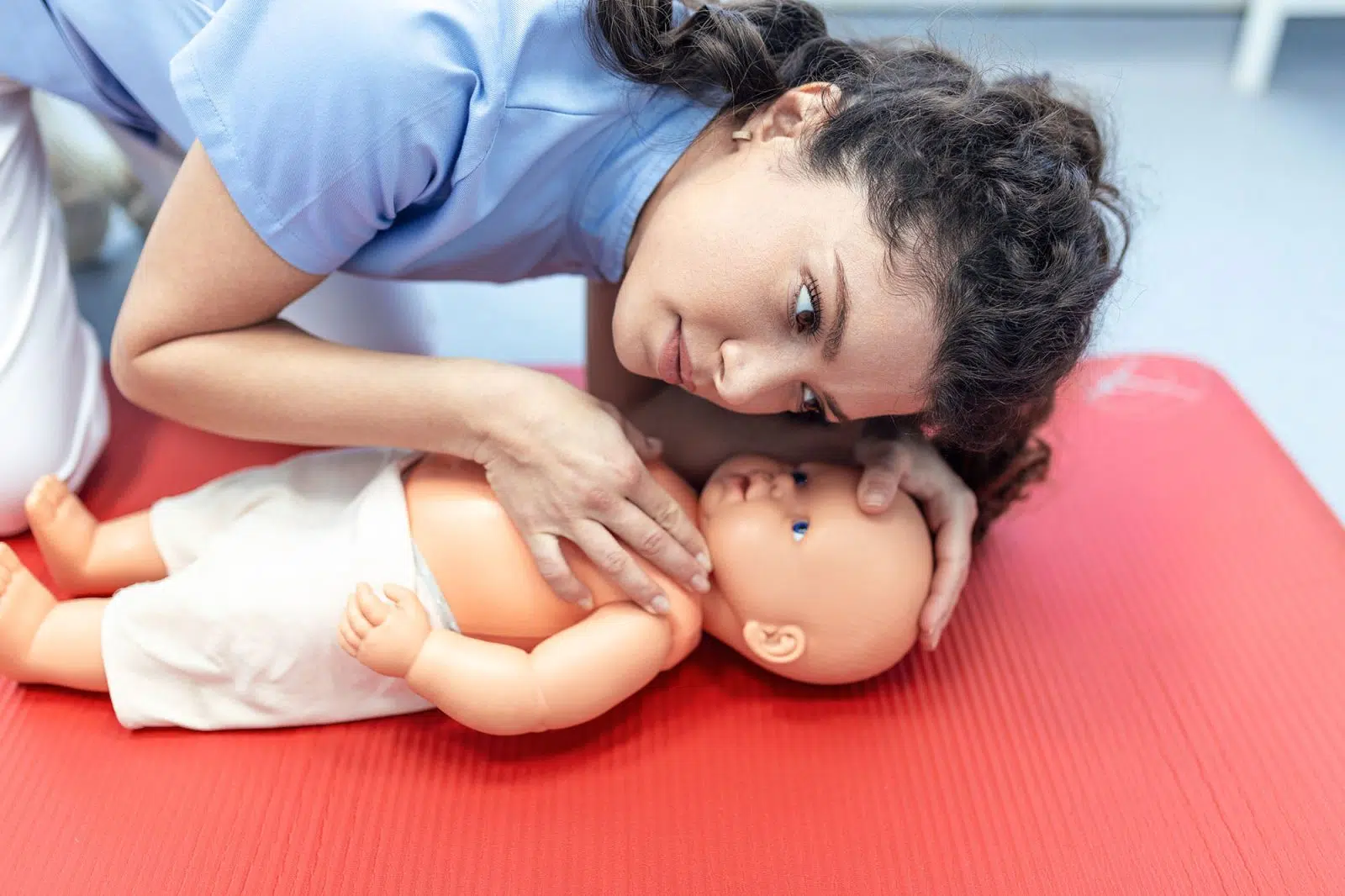
CPR training as a woman practices rescue breathing on an infant first aid mannequin

If you live in Arlington, you are likely used to having everything at your fingertips, from the best coffee in Clarendon to top-tier childcare. However, when it comes to the specialized, hands-on experience of Infant CPR classes, many Arlington parents are looking slightly further south.

While you might be searching for “infant CPR classes Arlington VA,” there is a growing trend of families combining their essential safety training with a much-needed coastal retreat. At CPR Classes Near Me, we’ve made our Virginia Beach location a premier destination for Northern Virginia residents who want the best training in an environment that feels like a getaway, not a chore.

TL;DR: From Arlington to the Shore, Safety Simplified

While you won’t find our classrooms directly in Arlington, the gold standard of Infant CPR certification is just a road trip away! Many Northern Virginia parents are choosing to swap the Beltway for the Beach to get certified.

By combining our AHA-certified training in Virginia Beach with a family weekend getaway, you get the best of both worlds: expert, hands-on instruction and a much-needed break.

  • Nationally Recognized: Our certifications are valid for all Arlington employers and daycare requirements.
  • Blended Learning: Do the “book work” online in Arlington and finish your fast-track skills check once you arrive at the coast.
  • Expert Instruction: Gain the muscle memory and confidence that only an in-person, professional-led session can provide.

Don’t wait for an emergency to realize you aren’t prepared. Turn your next weekend trip into a life-saving mission.

Get Your CPR Certification with CPR Classes Near Me

Why take an infant CPR class in Virginia Beach if you live in Arlington?

It may seem like a drive, but the 200-mile trip from Arlington to Virginia Beach is a common route for families seeking a change of pace. Taking your infant CPR class at our coastal location offers several unique benefits that a local, sterile classroom in the city simply can’t match.

  • The “Education Vacation”: Many parents find it easier to focus on life-saving skills when they are away from the daily grind of NOVA traffic and work emails.
  • Availability & Atmosphere: Our Virginia Beach facility is designed for comfort and high-volume training, often offering weekend slots that fit perfectly into a Friday-to-Sunday beach trip.
  • Consistent Quality: We use the exact same American Heart Association (AHA) curriculum that is required for healthcare providers and daycare workers throughout the Commonwealth.

Is the infant CPR certification earned in Virginia Beach valid in Arlington?

Yes, absolutely. Because we utilize the American Heart Association (AHA) standards, your certification is nationally recognized. Whether you are a parent wanting to protect your child or a professional needing to meet Virginia state requirements for childcare, a card earned in Virginia Beach carries the same weight as one earned in Arlington or even D.C.

  • Employer Recognition: Arlington daycares and schools recognize AHA certification regardless of which Virginia city it was issued in.
  • State-Wide Standards: Virginia regulatory bodies for social services and health follow the same life-saving protocols across the entire state.

How can Arlington residents use “Blended Learning” to save time?

We know that your time is valuable. You don’t want to spend your entire vacation sitting in a classroom. This is where our Blended Learning model becomes your best friend.

  1. Step 1 (Online): Complete the cognitive portion of the Infant CPR course online from your home or office in Arlington.
  2. Step 2 (The Trip): Drive down to Virginia Beach for the weekend.
  3. Step 3 (Skills Check): Spend less than an hour at our training center for your hands-on skills verification with a certified instructor.
  4. Step 4 (The Beach): Spend the rest of the day at the Boardwalk or First Landing State Park, knowing you are officially certified.

What makes infant CPR different from adult techniques?

When you join us for a class, you aren’t just getting a repeat of high school health class. Infant CPR requires a specialized touch. For parents in Arlington who are often navigating a world of “over-information,” we simplify the science into three critical areas:

  • The Power of Two Fingers: Unlike adult CPR, which uses the strength of your entire upper body, infant CPR utilizes just two fingers in the center of the chest.
  • Depth Matters: You only compress the chest about 1.5 inches for an infant, compared to 2+ inches for an adult.
  • Airway Management: A baby’s airway is shaped differently. We teach you how to maintain the “neutral” sniffing position to ensure air actually reaches the lungs during rescue breaths.

What specific skills will you learn for pediatric emergencies?

Our curriculum is designed to be comprehensive. We cover the scenarios that keep parents up at night, ensuring you leave Virginia Beach with more than just a piece of paper, you leave with confidence.

  • Relief of Choking: We teach the “back blow and chest thrust” sequence specifically for infants.
  • AED Integration: You will learn how to use an Automated External Defibrillator with pediatric pads or settings.
  • Emergency Recognition: Identifying the subtle signs of respiratory distress that often precede a cardiac event in infants.
  • The “Circle of Safety”: How to instruct bystanders to call 911 while you begin immediate care.

Who should make the trip from Northern Virginia for this training?

We see a wide variety of people making the trek from Arlington to the coast for our classes. It’s a great way to ensure everyone in your child’s life is on the same page.

  • New Parents: Turn your last “babymoon” into a safety-training weekend.
  • Grandparents: If they are traveling from out of town to visit you in Arlington, meet them halfway or in Virginia Beach for a group certification session.
  • Nannies & Au Pairs: Many families sponsor a weekend trip for their childcare provider to ensure they have the highest level of AHA training.

How does our Virginia Beach training compare to top-rated results?

When you search for CPR training, you’ll see many options. However, our Virginia Beach location stands out for several reasons:

  1. Instructor Experience: Our trainers don’t just read from a book; they have real-world experience in emergency response.
  2. Modern Equipment: We use high-fidelity manikins that give you instant feedback on your compression rate and depth.
  3. Stress-Free Environment: We remove the “test anxiety” often associated with medical certifications. Our goal is for you to learn, not just pass.
  4. Same-Day eCards: No waiting for weeks in the mail. You get your digital certification card the same day you finish.

What are the logistics for an Arlington-to-Virginia Beach trip?

Making the trip is easier than you think. Arlington residents have several ways to get to our Virginia Beach training center:

  • Driving: A straight shot down I-95 to I-64. Most parents find the 3.5-hour drive manageable for a weekend trip.
  • Bus Services: Providers like FlixBus offer direct routes from Arlington to Virginia Beach for a budget-friendly option.
  • Combining Activities: Many of our students schedule their skills check on a Saturday morning, leaving the rest of the weekend free for the Virginia Aquarium or the beach.

Why is hands-on training non-negotiable for infants?

You might find “100% online” courses that claim to certify you in Arlington. Be careful. Real-life saving requires “muscle memory.”

  • Tactile Learning: You cannot learn how much pressure 1.5 inches feels like by clicking a mouse.
  • Instructor Correction: In our Virginia Beach sessions, an instructor can physically correct your hand placement, a detail that could make the difference in a real emergency.
  • Equipment Confidence: Practicing with a real AED trainer ensures you won’t be intimidated by the device if you ever need to use one at an Arlington park or shopping center.

Conclusion

While there are many things to do in Arlington and Virginia Beach, ensuring your child’s safety is the most important. By choosing to take your infant CPR class with us in Virginia Beach, you aren’t just checking a box on a “to-do” list. You are committing to a high-quality, hands-on learning experience that combines the best of AHA-certified training with the relaxed atmosphere of a coastal getaway.

Don’t settle for the most “convenient” option if it doesn’t provide the level of confidence you need. Join the many Arlington families who have made the trip south to prioritize their peace of mind.

Get Your CPR Certification with CPR Classes Near Me

Frequently Asked Questions (FAQ)

Q: Can I take the class if I am currently pregnant?

A: Yes! In fact, we highly recommend it. Learning these skills before the baby arrives allows you to focus entirely on the techniques without the distractions of a newborn. Our instructors can accommodate any physical comfort needs during the hands-on portion.

Q: How long does the in-person skills session take if I do the online part first?

A: For those who choose the “Blended Learning” (Heartcode) option, the in-person skills check in Virginia Beach typically takes between 45 and 60 minutes. It is a focused, efficient way to get your certification.

Q: Will this certification help me get a job in Arlington?

A: Yes. The AHA certification is the gold standard for healthcare providers, educators, and childcare workers. Having this on your resume is a major asset for anyone working in the Arlington or D.C. metro area.

Q: Is there an age limit for who can take the class?

A: The American Heart Association does not have a formal age requirement. As long as the student can physically perform the compressions and pass the skills check, they can be certified. This is a great opportunity for older siblings to learn how to help!

Online vs. In-Person CPR Training: Which is Right for You?

In today’s digital world, you can learn almost anything online—from cooking to coding. But when it comes to life-saving skills like Cardiopulmonary Resuscitation (CPR), the decision between clicking “play” on a video and stepping into a classroom carries a lot more weight.

Whether you are a nurse renewing your BLS credential, a teacher preparing for the school year, or a parent wanting peace of mind, choosing the right class format is critical. You might be wondering: Is an online certificate actually valid? or Do I really need to spend hours in a classroom?

As a premier provider of CPR Classes Near Me, we understand the confusion. In this guide, we will break down the pros and cons of online versus in-person training so you can choose the path that fits your schedule—and keeps you compliant.

What is In-Person CPR Training?

In-person training is the traditional method of learning CPR. You attend a scheduled class at a local facility, guided by a certified instructor. These sessions are designed to be interactive, physical, and comprehensive.

Why Choose In-Person Training?

The primary advantage of in-person training is the hands-on experience. CPR is a physical skill. Watching a video of someone performing chest compressions is very different from pushing down on a high-fidelity manikin yourself.

  • Muscle Memory: You physically practice the depth and rate of compressions (100-120 per minute), ensuring you “feel” what it takes to circulate blood manually.
  • Immediate Feedback: If your elbows are bending or you aren’t pushing hard enough, an instructor corrects you instantly. This prevents you from developing bad habits that could be fatal in a real emergency.
  • Equipment Familiarity: You get to handle an AED (Automated External Defibrillator), practice applying pads, and listen to the device’s voice prompts in a controlled setting.

Are There Downsides?

The main hurdle for most people is logistics. You have to drive to a location and commit a few hours of your day. However, providers like CPR Classes Near Me optimize these sessions to be efficient, often issuing your American Heart Association (AHA) eCard the very same day.

What is Online CPR Training?

Online CPR training delivers course content via digital modules. You read text, watch instructional videos, and take quizzes on your computer or smartphone.

The Appeal of Online Courses

The biggest selling point is flexibility. You can pause the training to take a call, finish it at 2 AM in your pajamas, or break it up over several days. For those who just want knowledge for personal reasons and don’t need a work-recognized card, this can be a convenient option.

The Hidden Trap: Employer Acceptance

Here is the catch that trips up many professionals: Online-only certifications are rarely accepted by employers in healthcare, childcare, or industrial safety.

Most regulatory bodies, including OSHA and the American Heart Association, require a hands-on skills check for a certification to be valid. If you take a 100% online course that does not require you to touch a manikin, there is a high probability your employer will reject it, forcing you to pay for and attend an in-person class anyway.

Will My Employer Accept an Online Certification?

This is the most common question we hear. If you are taking CPR for a job requirement, the answer is almost always no—unless it includes an in-person skills session.

Who Typically Requires In-Person Training?

  • Healthcare Providers: Nurses, doctors, CNAs, and EMTs generally require AHA Basic Life Support (BLS), which mandates a skills test.
  • Childcare Workers: Daycares and schools usually require state-approved training that includes physical practice.
  • Construction & Safety: OSHA guidelines strongly emphasize the need for physical practice to verify competency.

If you submit an online-only certificate to a hospital or school district, you risk being non-compliant. It is always safer to choose a course that guarantees hands-on verification.

Comparison: Online vs. In-Person at a Glance

Not sure which way to lean? Here is a quick comparison of how the two formats stack up.

  • Convenience: Online wins for scheduling, but In-Person wins for “one-and-done” completion (no need to schedule a separate skills check later).
  • Cost: Online courses often appear cheaper upfront, but hidden fees for “skills sessions” or having to retake a rejected class can make them more expensive in the long run.
  • Confidence: In-Person is superior. Real-life emergencies are stressful; having physical muscle memory helps you act on instinct.
  • Validation: In-Person training is universally accepted. Online-only is frequently rejected for professional use.

Is Blended Learning a Good Compromise?

Blended learning is a hybrid model where you do the “book work” online and then come into a facility for a short skills session. While this offers some flexibility, you still have to travel to a training center to meet with an instructor.

At CPR Classes Near Me, we focus on providing high-quality, efficient in-person classes. We find that completing the theory and the skills together in one cohesive session often leads to better retention and a smoother experience—plus, you walk out with your certification card in hand immediately.

Why “CPR Classes Near Me” is Your Best Option

We know your time is valuable. That’s why we have streamlined the in-person experience to be as painless and professional as possible.

  • AHA Certification: We issue American Heart Association cards, the gold standard in the industry.
  • Same-Day Certification: No waiting by the mailbox. You qualify, you pass, you get your eCard.
  • Expert Instructors: Our team consists of healthcare and safety professionals who make the class engaging, not boring.
  • Locally Owned: We are part of your community, helping Austin stay safe.

When you weigh the risks of an online course being rejected against the confidence and compliance of in-person training, the choice is clear.

Ready to Get Certified?

Don’t risk your compliance or your confidence with a “click-through” course. Get real hands-on training that empowers you to save a life.

Contact CPR Classes Near Me today to check our schedule and book your seat.

FAQs

Q: Can I get CPR certified entirely online?

A: You can find websites that will issue a “certification” online, but it is important to know that these are typically not recognized by employers, OSHA, or hospitals. To be fully certified—especially for a job—you almost always need a hands-on skills evaluation with an instructor.

Q: How long does an in-person CPR class take?

A: Class times vary by provider, but our streamlined BLS and CPR classes are designed to be efficient. You can typically expect to spend a few hours learning and practicing, ensuring you leave confident without taking up your entire day.

Q: Is online CPR training valid for OSHA?

A: generally, no. OSHA standards state that online training alone does not meet the requirements for first aid and CPR training because it lacks the physical skills demonstration. A hands-on component is required.

Q: Do I need a book for the class?

A: For American Heart Association classes, students are usually required to have access to the student manual. Check with your specific class registration details to see if the book is included or needs to be purchased separately.

Q: How often do I need to renew my certification?

A: Most CPR and BLS certifications, including those from the AHA, are valid for two years. You must retake a course before your card expires to remain compliant.

Q: What is the difference between CPR and BLS?

A: CPR (Cardiopulmonary Resuscitation) is a general term for the lifesaving technique. BLS (Basic Life Support) is a higher-level certification specifically for healthcare providers (nurses, doctors, EMTs) that covers team dynamics, advanced airways, and 2-rescuer scenarios.

On-Site CPR Training Near Downtown Raleigh & Wake Forest

The ability to perform Cardiopulmonary Resuscitation (CPR) is more than just a resume builder; it is a life-saving skill that transforms bystanders into first responders. In the thriving commercial heart of Downtown Raleigh and the bustling community of Wake Forest, ensuring that employees, teachers, and team members are certified in CPR is a critical step in creating a safe environment. Traditional classes often require travel and time away from work, presenting a logistical hurdle for organizations.

However, the solution to this challenge is both simple and highly effective: on-site CPR training. This approach brings the certified instructors and hands-on equipment directly to your location, maximizing convenience without compromising quality. Whether your business is nestled among the skyscrapers of Downtown Raleigh or located closer to the residential and commercial hubs of Wake Forest, securing top-tier, American Heart Association (AHA) certified training has never been easier. This comprehensive guide details exactly why on-site training is the superior choice and how your organization can leverage the services of local experts who specialize in this convenient delivery model.

Why is On-Site CPR Training the Smart Choice for Raleigh and Wake Forest Businesses?

On-site CPR training transforms the logistics of group certification from a burden into a benefit. It is an investment that respects your team’s time and your company’s resources. The traditional model requires coordinating multiple schedules, compensating for travel time, and dealing with unfamiliar training locations.

The on-site model completely eliminates these inefficiencies.

  • Minimizing Operational Downtime: When the class comes to you, staff members avoid lengthy commutes to external training centers. They are able to remain on-site and return to their duties immediately upon completion. This dramatically reduces lost productivity and ensures business continuity.
  • Convenience for Large Groups: Organizing training for ten, twenty, or even fifty employees is simplified into a single booking. This is especially useful for large organizations in the Downtown Raleigh corridor or growing facilities in the Wake Forest area.
  • A Familiar and Comfortable Setting: Learning life-saving skills can be stressful, but training in a known environment—your own conference room or break area—fosters comfort. A relaxed atmosphere enhances the learning experience, encouraging better focus and retention of vital techniques.
  • Tailored to Your Environment: An on-site course can be subtly tailored to your specific workplace concerns. While the core curriculum remains strictly AHA-compliant, instructors can focus on emergency scenarios most relevant to your specific business, whether that involves a corporate office, a manufacturing facility, or a childcare center.
  • Simplified Group Coordination: Human Resources and departmental heads only need to manage a single event schedule. There is no need to track individual employee attendance and reimbursement for classes held at disparate public venues.

Choosing the on-site model is a clear decision for any Raleigh or Wake Forest business prioritizing efficiency, convenience, and preparedness. It proves that securing critical safety training doesn’t have to disrupt the working week. It is a streamlined approach that gets your team certified faster and with less administrative effort.

On-Site CPR Training Near Downtown Raleigh & Wake Forest
Screenshot

Does On-Site Training Meet the Gold Standard of American Heart Association Certification?

Absolutely. The key measure of any CPR training is its certification authority, and the American Heart Association (AHA) Basic Life Support (BLS) certification is universally recognized as the gold standard. When you choose a reputable on-site provider like CPR Classes Near Me Raleigh, you are guaranteed that the training meets the highest clinical and educational criteria set by the AHA.

Certification standards are meticulously maintained regardless of the training location.

  • AHA-Aligned Curriculum: Every on-site class follows the official, evidence-based AHA curriculum. This ensures consistency in the quality of instruction, covering the latest guidelines for adult, child, and infant resuscitation. The focus is always on high-quality, hands-on CPR.
  • The Power of Hands-On Practice: Effective CPR requires physical skill, not just theoretical knowledge. On-site classes emphasize the “practice-while-watching” methodology. Certified instructors bring all necessary training equipment—including mannequins, AED trainers, and barrier devices—to your facility. This comprehensive, hands-on approach is mandatory for earning AHA certification.
  • Guaranteed Employer Acceptance: For healthcare professionals (Nurses, RNs, CNAs, Physical Therapists) and those in regulated industries (childcare, education), the AHA BLS certification is the most widely accepted and often mandatory credential nationwide. On-site training through an authorized AHA Training Site ensures your team receives the required, non-negotiable proof of competence.
  • Same-Day Certification Cards: Efficiency is paramount. Upon successful completion of the course, trainees receive their official AHA BLS eCard immediately, on the same day as the training. There is no waiting period, allowing professionals to meet compliance requirements without delay. This same-day service is a huge benefit for professionals in the fast-paced Downtown Raleigh environment.
  • Training by Certified Local Experts: The instructors are American Heart Association certified and are often local professionals themselves. They understand the specific needs and environments of the Wake County region, enhancing the relevance of the training.

The convenience of on-site delivery is simply a logistical feature; the integrity of the AHA certification remains completely intact and fully guaranteed. Your organization receives the exact same, valid, and highly-respected certification that is earned in a traditional training center.

What Essential Life-Saving Skills are Taught in an On-Site Group Class?

An on-site CPR training session is designed to be a comprehensive, yet concise, dive into the core life-saving techniques required in various emergency scenarios. The focus is on creating confident, capable responders who can act decisively until Emergency Medical Services (EMS) arrives.

The curriculum is structured around the critical moments following a cardiac or breathing emergency:

  1. High-Quality Chest Compressions: Students learn the proper depth, rate, and recoil necessary to effectively circulate blood in adults, children, and infants. Mastering compression technique is the cornerstone of modern CPR. The goal is to maximize blood flow to the brain and vital organs.
  2. Rescue Breathing Techniques: Instruction includes the correct methods for delivering effective rescue breaths, ensuring oxygen reaches the victim’s lungs. This is practiced using sanitary training barrier devices and mannequins for various age groups, providing a realistic experience.
  3. Automated External Defibrillator (AED) Use: Participants receive detailed, hands-on training on how to operate an AED. This includes:
    • Recognizing when defibrillation is necessary.
    • Proper placement of AED pads on different body types.
    • Following the machine’s prompts during a crisis.
    • Understanding that rapid defibrillation is one of the most vital links in the Chain of Survival.
  4. Choking Relief: Comprehensive training covers identifying and clearing airway obstructions in conscious and unconscious adults, children, and infants using proven AHA techniques. This is critical for environments like restaurants or childcare facilities in Wake Forest.
  5. Understanding the Chain of Survival: Trainees learn the five critical steps—or the Chain of Survival—that maximize the chance of survival from cardiac arrest. This framework guides responders on recognizing the emergency, calling for help, performing CPR, using an AED, and preparing for professional care.

Additionally, groups have the option to include a full First Aid certification module. This expanded session teaches essential skills to manage immediate trauma and medical emergencies, such as:

  • Controlling severe bleeding and treating shock.
  • Bandaging wounds and stabilizing bone or joint injuries.
  • Recognizing and providing initial care for medical emergencies like strokes, seizures, and diabetic issues.
  • Handling environmental emergencies like heatstroke or cold-related issues.

These courses are led by instructors who are highly experienced, often coming from emergency medical backgrounds, ensuring real-world expertise informs every lesson and builds maximum student confidence.

Who in the Downtown Raleigh and Wake Forest Area Needs AHA BLS Certification?

The necessity for high-quality CPR certification extends far beyond traditional hospital settings. While healthcare providers constitute a large portion of trainees, many other professions and organizations throughout Downtown Raleigh and Wake Forest rely on certified personnel for safety, compliance, and peace of mind. On-site training is especially valuable for these professional groups.

Key industries and roles that frequently utilize on-site group certification include:

  • Healthcare Professionals: This is the primary group, requiring Basic Life Support (BLS) certification.
    • Nurses (RNs, LPNs) and CNAs.
    • Dentists, Dental Assistants, and Hygienists.
    • Pharmacists, Physical Therapists, and Occupational Therapists.
  • Education and Childcare: Schools, daycare centers, and preschools in Wake Forest and surrounding areas must meet state and local safety regulations.
    • Teachers and School Staff (K-12).
    • Childcare Providers and Daycare Workers.
    • School Administrators and Athletic Directors.
  • Corporate and Office Environments (Downtown Raleigh): Many large companies based downtown recognize the ethical and legal benefit of prepared staff.
    • Safety Teams and Emergency Response Leaders.
    • Human Resources (HR) and Administrative Staff.
    • Any company committed to a proactive safety culture.
  • Fitness and Recreation: Public safety is paramount in these environments.
    • Personal Trainers and Group Fitness Instructors.
    • Coaches and Referees for youth and adult sports.
    • Staff at local gyms and community centers.
  • Industrial and Construction: Workers in physically demanding or high-risk environments often need both CPR and First Aid for OSHA compliance.
    • Construction Workers and Site Managers.
    • Electricians, Plumbers, and Engineers.
    • Manufacturing and Warehouse Staff.
  • Hospitality and Tourism: Staff who deal directly with the public in hotels, restaurants, and event venues in the Raleigh area.
    • Hotel Staff and Concierges.
    • Flight Attendants and Airline Personnel.

For any employer, having certified staff on-hand minimizes liability and maximizes the chance of a positive outcome during an emergency, reinforcing the cultural commitment to employee well-being and safety.

How Can My Company Schedule a Custom CPR Training Session Near Downtown Raleigh?

How Can My Company Schedule a Custom CPR Training Session Near Downtown Raleigh?

Scheduling an on-site training session for a group near Downtown Raleigh or in Wake Forest is a streamlined process designed for organizational efficiency. The goal is to move from initial contact to certification in the shortest, most effective time possible.

The typical process involves a few simple steps:

  1. Initial Contact and Consultation: The first step is to reach out to the certified training provider. You can easily contact CPR Classes Near Me Raleigh to clearly state your needs:
    • Your desired location (e.g., Downtown Raleigh office, Wake Forest school).
    • The approximate number of employees needing certification.
    • The specific course required (e.g., BLS only, or BLS + First Aid).
    • Your preferred dates and times. Flexible scheduling is often available to meet shift work or weekend needs.
  2. Logistics Planning and Quote: The provider will determine the necessary instructor and equipment ratios based on your group size. A formal quote covering the cost per student, materials, and travel will be provided. On-site training often results in competitive group pricing, offering significant value compared to individual registrations. Group discounts make this choice highly economical.
  3. Course Confirmation and Preparation: Once the date is confirmed, the training organization will handle all setup. The only requirements from your side are a suitable space (a large meeting room or common area) and confirmation of the attendees. This minimal preparation ensures a stress-free experience for your team.
  4. Training Day Execution: The instructor arrives at your Raleigh or Wake Forest location with all necessary, modern training equipment. The session is conducted in a professional yet relaxed environment, maximizing hands-on practice. The class takes approximately 3.7 hours for BLS certification.
  5. Same-Day Certification: Upon successful completion of the course, the instructor issues the official American Heart Association eCard to each certified participant immediately, concluding the training process efficiently and providing instant compliance verification.

This simple, five-step process ensures that securing group certification is swift, hassle-free, and customized to your corporate or organizational calendar. It’s the ultimate way to get certified on your terms.

What Makes CPR Classes Near Me Raleigh the Top On-Site Provider in the Area?

When investing in life-saving training, quality and reliability are the most important considerations. In the competitive Raleigh and Wake Forest market, CPR Classes Near Me Raleigh stands out as the premier choice for organizations seeking certified, convenient, and high-value group training. This distinction is built upon several core commitments:

  • Exclusive American Heart Association Focus: Commitment to only offering the AHA BLS curriculum ensures your certification holds the highest value and is accepted by every major employer and licensing board in North Carolina and nationwide. Your organization can trust the quality of the credential.
  • Unmatched Convenience and Accessibility: The company specializes in on-site delivery, guaranteeing that instructors can travel anywhere within the greater Raleigh area, including the specific needs of Downtown Raleigh businesses and institutions in Wake Forest. The instructors are experts in setting up effective training spaces in non-traditional environments, minimizing disruption to your workday.
  • Guaranteed Same-Day Certification: Eliminating the wait time for official credentials is a huge benefit for busy professionals. The ability to issue the AHA BLS eCard immediately upon course completion ensures instant compliance for those who need it for licensing or employment. This is a crucial feature for time-sensitive renewals.
  • Expert and Engaging Instructors: The team consists of local, certified trainers dedicated to delivering the finest training experience. Their approach emphasizes a fun, relaxed, and confidence-building atmosphere, moving beyond rote memorization to foster true mastery of life-saving skills. They use real-world experience to make the content relatable.
  • Affordable, Transparent Pricing: With discounted rates starting as low as $59.95 for BLS CPR & AED Classes and $79.95 for the First Aid combination course, CPR Classes Near Me Raleigh ensures that securing the gold standard certification is highly accessible. This competitive pricing is paired with transparent practices, avoiding the hidden fees sometimes associated with other, less credible training options.
  • A Dedication to Hands-On Excellence: The training model is centered entirely on ensuring every student gains practical competence. Instructors prioritize one-on-one feedback during the skills sessions to maximize retention and boost confidence in an emergency.

Choosing a provider that combines the gold standard of AHA certification with unparalleled on-site service and same-day credentials guarantees the best return on your investment in safety and compliance. It is a decision to prioritize quality, convenience, and professional recognition.

Conclusion: Secure Your Group’s Certification Today

The need for competent, certified CPR responders is constant in any thriving community, especially in high-traffic and rapidly growing areas like Downtown Raleigh and Wake Forest. By opting for on-site training through a certified American Heart Association provider, your organization can seamlessly integrate this crucial requirement into its operations. You are not just checking a compliance box; you are empowering your employees with the confidence and ability to save a life, making your workplace and community safer for everyone.

On-site CPR training is the most responsible, convenient, and cost-effective method for ensuring your entire team is professionally certified. It reduces downtime, guarantees the highest standard of certification (AHA), and delivers the eCards immediately.

Do not let complicated scheduling and travel logistics prevent your team from obtaining this essential certification. Take the proactive step today toward a safer, better-prepared workplace.

Ready to bring the gold standard of AHA certification directly to your office, school, or facility in Downtown Raleigh or Wake Forest?

Contact CPR Classes Near Me today to schedule your on-site group training session, or to inquire about custom group rates!

On-Site CPR Training: Frequently Asked Questions (FAQ)

1. How long does the on-site CPR certification training take for a group?

The typical length of the American Heart Association (AHA) BLS CPR & AED certification course, which includes the required video and hands-on skills practice, is approximately 3.7 hours. The AHA mandates a minimum duration to ensure thorough training and skills mastery. If your group chooses the combined CPR, AED, and First Aid course, the length will be slightly longer to accommodate the additional First Aid content, typically around 7 hours in total. This estimate is for the actual instruction and testing time, not including short breaks. By choosing the on-site model, the training provider works efficiently to ensure the course meets all AHA requirements while respecting your employees’ schedules, allowing them to earn their full, two-year certification in just a single training session.

2. Is the American Heart Association (AHA) certification received from on-site training truly accepted by all employers?

Yes, absolutely. The American Heart Association (AHA) Basic Life Support (BLS) certification is the most widely recognized and accepted CPR credential in the United States. It is considered the gold standard in emergency cardiovascular care training. Organizations like CPR Classes Near Me Raleigh are official AHA Certified Training Sites, meaning the content, instruction, and certification cards meet the highest national standard. This specific certification is the one required by nearly all healthcare employers (hospitals, clinics, medical offices), as well as schools, daycares, fitness centers, and other professional entities across Raleigh, Wake Forest, and the entire country. The AHA eCard you receive on the same day is the verifiable proof your employer needs for compliance and licensing purposes.

3. How often do my employees need to renew their CPR certification, and can we do the renewal on-site as well?

CPR certification is valid for two years from the date of successful course completion. This two-year period is the industry standard set by the American Heart Association. The renewal process is straightforward. For certification renewal, employees must enroll in an equivalent AHA BLS course, just like a first-time certification, to review new science and refresh skills. CPR Classes Near Me Raleigh offers renewal training that can also be conducted entirely on-site at your Downtown Raleigh or Wake Forest facility. The renewal course covers the latest science and techniques, allowing your team to maintain their current credential efficiently and conveniently without any lapse in their certification status.

What Is AED Certification And Why Is It Important?

What Is AED Certification

What Is AED Certification And Why Is It Important?

What Is AED Certification

A sudden cardiac arrest (SCA) can strike anyone, anywhere, at any time. In such a critical moment, having immediate access to an Automated External Defibrillator (AED) and someone trained in its use can mean the difference between life and death. AED certification plays a pivotal role in equipping individuals with the skills needed to effectively operate these life-saving devices.

What is AED Certification?

What is AED Certification? AED certification is a formal recognition of an individual’s proficiency in operating an Automated External Defibrillator. This certification typically involves completing a training program that covers the proper use of AED devices, understanding cardiac arrest scenarios, and administering assistance until professional medical help arrives.

Completing AED certification not only enhances one’s ability to respond confidently in life-threatening situations but also contributes to creating safer environments by having trained individuals ready to assist in critical moments.

What Does AED Certified Mean?

Being AED certified means having the knowledge and skills to recognize a cardiac emergency, administer CPR, and use an AED correctly. This certification confirms that an individual is capable of responding effectively in critical situations, potentially saving lives. The certification process typically involves comprehensive training on cardiovascular emergencies, emphasizing the importance of quick and decisive action. Certified individuals not only learn the technical aspects of AED usage but also gain a deep understanding of the urgency and significance of their role in the chain of survival.

Moreover, AED certification often includes education on the signs and symptoms of various cardiac conditions, enhancing the certificant’s ability to assess situations accurately. The training also emphasizes the importance of effective communication and coordination with emergency services. AED certification, therefore, goes beyond the mechanical aspects of AED operation, fostering a holistic approach to emergency response. It equips individuals with the confidence and competence to make informed decisions in high-pressure situations, ensuring a more effective and coordinated response to cardiac emergencies. Ultimately, being AED certified signifies not just a set of technical skills but a commitment to promoting a culture of safety and well-being within communities.

Importance of AED Certification

Swift Response Saves Lives:

SCAs can occur without warning, and immediate action is crucial. AED certification is like having a special skill to act fast and sure. It’s shown that using an AED in the first few minutes of a heart issue really helps people survive. So, being AED certified is not just having a certificate; it’s having the power to be a quick lifesaver. Research indicates that using an AED within the first few minutes of an SCA can significantly increase the chance of survival.

Accessibility to AEDs:

AEDs are becoming more prevalent in public spaces, workplaces, and residential communities. Having AED-certified individuals in these locations enhances the chances of prompt intervention during a cardiac emergency. Their certification means they know how to use these life-saving machines, placed where everyone can get to them fast. This makes communities more ready to handle unexpected health emergencies.

Comprehensive Training:

AED certification courses encompass comprehensive training on recognizing cardiac arrest, performing CPR, and operating an AED. With hands-on practice sessions, simulations, and real-life scenarios, Automated external defibrillator certification ensures not just theoretical knowledge but practical proficiency in critical skills. Individuals with Automated external defibrillator certification are not only equipped to understand the complexities of cardiac emergencies but also ready to respond with confidence and efficacy in real-world situations. This certification signifies a commitment to excellence in emergency response and dedication to creating a safer environment for all.

The Impact of AED Certification on Public Health

The Positive Ripple Effect:

Beyond statistical evidence, the impact of AED certification creates a positive ripple effect within communities. Certified individuals not only enhance their own preparedness but also serve as role models for others. This domino effect fosters a community-wide commitment to Automated external defibrillator accessibility and prompt response, ultimately creating a safer environment for everyone.

Integration with Emergency Services:

Automated external defibrillator certification plays a crucial role in the seamless integration of community efforts with emergency services. Certified individuals become an extended arm of emergency response, acting as first responders in critical situations. This integration ensures a more coordinated and swift response to sudden cardiac arrest incidents, further improving the overall effectiveness of the emergency medical system.

Empowerment and Confidence:

AED certification goes beyond imparting technical skills; it empowers individuals and instills confidence in their ability to make a difference during emergencies. This empowerment translates into a more proactive and responsive community, where individuals are not only trained but also motivated to take swift action when faced with a cardiac emergency.

Community Resilience Building:

Communities with a higher prevalence of Automated external defibrillator certification exhibit greater resilience in the face of health emergencies. The collective knowledge and preparedness of certified individuals contribute to a robust community response system. This resilience extends beyond cardiac emergencies, fostering a community culture that is better equipped to handle various health challenges.

Enhanced Workplace Safety:

AED certification extends its positive impact beyond the community level to workplaces. Businesses that prioritize AED training for their employees create safer work environments. This proactive approach to workplace safety not only protects employees but also reinforces the importance of health and well-being within the organizational culture. Click here to know more about Company Group Certifications.

Holistic Health Education:

AED certification serves as a gateway to broader health education. Certificants gain not only specific knowledge about AED usage but also a heightened awareness of cardiovascular health. This holistic approach to health education encourages individuals to adopt healthier lifestyles, contributing to a reduction in overall cardiovascular risks within the community.

Civic Engagement and Social Responsibility:

Becoming AED certified is not just an individual choice; it is an act of civic engagement and social responsibility. Communities with a higher prevalence of Automated external defibrillator certification demonstrate a collective commitment to the well-being of their members. This shared responsibility strengthens community bonds and fosters a sense of unity in the face of health challenges.

Innovations in AED Technology:

As more individuals become certified, there is an increased demand for user-friendly, advanced AED devices. This cycle of demand and innovation contributes to the continuous improvement of AED technology, making these life-saving devices more accessible and effective for the general public.

Advancing Global Health and Safety Standards

In an interconnected world, the impact of Automated external defibrillator certification extends far beyond local communities, contributing significantly to global health initiatives. It serves as a beacon of preparedness, empowering individuals worldwide to respond effectively to sudden cardiac arrest (SCA) emergencies.

One of the key ways in which certification advances global health is by creating a network of individuals equipped with life-saving skills. As more people across diverse regions obtain AED certification, a collective force emerges, ready to address cardiac emergencies regardless of geographical boundaries. This interconnected approach fosters a sense of global responsibility, with individuals recognizing the importance of their role in the broader health landscape.

Furthermore, this certification contributes to the establishment of universal safety standards. The consistent training and education provided in AED certification courses ensure a baseline of knowledge and competence among certified individuals worldwide. This standardization not only enhances the effectiveness of emergency response but also promotes a global culture of safety and well-being.

AED-certified individuals become ambassadors for health on an international scale. Their ability to respond swiftly to cardiac emergencies aligns with the overarching goal of improving global health outcomes. The ripple effect of this preparedness reaches far and wide, creating resilient communities that are better equipped to handle health challenges.

Conclusion 

Don’t wait for an emergency to strike. Take proactive steps to become AED certified. CPR Classes Near Me offers comprehensive AHA BLS, CPR, and AED certification courses that equip individuals with the skills needed to handle cardiac emergencies effectively.

Being AED certified not only boosts your confidence in handling emergency situations but also enables you to contribute significantly to the safety and well-being of those around you. Take the first step towards becoming a global health champion! Enroll in an AED certification course today and join the growing community of individuals dedicated to advancing health and safety standards worldwide. Your decision to become AED certified not only empowers you to make a difference in critical situations but also contributes to a safer and more prepared global community.

Click here to find a convenient AED training course near you. Together, let’s create a world where every heartbeat matters, and every certified individual plays a vital role in building a healthier and safer future for us all.

AHA BLS CPR & AED Classes

Starting at $59.95
American Heart Association BLS CPR & AED Certification 
Our CPR Trainers are American Heart Association Certified. We teach the best CPR Classes and deliver your certification eCard the same day. Get your AHA BLS CPR Certification and save now!

The Importance Of Having An AED In The Workplace

The Importance Of Having An AED In The Workplace

The Importance Of Having An AED In The Workplace

The Importance Of Having An AED In The Workplace

In today’s fast-paced work environments, safety measures aren’t just a regulatory requirement but a lifeline in the face of unforeseen emergencies. Among the crucial tools for ensuring workplace safety, the Automated External Defibrillator (AED) stands out as a game-changer, capable of saving lives in critical moments.

Understanding AED in the Workplace

What is an AED?

An AED is a portable device designed to administer an electric shock to the heart during sudden cardiac arrest (SCA). It’s compact, user-friendly, and guides users through the necessary steps to deliver a potentially life-saving shock to restore the heart’s rhythm.

The AED’s intuitive interface makes it accessible to both trained professionals and bystanders with no medical background. It analyzes the heart’s rhythm and provides clear, step-by-step instructions for users to follow. The device’s user-friendly nature ensures that even in high-stress situations, individuals can effectively use it to deliver a timely and potentially life-saving shock.

During sudden cardiac arrest, the heart’s normal electrical impulses are disrupted, leading to a cessation of its regular beating. The AED’s role is to swiftly analyze the heart’s condition and prompt the user to deliver a controlled electric shock if needed. This shock aims to reset the heart’s electrical activity, facilitating the restoration of a normal heartbeat.

Why AED in the Workplace is Crucial:

Immediate Response to Cardiac Arrest:

Sudden cardiac arrest is impartial—it can impact anyone, anywhere, irrespective of age or health condition. The presence of an AED significantly elevates the likelihood of survival by delivering prompt intervention until professional medical help arrives.

In the critical moments of a cardiac emergency, every second holds immense importance. Research indicates that for every minute without defibrillation, the chance of survival decreases by 7-10%. AEDs play a pivotal role in reducing the time gap between the collapse and defibrillation, thereby substantially enhancing overall survival rates.

User-Friendly Operation:

AEDs are intentionally crafted for universal use, accommodating even those without medical training. Their design incorporates clear instructions and voice prompts, ensuring that users can navigate through the process seamlessly. This user-friendly aspect transforms AEDs into highly effective tools, especially in high-stress situations where quick and accurate action is imperative.

Complementing CPR:

While CPR is undeniably crucial in providing immediate assistance during a cardiac emergency, the synergy of CPR with an AED becomes particularly impactful. An AED is often indispensable to restore the heart’s normal rhythm. When employed in conjunction with CPR, the chances of survival experience a significant upswing. This collaboration between CPR and AED usage creates a powerful response mechanism, enhancing the overall effectiveness of life-saving efforts.

Enhancing Workplace Safety Culture:

The mere presence of an AED in the workplace communicates a compelling message to employees—their safety is of paramount importance. This not only fulfills a regulatory requirement but goes beyond, fostering a proactive safety culture within the organization. Employees, knowing that there is a readily accessible AED, gain confidence in the commitment of the organization to their well-being. This, in turn, creates a workplace atmosphere where safety is not just a compliance measure but a genuine and visible concern for staff welfare.

How to Implement AED in Your Workplace:

  1. Assessing Needs: Identifying the specific needs of your workplace is the initial step in implementing an effective AED program. Evaluate high-traffic areas and assess employee density to pinpoint the most strategic locations for AED placement. The key here is accessibility; ensuring that AEDs are readily available in areas where they can be quickly accessed ensures swift intervention during emergencies. A thoughtful assessment helps create a tailored plan that maximizes the potential impact of AED placement.
  2. Training and Awareness: Offering comprehensive training and fostering awareness among designated staff members is pivotal for a successful AED implementation. Providing CPR, AED, and first aid training ensures that employees are not only familiar with the AED device but are also equipped with the necessary skills to utilize it effectively during emergencies. This training transforms the AED from a mere tool into a powerful asset that can be confidently employed by those on the front lines when it matters the most.
  3. Maintenance and Accessibility: Maintaining AEDs in optimal condition is an ongoing commitment that significantly contributes to the effectiveness of your workplace’s safety measures. 
  • Regular Functionality Checks: Establish a routine schedule for checking the functionality of AEDs. Regular inspections ensure that the devices are in working order, ready for immediate use when required.
  • Monitoring Expiry Dates: Keep a vigilant eye on the expiry dates of AED pads and batteries. Regularly replacing expired components guarantees that the AED is fully functional and can deliver the necessary shocks during emergencies.
  • Ensuring Accessibility: AEDs should be easily accessible, clearly marked, and well-known to all employees. Prominently display signage indicating the location of AEDs, and incorporate this information into employee training and orientation programs. This proactive approach not only ensures that everyone knows where to find the AEDs but also instills a sense of confidence in the workforce, knowing that the tools for emergency response are readily available.

Find the Right Training:

Ensuring that your team is well-prepared to handle emergency situations is as crucial as having the right tools in place. When it comes to training, finding the right program is paramount. Here are two recommended options:

  1. CPR Classes: These classes offer a range of certifications that go beyond the basic training. They are comprehensive, covering the essential American Heart Association (AHA) Basic Life Support (BLS) techniques, CPR methods, and AED usage. By enrolling your team in CPR classes, you not only fulfill regulatory requirements but also empower them with the skills needed to respond confidently and effectively to cardiac emergencies.
  2. CPR & First Aid Classes: For a more holistic approach to emergency response, CPR & First Aid classes are an excellent choice. These classes provide extensive training in AHA BLS, CPR, AED usage, and comprehensive first aid techniques. In addition to cardiac emergencies, your team will be equipped to handle a variety of medical situations, further enhancing their ability to ensure the safety and well-being of others.

By prioritizing the presence of an AED in your workplace, you transcend mere regulatory compliance. Instead, you make a profound commitment to the safety and well-being of your team. Here’s why this commitment is a powerful investment:

  • Confidence in Emergency Response: Training your team in AHA BLS, CPR, and AED usage instills confidence. Team members know they have the knowledge and skills to respond effectively during critical moments, fostering a culture of preparedness.
  • Swift and Informed Action: In emergency situations, time is of the essence. Proper training ensures that your team can act swiftly and make informed decisions. This not only improves the chances of a positive outcome but also minimizes potential panic.
  • Comprehensive Skill Set: CPR and AED certifications offer a comprehensive skill set that extends beyond cardiac emergencies. Your team becomes adept at handling a range of medical scenarios, showcasing the versatility and readiness of your workplace. 

Why Choose CPR Classes Near Me for Comprehensive Workplace Safety Training

We understand that prioritizing workplace safety goes beyond mere compliance; it’s about making a steadfast commitment to the well-being of your team. Here’s why choosing CPR Classes Near Me for comprehensive workplace safety training is a decision that ensures your employees are well-prepared to respond effectively during emergencies.


Expertise and Accreditation:

CPR Classes Near Me brings a wealth of expertise in providing American Heart Association (AHA) Basic Life Support (BLS), CPR, and Automated External Defibrillator (AED) training. Our programs are crafted by experienced instructors and meet the highest industry standards, ensuring your team receives top-notch education and practical skills.

Comprehensive Training Programs:

We offer a range of comprehensive training programs that extend beyond basic CPR and AED usage. Our courses cover essential life-saving techniques, first aid procedures, and in-depth knowledge of emergency response. By choosing CPR Classes Near Me, your team gains a holistic skill set to confidently handle various medical scenarios.

Flexible Learning Options:

Recognizing the diverse needs of workplaces, our training programs are designed with flexibility in mind. Whether you prefer on-site training sessions or blended courses, CPR Classes Near Me accommodates your schedule and location preferences, ensuring minimal disruption to your operations.

Certification and Compliance:

Our courses provide certifications that align with regulatory requirements, giving you peace of mind that your team meets or exceeds workplace safety standards. By choosing CPR Classes Near Me, you not only invest in skill development but also fulfill compliance mandates effectively.

Hands-On Training Experience:

We prioritize hands-on training to enhance the practical skills of your team. Our instructors facilitate interactive sessions, allowing participants to practice CPR, AED usage, and first aid techniques in a simulated environment. This hands-on approach ensures that your team is well-prepared for real-life emergency situations.

Proven Track Record:

CPR Classes Near Me has a proven track record of successfully training individuals and teams in workplace safety. Many organizations across various industries have entrusted us with their safety education, attesting to the effectiveness of our programs in empowering teams to respond confidently during emergencies.

Customized Training Solutions:

We understand that each workplace has unique needs. CPR Classes Near Me offers customized training solutions, tailoring our programs to address the specific safety requirements of your organization. This personalized approach maximizes the relevance and impact of the training for your team.

Conclusion

The presence of an AED in the workplace is more than a compliance requirement; it’s a commitment to employee safety. Prioritize CPR, AED, and first aid training through reputable providers like CPR Classes Near Me to empower your team to respond effectively during emergencies.

Remember, it’s not just about having an AED—it’s about ensuring that everyone knows how to use it when it matters most.

Empower your workplace with safety—act today.

AHA BLS CPR & AED Classes

Starting at $59.95
American Heart Association BLS CPR & AED Certification 
Our CPR Trainers are American Heart Association Certified. We teach the best CPR Classes and deliver your certification eCard the same day. Get your AHA BLS CPR Certification and save now!

Be a Lifesaver: Introduction to CPR and AED Training in Tucson

Be a Lifesaver: Introduction to CPR and AED Training in Tucson

Be a Lifesaver: Introduction to CPR and AED Training in Tucson

Be a Lifesaver: Introduction to CPR and AED Training in Tucson

Learning Automated External Defibrillator (AED) and Cardiopulmonary Resuscitation (CPR) practice can mean the change between life and death. Every year, countless lives are tragically lost due to sudden cardiac arrest. But, equipped with the right knowledge and skills, you can become a hero and potentially save a life. This essential guide dives into the world of CPR and AED training, equipping you with the basics to make a critical difference in an emergency.

What is CPR and AED Training?

CPR and AED training equips individuals with the necessary skills and knowledge to respond effectively in the event of a cardiac emergency. It empowers you to take decisive action while waiting for medical professionals to arrive.

CPR: This life-saving technique involves chest compressions and rescue breaths. By manually pumping the heart and providing oxygen, CPR can maintain blood flow until help arrives.

AED: This portable device analyzes the heart rhythm and, if necessary, delivers an electrical shock to restore a normal heart rhythm.

Who Should Get Trained?

CPR and AED training is beneficial for everyone, regardless of age or background. It empowers individuals to act decisively in emergencies, potentially saving the lives of loved ones, colleagues, or even strangers. Here are some specific groups who can significantly benefit from this training:

  • Individuals with family members at risk of heart disease: This knowledge can provide peace of mind and the ability to act quickly in an emergency.
  • Caregivers, teachers, and childcare providers: Being prepared for unexpected situations can ensure the safety and well-being of those entrusted to your care.
  • First responders, security personnel, and lifeguards: These individuals are more likely to encounter cardiac emergencies in their line of work, and having CPR and AED training is crucial to their ability to respond effectively.
  • Coaches, trainers, and fitness professionals: These professionals often work with individuals who may be at increased risk of cardiac events, and knowing CPR and AED skills can be life-saving.
  • Anyone who wants to be prepared for emergencies: Taking initiative and learning these skills demonstrates personal responsibility and can potentially contribute to saving a life in your community.

What Does CPR and AED Training Involve?

Typically, CPR and AED training programs consist of:

  • Classroom instruction: This interactive session covers the theoretical aspects of CPR and AED usage, including:
    • Recognizing the signs and symptoms of cardiac arrest: Early recognition of these signs is critical for timely intervention.
    • Performing high-quality chest compressions: Proper technique is essential for maximizing the effectiveness of CPR.
    • Delivering rescue breaths (optional, depending on comfort level): Knowing how to administer rescue breaths can further increase the chances of survival.
    • Operating an AED: Understanding how to use an AED correctly and safely is crucial in these situations.
    • Understanding the Chain of Survival, a series of critical steps that increase survival rates in cardiac arrest emergencies: This knowledge helps individuals take the necessary actions in the correct instruction to make best use of the probabilities of a successful result.
  • Hands-on skills practice: This practical component allows participants to:
    • Simulate CPR techniques on mannequins: Practicing on mannequins helps build muscle memory and confidence.
    • Practice using a training AED: Familiarization with the device and its operation is essential for effective use in real-world situations.
    • Gain confidence in their ability to perform these life-saving skills: Repeated practice fosters confidence and preparedness.

Benefits of CPR and AED Training

Learning CPR and AED usage boasts several advantages:

  • Increased confidence and preparedness: Training equips you with the knowledge and skills to act effectively in a stressful emergency, providing a sense of control and empowerment.
  • Improved survival rates: Early and proper CPR and AED intervention can significantly increase the chances of survival for someone experiencing cardiac arrest. Studies have shown that bystander CPR can double or triple the survival rate of individuals experiencing sudden cardiac arrest.
  • Enhanced sense of community: By getting trained, you contribute to a safer and more prepared community, potentially saving a life and fostering a sense of collective responsibility.
  • Fulfilling personal growth: Learning these valuable skills can be a rewarding experience, boosting your self-esteem and confidence knowing you can potentially make a difference in an emergency. 

Additional Benefits of CPR and AED Training in Tucson:

Beyond the universal benefits of increased confidence, improved survival rates, and a sense of community responsibility,

CPR and AED training offer several advantages specific to Tucson residents:

  1. Enhanced Career Prospects:

Public safety roles:

As mentioned earlier, many public venues in Tucson, including parks, community centers, and even shopping malls, are equipping staff with CPR and AED training. Possessing these valuable skills can significantly boost your resume and give you an edge when applying for positions in such settings. Additionally, some schools and childcare facilities prioritize hiring individuals with CPR and AED certifications, making these skills even more valuable.  

Healthcare and Fitness Industries:

Healthcare facilities, including hospitals, nursing homes, and rehabilitation centers, and fitness centers often require CPR and AED certification for various staff positions. Acquiring these skills can open doors to diverse career opportunities in these sectors.

  1. Increased Safety for Recreational Activities:

Tucson’s vibrant outdoor scene attracts residents and tourists alike to engage in activities like hiking, biking, and swimming. These activities, while enjoyable, can come with inherent risks. Being CPR and

AED certified can equip you to respond to emergencies that may occur during outdoor adventures, potentially saving the life of a fellow enthusiast.

  1. Peace of Mind for Families and Loved Ones:

With Tucson’s growing elderly population, the risk of cardiac emergencies among loved ones becomes a concern for many families. Having CPR and AED training can provide peace of mind and the ability to act decisively in the event of an emergency, potentially saving the life of a family member or friend.

  1. Increased Personal Safety and Community

Resilience:

Being prepared for unexpected situations not only benefits others but also contributes to your own safety. Knowing CPR and AED skills can empower you to respond effectively in case you encounter a cardiac emergency in public spaces, potentially saving a stranger’s life. This widespread preparedness creates a more resilient community, better equipped to handle emergencies and minimize casualties. By equipping yourself with CPR and AED skills, you are not only investing in your own safety and career prospects but also contributing to a safer and more prepared Tucson for everyone. 

Empower Yourself to Save a Life: Enroll in CPR and AED Training Today!

Knowing CPR and AED skills can equip you to be a hero in your community. By taking action and getting trained, you gain the confidence and knowledge to respond effectively in a cardiac emergency, potentially saving a life.

Ready to make a difference?

Numerous organizations offer CPR and AED training programs, allowing you to find the perfect option that aligns with your needs and preferences. Explore local training opportunities, and if you’re located near Tucson, Arizona, consider enrolling in a comprehensive CPR and AED training course conveniently offered in your area. Enroll with us at CPR Classes Near Me Tucson

Remember: Every second matters in a cardiac emergency. By acquiring these crucial skills, you are not only empowering yourself but also contributing to a safer and more prepared community.

AHA BLS CPR & AED Classes

Starting at $59.95
American Heart Association BLS CPR & AED Certification 
Our CPR Trainers are American Heart Association Certified. We teach the best CPR Classes and deliver your certification eCard the same day. Get your AHA BLS CPR Certification and save now!

The Crucial Call: Why You Need a CPR and AED Refresher Course

cpr and aed refresher course

The Crucial Call: Why You Need a CPR and AED Refresher Course

cpr and aed refresher course

Imagine this: you’re at the park, enjoying a sunny afternoon, when someone collapses nearby. Panic sets in, but you remember you have basic CPR and AED training. But it’s been a while. Can you confidently recall the steps to take in this critical situation?

Here’s the reality: CPR and AED skills fade over time without regular practice. That’s why a CPR and AED refresher course is essential, especially if:

  • Your certification is nearing its expiration date.
  • You haven’t practiced your skills in a long time.
  • You want to boost your confidence in responding to emergencies.

Imagine this: you’re at the bustling farmers market, picking up fresh produce for the weekend, when someone nearby clutches their chest and collapses. Adrenaline surges as you witness the scene. But amidst the chaos, a flicker of training ignites in your memory. You remember the basics of CPR and AED use, learned in a course years ago.

However, a nagging doubt creeps in. You haven’t practiced in a long time. Can you confidently recall the precise steps in this critical situation?

This scenario underscores the crucial importance of regular skill renewal when it comes to CPR and AED training. While initial courses equip you with the knowledge and practice to respond effectively in emergencies, those skills naturally diminish over time without consistent reinforcement. This is where CPR and AED refresher courses come in, offering a valuable opportunity to reinvigorate your existing knowledge and bolster your confidence in administering life-saving interventions.

Why Consider a CPR and AED Refresher Course?

Several compelling reasons highlight the significance of enrolling in a CPR and AED refresher course, particularly for individuals who:

  • Hold expiring certifications: Most CPR and AED certifications have a validity period, typically ranging from two to three years. Taking a refresher course before your certification expires ensures seamless continuity in your life-saving capabilities.
  • Haven’t practiced regularly: Regular practice is paramount for retaining CPR and AED skills effectively. If you haven’t actively practiced your skills since your initial training, a refresher course provides an essential platform to refine them through hands-on exercises.
  • Seek to elevate confidence: Even individuals who haven’t forgotten the core principles of CPR and AED use might benefit from a refresher course. It can significantly enhance your confidence and decision-making abilities in high-pressure emergency situations.

What to Expect in a Refresher Course: A Refreshing, Not Repetitive Experience

Unlike a full-fledged CPR and AED training course, a refresher program is designed to build upon your existing foundation. It focuses on key areas to ensure your skills remain sharp and your knowledge base stays current:

  • Reviewing key concepts: Instructors revisit the fundamental principles of CPR techniques, AED usage, and the chain of survival – a critical framework outlining the essential steps to take in a cardiac arrest scenario. This review revitalizes your understanding and strengthens your grasp of the essential procedures.
  • Honing practical skills: The cornerstone of a refresher course lies in hands-on practice. Participants engage in practical exercises using CPR mannequins and AED trainers, allowing them to refine their compression techniques, ventilation procedures, and AED application under the guidance of experienced instructors.
  • Addressing specific concerns: Refresher courses foster an interactive environment where participants can ask questions and voice any uncertainties they might have. Instructors address individual concerns and provide personalized feedback, ensuring everyone leaves feeling confident and well-equipped.

The duration of a CPR and AED refresher course typically varies depending on the specific program and provider, but it generally falls within the range of a few hours. This streamlined format makes it an accessible and time-efficient option for busy individuals looking to maintain their life-saving skills.

Beyond the Certificate: The Enduring Impact of Refresher Courses

Enrolling in a CPR and AED refresher course goes beyond simply renewing a certification; it represents a powerful commitment to safeguarding the well-being of yourself and those around you. Research indicates that immediate CPR intervention can significantly increase the survival rate of individuals experiencing cardiac arrest, highlighting the critical role bystanders can play in saving lives. By equipping yourself with the knowledge and confidence to perform CPR and use an AED effectively, you are not only empowered to respond to emergencies but also contribute to building a safer and more prepared community. Every second counts during a cardiac arrest, and being prepared and confident in your skills can make a world of difference in those critical moments.

Ready to Strengthen Your Skills and Be a Lifesaver?

CPR Classes Near Me Tucson is dedicated to empowering individuals and communities with the life-saving knowledge of CPR and AED usage. We offer comprehensive and engaging CPR and AED refresher courses delivered by experienced and certified instructors.

Here’s what sets our refresher courses apart:

  • Flexible scheduling: We offer a variety of course schedules to accommodate busy individuals and groups.
  • Small class sizes: Our intimate class sizes ensure personalized attention and ample opportunity for hands-on practice.
  • State-of-the-art equipment: We utilize the latest CPR mannequins and AED trainers to provide a realistic and effective learning experience.
  • Convenient locations: We offer courses at various locations throughout Tucson for your accessibility.

Refresher, Not Repeat: What to Expect

A refresher course is designed to reinvigorate your existing knowledge and hone your practical skills. Unlike a full-fledged course, it focuses on:

  • Reviewing key concepts: CPR techniques, AED usage, and the chain of survival.
  • Practicing skills: Hands-on practice with CPR mannequins and AED trainers.
  • Addressing specific concerns: Instructors answer any questions or address areas where you might feel less confident.

The entire course typically lasts a few hours, making it an easily manageable way to keep your skills up-to-date.

Beyond the Certificate: The Lifelong Impact

By taking a CPR and AED refresher course, you’re not just renewing a certification; you’re investing in the potential to save a life. Studies show that immediate CPR can significantly increase the chances of survival for someone experiencing cardiac arrest.

Remember, every second counts in an emergency. Being prepared and confident with your CPR and AED skills can make a world of difference in that critical moment.

Enroll in our course today and gain the confidence you need to respond effectively in an emergency.

Additionally, if you’re looking for a reliable training center to partner with, we’re happy to discuss opportunities to bring CPR and AED education to your organization or community.

Don’t wait until it’s too late. Take the initiative to refresh your skills and be prepared to make a difference.

AHA BLS CPR & AED Classes

Starting at $59.95
American Heart Association BLS CPR & AED Certification 
Our CPR Trainers are American Heart Association Certified. We teach the best CPR Classes and deliver your certification eCard the same day. Get your AHA BLS CPR Certification and save now!