CPR Certification Near Me: How to Choose the Right Local Class
When a medical emergency strikes, seconds are the difference between a life saved and a tragedy. Whether you are a nurse needing to renew your credentials, a teacher responsible for a classroom, or a new parent wanting peace of mind, finding the right “CPR certification near me” is about more than just checking a box. It is about gaining the confidence to act when it matters most.

With so many providers and acronyms like BLS, AED, and AHA floating around, picking the right course can feel overwhelming. This guide will walk you through everything you need to know to choose the best local class for your specific needs.

Why is it important to choose the right CPR class?

Not all CPR classes are created equal. Choosing the wrong one could mean your employer won’t accept your card, or worse, you might not be properly trained for the specific age group or environment you work in.

Selecting the right class ensures:

  • Job Compliance: You meet the exact requirements of your workplace or licensing board.
  • Skill Mastery: You receive hands-on training tailored to your role.
  • Confidence: You leave the classroom knowing exactly how to use an AED or perform chest compressions on an infant versus an adult.

What is the difference between BLS and Heartsaver CPR?

This is the most common question students ask. The answer depends entirely on your profession.

  1. Basic Life Support (BLS):
    • Who it’s for: Doctors, nurses, EMTs, dentists, and medical students.
    • What you learn: High-quality CPR for all ages, team-based rescue, and the use of advanced equipment like bag-valve masks (BVMs).
  2. Heartsaver CPR AED:
    • Who it’s for: Teachers, coaches, personal trainers, daycare providers, and the general public.
    • What you learn: Fundamental life-saving skills, how to recognize cardiac arrest, and how to use an Automated External Defibrillator (AED).

If you are in healthcare, you almost certainly need BLS. If you are a layperson, Heartsaver is usually the standard.

Is American Heart Association (AHA) better than Red Cross?

Both the American Heart Association (AHA) and the American Red Cross (ARC) provide excellent training, but there are key differences in how they are viewed by employers.

  • AHA (The Gold Standard): The AHA is the world leader in resuscitation research. They write the guidelines that every other organization follows. Because of this, AHA certification is the most widely accepted by hospitals and healthcare facilities nationwide.
  • Red Cross: Often used by community organizations and social services. While reputable, some medical employers strictly require AHA-aligned certification.

At CPR Classes Near Me, we are an AHA Certified Training Site, ensuring your card is recognized by the widest range of employers possible.

Should I choose an online, in-person, or blended learning class?

Technology has changed how we learn, but some skills require a “hands-on” touch.

  • Online-Only: These are often the cheapest and fastest. However, most employers will not accept online-only certification. CPR is a physical skill that requires muscle memory.
  • Blended Learning: You do the “book work” online and then come in for a quick “skills check” with an instructor. This is a great middle ground for busy professionals.
  • In-Person Training: This remains the top-rated way to learn. You get immediate feedback from a certified trainer, you can ask questions in real-time, and you practice on high-tech manikins until you are perfect.

What should I look for in a local training facility?

When searching for “CPR certification near me,” look for these five “must-haves”:

  1. Same-Day Certification: You shouldn’t have to wait weeks for your card. Top providers issue your eCard the same day you finish.
  2. AHA Alignment: Look for the official American Heart Association seal to ensure the curriculum is up-to-date.
  3. Experienced Instructors: You want a trainer who has actually used these skills in the field, like a paramedic or nurse.
  4. Hands-On Equipment: Ensure the class uses modern manikins and AED trainers.
  5. Location and Scheduling: The best class is the one you can actually attend. Look for facilities with multiple locations and flexible weekend or evening times.

How much does a local CPR class typically cost?

Prices vary by location and course type, but here is a general breakdown of what to expect for quality training:

  • AHA BLS Certification: Typically starts around $59.95.
  • CPR & First Aid Combo: Usually starts around $79.95.

Beware of “scam” sites offering $20 certifications. If there is no hands-on skills test, the card is likely not OSHA-compliant and won’t be accepted by your employer.

What are the benefits of getting certified with CPR Classes Near Me?

We pride ourselves on making the CPR certification process as painless as possible. When you choose one of our local classes, you get:

  • Guaranteed Acceptance: Our AHA-certified courses meet the highest national standards.
  • Speed: We offer same-day eCards so you can get back to work immediately.
  • Expertise: Our trainers make the material engaging and easy to remember.
  • Affordability: We offer competitive, discounted rates for individuals and groups.

How often do I need to renew my CPR certification?

Most CPR and BLS certifications are valid for two years. It is a good idea to set a reminder at the 22-month mark to find a renewal class. Techniques and guidelines are updated every few years, so renewing ensures you are using the most effective, life-saving methods currently available.

Conclusion

Choosing the right CPR class doesn’t have to be a headache. By identifying your professional needs (BLS vs. Heartsaver), ensuring the provider is AHA-certified, and opting for a hands-on learning environment, you are setting yourself up for success. Remember, you aren’t just getting a card; you are gaining the ability to save a life.

Ready to get certified? Contact CPR Classes Near Me today to find a local class and get your same-day certification!

Frequently Asked Questions (FAQ)

1. Can I get a CPR card in one day?

Yes. Most in-person classes take between 2 to 4 hours depending on the course type. At CPR Classes Near Me, we issue your official AHA BLS eCard the same day you complete your training.

2. Does my CPR certification cover infants and children?

Standard Heartsaver and BLS courses typically cover adult, child, and infant CPR, as well as choking relief for all age groups. Always check the specific course description to be sure.

3. Is there a written test?

For BLS (Healthcare Provider) classes, there is a written exam and a skills test. For Heartsaver (Layperson) classes, the written test is often optional or replaced by a thorough skills evaluation, depending on the instructor and workplace requirements.

4. What if my card is already expired?

If your card is expired, you simply need to take a full certification or renewal class. There is no penalty for an expired card, but you cannot legally perform duties that require an active certification until you pass a new class.

5. Are AEDs included in the training?

Yes. All modern AHA CPR classes include training on how to use an Automated External Defibrillator (AED), as it is a critical component of the “Chain of Survival.”
Online vs. In-Person CPR Training: Which is Right for You?

In today’s digital world, you can learn almost anything online—from cooking to coding. But when it comes to life-saving skills like Cardiopulmonary Resuscitation (CPR), the decision between clicking “play” on a video and stepping into a classroom carries a lot more weight.

Whether you are a nurse renewing your BLS credential, a teacher preparing for the school year, or a parent wanting peace of mind, choosing the right class format is critical. You might be wondering: Is an online certificate actually valid? or Do I really need to spend hours in a classroom?

As a premier provider of CPR Classes Near Me, we understand the confusion. In this guide, we will break down the pros and cons of online versus in-person training so you can choose the path that fits your schedule—and keeps you compliant.

What is In-Person CPR Training?

In-person training is the traditional method of learning CPR. You attend a scheduled class at a local facility, guided by a certified instructor. These sessions are designed to be interactive, physical, and comprehensive.

Why Choose In-Person Training?

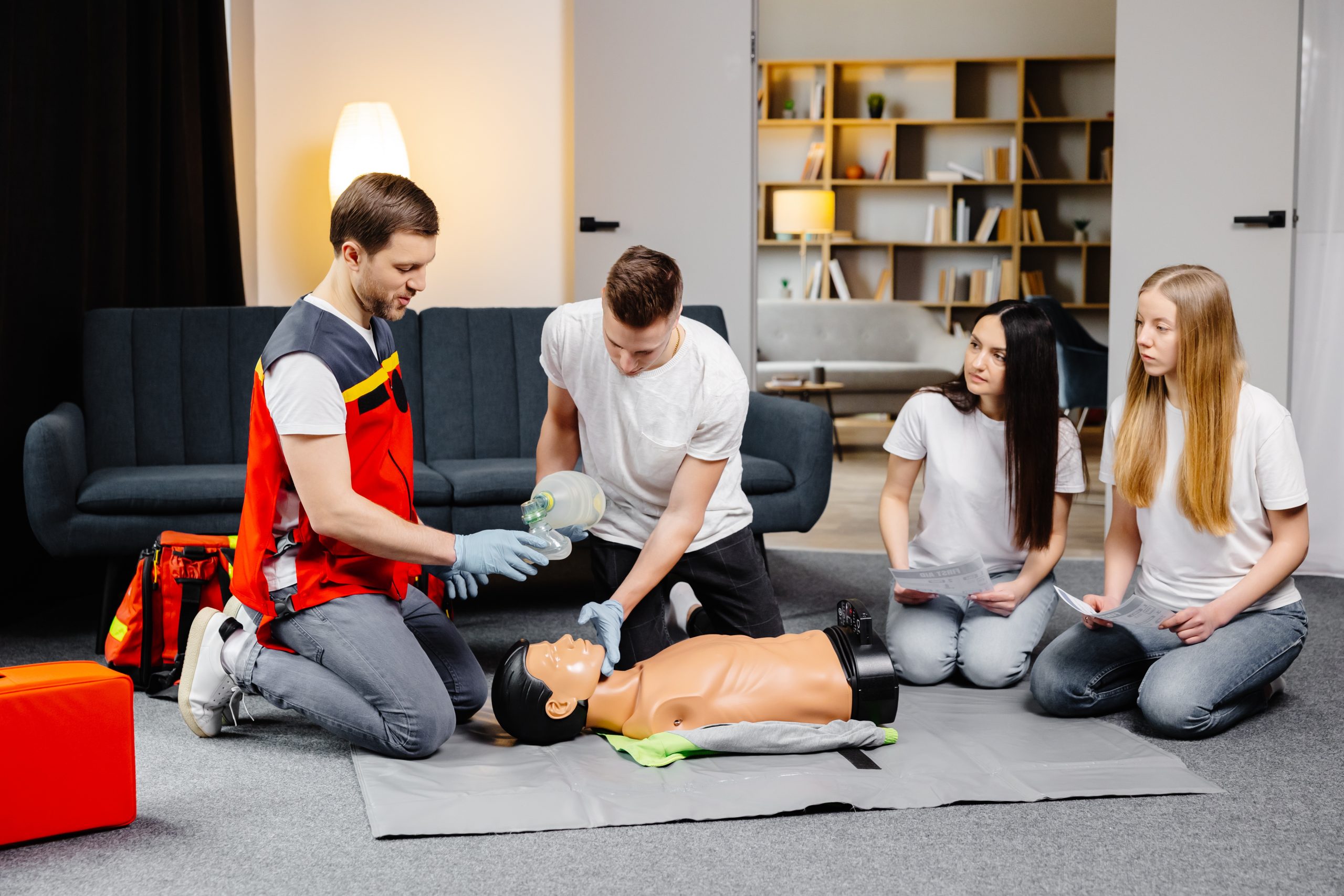
The primary advantage of in-person training is the hands-on experience. CPR is a physical skill. Watching a video of someone performing chest compressions is very different from pushing down on a high-fidelity manikin yourself.

  • Muscle Memory: You physically practice the depth and rate of compressions (100-120 per minute), ensuring you “feel” what it takes to circulate blood manually.
  • Immediate Feedback: If your elbows are bending or you aren’t pushing hard enough, an instructor corrects you instantly. This prevents you from developing bad habits that could be fatal in a real emergency.
  • Equipment Familiarity: You get to handle an AED (Automated External Defibrillator), practice applying pads, and listen to the device’s voice prompts in a controlled setting.

Are There Downsides?

The main hurdle for most people is logistics. You have to drive to a location and commit a few hours of your day. However, providers like CPR Classes Near Me optimize these sessions to be efficient, often issuing your American Heart Association (AHA) eCard the very same day.

What is Online CPR Training?

Online CPR training delivers course content via digital modules. You read text, watch instructional videos, and take quizzes on your computer or smartphone.

The Appeal of Online Courses

The biggest selling point is flexibility. You can pause the training to take a call, finish it at 2 AM in your pajamas, or break it up over several days. For those who just want knowledge for personal reasons and don’t need a work-recognized card, this can be a convenient option.

The Hidden Trap: Employer Acceptance

Here is the catch that trips up many professionals: Online-only certifications are rarely accepted by employers in healthcare, childcare, or industrial safety.

Most regulatory bodies, including OSHA and the American Heart Association, require a hands-on skills check for a certification to be valid. If you take a 100% online course that does not require you to touch a manikin, there is a high probability your employer will reject it, forcing you to pay for and attend an in-person class anyway.

Will My Employer Accept an Online Certification?

This is the most common question we hear. If you are taking CPR for a job requirement, the answer is almost always no—unless it includes an in-person skills session.

Who Typically Requires In-Person Training?

  • Healthcare Providers: Nurses, doctors, CNAs, and EMTs generally require AHA Basic Life Support (BLS), which mandates a skills test.
  • Childcare Workers: Daycares and schools usually require state-approved training that includes physical practice.
  • Construction & Safety: OSHA guidelines strongly emphasize the need for physical practice to verify competency.

If you submit an online-only certificate to a hospital or school district, you risk being non-compliant. It is always safer to choose a course that guarantees hands-on verification.

Comparison: Online vs. In-Person at a Glance

Not sure which way to lean? Here is a quick comparison of how the two formats stack up.

  • Convenience: Online wins for scheduling, but In-Person wins for “one-and-done” completion (no need to schedule a separate skills check later).
  • Cost: Online courses often appear cheaper upfront, but hidden fees for “skills sessions” or having to retake a rejected class can make them more expensive in the long run.
  • Confidence: In-Person is superior. Real-life emergencies are stressful; having physical muscle memory helps you act on instinct.
  • Validation: In-Person training is universally accepted. Online-only is frequently rejected for professional use.

Is Blended Learning a Good Compromise?

Blended learning is a hybrid model where you do the “book work” online and then come into a facility for a short skills session. While this offers some flexibility, you still have to travel to a training center to meet with an instructor.

At CPR Classes Near Me, we focus on providing high-quality, efficient in-person classes. We find that completing the theory and the skills together in one cohesive session often leads to better retention and a smoother experience—plus, you walk out with your certification card in hand immediately.

Why “CPR Classes Near Me” is Your Best Option

We know your time is valuable. That’s why we have streamlined the in-person experience to be as painless and professional as possible.

  • AHA Certification: We issue American Heart Association cards, the gold standard in the industry.
  • Same-Day Certification: No waiting by the mailbox. You qualify, you pass, you get your eCard.
  • Expert Instructors: Our team consists of healthcare and safety professionals who make the class engaging, not boring.
  • Locally Owned: We are part of your community, helping Austin stay safe.

When you weigh the risks of an online course being rejected against the confidence and compliance of in-person training, the choice is clear.

Ready to Get Certified?

Don’t risk your compliance or your confidence with a “click-through” course. Get real hands-on training that empowers you to save a life.

Contact CPR Classes Near Me today to check our schedule and book your seat.

FAQs

Q: Can I get CPR certified entirely online?

A: You can find websites that will issue a “certification” online, but it is important to know that these are typically not recognized by employers, OSHA, or hospitals. To be fully certified—especially for a job—you almost always need a hands-on skills evaluation with an instructor.

Q: How long does an in-person CPR class take?

A: Class times vary by provider, but our streamlined BLS and CPR classes are designed to be efficient. You can typically expect to spend a few hours learning and practicing, ensuring you leave confident without taking up your entire day.

Q: Is online CPR training valid for OSHA?

A: generally, no. OSHA standards state that online training alone does not meet the requirements for first aid and CPR training because it lacks the physical skills demonstration. A hands-on component is required.

Q: Do I need a book for the class?

A: For American Heart Association classes, students are usually required to have access to the student manual. Check with your specific class registration details to see if the book is included or needs to be purchased separately.

Q: How often do I need to renew my certification?

A: Most CPR and BLS certifications, including those from the AHA, are valid for two years. You must retake a course before your card expires to remain compliant.

Q: What is the difference between CPR and BLS?

A: CPR (Cardiopulmonary Resuscitation) is a general term for the lifesaving technique. BLS (Basic Life Support) is a higher-level certification specifically for healthcare providers (nurses, doctors, EMTs) that covers team dynamics, advanced airways, and 2-rescuer scenarios.