Infant CPR Classes in Washington DC: Lifesaving Skills for Your Child

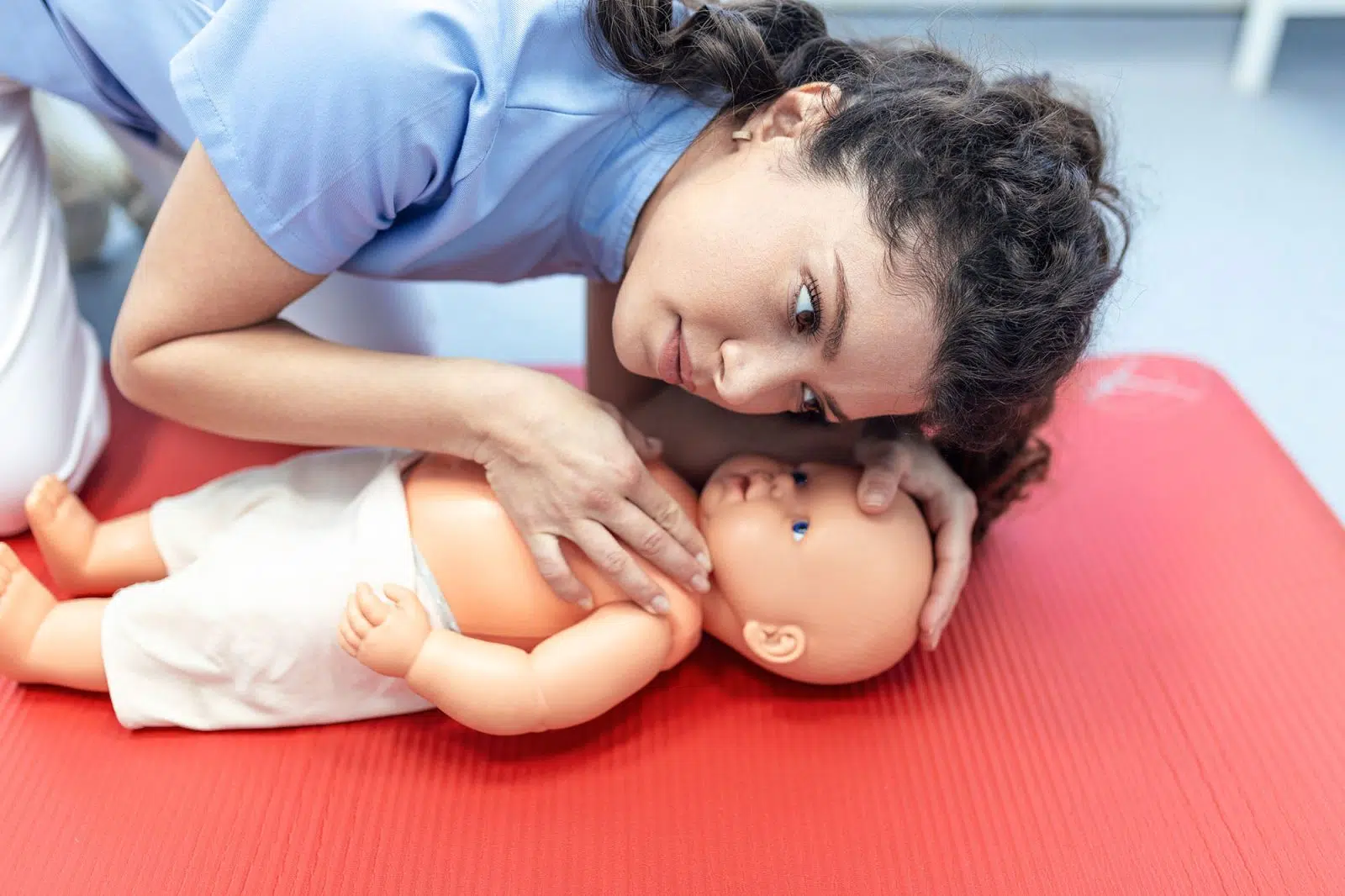
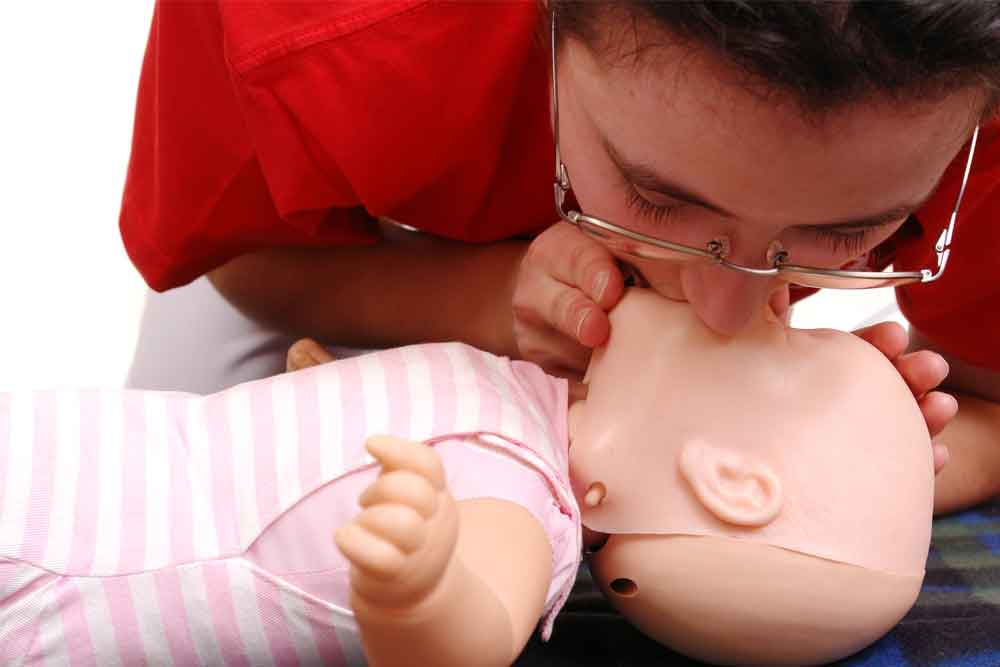
Healthcare trainee holding a baby training doll during practice

TL;DR: Infant CPR Classes in Washington DC

Infant CPR training in Washington DC is essential for parents, caregivers, and professionals. To ensure you’re fully prepared and certified for DC requirements:

  • Focus on AHA BLS Certification: Choose an American Heart Association (AHA) Basic Life Support (BLS) course. This is the gold standard, universally accepted by DC employers, and covers CPR for Infants, Children, and Adults.
  • Infant CPR is Unique: Techniques for babies (under 1 year) are drastically different, requiring specific two-finger chest compressions and gentle breaths.
  • Hands-On Training is Essential: Avoid online-only courses. In-person, hands-on training is required to build muscle memory, ensure proper technique for infants, and receive a valid, accepted AHA eCard (often issued the same day).
  • Comprehensive Coverage: BLS training includes life-saving skills for all ages, plus training on AED use and choking relief.
  • Action: Get Your CPR Certification with CPR Classes Near Me for accredited, same-day certification in Washington DC.

Why Every Second Counts in the Nation’s Capital

Washington DC is a vibrant, bustling city where life moves fast, and preparedness is paramount. While we often think of emergencies as affecting adults, the moments immediately following a cardiac or breathing incident in an infant are arguably the most critical.

For new parents, grandparents, nannies, and childcare providers in the DC area, taking a certified Infant Cardiopulmonary Resuscitation (CPR) class is not merely a suggestion, it’s a fundamental responsibility.

Infants are uniquely vulnerable to sudden emergencies. These events could be caused by choking on a small toy, sudden cardiac arrest, or a respiratory issue.

The reality is that immediate, proper intervention can dramatically change the outcome for a baby. Knowing what to do in those first critical minutes, before professional help arrives, is a power you must possess.

This comprehensive guide delves into everything you need to know about securing top-tier Infant CPR certification right here in Washington DC. We focus on the importance of certified, hands-on training that adheres to the American Heart Association (AHA) standards. This ensures you walk away with the confidence and competence to protect the infants in your care.

By choosing an AHA-aligned training site, like CPR Classes Near Me, you invest in the highest quality, most recognized life-saving education available today.

Why is Infant CPR Training an Essential Skill for DC Parents and Caregivers?

The decision to enroll in an Infant CPR class is often driven by a deeply personal commitment to safety. However, for those in Washington DC, there is also a clear professional and statistical urgency behind this vital training.

First and foremost, the anatomy of an infant dictates a completely different emergency response than that used for an adult or even a child. A baby’s airway is smaller, their bone structure is more fragile, and the primary cause of cardiac arrest in infants is typically respiratory failure, not a sudden heart issue. This means the techniques used for resuscitation must be tailored precisely to their size and physical needs.

Infants face unique vulnerabilities that make CPR training essential:

  • Choking Incidents: Infants explore the world with their mouths. Small objects, pieces of food, or even thickened liquids can lead to airway obstruction quickly and silently.
  • Sudden Infant Death Syndrome (SIDS): While the exact cause is unknown, proper training equips caregivers to respond immediately if an infant stops breathing.
  • Respiratory Distress: Illnesses, allergic reactions, or congenital issues can cause breathing to stop, which rapidly leads to cardiac arrest if not addressed.

Moreover, if you are a professional working with children in the DC area, whether as a daycare operator, teacher, or licensed nanny, your certification is likely mandated by law or licensing requirements. Washington DC often requires professionals who work with children to have current CPR credentials.

By obtaining a comprehensive, AHA-approved Basic Life Support (BLS) certification, you ensure you meet all local employer and regulatory standards.

The confidence derived from high-quality, in-person training is perhaps the most critical benefit. In a true emergency, panic is the enemy of action. When you have physically practiced the steps of Infant CPR, your muscle memory takes over, allowing you to act quickly and effectively, significantly increasing a baby’s chance of survival.

What is the Difference Between Standard CPR and Infant CPR?

While the acronym CPR (Cardiopulmonary Resuscitation) applies across all age groups, the actual life-saving steps for an infant are dramatically different from those performed on an adult or a child. Understanding these distinctions is why specialized infant training is non-negotiable.

Infant CPR is specifically designed for babies from birth up to 12 months of age. The core principles remain circulation and breathing, but the execution is scaled down and modified for their delicate bodies.

Here are the key technical differences that distinguish Infant CPR:

  • Compression Method:
    • Adult & Child: Uses one or two hands placed over the center of the chest (sternum).
    • Infant: Uses two fingers (index and middle fingers) placed just below the nipple line.
  • Compression Depth:
    • Adult & Child: Approximately two inches (at least two inches for adults).
    • Infant: Approximately 1.5 inches, or about one-third the depth of the chest.
  • Rescue Breaths:
    • Adult & Child: Full breaths, ensuring the chest rises.
    • Infant: Tiny, gentle “puffs” of air (just enough to make the chest rise visibly, covering both the nose and mouth).
  • Choking Relief:
    • Adult & Child: Abdominal thrusts (Heimlich maneuver).
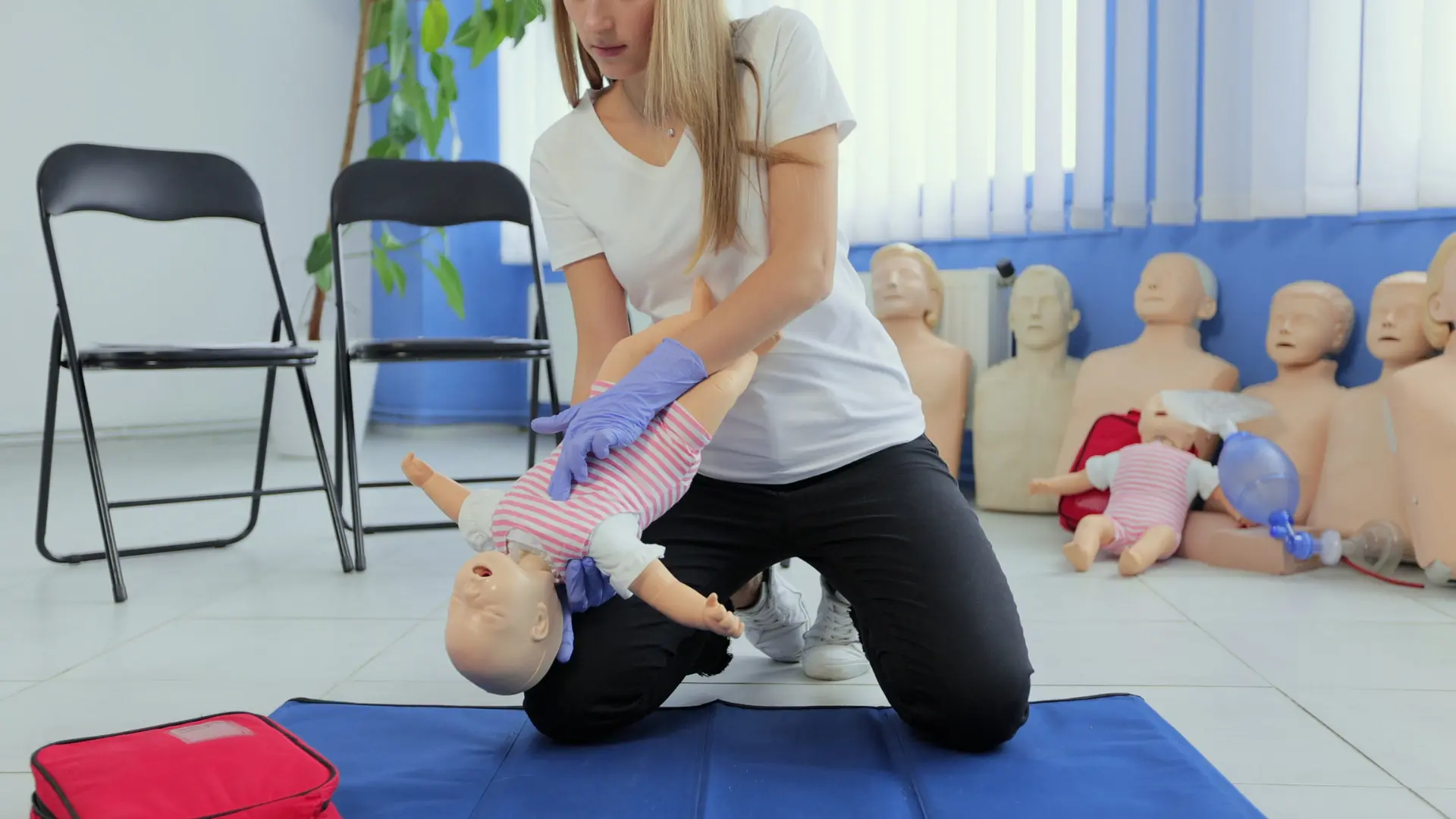
    • Infant: A combination of five back blows and five chest thrusts.

The most critical element to master is the compression technique. Because an infant’s heart is higher in the chest and their ribs are flexible, using too much force can cause serious injury. The two-finger method taught in certified courses ensures the correct pressure is applied to achieve circulation without causing harm.

In infant rescue, rescue breaths play an even more prominent role. Since breathing failure is the most common precursor to cardiac arrest in babies, prompt delivery of gentle breaths, combined with chest compressions, is essential for delivering oxygen to the brain and vital organs.

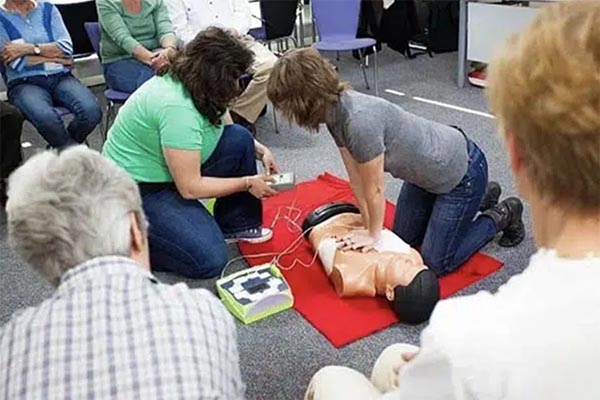
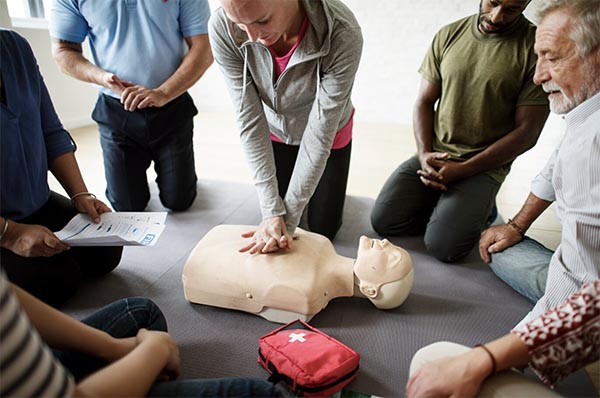
Only a practical, in-person class allows you to drill these techniques using age-appropriate mannequins and receive real-time feedback from an expert instructor. This hands-on, supportive learning environment, like those offered by CPR Classes Near Me in Washington DC, solidifies the muscle memory necessary for competent emergency response.

Which Certification Standard Should I Choose for Infant CPR in Washington DC?

When searching for “Infant CPR classes near me” in Washington DC, you will encounter various organizations offering certification. Choosing the right standard is crucial, especially if your certification is required for employment or if you want the assurance of the most credible, science-backed training.

In the United States, the two most recognized certification providers are the American Heart Association (AHA) and another major non-profit humanitarian organization. While both provide life-saving training, the American Heart Association (AHA) Basic Life Support (BLS) certification is universally regarded as the gold standard. This is particularly true within the healthcare community and for high-stakes professional roles.

Here is why AHA BLS is the preferred choice in DC:

  1. Science-Based Guidelines: The AHA establishes the science and guidelines for all resuscitation efforts. Their BLS curriculum is updated regularly based on the latest evidence, ensuring you learn the most effective techniques.
  2. Universal Acceptance: The AHA BLS eCard is the most widely accepted certification by employers nationwide. This includes:
    • Hospitals and medical offices.
    • Schools and educational facilities.
    • Licensed childcare and daycare facilities throughout the DMV area.
  3. Comprehensive Scope: While standard CPR courses may focus primarily on lay rescuers, the AHA BLS course is a comprehensive program covering the full spectrum of resuscitation:
    • Adult, Child, and Infant CPR and AED use.
    • Single-rescuer and team-based resuscitation skills.
    • Airway obstruction (choking) management for all ages.

By enrolling with a certified AHA training site, such as CPR Classes Near Me, you are not just getting a piece of plastic (or a digital card). You are receiving instruction that has met rigorous quality standards set by the leading authority in cardiovascular science. This commitment to excellence ensures that the Infant CPR skills you learn are accurate, current, and maximally effective.

What Types of Training Formats Are Available for DC Residents, and Which Is Best?

DC residents have a choice between three primary training formats for CPR certification: fully online, blended learning, and 100% in-person, hands-on classroom instruction. When it comes to mastering life-saving skills for an infant, the format you choose is as important as the content itself.

1. Fully Online Training (Not Recommended)

This option allows you to complete the entire course without ever physically demonstrating your skills to an instructor.

  • Pro: Offers maximum convenience; it can be completed anywhere, anytime.
  • Con: This is a crucial drawback: most DC employers do not accept online-only certifications. You cannot practice the physical skills of Infant CPR (two-finger compressions, depth, breath volume) without an instructor observing you. The certification card often lacks credibility.

2. Blended Learning (Partially Effective)

This format involves completing the lecture and cognitive portion of the course online, followed by a mandatory, short in-person skills session. During this session, you practice on a mannequin and demonstrate proficiency to an instructor.

  • Pro: Provides flexibility for learning the theory; it saves time in the classroom.
  • Con: The in-person session can feel rushed, and you may miss out on valuable discussion and instructor-led coaching that occurs during a full classroom session.

3. 100% In-Person, Hands-On Classroom (The Gold Standard)

This is the traditional, instructor-led model. You spend the entire course time with a certified professional in a dedicated learning environment, practicing on mannequins.

This is the best option for Infant CPR training because it provides:

  • Mastery of Technique: You receive constant, immediate feedback on your compression rate, depth, and hand placement, which is essential for an infant’s delicate frame.
  • Confidence Building: The hands-on practice reduces hesitation and builds the critical muscle memory needed to act under pressure.
  • Same-Day Certification: Reputable training sites, like CPR Classes Near Me in Washington DC, issue your official AHA eCard on the same day you successfully complete the training.
  • Q&A Opportunities: Direct access to an experienced instructor allows you to ask complex, real-world questions specific to your family or work environment.

For a skill as precise and critical as Infant CPR, the hands-on approach is invaluable. By selecting a dedicated, local provider that prioritizes in-person, AHA-aligned training, you ensure your skills are sharp and your certification is fully recognized by any professional standard in Washington DC.

Beyond the Baby: Does Infant CPR Training Cover Adults and Children Too?

When searching for “Infant CPR classes,” many people assume the training is only for babies. However, when you enroll in a comprehensive American Heart Association (AHA) Basic Life Support (BLS) course in Washington DC, you are acquiring a full spectrum of life-saving knowledge that covers every age group.

This is arguably one of the greatest values of selecting an AHA BLS-level course: you gain the skills to protect everyone in your home, workplace, or community.

The standard BLS curriculum is structured to teach you how to respond to cardiac and breathing emergencies for three distinct groups:

  1. Adults (Puberty and Older): You will learn the standard two-hand compression technique, adult rescue breathing, and the proper use of an Automated External Defibrillator (AED).
  2. Children (Age 1 to Puberty): You will practice adjusting techniques for a child, which involves using one hand for compressions and modifying the depth and breath volume.
  3. Infants (Under 1 Year): You will master the specialized two-finger compressions and gentle, mouth-over-nose-and-mouth rescue breaths, as discussed previously.

Beyond CPR itself, a quality certification course ensures you are proficient in two other crucial areas for all ages:

  • Automated External Defibrillator (AED) Usage: While rare for infants, knowing how to safely operate an AED and apply pediatric pads is a vital component of resuscitation for children and adults. The course teaches you how to recognize when a defibrillator is needed and how to use it safely.
  • Choking Relief: Airway obstruction is a major threat across all age groups. Your training will cover the specialized five back blow/five chest thrust technique for infants, as well as the standard abdominal thrusts for conscious and unconscious children and adults.

By committing to a comprehensive AHA BLS course offered by CPR Classes Near Me, you streamline your training. You walk away with a single, powerful certification that makes you an equipped rescuer for any potential emergency, regardless of the victim’s age. This comprehensive approach is particularly beneficial for busy DC professionals and parents who need to maximize their time while achieving the highest level of competence.

Conclusion: Gain the Confidence to Be a Lifesaver in DC

The urgency of knowing Infant CPR cannot be overstated. In an emergency, hesitation costs lives, and only high-quality, hands-on training can eliminate that hesitation and replace it with decisive, life-saving action.

For parents, caregivers, and professionals throughout Washington DC, investing in an American Heart Association-aligned BLS certification provides peace of mind and the proven skills to act when it matters most.

By choosing a local, certified training provider like CPR Classes Near Me, you benefit from expert instruction, a focused, hands-on learning environment, and the convenience of same-day certification. You will leave the course not just with an eCard, but with the confidence that you are fully prepared to provide competent and effective CPR to an infant, child, or adult. This critical skill is your most important tool for safeguarding the health and well-being of the people you love and care for in the nation’s capital.

Take the next step toward total preparedness today.

Get Your CPR Certification with CPR Classes Near Me.

FAQ Section

Q: How long does Infant CPR certification last, and when do I need to renew it?

A: Infant CPR certification, typically obtained through a comprehensive AHA BLS course, is valid for two years. It is important to renew your certification before it expires to ensure your skills remain sharp and current with the latest AHA guidelines. Renewal courses are available and typically focus on refreshing your knowledge and techniques. Regular renewal ensures you are always prepared to respond effectively in an emergency situation.

Q: Is the Infant CPR class designed only for healthcare professionals, or can lay rescuers take it?

A: While the American Heart Association’s Basic Life Support (BLS) certification is the mandatory standard for healthcare professionals (such as nurses and paramedics), it is highly recommended for lay rescuers as well, including new parents, teachers, and childcare providers. The BLS curriculum provides the most comprehensive and detailed training available, covering all age groups (Adult, Child, and Infant) to the highest standard, equipping anyone to handle a critical emergency with confidence and precision.

Q: Can I just take an online-only course to learn Infant CPR techniques?

A: You can take the theoretical portion of CPR training online, but an online-only certification is not recognized by most employers or licensing bodies in Washington DC or nationwide. To truly master the life-saving physical skills, such as the correct depth and rate of two-finger compressions for an infant and proper rescue breathing, you must complete a hands-on, in-person skills session with a certified instructor. This practical, in-person component is essential for gaining real competence, ensuring the skills are accurate, and receiving a valid, accepted AHA eCard.

Top 5 Reasons to Get CPR Certified in Austin This Year

Austin is a city that never stops moving. From the bustling crowds on South Congress to the hikers conquering Mount Bonnell and the swimmers cooling off at Barton Springs, our community is vibrant, active, and alive. But with such an active lifestyle comes an increased responsibility to look out for one another. Have you ever wondered what you would do if a medical emergency struck while you were enjoying a day out in the city?

Getting CPR certified isn’t just a box to check for a job application; it is a vital skill that empowers you to protect the people around you. Whether you are a healthcare professional, a concerned parent, or just an Austinite who wants to be prepared, the time to act is now. At CPR Classes Near Me, we believe that everyone should have the confidence to save a life. Here are the top five reasons why you should get CPR certified in Austin this year.

1. Do You Want the Power to Save a Life?

The most compelling reason to learn CPR is arguably the most obvious: it saves lives. Sudden Cardiac Arrest (SCA) does not discriminate. It can happen to anyone, anywhere, at any time—regardless of age or fitness level. According to the American Heart Association, more than 350,000 cardiac arrests occur outside of the hospital each year in the United States.

Why Seconds Matter:

  • Immediate Action: Survival rates drop by 7-10% for every minute that passes without CPR.
  • The Gap: Emergency services in Austin are world-class, but traffic and distance can sometimes delay response times.
  • The Bridge: You act as the bridge between the emergency and the ambulance. By performing chest compressions, you keep oxygenated blood flowing to the brain and other vital organs.

When you take a class with CPR Classes Near Me, you aren’t just memorizing a textbook. You are learning hands-on techniques that turn you from a helpless bystander into a lifesaver.

2. Is Your Career Ready for the Next Step?

Austin’s job market is booming, and competition is fierce. Did you know that CPR certification is a requirement for many of the city’s fastest-growing industries? It is no longer just for doctors and nurses. Employers across the board are looking for candidates who bring extra value and safety to the workplace.

Industries Requiring Certification:

  • Healthcare: RNs, CNAs, and medical office personnel.
  • Education: Teachers, daycare providers, and coaches.
  • Fitness: Personal trainers, yoga instructors, and gym staff.
  • Construction & Trades: Electricians and safety officers.
  • Hospitality: Hotel staff, lifeguards, and event coordinators.

Even if your employer doesn’t explicitly require it, having “AHA BLS Certified” on your resume demonstrates responsibility and a proactive attitude. Our Austin courses are fully accredited by the American Heart Association, ensuring your card is recognized and respected by employers nationwide.

3. Are You Prepared for Austin’s Active Lifestyle?

We live in one of the most active cities in the country. Austinites love their outdoor activities, from kayaking on Lady Bird Lake to attending massive events like ACL and SXSW. While this active culture is great for our health, it also increases the exposure to potential emergencies such as heatstroke, dehydration leading to cardiac events, or drowning accidents.

Common Austin Scenarios:

  • Heat-Related Illness: Texas summers are brutal. Heat exhaustion can escalate quickly.
  • Water Safety: With so many pools, creeks, and lakes, water safety is paramount.
  • Crowd Control: Large festivals can make it difficult for EMS to reach a victim instantly.

By getting certified, you ensure that your fun weekend doesn’t turn into a tragedy. You will be the person in your hiking group or running club who knows exactly what to do when things go wrong.

4. Can You Protect Your Loved Ones at Home?

It is a frightening statistic, but it is one you need to know: nearly 70% of out-of-hospital cardiac arrests happen at home. This means that if you ever have to perform CPR, the person you are saving will likely be a spouse, a parent, a child, or a friend.

The “Home Field” Advantage:

  • Recognition: You will learn to recognize the signs of a stroke or cardiac arrest immediately.
  • Confidence: Panic is the enemy. Training gives you the muscle memory to act without hesitation.
  • Child & Infant Safety: Our classes cover techniques for adults, children, and infants, ensuring you are ready to protect your entire family.

Don’t leave the safety of your family up to chance. Taking a few hours to attend a class at our convenient North Lamar or Pflugerville locations could mean the difference between losing a loved one and celebrating another birthday with them.

5. Do You Want to Build Unshakable Confidence?

Have you ever frozen in a stressful situation? It is a natural human response, but it is one that training can overcome. One of the most underrated benefits of CPR certification is the psychological boost it provides.

From Panic to Power:

  • Overcoming Helplessness: Knowing you have the skills to intervene removes the feeling of helplessness during a crisis.
  • Leadership: In an emergency, people look for a leader. Your training allows you to take command of the scene, delegate tasks (like calling 911), and administer care.
  • Peace of Mind: You walk through the world with a little less anxiety, knowing you can handle the worst-case scenario.

Our instructors at CPR Classes Near Me are experienced professionals who create a low-stress, high-impact learning environment. We use real-world scenarios to ensure you leave the classroom feeling ready, not overwhelmed.

Why Choose CPR Classes Near Me in Austin?

You have options for training, but we pride ourselves on being the premier choice for Austin residents. We understand that your time is valuable and your need for quality is high.

  • Same-Day Certification: We don’t make you wait. You will receive your AHA BLS eCard the very same day you complete the class.
  • Guaranteed Acceptance: Our certifications are American Heart Association aligned, meaning they are accepted by virtually every employer.
  • Convenient Locations: Whether you are in Central Austin (North Lamar Blvd) or further north in Pflugerville (Old Austin Hutto Rd), we have a classroom near you.
  • Affordable Pricing: With classes starting at just $59.95, we make life-saving training accessible to everyone.

Conclusion

The decision to get CPR certified is a decision to value life. Whether motivated by career requirements, family safety, or simply the desire to be a good neighbor in our beautiful city, the benefits are undeniable. Don’t wait for an emergency to wish you were prepared.

Join the thousands of Austinites who have already taken the step to become certified lifesavers. It takes just a few hours of your time, but the impact lasts a lifetime.

Ready to get started? Contact CPR Classes Near Me today to book your spot!

Frequently Asked Questions (FAQ)

How long does the CPR class take in Austin?

Our American Heart Association (AHA) Basic Life Support (BLS) classes typically take about 3.7 to 4 hours. We value your time and ensure the course is efficient while covering all necessary video modules and hands-on skills practice.

Will I get my CPR card the same day?

Yes! At CPR Classes Near Me, we issue your American Heart Association BLS eCard the same day you successfully complete the class. You won’t have to wait days or weeks to provide proof of certification to your employer.

Is this certification accepted by employers in Austin?

Absolutely. We provide American Heart Association (AHA) certification, which is the gold standard in the industry. It is universally accepted by healthcare organizations, hospitals, schools, and construction companies throughout Texas and the United States.

Do I need to bring anything to the class?

You generally do not need to bring any special equipment. We provide all the necessary training materials, including mannequins and AED trainers. We recommend wearing comfortable clothing since you will be practicing hands-on compressions.

Where are your Austin classrooms located?

We have two convenient locations to serve the Austin area. Our central location is at 5540 N Lamar Blvd, Austin, TX 78756. Our North location serves Pflugerville and surrounding areas at 1006 Old Austin Hutto Rd, Pflugerville, TX 78660.

Can I take the class online?

While there are online components available for some courses, the American Heart Association requires an in-person skills session for full certification. Most employers will not accept a certification that was obtained entirely online without a hands-on skills evaluation. Our classes provide the required in-person training.

Infant Safety: Pediatric CPR & First Aid for Raleigh Parents

Giving CPR to an Infant

The arrival of a new baby is an experience filled with profound joy, love, and, inevitably, a certain level of anxiety. As a new parent, your instinct is to protect your child at all costs. You baby-proof the house, install the perfect car seat, and research the safest sleep guidelines. Yet, many essential steps toward preparedness are often overlooked until it is too late. The most crucial investment you can make is not in gear or gadgets, but in your own knowledge and confidence to act when seconds count.

This preparation centers on obtaining specialized, hands-on training in pediatric Cardiopulmonary Resuscitation (CPR) and comprehensive First Aid. For families in the Triangle area, gaining this certification locally in Raleigh is a foundational step in ensuring the utmost safety for your infant or toddler. By acquiring these skills, you are doing more than just earning a certificate; you are equipping yourself to be your child’s critical first line of defense during a medical emergency. The goal is simple: to transform moments of panic into opportunities for life-saving action.

Why is Infant-Specific CPR Training Essential for Raleigh Parents?

Standard adult CPR techniques are fundamentally different from those required for an infant, making specialized pediatric training an absolute necessity for new parents. An infant’s anatomy is delicate and unique, meaning mistakes in compression depth or force can lead to further injury. This is why generalized CPR training is not enough. You must learn the exact modifications needed to resuscitate a tiny body safely and effectively.

  • Compression Depth: For an adult, chest compressions are deep and use the full weight of the rescuer. For an infant, the compression depth is far shallower—roughly one-third the depth of the chest, or about 1.5 inches.
  • Hand Placement: While adults require the heel of one or two hands, infant CPR typically uses just two fingers placed directly on the breastbone, slightly below the nipple line.
  • Airway Management: An infant’s airway is extremely fragile. Over-tilting the head can actually obstruct the airway, meaning rescue breaths require a much gentler “puff” and a slight, controlled head tilt to maintain openness.

The American Heart Association (AHA) mandates specific techniques for infant resuscitation because quick, correct action significantly increases the chance of survival. With infants, cardiac arrest is most often the result of a respiratory problem, such as choking or suffocation, rather than a primary heart issue. This means intervening quickly to restore breathing is paramount. Training ensures you can execute these life-saving variations under stress, giving your child the best chance for a positive outcome until professional help arrives.

Infant Safety: Pediatric CPR & First Aid for Raleigh Parents

What Pediatric First Aid Essentials Go Beyond Basic CPR?

While CPR training addresses cardiac and respiratory arrest, pediatric first aid provides a broad spectrum of skills necessary for handling the vast majority of everyday childhood emergencies that are not immediately life-threatening. The most comprehensive classes for parents in Raleigh combine both certifications. This comprehensive preparedness is what truly gives parents peace of mind, allowing them to manage everything from a minor burn to a severe allergic reaction.

Pediatric First Aid covers essential skills, including the ability to identify and treat various common childhood ailments and injuries. These are the incidents that are far more likely to occur than full cardiac arrest.

Key First Aid Scenarios Covered for Parents:

  1. Choking Relief: This is arguably the most common and terrifying scenario. You learn the specific sequence of five back blows and five chest thrusts for conscious infants, a crucial technique different from the adult Heimlich maneuver.
  2. Wound Care and Bleeding Control: Learn how to manage severe bleeding, properly dress minor cuts and scrapes, and determine when a wound requires professional suturing.
  3. Burns and Scalds: Understand the classification of burns and the immediate steps to take, such as cooling the area with running water and knowing when to call 911 for severe injuries.
  4. Poisoning Management: Learn how to recognize signs of accidental poisoning, what information to gather, and the correct procedure for contacting the Poison Control Center immediately.
  5. Fever and Febrile Seizures: Gain knowledge on how to monitor and manage high fevers in infants, and, most importantly, how to respond calmly and correctly if a febrile seizure occurs.
  6. Anaphylaxis and Severe Allergic Reactions: Learn the critical steps for recognizing a severe allergic reaction and practicing how to administer an epinephrine auto-injector device (like an EpiPen) if a child has a known allergy.
  7. Musculoskeletal Injuries: Training includes the R.I.C.E. method (Rest, Ice, Compression, Elevation) for treating sprains and strains, and how to immobilize a suspected fracture until medical help is available.

By mastering these diverse skills, parents transition from feeling helpless observers to confident first responders, ready to address a wide array of crises within the critical first minutes.

What Are the Most Common Life-Threatening Pediatric Scenarios New Parents Face?

New parents are right to worry about the “what-ifs,” and professional training focuses on the statistically most dangerous scenarios for children, often caused by accidental injury rather than illness. Understanding the most likely threats helps parents prioritize their vigilance and use their training effectively.

The Top Three Risk Categories for Infants and Young Children:

  1. Airway Obstruction (Choking and Suffocation):
    • Choking is a primary concern, especially as babies start solids or begin exploring the world by placing small objects in their mouths (often around six months).
    • Parents have a window of approximately 30 to 60 seconds to dislodge an obstruction before a child loses consciousness.
    • Suffocation is a major factor in Sudden Unexpected Infant Death (SUID). Safe sleep practices are preventive, but knowing infant CPR is the safety net should respiratory arrest occur.
  2. Drowning:
    • For children aged one to four, drowning is tragically the leading cause of death.
    • This includes not only pools but also household water sources like bathtubs, toilets, and unattended buckets.
    • The ability to initiate CPR immediately after rescue is paramount for improving neurological outcomes.
  3. Accidental Poisoning and Burns:
    • Curiosity drives children to explore, often leading to them ingesting medications, cleaning supplies, or household chemicals.
    • Burns can result from hot liquids (scalds), hot stoves, or curling irons.
    • First aid training teaches parents how to manage these immediate injuries and provides the critical protocols for securing emergency help and contacting poison control without delay.

By focusing heavily on prevention strategies and immediate intervention for these specific risks, comprehensive courses ensure that parents are not just generally prepared, but specifically prepared for the realities of keeping a child safe in the home environment. They provide the practical skills needed for immediate action when the unexpected occurs.

How Does Hands-On Training Build Confidence and Reduce Anxiety?

The distinction between watching a video and physically practicing a skill on a specialized mannequin is the difference between knowing what to do and being able to do it. The ultimate goal of high-quality CPR training is not merely certification, but the cultivation of confidence, which is the single most important factor in a high-stress emergency situation. When panic sets in, trained muscle memory takes over.

Key Benefits of Hands-On, In-Person Instruction:

  • Muscle Memory Development: Practicing chest compressions and rescue breaths repeatedly on training manikins builds the kinesthetic memory necessary to act without hesitation.
  • Real-Time Feedback: Experienced, local instructors in Raleigh provide immediate corrective feedback on compression depth, rate (100–120 beats per minute, often set to a song rhythm), and hand placement, ensuring techniques are flawless.
  • Scenario Simulation: Instructors guide participants through realistic emergency scenarios, such as “unconscious choking infant,” allowing parents to experience the stress and then successfully execute the sequence of back blows, chest thrusts, and subsequent CPR.
  • Reduced Decision Paralysis: In a crisis, people often freeze or hesitate. By internalizing the sequence of steps—check the scene, call 911, and begin care—parents can bypass the panic and move directly into the life-saving protocol.

Parents frequently report a significant reduction in general anxiety related to their child’s safety after completing a hands-on course. This sense of preparedness transforms constant worry into rational confidence, allowing them to better enjoy their experience as new parents. They know that if the unthinkable happens, they are not helpless; they are capable of performing the crucial first steps to save their child’s life.

When Is the Ideal Time for Expecting Raleigh Parents to Get Certified?

When Is the Ideal Time for Expecting Raleigh Parents to Get Certified?

The best time to take a pediatric CPR and First Aid course is before the baby is born. However, securing this essential training at any time is a worthwhile investment. Many expectant parents prioritize this training in the second or early third trimester, ensuring they are certified and ready before they are sleep-deprived and busy navigating the first few hectic weeks of parenthood.

Key Timing Considerations:

  • Be Ready for Day One: Accidents and medical emergencies do not wait for a convenient time. Being certified before you bring your baby home means you are fully prepared from the moment they enter your life.
  • Renewal Cycle: AHA certifications are valid for two years. Starting early means your skills are current and refreshed during the critical infant and toddler stages.
  • Including the Support Network: It is highly recommended that anyone who will be caring for your child—partners, grandparents, older siblings (if appropriate), and nannies—also receive certification. The class provides an excellent opportunity to learn as a family unit.
  • Childcare Requirements: Many high-quality daycare centers and preschools require their staff to hold pediatric CPR and First Aid certification. As a parent, you deserve to hold yourself to the same standard of preparedness.

Classes offered by reputable providers in Raleigh, such as CPR Classes Near Me, ensure that the training is American Heart Association-certified, guaranteeing that your valuable time is spent mastering the most accepted and effective techniques available nationwide. Choosing a provider that offers convenient scheduling and same-day certification maximizes the value for busy new families.

How Can New Parents Ensure They Choose the Highest Quality Training?

Not all CPR and First Aid programs are created equal, and for a skill that might determine your child’s survival, quality is non-negotiable. New parents in Raleigh should look for specific hallmarks of excellence to ensure they receive training that is both effective and professionally accepted.

Qualities of Top-Tier Training for Parents:

  1. American Heart Association (AHA) Alignment: The AHA is the gold standard in emergency cardiovascular care science and resuscitation education. Choose a local training site that is explicitly aligned with the AHA. This guarantees the curriculum reflects the latest Emergency Cardiovascular Care (ECC) guidelines and is nationally recognized.
  2. Inclusion of Infant-Specific Modules: The course must go beyond general CPR to include dedicated segments on Infant CPR, Infant choking relief, and the special considerations for pediatric anatomy.
  3. Guaranteed Hands-On Practice: The class should be entirely in-person or follow a blended format that includes mandatory, verified, in-person skills practice with high-fidelity manikins. Purely online courses are widely rejected by employers and do not provide the necessary muscle memory training.
  4. Local and Experienced Instructors: Look for local certified trainers who bring real-world experience, often as paramedics, firefighters, or nurses. These professionals can share practical insights and calmly guide you through complex scenarios.
  5. Efficiency and Convenience: As a new parent, time is precious. Seek providers who offer same-day eCards upon successful completion, allowing you to quickly verify and document your certification without unnecessary administrative delays.

Choosing a trusted local provider, like CPR Classes Near Me in Raleigh, ensures you receive the highest standard of training, making your investment in safety as efficient as it is effective. They provide the certified, local, and professional instruction necessary to face any emergency with clarity and competence.

Conclusion

Parenting is a journey defined by small acts of protection and preparation. While you cannot prevent every scrape or bump, mastering pediatric CPR and First Aid is the single most powerful step you can take to mitigate the risk of a true medical emergency. For new parents in Raleigh, investing a few focused hours in an AHA-certified, hands-on training session provides an invaluable return: the confidence and skill to save your child’s life.

Do not wait for an emergency to realize the necessity of this life-saving knowledge. Equip yourself and your family today with the skills that matter most.

Take the first step toward comprehensive peace of mind. To secure your spot in an upcoming American Heart Association BLS CPR and Pediatric First Aid class designed for new parents in Raleigh, contact CPR Classes Near Me today.

Infant CPR & First Aid: FAQs

What is the difference between Infant CPR and Child CPR?

Infant CPR (for children under 1 year) requires specific modifications due to their smaller and more delicate anatomy. The differences include using only two fingers for compressions (rather than the heel of one hand or two hands for a child), a shallower compression depth (about 1.5 inches), and giving gentler “puffs” for rescue breaths. Child CPR generally applies to ages 1 to puberty.

Is the AHA certification provided accepted by all healthcare providers and childcare facilities?

Yes, the Basic Life Support (BLS) certification issued by an American Heart Association (AHA) Certified Training Site is the most widely recognized and accepted CPR certification nationwide. It is typically the required standard for healthcare professionals, childcare providers, and employers across the United States.

How long does the combined CPR and First Aid class typically take?

The in-person, hands-on component for a comprehensive AHA BLS CPR and First Aid course is approximately 3.7 hours. This duration is standardized to ensure adequate time for all required video modules, skills practice, hands-on demonstrations, and testing. Upon successful completion, you will receive your eCard the same day.

Does this course cover choking relief for infants and children?

Absolutely. A primary component of the pediatric module is hands-on training for conscious and unconscious choking victims across all age groups (infant, child, and adult). This section teaches the specific back blow and chest thrust techniques required for infants.

How often do I need to renew my pediatric CPR certification?

American Heart Association CPR certifications are valid for a period of two years from the date of completion. You can enroll in any BLS or renewal course with CPR Classes Near Me in Raleigh to recertify and maintain your skills.