Can You Fail CPR Certification? What You Need to Know

Have you ever sat in a classroom, looking at a CPR manikin, and felt a tiny knot of anxiety in your stomach? You’re not alone. Whether you need your card for a new job in healthcare or you just want to be prepared to save a life, the question “Can you fail CPR certification?” is incredibly common.
The short answer is: yes, it is possible to fail. But here is the good news—the process is designed to help you succeed, not to trip you up. CPR training isn’t a “gotcha” style exam; it’s a competency-based program intended to ensure that if a real emergency happens, you actually know what to do.
In this guide, we’ll break down exactly what might cause someone to miss the mark, what happens if you don’t pass on your first try, and how you can prepare to breeze through your class with CPR Classes Near Me.
Is it hard to pass a CPR certification course?
For the vast majority of people, passing a CPR course is very straightforward. The curriculum is built to be logical and repetitive, which helps the information stick. Most people find that the hands-on nature of the class makes the “how-to” much easier to remember than just reading a textbook.
That said, “easy” doesn’t mean “automatic.” You do have to show up, pay attention, and demonstrate that you can perform the physical skills. If you approach the class with a willingness to learn and practice, you are almost guaranteed to walk away with your certification.
What are the most common reasons people fail?
While the failure rate is low, there are a few specific areas where students tend to struggle. Usually, it comes down to one of three things:
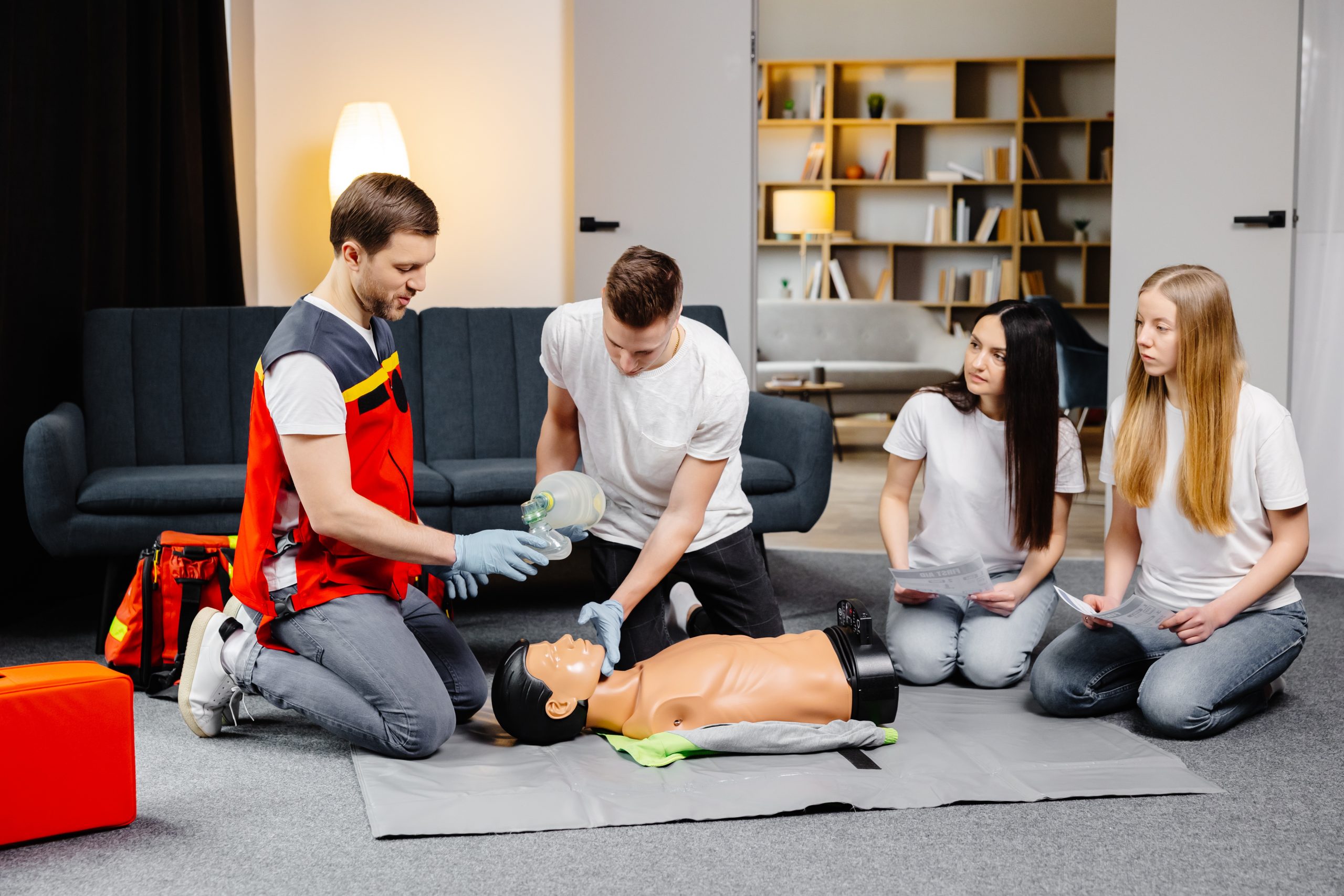
- Physical Technique Issues: This is the most common reason for a “not yet” during the skills test. CPR is physically demanding. You might fail to push deep enough (at least 2 inches for adults) or you might be going too fast or too slow (the “Stayin’ Alive” beat is the goal).
- Missing Critical Steps: CPR follows a very specific “Chain of Survival.” If you forget to check if the scene is safe or neglect to call 911 before starting compressions, an instructor might ask you to restart the scenario.
- Test Anxiety on the Written Exam: Some people are great at the physical part but get nervous when faced with a multiple-choice test. If you don’t meet the minimum passing score (which is usually around 80% to 84% depending on the provider), you may need to retake that portion.
What happens if you fail the written exam?
If you don’t hit the required score on your written test, don’t panic. It is not the end of the road. Most instructors will allow you to review the questions you missed right then and there.
In many cases, the instructor will provide “remediation.” This is a fancy way of saying they will sit down with you, explain the concepts you didn’t quite grasp, and give you a second chance to take the test or a similar version of it. The goal of CPR Classes Near Me is to ensure you understand the material, so instructors are usually very happy to help you get over that finish line.
What happens if you fail the hands-on skills test?
The skills test is where you show the instructor you can actually do the work. If you are struggling with your compression depth or hand placement, the instructor will usually give you feedback in real-time.
If, by the end of the session, you still aren’t meeting the required standards, you won’t receive your card that day. However, you aren’t “banned” from trying again. You will likely be encouraged to:
- Review the instructional videos.
- Practice the physical motions at home (even on a firm pillow).
- Schedule a follow-up session or retake the skills portion of the class.
Are there physical requirements that could cause a failure?
CPR is a physical act. You are essentially acting as someone’s heart and lungs. This requires you to be on your knees on the floor and use your upper body strength to compress a chest.
Common physical hurdles include:
- Inability to kneel: If you have severe knee or back issues that prevent you from getting on the floor, you should talk to your instructor beforehand. Often, accommodations can be made, such as placing the manikin on a table.
- Fatigue: Performing high-quality compressions for two minutes is exhausting. If you can’t maintain the depth and rate due to exhaustion, you might fail the skills check.
Can you fail for not showing up?
This might seem obvious, but “failure to complete” is a common reason people don’t get certified. Most accredited courses, like those found through CPR Classes Near Me, require 100% attendance. Because the information is condensed into a few hours, missing even thirty minutes of class means you missed a vital module (like how to use an AED or how to help a choking infant). If you are late or have to leave early, you will likely have to reschedule the entire course.
How can you prepare to ensure you pass?
Preparation is the best cure for nerves. If you want to make sure you pass on the first try, follow these simple steps:
- Watch the videos: If you are taking a blended learning course (part online, part in-person), don’t skip the videos. They provide the visual rhythm you need for the skills test.
- Focus on the numbers: Memorize the key ratios. For adults, it’s always 30 compressions to 2 breaths. Knowing these numbers cold will save you a lot of stress during the test.
- Dress comfortably: You will be moving around, kneeling, and working hard. Wear clothes that allow you to move freely and shoes that give you a good grip on the floor.
- Ask questions: If you aren’t sure where your hands go or how to tilt the head for a breath, ask! Your instructor is your best resource.
How does the instructor decide if you pass or fail?
Instructors use a standardized checklist provided by the certifying body (like the American Heart Association). They are looking for specific “Critical Skills Descriptors.” These usually include:
- Checking the scene for safety.
- Checking for responsiveness (tap and shout).
- Calling for help/911 and getting an AED.
- Correct hand placement in the center of the chest.
- Adequate compression depth and rate (100–120 beats per minute).
- Allowing the chest to fully recoil between compressions.
- Delivering effective rescue breaths that make the chest rise.
If you check all these boxes, you pass!
Why is the AED portion so important?
Many students worry about the Automated External Defibrillator (AED) portion of the test. However, the AED is actually the easiest part of the class because the machine literally tells you what to do! As long as you follow the voice prompts exactly—turn it on, plug in the pads, and stay clear when it tells you to—you will pass this section with flying colors.
Is the certification the same for everyone?
The criteria for passing can vary slightly depending on the level of the course. For instance:
- Layperson CPR: Focuses on high-quality compressions and basic AED use.
- Healthcare Provider (BLS): Has a higher standard for precision, including two-rescuer scenarios and the use of bag-mask ventilators.
When you book through CPR Classes Near Me, make sure you select the course that matches your needs so you aren’t overcomplicating the process for yourself.
Conclusion
Failing a CPR certification is rare, but it does happen. When it does, it’s usually a sign that you just need a little more practice to ensure you can safely save a life. Remember, the goal of the certification isn’t just to get a plastic card—it’s to gain the confidence and skill to act when someone’s life is on the line.
By choosing a reputable training provider, staying engaged during class, and practicing your physical techniques, you’ll find that passing your CPR test is not only achievable but also an empowering experience.
Ready to get certified?
Don’t let the fear of a test hold you back. Our instructors are dedicated to your success and will work with you every step of the way to ensure you feel confident and capable.
Contact CPR Classes Near Me today to find a class in your area and start your journey to becoming a lifesaver!
Frequently Asked Questions (FAQ)
Q: Can I retake the CPR test the same day if I fail?
A: In most cases, yes. If you fail the written exam or a specific skill, many instructors will allow you to review the material and re-test immediately or at the end of the class session.
Q: Is there a limit to how many times I can retake the test?
A: Most organizations do not have a hard limit on retakes, but individual training centers may have policies. Usually, if you cannot pass after a couple of attempts, they may suggest you retake the entire course to reinforce your foundational knowledge.
Q: Do I have to pay again if I fail?
A: This depends on the training center’s policy. Some include one free retake in the initial cost, while others may require a small fee for a remedial session. Always ask about the “re-test policy” before booking.
Q: What is the passing score for the CPR written exam?
A: While it varies, the American Heart Association generally requires a score of 84% or higher, while the Red Cross typically requires 80%.
Q: Can I fail if I am not strong enough to do compressions?
A: You must be able to compress the chest at least 2 inches for an adult. If you struggle with strength, instructors can teach you better body mechanics (like using your body weight rather than just your arms) to help you succeed.