The Ultimate Guide to CPR Classes in Columbus, Ohio
When an emergency strikes, the difference between a tragedy and a life saved often comes down to who is standing nearby. In Columbus, Ohio, being prepared isn’t just a personal choice; for many, it is a professional requirement. Whether you are a nurse at OhioHealth, a teacher in the Columbus City School District, or a local fitness trainer, having the right skills can change everything.
This guide explores everything you need to know about finding and completing the best CPR training in the Arch City. From understanding different certification types to knowing what to expect on the day of your class, we have you covered.
Why is CPR training essential in Columbus, Ohio?
Columbus is a thriving hub of healthcare, education, and industry. Because of this, the demand for high-quality, reliable emergency training is higher than ever. CPR, or Cardiopulmonary Resuscitation, is a lifesaving technique used when someone’s heart stops beating or they stop breathing.
By taking a class locally, you contribute to a safer community. Statistics show that immediate CPR can double or even triple a person’s chance of survival after cardiac arrest. When you choose a local training site like CPR Classes Near Me Columbus, you are getting instruction tailored to the standards that Ohio employers trust most.
What is the American Heart Association (AHA) BLS certification?
The American Heart Association (AHA) is widely considered the gold standard for CPR training. Their Basic Life Support (BLS) course is the specific level of certification required by almost all healthcare professionals and many other high-responsibility industries.
Key features of the AHA BLS certification include:
- Universal Acceptance: It is the most recognized certification by hospitals and clinics nationwide.
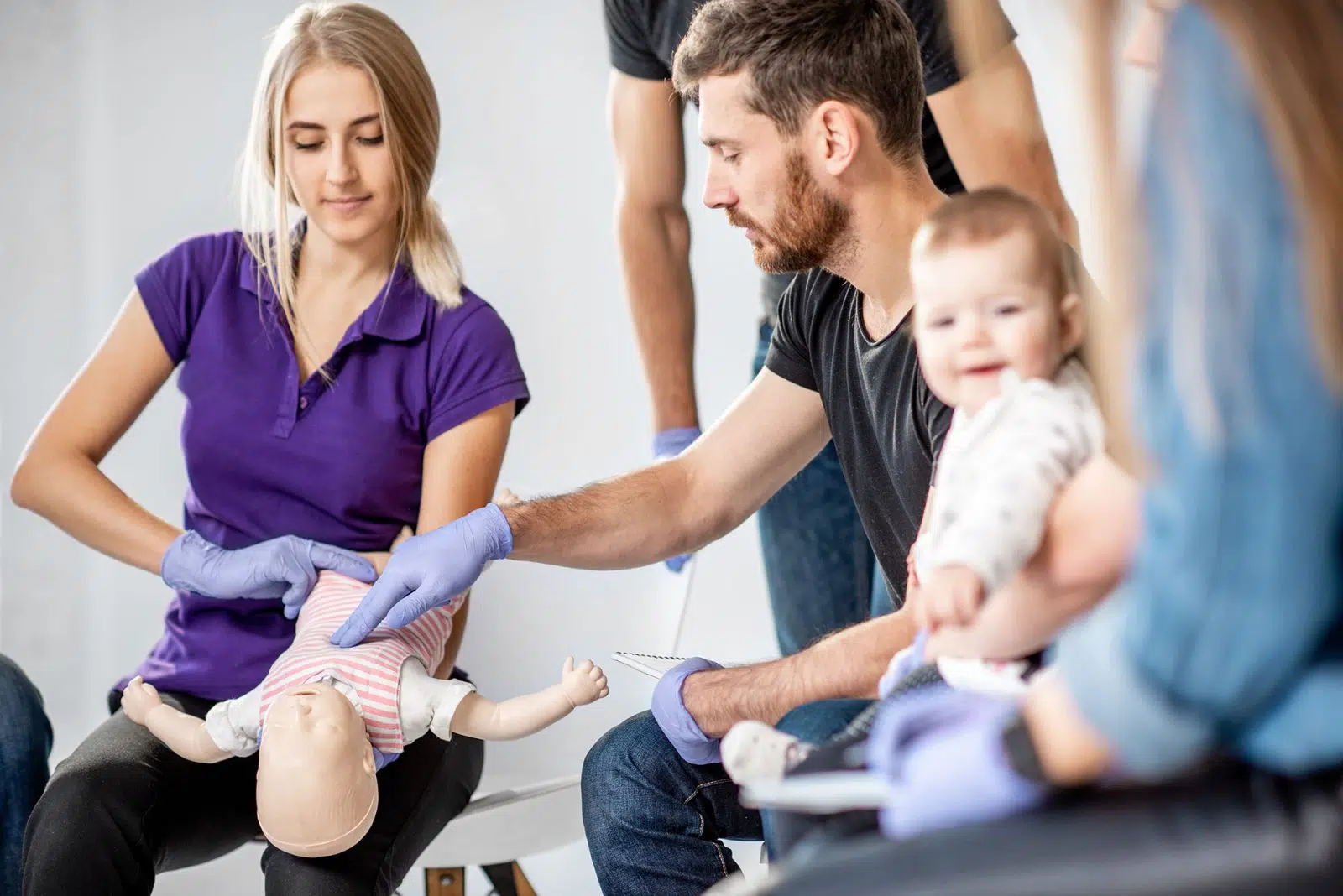
- Comprehensive Skills: It covers CPR for adults, children, and infants.
- AED Integration: You learn how to use an Automated External Defibrillator safely.
- Two-Year Validity: Your certification remains active for 24 months before needing renewal.
What will you learn in a Columbus CPR class?
Walking into a CPR class can feel intimidating if you don’t know what to expect. At CPR Classes Near Me Columbus, the environment is designed to be laid-back and engaging while remaining professional.
During your session, you will master several critical skills:
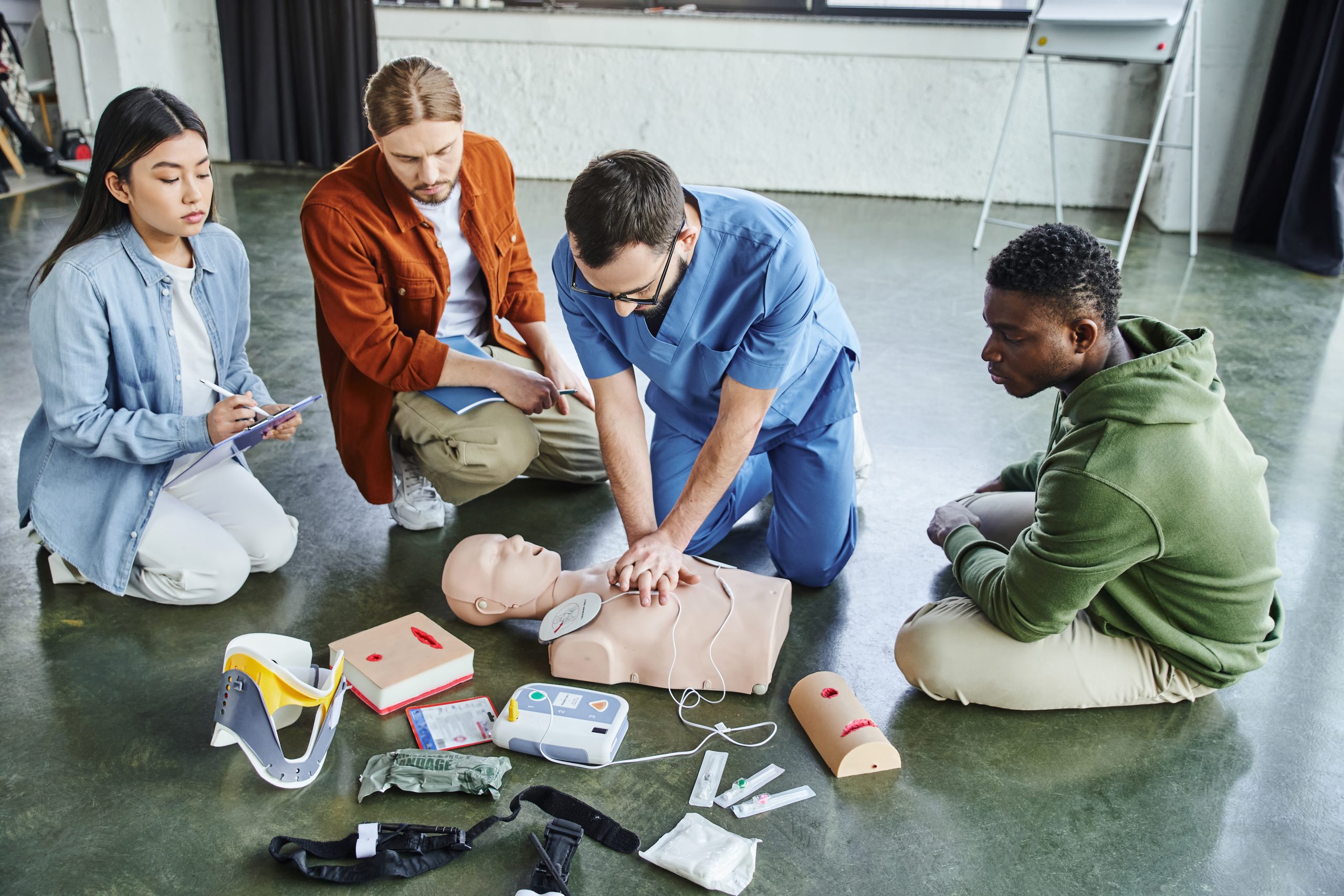
- High-Quality Chest Compressions: Learn the correct depth and rate to keep blood flowing to vital organs.
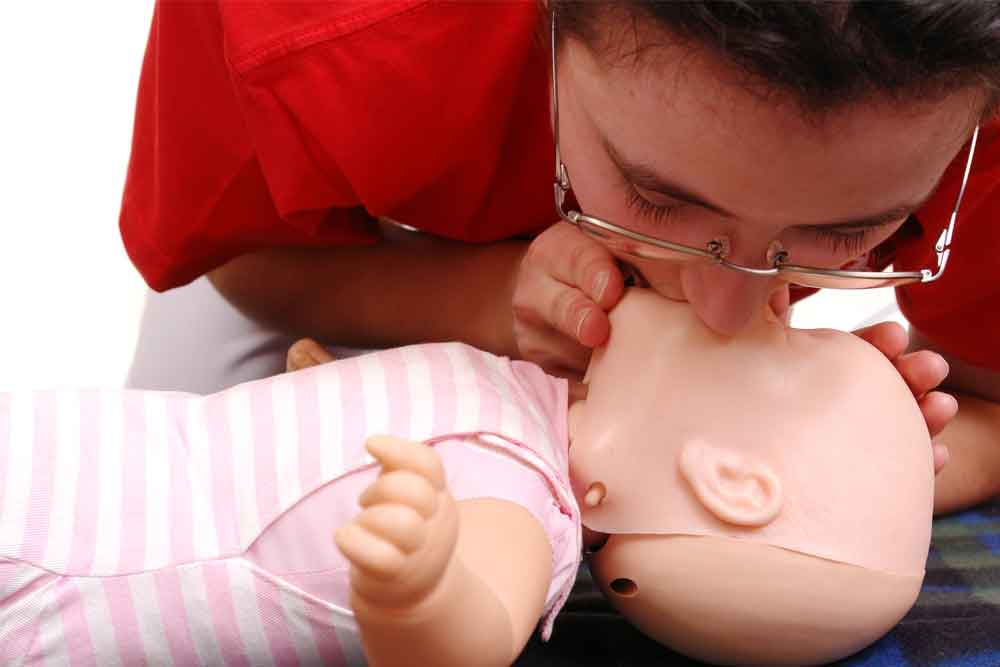
- Rescue Breathing: Techniques to provide oxygen to the lungs when a person cannot breathe on their own.
- AED Operation: Step-by-step instructions on using a defibrillator to restore a heart rhythm.
- Choking Relief: How to assist adults, children, and infants who have a blocked airway.
- Team Dynamics: How to communicate effectively with other rescuers during a high-stress event.
How long does it take to get certified in Columbus?
One of the biggest concerns for busy professionals is the time commitment. Fortunately, modern CPR training is streamlined for efficiency without sacrificing quality.
In Columbus, a standard AHA BLS CPR and AED class typically takes about three hours. Because the course is lead by an instructor in person, there is no “pre-work” or online modules to complete before you arrive. You simply show up, learn the skills, pass the skills check, and you are finished.
The best part? At CPR Classes Near Me Columbus, you receive your official AHA eCard on the same day you complete the class. There is no waiting for mail or processing delays.
Can you combine First Aid with your CPR training?
Yes, many professions require both CPR and First Aid certification. Instead of scheduling two separate appointments, you can choose a combined “CPR + First Aid” course.
This expanded training includes:
- Managing environmental emergencies (heatstroke, cold exposure).
- Treating cuts, scrapes, and major bleeding.
- Responding to medical emergencies like allergic reactions or seizures.
- Assisting with broken bones and sprains.
Choosing the combined course is more cost-effective and ensures you are a fully rounded first responder.
Who should enroll in these Columbus CPR classes?
While healthcare workers are the most common students, CPR is a skill for everyone. If you work in a field where you interact with the public, certification is a massive asset.
Common professions that seek training in Columbus include:
- Healthcare Providers: Nurses, Doctors, CNAs, and Medical Assistants.
- Education: Teachers, Daycare Providers, and Coaches.
- Safety & Industry: Construction workers, Electricians, and Security Guards.
- Fitness & Leisure: Personal trainers, Lifeguards, and Flight Attendants.
- General Public: Parents, grandparents, and community volunteers.
Why is in-person training better than online-only courses?
In a world where everything is moving digital, you might be tempted by “online-only” CPR certifications. However, there are significant risks to this approach:
- Employer Rejection: Most Columbus employers and healthcare systems do not accept certifications that lack a hands-on skills assessment.
- Lack of Muscle Memory: You cannot learn the physical pressure required for a chest compression by clicking a mouse.
- No Real-Time Feedback: In an in-person class, an instructor can correct your posture or technique instantly.
To ensure your certification is valid and that you actually have the skills to save a life, in-person training is the only reliable choice.
What is the cost of CPR certification in Columbus?
Staying prepared shouldn’t break the bank. Local classes are priced competitively to ensure as many people as possible can access training.
Current pricing for Columbus courses:
- AHA BLS CPR & AED: Starting at $59.95 (discounted from $79.95).
- AHA BLS CPR, AED & First Aid: Starting at $79.95 (discounted from $99.95).
These prices include your instructor-led training and your official AHA eCard, which is issued the same day.
Where are these classes located in the Columbus area?
CPR Classes Near Me Columbus serves the entire metropolitan area. While the main training site is conveniently located, instructors are also available to travel for group certifications.
Areas served include:
- Dublin, Westerville, and Upper Arlington
- Gahanna, New Albany, and Reynoldsburg
- Grove City, Hilliard, and Pickerington
- Delaware, Powell, and Sunbury
If you have a business or a large group that needs certification, having an instructor come to your location is a great way to save time and ensure your whole team is prepared.
How do you renew an expiring CPR certification?
Your AHA certification is valid for two years. As your expiration date approaches, you simply need to enroll in a renewal course. In Columbus, the renewal process is identical to the standard BLS course, ensuring you are up to date with the latest 2025 guidelines and techniques. Keeping your credentials active ensures you never have a lapse in employment eligibility.
Summary of the Columbus CPR Training Experience
Choosing the right training provider is the first step toward becoming a confident lifesaver. By selecting an American Heart Association-aligned site, you ensure your certification is recognized nationwide.
Key Takeaways:
- Classes are fast (approx. 3 hours).
- Certifications are issued the same day.
- Training is 100% in-person with no pre-work.
- Courses are affordable and employer-accepted.
Ready to gain the skills you need to save a life? Don’t wait until an emergency happens. Contact CPR Classes Near Me Columbus today to find a class that fits your schedule and get certified!
Frequently Asked Questions (FAQ)
How do I get CPR Certified in Columbus?
Simply book an in-person class with CPR Classes Near Me Columbus. You will attend a single session, participate in hands-on training, and receive your American Heart Association eCard the same day. No online pre-work is required.
How much does CPR training cost?
Standard BLS CPR and AED classes are currently discounted to $59.95. If you need to add First Aid, the combined course is $79.95.
How long does the certification last?
Your American Heart Association (AHA) certification is valid for two years from the date of issuance.
Can I take my CPR certification online?
While some sites offer online-only courses, they are rarely accepted by employers because they lack the hands-on skills check. In-person training is the industry standard and the only way to ensure your certification is valid for work.
What should I wear to my CPR class?
Since CPR training involves physical activity and practicing on mannequins on the floor or at tables, it is best to wear comfortable, moveable clothing and flat shoes.
Is there a minimum age for CPR certification?
The AHA does not have a formal age requirement. Anyone who can physically perform the movements and pass the skills check is eligible to be certified.