CPR Certification for Daycare Providers: Infant CPR and Choking Response
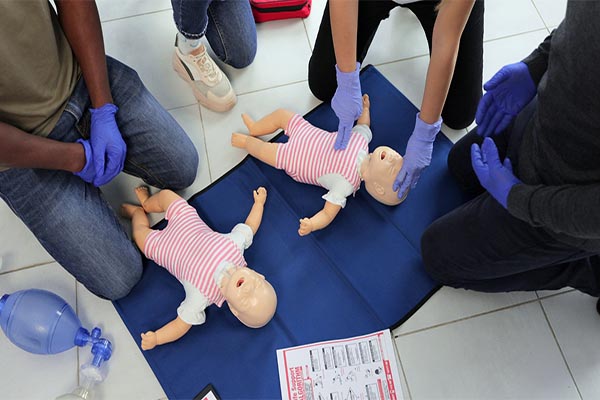
As a daycare provider, you are more than just a caregiver; you are a first responder in a high-stakes environment. Whether you are rocking a newborn to sleep or supervising a group of toddlers during snack time, the safety of these little ones rests squarely on your shoulders.

While we all hope for an emergency-free workday, the reality is that infants and toddlers are naturally curious and physically vulnerable. A small toy or a piece of fruit can become a life-threatening hazard in seconds. That is why CPR certification isn’t just a “nice-to-have” on your resume—it is a vital toolkit that saves lives.

In this guide, we will break down the latest 2026 standards for infant CPR and choking response, ensuring you have the confidence to act when every second counts.

Why is CPR certification required for daycare providers?

Safety is the foundation of the childcare industry. Most state licensing boards require every staff member to maintain a current CPR and First Aid certification to ensure a baseline level of preparedness across the facility.

  • Legal Compliance: In many states, you cannot be left alone with children unless you are certified.
  • Regulatory Standards: The Child Care and Development Block Grant (CCDBG) Act mandates health and safety training for providers receiving federal funds.
  • Professional Credibility: Parents are much more likely to trust a center where every teacher displays a valid certification card.
  • Immediate Response: Emergency Medical Services (EMS) can take several minutes to arrive; your immediate action is often the difference between a full recovery and a tragedy.

What are the 2026 AHA guidelines for infant CPR?

The American Heart Association (AHA) recently updated its guidelines to streamline the “Chain of Survival.” For daycare providers, the focus is on high-quality compressions and effective rescue breaths.

  1. Check the Scene and the Baby: Ensure the area is safe. Tap the infant’s foot and shout to check for responsiveness.
  2. Call 911: If you are alone with the infant, provide two minutes of CPR first, then call 911. If someone else is there, have them call immediately.
  3. Chest Compressions: Place two fingers in the center of the chest, just below the nipple line. Push down about 1.5 inches at a rate of 100-120 compressions per minute.
  4. Rescue Breaths: After 30 compressions, deliver two gentle rescue breaths. Cover the infant’s nose and mouth with your mouth to create a seal.
  5. Repeat: Continue the cycle of 30 compressions and two breaths until the infant starts breathing or professional help arrives.

How do you respond to a choking infant?

Choking is a leading cause of accidental death in children under the age of four. Because infants have smaller, more delicate internal organs, the “Heimlich Maneuver” (abdominal thrusts) used on adults can cause serious injury. Instead, the 2026 guidelines emphasize a combination of back blows and chest thrusts.

  • Identify the obstruction: If the infant is coughing weakly or making high-pitched noises, they are choking. If they cannot cry or breathe, you must act.
  • Positioning: Lay the infant face-down along your forearm, using your thigh for support. Keep their head lower than their chest.
  • 5 Back Blows: Use the heel of your hand to give five firm blows between the shoulder blades.
  • 5 Chest Thrusts: Turn the infant face-up on your other forearm. Use two fingers to give five quick chest thrusts (the same motion as CPR).
  • Cycle: Repeat five blows and five thrusts until the object is expelled or the infant becomes unresponsive.

Why are abdominal thrusts dangerous for infants?

The 2026 updates have doubled down on the warning against abdominal thrusts for children under one year old. An infant’s liver and other organs are not yet fully protected by the ribcage. The force required to dislodge a foreign object via the abdomen could cause internal bleeding or organ damage. By using the back blow/chest thrust method, you provide the necessary pressure to clear the airway while protecting the baby’s midsection.

What is the difference between infant and child CPR?

While the goal—restoring oxygen flow—is the same, the technique changes as a child grows.

  1. Hand Placement: For infants, use two fingers. For children (age 1 to puberty), use one or two hands depending on the child’s size.
  2. Compression Depth: Aim for 1.5 inches for infants and about 2 inches for children.
  3. AED Use: Always use pediatric pads if available. If not, adult pads can be used on children, but ensure they do not touch each other on the chest.

How often should daycare workers renew their certification?

Most CPR certifications expire every two years. However, “skills decay” is a real phenomenon. Research shows that CPR skills can begin to decline as soon as six months after training.

Many high-quality daycare centers now encourage “refresher” sessions every year. Staying current ensures you are aware of the latest 2026 guideline changes, such as the unified Chain of Survival and updated choking protocols.

Can you get certified through online-only classes?

For daycare licensing, the answer is almost always no. While you can learn the “cognitive” or “lecture” portion of the class online, state boards require a hands-on skills assessment. You must demonstrate to a certified instructor that you can perform compressions at the correct depth and rate on a manikin.

“Blended learning” is the most popular option for busy daycare providers. You do the reading and videos at home, then spend an hour in a classroom for the physical testing.

How does CPR training build parent trust?

When a parent drops their child off at a daycare, they are handing over their most precious “possession.” Knowing that the staff is professionally trained in infant CPR provides immense peace of mind.

  • Transparency: Displaying your staff’s up-to-date certificates in the lobby shows a commitment to excellence.
  • Communication: Being able to explain your emergency protocols to parents during an initial tour can be the deciding factor for them choosing your center over a competitor.
  • Safety Culture: A certified staff is more likely to be proactive about “choke-proofing” the classroom, identifying hazardous toys before an accident happens.

What should you look for in a CPR class?

Not all CPR classes are created equal. For daycare providers, ensure the course covers:

  • Infant and Child CPR (Pediatric focus)
  • Choking relief for all ages
  • Hands-on manikin practice
  • AED training
  • Certification from a recognized body like the AHA or Red Cross

Conclusion

Becoming CPR certified is one of the most significant steps you can take in your professional development as a daycare provider. It transforms you from a supervisor into a lifesaver. By mastering the 2026 infant CPR and choking response techniques, you ensure that the children in your care are protected by the highest standards of modern medicine.

Don’t wait for an emergency to realize you aren’t prepared. Taking a few hours today can mean a lifetime of difference for a child in your care.

Contact CPR Classes Near Me today to find a convenient, hands-on certification course that meets your state’s licensing requirements and gives you the confidence to protect your “tiny charges.”

FAQ Section

Q: What is the age range for “Infant” CPR?

A: In the context of CPR training, an infant is defined as any child under the age of one year. Once a child reaches their first birthday, you follow “Child” CPR protocols.

Q: Should I do a “Blind Finger Sweep” if a baby is choking?

A: No. Never perform a blind finger sweep. You may accidentally push the object deeper into the airway. Only attempt to remove an object if you can clearly see it and easily reach it.

Q: What if the infant becomes unconscious while choking?

A: If the infant becomes unresponsive, stop the choking maneuvers immediately. Place them on a flat, firm surface and begin CPR starting with chest compressions. Every time you open the airway to give breaths, look for the object.

Q: Is an AED safe for a 6-month-old baby?

A: Yes. If an AED is available, it should be used. Use pediatric pads if available. If you only have adult pads, place one on the center of the chest and the other on the center of the back (sandwiching the heart) to ensure the pads do not touch.

Q: How long does a typical pediatric CPR class take?

A: A comprehensive Pediatric First Aid and CPR class usually takes between 3 to 4 hours for a full instructor-led session, or about 1 to 2 hours for a blended learning skills check.

CPR Certification for Teachers: Why CPR, AED, and First Aid Training is a Classroom Essential

As a teacher, your “to-do” list is never-ending. Between lesson planning, grading, and managing a classroom, adding “get CPR certified” might feel like just another box to check. However, in the world of education, being prepared for the unexpected isn’t just a recommendation—it’s a core part of the job.

Whether you are a preschool teacher watching over toddlers or a high school coach on the sidelines, medical emergencies don’t wait for a convenient time. From choking in the cafeteria to a sudden cardiac event during gym class, the few minutes before paramedics arrive are the most critical.

In this guide, we’ll explore everything educators need to know about CPR, AED, and First Aid certification, including state requirements and how to find the right class for your busy schedule.

Why is CPR certification mandatory for teachers in many states?

In many parts of the United States, CPR certification is a non-negotiable requirement for obtaining or renewing a teaching license. States like Virginia, Indiana, and California have specific laws requiring educators to prove they are trained in emergency response.

The reason is simple: safety and liability. Schools are high-activity environments where accidents are prone to happen. By requiring certification, state boards of education ensure that:

  • Every classroom has a protector: Students spend the majority of their day with teachers. Having a trained professional in the room reduces the “response gap” during an emergency.
  • Licensing standards are met: Certification ensures that all educators meet a baseline level of competency in life-saving measures.
  • Legal protection is provided: Many regions offer “Good Samaritan” protections to certified individuals who act in good faith during an emergency.

What are the specific CPR and AED needs for school environments?

School-based emergencies are unique because they involve different age groups. A high school teacher needs to know how to perform adult CPR, but an elementary school teacher must be proficient in child and infant techniques.

The Role of the AED in Schools

Sudden Cardiac Arrest (SCA) is the leading cause of death on school campuses. While we often think of heart issues as “adult problems,” SCA can affect student-athletes and children with undiagnosed heart conditions.

  • Speed is Key: For every minute that passes without a shock from an AED, the chance of survival drops by 7–10%.
  • Accessibility: Most modern schools are equipped with AEDs, but they are only effective if a teacher knows where they are and how to turn them on.
  • Ease of Use: Modern AEDs provide voice prompts to guide you through the process, but hands-on training builds the confidence needed to use one under pressure.

Why is First Aid training just as important as CPR?

While CPR is for life-or-death heart and lung emergencies, First Aid covers the “everything else” that happens daily in schools. A comprehensive certification for teachers almost always includes a First Aid component.

Common School Emergencies Covered in First Aid:

  1. Allergic Reactions: Knowing how to recognize anaphylaxis and properly administer an epinephrine auto-injector (EpiPen).
  2. Asthma Attacks: Helping a student use an inhaler while keeping them calm.
  3. Choking: Mastering the Heimlich maneuver for various age groups.
  4. Injuries: Treating everything from playground scrapes and nosebleeds to broken bones and head injuries from sports.
  5. Seizures: Learning how to keep a student safe and clear the area during a seizure event.

What should teachers look for in a CPR class?

Not all CPR classes are created equal. For teachers, the “gold standard” is a course that offers a mix of convenience and compliance.

  • Hands-On Skills Practice: Many school districts will not accept 100% online certifications. You generally need a “blended” course that includes an in-person skills check with a manikin.
  • Age-Specific Training: Ensure the course covers Adult, Child, and Infant CPR.
  • Nationally Recognized Curriculum: Look for courses that follow the latest evidence-based guidelines, such as those provided by major national health organizations.
  • Instructor Experience: It’s helpful to learn from instructors who have real-world experience, such as former first responders or healthcare professionals.

How long does teacher CPR certification last?

Most CPR and First Aid certifications for educators are valid for two years. It is important to keep track of your expiration date, as teaching licenses can be put at risk if your certification lapses.

We recommend starting your renewal process at least 30 days before your card expires to ensure you can find a local class that fits your schedule.

Can teachers take CPR classes together as a group?

Absolutely. Many schools find it most efficient to host “on-site” training days. This allows the entire staff to get certified at once, fostering a “culture of safety” where everyone is on the same page regarding the school’s emergency action plan.

Benefits of Group Training:

  • Consistency: Every teacher learns the same protocols.
  • Team Building: Practicing life-saving skills together builds trust among staff.
  • Convenience: The instructor comes to your school, saving teachers from traveling to a training center.

How does CPR certification benefit a teacher’s professional development?

Beyond the legal requirements, being CPR certified is a valuable addition to your professional resume.

  • Increased Confidence: Educators report feeling less anxious about playground duty or field trips when they know they can handle a crisis.
  • Parental Trust: Parents feel significantly more comfortable leaving their children in the care of a teacher who is officially certified in life-saving measures.
  • Leadership Opportunities: Teachers with advanced safety training are often preferred for roles like Lead Teacher, Department Head, or Athletic Coach.

Conclusion: Preparedness is the Best Lesson Plan

In the classroom, you teach your students that preparation is the key to success. The same applies to safety. CPR, AED, and First Aid certification isn’t just a requirement—it’s a promise to your students and their families that you are ready to protect them, no matter what happens.

If you are an educator in need of certification or a school administrator looking to train your staff, don’t wait until an emergency occurs. Ensuring your skills are up-to-date is the most important “lesson” you’ll ever master.

Ready to get certified? Contact CPR Classes Near Me today to find a convenient, accredited class in your area or to schedule a group training session for your school!

Frequently Asked Questions (FAQ)

Q: Does my CPR certification need to include “Healthcare Provider” (BLS) level training?

A: Usually, no. Most K-12 teachers only need “Heartsaver” or “Community” level CPR/AED and First Aid. However, school nurses and some athletic trainers may be required to have the more advanced Basic Life Support (BLS) certification. Always check with your specific district.

Q: Can I get certified entirely online?

A: While online-only courses exist, most school districts and state licensing boards require a “hands-on” skills assessment. Blended learning (online theory + in-person practice) is the most popular and widely accepted option for teachers.

Q: Is infant CPR really necessary for high school teachers?

A: While high schoolers are treated with adult techniques, it is still highly recommended (and often required) for all teachers to learn infant and child techniques. This is because schools often host community events, and teachers may have their own children or younger siblings of students on campus.

Q: How long does the actual class take?

A: A blended learning course usually takes 1-2 hours of online work followed by a 45-minute to 1-hour in-person skills check. A full in-person class typically lasts between 3 and 5 hours, depending on the number of topics covered (CPR vs. CPR + First Aid).

Q: What happens if I perform CPR and the person doesn’t survive?

A: This is a common fear. Legally, “Good Samaritan” laws protect individuals who provide emergency assistance in good faith. From a medical standpoint, CPR significantly increases the chance of survival, but it is not a guarantee. The only “wrong” move in a cardiac arrest is doing nothing at all.

CPR Certification for Nursing School: Avoiding Rejected Credentials

Entering nursing school is a whirlwind of textbooks, clinical rotations, and a mountain of paperwork. Among the most critical documents in your compliance folder is your CPR certification. However, many students face a frustrating setback: they spend time and money on a course only to have their clinical site or nursing program reject the certificate.

How do you ensure your credentials are accepted the first time? This guide breaks down exactly what nursing schools require and why choosing the right provider is the most important step in your professional journey.

Why is specific CPR certification required for nursing school?

Nursing schools and hospitals have a legal and ethical responsibility to ensure that every individual providing patient care is trained to the highest possible standard. In a healthcare setting, “standard CPR” isn’t enough.

Nursing programs require Basic Life Support (BLS). Unlike general CPR courses designed for the public, BLS is specifically tailored for healthcare providers. It covers advanced techniques including:

  • Multi-rescuer team dynamics.
  • The use of Bag-Valve Masks (BVM).
  • Critical thinking in a clinical environment.

Without the correct BLS credential, you cannot participate in clinicals, which can delay your graduation or even lead to dismissal from the program.

Which CPR provider do nursing schools actually accept?

The healthcare industry has a clear favorite: the American Heart Association (AHA). While there are many organizations that offer CPR training, the vast majority of nursing schools and hospital systems in the United States only accept AHA BLS Provider cards.

Why is the AHA the gold standard?

  1. Evidence-Based Guidelines: They set the national standards for resuscitation science.
  2. Consistency: An AHA card earned in Florida represents the same level of skill as one earned in Texas.
  3. Universal Recognition: It is the most widely recognized and employer-accepted certification nationwide.

Before you book a class, check your school’s handbook. If it says “AHA BLS for Healthcare Providers required,” any other brand—regardless of how professional the website looks—will likely be rejected.

Can you get CPR certification online for nursing school?

This is the most common reason for rejected credentials. Many students search for “fast CPR certification” and end up on websites offering 100% online courses for a low fee.

Nursing schools will almost never accept a 100% online CPR certificate.

The reason is simple: you cannot prove you can save a life through a computer screen. Real-world CPR requires physical stamina, the correct hand placement, and the proper depth of compressions.

  • The Problem: Online-only courses lack “skills testing.”
  • The Result: Hospitals and schools view these as “awareness” courses, not “certification” courses.
  • The Solution: You must attend an in-person, instructor-led class or a “blended” course that includes a hands-on skills session with a certified instructor.

What is the difference between BLS and Heartsaver?

When browsing for classes, you will see two main categories: BLS and Heartsaver. Choosing the wrong one is a guaranteed way to have your credentials rejected.

  • BLS (Basic Life Support): This is for nurses, doctors, EMTs, and nursing students. It focuses on healthcare-level intervention.
  • Heartsaver: This is for the general public, teachers, and fitness trainers. It is less intensive and does not meet the requirements for nursing school clinicals.

Always ensure you are signing up for the AHA BLS Provider course. At CPR Classes Near Me, we specialize in this specific certification to ensure our students are always compliant with their school’s demands.

How do you verify your CPR card is authentic?

Fraudulent “certification mills” are a real threat. To avoid being a victim of a scam, look for these three things:

  1. The AHA Seal: The official American Heart Association logo should be present on the training site’s website and the card itself.
  2. Electronic Verification: AHA now issues eCards. You should receive a digital link that allows you and your school to verify your certification through the official AHA website.
  3. Physical Presence: A legitimate provider will have a physical training location where you perform compressions on a manikin.

How can you avoid last-minute credential rejection?

To keep your clinical start date on track, follow this simple checklist:

  • Verify the Requirement: Confirm your school requires “AHA BLS Provider.”
  • Avoid “Online-Only”: If there is no manikin involved, it isn’t valid for nursing school.
  • Check the Provider: Ensure the company is an authorized AHA Training Site.
  • Get Same-Day Results: Nursing schools often have tight deadlines. Choose a provider like CPR Classes Near Me that issues your eCard the same day you finish.
  • Save Your eCard: Keep your digital certificate in a dedicated “Compliance” folder on your phone for easy access during clinical audits.

Why should nursing students choose CPR Classes Near Me?

We understand the pressure nursing students are under. You don’t just need a card; you need the confidence to act in a code blue situation and the peace of mind that your paperwork is bulletproof.

When you train with us, you benefit from:

  • Guaranteed Acceptance: We are an American Heart Association Certified Training Site. Our cards are accepted by nursing schools and hospitals nationwide.
  • Expert Instructors: Learn from professionals who make the training engaging and practical for your future career.
  • Efficiency: We offer flexible scheduling and issue your AHA BLS eCard the very same day.
  • In-Person Training: We provide the hands-on practice you need to master chest compressions, AED use, and rescue breathing.

Don’t risk your clinical placement with a “cheap” online course. Invest in a certification that counts.

Contact CPR Classes Near Me today to schedule your AHA BLS certification and start your nursing journey with confidence!

Frequently Asked Questions (FAQ)

1. Does my nursing school accept Red Cross CPR?

While the Red Cross is a reputable organization, many nursing schools and hospitals specifically mandate American Heart Association (AHA) certification. It is vital to check your program’s specific requirements before enrolling, as most prefer or strictly require AHA BLS.

2. How long does the BLS certification last?

Your AHA BLS certification is valid for two years. You must complete a renewal course before the end of the month in which your card expires to maintain your clinical eligibility.

3. What happens if I show up to clinicals with an online-only CPR card?

In most cases, you will be sent home immediately. Clinical sites require hands-on verification of your skills. Being sent home can result in an unexcused absence, which may impact your grade or standing in the nursing program.

4. Is the AED part of the BLS course?

Yes. The AHA BLS course includes comprehensive training on the use of an Automated External Defibrillator (AED) for adults, children, and infants. This is a core requirement for healthcare provider certification.

5. Can I get my CPR card the same day?

Yes, at CPR Classes Near Me, we issue your official American Heart Association BLS eCard the same day you complete your class. This ensures you can meet your school’s compliance deadlines without delay.