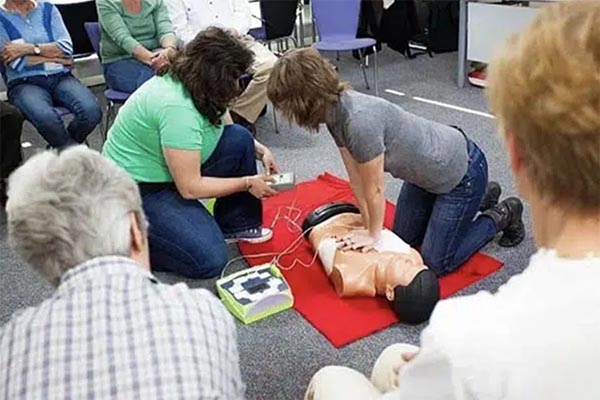
Why Infant CPR Training Should Be a Requirement for Babysitters and Caregivers

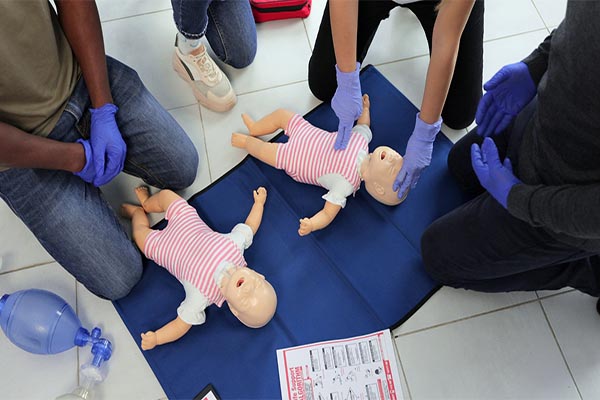
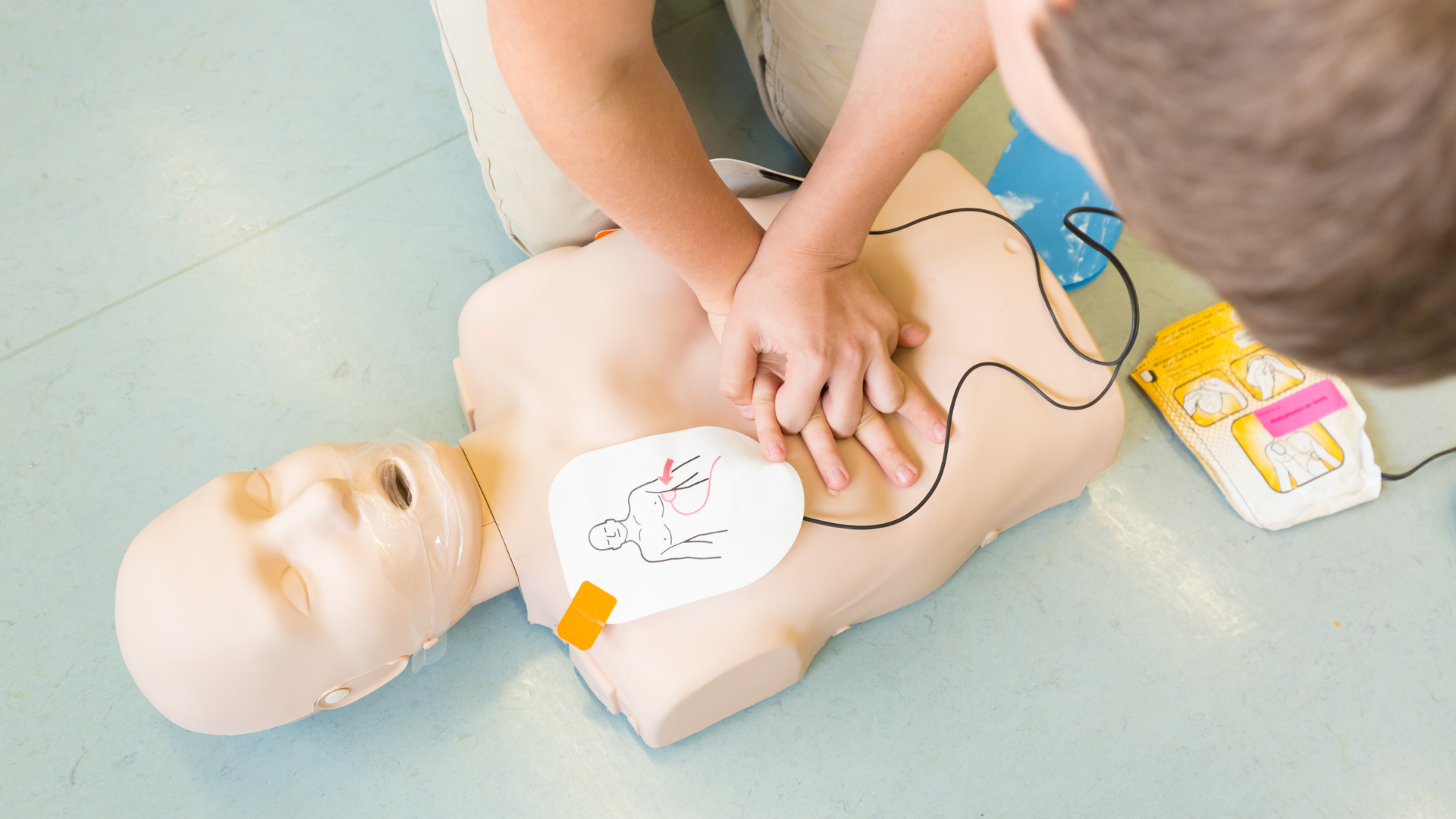
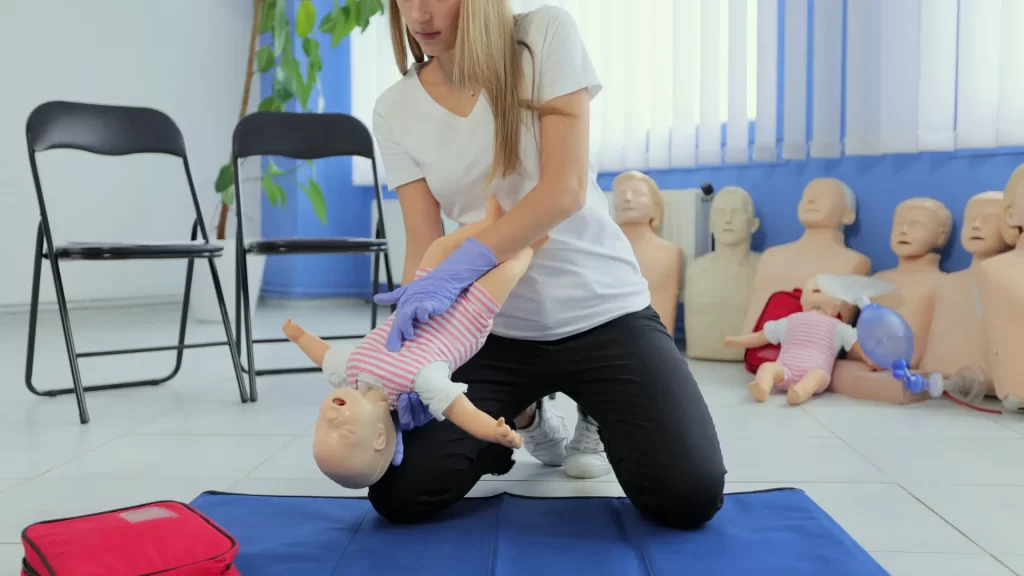
Group of people during the first aid training for baby

Why Infant CPR Training Should Be a Requirement for Babysitters and Caregivers
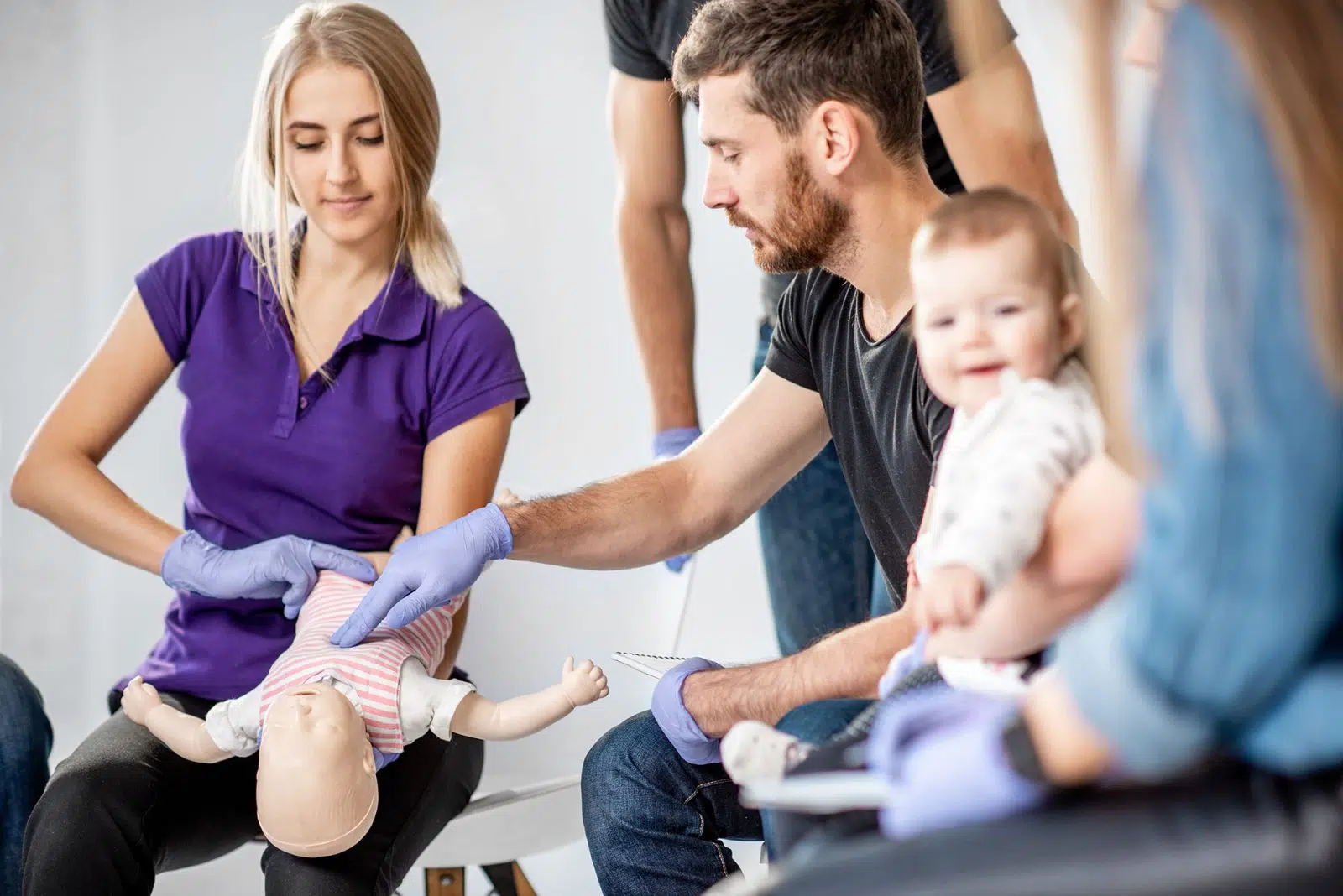
Group of people during the first aid training for baby

When you entrust your child to a babysitter or caregiver, you assume they have the necessary skills to keep your little one safe. But have you ever considered whether they know what to do in a life-threatening emergency, such as when a baby stops breathing? Infant CPR training is a vital skill that can make the difference between life and death in these situations. In this article, we’ll explore why infant CPR training should be a requirement for babysitters and caregivers, the benefits of CPR certification, and how to get trained.

Understanding Infant CPR

Infant CPR, or cardiopulmonary resuscitation, is a lifesaving technique used when a baby is not breathing or their heart has stopped beating. It involves a combination of chest compressions and rescue breaths to help restore blood circulation and breathing. Knowing how to perform CPR on an infant is crucial because their bodies are delicate and require a different approach than CPR for adults or older children.

Why is Infant CPR Different?

Babies are not just smaller versions of adults; their physiology is unique. Their airways are smaller, their bones are more fragile, and their breathing patterns differ. Therefore, the technique and pressure applied during CPR on infants need to be adjusted accordingly. Understanding these differences is a key component of infant CPR training.

Why Infant CPR Training Should Be a Requirement for Babysitters and Caregivers

The Importance of CPR Certification

CPR certification provides formal training and assessment of a person’s ability to perform CPR correctly. This certification is not just a piece of paper—it’s a testament to a caregiver’s commitment to ensuring the safety and well-being of children in their care.

Benefits of Being Certified

  1. Confidence in Emergencies: With CPR certification, caregivers are more likely to remain calm and act effectively during emergencies. This confidence can significantly impact the outcome of a crisis.
  2. Increased Employability: Babysitters and caregivers with CPR certification are often more appealing to parents and employers. It shows a level of professionalism and preparedness that is highly valued.
  3. Safety Assurance: Knowing that a caregiver is certified in infant CPR provides peace of mind to parents, knowing that their child is in capable hands.

Why Infant CPR Training Should Be Mandatory

Ensuring Child Safety

Child safety is a top priority for every parent. Mandatory infant CPR training for caregivers ensures that they are equipped to handle critical situations. When a caregiver knows how to perform CPR, they can act quickly and effectively, which can be life-saving.

Reducing Risks

Accidents happen, and while we cannot prevent all emergencies, we can reduce the risks associated with them. By making CPR training mandatory, we prepare caregivers to deal with potential hazards, thus reducing the likelihood of tragic outcomes.

Setting a Standard

Making infant CPR training a requirement sets a standard of care within the industry. It elevates the level of professionalism among babysitters and caregivers and ensures that everyone entrusted with the care of infants has the necessary skills to protect them.
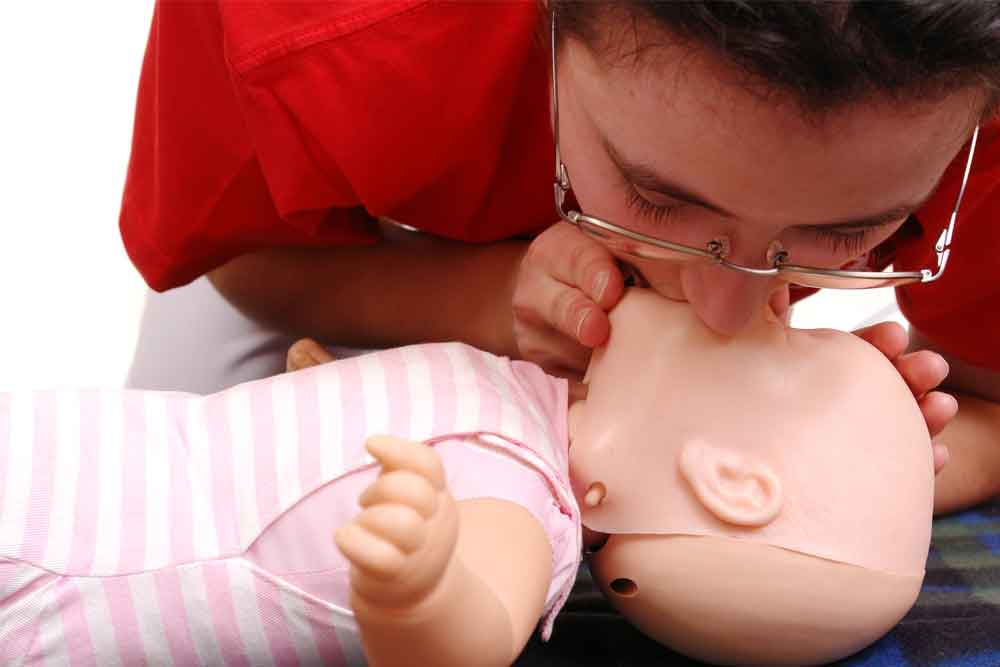
How to Get Infant CPR Training

How to Get Infant CPR Training

There are several ways to obtain CPR training and certification. Many organizations offer courses designed specifically for infant CPR, ensuring that caregivers receive the most relevant and up-to-date information.

Finding a Course

Organizations such as the American Red Cross, American Heart Association, and local community centers often provide CPR certification courses. These courses typically include both theoretical instruction and hands-on practice with mannequins.

Online vs. In-Person Training

While online courses offer convenience, they may lack the hands-on practice necessary to build confidence and muscle memory. In-person training, on the other hand, allows participants to practice techniques under the guidance of certified instructors, providing immediate feedback and corrections.

Keeping Certification Current

CPR certification is not a one-time achievement. It requires periodic renewal to ensure that caregivers remain informed about the latest techniques and guidelines. Staying current with certification also demonstrates a continued commitment to child safety.

Conclusion

Infant CPR training is not just an optional skill for babysitters and caregivers—it’s a necessity. By requiring CPR certification, we can ensure that those responsible for our children’s safety are prepared to act in emergencies. The peace of mind that comes from knowing a caregiver is trained and certified in infant CPR is invaluable. If you are a parent, consider discussing this requirement with your babysitter or caregiver. If you are a caregiver, take the initiative to get certified and set yourself apart as a professional dedicated to the highest standard of care. Remember, a little preparation can make all the difference in a critical moment.

Contact CPR Classes Near Me for CPR and First Aid Classes

If you’re ready to take the important step of ensuring the safety of the children in your care, don’t hesitate to reach out for CPR and First Aid classes. These courses will equip you with the essential skills and knowledge needed to respond effectively in emergencies.

Contact CPR Classes Near Me today to find a class that fits your schedule. Investing in your training not only enhances your qualifications but also provides peace of mind for the families you serve. Remember, being prepared can save lives!
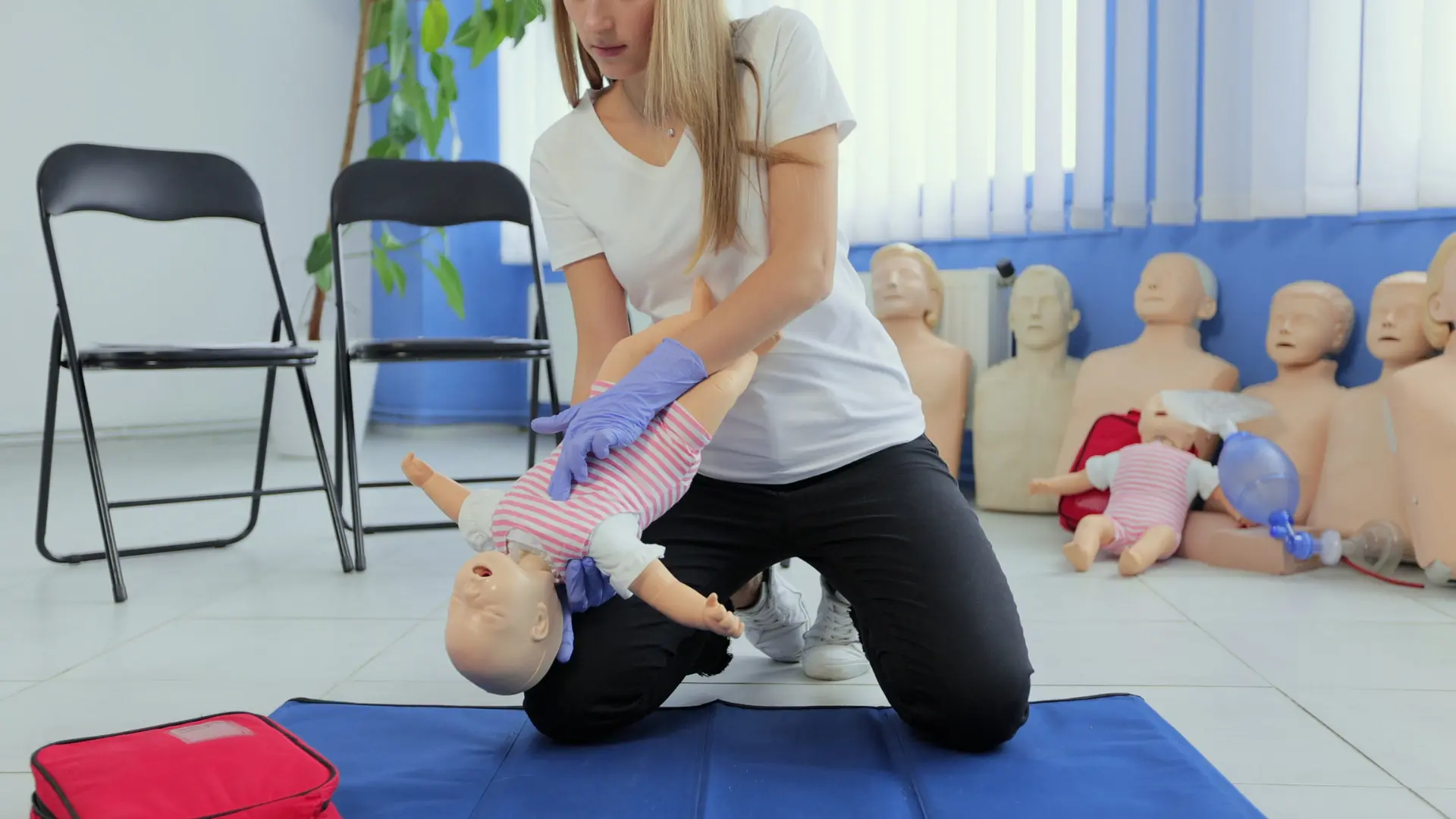
AHA BLS CPR & AED Classes

Starting at $59.95
American Heart Association BLS CPR & AED Certification 
Our CPR Trainers are American Heart Association Certified. We teach the best CPR Classes and deliver your certification eCard the same day. Get your AHA BLS CPR Certification and save now!

FAQ

Our primary goal is to ensure that you receive a top-quality CPR/First Aid certification. With our in-person training in Austin, you can learn CPR and BLS in just one class. Your presence is all that’s needed to continue with your lesson! During your session, you will complete all the live-training components necessary to ensure you receive your AHA Healthcare Provider certification card.

Our CPR Classes in Austin are discounted to $59.95 (saving you $20), and our CPR + First Aid Class is offered at $79.95 (also saving you $20). When looking for CPR Classes, ensure to check for the American Heart Association seal. Other sites might seem cheaper but frequently lack the official training credentials demanded by employers.

Upon successful completion of the course, you will obtain a CPR certification that is valid for two years. The AHA CPR certification is recognized with the highest acceptance rate among employers nationwide.

Indeed! Enroll in any CPR Certification Austin BLS course to extend your certification for an additional two years. The in-person BLS course and the Renewal Class are identical.

Anyone capable of completing the course independently should consider pursuing CPR training and CPR Certification. There is no minimum age restriction for obtaining a CPR certification in Austin through the American Heart Association (AHA)..

CPR training needs to be carried out in person to guarantee its effectiveness. Our experienced instructors offer an engaging and dynamic learning experience. Typically, employers do not recognize CPR certifications that are obtained solely through online courses.

All authorized American Heart Association training centers are obligated to display the entire video. After a three-hour session with CPR Classes Near Me Austin, your BLS CPR eCard will be promptly issued by the instructor on the same day!

Understanding Choking Hazards and Infant CPR Techniques

Giving CPR to an Infant

Understanding Choking Hazards and Infant CPR Techniques

Giving CPR to an Infant

Ensuring the safety and well-being of infants is a paramount concern for every parent and caregiver. The infant stage is a critical period of development where babies are naturally curious and eager to explore their surroundings, often using their mouths as a primary tool for discovery. This innate curiosity, while essential for learning, also exposes them to numerous risks, including choking hazards. Understanding these hazards and knowing how to perform CPR on an infant can make a life-saving difference, allowing caregivers to act swiftly and confidently in critical moments.

In this comprehensive guide, we will delve into the common choking hazards that threaten babies and provide clear, step-by-step guidance on how to perform CPR on an infant. By equipping yourself with this knowledge, you can ensure a safer environment for your child and be prepared to act decisively in emergencies, thereby enhancing your peace of mind and safeguarding the infant’s well-being.

Common Choking Hazards for Infants

Choking is a leading cause of injury and death among children, especially infants who are naturally curious and tend to explore their world by putting objects in their mouths. This behavior is part of their developmental process but can lead to dangerous situations if not carefully monitored. Here are some common choking hazards:

Food Items

Small, round, or hard foods can easily become lodged in a baby’s throat, posing significant risks. Some of the most common food choking hazards include:

  • Grapes and Cherry Tomatoes: These foods are not only the perfect size to block a small airway but also have a smooth, slippery surface that makes them difficult to dislodge once stuck. It is crucial to cut these items into quarters before serving to an infant.
  • Nuts and Seeds: Due to their small size and hard texture, these should be avoided until the child is older and more capable of safely handling them. Nuts and seeds can easily become a choking hazard due to their tendency to break into smaller pieces.
  • Popcorn: The irregular shape and lightweight nature of popcorn make it easy for an infant to inhale, leading to a potential blockage of the airway. It’s best to refrain from giving popcorn to infants and toddlers.
  • Hard Candies and Gum: These items should be strictly avoided for infants and young children due to their potential to stick to the throat or teeth, increasing the risk of choking.

Understanding Choking Hazards and Infant CPR Techniques

Household Objects

Beyond food, many everyday items can pose a choking risk to infants. These objects are often overlooked but can be just as dangerous:

  • Small Toys and Parts: Toys with small parts are a common source of choking hazards. Always check the age recommendations on toys and ensure they are appropriate for your child’s developmental stage. Be vigilant about toys with detachable parts.
  • Coins and Batteries: These are particularly dangerous due to their size and shape. Additionally, batteries pose a chemical hazard if ingested, making it crucial to keep them out of reach.
  • Buttons and Beads: These small objects are often found in household sewing kits or craft supplies. They can be easily swallowed, so it is important to keep them stored securely away from infants.

Tips for Preventing Choking

Prevention is key when it comes to choking hazards. By taking proactive measures, you can significantly reduce the risk of choking incidents. Here are some tips to keep your baby safe:

  • Always supervise your child during meals and playtime: Never leave an infant unattended while they are eating or playing with toys, as this is when they are most likely to put objects in their mouth.
  • Ensure toys are appropriate for your child’s age: Check for any small parts that can come loose, and regularly inspect toys for wear and tear that might create choking hazards.
  • Keep small objects out of reach: This includes not only household items but also items that older children might accidentally leave within an infant’s grasp. Educate older siblings about the dangers of leaving such items around.
  • Educate older siblings about the dangers of choking hazards: Encourage them to be mindful and assist in keeping the environment safe for younger children. Teaching them the importance of safety can foster a responsible attitude.

How to Recognize Choking in Infants

Recognizing the signs of choking is crucial to responding effectively. An infant who is choking may display several visible and audible signs that demand immediate attention. Here is what you should look for:

  • Be unable to cry or make noise: Silence during what should be audible distress is a clear indication that the airway might be blocked.
  • Have difficulty breathing or noisy breathing: Listen for wheezing or high-pitched sounds, as these can indicate that something is obstructing the airway.
  • Show a bluish tint around the lips and face: A lack of oxygen can cause a noticeable change in skin color, particularly around the lips, fingers, and face.
  • Exhibit coughing or gagging: While coughing can be a sign that the body is attempting to clear the obstruction, ineffective coughing or gagging that does not resolve quickly requires immediate action.

If you suspect your child is choking and they are unable to cough effectively, it’s time to act quickly. Swift intervention can prevent severe outcomes and save your child’s life.

Infant CPR Techniques

Infant CPR Techniques

Infant CPR (Cardiopulmonary Resuscitation) is a life-saving technique used in emergencies when a baby is not breathing or their heart has stopped beating. Understanding and practicing these techniques can help you remain calm and effective in a crisis. Here’s a step-by-step guide to performing CPR on an infant:

Step 1: Check Responsiveness

Gently tap the infant’s foot and call their name to see if they respond. This initial check helps determine the level of consciousness and the need for further action. If there is no response, shout for help and have someone call emergency services while you begin CPR, as time is of the essence in such situations.

Step 2: Position the Infant

Lay the baby on their back on a firm, flat surface. This positioning ensures you can perform chest compressions effectively. Keep their head in a neutral position to ensure an open airway, as tilting the head too far back or forward may cause additional obstruction.

Step 3: Perform Chest Compressions

  • Place two fingers in the center of the infant’s chest, just below the nipple line: The placement of your fingers is crucial for effective compressions.
  • Press down hard and fast, about 1.5 inches deep, at a rate of 100-120 compressions per minute: Maintaining the correct depth and pace is vital to mimic the heart’s natural rhythm.
  • Allow the chest to fully recoil between compressions: This ensures the heart can refill with blood, maximizing the effectiveness of the compressions.

Step 4: Open the Airway

Tilt the infant’s head back slightly and lift the chin to open the airway. Be careful not to tilt the head too far back, as this could cause further obstruction rather than relief. This step is critical for ensuring that rescue breaths are effective.

Step 5: Give Rescue Breaths

  • Cover the infant’s nose and mouth with your mouth, creating an airtight seal: This ensures that the breaths you provide are directed into the lungs.
  • Gently blow into the infant’s mouth until you see the chest rise: Give two breaths, each lasting about one second. Watching for chest rise confirms that air is entering the lungs.

Step 6: Continue CPR

Continue the cycle of 30 chest compressions followed by 2 rescue breaths until help arrives or the infant shows signs of life. It’s essential to maintain focus and rhythm throughout this process to maximize its effectiveness.

Practice and Preparedness

While we hope you never have to use these skills, being prepared can make all the difference. Readiness involves not only understanding the techniques but also being equipped to act without hesitation. Here are some ways to ensure you’re ready in case of an emergency:

  • Take a CPR Class: Attending a certified CPR course will provide hands-on practice and the confidence to act in an emergency. These classes often simulate real-life scenarios, allowing you to practice your responses.
  • Keep Emergency Numbers Handy: Have a list of emergency contacts, including your pediatrician and local emergency services, easily accessible. Quick access to these numbers can save precious time.
  • Educate Family Members and Caregivers: Ensure everyone who cares for your child knows CPR techniques and choking hazard prevention. Sharing this knowledge strengthens your support network and ensures that more people are prepared to help if needed.

Conclusion

Understanding choking hazards and knowing how to perform infant CPR are essential skills for parents and caregivers. By taking proactive steps to prevent choking and learning CPR techniques, you can help ensure the safety and well-being of your infant. These skills are not just beneficial; they are crucial in ensuring that you can act quickly and effectively in an emergency.

Remember, preparedness is key, and taking the time to learn these vital skills can make all the difference in protecting the ones you love. Stay informed, stay prepared, and keep your little one safe. By prioritizing education and readiness, you create a secure environment where your child can explore and grow with confidence.

Contact CPR Classes Near Me for Essential CPR and First Aid Training

Don’t wait until an emergency happens! Equip yourself with the life-saving skills needed to protect your infant. Contact CPR Classes Near Me today to enroll in comprehensive CPR and First Aid training. These classes will provide you with hands-on experience and the confidence to act swiftly in critical situations.

Ensure the safety of your child and those around you—reach out now to find a class that fits your schedule!

AHA BLS CPR & AED Classes

Starting at $59.95
American Heart Association BLS CPR & AED Certification 
Our CPR Trainers are American Heart Association Certified. We teach the best CPR Classes and deliver your certification eCard the same day. Get your AHA BLS CPR Certification and save now!

FAQ

Our primary goal is to ensure that you receive a top-quality CPR/First Aid certification. With our in-person training in Austin, you can learn CPR and BLS in just one class. Your presence is all that’s needed to continue with your lesson! During your session, you will complete all the live-training components necessary to ensure you receive your AHA Healthcare Provider certification card.

Our CPR Classes in Austin are discounted to $59.95 (saving you $20), and our CPR + First Aid Class is offered at $79.95 (also saving you $20). When looking for CPR Classes, ensure to check for the American Heart Association seal. Other sites might seem cheaper but frequently lack the official training credentials demanded by employers.

Upon successful completion of the course, you will obtain a CPR certification that is valid for two years. The AHA CPR certification is recognized with the highest acceptance rate among employers nationwide.

Indeed! Enroll in any CPR Certification Austin BLS course to extend your certification for an additional two years. The in-person BLS course and the Renewal Class are identical.

Anyone capable of completing the course independently should consider pursuing CPR training and CPR Certification. There is no minimum age restriction for obtaining a CPR certification in Austin through the American Heart Association (AHA)..

CPR training needs to be carried out in person to guarantee its effectiveness. Our experienced instructors offer an engaging and dynamic learning experience. Typically, employers do not recognize CPR certifications that are obtained solely through online courses.

All authorized American Heart Association training centers are obligated to display the entire video. After a three-hour session with CPR Classes Near Me Austin, your BLS CPR eCard will be promptly issued by the instructor on the same day!

The Role of CPR in Preventing Tragedies at Home

AEDs in Schools

The Role of CPR in Preventing Tragedies at Home

AEDs in Schools

Cardiopulmonary resuscitation, commonly known as CPR, is a life-saving technique that can make the difference between life and death in emergency situations. While many associate CPR with medical professionals, the truth is that anyone can learn and apply this critical skill, especially in the home setting. With the rise of accessible CPR training online, more people can become equipped to handle emergencies effectively.

Understanding the Importance of CPR

CPR is crucial because it helps maintain blood flow to the brain and heart during cardiac arrest. When a person’s heart stops, every second counts. The immediate application of CPR can double or even triple a victim’s chance of survival. Therefore, having CPR training at home can be a significant step in ensuring the safety of loved ones.

The Basics of CPR

CPR involves chest compressions and rescue breaths. The chest compressions help keep the blood circulating, while rescue breaths provide oxygen to the lungs. The process is designed to mimic the heart’s pumping action until professional medical help arrives.

The Role of CPR in Preventing Tragedies at Home

CPR Certifications: Why They Matter

While anyone can perform CPR without certification, obtaining CPR certifications ensures that you are well-prepared to handle an emergency correctly.

The Certification Process

CPR certification courses are designed to teach the correct techniques for performing CPR. These courses are typically available through various organizations such as the American Red Cross and the American Heart Association. They cover the following:

  • Recognizing the signs of cardiac arrest
  • Performing chest compressions and rescue breaths
  • Using an Automated External Defibrillator (AED)
  • Handling choking emergencies

Renewing CPR Certifications

It’s important to note that CPR certifications must be renewed every two years. Techniques and guidelines can change, so staying updated ensures that you have the latest knowledge and skills.

The Rise of CPR Training Online

In today’s digital age, CPR training at home has become more accessible than ever. Online courses provide flexibility and convenience for those with busy schedules.

Advantages of Online CPR Training

Online CPR courses offer several benefits:

  • Flexibility: Learn at your own pace and on your own schedule.
  • Accessibility: Available to anyone with an internet connection.
  • Interactive Learning: Many online courses use videos and simulations to enhance the learning experience.

Choosing the Right Online Course

When selecting an online CPR course, ensure that it is accredited by a reputable organization. Look for courses that provide a comprehensive curriculum, interactive elements, and the option for certification.

Implementing CPR Training at Home

Screenshot

Implementing CPR Training at Home

Incorporating CPR training into your home life can be a simple yet effective step in preparing for emergencies.

Family Involvement

Encourage family members to participate in CPR training. Having multiple people in the household trained in CPR increases the chances of a timely response during an emergency.

Regular Practice

Regularly practicing CPR techniques can help reinforce the skills learned during training. Consider setting aside time for family practice sessions to ensure everyone remains confident in their abilities.

Creating a Home Emergency Plan

In addition to CPR training, it’s essential to have a home emergency plan. This plan should include:

  • Emergency contact numbers
  • Locations of first aid kits and AEDs
  • A clear outline of what to do in different emergency scenarios

Real-Life Impact of CPR

CPR has saved countless lives and continues to be a vital skill in emergencies. Here are a few real-life examples of how CPR training can prevent tragedies at home:

The Story of a Young Hero

A 12-year-old boy named Jack saved his father’s life by performing CPR when he collapsed at home. Jack had learned CPR through a school program, highlighting the importance of early CPR education.

A Mother’s Quick Response

When her toddler stopped breathing, a mother in Texas immediately performed CPR, a skill she learned from an online course. Her swift action ensured her child received the necessary care until paramedics arrived.

Encouraging CPR Awareness in the Community

Raising awareness about the importance of CPR within your community can amplify its benefits.

Hosting CPR Workshops

Consider organizing CPR workshops in your neighborhood or community center. These events can be an excellent opportunity for people to learn and practice CPR techniques.

Partnering with Local Organizations

Collaborate with local schools, community centers, or health organizations to promote CPR training. Partnerships can help reach a wider audience and emphasize the importance of this life-saving skill.

Conclusion

CPR is a critical skill that can prevent tragedies and save lives, especially in home settings. With the availability of CPR certifications and CPR training online, learning this skill is more accessible than ever. By making CPR training a priority in your home and community, you are taking a proactive step towards ensuring the safety and well-being of those around you.

Invest in CPR training today—because when seconds count, being prepared can make all the difference.

Get Trained Today: Contact CPR Classes Near Me for CPR and First Aid Classes!

Don’t wait until it’s too late! Equip yourself and your loved ones with the life-saving skills of CPR and First Aid. Contact CPR Classes Near Me to find a course that fits your schedule and location. Whether you’re a beginner or looking to renew your certification, our accredited classes will prepare you to respond effectively in emergencies. Take the first step towards safety—reach out today!

AHA BLS CPR & AED Classes

Starting at $59.95
American Heart Association BLS CPR & AED Certification 
Our CPR Trainers are American Heart Association Certified. We teach the best CPR Classes and deliver your certification eCard the same day. Get your AHA BLS CPR Certification and save now!

FAQ

Our primary goal is to ensure that you receive a top-quality CPR/First Aid certification. With our in-person training in Austin, you can learn CPR and BLS in just one class. Your presence is all that’s needed to continue with your lesson! During your session, you will complete all the live-training components necessary to ensure you receive your AHA Healthcare Provider certification card.

Our CPR Classes in Austin are discounted to $59.95 (saving you $20), and our CPR + First Aid Class is offered at $79.95 (also saving you $20). When looking for CPR Classes, ensure to check for the American Heart Association seal. Other sites might seem cheaper but frequently lack the official training credentials demanded by employers.

Upon successful completion of the course, you will obtain a CPR certification that is valid for two years. The AHA CPR certification is recognized with the highest acceptance rate among employers nationwide.

Indeed! Enroll in any CPR Certification Austin BLS course to extend your certification for an additional two years. The in-person BLS course and the Renewal Class are identical.

Anyone capable of completing the course independently should consider pursuing CPR training and CPR Certification. There is no minimum age restriction for obtaining a CPR certification in Austin through the American Heart Association (AHA)..

CPR training needs to be carried out in person to guarantee its effectiveness. Our experienced instructors offer an engaging and dynamic learning experience. Typically, employers do not recognize CPR certifications that are obtained solely through online courses.

All authorized American Heart Association training centers are obligated to display the entire video. After a three-hour session with CPR Classes Near Me Austin, your BLS CPR eCard will be promptly issued by the instructor on the same day!