CPR Certification in Columbus: Your Complete Guide to Requirements, Cost, and Validity

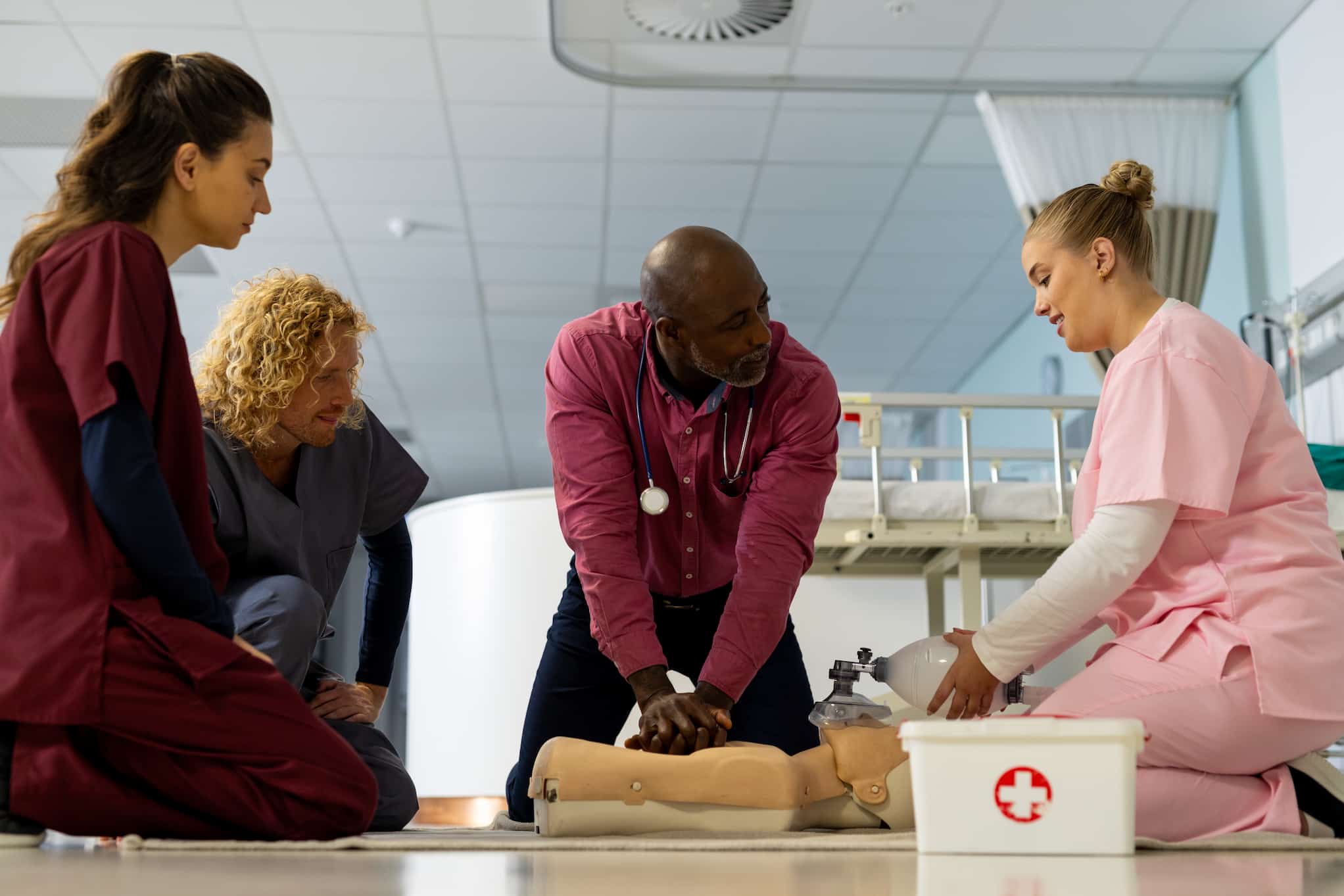
Medical team practicing CPR on a training manikin in a hospital setting

Have you ever found yourself in a situation where you wished you knew exactly what to do in an emergency? In a vibrant city like Columbus—from the bustling Short North to the quiet suburbs of Upper Arlington—emergencies can happen anywhere. Whether you’re a nurse at Ohio State, a coach for a local youth league, or a parent who wants to keep their family safe, getting CPR certified is one of the most impactful things you can do.

But if you’ve started looking for “CPR classes near me,” you’ve probably noticed there is a lot of information to sift through. How much should you pay? How long does that little card actually last? And what does the state of Ohio actually require for your specific job?

In this guide, we’re breaking down everything you need to know about getting your CPR certification in Columbus. We’ll cover the costs, the legal requirements, and how to make sure your certification is valid when you need it most.

What are the CPR certification requirements in Columbus?

In Columbus, CPR requirements are generally dictated by your profession and Ohio state law. While anyone can take a class for personal knowledge, many local workers are legally mandated to maintain a current certification.

For healthcare providers, the standard is usually Basic Life Support (BLS). This includes nurses, EMTs, and dental professionals. In Columbus, institutions like the OSU College of Nursing specifically require AHA-accredited BLS certification.

For non-healthcare workers, the requirements vary:

  • School Coaches: Ohio law requires all school coaches to be CPR certified and trained in the use of an Automated External Defibrillator (AED).
  • High School Students: Since the 2017-2018 school year, Ohio requires high schoolers to receive CPR training before graduation.
  • Childcare Providers: In-home aides and daycare workers must have CPR and First Aid training appropriate for the ages of the children they serve.
  • General Workplace: Many Columbus businesses follow OSHA guidelines, which may require designated first aid responders to be CPR certified.

How much does CPR certification cost in Columbus?

Cost is often the first thing people look at when choosing a class. In Columbus, the price of a CPR course depends on the level of training and the provider you choose. Generally, you can expect to pay between $50 and $110 for a high-quality, accredited course.

Here is a breakdown of average pricing you’ll find in the Columbus area:

  1. Basic Life Support (BLS): Typically ranges from $60 to $80. This is the “gold standard” for medical professionals.
  2. Heartsaver CPR & AED: Usually costs between $50 and $70. This is designed for the general public and “lay” responders.
  3. Combined CPR and First Aid: These comprehensive classes usually run between $80 and $110.
  4. Online-Only Courses: You might see “online-only” options for as low as $15 to $30. However, be cautious: most Columbus employers and state licensing boards require a hands-on skills assessment to consider the certification valid.

At CPR Classes Near Me, we focus on providing value through expert instruction that ensures you actually know the skills when the clock starts ticking, rather than just passing a test.

How long is a CPR certification valid in Ohio?

The standard validity period for CPR certification in Columbus—and across the United States—is two years. This applies to certifications from the American Heart Association (AHA) and the American Red Cross.

Why only two years? It isn’t just a random number. There are three main reasons:

  • Skill Degradation: Research shows that CPR skills, especially the depth and rate of chest compressions, begin to decline significantly within 12 months of training.
  • Updated Guidelines: Science evolves. Organizations like the AHA update their “ECC Guidelines” regularly to reflect new medical research that can improve survival rates.
  • Confidence: Regular recertification ensures that if you ever have to use these skills in a real-world Columbus emergency, you won’t hesitate because you’re unsure of the steps.

Keep in mind that some specialized certifications, like Bloodborne Pathogens (BBP), may only be valid for one year. Always check the expiration date printed on your physical or digital eCard.

What is the difference between BLS and Heartsaver?

When searching for classes in Columbus, you’ll likely see two main options: BLS and Heartsaver. Choosing the wrong one could mean your employer won’t accept your card.

BLS (Basic Life Support):

  • Who it’s for: Doctors, nurses, paramedics, dentists, and healthcare students.
  • What you learn: High-quality CPR for adults, children, and infants; 2-rescuer scenarios; use of a bag-valve mask (BVM); and advanced airway management.
  • Requirement: Required for almost all clinical roles in the Columbus medical community.

Heartsaver:

  • Who it’s for: Teachers, fitness trainers, construction workers, and the general public.
  • What you learn: Basic CPR techniques, AED usage, and how to help someone who is choking.
  • Requirement: Meets OSHA requirements for most non-medical workplaces.

Can I get my CPR certification online in Columbus?

Yes and no. This is a common point of confusion for many Columbus residents. You can certainly complete the “knowledge” portion of your training online. This is often called “Blended Learning.”

However, to receive a certification that is accepted by the Ohio Department of Education, the Board of Nursing, or most local employers, you must complete an in-person skills check. During this session, an instructor watches you perform compressions and use an AED on a manikin to ensure your technique is correct.

If a website offers you a “100% online” certification without a hands-on component for a very low price, it is highly likely that your employer will not accept it.

Where can I find the best CPR classes in Columbus?

Columbus offers a variety of locations for training, from dedicated safety centers to mobile instructors who come to your office. When looking for the best fit, consider:

  • Location: Is it near major hubs like Easton, Clintonville, or Downtown?
  • Schedule: Do they offer weekend or evening classes for busy professionals?
  • Same-Day Cards: Does the provider issue your digital eCard immediately after class?
  • Instructor Quality: Are the instructors experienced in real-life emergency response?

At CPR Classes Near Me, we pride ourselves on making the process seamless. We understand that your time is valuable, so we focus on efficient, high-energy classes that get you certified and back to your day.

Why should I choose CPR Classes Near Me?

We know you have choices when it comes to safety training in Central Ohio. We differentiate ourselves by offering a stress-free environment where the focus is on “doing” rather than just “listening.”

Our Columbus classes are designed to be:

  • Engaging: No “death by PowerPoint.” We use hands-on practice to build muscle memory.
  • Current: All our curriculum follows the latest AHA and Red Cross guidelines.
  • Convenient: With multiple sessions and easy online registration, we fit into your schedule.
  • Professional: Whether you need a single seat or training for an entire corporate team, we handle the logistics so you don’t have to.

Conclusion

Getting your CPR certification in Columbus is a straightforward process once you know the requirements. Remember that most professional certifications stay valid for two years, and while the cost can vary, the investment is small compared to the life-saving potential you gain. Whether you need BLS for your medical career or Heartsaver for your workplace, ensure you choose a provider that offers the hands-on training required for true validity.

Ready to gain the skills to save a life? Contact CPR Classes Near Me today to find a session that fits your schedule and get certified by the best in Columbus!

FAQ: Frequently Asked Questions about Columbus CPR Certification

Q: Do I need to bring anything to my CPR class?

A: Generally, you just need to bring yourself and a positive attitude. If you are doing a “Blended Learning” course, you must bring your online completion certificate (digital or printed). We provide all the manikins, AED trainers, and breathing barriers needed for the session.

Q: Is there a test I have to pass?

A: For BLS (Healthcare) certifications, there is a written exam and a skills test. For Heartsaver (General Public) courses, the focus is primarily on the skills test. Our instructors are there to help you succeed, and we will work with you until you feel confident in your technique.

Q: What happens if my CPR card expires?

A: Once the two-year mark passes, your certification is no longer valid. In Ohio, there is no “grace period.” If your card is expired, you usually cannot take a “Renewal” or “Update” course; you must retake the full initial provider course to become certified again.

Q: Are Columbus CPR cards valid in other states?

A: Yes. Because we provide certifications through nationally recognized bodies like the AHA and Red Cross, your Columbus CPR card is valid across the United States.

Q: How quickly will I get my card after the class?

A: We know you often need your card for work immediately. Most of our students receive their digital eCard via email the very same day they complete their training.

What Employers in Columbus Look for in CPR Certification

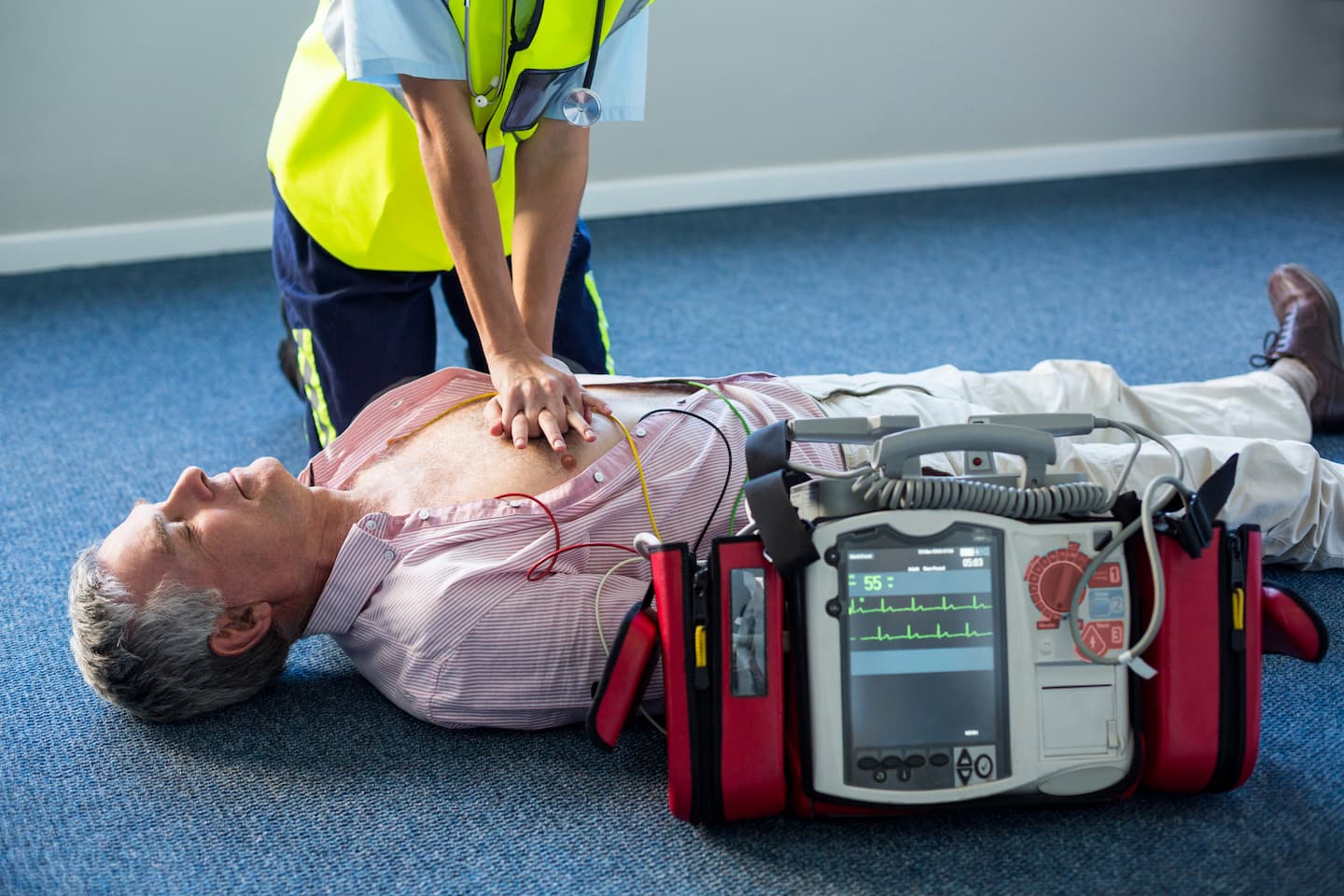
Paramedic performing CPR with defibrillator on cardiac arrest patient

If you are job hunting in the “Arch City,” you already know that Columbus has one of the most competitive and diverse job markets in the Midwest. From the massive healthcare systems like OhioHealth and Nationwide Children’s Hospital to the booming education and construction sectors, safety is a top priority.

For many of these roles, having a CPR certification isn’t just a “plus”—it’s a non-negotiable requirement. However, not all certifications are created equal. If you show up to an interview with a certificate that your employer won’t accept, you could lose out on the position.

In this guide, we will break down exactly what Columbus employers are looking for, which certifications carry the most weight, and how you can get certified fast to land your dream job.

Why is the American Heart Association (AHA) the Gold Standard in Columbus?

When a hiring manager in Columbus looks at your resume, they are specifically looking for the American Heart Association (AHA) heart shield. But why is this specific brand so important?

The AHA is the leader in cardiac science. They set the guidelines that almost every other organization follows. Because their standards are so rigorous, employers trust that an AHA-certified individual actually knows how to handle a high-pressure cardiac emergency.

In Columbus, particularly within the healthcare corridor, the AHA BLS (Basic Life Support) course is the primary requirement. Most clinical environments will not accept “off-brand” or online-only certifications because they lack the AHA’s strict quality control and hands-on testing requirements.

Is an Online-Only CPR Certification Accepted by Employers?

This is perhaps the most common mistake job seekers make. You might find a website offering a “30-minute online CPR course” for $20. While this might seem convenient, it is rarely accepted by Columbus employers.

  • Hands-On Skills Matter: Most professions, especially those regulated by OSHA, require a hands-on skills assessment. You cannot learn the physical depth of a chest compression or the “feel” of an AED by clicking through slides.
  • Verification Issues: Employers need to verify your credentials. AHA eCards come with a unique ID and QR code that employers can instantly verify through the official portal.
  • Reliability: In-person training at a local Columbus site ensures you are being coached by an expert who can correct your form in real-time.

Which Industries in Columbus Require CPR Certification?

Columbus is a hub for several industries that mandate life-saving training. If you are entering any of the following fields, you should secure your AHA BLS certification immediately:

  1. Healthcare and Nursing: RNs, LPNs, CNAs, and dental assistants at facilities like The Ohio State University Wexner Medical Center must have valid BLS credentials.
  2. Education and Childcare: Teachers, daycare providers, and school coaches in the Columbus City School district are often required to be certified in CPR and First Aid.
  3. Fitness and Athletics: Personal trainers at local gyms and swim instructors at community pools must be prepared for cardiac events.
  4. Construction and Skilled Trades: Electricians and site foremen often need CPR training to comply with OSHA safety standards on job sites.
  5. Hospitality and Flight: Flight attendants and hotel safety staff frequently carry these certifications to ensure guest safety.

What Specific Skills Must Your Certification Include?

A Columbus employer wants to know that you are a well-rounded responder. A “basic” CPR card might not be enough. Most employers look for a certification that covers the full spectrum of emergency response:

  • Adult, Child, and Infant CPR: You must be able to adapt your technique based on the size and age of the victim.
  • AED Training: Automated External Defibrillators are everywhere in Columbus—from John Glenn International Airport to the Short North. Employers need to know you can operate one safely.
  • Choking Relief: Knowing how to clear an airway for a conscious or unconscious victim is a vital workplace skill.
  • Rescue Breathing: Proper ventilation techniques are a core component of the BLS curriculum.

How Fast Can You Get Your Certification Card?

In the past, you had to wait weeks for a paper card to arrive in the mail. In today’s fast-paced Columbus economy, employers expect you to be ready to work “yesterday.”

That is why Same-Day eCards are a game changer. When you train with a local provider like CPR Classes Near Me Columbus, your electronic certification is issued the very same day you finish your class. You can download the PDF and email it to your recruiter before you even leave the parking lot.

What is the Difference Between CPR and BLS?

Many applicants are confused by the terminology. Here is a simple breakdown to help you choose the right class:

  • Heartsaver CPR/First Aid: This is generally for “lay rescuers”—people like teachers, coaches, and construction workers. It covers the basics and is perfect for general workplace compliance.
  • BLS (Basic Life Support): This is the higher-level “Healthcare Provider” version. It is faster-paced and includes more advanced techniques like multi-rescuer coordination and bag-mask ventilation.

Pro Tip: If you aren’t sure which one to get, go with BLS. It is the most widely accepted and “backward compatible” credential, meaning it almost always satisfies the requirements for lower-level positions as well.

Why Should You Choose Local Training in Columbus?

Training locally isn’t just about convenience; it’s about community context. Local instructors understand the specific needs of Columbus businesses. Whether you are in Dublin, Westerville, Gahanna, or Grove City, training with a local AHA-aligned site ensures:

  • No Pre-Work Required: You can show up and get everything done in one three-hour session.
  • Expert Instruction: You learn from professionals who understand the local emergency response landscape.
  • Cost-Effectiveness: Local classes are often more affordable than large national seminars. Currently, Columbus BLS classes are available for as low as $59.95.

Conclusion

Landing a job in Columbus requires preparation. By securing an American Heart Association BLS certification, you are telling employers that you are professional, prepared, and capable of saving a life. Don’t let an invalid or online-only certificate stand between you and your next career move.

Ready to get certified? Contact CPR Classes Near Me Columbus today to schedule your class and receive your AHA eCard the same day!

Frequently Asked Questions (FAQ)

Q: How do I know if my employer accepts my CPR card?

A: Most Columbus employers specifically request “AHA” or “American Heart Association” certification. If your card has the AHA heart shield logo on it, it is the most widely accepted credential in the nation.

Q: How long does the CPR certification last in Ohio?

A: Your AHA BLS or Heartsaver certification is valid for two years from the date of issue. After two years, you must take a renewal course to maintain your credentials.

Q: Can I get my First Aid and CPR at the same time?

A: Yes! Many employers in Columbus require both. You can enroll in a combined CPR and First Aid course to get both certifications in a single session, saving you both time and money.

Q: Is there an age requirement for CPR certification?

A: There is no formal minimum age. As long as the individual can perform the physical requirements of chest compressions and pass the skills test, they can become certified.

Q: What if I lost my CPR card?

A: If you were certified through the AHA, your eCard is stored digitally. You can log into the AHA portal or contact your training site to have your eCard resent to your email instantly.

Why Infant CPR Training Should Be a Requirement for Babysitters and Caregivers

Group of people during the first aid training for baby

Why Infant CPR Training Should Be a Requirement for Babysitters and Caregivers

Group of people during the first aid training for baby

When you entrust your child to a babysitter or caregiver, you assume they have the necessary skills to keep your little one safe. But have you ever considered whether they know what to do in a life-threatening emergency, such as when a baby stops breathing? Infant CPR training is a vital skill that can make the difference between life and death in these situations. In this article, we’ll explore why infant CPR training should be a requirement for babysitters and caregivers, the benefits of CPR certification, and how to get trained.

Understanding Infant CPR

Infant CPR, or cardiopulmonary resuscitation, is a lifesaving technique used when a baby is not breathing or their heart has stopped beating. It involves a combination of chest compressions and rescue breaths to help restore blood circulation and breathing. Knowing how to perform CPR on an infant is crucial because their bodies are delicate and require a different approach than CPR for adults or older children.

Why is Infant CPR Different?

Babies are not just smaller versions of adults; their physiology is unique. Their airways are smaller, their bones are more fragile, and their breathing patterns differ. Therefore, the technique and pressure applied during CPR on infants need to be adjusted accordingly. Understanding these differences is a key component of infant CPR training.

Why Infant CPR Training Should Be a Requirement for Babysitters and Caregivers

The Importance of CPR Certification

CPR certification provides formal training and assessment of a person’s ability to perform CPR correctly. This certification is not just a piece of paper—it’s a testament to a caregiver’s commitment to ensuring the safety and well-being of children in their care.

Benefits of Being Certified

  1. Confidence in Emergencies: With CPR certification, caregivers are more likely to remain calm and act effectively during emergencies. This confidence can significantly impact the outcome of a crisis.
  2. Increased Employability: Babysitters and caregivers with CPR certification are often more appealing to parents and employers. It shows a level of professionalism and preparedness that is highly valued.
  3. Safety Assurance: Knowing that a caregiver is certified in infant CPR provides peace of mind to parents, knowing that their child is in capable hands.

Why Infant CPR Training Should Be Mandatory

Ensuring Child Safety

Child safety is a top priority for every parent. Mandatory infant CPR training for caregivers ensures that they are equipped to handle critical situations. When a caregiver knows how to perform CPR, they can act quickly and effectively, which can be life-saving.

Reducing Risks

Accidents happen, and while we cannot prevent all emergencies, we can reduce the risks associated with them. By making CPR training mandatory, we prepare caregivers to deal with potential hazards, thus reducing the likelihood of tragic outcomes.

Setting a Standard

Making infant CPR training a requirement sets a standard of care within the industry. It elevates the level of professionalism among babysitters and caregivers and ensures that everyone entrusted with the care of infants has the necessary skills to protect them.

How to Get Infant CPR Training

How to Get Infant CPR Training

There are several ways to obtain CPR training and certification. Many organizations offer courses designed specifically for infant CPR, ensuring that caregivers receive the most relevant and up-to-date information.

Finding a Course

Organizations such as the American Red Cross, American Heart Association, and local community centers often provide CPR certification courses. These courses typically include both theoretical instruction and hands-on practice with mannequins.

Online vs. In-Person Training

While online courses offer convenience, they may lack the hands-on practice necessary to build confidence and muscle memory. In-person training, on the other hand, allows participants to practice techniques under the guidance of certified instructors, providing immediate feedback and corrections.

Keeping Certification Current

CPR certification is not a one-time achievement. It requires periodic renewal to ensure that caregivers remain informed about the latest techniques and guidelines. Staying current with certification also demonstrates a continued commitment to child safety.

Conclusion

Infant CPR training is not just an optional skill for babysitters and caregivers—it’s a necessity. By requiring CPR certification, we can ensure that those responsible for our children’s safety are prepared to act in emergencies. The peace of mind that comes from knowing a caregiver is trained and certified in infant CPR is invaluable. If you are a parent, consider discussing this requirement with your babysitter or caregiver. If you are a caregiver, take the initiative to get certified and set yourself apart as a professional dedicated to the highest standard of care. Remember, a little preparation can make all the difference in a critical moment.

Contact CPR Classes Near Me for CPR and First Aid Classes

If you’re ready to take the important step of ensuring the safety of the children in your care, don’t hesitate to reach out for CPR and First Aid classes. These courses will equip you with the essential skills and knowledge needed to respond effectively in emergencies.

Contact CPR Classes Near Me today to find a class that fits your schedule. Investing in your training not only enhances your qualifications but also provides peace of mind for the families you serve. Remember, being prepared can save lives!

AHA BLS CPR & AED Classes

Starting at $59.95
American Heart Association BLS CPR & AED Certification 
Our CPR Trainers are American Heart Association Certified. We teach the best CPR Classes and deliver your certification eCard the same day. Get your AHA BLS CPR Certification and save now!

FAQ

Our primary goal is to ensure that you receive a top-quality CPR/First Aid certification. With our in-person training in Austin, you can learn CPR and BLS in just one class. Your presence is all that’s needed to continue with your lesson! During your session, you will complete all the live-training components necessary to ensure you receive your AHA Healthcare Provider certification card.

Our CPR Classes in Austin are discounted to $59.95 (saving you $20), and our CPR + First Aid Class is offered at $79.95 (also saving you $20). When looking for CPR Classes, ensure to check for the American Heart Association seal. Other sites might seem cheaper but frequently lack the official training credentials demanded by employers.

Upon successful completion of the course, you will obtain a CPR certification that is valid for two years. The AHA CPR certification is recognized with the highest acceptance rate among employers nationwide.

Indeed! Enroll in any CPR Certification Austin BLS course to extend your certification for an additional two years. The in-person BLS course and the Renewal Class are identical.

Anyone capable of completing the course independently should consider pursuing CPR training and CPR Certification. There is no minimum age restriction for obtaining a CPR certification in Austin through the American Heart Association (AHA)..

CPR training needs to be carried out in person to guarantee its effectiveness. Our experienced instructors offer an engaging and dynamic learning experience. Typically, employers do not recognize CPR certifications that are obtained solely through online courses.

All authorized American Heart Association training centers are obligated to display the entire video. After a three-hour session with CPR Classes Near Me Austin, your BLS CPR eCard will be promptly issued by the instructor on the same day!