TL;DR (Too Long; Didn’t Read)
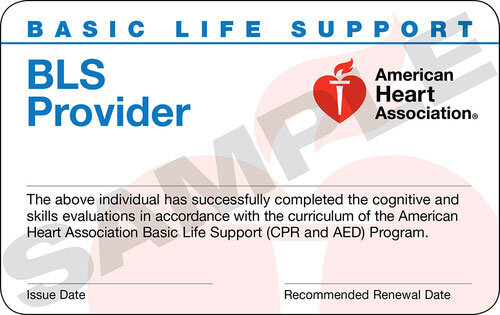
The official American Heart Association (AHA) CPR certification is a digital eCard, not a physical card. To look up your eCard, follow two main steps:
- Claim Your Card: Wait for the official email from eCards@heart.org and follow the link to claim your eCard, set your security question, and complete the course survey. (If you trained with CPR Classes Near Me Washington DC, this is often Same-Day.)
- Use the AHA Search Page: If you lose the email, go to the official AHA eCards search portal and use the “Student” tab to search using your exact Name and Email or the unique eCard Code.
Troubleshooting: If you can’t find your card, contact your Training Center (TC). They are the only ones who can correct typos or confirm issuance status, as the AHA National Center cannot edit student data.
For Employers: Verification is instant using the eCard Code on the “Employer” tab of the AHA search portal, confirming authenticity and current status.
Don’t let your card expire! Get Your CPR Certification with CPR Classes Near Me Today for guaranteed, same-day AHA BLS certification.
Why is Knowing How to Look Up My AHA Certification So Important?
In the professional world, especially in healthcare, education, or fitness, having a valid CPR certification isn’t just a recommendation, it’s often a strict employment requirement. The American Heart Association (AHA) Basic Life Support (BLS) certification is the gold standard, widely accepted by employers nationwide.
But what happens when you need to prove your certification instantly, and your wallet card is nowhere to be found? Or perhaps your employer needs to verify your credentials to meet compliance standards?
Fortunately, the days of hunting for a physical card are over. The AHA has streamlined the process through its digital system, issuing secure electronic cards, or eCards, which make lookup and verification simple.
This comprehensive guide breaks down exactly how to navigate the AHA’s online portal to find your certification, what key information you need to have ready, and troubleshooting steps if your card seems to have vanished. We’ll cover the process from the student’s perspective and the employer’s perspective, providing you with a complete roadmap to managing your life-saving credentials.
How Is the AHA eCard System More Secure Than the Old Physical Cards?
The shift from physical cards to digital eCards represents a massive upgrade in security, efficiency, and accessibility for both students and employers.
The older physical cards were susceptible to several issues:
- Loss and Damage: A paper or laminated card could easily be misplaced, damaged in a wallet, or destroyed over time. Replacing it often meant contacting the Training Center, waiting for processing, and potentially paying a fee.
- Fraud Risk: While rare, physical cards could theoretically be counterfeited or altered, making verification a time-consuming process that often required a phone call to the issuing Training Center.
The new digital eCard system, which is utilized by certified providers like CPR Classes Near Me, resolves these issues by centralizing and securing the data:
- Digital Traceability: Every eCard is linked to a unique alphanumeric eCard Code and a secure URL on the AHA’s centralized database. This means the card’s authenticity can be verified instantly against the official AHA roster.
- Instant Verification: Employers no longer have to call Training Centers. They can use the eCard Code or QR code directly on the AHA’s dedicated verification portal to confirm the certification status, expiration date, and the identity of the issuing Training Center.
- Data Integrity: The information on your eCard (like your name, course type, and completion date) is digitally populated by your certified Training Center. Any attempt to alter the digital file will invalidate the verification process, making the system highly resistant to fraud.
- Immediate Access: Once claimed, the eCard can be viewed, downloaded, saved to a mobile device, or emailed instantly, ensuring you always have proof of certification on hand.
This digital infrastructure ensures that the proof of your life-saving skills is always authentic, immediately accessible, and easy for any employer or regulatory board to confirm.
How Do I Claim My AHA eCard Immediately After Class Completion?
The very first step to looking up your card is claiming it. If you have recently completed your BLS or CPR course, the process is straightforward, but it relies heavily on information submitted by your Training Center (TC).
Here is the step-by-step process for claiming your eCard:
1. Check Your Email Inbox
Your Training Center must submit your information to the AHA’s system. Once submitted, you will receive an official email invitation to claim your eCard.
- Who Sent It? The email will come from the official American Heart Association address: eCards@heart.org (or sometimes No-eccreply@heart.org).
- Subject Line: Look for a subject line that mentions “eCard” and invites you to claim your certification.
- Check Everywhere: Check your junk, spam, or promotions folders. Due to the automated nature of the email, it may get filtered incorrectly by aggressive email security settings, especially if you used a work or school email address.
2. Follow the Claim Link
The email contains a secure, personalized link that directs you to the AHA’s student profile webpage.
- Data Confirmation: Once you click the link, you’ll be prompted to confirm the accuracy of your profile information. Check your:
- First Name
- Last Name
- Email Address
- Course Type and Completion Date
- Training Center Name
- Address Discrepancy: If any information is incorrect (especially your name), do not proceed. Contact your Training Center immediately so they can correct the error in the system. An incorrect name on your certification may lead to employer rejection.
3. Set Up Security and Complete the Survey
To protect your credentials and help the AHA improve its programs, you must complete two final administrative steps:
- Security Question: You will be required to set up a security question and answer. This is vital for future access to your eCard, especially if you lose the original claim email or forget your eCard code.
- Course Evaluation Survey: You must complete a short survey about the course you just finished. This provides valuable feedback and is a required part of the claiming process.
4. View, Download, and Save Your eCard
Once the survey is complete, your eCard will display on the screen.
- Viewing Options: You can choose to view the eCard in either “Full” size or “Wallet” size format.
- Download and Print: Use the download function to save a digital copy (PDF) to your computer or mobile device. You can print this copy for your records or employer.
- Confirmation Email: Once claimed, you will receive a second email notification confirming that the card is now claimed and providing a link for future access. Save this email!
What Should I Do If I Never Received the AHA Claim Email?
It’s surprisingly common for students to miss the eCard claim email. This might be due to spam filters, an incorrect email address being entered by the Training Center, or the card simply not having been issued yet.
If you have waited more than 72 hours since class completion and still haven’t received the email, don’t panic. The best course of action is to use the official lookup page directly.
Step-by-Step Direct Online Lookup
This method uses the AHA’s Student Search function to find your eCard without the original email link.
2. Select the “Student” Tab
- The page has two tabs: “Student” and “Employer.” Ensure you are on the “Student” tab.
3. Enter Your Identification Details
You have two primary options for searching:
- Option A: Search by Name and Email (The Most Common Method)
- Enter your First Name and Last Name exactly as they were provided to your Training Center during registration.
- Enter the Email Address you provided for the class registration.
- Troubleshooting Tip: Try every possible email address you might have used (personal, work, school). Also, check for common spelling errors in your name or reversed first/last names.
- Option B: Search by eCard Code (If You Have It)
- If you somehow received the eCard Code from your Training Center but lost the email, enter the code at the bottom of the search page. This bypasses the name and email fields.
4. Search and Claim
- Select “Search.” If the system finds a match, you will be directed to the “My eCards” page.
- If the card status is “Unclaimed,” select “Claim” and follow the prompts to set your security question and complete the survey.
Troubleshooting: When the Card Cannot Be Found
If the search yields “No eCard found,” follow this troubleshooting hierarchy:
- Action 1: Wait for the Processing Window.
- Have you waited 20 business days? While many TCs (like CPR Classes Near Me DC) issue cards same-day, the AHA legally allows Training Centers up to 20 business days (M-F, not including holidays) to issue the card. Wait a bit longer if the class was recent.
- Action 2: Contact Your Training Center (TC).
- Call or email the organization that conducted your class. The TC is the only entity that can correct administrative errors (typos in name/email), confirm if the card was successfully issued, or issue a replacement if necessary. The AHA National Center cannot directly fix student data.
- Action 3: Check for RQI or Alternate Systems.
- If your Training Center mentioned using RQI, use the specific RQI verification link. Some specialized institutions use the Resuscitation Quality Improvement (RQI) program, which has a separate verification link. Your TC should confirm if this is the case.
Can My Employer Verify My Certification Instantly, and How Does That Work?
One of the most powerful features of the AHA eCard system is the instant employer verification process. This makes the AHA BLS card, such as those earned through CPR Classes Near Me, the most widely accepted certification nationwide, largely because its authenticity is indisputable.
The process requires the eCard Code, which the student should provide to the employer.
Employer Verification Steps
1. Access the eCards Search Page
- The employer navigates to the same official AHA eCards search portal.
2. Select the “Employer” Tab
- Employers must switch from the “Student” tab to the “Employer” or “Verify” tab.
3. Input the eCard Code
- The employer inputs the unique eCard Code provided by the student (or multiple codes for multiple employees, up to 20 at a time).
- If the student provided a printed copy, the employer may also use a mobile device to scan the QR code located on the eCard.
4. Verification Result
The system instantly returns one of the following statuses, confirming the card’s authenticity and details:
- Valid/Claimed: The card is authentic, claimed by the student, and the expiration date is current. Verification successful.
- Unclaimed: The card is authentic, issued by the TC, but the student has not yet clicked the link and completed the survey. (The employer should ask the employee to claim the card.)
- Expired: The card is authentic, but the two-year validity window has passed. Recertification is required.
- No Result Found: The code entered is incorrect, or the card was never issued. The employer should contact the student and the Training Center.
What Are the Key Differences Between a Same-Day eCard and Standard Issuance?
When looking for a CPR class in Washington DC, you will notice that providers like CPR Classes Near Me often advertise “Same Day eCards.” This feature addresses one of the most common administrative delays in the standard AHA process.
This is a critical distinction that affects your immediate ability to look up and use your card:
- Issuance Timeline: The standard AHA rule allows the Training Center up to 20 business days to submit student data and issue the eCard. In contrast, Same-Day Issuance means the Training Center submits and issues the eCard (via the email link) immediately upon successful completion of the course, often before the student leaves the building.
- Proof of Certification: With standard issuance, students must wait for up to four weeks, potentially delaying employment start dates or compliance documentation. With Same-Day Issuance (e.g., CPR Classes Near Me DC), students can claim, view, and email the official, valid certification to their employer that same evening.
- Initial Lookup: If the student searches the AHA portal using standard issuance within the first few weeks, the card may not appear because the TC hasn’t processed it yet. Same-Day Issuance ensures the card is available for immediate lookup on the AHA portal using name and email, removing initial lookup confusion.
- Primary Benefit: While the standard timeline ensures compliance with AHA guidelines, the Same-Day benefit provides ultimate convenience and removes the anxiety of waiting, ensuring immediate job readiness.
Choosing a Training Center that guarantees same-day eCard issuance, like CPR Classes Near Me Washington DC, removes the longest variable in the certification process, giving you the fastest access to your verifiable credentials.
If I Took My Course Years Ago, Can I Still Look Up My Expired Card?
Yes, the AHA eCard system maintains a permanent record of all certifications, even expired ones. While an expired card cannot be used for employment or compliance purposes, the ability to look it up remains critically important for several reasons:
- Proof of Prior Training: Employers or licensing boards may ask for a record of your previous training history, even if it is no longer current. Accessing the expired eCard provides definitive proof that you successfully completed the course on a certain date.
- Locating Your Training Center: The expired eCard contains the name and contact information for the Training Center that issued it. This is essential if you need to contact them for re-registration or to inquire about renewal classes.
- Renewal Eligibility: While some programs require a full class, others offer streamlined renewal courses. Knowing the exact course you previously took (e.g., BLS Provider, Heartsaver CPR) helps you enroll in the correct renewal program.
To look up an expired card, follow the same “Direct Online Lookup” steps described previously, using your name/email or eCard Code on the AHA eCards Search Page. If found, the verification status will simply read “Expired,” but all the original data will be intact and accessible.
What Should I Do If My AHA Certification Has Expired and I Need to Renew It?
An expired certification means that your skills and knowledge are no longer considered current according to the latest resuscitation science guidelines. Since AHA certifications are valid for two years, renewal is necessary to maintain professional competence and employment requirements.
Renewal Process Overview
The goal of renewal is to refresh your skills and ensure you are familiar with any updates to the AHA’s guidelines.
- Identify Your Course Type: Determine which card you need to renew (e.g., BLS Provider, Heartsaver CPR/AED).
- Find an Approved Course: Locate an American Heart Association-aligned Training Center offering renewal courses.
- Enroll and Practice: Renewal courses typically take less time than the initial certification, often around 3.7 hours. They focus heavily on scenario-based practice and testing.
Why Renewing Quickly is Essential
Many professionals often wait until the card is already expired to start the renewal process. However, if your card is expired, your employer may suspend your ability to practice until you provide a valid replacement.
By choosing a provider that offers convenient and guaranteed training, like CPR Classes Near Me Washington DC, you can minimize the time between expiration and renewal. Furthermore, taking a course in Washington DC ensures you are learning from highly trained instructors in a local, supportive environment.
The time to renew is now. Don’t wait until your current card is expired and your job is on the line.
Conclusion
Successfully navigating the American Heart Association eCard system is a non-negotiable part of maintaining your professional credentials. The system is designed to provide immediate access, undeniable authenticity, and high security, as long as you know where to look.
By understanding the two primary paths to your eCard and knowing that your Training Center is your key resource for troubleshooting, you ensure that your certification is always ready when you need it. Whether you are claiming your first card or verifying an expired one, the centralized AHA system provides a seamless and secure experience.
If you are a professional in the DC area, remember that the speed of your eCard issuance can be critical. Providers offering same-day eCards, such as the local experts below, give you the peace of mind that comes with instant compliance.
Ready to secure your next two years of certification?
Don’t delay your professional readiness. Get Your CPR Certification with CPR Classes Near Me and receive your official American Heart Association eCard on the same day you complete your class!
Frequently Asked Questions (FAQ)
What is the difference between an AHA eCard and a traditional physical card?
The primary difference is the format. An AHA eCard is a secure, official digital certification card (usually a PDF) issued by the American Heart Association upon successful course completion. It contains the same information as a traditional card but is instantly accessible online, shareable via email, and verifiable using a unique eCard Code. The digital format replaces the need for a physical card, offering better security and accessibility.
How long do I have to wait to receive my AHA eCard after my class?
The official AHA guideline allows Training Centers up to 20 business days (approximately four weeks) from the course completion date to issue your eCard. However, many high-quality Training Centers, such as CPR Classes Near Me Washington DC, offer same-day eCard issuance. If you enroll with a provider offering same-day cards, you can typically claim and view your certification within hours of leaving the class.
What information do I need to look up my lost AHA eCard?
You need one of the following two combinations of information to access the “Student” search tab on the official AHA eCards Search Page:
- Full Name and Email Address: You must use the exact first name, last name, and email address you provided during class registration.
- eCard Code: If you know the unique alphanumeric code that appears on the card, you can enter it directly. You may also need to answer your security question if the card has been previously claimed.
My name or email address is wrong on my eCard. How can I fix it?
The AHA National Center cannot directly edit your student information. The only entity authorized to make corrections, such as a name misspelling, is the Training Center (TC) that issued your card. You must contact your Training Center directly, explain the error, and request that they submit an official edit request to the AHA system. Once the TC makes the correction, you will receive a new email invitation to claim the revised eCard.
Does an expired AHA eCard still show up when I search for it?
Yes. The American Heart Association system permanently records all certifications issued. Even if your card’s validity window (two years) has passed, searching for it by name/email or eCard Code will pull up the record, but the status will be clearly marked as “Expired.” This feature allows you to prove prior training and easily locate the original Training Center information needed for renewal.