
Should New Parents Take an Infant CPR Class?
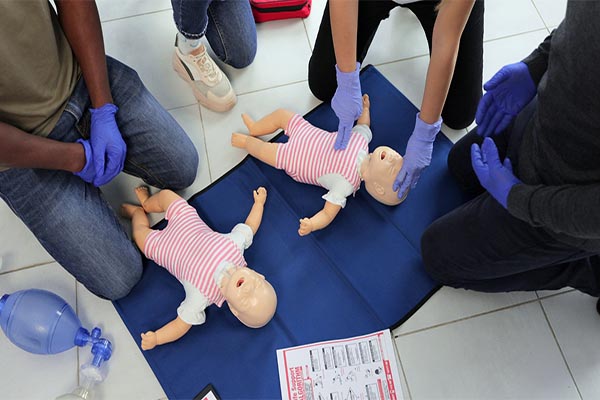
Welcoming a newborn home brings incredible joy alongside an overwhelming list of safety responsibilities. You have likely spent hours setting up the nursery, inspecting car seats, and baby-proofing your home. However, one life-saving preparation step that often gets delayed is signing up for a dedicated infant CPR class.
When a baby experiences a medical crisis, every second counts. Knowing exactly what to do eliminates panic and gives you the confidence to act instantly. In this guide, you will learn why specialized training is essential, how infant resuscitation differs from adult care, and how taking a quick class can protect your growing family.
Why Is an Infant CPR Class Essential for Expectant and New Parents?
The main reason to take an official course is to build muscle memory before a crisis ever occurs. In high-stress situations, untrained individuals usually freeze or panic. Instructor-led training builds physical instincts so you can take proper action without dangerous delay.
According to pediatric safety data, most cardiac events in babies under one year old start as breathing emergencies rather than primary heart conditions. Sudden Infant Death Syndrome (SIDS), drowning, suffocation, severe croup, and choking on milk or small items can cause a baby’s oxygen levels to drop fast.
When a baby stops breathing, brain damage can begin after just four minutes of oxygen deprivation. Emergency medical services often take eight minutes or longer to arrive on the scene. Starting CPR right away keeps oxygenated blood flowing to vital organs, drastically increasing your baby’s chances of recovery.
How Does CPR for an Infant Differ From Adult CPR Techniques?
Infants have delicate bodies that require gentle, precise movements. Using adult resuscitation methods on a baby can cause severe internal injuries and block their small airways.
Key procedural differences include:
- Hand Placement and Compressions: Adult CPR uses two full, interlocked hands to press at least two inches deep into the sternum. Infant CPR uses just two fingers (or two thumbs) placed in the center of the chest, pressing down roughly 1.5 inches.
- Head Positioning for Airway Management: Adult CPR requires tilting the head far back to clear the throat. With a baby, tilting the head back too far can collapse their flexible windpipe. An infant’s head must stay in a flat, neutral position.
- Rescue Breath Volume: Adults require full, deep breaths to inflate their lungs. Because an infant’s lungs are tiny, rescuers deliver only gentle puffs of air from their cheeks—just enough to make the chest rise.
- Choking Interventions: Unconscious choking adults receive standard abdominal thrusts. A choking baby receives alternating sets of five firm back slaps and five gentle chest thrusts while supported along your forearm.
What Essential Skills Will You Learn in a Hands-On Training Course?
A comprehensive class goes far beyond basic chest compressions. Experienced instructors guide you through real-world scenarios so you feel totally prepared.
In an official class, you will master these core skills:
- Recognizing Distress: Learning to tell the difference between mild coughing and complete airway blockage or respiratory arrest.
- Choking Relief Protocols: Practicing back slaps and chest thrusts on weighted infant manikins to clear lodged food or foreign objects safely.
- Automated External Defibrillator (AED) Operations: Learning how to apply specialized pediatric AED pads to an infant’s chest and back to restore normal heart rhythms.
- Pediatric First Aid Basics: Handling common infant emergencies, including high fevers, allergic reactions, accidental poisonings, and minor trauma.
Can You Learn Infant CPR Online, or Is In-Person Training Necessary?
Online videos offer a good refresher, but online-only training cannot replace the hands-on practice provided in an in-person class.
Feeling the physical pushback of a calibrated infant manikin is the only way to gauge what a 1.5-inch compression feels like. Pushing too lightly fails to circulate blood, while pushing too hard risks injury. An experienced American Heart Association instructor watches your form in real time, correcting your hand placement, posture, and rhythm.
In-person practice also lets you hold a manikin while executing choking back slaps. This builds physical coordination that reading a guide or watching a screen cannot replicate. Employers, healthcare facilities, and adoption agencies rarely accept online-only certifications for this reason.
Who Else Should Get Certified Alongside New Parents?
Creating a secure environment means making sure everyone who cares for your child holds the same life-saving knowledge.
Consider inviting these caregivers to class with you:
- Grandparents: Emergency protocols change over time. Grandparents who raised children decades ago need to learn updated compression rates and airway techniques.
- Nannies and Babysitters: Anyone watching your child while you are away should hold a current, employer-accepted CPR certification.
- Extended Family and Teen Siblings: Older brothers, sisters, aunts, and uncles who help with childcare benefit from learning clear emergency steps.
Attending a group or family class ensures every caregiver stays calm, communicates clearly, and takes action together during a crisis.
What Should You Look for When Choosing a Local CPR Class?
Selecting the right training center ensures you receive accredited instruction that fits your busy schedule.
Look for these quality indicators when booking your course:
- Official AHA Alignment: Look for classes certified by the American Heart Association (AHA). Their standard is recognized nationwide by healthcare systems, schools, and daycare facilities.
- Same-Day Certification eCards: Choose providers that issue official BLS eCards immediately after class so you do not have to wait for your credentials.
- Small Class Sizes with Modern Manikins: Ensure your course offers low student-to-instructor ratios and hands-on practice equipment for every participant.
- Transparent Pricing: Top training centers offer competitive pricing with no hidden fees—such as AHA BLS CPR courses starting at $64.95 or combined CPR and First Aid starting at $84.95.
Protect Your Growing Family With Confidence
Enrolling in an infant CPR class is one of the most meaningful steps you can take to protect your baby. The skills you gain in a single afternoon give you confidence and peace of mind for years to come.
At CPR Classes Near Me, our certified AHA instructors deliver hands-on, low-stress training tailored for new parents, healthcare workers, and community caregivers. We offer flexible day, evening, and weekend scheduling, transparent pricing, and same-day certification card delivery.
Ready to safeguard your baby? Contact CPR Classes Near Me today at (512) 831-4243 or register online to reserve your spot in an upcoming class!
Frequently Asked Questions
What age range does infant CPR cover?
Infant CPR techniques apply to babies from birth up to one year of age (12 months). Once a child turns one year old, standard child CPR techniques are used instead.
How long is an official AHA infant CPR certification valid?
An American Heart Association CPR certification eCard is valid for two years from the date of course completion. Caregivers can take a quick renewal class every two years to maintain active certification.
How much does an infant CPR class cost?
Official AHA-aligned courses with CPR Classes Near Me start at $64.95 for BLS CPR and AED training. Combined CPR, AED, and First Aid courses start at $84.95.
How long does an in-person CPR class take?
Most instructor-led CPR and First Aid classes take approximately 3.7 to 4 hours to complete. This single session includes video instruction, physical practice, skills assessment, and same-day card issuance.
What is the correct compression-to-breath ratio for an infant?
When performing single-rescuer infant CPR, the correct ratio is 30 chest compressions followed by 2 gentle rescue puffs of air. Compressions should maintain a rate of 100 to 120 beats per minute.
Can pregnant women take an infant CPR class before giving birth?
Yes, expectant mothers are encouraged to take a class during their second or third trimester. Completing training before your due date is convenient and avoids trying to schedule classes while caring for a newborn.