What to Expect in a CPR Certification Class

Cardiopulmonary Resuscitation (CPR) is a life-saving technique that is critical in emergencies like cardiac arrest or drowning when someone’s breathing or heartbeat has stopped. If you’re considering taking a CPR certification class, it’s a valuable skill that can make a real difference. In this article, we’ll walk you through what to expect in a CPR class, including the cost, duration, and key components of the training.
Why Take a CPR Certification Class?
Knowing CPR can empower you to act decisively in an emergency situation. Whether you’re a healthcare professional, a teacher, or simply someone who wants to be prepared, CPR training is beneficial for everyone.
Importance of CPR Training
CPR can double or triple the chances of survival after cardiac arrest. Having the skills to perform CPR can make you a vital link in the chain of survival.
How Long is a CPR Certification Class?
The duration of a CPR certification class can vary, but most classes are designed to be completed in a few hours. Typically, you can expect to spend about 3 to 5 hours in a class. This timeframe includes both the instructional and hands-on practice components.
Breakdown of Class Time
- Introduction and Overview: 15-30 minutes
- Instructional Videos and Demonstration: 1-2 hours
- Hands-On Practice: 1-2 hours
- Assessment and Certification: 30 minutes
Classes are often designed to fit into a single session, making it convenient for busy schedules.
What Does a CPR Certification Class Cost?
The cost of a CPR certification class can vary depending on the provider and the level of certification you are seeking. Generally, you can expect to pay anywhere from $40 to $100. Prices might differ based on whether the course is for basic CPR, advanced CPR, or includes additional first aid training.
Factors Influencing the Cost
- Type of Certification: Basic CPR vs. Advanced CPR/First Aid
- Location: Urban areas might have higher costs compared to rural settings
What You’ll Learn in a CPR Certification Class
In a CPR class, you’ll learn the essential skills needed to perform CPR on adults, children, and infants. Here are the core topics typically covered:
Adult CPR and AED
- Recognizing emergencies: How to identify when CPR is needed
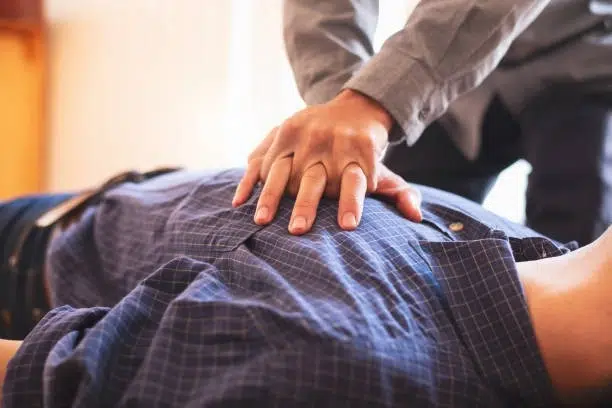
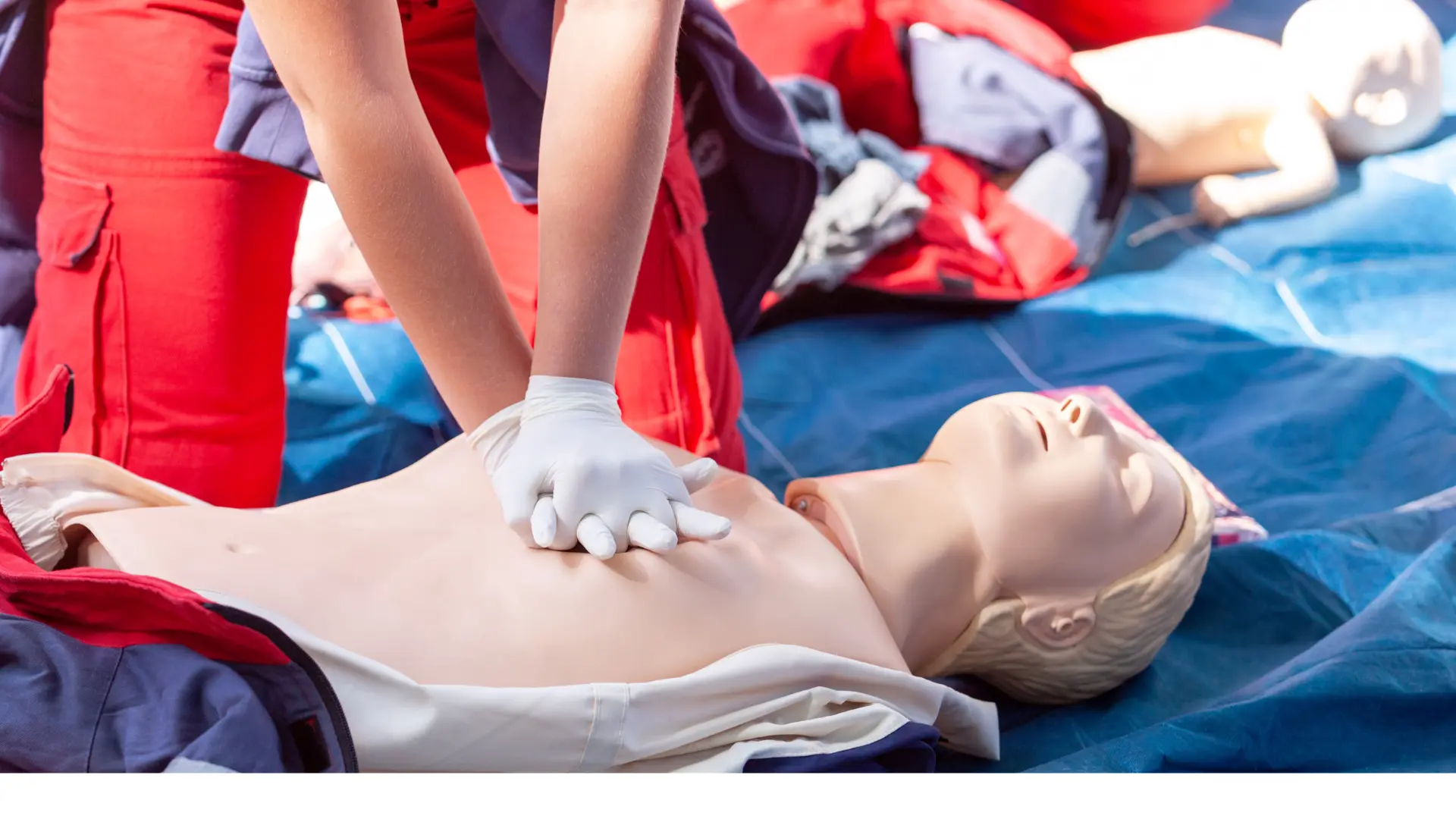
- Chest compressions: Proper hand placement and compression technique
- Rescue breaths: How to perform mouth-to-mouth resuscitation
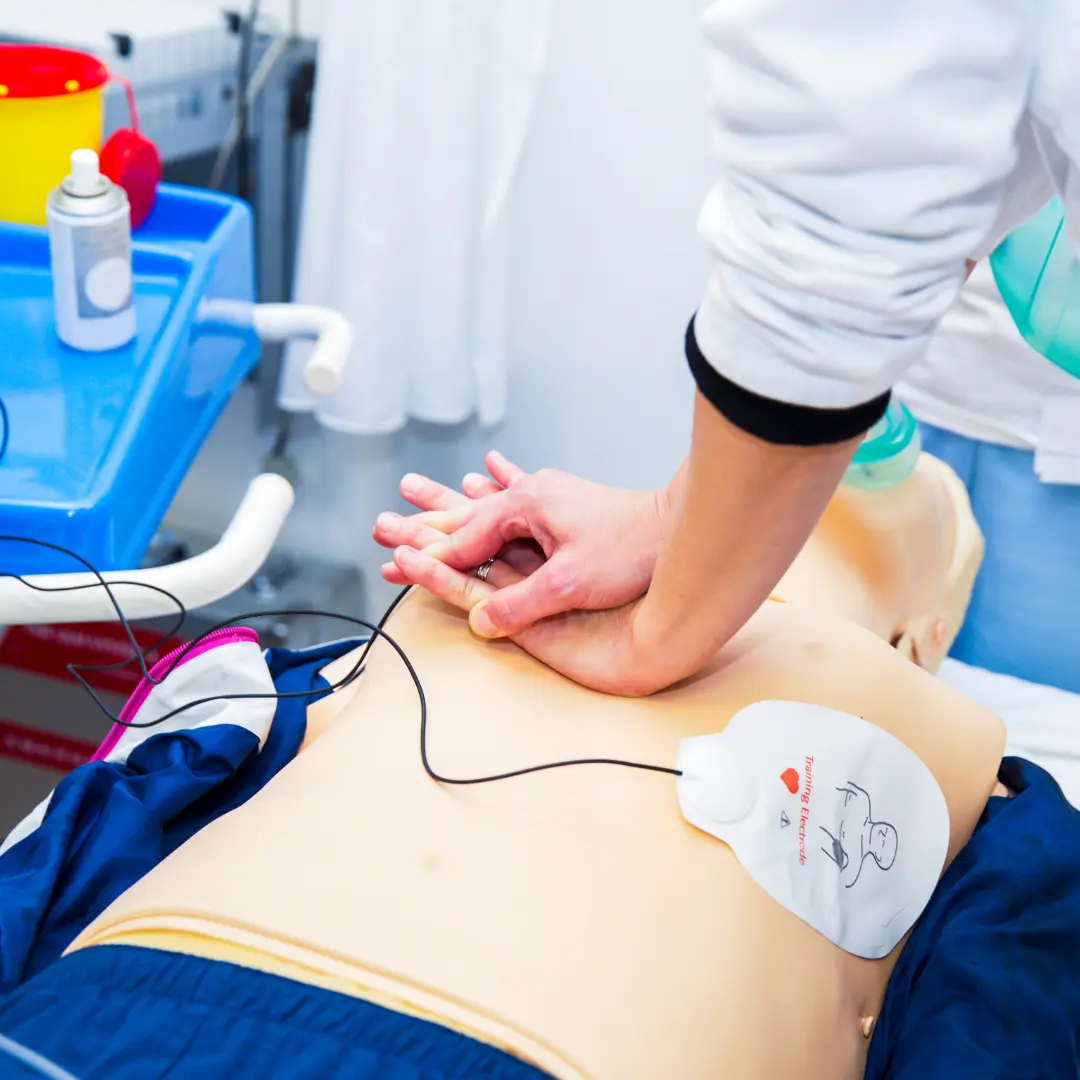
- Using an Automated External Defibrillator (AED): Steps to use an AED safely
Child and Infant CPR
- Differences in technique: Adjusting the pressure and technique for smaller bodies
- Special considerations: How to handle choking and breathing emergencies in children
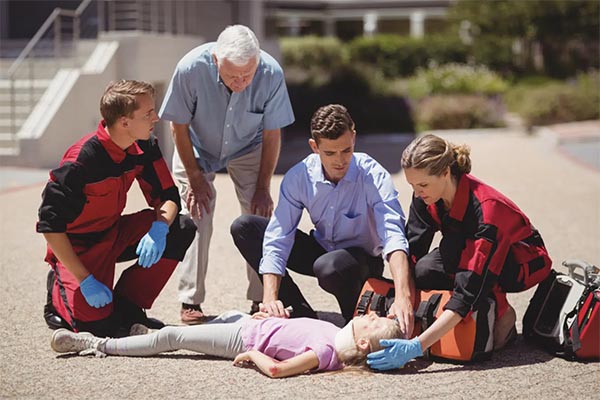
Screenshot
CPR for Different Settings
- Workplace emergencies: Tailoring CPR techniques for specific environments
- Home scenarios: Performing CPR when professional help is delayed
Hands-On Practice
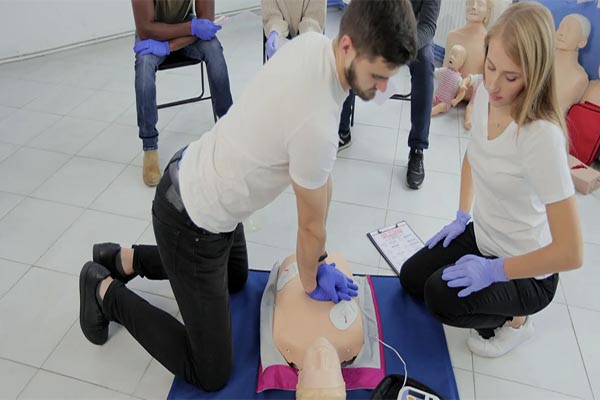
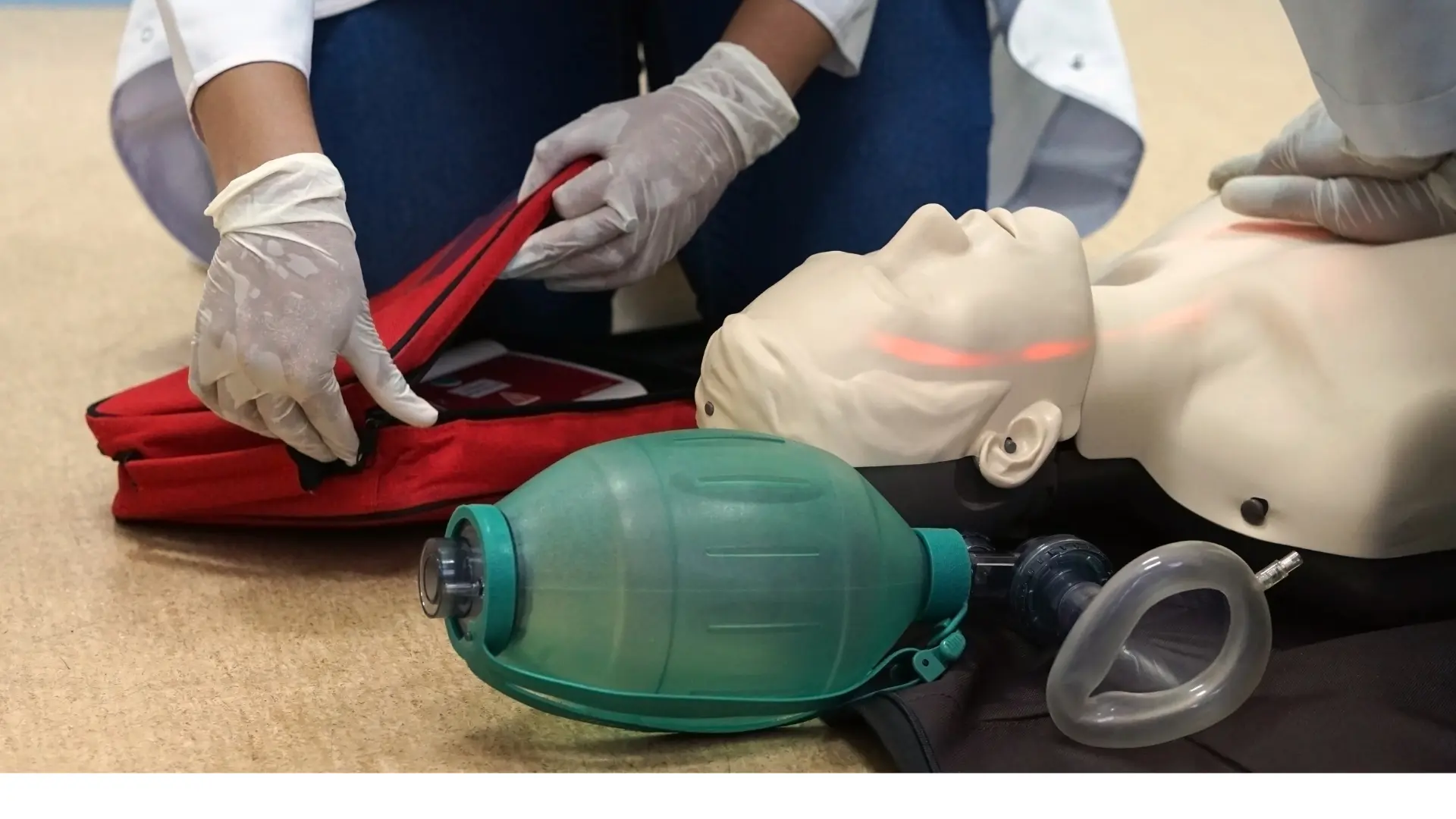
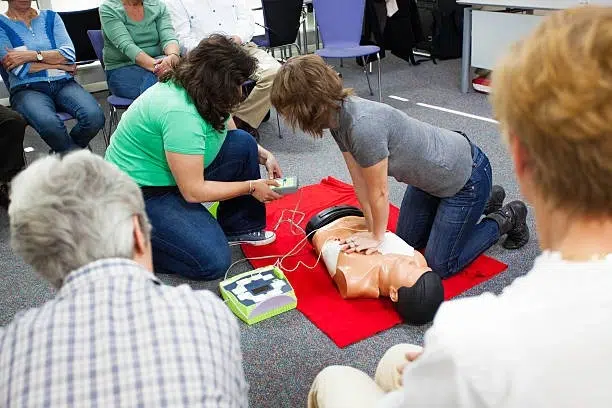
A significant portion of your CPR class will involve hands-on practice. You’ll typically practice on mannequins designed to simulate human bodies. This practice is crucial because it helps you get comfortable with the motions and techniques you’ll need to use in an actual emergency.
The Role of Feedback
Many classes now use mannequins equipped with sensors that provide real-time feedback on your performance. This technology helps ensure you’re applying the right amount of pressure and following the correct rhythm.
CPR Instructor Course
If you find CPR training rewarding and want to teach others, you might consider taking a CPR instructor course. This course will prepare you to train others, covering instructional techniques and curriculum planning.
Becoming a CPR Instructor
- Prerequisites: Typically, you’ll need a current CPR certification and some teaching experience.
- Course Content: How to effectively teach CPR, manage a classroom, and provide feedback to students.
Online vs. In-Person CPR Classes
With the advent of digital technology, many providers offer online CPR classes. While these classes can be convenient, it’s important to verify that they include a hands-on assessment component, as practical skills are crucial.
Pros and Cons
- Online Classes: Offer flexibility and convenience but may lack the hands-on practice
- In-Person Classes: Provide comprehensive training with instructor feedback, essential for mastering CPR
Conclusion
Taking a CPR certification class is a proactive step towards being prepared for emergencies. With options available for different schedules and budgets, there’s a class out there for everyone. Whether you’re looking to learn CPR for personal knowledge or considering teaching others, the skills you gain can help save lives.
By understanding what to expect in a CPR certification class, you’re better prepared to choose a course that fits your needs. Remember, the knowledge you gain isn’t just for you—it’s a vital skill that could one day save a life.
Ready to Get Your CPR Certification?
Now that you understand the immense value and life-saving potential of CPR, take the next step in becoming prepared for emergencies. Enroll in a CPR certification class today with CPR Classes Near Me. Whether you’re looking for an in-person experience to gain valuable hands-on practice, or prefer the flexibility of online modules, CPR Classes Near Me offers a variety of options tailored to fit your needs and schedule. Equip yourself with the knowledge and skills to act confidently in critical situations—sign up now and be the difference in someone’s life when it matters most.