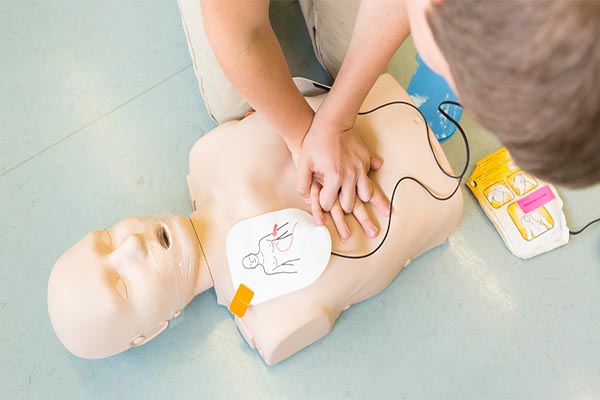
Top 5 Reasons Raleigh Residents Need CPR Certification

Raleigh, North Carolina, is widely celebrated as one of the best places to live and work in the nation. This vibrant city, part of the thriving Wake County, boasts beautiful parks, booming businesses, and world-class healthcare systems. Yet, even in the safest and most advanced communities, emergency health crises can strike without warning.

When a sudden medical emergency occurs, such as a cardiac arrest or severe choking incident, every single second counts. The time it takes for professional Emergency Medical Services (EMS) to arrive is often too long for a victim to survive without intervention. This is why the power to save a life rests not just with paramedics and doctors, but with you, the everyday resident.

Obtaining your CPR certification is not just a resume booster or a box to check for work. It is an investment in your neighbors, your family, and your community’s overall health and resilience. For Raleigh residents, becoming CPR certified is particularly critical. This comprehensive guide will explore the top five compelling reasons why now is the perfect time to enroll in an American Heart Association (AHA) certified CPR class.

We will delve into the local statistics that prove the necessity of bystander intervention. We will also examine how your certification supports Wake County’s esteemed public safety efforts. Finally, we will outline how this essential skill can protect your professional future and the most vulnerable people in your life, your children and infants. By the end, you will understand that getting certified is one of the most proactive steps you can take for your Raleigh life.

The decision to become certified puts you at the ready. It transforms you from a bystander into a lifesaver. It equips you with the confidence and practical skills necessary to perform Cardiopulmonary Resuscitation (CPR) and use an Automated External Defibrillator (AED). These are the first, most crucial links in the “Chain of Survival.” Don’t wait for an emergency to realize you wish you had these skills.

1. Why Do Most Cardiac Arrests Happen Where EMS Cannot Immediately Reach?

The vast majority of sudden medical emergencies do not happen in hospitals or public squares. They occur in the intimate, quiet setting of a private residence.

Factual data confirms this overwhelming trend.

Where is the most likely location for a cardiac event?

Approximately 71% of all Out-of-Hospital Cardiac Arrests (OHCA) take place within the victim’s home or residence. This is a critical factor for every Raleigh homeowner and renter to consider. When a loved one collapses in their own home, EMS is not standing by instantly.

  • You are the undisputed first responder in this scenario.
  • A spouse, partner, child, or grandparent relies on the immediate presence of a trained individual.
  • The victim’s survival hinges on someone present initiating CPR immediately.

The average EMS response time in North Carolina, even in urban areas like Raleigh, can be several minutes. When the heart stops, brain death can begin in as little as four to six minutes.

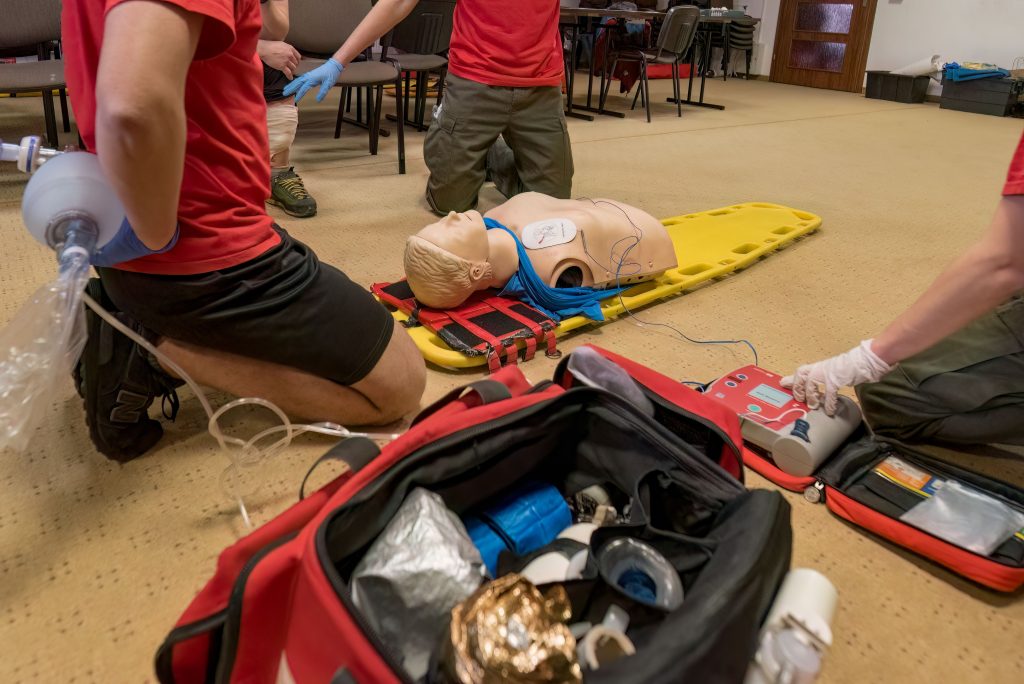
Top 5 Reasons Raleigh Residents Need CPR Certification

What is the survival difference between immediate and delayed intervention?

The gap between life and death is often measured in these few minutes, and the difference is startling. Survival rates for OHCA are drastically higher when a bystander begins CPR immediately.

For instance, data shows that receiving bystander CPR results in significantly improved survival outcomes compared to those who do not receive immediate help. This underscores the power of widespread community training. Even if you are not a medical professional, your swift action keeps blood and oxygen flowing. This bridges the critical time gap until professional help arrives.

When you become certified, you learn to:

  1. Recognize the signs of sudden cardiac arrest.
  2. Call 911 immediately to activate professional help.
  3. Perform high-quality chest compressions and rescue breaths to maintain vital functions.
  4. Utilize an AED if one is available nearby.

Your home is your sanctuary, and certifying in CPR turns it into the safest possible environment for your entire household.

2. How Does My Certification Directly Boost Wake County’s High Save Rate?

Wake County, which encompasses Raleigh, is recognized nationally for its excellence in emergency medical services. Wake County EMS has successfully cultivated one of the highest cardiac arrest survival programs in the entire country.

This success is not achieved through technology alone. It is a system built on robust training, speedy response, and effective community partnership, which includes you.

What is the “Chain of Survival” and what is the public’s role?

The American Heart Association (AHA) defines the Chain of Survival as a series of critical actions that maximize the chance of survival for a victim of cardiac arrest. The links include:

  • Recognition and Activation: Recognizing the emergency and calling 911.
  • Immediate High-Quality CPR: Performed by a bystander (you).
  • Rapid Defibrillation: Applying an AED, often by a bystander or first responder.
  • Advanced Resuscitation: Provided by EMS and hospital staff.
  • Post-Cardiac Arrest Care: Treatment received in the hospital.

Why is the bystander link the most vulnerable?

While Wake County EMS shines in its response metrics, the community still struggles with consistent bystander intervention rates.

While EMS is fast, even the shortest response time still requires minutes to reach the scene. The immediate CPR performed by a trained citizen is the second and arguably most vital link in the entire chain.

  • A trained citizen cuts the time to intervention from minutes down to seconds.
  • Every minute of delay in defibrillation decreases a victim’s chance of survival by approximately 10%.
  • When Raleigh residents step up to learn CPR, they collectively reduce this fatal delay.

By obtaining your AHA BLS certification, you are actively participating in and strengthening a public health effort that is nationally celebrated. You are helping Wake County uphold its reputation for saving lives. You are ensuring that when professional help arrives, they are greeted by a victim who has a fighting chance because essential life support was already initiated. Your certification becomes a measurable contribution to the public safety success of the entire Raleigh metropolitan area.

3. Is CPR Certification a True Requirement for Career Advancement in Raleigh?

For many Raleigh residents, CPR certification is not merely a beneficial skill; it is a non-negotiable professional requirement. The broad, diverse economy of the Raleigh-Durham area, especially its healthcare, education, and construction sectors, demands certified personnel.

The gold standard for employers across the country is the American Heart Association (AHA) Basic Life Support (BLS) certification. This is the certification offered by CPR Classes Near Me Raleigh.

Which Raleigh professions typically require AHA BLS certification?

The list of careers that mandate or highly prefer BLS certification spans far beyond traditional hospital settings. If your job involves public interaction, physical activity, or duty of care, this certification is essential.

Required or preferred professionals include:

  • Healthcare Workers: Nurses (RNs, LPNs), Certified Nursing Assistants (CNAs), Medical Office Personnel, Physical Therapists, Dentists, and Clinical Staff.
  • Education and Childcare: Teachers, School Administrators, Daycare Providers, and Nannies.
  • Fitness and Recreation: Personal Trainers, Coaches, Sports Referees, Swim Instructors, and Lifeguards.
  • Industrial and Service Roles: Construction Workers, Electricians, Flight Attendants, and Hospitality Staff.

How does OSHA compliance affect local Raleigh businesses?

The Occupational Safety and Health Administration (OSHA) sets strict guidelines for businesses in North Carolina concerning workplace safety. These rules make CPR certification a necessity for any Raleigh business where life-threatening hazards exist.

According to OSHA interpretation, if a workplace has hazards that could cause serious injuries (like falls, suffocation, electrocution, or amputation), emergency medical services (EMS) must be available within 3 to 4 minutes.

If your business cannot guarantee EMS arrival in that tight timeframe, the employer must ensure that employees are trained and available to provide first aid and CPR immediately. Common severe workplace injuries that require immediate CPR often include:

  • Electrical Burns: Can instantly disrupt heart rhythm and cause cardiac arrest.
  • Falls from Heights: Can cause trauma leading to stopped breathing or cardiac arrest.
  • Exposure to Chemicals: Can lead to respiratory distress or unconsciousness.

By getting certified, you increase your job marketability and simultaneously help your Raleigh employer meet vital safety and legal compliance requirements. This makes you an indispensable asset in any professional environment.

4. Why is Proficiency in Infant and Child CPR Particularly Important for Raleigh Families?

Raleigh is a city full of young, growing families, making proficiency in pediatric life support techniques a crucial skill. Accidental injuries, choking, and sudden illness are tragically common in children and infants.

An AHA-certified BLS course, such as those offered by CPR Classes Near Me Raleigh, is designed to provide comprehensive training across all age groups. This specialized knowledge is what makes your certification truly valuable within a community of families.

Are pediatric emergencies different from adult emergencies?

Yes, they are fundamentally different, and the training must reflect this. While adult cardiac arrest is often related to pre-existing heart conditions, pediatric cardiac emergencies are more frequently caused by respiratory failure (choking, severe asthma, drowning) or trauma.

This distinction requires specialized knowledge that is covered extensively in a comprehensive CPR course:

  • Infant Technique: Specific hand placement (two fingers), shallower chest compression depth, and different rescue breathing techniques are required due to an infant’s size and fragility.
  • Child Technique: Use of one or two hands for compressions and a modified ratio for breaths and compressions are taught for children between ages one and eight.
  • Choking Scenarios: You will learn age-appropriate maneuvers for clearing an obstructed airway in a conscious or unconscious victim, whether they are an adult, child, or infant.

How does this training protect children in public and private settings?

A parent or caretaker who is certified is immediately ready for the most stressful situations involving a child.

  • At Home: An infant choking on a small toy or a child suffering a severe allergic reaction.
  • In Public: A child drowning at a pool in Cary or a youth athlete collapsing on the field in Raleigh.

The training equips you to handle the terrifying moment when a child stops breathing. Furthermore, this knowledge is paramount for anyone involved in youth activities, including:

  • School teachers and coaches.
  • Babysitters and nannies.
  • Gymnastics or dance instructors.

When dealing with a pediatric emergency, there is absolutely no time for hesitation. The specific, hands-on training you receive ensures you can act with confidence and precision to give the child the highest chance of survival.
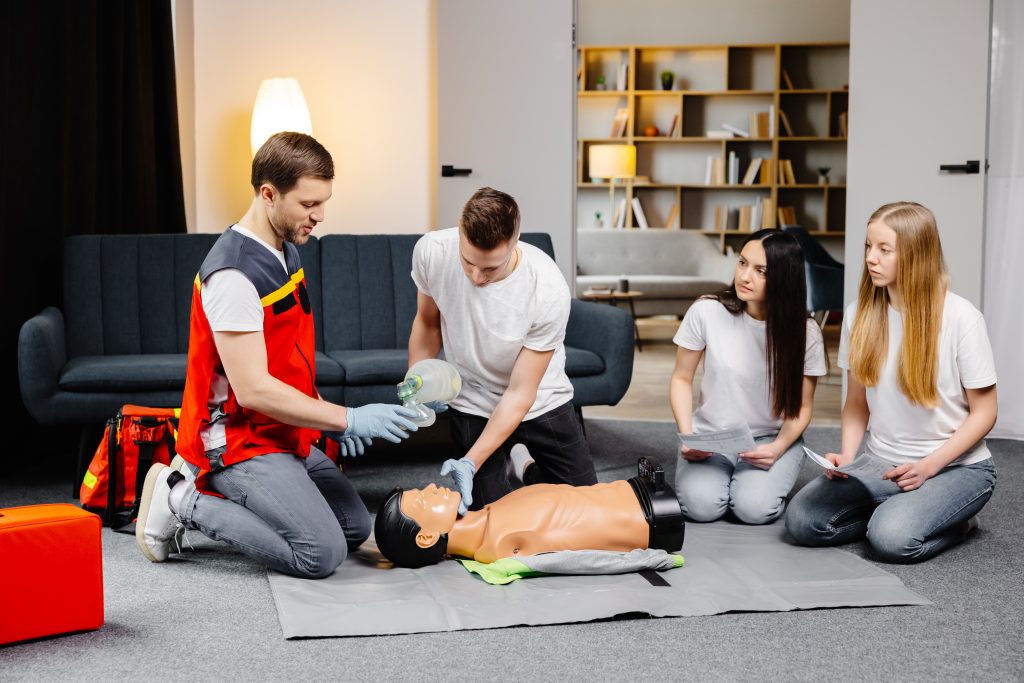
CPR a Skill That Provides Lifelong Community and Personal Value?
Young man instructor helping to make first aid heart compressions with dummy during the group training indoors.

5. Is CPR a Skill That Provides Lifelong Community and Personal Value?

Unlike fleeting trends or software knowledge that quickly become obsolete, the ability to perform life support is a timeless skill. Once you master the fundamentals of CPR and AED use, that knowledge remains part of your core competency.

Your certification, which is valid for two years, serves as a regular reminder and opportunity to refresh the skills that could save a life at any moment.

How does certification offer practical skills beyond cardiac arrest?

The lessons learned in an AHA BLS course are applicable to a wide array of accidents and sudden emergencies that are common in any active city like Raleigh.

The training provides foundational knowledge for responding to incidents such as:

  1. Choking: This is a daily risk in any home or restaurant. Quick action is essential to clear the airway.
  2. Drowning: This risk is present around pools, lakes, and even bathtubs. CPR is often the immediate intervention required to expel water and restart breathing.
  3. Severe Trauma: Accidents on Raleigh roads or construction sites can cause victims to lose consciousness and stop breathing. CPR skills apply here as well.
  4. Sudden Illness: Strokes or severe allergic reactions (anaphylaxis) can lead to respiratory or cardiac failure. Your training teaches you to manage the victim until EMS arrives.

By enrolling in a class, you receive more than just a card. You gain comprehensive life skills that translate into confidence during chaos.

What is the advantage of hands-on, in-person training?

While online resources exist, the American Heart Association (AHA) and most employers agree that effective CPR requires in-person, hands-on training.

CPR Classes Near Me Raleigh provides a dynamic, relaxed environment where certified instructors ensure you develop muscle memory.

  • Hands-on Practice: You practice chest compressions and rescue breaths on professional manikins, ensuring correct depth and rate.
  • Instructor Feedback: Local, certified trainers provide immediate, constructive feedback, a necessity for mastering this physical skill.
  • Scenario Training: You work through realistic emergency scenarios (choking, AED use) to build the confidence required to act decisively in a real-life crisis.

This comprehensive, yet concise, training takes approximately 3.7 hours and culminates in receiving your official, universally accepted AHA eCard on the same day you pass the class. This makes the path to becoming a certified lifesaver in Raleigh efficient and highly effective.

Conclusion: Take Action for Raleigh’s Future

The need for widespread CPR certification in Raleigh is clear and multifaceted. It is a necessity rooted in the following key areas:

  1. Family and Home Safety: Protecting the 70%+ of cardiac arrest victims who collapse in private residences.
  2. Community Resilience: Strengthening Wake County’s esteemed Chain of Survival by ensuring rapid bystander intervention.
  3. Professional Requirement: Meeting the mandatory BLS standards for key industries across the Research Triangle area.
  4. Pediatric Protection: Equipping parents and caretakers with the specialized skills needed to save infants and children.
  5. Lifelong Preparedness: Gaining a timeless skill applicable to various trauma and choking scenarios.

Every certified person in Raleigh is a protective layer for the community. You have the ability to make a life-or-death difference.

Don’t be a hopeful bystander; be a capable lifesaver.

Ready to take the step to secure your certification today?

Contact CPR Classes Near Me Raleigh to enroll in the most trusted and employer-accepted American Heart Association (AHA) BLS, CPR/AED, and First Aid courses. Receive your official eCard the same day you train!

FAQ Section: Your Certification Questions Answered

How long does a CPR certification from CPR Classes Near Me Raleigh last?

Your American Heart Association (AHA) BLS CPR Certification, obtained through CPR Classes Near Me Raleigh, is valid for a period of two full years from the date of successful course completion. Because the AHA regularly updates its guidelines based on the latest science, a renewal course is required every two years to ensure your skills remain current and effective.

What is the difference between AHA BLS and a basic CPR class?

AHA BLS (Basic Life Support) is the highest standard of non-professional, entry-level certification, making it the most recognized and employer-accepted credential nationwide. It is specifically designed for both the general public and healthcare providers, covering advanced topics such as team-based resuscitation and the proper use of an Automated External Defibrillator (AED). A basic CPR class often covers only adult CPR and may not include the comprehensive training or official AHA credentials required by most professional employers in Raleigh.

Can I renew my CPR certification through CPR Classes Near Me Raleigh?

Yes, absolutely. To renew your certification for an additional two years, you can simply enroll in any Raleigh BLS CPR course offered by CPR Classes Near Me Raleigh. The renewal process is typically the same as the initial in-person BLS course, ensuring you get the essential hands-on practice needed to refresh your life-saving techniques and receive your updated eCard promptly.

How long does the in-person class take to complete?

The required hands-on, in-person American Heart Association (AHA) BLS training course takes approximately 3.7 hours to complete. This includes video instruction, direct interaction with a certified local instructor, and the mandatory hands-on practice and testing segments. CPR Classes Near Me Raleigh prides itself on its efficient process, ensuring you receive your official AHA BLS certification eCard on the very same day you finish the class.

Does CPR Classes Near Me Raleigh offer training for infants and children?

Yes. The American Heart Association BLS CPR and AED certification class offered by CPR Classes Near Me Raleigh provides comprehensive training that covers life-saving techniques for Adults, Children, and Infants. This ensures that you are prepared for a cardiac or choking emergency regardless of the victim’s age, which is essential for parents, teachers, and childcare professionals in the Raleigh community.

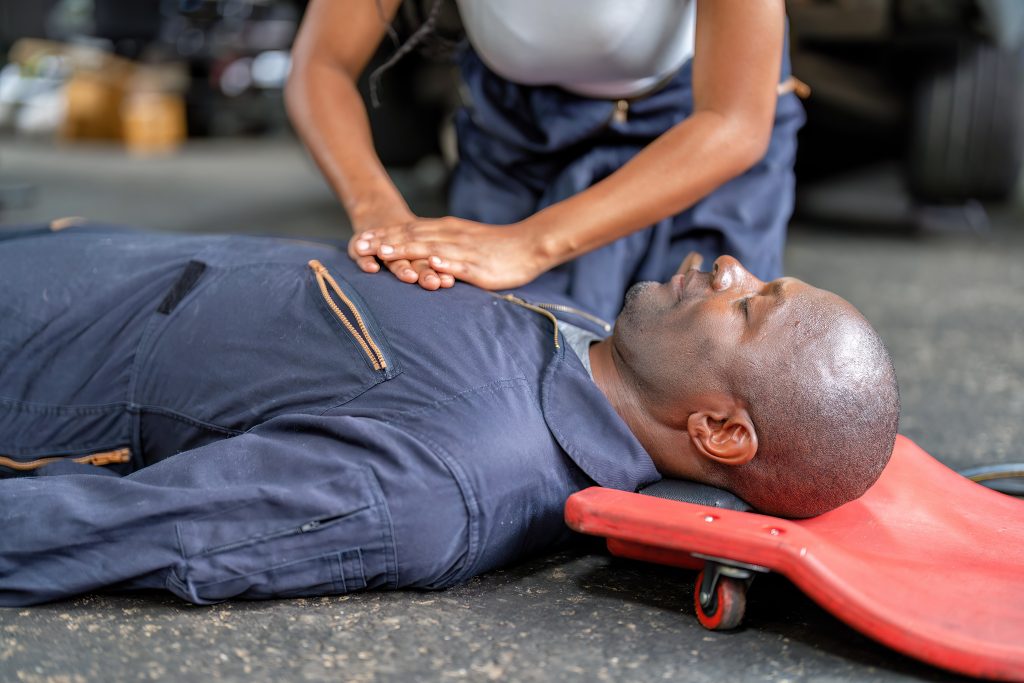
CPR/BLS Card Renewal: How Often Do I Need to Renew?

Imagine being the only person present when a colleague, family member, or even a stranger suddenly collapses. In that moment of critical emergency, the difference between life and death often comes down to the immediate actions taken by a bystander. If you hold a Basic Life Support (BLS) or Cardiopulmonary Resuscitation (CPR) certification, you are that crucial bystander.

The skills you learned in your CPR class are literally life-saving, but like any specialized knowledge, they require practice and periodic refresher training. If you are a healthcare professional, a teacher, a coach, or anyone whose job requires an active certification, knowing the renewal schedule is non-negotiable. So, how often do you need to renew your BLS/CPR card in North Carolina? The short, definitive answer is: every two years. However, understanding the why, the how, and the specific requirements for renewal in the Raleigh area is vital to maintaining your readiness and professional compliance. This comprehensive guide will break down the essential information you need to keep your certification current, seamlessly, and confidently.

What is the standard validity period for AHA BLS and CPR certifications nationwide?

The American Heart Association (AHA) sets the gold standard for CPR and BLS training throughout the United States, including all of North Carolina.

The AHA’s rigorous standards dictate that all provider cards for Basic Life Support (BLS), CPR, and First Aid are valid for a uniform period of two years. This two-year cycle is not an arbitrary number; it is a carefully chosen timeframe designed to balance practical logistics with critical skill retention.

Here is a breakdown of what the two-year validity means for professionals:

  • Universal Recognition: Because the two-year period is an AHA standard, it is recognized and accepted by virtually every employer nationwide, from major healthcare systems like WakeMed and Duke Health in Raleigh to local daycares and fitness centers.
  • Expiration Date Clarity: Your official eCard will clearly display the exact date your certification expires. It is crucial to mark this date and plan your renewal before that day arrives to avoid any lapse in coverage.
  • Mandatory Renewal: To remain certified, you must successfully complete an accredited renewal course prior to the expiration date. Letting the card expire, even by a single day, can create significant professional complications.

Maintaining your certification means committing to this bi-annual educational cycle. When you choose an AHA-certified training site, such as CPR Classes Near Me Raleigh, you ensure that the instruction you receive is fully compliant with the latest guidelines, reinforcing the two-year standard your employer expects. This predictable schedule makes it easy to plan and budget for your professional development long-term.

CPR/BLS Card Renewal: How Often Do I Need to Renew?

Why is a bi-annual renewal necessary for life-saving certifications?

Many skills we learn can fade over time, but the critical techniques involved in performing CPR and using an Automated External Defibrillator (AED) are particularly susceptible to decay. The bi-annual renewal cycle is absolutely necessary for two primary reasons: skill retention and protocol evolution.

1. The Reality of Skill Retention and Decay

Studies consistently show that key psychomotor skills and cognitive knowledge related to CPR begin to decline significantly within six to twelve months following initial training.

Crucial elements that diminish over time include:

  • Compression Rate and Depth: Individuals often naturally slow their compression rate or fail to compress deeply enough to be effective without regular practice.
  • Rescue Breath Technique: The effectiveness of rescue breaths, including proper airway management and ventilation, is a skill that requires hands-on reinforcement.
  • Sequence Recall: In the chaos of an emergency, remembering the exact C-A-B (Compressions, Airway, Breathing) sequence and the correct ratios (e.g., 30:2) can be challenging without recent refresher training.

The renewal course forces a dedicated re-engagement with these physical skills, ensuring that your muscle memory is sharp and your technique is correct for maximum patient benefit.

2. Adapting to Evolving Emergency Cardiovascular Care (ECC) Protocols

The second essential reason for renewal is the constant evolution of resuscitation science. The American Heart Association consistently reviews the latest medical evidence and updates its guidelines to reflect the most effective, evidence-based methods for saving lives.

These guidelines are not static; they change based on research breakthroughs.

Consider these key protocol updates that have occurred over the past decade:

  • Shift to Chest Compressions First: The emphasis moved from Airway-Breathing-Compressions (A-B-C) to Compressions-Airway-Breathing (C-A-B) to prioritize blood flow immediately.
  • Hands-Only CPR: The widespread promotion of “Hands-Only” CPR for untrained bystanders has changed the landscape, and professionals must understand when to apply this versus the full BLS sequence.
  • AED Advancements: As AED technology improves, the use and maintenance protocols also evolve.

A renewal class ensures you are practicing not just a form of CPR, but the most current and most effective protocol mandated by the AHA, thereby offering the highest level of care possible.

Does North Carolina have unique or stricter renewal requirements than the national standard?

North Carolina, like most states, does not establish its own unique, state-specific validity period for CPR and BLS certifications. Instead, the state, its licensing boards, and its major employers universally rely upon and defer to the national standards set by the American Heart Association (AHA).

Therefore, the two-year renewal period remains the undisputed rule of thumb throughout North Carolina.

The key distinction in North Carolina lies not in the frequency of renewal, but in the strictness with which various employers enforce the AHA standard.

Professional Enforcement in the Raleigh Market

In major professional hubs like Raleigh, Cary, and Durham, the enforcement of current AHA certification is often rigorous, particularly for licensed medical professionals.

Specific areas of strict enforcement include:

  1. Healthcare Licensing: Licensing bodies for Registered Nurses (RNs), Licensed Practical Nurses (LPNs), and Certified Nursing Assistants (CNAs) typically require proof of current AHA BLS certification for initial licensure and renewal. Any lapse can delay or invalidate a license renewal application.
  2. Hospital Systems: Raleigh’s major healthcare facilities require all clinical staff to maintain continuous, unexpired BLS certification. A lapsed card means an individual cannot work in a patient-facing role until certification is renewed, impacting scheduling and employment status.
  3. Educational Institutions: Wake County Public Schools and private academies often mandate that coaches, physical education teachers, and often general faculty maintain current CPR and First Aid certifications, strictly following the AHA’s two-year expiration rule.

In summary, while North Carolina accepts the national two-year standard, the competitive and highly regulated job market in the Triangle area makes timely renewal not just a recommendation, but a mandatory professional obligation. Choosing a recognized local provider like CPR Classes Near Me Raleigh ensures that your eCard will meet the high standards of all NC employers.

Who in Raleigh, NC is specifically mandated to keep their BLS certification active?

The requirement to maintain an active, unexpired BLS or CPR certification extends far beyond doctors and nurses. In Raleigh and across North Carolina, numerous professions have mandated this training as a core safety and readiness requirement.

The groups primarily mandated to renew their certification every two years fall into several key sectors:

The Healthcare Sector

This is the most obvious and strictly enforced group. BLS (Basic Life Support) is the foundational requirement for nearly all clinical roles.

  • Nurses (RNs, LPNs): Required for hospital employment, clinic work, and most advanced care settings.
  • CNAs (Certified Nursing Assistants) & Medical Office Personnel: Essential for patient contact, vitals monitoring, and assisting in emergency situations within clinics and long-term care facilities.
  • Dental Staff: Including dentists, dental hygienists, and assistants, who must be prepared for cardiac emergencies that can occur during procedures.
  • Physical Therapists & Occupational Therapists: Required to maintain patient safety during rehabilitation and mobility exercises.

The Education and Childcare Sector

Professionals who supervise minors have a legal and ethical obligation to possess life-saving skills.

  • Teachers & Educators: Especially those in elementary and middle schools, who need to be ready for choking incidents and sudden illnesses.
  • Childcare and Daycare Providers: Often required by state licensing laws to have a high percentage of staff certified in both Adult, Child, and Infant CPR.
  • Coaches & Referees: Mandated for athletic activities, where exertion-related emergencies (e.g., sudden cardiac arrest) are a recognized risk.

Public Safety, Fitness, and Hospitality

These roles involve public interaction and responsibility for the safety of others.

  • Personal Trainers & Fitness Instructors: They supervise strenuous activity and must be ready to respond to medical emergencies in a gym environment.
  • Lifeguards & Swim Instructors: Their core job function relies entirely on immediate, effective water rescue and resuscitation techniques.
  • Construction Workers & Electricians: Often required by OSHA standards for high-risk jobs, ensuring colleagues can respond to accidents or electrocution incidents.
  • Flight Attendants & Hospitality Staff: Responsible for passenger safety in confined spaces where immediate medical help is often delayed.

If your professional career falls into any of these categories, the two-year renewal is not optional, it is a condition of your employment and professional practice.

What happens if I allow my BLS/CPR certification to expire past the 2-year mark?

Allowing your AHA BLS or CPR certification to expire is a situation best avoided, as it immediately impacts your professional standing and readiness. The primary risk is that once the card’s expiration date passes, the certification is considered invalid by employers.

Unlike some licenses that offer a formal 30 or 60-day “grace period,” the AHA certification does not recognize such a buffer.

Here are the critical consequences of a lapsed certification:

1. Professional and Employment Risk

This is the most severe immediate consequence. A lapse can lead to:

  • Inability to Work (Healthcare): Hospitals and medical facilities in Raleigh will not allow clinical staff to practice with an expired card. You may be pulled from the schedule, placed on administrative leave, or even terminated if the lapse is not rectified immediately.
  • Non-Compliance: Your employer is no longer in compliance with licensing or safety regulations by employing an individual with an expired card for a mandated role.
  • Legal Liability: In the event you had to perform CPR while uncertified or with an expired card, while Good Samaritan laws protect you, the question of professional negligence in not maintaining mandatory credentials could be raised.

2. The Renewal Course Requirement

While the AHA allows you to take a “renewal” course, this term is somewhat flexible and dependent on the provider and the time passed.

  • No Longer Eligible for Quick Renewal: The longer the card has been expired, the less likely you are to be simply “renewing.” Many training centers recommend, or even require, that individuals whose cards have lapsed beyond a certain point (e.g., 30-60 days) enroll in the full, initial provider course.
  • Increased Stress and Urgency: An expired card forces a frantic scheduling process, often incurring last-minute fees, simply to get back into compliance. A planned renewal is far less stressful.

To maintain continuous eligibility and avoid any lapse in employment, mark your calendar and aim to complete your renewal course at least 30 to 60 days before the official expiration date printed on your AHA eCard.

What is the difference between a full BLS course and a renewal course?

When preparing for your bi-annual recertification in North Carolina, you may see options for a “Full Provider Course” and a “Renewal Course.” While the terms suggest a significant difference, for American Heart Association (AHA) BLS courses, the distinction is often minimal in terms of the material covered and the hands-on instruction time.

The Content is Fundamentally the Same

Both the initial and renewal courses must adhere to the same strict AHA guidelines. This means that both classes cover the entirety of the necessary life-saving material, including:

An AHA-certified training site like CPR Classes Near Me Raleigh will ensure that the required video material is shown in full and that all hands-on skills sessions are completed, regardless of whether you are an initial student or a renewing provider.

What is the difference between a full BLS course and a renewal course?

The Main Distinctions: Pace and Eligibility

The primary differences between a full course and a renewal course typically come down to the pace and the target audience.

Initial/Full Provider Course:

  • Pace: Often slower. More time is spent on introductory concepts and foundational principles.
  • Duration: Generally requires the full $3.7$ hours or more of instruction time, focusing on mastery.
  • Prerequisite: None required; it’s open to complete beginners.
  • Testing: Requires the same written exam and hands-on skills test to pass as the renewal course.

Renewal/Refresher Course:

  • Pace: Moves quickly. The class assumes the student has prior knowledge and can perform skills with minimal review.
  • Duration: May be slightly shorter or more skills-focused, as less time is spent on fundamental theory.
  • Prerequisite: Requires a current, unexpired, or recently expired AHA BLS card.
  • Testing: Requires the same written exam and hands-on skills test to pass as the initial course.

Ultimately, a renewal course is designed for the experienced professional who needs a fast-paced, high-intensity review of skills and an update on the latest science. If your card has not yet expired, enrolling in a renewal-focused class is the most efficient path to recertification.

How can I ensure a seamless and efficient renewal process in Raleigh, NC?

The goal of your bi-annual renewal should be efficiency: obtaining your new, valid certification with minimal disruption to your professional life. For those in the Raleigh area, ensuring a seamless process involves preparation and selecting the right local training partner.

Follow these steps for a guaranteed smooth renewal:

1. Plan Ahead

  • Set Reminders: Immediately mark your card’s expiration date on your calendar, setting reminders 90, 60, and 30 days out.
  • Schedule Early: Do not wait until the last week. Scheduling 30 to 60 days in advance gives you flexibility and guarantees a spot in a convenient class.
  • Check Prerequisites: Confirm with your chosen provider that your current card is eligible for their renewal option.

2. Choose an American Heart Association (AHA) Certified Site

The most crucial step is selecting a provider that is an official AHA Training Site, as this guarantees the acceptance of your card by North Carolina employers.

  • Look for Verification: Always verify the “American Heart Association” alignment. This seal is the proof of quality and recognition that Raleigh employers demand.
  • Avoid Online-Only: While online lecture components exist, most employers in North Carolina (especially in healthcare) will not accept a certification that does not include a required, in-person, hands-on skills check with a certified instructor.

3. Prioritize Same-Day ECard Issuance

Efficiency is maximized when you don’t have to wait for your proof of certification.

  • Ask About Issuance: Providers like CPR Classes Near Me Raleigh offer the significant benefit of issuing your official American Heart Association eCard on the same day you complete the class. This is invaluable for professionals facing a deadline or needing to provide immediate proof of renewal to their HR department.
  • Immediate Compliance: Having your eCard the same day means you are immediately back in compliance and can continue your work without interruption.

By focusing on these practical elements, early scheduling, verified AHA accreditation, and same-day eCard availability, you transform a necessary professional requirement into a streamlined, stress-free process. Take the guesswork out of compliance and choose a trusted local partner for your essential renewal.

Conclusion: Staying Ready to Respond

The question of “How often do I need to renew my BLS/CPR card in North Carolina?” has a clear and critical answer: every two years. This period is the universal standard established by the American Heart Association and strictly enforced by professional licensing boards and employers across Raleigh and the greater Triangle area.

Maintaining your certification is far more than just fulfilling a job requirement; it is an active commitment to preparedness. It means your skills are sharp, your knowledge is current with the latest ECC science, and you are ready to act effectively during the moments that matter most. A current certification ensures that you remain a valued and compliant professional in your field. Do not allow the two-year window to close without action. Be proactive, schedule your renewal early, and reaffirm your ability to save a life.

Ready to ensure your professional compliance and life-saving readiness? Book your BLS/CPR renewal class in Raleigh today to guarantee your certification remains current.

Contact CPR Classes Near Me Raleigh to schedule your American Heart Association certified training.

CPR/BLS Card Renewal: Frequently Asked Questions

1. Is there a grace period after my AHA BLS card expires in North Carolina?

Answer: No, there is no formal or recognized grace period for an expired American Heart Association (AHA) BLS card. Once the expiration date printed on your card passes, your certification is technically invalid. While some employers might allow a very short window (e.g., a few days) for you to secure a new class, this is an internal policy, not an AHA standard. To maintain professional compliance, you should complete the renewal course before the expiration date. If your card has expired, you must enroll immediately to regain active certification. Depending on the duration of the lapse, the training center may require you to take the full, initial provider course instead of a renewal course.

2. Will an employer in Raleigh accept an online-only CPR certification?

Answer: Reputable employers in Raleigh, especially those in healthcare, education, and regulated fields, generally will not accept CPR or BLS certification obtained exclusively through an online-only course. The American Heart Association (AHA) mandates a required hands-on skills session with an authorized instructor to ensure proficiency in chest compressions, rescue breathing, and AED operation. While many accredited centers offer a “blended” learning format (online lecture followed by in-person skills session), a certification that lacks the crucial in-person, live-trained component is almost universally rejected by North Carolina employers who require AHA-aligned credentials.

3. Can I take a renewal course if my certification is already six months past its expiration date?

Answer: While many training sites are authorized to offer a “renewal” course, most recommend that if your card is six months or more past its expiration date, you should enroll in the full, initial BLS Provider course. The longer the lapse, the greater the likelihood of skill decay and outdated knowledge regarding the latest AHA protocols. The initial course provides a comprehensive review that ensures all foundational knowledge is mastered before testing. It is always best to contact the training site, such as CPR Classes Near Me Raleigh, directly to discuss your specific expiration date and determine the appropriate course to enroll in.

4. How long does the BLS renewal class typically take?

Answer: An AHA BLS renewal class, which includes both the required video education and the hands-on skills check, typically takes approximately 3.7 to 4 hours to complete. This duration is standardized to ensure all essential material is covered and skills are mastered. This time frame does not include the time required for travel or check-in. The efficiency of the class is often boosted by the instructor’s ability to issue the certification eCard on the same day, immediately upon successful completion of both the written exam and the skills test.

OSHA First Aid: A Compliance Checklist for Raleigh Businesses

CPR Certification for Construction Workers

For every business operating within the vibrant, rapidly expanding economy of Raleigh, North Carolina, safety compliance is not merely a bureaucratic checkbox. It is a fundamental responsibility. Workplace injuries, while hopefully rare, demand an immediate and effective response. In these critical moments, having a robust, compliant first aid program is the difference between a minor incident and a tragic, preventable fatality.

The regulatory authority overseeing these requirements is the Occupational Safety and Health Administration (OSHA). OSHA’s standard 29 CFR 1910.151 sets the foundation for medical services and first aid across most general industries. This standard applies equally to a small tech office downtown or a large manufacturing facility on the outskirts of Wake County.

However, compliance with this specific standard is uniquely challenging because it is performance-based. It doesn’t hand out a single, universal checklist. Instead, it requires Raleigh businesses to assess their specific risks and proximity to emergency medical services (EMS). This guide translates the complex language of OSHA into a practical, actionable checklist designed specifically for employers in the Raleigh area. Our goal is to ensure your workplace is prepared, compliant, and, most importantly, safe, with the right training provided by certified experts like CPR Classes Near Me.

What is the Core OSHA Requirement for First Aid Personnel in Raleigh Workplaces?

OSHA’s fundamental requirement regarding first aid personnel revolves entirely around the question of prompt attention. Simply put, every employer must ensure that prompt medical attention is available to every injured employee.

The primary regulatory provision is found in 29 CFR 1910.151(b). This section states that in the absence of an infirmary, clinic, or hospital in near proximity to the workplace, which is used for the treatment of all injured employees, a person or persons must be adequately trained to render first aid. Adequate first aid supplies must also be readily available.

For many businesses in the Raleigh metropolitan area, especially those outside the downtown core or located in industrial parks, relying on a nearby hospital is not a fail-safe strategy. The key to compliance is understanding how OSHA defines that crucial term, “near proximity.” This interpretation is what determines whether your company is required to invest in on-site first aid and CPR training.

If your workplace location cannot guarantee swift access to professional medical services, the burden falls on you, the employer, to designate and train employees to serve as immediate first responders. This trained personnel must be available on-site during all working hours, across all shifts. Their certification must be current, reflecting training from nationally recognized programs like those accredited by the American Heart Association (AHA).

Raleigh businesses must not only look at the distance to the nearest clinic but also the guaranteed response time of the local EMS system, a far more challenging metric to confirm. If your assessment shows a potential delay in external emergency care, then establishing an internal, certified first aid response team becomes a legal necessity, not just a safety recommendation.

This requirement also mandates consultation. Employers must ensure the ready availability of medical personnel for advice and consultation on matters of plant health (29 CFR 1910.151(a)). This means having a formal arrangement with a healthcare professional to assist in designing and reviewing your workplace’s safety and health program. Compliance is a continuous loop, requiring ongoing review and adaptation to changing workplace conditions.

OSHA First Aid: A Compliance Checklist for Raleigh Businesses

How Far is “Near Proximity” According to OSHA’s 3-4 Minute Rule?

The term “near proximity” in OSHA standards is intentionally vague in the text but has been consistently clarified through interpretation letters and enforcement actions. These interpretations provide Raleigh businesses with a critical, time-based standard.

OSHA defines “near proximity” by response time, differentiating based on the likelihood of a catastrophic injury at your specific worksite. This distinction is paramount for determining your training obligations.

The Strict 3-4 Minute Rule (High-Hazard Workplaces):

For workplaces where there is a reasonable possibility of a serious, life-threatening injury, the emergency medical response time must be no more than 3 to 4 minutes.

  • What constitutes a high-hazard workplace?
    • Any site where injuries involving stopped breathing, cardiac arrest, profuse uncontrolled bleeding, falls, suffocation, electrocution, or amputation are possible.
    • Examples include most construction sites, manufacturing operations, industrial facilities, and certain utility or maintenance jobs around Raleigh.

If your Raleigh business falls into this category, and the local EMS cannot guarantee a response within that 3–4 minute window, you must have on-site employees who are adequately trained and certified in first aid and CPR. This trained individual must be able to reach the victim within the 3–4 minute timeframe.

The Extended 15-Minute Rule (Low-Hazard Workplaces):

OSHA recognizes that a slightly longer response time is acceptable in environments where the possibility of a serious, life-threatening injury is more remote.

  • What constitutes a low-hazard workplace?
    • Typical office environments, retail stores (excluding kitchens or workshops), and administrative settings.
    • In these cases, a response time of up to 15 minutes may be deemed reasonable by OSHA.

However, even in a low-hazard Raleigh office, relying on the 15-minute rule requires constant vigilance. If, for instance, a server room technician is working alone and is accidentally electrocuted, a high-hazard scenario, the 3–4 minute rule immediately applies. Because it is challenging to guarantee a 3–4 minute EMS response time anywhere, having trained personnel is almost always the safest and most legally defensible approach to compliance in the Raleigh area.

This dual interpretation means that Raleigh employers must perform a thorough worksite analysis to identify all potential high-hazard scenarios and set their first aid program’s standard accordingly. It is safer to train personnel than to gamble on the speed of the nearest emergency room.

How Can Raleigh Businesses Create an OSHA-Compliant First Aid Program?

Compliance with OSHA 1910.151 involves more than just purchasing a first aid kit; it requires a structured, four-part program that addresses management, analysis, control, and training. This framework is essential for achieving and maintaining safety compliance in any Raleigh-based operation.

The Raleigh Business Compliance Checklist:

  1. Management Leadership and Employee Involvement:
    • Appoint a Program Administrator: Designate a specific individual to be responsible for all aspects of the program, including training, supply checks, and recordkeeping.
    • Develop Written Policies: Document your company’s emergency action plan (EAP) and your specific first aid plan.
    • Ensure Ready Consultation: Establish a formal relationship with a local medical professional for advice on occupational health matters and the content of your first aid program.
  2. Worksite Hazard Analysis:
    • Conduct a Hazard Assessment: Walk through every area of the workplace to identify specific hazards—from machinery and chemicals to slip/fall risks.
    • Determine Response Time: Verify the guaranteed response time of local EMS to your worksite and classify your facility as high- or low-hazard based on the 3–4 minute rule.
    • Review Injury Logs: Use the OSHA 300 log and other injury reports to identify common or unique workplace injuries that require specialized supplies or training.
  3. Hazard Prevention and Control:
    • Provide Corrosive Protection: If corrosive materials are used, ensure suitable facilities for quick drenching or flushing of the eyes and body are available within the immediate work area (29 CFR 1910.151(c)).
    • Establish Communication: Ensure all employees know how to quickly report an emergency and communicate the location of first aid providers and supplies.
    • Maintain Supplies: Assign a person to inspect and replenish all first aid supplies at sufficient intervals (at least monthly, and immediately after any use).
  4. Safety and Health Training (The First Responder Mandate):
    • Designate Trained Personnel: Ensure that at least one employee, or more depending on the size and shifts, is adequately trained to render first aid and CPR.
    • Use Recognized Training: Ensure training is comparable to that of the American Heart Association (AHA) or American Red Cross, emphasizing hands-on skills.
    • Mandate CPR/AED: Given the life-critical nature of cardiac arrest, OSHA’s best practices guide strongly recommends that first aid providers also be certified in Cardiopulmonary Resuscitation (CPR) and know how to use an Automated External Defibrillator (AED).

What are the Mandatory Supplies and Equipment for OSHA First Aid Kits?

While OSHA requires that “adequate first aid supplies shall be readily available” (29 CFR 1910.151(b)), it does not provide a mandatory list for general industry. Instead, OSHA points employers toward the American National Standard (ANSI) Z308.1 as the minimum content requirement. Raleigh businesses should use the latest ANSI standard to ensure their kits are “adequate.”

OSHA mandates that supplies must:

  • Be readily available and easily accessible to all employees.
  • Be kept in a sanitary and usable condition.
  • Be replenished as necessary after use or expiration.

The contents of the kit must be tailored to the specific hazards of the Raleigh workplace. For example, a landscaping company needs supplies for severe cuts and insect bites, while a lab needs supplies for chemical exposure.

ANSI Z308.1 Minimum Kit Requirements (The OSHA-Recommended Baseline):

OSHA encourages using ANSI standards to determine your kit contents, differentiating between two classes based on your workplace risk:

  • Class A Kits (General/Low-Risk): Typically sufficient for offices and retail, these kits contain items like adhesive bandages, antiseptic wipes, a breathing barrier, one cold pack, a burn dressing, hand sanitizer, medical exam gloves, and trauma pads.
  • Class B Kits (High-Risk/Complex): Recommended for manufacturing, construction, and high-hazard environments, these kits contain larger quantities of all Class A items and require specialized equipment for trauma. Key mandatory additions include:
    • A Tourniquet.
    • A Splint.
    • Larger capacity Eye/Skin Wash.
    • Increased quantities of adhesive tape and roller bandages.

Key Considerations for Raleigh Employers:

  • Corrosive Material Facilities: If your work involves injurious corrosive materials, you must provide quick-drenching and flushing facilities, like an eyewash station, for immediate emergency use within the work area. This is a separate, non-negotiable requirement (29 CFR 1910.151(c)).
  • Bloodborne Pathogens: Employers whose first aid responders may be exposed to blood or other potentially infectious materials must provide appropriate personal protective equipment (PPE), such as gloves, gowns, and face shields, in compliance with the Bloodborne Pathogens Standard (29 CFR 1910.1030).
What Type of First Aid Training Meets OSHA Standards?

What Type of First Aid Training Meets OSHA Standards?

The entire OSHA first aid program hinges on the competence of your designated personnel. Training must not only cover basic skills but also instill the confidence and practical ability required to act effectively within the narrow, life-saving window of 3–4 minutes.

OSHA specifies that the training must be “adequate” and should be comparable to that of a national organization like the American Red Cross or the American Heart Association (AHA). The best-in-class programs universally share key characteristics that define OSHA compliance:

Characteristics of OSHA-Compliant First Aid and CPR Training:

  1. Nationally Recognized Certification: The certification card must be issued by a reputable, nationally recognized organization, such as the American Heart Association (AHA). The AHA’s Basic Life Support (BLS) certification, often combined with a comprehensive First Aid course, is the gold standard and is recognized across the nation. CPR Classes Near Me Raleigh offers this level of training.
  2. Hands-On Skill Practice (Mandatory): Online-only, didactic training is generally not accepted by OSHA as meeting the adequacy requirement. Effective first aid training is practical, requiring hands-on components where participants physically practice life-saving skills.
    • Skills to Master: Chest compressions, rescue breathing, wound care, splinting, and use of an Automated External Defibrillator (AED).
  3. Site-Specific Focus: The training should be customized to address the most likely injuries at your Raleigh workplace. A construction crew needs more trauma training than a dentist’s office.
  4. Bloodborne Pathogens (BBP) Integration: Any employee who may be expected to render first aid as part of their duty must receive specific training on the BBP Standard (29 CFR 1910.1030). This includes how to use PPE and properly handle and dispose of contaminated materials.
  5. Refresher and Recertification: Certifications, including AHA BLS and First Aid, are typically valid for two years. Employers are responsible for ensuring that all designated first responders maintain current credentials. Scheduling regular refresher training is vital to prevent skills from degrading.

Why Choose AHA-Aligned Training in Raleigh?

When selecting a training partner, Raleigh businesses should prioritize those who offer the most employer-accepted credentials. CPR Classes Near Me Raleigh provides the American Heart Association (AHA) certified training, which is specifically highlighted by OSHA’s own literature as meeting the standard’s requirements.

  • AHA BLS CPR & First Aid: This combined course teaches comprehensive skills for sudden cardiac arrest, choking, wounds, burns, and environmental emergencies, all the scenarios required for a robust first aid program.
  • Same-Day eCards: Efficiency is key. Reputable local providers can issue same-day certification eCards, ensuring your employees are officially compliant immediately upon successful completion of the course.

By utilizing a certified local provider like CPR Classes Near Me, Raleigh employers can confidently check the “Adequately Trained” box on their OSHA compliance checklist, knowing they have met the most rigorous national standard.

Conclusion: Securing Your Raleigh Business Through Proactive Readiness

OSHA workplace first aid requirements are not abstract rules written for faraway industries; they are specific, time-sensitive mandates that directly apply to every Raleigh business. Compliance boils down to one simple question: Can you ensure prompt medical attention for an injured employee within the critical 3–4 minute window?

For most businesses, the only dependable answer is “Yes, because we have trained personnel.”

By conducting a thorough hazard analysis, implementing the necessary ANSI-compliant supplies, and most importantly, investing in hands-on, nationally certified first aid and CPR training, you move beyond mere compliance. You create a culture of readiness that protects your most valuable asset: your employees. Being prepared safeguards lives, reduces liability, and ensures your operation continues smoothly, even when the unexpected occurs.

Don’t wait until an emergency arises to discover your first aid program is inadequate. Start your compliance journey today by ensuring your team receives the best, most recognized training available.

Take the next step toward guaranteed OSHA compliance.

Ready to ensure your Raleigh business is fully compliant with OSHA’s life-saving first aid requirements? Contact CPR Classes Near Me today to schedule American Heart Association (AHA) certified BLS CPR and First Aid training for your entire team. We offer group and on-site courses tailored to your specific workplace hazards.

Contact CPR Classes Near Me to schedule your group certification!

OSHA First Aid: Frequently Asked Questions

Does OSHA require every employee in a Raleigh office to be CPR certified?

No, OSHA does not require every employee in a Raleigh office or low-hazard workplace to be CPR certified. The requirement, under 29 CFR 1910.151(b), is only that a person or persons be adequately trained to render first aid when a hospital or clinic is not in “near proximity.” For low-hazard workplaces, “near proximity” is generally interpreted to mean emergency services can arrive within 15 minutes. However, OSHA recommends training for more people than just the designated responders. For high-hazard environments, the 3–4 minute rule often makes having multiple trained responders mandatory for compliance, and since cardiac arrest can happen anywhere, CPR certification is a critical component of that training.

How often must our employees renew their First Aid and CPR certifications to remain OSHA compliant?

First Aid and CPR certifications must be renewed periodically to maintain compliance, as determined by the certifying organization. Certifications from recognized organizations like the American Heart Association (AHA) or American Red Cross are typically valid for two years. The employer is responsible for tracking these expiration dates and ensuring that designated first responders complete a refresher course and renew their certification before it expires. OSHA emphasizes that training should be repeated periodically to maintain and update knowledge and skills, recommending instructor-led retraining at least annually for life-threatening emergencies.

Are we required to have an Automated External Defibrillator (AED) on-site in our Raleigh business?

OSHA does not have a federal standard that specifically mandates the placement of an AED in every workplace. However, the use of an AED is an integral part of modern life-saving practices, and OSHA’s Best Practices Guide strongly recommends that first aid programs include AED usage training and equipment, especially in environments where electrocution or cardiac arrest is a known risk. Furthermore, AED placement and usage are often governed by specific North Carolina state laws, which may offer legal protections (Good Samaritan laws) to those who respond to cardiac emergencies using an AED. For maximum safety and liability protection, providing an AED and training employees through programs like those offered by CPR Classes Near Me is highly encouraged.

What is the difference between an ANSI Class A and Class B first aid kit, and which one does my Raleigh business need?

The American National Standard Institute (ANSI) Z308.1 defines two classes of kits, which OSHA references for minimum supply recommendations: Class A Kits are designed for low-hazard work environments, containing the minimum basic supplies to treat common injuries. Class B Kits are designed for high-risk work environments, containing a wider variety and larger quantity of supplies, including mandatory items for severe trauma like a tourniquet and splints. Your Raleigh business should conduct a hazard assessment to determine which class is appropriate. If your risk assessment shows potential for severe injuries (e.g., crush injuries, severe bleeding), a Class B kit is required to meet OSHA’s “adequate supplies” standard.

Does our company need to provide Bloodborne Pathogens (BBP) training for our first aid responders?

Yes, absolutely. If your Raleigh company designates employees as first aid providers, and there is a “reasonable anticipation” that they will have skin, eye, mucous membrane, or parenteral contact with blood or other potentially infectious materials (OPIM) while performing their first aid duties, they must receive training that complies with the OSHA Bloodborne Pathogens Standard (29 CFR 1910.1030). This BBP training must cover the use of personal protective equipment (PPE), exposure control plans, Hepatitis B vaccination, and post-exposure evaluation and follow-up. First aid providers trained by CPR Classes Near Me often receive this critical BBP awareness training as part of their comprehensive certification.