
Can You Still Work if Your CPR Certification Expired?
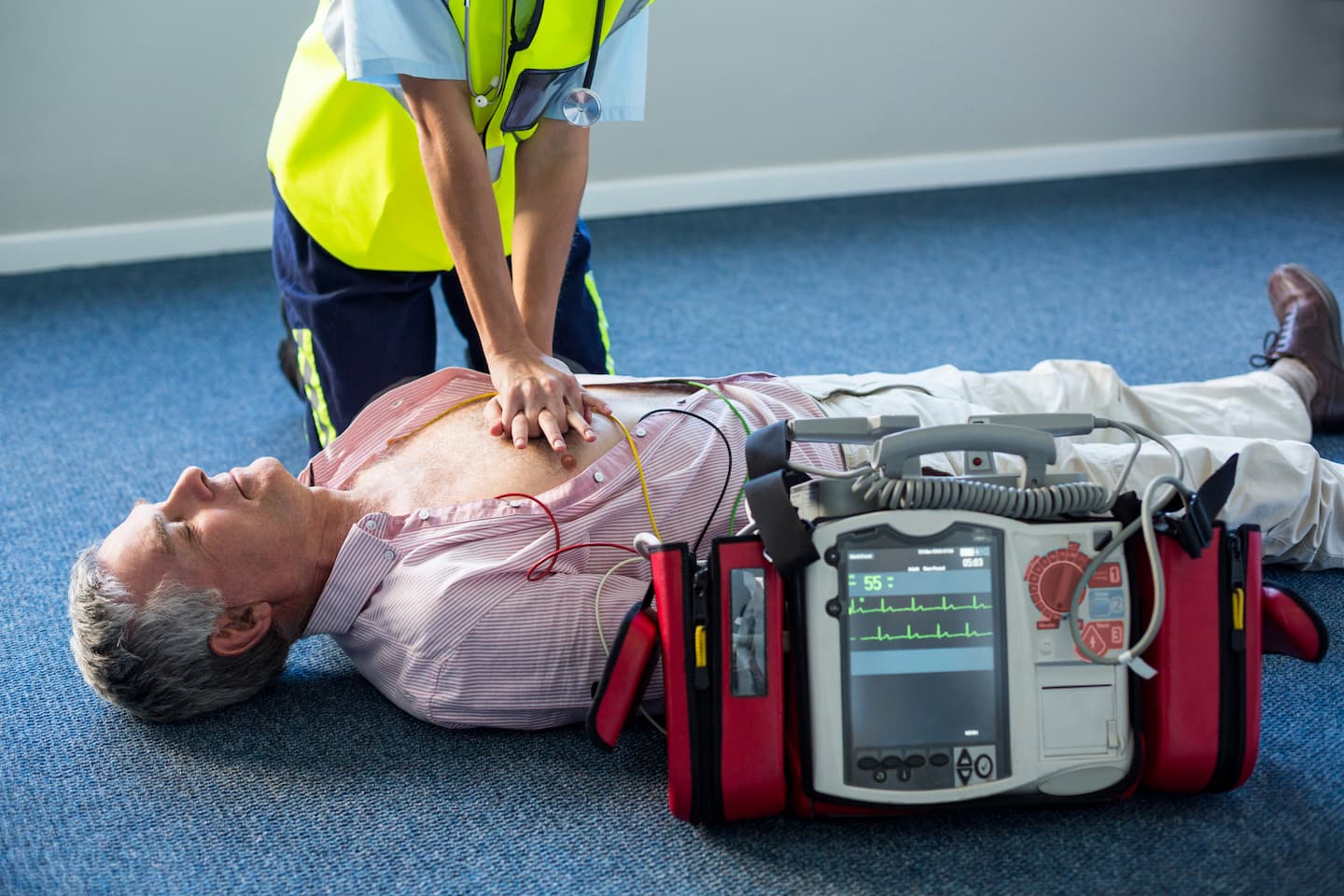
Discovering that you have an expired cpr certification can cause immediate panic, especially if your job relies on it. Whether you work on a clinical floor, manage an active fitness studio, or run an early childhood development center, keeping your life-saving credentials current is a core professional duty.
This guide breaks down exactly what happens to your employment status when your card lapses. You will learn about workplace liability, regulatory compliance, and the fastest steps you can take to get back to work safely.
Can you legally work with an expired CPR certification?
The short answer is that it depends entirely on your specific profession and state licensing regulations. For many healthcare workers, emergency responders, and childcare professionals, working with an expired cpr certification is a direct violation of state law. In these fields, an active credential is a non-negotiable prerequisite for employment.
For other industries, like general corporate offices or retail management, CPR training might be highly encouraged but not legally mandated by a state board. In those cases, the restriction is a matter of company policy rather than statutory law. However, if your official job description requires active certification, letting it lapse means you no longer meet the minimum qualifications for your role.
It is a common misconception that there is a standard legal grace period for life-saving credentials. The American Heart Association and the American Red Cross are explicit: certifications are valid for exactly two years to the day. Once that date passes, your card is officially invalid, and you are no longer considered certified under their guidelines.
What happens if an employer catches an expired CPR card?
When an employer notices that your certification has lapsed, their reaction is driven by compliance, liability, and insurance mandates. Most organizations run routine audits of employee files to ensure every team member meets safety standards. If your file flag comes up red, the consequences are usually immediate.
In high-stakes environments like hospitals or care facilities, you will likely be taken off the schedule immediately. Employers cannot risk the regulatory fines that come with staffing uncertified personnel. For roles where you do not provide direct patient care, you might be temporarily reassigned to administrative duties that do not carry a life-safety requirement.
Beyond immediate scheduling changes, a lapsed card can lead to formal disciplinary action. Many employment contracts state that maintaining necessary certifications is the sole responsibility of the employee. Failing to do so can result in a written warning, formal suspension without pay, or even termination if the lapse causes a severe disruption to staffing.
Is there a grace period for CPR certification renewal?
There is no official grace period granted by major training organizations. Both the American Heart Association and the American Red Cross design their courses to expire exactly 24 months after the issue date. The moment that expiration date passes, your credentials are fully lapsed in their databases.
While the certifying bodies offer zero leeway, individual employers occasionally provide a brief internal window to resolve the issue. An employer might give you a two-week period to complete a CPR renewal course if your lapse was accidental and you have a class scheduled. However, you should never assume this accommodation exists, as many healthcare facilities have a zero-tolerance policy.
Relying on an informal workplace grace period introduces significant professional risk. If an emergency occurs while you are working on an expired card, an internal company extension will not protect you from regulatory scrutiny. It is always safest to treat the expiration date on your card as a hard, final deadline.
What are the legal liability risks of working without active CPR?
Working with an expired credential introduces severe legal vulnerabilities for both you and your employer. If an emergency occurs on your shift and you must perform resuscitation, your lapsed status changes the legal landscape. Plaintiff attorneys can use an expired card to argue that your skills were outdated or non-compliant with current medical guidelines.
While Good Samaritan laws generally protect citizens who act in good faith during emergencies, these protections are drastically different for professionals on the clock. If your job description mandates CPR delivery, you are held to a professional standard of care. Operating without a valid certification makes it much easier for a third party to claim professional negligence.
For employers, the financial and regulatory risks are massive. Allowing an uncertified employee to work can result in the loss of facility licensing, steep fines from state boards, and the denial of insurance coverage if a malpractice lawsuit occurs. This is precisely why human resource departments are unyielding when it comes to certification tracking.
How does an expired CPR certification affect healthcare workers?
For healthcare workers, an active card is fundamentally linked to your professional license. Nurses, respiratory therapists, dental hygienists, and physical therapists must maintain valid life-support credentials to keep their state licenses active. A lapse in certification can trigger a domino effect that compromises your entire professional standing.
If a state licensing board audits a medical facility and finds staff members working with an expired cpr certification, the facility faces immediate penalties. The individual professional can also face a formal board investigation for practicing outside of compliant standards. In healthcare, this is not considered a minor administrative oversight; it is treated as a serious breach of patient safety protocols.
Additionally, healthcare workers cannot simply take a basic community course to satisfy their workplace requirements. Hospital systems and clinical environments require a specific tier of training, usually focused on basic life support for healthcare providers. Ensuring you sign up for the precise level of training required by your licensing board is vital to resolving a lapse.
What steps should you take if your CPR certification has lapsed?
If you check your wallet or digital portal and realize your card has expired, your very first step must be transparency. Notify your supervisor or human resources manager immediately to discuss your scheduling options. Trying to hide a lapsed credential is far worse than admitting an oversight, as an audit will eventually catch the discrepancy.
Once you have communicated with your employer, you need to find an accelerated training solution. Many providers offer blended learning options that combine online coursework with an in-person skills check. This format allows you to complete the cognitive portion of the class at your own pace late at night, minimizing your total time away from work.
Your ultimate goal should be booking an immediate, hands-on evaluation. Look for local training centers that offer daily schedules or walk-in skills assessments. Getting your physical skills verified by a certified instructor is the final, mandatory hurdle to restoring your active status and getting cleared to return to your normal shifts.
Can you take a renewal course if your certification is already expired?
Whether you qualify for an abbreviated renewal course depends heavily on which organization issued your original card and how long it has been expired. Historically, if your card was even one day past its expiration date, you had to take the full, longer initial certification class all over again.
Currently, the rules are slightly more flexible, though still strict. The American Heart Association generally requires an active card to sit for a standard update course, but individual training centers have some discretion to accept recently expired students if they can demonstrate strong baseline skills. The American Red Cross sometimes allows a brief window past expiration for challenge courses, provided you can pass the written and practical tests on the first try without remediation.
If your certification has been expired for more than a few months, you must expect to register for the full initial course. While this takes a few more hours of your day, it ensures that you are thoroughly re-educated on any updated guidelines or changes in emergency cardiovascular care training that occurred during your lapse.
Get compliant fast with professional training
An expired cpr certification does not have to stall your career or leave your employer in a compliance bind. The fastest way to protect your job, eliminate your legal liability, and ensure you are ready to handle a life-threatening emergency is to book a local recertification class right away.
At CPR Classes Near Me, we specialize in providing accessible, fully accredited emergency training designed to fit the demanding schedules of busy professionals. Our classes strictly follow the most up-to-date guidelines, ensuring you walk away with a verified credential that satisfies your employers, insurance providers, and state licensing boards.
Do not let a lapsed card keep you off the schedule or put your workplace at risk. Contact CPR Classes Near Me today to find an upcoming class in your area and secure your renewal with an expert instructor.
Frequently Asked Questions
Is there a 30-day grace period for an expired CPR certification?
No, there is no official 30-day grace period provided by the American Heart Association or the American Red Cross. Once the expiration date listed on your card passes, your certification is considered legally invalid.
Can my employer fire me on the spot if my CPR card expires?
Yes, if your job description or state licensing laws require an active CPR certification as a condition of employment, your employer has the legal right to suspend or terminate your employment for letting it lapse.
Does an expired CPR certification protect me under Good Samaritan laws?
Good Samaritan laws generally protect everyday citizens who volunteer to help in an emergency, regardless of certification status. However, if you are working in a professional capacity where CPR is a required duty, you are held to a professional standard and may face liability if your card is expired.
What is the difference between a initial CPR class and a CPR renewal course?
A renewal course is a shortened, fast-paced class designed for individuals who currently hold an active or very recently expired card and need to refresh their skills. An initial class is a longer, comprehensive session required for first-timers or those whose certifications have been lapsed for an extended period.
How often do I need to update my CPR certification for work?
You must update your certification every two years. Both major national credentialing bodies issue cards that remain valid for exactly 24 months from the date of course completion.