
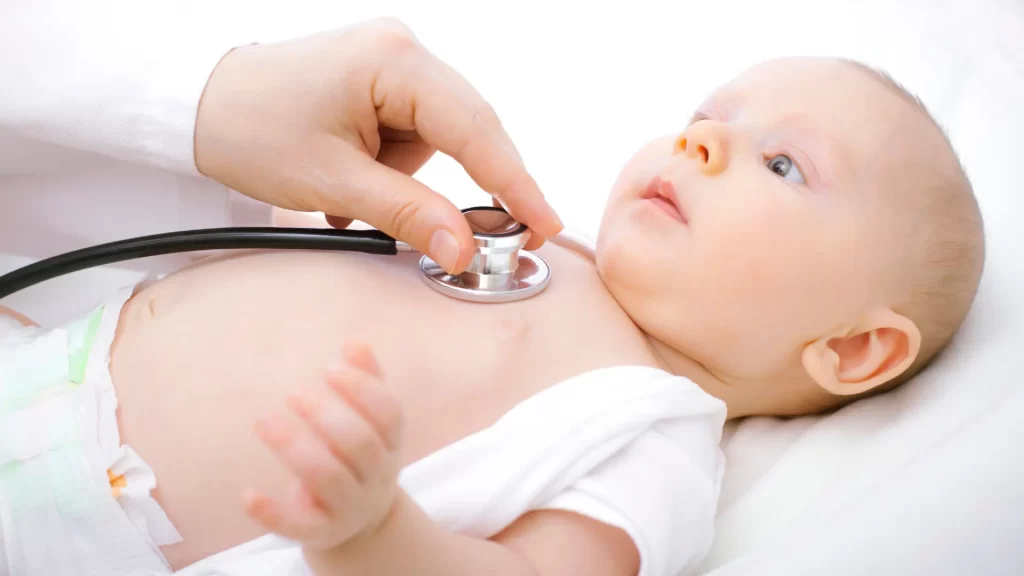
In today’s fast-paced world, acquiring the necessary skills to respond effectively in emergencies is crucial. Cardiopulmonary resuscitation (CPR) is one such vital skill. Traditional CPR training has long been the standard, but interactive learning through simulations is revolutionizing the way we prepare individuals for emergency response. This article delves into the role of simulations in CPR training, highlighting their significance and benefits.
Cardiopulmonary resuscitation is a lifesaving technique used in emergencies when someone’s heartbeat or breathing has stopped. It combines chest compressions with artificial ventilation to maintain circulatory flow and oxygenation. Effective CPR can significantly increase the chances of survival and recovery in cardiac arrest cases.
The importance of CPR training cannot be overstated. In emergency situations, every second counts, and a swift, knowledgeable response can make the difference between life and death. Traditional CPR training involves classroom instruction and practice on mannequins. However, these methods may not fully simulate the stress and unpredictability of real-life scenarios.
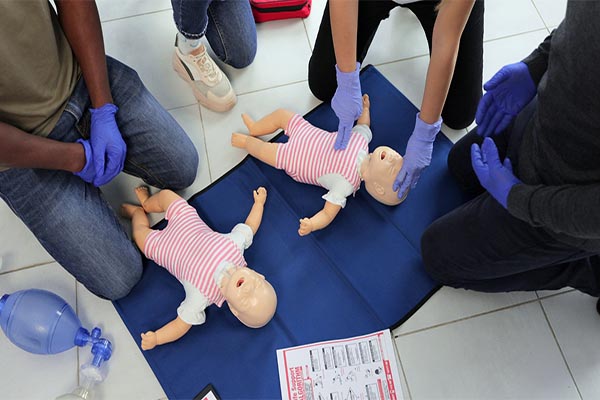
Interactive simulations have emerged as a powerful tool in emergency response training. They provide a more immersive and realistic experience, enhancing the learning process and better preparing trainees for real-world situations.
Interactive CPR training simulations are computer-based programs or virtual reality experiences that mimic real-life emergency scenarios. These simulations allow learners to practice CPR techniques in a controlled, risk-free environment while receiving instant feedback on their performance.
Simulations offer several advantages over traditional training methods:
Interactive CPR training simulations play a pivotal role in enhancing emergency response training by building confidence, improving skill retention, and fostering quick decision-making.
Confidence is key in emergency situations. Through simulations, trainees gain familiarity with CPR procedures and develop the confidence needed to perform effectively under pressure. This confidence translates into better performance during real-life emergencies.
Traditional CPR training often suffers from skill decay over time. Simulations combat this issue by allowing for frequent practice and reinforcement of skills. Regular engagement with simulations helps solidify knowledge and improves long-term retention.
In emergencies, quick decision-making is essential. Simulations present trainees with various scenarios that require immediate action, honing their ability to assess situations rapidly and respond appropriately. This practice prepares them for the unpredictability of real-world emergencies.
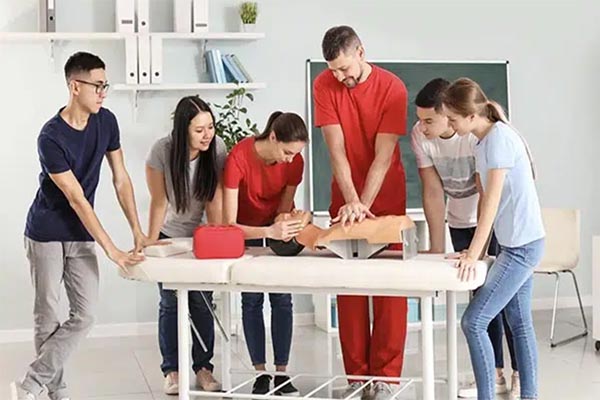
The implementation of interactive simulations in CPR training is not limited to a specific audience. Various sectors can benefit from this innovative approach.
Healthcare providers, including doctors, nurses, and paramedics, can use simulations to refine their CPR skills and stay updated with the latest protocols. Regular simulation-based training ensures that they are prepared to deliver high-quality care in critical situations.
CPR training simulations can be integrated into school curriculums, teaching students essential life-saving skills. By introducing simulations at an early age, educational institutions play a vital role in creating a generation of confident and capable responders.
Businesses can incorporate CPR simulations into their employee training programs. This proactive approach not only enhances workplace safety but also equips employees with valuable skills that can benefit the community at large.
As technology continues to advance, the future of CPR training looks promising. Innovations such as augmented reality (AR) and artificial intelligence (AI) are poised to further enhance the effectiveness of interactive simulations.
Augmented reality can overlay virtual elements onto the real world, providing trainees with a more immersive experience. AI can analyze data from simulations to offer personalized feedback and adaptive learning paths, tailoring training to individual needs.
With the increasing availability of affordable technology, CPR training simulations can reach underserved communities and remote areas. This expanded access ensures that more people can acquire life-saving skills, contributing to a safer society.
Interactive CPR training simulations are transforming emergency response training by providing realistic, engaging, and effective learning experiences. By embracing technology and integrating simulations into CPR training programs, we can equip individuals with the skills and confidence needed to respond effectively in emergencies. As we move forward, continued innovation in this field holds the promise of a safer and more prepared world.
In light of these powerful advances in CPR training, it’s time to take action for your safety and the safety of those around you. Enroll in CPR and First Aid Classes with CPR Classes Near Me today. By doing so, you’ll gain invaluable life-saving skills through innovative, interactive training that prepares you for real-world emergencies. Don’t wait for an emergency to happen—be proactive, and become a confident responder ready to make a difference. Visit CPR Classes Near Me to find a class in your area and join the movement towards a safer, more prepared community.