Common First Aid Scenarios in Childcare and How to Handle Them

When caring for children, being prepared for emergencies is crucial. Understanding how to handle common first aid scenarios can make a significant difference in how you manage injuries and illnesses in children. In this guide, we will explore various situations and offer practical first aid tips that every caregiver should know.
The Importance of First Aid for Children
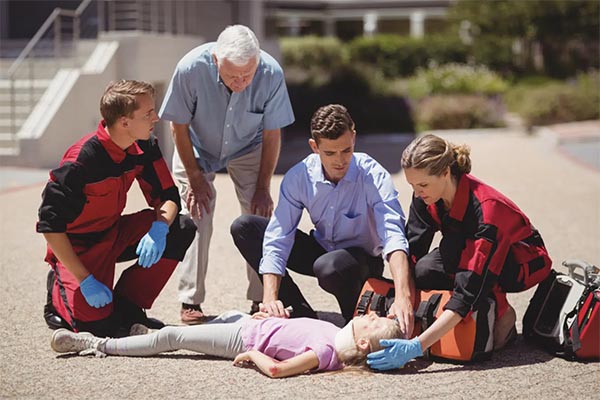
First aid for children is more than just treating minor cuts and bruises. It’s about providing immediate care in emergencies to prevent conditions from worsening before professional medical help arrives. First aid training equips caregivers with the skills to handle various situations, ensuring children’s safety and well-being.

Basic Principles of First Aid
Before diving into specific scenarios, let’s cover some first aid basics:
- Stay Calm: Panic can escalate a situation. Stay as calm as possible to assess the situation clearly.
- Assess the Situation: Determine if the child is in immediate danger and needs urgent medical attention.
- Call for Help: If necessary, call emergency services immediately.
- Provide Comfort: Reassure the child, as your calm demeanor can help soothe their anxiety.
- Administer First Aid: Follow the correct procedures for each situation as outlined below.
Cuts and Scrapes
Children are active and often experience cuts and scrapes. Here’s how to handle them:
- Clean the Wound: Rinse the area with clean water to remove dirt and debris. Use a gentle soap if necessary.
- Stop the Bleeding: Apply gentle pressure with a clean cloth or bandage until the bleeding stops.
- Apply an Antiseptic: Use an antiseptic wipe or cream to reduce the risk of infection.
- Bandage the Wound: Cover the wound with a sterile bandage to keep it clean and protected.
- Monitor for Infection: Watch for signs of infection, such as redness, swelling, or pus.
Bruises
Bruises occur when small blood vessels break under the skin. They’re usually not serious but can be painful.
- Apply Cold Compress: Use a cold pack or a cloth filled with ice wrapped in a towel. Apply to the bruise to reduce swelling and pain.
- Elevate the Area: If possible, elevate the bruised area to minimize swelling.
- Monitor the Bruise: If the bruise doesn’t improve or if severe pain persists, consult a healthcare professional.
Burns
Burns can be alarming but are manageable with the right first aid techniques.
- Cool the Burn: Immediately run cool (not cold) water over the burn for at least 10 minutes.
- Remove Tight Items: Take off any jewelry or tight clothing near the burn area before swelling begins.
- Cover the Burn: Use a clean, non-fluffy cloth to cover the burn and protect it from infection.
- Avoid Home Remedies: Do not apply oils, butter, or lotions, as these can cause more harm.
- Seek Medical Attention: If the burn is severe or covers a large area, seek medical help promptly.
Choking
Choking is a common and frightening emergency in children. Quick and effective action is crucial.
- Assess the Situation: Determine if the child can cough, speak, or breathe. Encourage them to cough if they can.
- Perform Back Blows: If the child cannot breathe, stand behind them and deliver five firm blows to their back between the shoulder blades.
- Perform Abdominal Thrusts: If back blows don’t work, perform abdominal thrusts (Heimlich maneuver) for children over one year old.
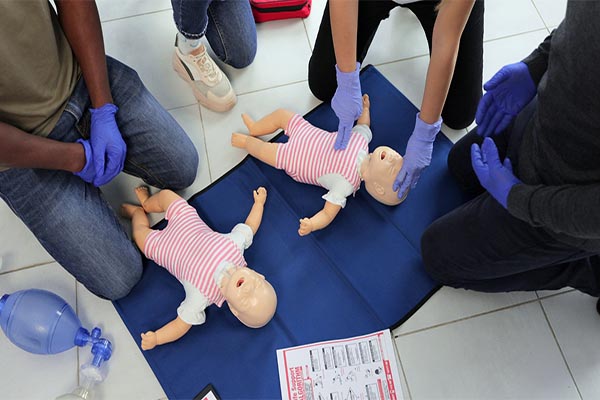
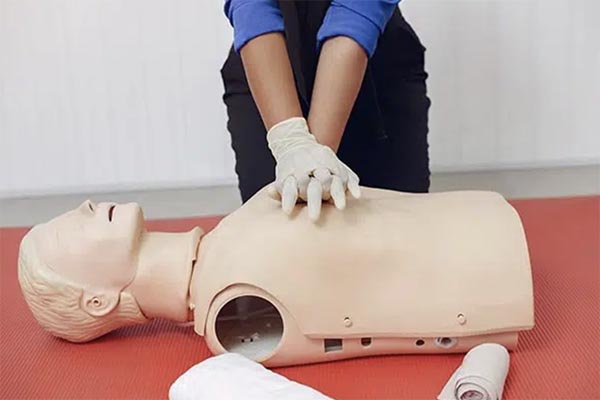
- Call for Help: If the object is not dislodged and the child becomes unconscious, call emergency services and begin CPR.
Poisoning
Accidental poisoning can occur if a child ingests harmful substances.
- Identify the Substance: Try to determine what the child has ingested and how much.
- Do Not Induce Vomiting: Do not make the child vomit unless instructed by a healthcare professional.
- Call Poison Control: Contact your local poison control center for specific instructions.
- Seek Medical Help: If the child is showing symptoms such as difficulty breathing, drowsiness, or seizures, call emergency services immediately.
Nosebleeds
Nosebleeds are common and usually not serious, but they can be unsettling.
- Stay Calm: Reassure the child and have them sit up straight.
- Lean Forward: Encourage the child to lean forward slightly to prevent swallowing blood.
- Pinch the Nose: Pinch the soft part of the nose and hold for 10 minutes.
- Avoid Nose Blowing: After the bleeding stops, advise the child not to blow their nose for several hours.

When to Seek Professional Help
While many first aid scenarios can be managed with basic knowledge, it’s important to know when professional medical help is necessary. Seek help if:
- The child has difficulty breathing or is unconscious.
- Bleeding does not stop after applying pressure.
- Burns are severe or cover a large area.
- There are signs of infection in wounds.
- The child has ingested a poisonous substance.
Conclusion
First aid training is essential for anyone involved in childcare. By understanding and applying first aid basics, you can provide immediate assistance in emergencies, minimize the severity of injuries, and ensure the safety and health of children in your care. Remember, being prepared is the first step to effectively handling common first aid scenarios.
Take Action: Enroll in CPR and First Aid Classes
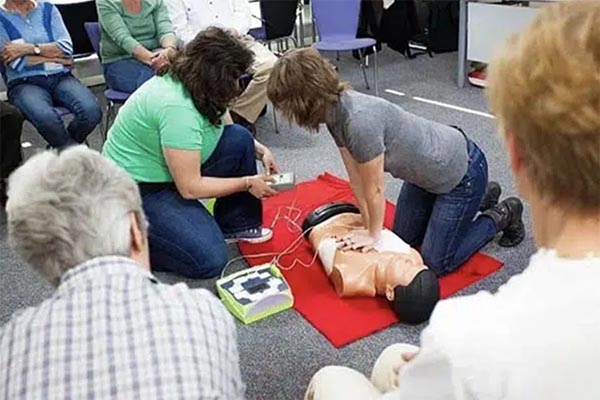
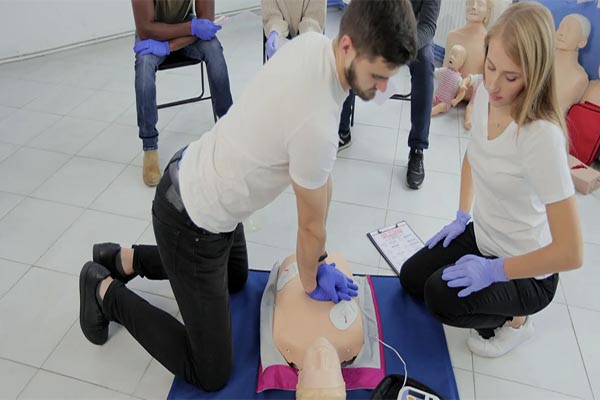
In emergencies, every second counts, and knowing CPR and First Aid can make all the difference. Equip yourself with the skills to respond effectively and confidently by enrolling in a certified CPR and First Aid class. “CPR Classes Near Me” offers comprehensive training that covers life-saving techniques and essential first aid knowledge. Don’t wait for an emergency to occur—be proactive and prepared to help those in need. Sign up today and take the first step toward becoming a valuable resource in your community. Remember, the life you save could be someone you love.