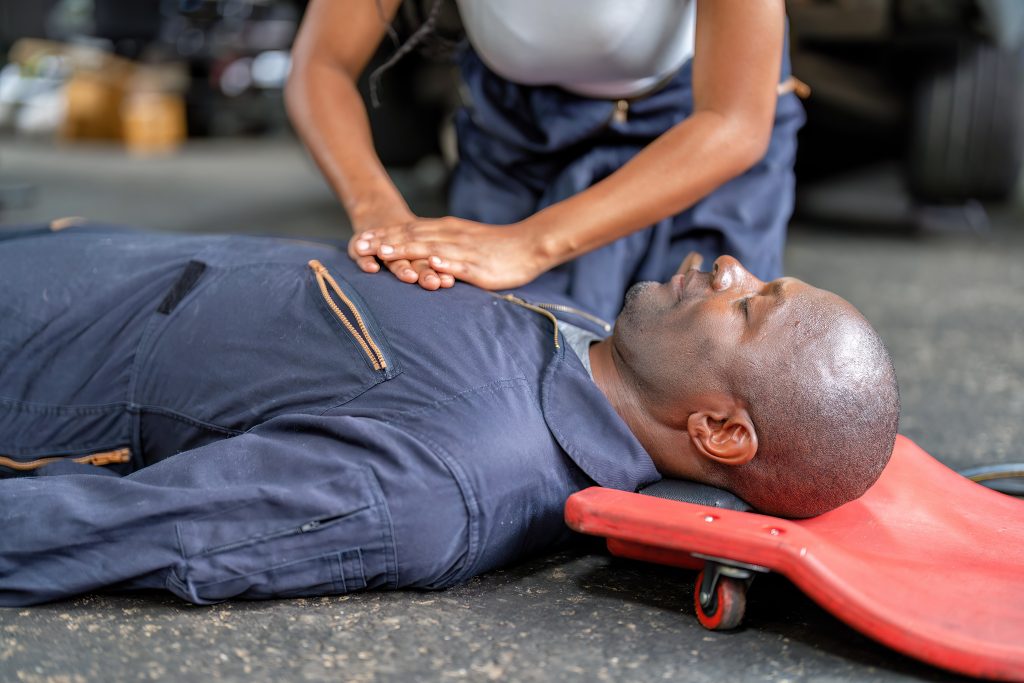
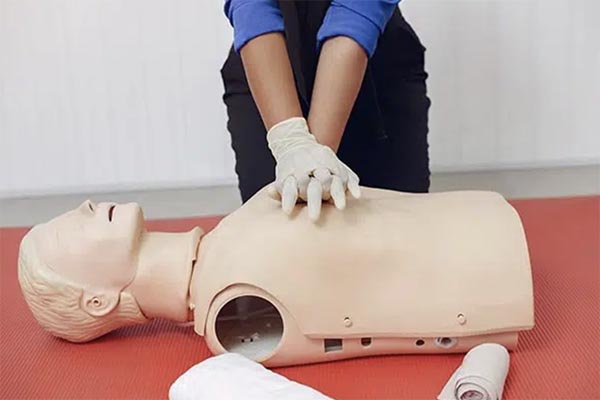
The Importance of AED Training for D.C. Construction Sites

CPR Archives

No Comments

Construction work is a cornerstone of Washington D.C.’s development, with new projects constantly shaping the city’s skyline. While a dynamic industry, it also carries inherent risks. The daily environment on a construction site, filled with heavy machinery, electrical systems, and potential for falls, means that emergencies can happen at a moment’s notice. Among the most critical and time-sensitive of these emergencies is sudden cardiac arrest (SCA).

SCA can strike anyone, regardless of age or health, but the unique conditions on a construction site can make it a higher risk. Electrocutions, for instance, are a known hazard that can trigger an SCA. The immediate response to an SCA is vital. Without intervention, a person’s chances of survival decrease by 7 to 10 percent for every minute that passes. This is where an Automated External Defibrillator (AED) and proper training become not just a safety measure, but a critical, life-saving tool.

Why is an AED on a Washington D.C. Construction Site Not Just a Good Idea, But a Necessity?

A construction site is a high-risk environment. Workers operate heavy machinery, deal with powerful electrical systems, and perform tasks at heights. These factors increase the potential for accidents that can lead to sudden cardiac arrest (SCA). SCA occurs when the heart’s electrical system malfunctions, causing it to stop beating effectively. In this situation, the person collapses and becomes unresponsive. Every second counts.

An AED is the only definitive treatment for SCA. It is a portable, user-friendly device designed to analyze a person’s heart rhythm. If it detects a problem, it will deliver a controlled electrical shock to restore a normal heartbeat. The AED’s purpose is to reset the heart’s electrical system, effectively bringing it back to life. Having an AED readily available on a D.C. construction site means that a worker suffering an SCA can receive this life-saving treatment within minutes, not minutes-to-hours.

The time it takes for emergency services to arrive can be critical. On a bustling Washington D.C. construction site, access can be a challenge. Delays due to traffic, site access points, or complex layouts can all prolong the time until professional help arrives. An on-site AED bypasses these delays entirely. It allows a trained colleague to act as an immediate first responder. This immediate action can be the difference between life and death.

The presence of an AED also fosters a culture of safety. It shows that a company is serious about protecting its most valuable asset: its employees. This commitment to safety can boost morale and create a more secure work environment. When workers know that the necessary tools are available to help them in an emergency, they can feel more confident and focused on their jobs. This is a crucial element for any successful project in the nation’s capital.

The Importance of AED Training for D.C. Construction Sites

How Does AED Training Complement On-Site Emergency Protocols?

AED training is a vital component of any comprehensive emergency preparedness plan for a construction site. While having the device is essential, a team that knows how to use it is even more critical. The training provided by certified instructors goes beyond simply knowing where the AED is located. It teaches workers how to recognize the signs of sudden cardiac arrest.

The training emphasizes a clear, step-by-step process. This includes:

  1. Checking for responsiveness: Tapping the person and shouting to see if they respond.
  2. Calling for help: Immediately dialing 911 and designating a specific person to find the AED.
  3. Beginning CPR: Starting chest compressions and rescue breaths to keep blood flowing.
  4. Applying the AED: Attaching the AED pads to the person’s chest and following the voice prompts.

This systematic approach ensures that the response to an emergency is organized and effective. Training provides the hands-on practice needed to feel confident in a high-stress situation. Trainees learn how to correctly place the pads, how to follow the voice prompts, and when to deliver a shock. They also learn how to continue CPR after the shock has been delivered, if necessary.

The training also addresses the psychological aspect of an emergency. It helps to alleviate the fear of a “fight-or-flight” response. When a worker has been trained and has practiced these skills, they are more likely to act quickly and decisively. They will know exactly what to do and will not hesitate. This kind of preparation is invaluable on a construction site.

Furthermore, certified training ensures that the skills are up-to-date and in line with the latest guidelines from organizations like the American Heart Association (AHA). This is crucial because emergency protocols can evolve. Regular refresher courses ensure that the entire team remains prepared and ready to act. For a D.C. construction company, this means peace of mind knowing their team is equipped with the best possible life-saving skills.

What are the Key Components of an Effective AED and CPR Training Program for Construction Workers?

An effective training program for a high-risk environment like a construction site must be comprehensive and practical. It should cover not only the technical aspects of CPR and AED use but also the specific challenges of the work environment. The training should be hands-on and scenario-based.

Key components include:

  • Adult, Child, and Infant Training: While the focus for construction sites is primarily on adults, a comprehensive course will cover all age groups. This ensures that workers are prepared for any situation, whether on the job or in their personal lives.
  • Hands-on Practice: The most crucial element of any training is the opportunity for hands-on practice. Trainees should practice chest compressions on manikins and simulate the use of an AED machine. This muscle memory is invaluable in a real emergency.
  • Choking Management: The training should include techniques for managing choking in adults. This is a critical skill for any workplace, including construction sites where food or other objects could cause an airway obstruction.
  • Recognition of SCA Symptoms: Before any intervention can occur, a worker must be able to recognize that an SCA is happening. The training should teach them to look for signs like unresponsiveness and the absence of normal breathing.
  • Group Certification Options: A training provider that offers group certification and on-site training is ideal for construction companies. This allows the entire team to be certified together without having to leave the worksite. It is a time-efficient and cost-effective solution.
  • Certification Validity and Renewal: The training program should provide a clear timeline for certification validity, typically two years. They should also offer renewal courses. This ensures that the skills remain current and the team stays compliant with safety standards.

An effective training program is not about memorizing facts. It’s about developing practical skills that can be deployed under pressure. It’s about building a team of confident, capable first responders from within the workforce. For Washington D.C.’s construction industry, this kind of training is a smart investment in safety and preparedness.
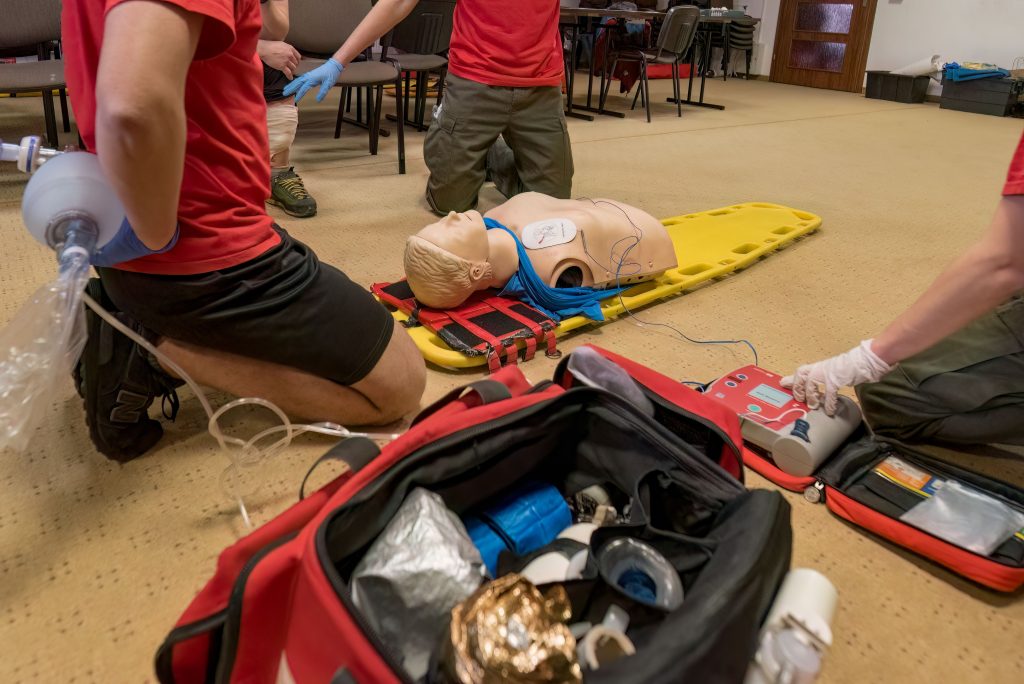
How Does a Comprehensive Safety Plan Impact Project Timelines and Success?

How Does a Comprehensive Safety Plan Impact Project Timelines and Success?

A proactive approach to safety, including on-site AEDs and trained personnel, is a cornerstone of project success. While some might view safety measures as an added cost or a delay, the reality is that they save time and resources in the long run. A severe injury or death on a construction site can have catastrophic consequences for a project.

The direct impacts of a medical emergency include:

  • Work Stoppage: An emergency will almost certainly halt work on the site. This can lead to delays in project completion, which can be very costly.
  • OSHA and Regulatory Investigations: A serious incident on a D.C. construction site will trigger an investigation by regulatory bodies like OSHA. This process can be long and disruptive, potentially leading to fines and further work stoppages.
  • Increased Insurance Premiums: A history of workplace accidents will lead to higher insurance rates for the company.
  • Reputation Damage: A company’s reputation for safety is a key factor in winning future contracts. A poor safety record can make it difficult to secure new business in a competitive market like Washington D.C.
  • Litigation: A death or serious injury can lead to costly and time-consuming lawsuits.

By contrast, a company that invests in comprehensive safety training, including AEDs and CPR, reduces these risks. They can respond to an emergency with confidence and competence. The quick actions of a trained colleague can stabilize a situation until professional help arrives. This minimizes disruption to the worksite. It also shows a clear commitment to safety, which can improve the company’s reputation and make them more attractive to clients.

Ultimately, investing in AED training is an investment in efficiency and reliability. A safer worksite is a more productive worksite. When workers feel safe and protected, they are more focused and motivated. This leads to higher quality work and a more streamlined project timeline. In Washington D.C., where projects are often under intense scrutiny, this can be a key competitive advantage.

Conclusion

The risks on a Washington D.C. construction site are real and constant. While safety protocols are in place, the unpredictable nature of medical emergencies like sudden cardiac arrest requires an extra layer of protection. That layer is provided by a readily available Automated External Defibrillator and a team trained to use it. AED training and CPR are not just optional skills; they are essential life-saving tools.

By equipping construction workers with these skills, companies in the D.C. area can transform their teams into a community of first responders. This investment in training can mean the difference between life and death. It can also protect a company from the financial and reputational damage that an emergency can cause. If you are a construction company or an individual worker in Washington D.C., now is the time to get certified.

To learn more about on-site group training or to get your individual certification, contact CPR Classes Near Me today.

FAQs about AED Training for Construction Sites in Washington D.C.

Q: What is the difference between a heart attack and sudden cardiac arrest?

A: A heart attack is a “circulation” problem. It occurs when blood flow to a part of the heart is blocked. The person is usually awake and conscious. Sudden cardiac arrest (SCA), however, is an “electrical” problem. It is caused by an electrical malfunction in the heart that stops it from pumping blood. The person collapses and becomes unresponsive. An AED is used to treat SCA, but not a heart attack.

Q: How long is an AED and CPR certification valid?

A: The American Heart Association (AHA) certifications for CPR and AED are typically valid for two years. After this period, it is important to take a renewal course to refresh your skills and stay up-to-date with the latest guidelines and protocols. This is critical for ensuring that you are always ready to act in an emergency.

Q: How difficult is it to learn how to use an AED?

A: Learning to use an AED is not difficult. The devices are designed to be user-friendly, with clear voice prompts and visual instructions that guide the user through the process. The training focuses on teaching the steps to follow, from turning on the device to attaching the pads and delivering a shock. The hands-on practice in the course makes the process second nature.

Q: Can a bystander get in trouble for using an AED on someone?

A: In the United States, most states have “Good Samaritan” laws that protect individuals from liability when they provide emergency medical care, including using an AED, in good faith. These laws are designed to encourage bystanders to act and help save lives without fear of legal consequences. It is always best to check the specific laws in your area, but generally, you are protected.

Q: Does an AED course include CPR training?

A: Yes, an AED course is almost always integrated with CPR training. The two skills are designed to work together to increase the chances of survival for a person experiencing sudden cardiac arrest. CPR helps to circulate oxygenated blood until an AED is available to deliver a shock, and it continues to be important after the shock to maintain blood flow until professional help arrives.

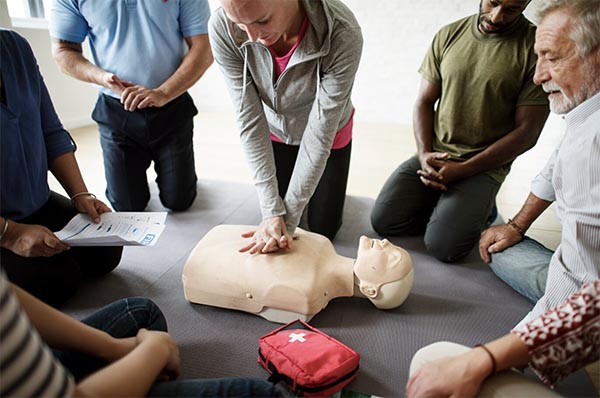
CPR Certification for Teachers: What to Expect in Your Class

CPR Archives

No Comments
A Guide to CPR Certification for Teachers

In the fast-paced, sometimes unpredictable environment of a classroom or school, emergencies can happen without warning. Whether it’s a student choking in the cafeteria, a colleague collapsing in the hallway, or a sudden medical event during recess, being prepared is not just an option, it’s a necessity. For teachers and educators in Washington D.C., having up-to-date CPR certification is a critical part of that preparedness. It’s a skillset that empowers you to act decisively and confidently in a crisis, potentially saving a life.

But what exactly goes into a CPR certification class? Many teachers wonder what to expect, from the curriculum to the hands-on practice. It’s a valid question, as knowing the process can help you feel more comfortable and ready for the training. This comprehensive guide will walk you through the journey of a CPR certification class, specifically the American Heart Association (AHA) Basic Life Support (BLS) course, and explain why it’s the gold standard for educators. We’ll cover everything from the core skills you’ll learn to the supportive environment you’ll experience, all designed to make you a confident and capable first responder.

What Essential Skills Will You Learn?

A CPR certification class is much more than just learning chest compressions. It’s a holistic training experience that equips you with a wide range of life-saving techniques. For teachers, this is especially important, as you are responsible for the well-being of a diverse group of individuals, from young children to adults.

The core of the training focuses on the foundational skills of CPR, which stands for cardiopulmonary resuscitation. This is the emergency procedure used when someone’s breathing or heart has stopped. The class will introduce you to the ABCs of CPR: Airway, Breathing, and Compressions.

  • Airway: You will learn how to check the scene for safety and assess the person’s responsiveness. You’ll also be taught how to open the victim’s airway to ensure they can breathe freely.
  • Breathing: This section covers how to provide rescue breaths effectively, which involves using a barrier device to deliver air into the victim’s lungs.
  • Compressions: The class will teach you the proper hand placement and depth for performing chest compressions on adults, children, and infants. This is a critical skill that helps to circulate blood and oxygen to the brain and other vital organs until professional medical help arrives.

Beyond the basics, the class will also cover a variety of other vital skills. You will learn how to use an automated external defibrillator (AED), a portable electronic device that can automatically diagnose life-threatening cardiac arrhythmias and treat them through defibrillation. Understanding how to operate an AED is a crucial part of the modern BLS curriculum. You’ll also learn how to respond to choking emergencies, a common occurrence in school settings, and how to perform basic first aid, such as managing bleeding or treating minor injuries.

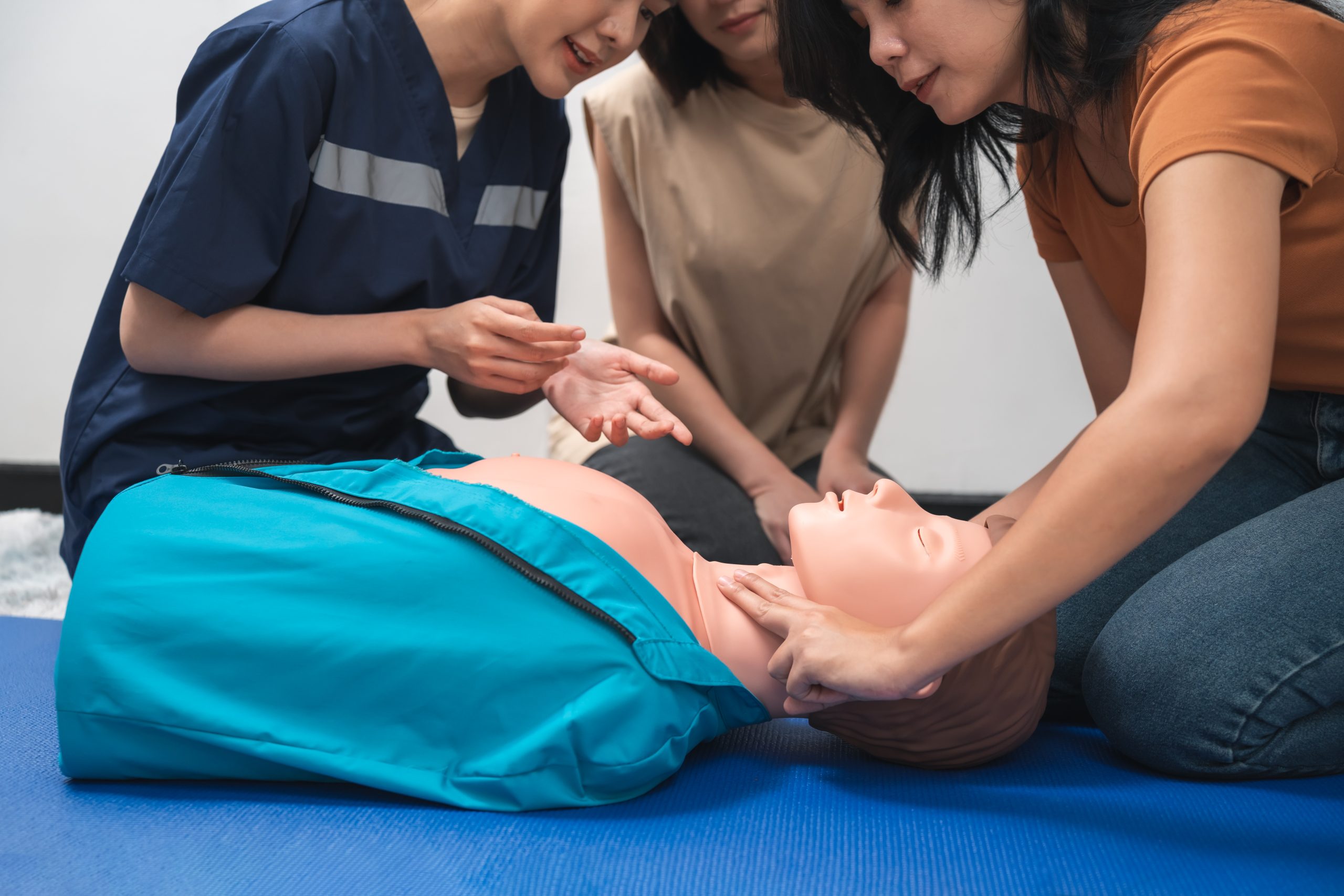
CPR Certification for Teachers: What to Expect in Your Class

Why Is the American Heart Association (AHA) BLS Course the Industry Standard for Educators?

When it comes to CPR certification, not all courses are created equal. For teachers and educators, choosing a certification that is widely recognized and respected is paramount. The American Heart Association (AHA) Basic Life Support (BLS) course is considered the gold standard, and for good reason. It is the most widely accepted certification nationwide, making it a reliable choice for educators who might change schools or states.

The AHA is a non-profit organization that has been a leader in cardiovascular health for over a century. Their BLS course is developed by a team of experts and is based on the latest scientific research and guidelines. This ensures that the information you are learning is accurate, up-to-date, and effective. The certification is also OSHA-approved, which means it meets the safety and health standards set by the Occupational Safety and Health Administration.

  • The AHA BLS course is designed specifically for healthcare providers, but its comprehensive nature makes it perfect for educators. You will learn advanced techniques and a deeper understanding of the “why” behind the skills.
  • The certification is recognized by schools, school districts, and educational institutions across the country, so you can be confident that your training will meet your employer’s requirements.
  • The AHA provides high-quality training materials, including workbooks and instructional videos, which supplement the in-person class.
  • The focus is on practical, hands-on skills, ensuring you can perform the techniques with confidence in a real-world emergency.

Choosing an AHA BLS course means you are not just getting a piece of paper; you are gaining a legitimate, respected, and effective set of skills that will be invaluable in your career.

What is the Learning Environment Like and How is the Training Delivered?

The thought of a CPR class can be intimidating for some. You might imagine a high-pressure, stressful environment. However, this is far from the reality of a quality training course. CPR Classes Near Me understands that the best way to learn these critical skills is in a relaxed and supportive environment.

Classes are structured to be both informative and engaging. You won’t just be sitting through a lecture; you’ll be an active participant.

  • Hands-On Practice: The majority of the class is dedicated to hands-on practice with manikins. You will practice chest compressions, rescue breaths, and using an AED under the guidance of a highly trained instructor. This practical experience is essential for building muscle memory and confidence.
  • Expert Instructors: All classes are taught by experienced and highly trained instructors. They are not only knowledgeable about the subject matter but also skilled at creating a positive and encouraging atmosphere. They will answer all your questions, provide constructive feedback, and guide you every step of the way.
  • Low-Stress Environment: Instructors understand that learning CPR is a serious topic, but they also know that a relaxed setting helps students learn better. They create a no-judgment zone where you can make mistakes and learn from them without feeling embarrassed. This supportive approach is key to mastering the skills.
  • Real-World Scenarios: The instructors will often use real-world scenarios to help you apply the skills you’ve learned. They might present a hypothetical situation and ask you to demonstrate the correct steps, which helps you think critically and apply the knowledge you’ve gained.

The training is designed to be accessible and effective for everyone, regardless of their background or previous medical knowledge. You don’t need to be a healthcare professional to excel in a BLS class; you just need a willingness to learn and an open mind.

How Can You Get Your Certification and How Quickly Will It Arrive?

Once you have completed the class and demonstrated your proficiency in the skills, you will be on your way to receiving your official certification. For many, this is one of the most exciting parts of the process. One of the major benefits of a class with CPR Classes Near Me is the speed at which you receive your certification.

Gone are the days of waiting weeks for a physical card to arrive in the mail. The modern certification process is streamlined and efficient.

  • Same-Day E-Card: You will receive your official certification eCard on the very same day you complete the class. This is incredibly convenient, especially if you have a tight deadline for your school or employer.
  • Instant Access: The eCard is a digital certification that you can access immediately online. You can print it out, save it to your phone, or email it directly to your school administration. This instant access ensures that you can prove your certification status without any delay.
  • OSHA-Approved: The certification you receive is not only an official AHA eCard but is also OSHA-approved. This means it is accepted by a wide variety of employers, including those in the education sector, making it a valuable asset to your professional portfolio.

The efficiency of this process means you can complete your training and have the necessary documentation in hand without any logistical headaches. This is one less thing for you to worry about as you prepare for the school year.

How Can You Get Your Certification and How Quickly Will It Arrive?

Conclusion

For teachers and educators in Washington D.C., CPR certification is more than just a requirement; it’s a profound act of responsibility and care for the students and colleagues you interact with every day. The American Heart Association (AHA) Basic Life Support (BLS) course provides you with the skills, confidence, and knowledge to handle emergencies effectively. From mastering the essential techniques of CPR to understanding how to use an AED, you will leave the class feeling empowered to act.

The supportive and hands-on environment, led by highly trained instructors, ensures that your learning experience is both educational and stress-free. With the added benefit of receiving your official, OSHA-approved eCard on the same day, you can quickly and easily provide proof of certification to your school. Being prepared for the unexpected is one of the most valuable things you can do in an educational setting. Taking a CPR certification class is a simple, effective, and critical step toward creating a safer environment for everyone in your school.

Ready to get certified and become a first responder in your school?

Contact CPR Classes Near Me to find a class in Washington D.C. and take the first step toward a safer school environment.

FAQs about CPR Certification for Teachers in Washington D.C.

Q: Why do teachers need CPR certification?

A: Teachers are often the first responders in a school emergency. They work with a diverse group of people, from young students to fellow adults, and a medical emergency can happen at any time. CPR certification provides them with the life-saving skills to act immediately and effectively until professional medical help arrives. Many school districts and educational institutions require CPR certification for their staff to ensure a safe environment for all students and employees.

Q: What is the difference between CPR and BLS certification?

A: CPR (Cardiopulmonary Resuscitation) is the core skill of chest compressions and rescue breaths. BLS (Basic Life Support) is a more comprehensive course that includes CPR for adults, children, and infants, as well as the use of an AED (Automated External Defibrillator), how to handle choking emergencies, and other basic first aid skills. For teachers, BLS is the preferred and often required certification because it covers a broader range of life-threatening situations they might encounter in a school setting.

Q: How long is the CPR certification valid?

A: The American Heart Association (AHA) BLS certification is valid for two years. To maintain your certification, you must renew it before it expires by taking a renewal course. It is crucial to stay up-to-date with your skills and knowledge, as the AHA periodically updates its guidelines based on the latest scientific research.

Q: How long does a CPR certification class take?

A: A typical CPR certification class, like the American Heart Association (AHA) BLS course, usually takes a few hours to complete. The exact duration can vary slightly depending on the class format, the number of participants, and the instructor’s pace. The training includes a combination of video-based learning, hands-on practice with manikins, and a skills assessment.

Q: Will I receive a physical card after the class?

A: No, you will receive an official AHA eCard (electronic card) instead of a physical card. This eCard is issued on the same day you complete the class and is just as valid as a physical card. You can easily print a copy for your records or share the digital file with your employer. The eCard system is a modern, efficient way to manage and verify certifications.

Q: Are these classes suitable for complete beginners?

A: Yes, absolutely. The American Heart Association (AHA) BLS course is designed for individuals with little to no medical background. The highly trained instructors at CPR Classes Near Me create a supportive and relaxed environment where beginners can feel comfortable and confident while learning these new skills. The curriculum is presented in an easy-to-understand format with plenty of hands-on practice to ensure everyone masters the techniques.

In-Person CPR Training: Why It Beats Online Courses

CPR Archives

No Comments
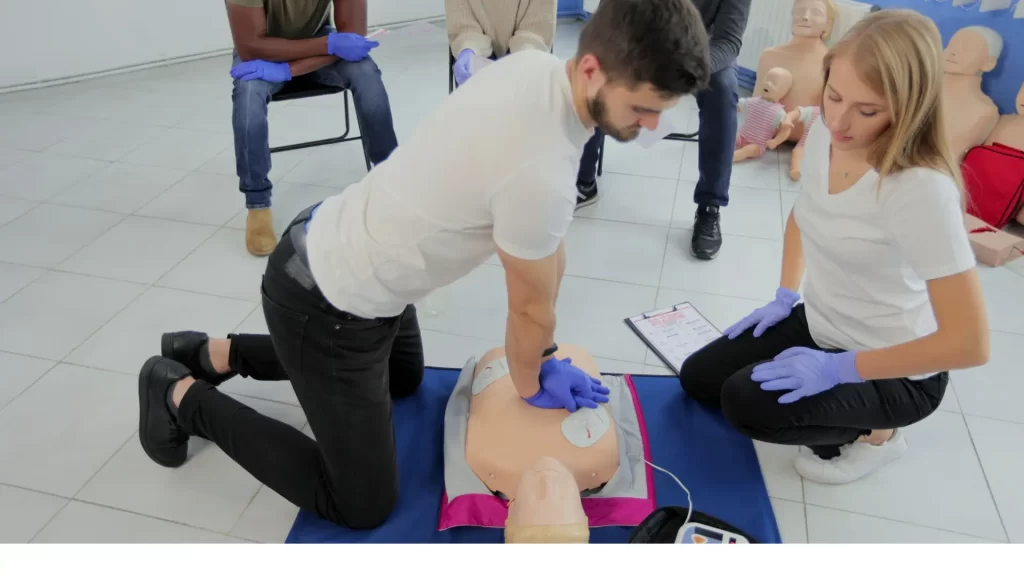
CPR training session with students practicing chest compressions on a first aid mannequin

Online courses are convenient, but for a life-saving skill like CPR, convenience isn’t the most important factor. The reality is that learning CPR from a screen lacks the practical experience needed to build confidence and muscle memory. For residents of Washington D.C., choosing in-person training is a much more effective option. The skills you need to save a life must be learned by doing, not just by watching. Here are the top five reasons why in-person CPR training is the essential choice.

Why Is Hands-On Practice Critical for CPR Proficiency?

Learning CPR is like learning to ride a bike, you can’t just watch a video. CPR is a physical skill that requires precise technique. You need to know how much force to use and exactly where to place your hands.

An in-person class gives you the chance to practice on a manikin. You’ll feel the resistance of the chest and ensure your compressions are at the correct depth. This hands-on experience builds the muscle memory you need to react effectively in a real emergency.

Can a Computer Provide Personalized Feedback and Correction?

Online courses can show you what to do, but they can’t tell you if you’re doing it right. Without real-time feedback, you might develop bad habits that could be dangerous in an emergency.

In an in-person class, a certified instructor is there to watch and correct you. They can immediately point out if your hand placement is wrong or if your rhythm is off. This personalized guidance is critical for mastering the proper technique.

In-Person CPR Training: Why It Beats Online Courses
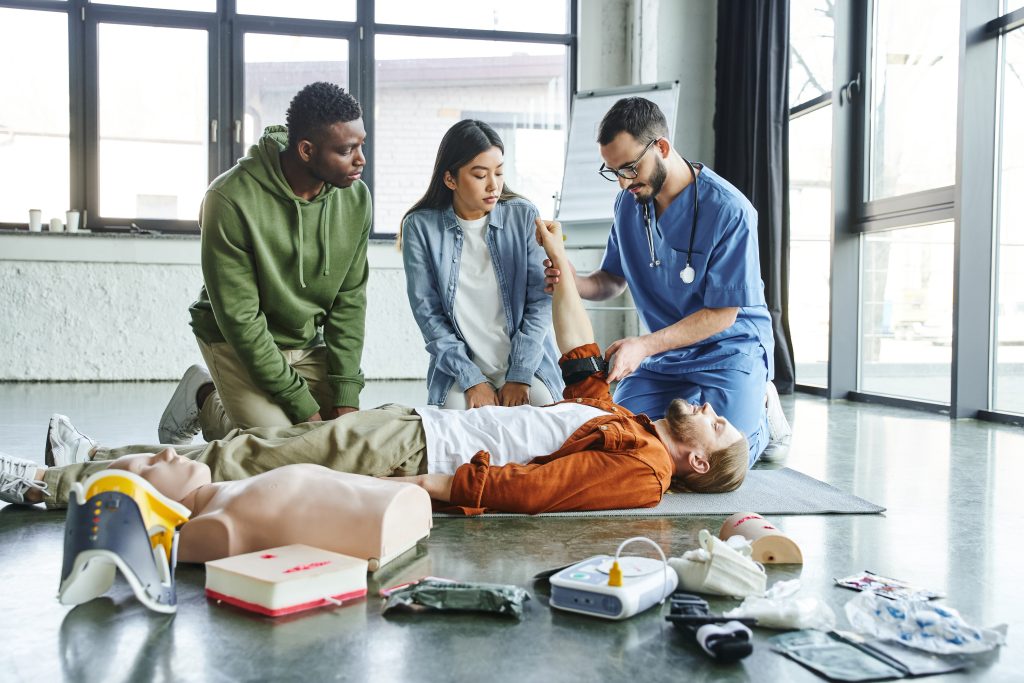
medical instructor applying compression tourniquet on arm of seminar participant near asian woman,

What is the Value of a Real-Time Question and Answer Session?

When you’re watching an online video and a question pops into your head, it’s often difficult to get a quick answer. This can leave you with critical gaps in your understanding.

Live, in-person classes allow for direct interaction. You can ask your instructor questions as they come up, getting immediate and detailed answers. This allows you to clarify any doubts about specific techniques or scenarios, ensuring you fully understand every step.

How Does In-Person Training Build Confidence and Reduce Hesitation?

Knowing what to do is different from feeling confident enough to do it. Online courses can teach you the steps, but they don’t prepare you for the pressure of a real-life emergency.

In-person training builds your practical readiness. By repeatedly performing CPR on a manikin, you get comfortable with the physical motions. This practice reduces hesitation and gives you the confidence to act immediately when a life is on the line.

Why is an Official Certification More Credible from a Hands-On Course?

Many employers and organizations require CPR certification. They know that a certificate from a hands-on course is more credible. This is because it confirms that your skills were personally evaluated by a certified instructor.

In Washington D.C., an in-person CPR certification proves you are not just familiar with the concept but are actually capable of performing it correctly. This credibility is a significant advantage professionally and gives you peace of mind personally.

Why is an Official Certification More Credible from a Hands-On Course?
Screenshot

Conclusion

For a skill as critical as CPR, convenience should not be the deciding factor. In-person CPR training provides hands-on practice, expert feedback, and the confidence you need to save a life. While online courses may seem easy, they can’t match the effectiveness of a live class. For anyone in Washington D.C., choosing a local, hands-on course is the best way to ensure you are truly prepared.

Contact CPR Classes Near Me today to schedule your in-person training and gain the skills you need to make a difference.

FAQs about In-Person CPR Training

What is the difference between CPR and AED training?

CPR involves chest compressions and rescue breaths to keep a person alive. An AED is an electronic device that delivers a shock to restart the heart. Most courses teach both together because they are both used in a cardiac emergency.

How long does an in-person CPR class last?

A typical CPR and AED course for adults, children, and infants takes about 3 to 4 hours. Blended courses, which combine online learning with a shorter in-person session, may be a bit shorter.

Is my in-person CPR certification valid everywhere?

Yes, a certification from a reputable, nationally recognized in-person course is widely accepted across the U.S. It is generally considered the most credible form of certification.

How often do I need to renew my certification?

CPR certification typically needs to be renewed every two years. This ensures your skills and knowledge are up to date with the latest guidelines.

Can I take a class without prior medical experience?

Absolutely. In-person CPR classes are designed for everyone, regardless of their medical background. The instructor will guide you through every step of the process.