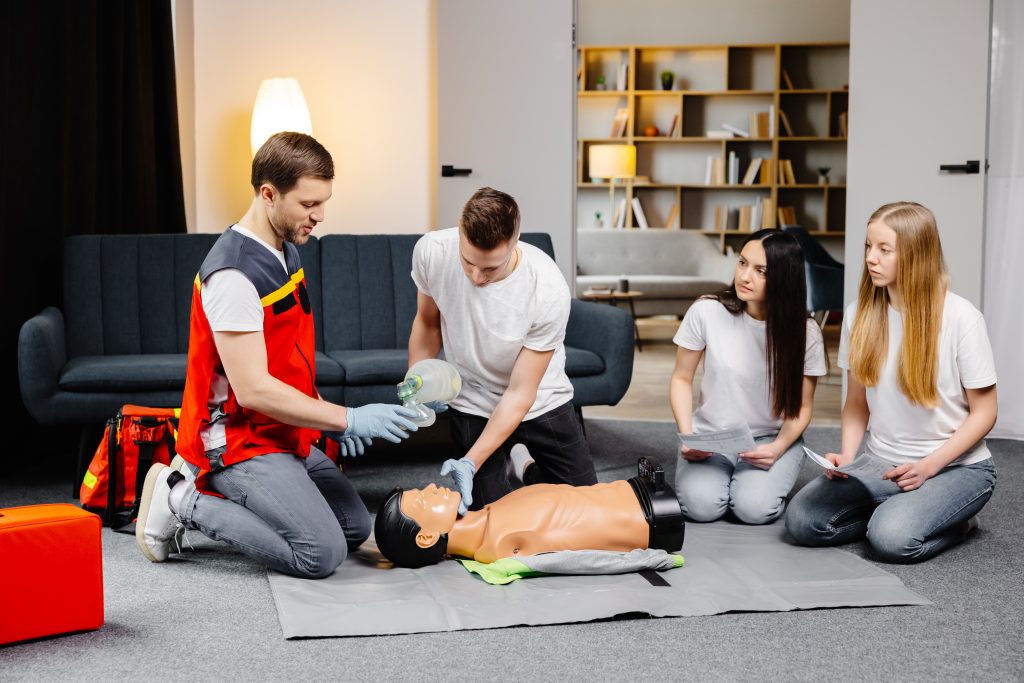
The Life-Saving Duo: CPR vs. First Aid in Washington, D.C.

Picture this: you’re enjoying a beautiful day at the National Mall in Washington, D.C., when suddenly, someone near you collapses. Or perhaps you’re at home in Georgetown, and your child starts to choke. In these moments of panic, do you know what to do? The terms “CPR” and “First Aid” are often used interchangeably, but they are not the same. Understanding the crucial differences between them is the first step toward becoming a confident, prepared first responder. While both are essential life-saving skills, they address different types of emergencies. This guide will break down what each one entails, why you need both, and how you can get certified right here in the D.C. area.

First, let’s clarify the purpose of each. Think of First Aid as the big umbrella of emergency care. It covers a wide range of injuries and sudden illnesses, from minor scrapes to broken bones and severe bleeding. CPR, on the other hand, is a specific, specialized procedure. It is a critical skill used for one purpose: to save a person’s life when their heart has stopped beating, and they are no longer breathing. Knowing the distinction is key, as applying the wrong procedure can be ineffective or even harmful. In a city as vibrant and populated as Washington, D.C., being prepared for any emergency is not just a good idea, it’s a responsibility.

CPR: The Ultimate Life-Saving Intervention

CPR stands for Cardiopulmonary Resuscitation. It is an emergency procedure performed when someone’s heart has stopped beating. This condition, known as cardiac arrest, can happen to anyone, anywhere, and at any time. It could be a tourist suffering a heart attack near the Lincoln Memorial, or a colleague collapsing in an office building downtown. The purpose of CPR is to manually pump the blood through the body and provide oxygen to the brain and other vital organs until professional medical help arrives.

The CPR procedure involves two main components: chest compressions and rescue breaths. The chest compressions are rapid, rhythmic presses on the center of the chest. These compressions act as an external heart, forcing blood to circulate throughout the body. Rescue breaths, also known as mouth-to-mouth resuscitation, deliver oxygen to the lungs. In some cases, such as with hands-only CPR, rescue breaths are omitted, and the focus is entirely on continuous chest compressions. This is often recommended for untrained bystanders to ensure they act quickly without hesitation. The effectiveness of CPR is highly time-sensitive; for every minute that passes without CPR, the chance of survival decreases by 7 to 10 percent. This is why having trained individuals in the D.C. community is so critical.

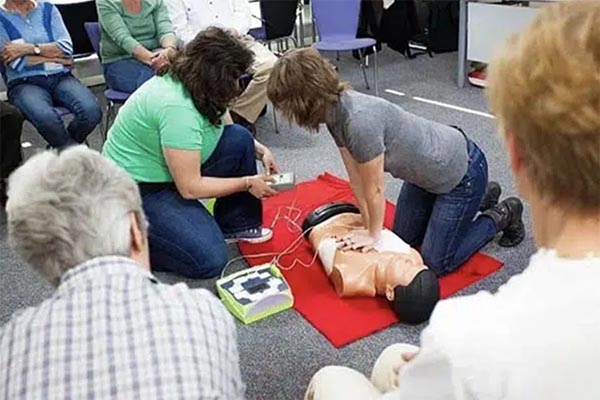
A CPR certification course is not just about learning compressions and breaths. It also covers crucial steps like how to recognize a cardiac arrest, how to call for emergency services, and how to use an automated external defibrillator (AED). An AED is a portable electronic device that can automatically diagnose life-threatening heart rhythms and deliver an electrical shock to restore a normal rhythm. Knowing how to use an AED in conjunction with CPR dramatically increases the victim’s chances of survival. A comprehensive CPR class in Washington, D.C., will provide you with the hands-on practice and confidence needed to act decisively in a real-life emergency.

The Life-Saving Duo: CPR vs. First Aid in Washington, D.C.

First Aid: The Foundation of Emergency Care

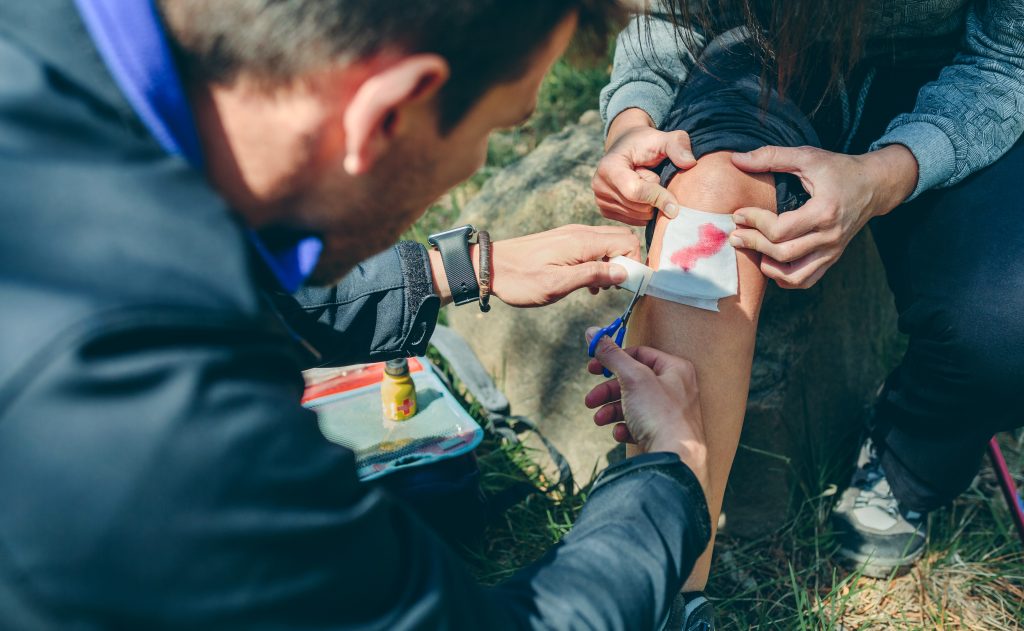
First Aid is the immediate care given to an injured or ill person before professional medical help arrives. Unlike CPR, which is narrowly focused on cardiac arrest, First Aid is a broad and versatile skill set. Think of it as your toolkit for a wide variety of medical emergencies. From minor injuries at the Tidal Basin to more serious incidents in the hustle and bustle of Capitol Hill, First Aid principles are applicable everywhere. The goal of First Aid is to preserve life, prevent the condition from worsening, and promote recovery.

A typical First Aid course covers an extensive range of topics. You’ll learn how to treat common injuries like cuts, scrapes, and burns. You’ll also learn to manage more serious conditions such as fractures, sprains, and dislocations. Beyond physical injuries, First Aid training prepares you to respond to medical emergencies like seizures, allergic reactions, and diabetic crises. You’ll be taught how to recognize the signs of a stroke or a heart attack—and importantly, how to take action while you wait for D.C.’s emergency medical services.

Another key component of First Aid is learning how to deal with environmental emergencies. This can include heatstroke, hypothermia, and even venomous bites. A good First Aid class also covers how to assemble and use a First Aid kit, which is an invaluable resource to have at home, in your car, or at your workplace. By learning these skills, you become a source of comfort and stability in a crisis, providing vital care that can mean the difference between a full recovery and a permanent disability.

The Synergy: CPR and First Aid Together

While CPR and First Aid are distinct, they are deeply intertwined. A complete and effective emergency response often requires both. For instance, if you encounter someone who has collapsed, your First Aid training will help you assess the scene for safety and check for responsiveness. Your CPR training will then kick in if you determine the person is in cardiac arrest. Similarly, if you’re treating a severe cut (First Aid), you must also be prepared to administer CPR if the person’s condition worsens and they lose consciousness and stop breathing.

Many certification providers, including CPR Classes Near Me, offer combined CPR and First Aid courses. This integrated training is highly recommended because it provides a comprehensive skill set for a wide range of emergencies. You learn not just the “how” but the “when” and “why” to use each technique. This holistic approach builds confidence and ensures you are ready to handle whatever life throws your way, whether you’re a parent in the suburbs of D.C., a teacher in a local school, or a professional working downtown.

Which One Do You Need?

The short answer is: you need both. While it’s possible to get certified in only one, having both certifications makes you a more capable and confident first responder.

  • You need CPR Certification if: You work in a healthcare setting, are a lifeguard, or a fitness trainer. You have a family history of heart disease, or you simply want to be prepared to save a life in a sudden cardiac emergency. This skill is non-negotiable for anyone who might be in a position to encounter someone in cardiac arrest.
  • You need First Aid Certification if: You are a parent, a teacher, a coach, or work with children. You are a frequent traveler or enjoy outdoor activities. You want to know how to handle everyday emergencies, from minor injuries to severe bleeding, until paramedics arrive.
  • You need both if: You want to be fully prepared for any medical emergency. Having both certifications demonstrates a high level of preparedness and a commitment to the safety of those around you. It equips you with the confidence to act in a wide range of critical situations, making you an invaluable asset in your family, community, and workplace.

In a bustling city like Washington, D.C., where accidents and medical emergencies can occur at any moment, the value of having both CPR and First Aid skills cannot be overstated. You never know when you might be the first person on the scene. The seconds between the emergency and the arrival of professional help are the most critical. Your actions during that short window can determine the outcome.
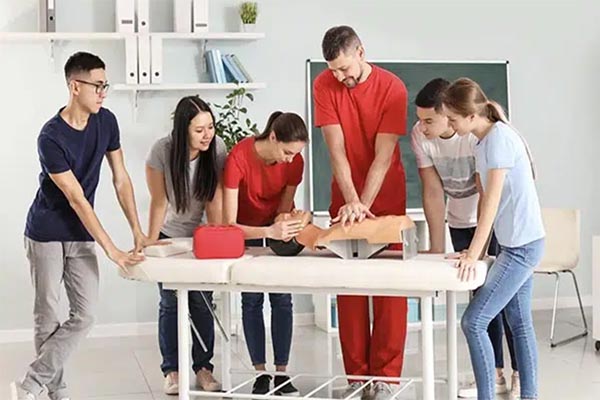
Why Get Certified in Washington, D.C.?
Screenshot

Why Get Certified in Washington, D.C.?

Washington, D.C., is not just the nation’s capital; it is a community. With millions of residents, commuters, and tourists, the potential for emergencies is ever-present. From the busy streets of Penn Quarter to the quiet trails of Rock Creek Park, being a trained first responder is a valuable contribution to the safety of our city. Getting certified locally ensures the training is relevant and accessible.

Training with a reputable provider like CPR Classes Near Me guarantees you receive high-quality, hands-on instruction from certified professionals. Our courses are designed to be engaging, practical, and easy to understand. We use the latest techniques and equipment to prepare you for real-world scenarios. Our instructors are passionate about teaching these life-saving skills and empowering individuals to make a difference. We offer a variety of courses, including combined CPR/First Aid options, and we have flexible schedules to accommodate the busy lives of D.C. residents.

Conclusion

In an emergency, every second counts. Knowing the difference between CPR and First Aid is the first step toward being able to act confidently and effectively. While First Aid is the broad framework for handling a wide range of injuries and illnesses, CPR is the specialized, life-saving procedure for cardiac arrest. Both are critical skills that, when used together, can dramatically improve the outcome for a person in crisis. By getting certified in both CPR and First Aid, you become a pillar of safety for your family, friends, and community. Don’t wait for an emergency to wish you had the skills to help. Take control of your preparedness today.

Are you ready to become a certified hero? Contact CPR Classes Near Me today to learn more about our comprehensive CPR and First Aid courses available in Washington, D.C. Empower yourself with the knowledge and confidence to save a life.

FAQs about CPR Versus First Aid in Washington D.C.

Q1: How long does a CPR certification last?

A1: Most CPR certifications are valid for two years. After this period, you will need to take a recertification course to refresh your skills and stay up-to-date with the latest guidelines.

Q2: Do I need to be a medical professional to learn CPR or First Aid?

A2: No, not at all. Our courses are specifically designed for laypeople, meaning anyone can learn and become certified. The goal is to empower ordinary people to become effective first responders. No prior medical knowledge is required.

Q3: What’s the difference between Adult, Child, and Infant CPR?

A3: While the basic principles are the same, there are key differences in the techniques used for each age group, including the depth of chest compressions and the amount of air used for rescue breaths. A comprehensive course will cover all three age groups to ensure you are prepared for any situation.

Q4: Can I learn CPR or First Aid online?

A4: While some online courses offer the theoretical knowledge, the hands-on practice is crucial for developing the skills and confidence to perform CPR and First Aid correctly. Our courses often combine online components with in-person, hands-on practice sessions to ensure you are fully prepared. This blended learning approach is highly effective.

Q5: Is an AED included in CPR training?

A5: Yes, a good CPR course will always include training on how to properly use an Automated External Defibrillator (AED). AEDs are a critical component of the chain of survival for a person in cardiac arrest, and knowing how to use one is just as important as knowing how to perform chest compressions.
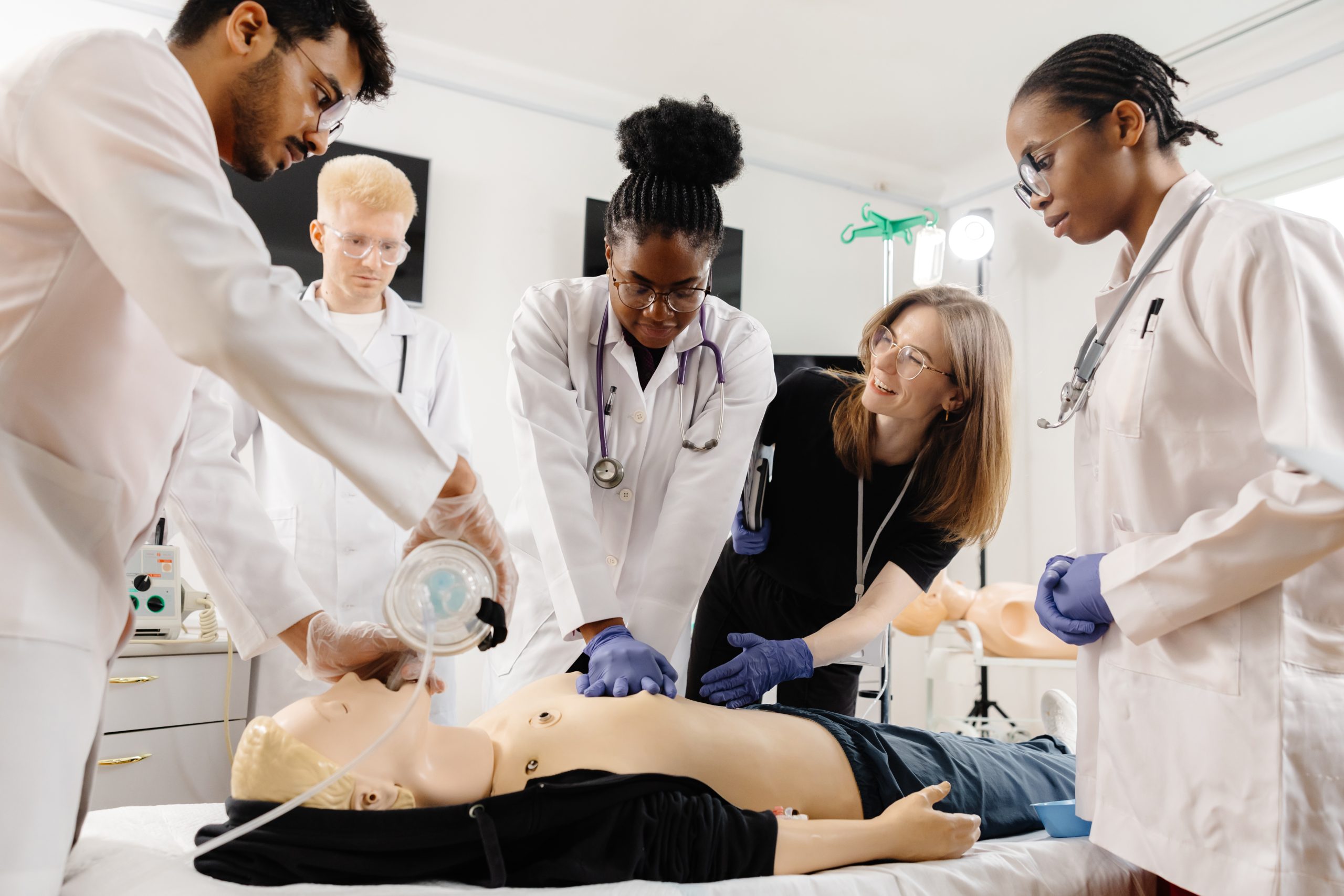
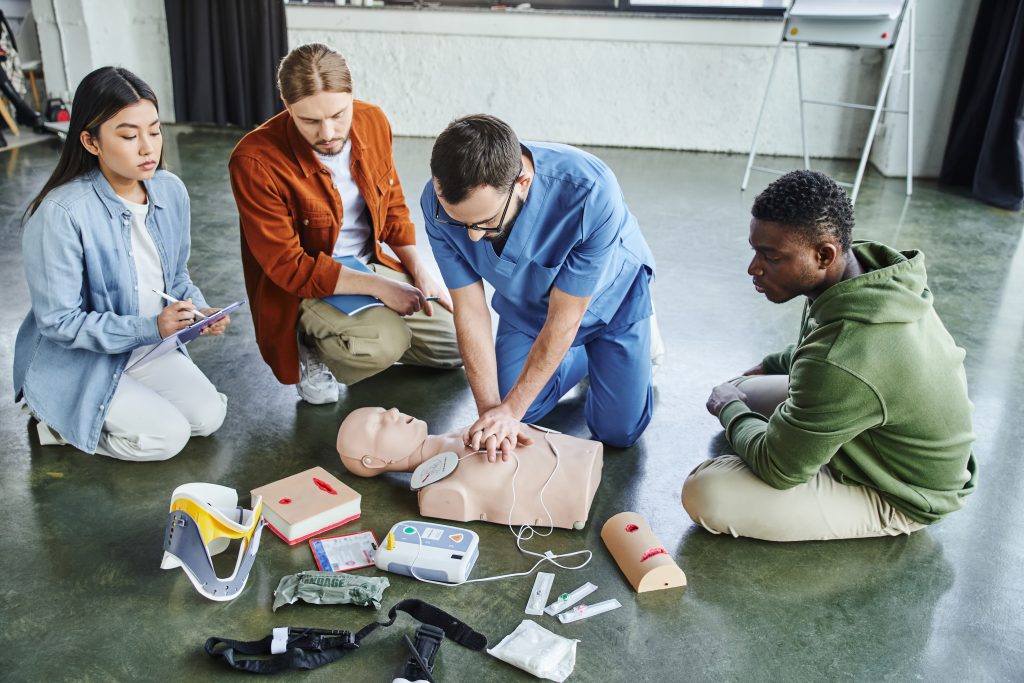
Why BLS Certification is the Gold Standard for Healthcare Professionals

CPR Archives

No Comments

In the fast-paced, high-stakes world of healthcare, every second counts. From bustling emergency rooms to quiet dental offices, the potential for a medical crisis is always present. When a cardiac or respiratory emergency strikes, having a standardized, evidence-based plan of action is not just a good idea, it’s a matter of life and death.

This is where Basic Life Support (BLS) certification comes in. While many people are familiar with general CPR training, BLS is a distinct, more advanced credential specifically designed for healthcare professionals. It’s the universal language of emergency care that transcends specialties and ensures a coordinated, effective response. For those working in healthcare, particularly in a hub like Washington, D.C., BLS is more than just a certificate; it’s the gold standard of professional preparedness.

The Foundation of Life-Saving Skills

At its core, BLS certification provides the foundational skills needed to manage a medical emergency until advanced care arrives. It’s a comprehensive course that goes beyond simple chest compressions. The curriculum is built on the latest scientific research and covers a range of critical interventions.

A BLS-certified professional is trained to quickly and accurately assess a scene for safety. They learn to recognize the signs of cardiac arrest, stroke, or choking in adults, children, and infants. This swift and accurate recognition is the first step in a successful rescue. The BLS course focuses on high-quality CPR, which is defined by specific compression depth, rate, and recoil. This precision is vital for maximizing blood flow to the brain and other vital organs.

Furthermore, BLS training includes the proper use of an Automated External Defibrillator (AED). These devices are now a common sight in public places and healthcare settings. A BLS course provides hands-on practice, teaching professionals how to apply the pads and follow the device’s prompts to deliver a life-saving shock if needed. The ability to use an AED correctly can dramatically increase a person’s chances of survival.

Why BLS Certification is the Gold Standard for Healthcare Professionals

Standardized Excellence: Why Consistency Matters

One of the most compelling reasons BLS is considered the gold standard is its emphasis on standardized care. The American Heart Association (AHA) and the American Red Cross (ARC) publish the guidelines for BLS, which are followed by healthcare providers nationwide. This creates a uniform approach to emergency response. When multiple professionals, like an EMT, a nurse, and a doctor, respond to the same emergency, they all speak the same procedural language. They understand the proper sequence of actions and can work together seamlessly as a team. This coordination is critical, especially in a chaotic and stressful situation.

Imagine a scenario in a busy D.C. hospital. A patient suddenly goes into cardiac arrest. A nurse, a resident physician, and a respiratory therapist all arrive at the bedside. Because each of them holds a current BLS certification, they instantly know their roles and responsibilities. One begins high-quality chest compressions, another prepares the AED, and the third manages the airway. This orchestrated response, born from a shared understanding of BLS protocols, maximizes the patient’s chance of survival.

This standardization extends beyond hospitals. BLS is essential for paramedics responding to calls on the streets of Washington, D.C., for dentists and their staff in their clinics, and for physical therapists working with patients. The consistent training ensures that no matter where an emergency occurs, the first responders are equipped with the same, most effective techniques.

BLS vs. General CPR: A Deeper Dive

While both BLS and general CPR courses teach life-saving skills, they are not the same. General CPR is typically designed for the lay rescuer, the everyday person who might witness a cardiac event at home or in public. It provides the basics of chest compressions and rescue breaths, empowering bystanders to act.

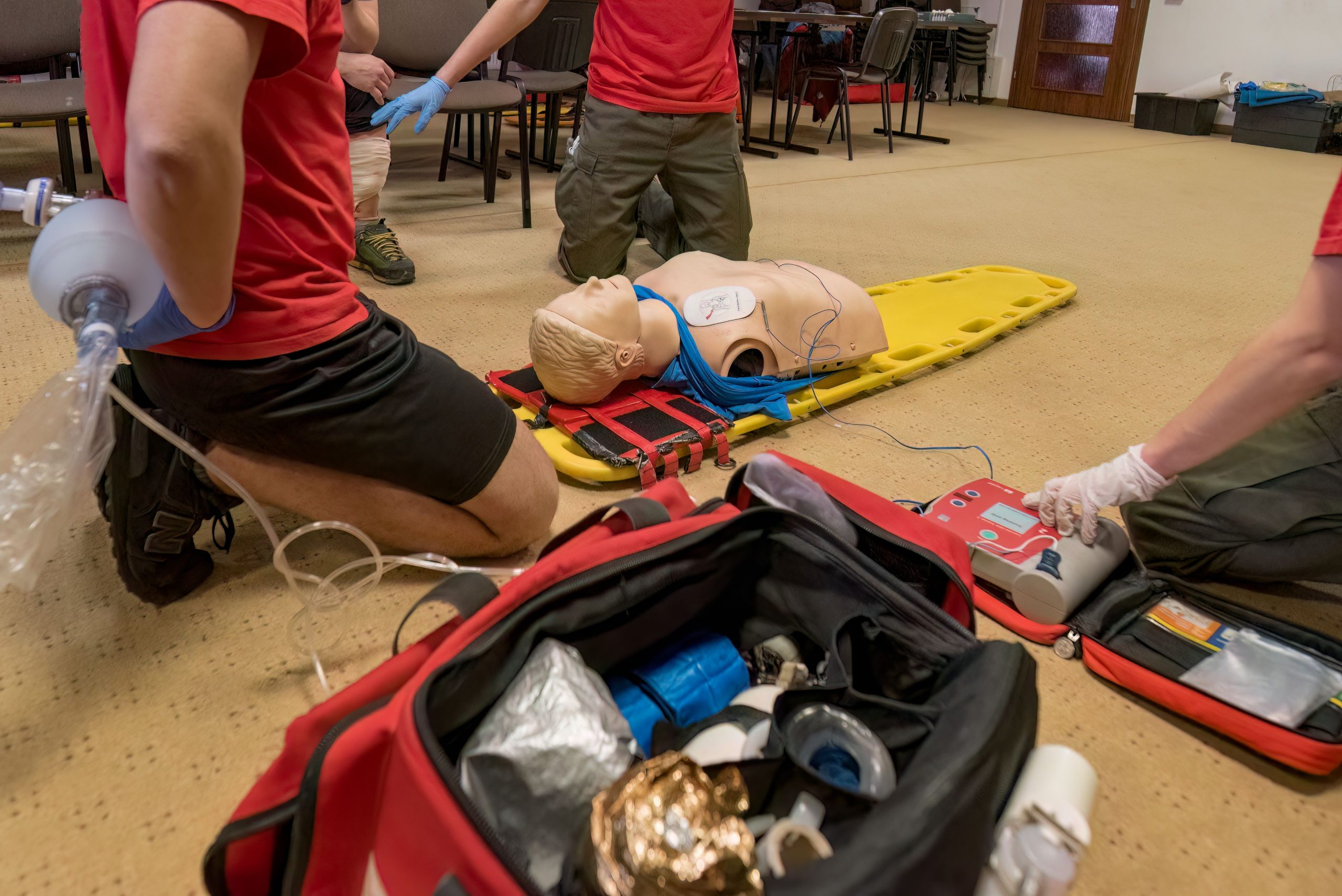
BLS, however, is a more rigorous and in-depth course. It’s tailored for those who are expected to respond to emergencies as part of their professional duties. BLS training includes more complex scenarios and skills. For example, it delves into advanced concepts like team dynamics during a multi-rescuer resuscitation. It also covers the use of bag-mask devices for ventilation, a skill not typically taught in a standard CPR class. The certification process is also more stringent, often requiring a hands-on skills test in addition to a written exam.

For healthcare professionals, this advanced training is not just a bonus; it’s a necessity. Their work environments often present complex medical situations that require a higher level of expertise. BLS provides that expertise and ensures they are prepared to handle a wide range of emergencies with confidence and competence. It’s a prerequisite for virtually every clinical role, and for good reason. It proves that a professional has been trained to the highest standard for initial emergency care.

A Professional Requirement and a Career Advantage

In Washington, D.C., like many metropolitan areas, the healthcare industry is highly competitive. Hospitals, clinics, and long-term care facilities all have strict hiring requirements. One of the most common and non-negotiable is a valid BLS certification. For students entering the healthcare field, having this credential before they even start applying for jobs can give them a significant advantage. For seasoned professionals, keeping their certification up to date is essential for maintaining their license and employment.

Beyond being a requirement, holding a BLS certification demonstrates a commitment to professional excellence. It shows employers and colleagues that you take your role and your patients’ safety seriously. It’s a tangible representation of your knowledge and ability to perform under pressure. For a potential employer in D.C., a candidate with a current BLS card is a known quantity, someone who has been vetted and trained according to a national standard. This can streamline the hiring process and give you an edge over other applicants.

The Continuing Education Component
Screenshot

The Continuing Education Component

The field of emergency medicine is constantly evolving. New research and technology lead to updates in best practices and protocols. This is another area where BLS shines. The guidelines are regularly reviewed and updated by scientific experts. As a result, BLS certification requires periodic renewal. This ensures that healthcare professionals are always current with the latest life-saving techniques.

When you renew your BLS certification, you aren’t just retaking a test. You are re-engaging with the material, refreshing your skills, and learning about any new changes to the guidelines. This continuous education model is critical for maintaining professional competence. It prevents outdated techniques from being used and ensures that patients receive the most effective care possible based on the latest scientific evidence. This commitment to continuous improvement is what solidifies BLS as the true gold standard for healthcare professionals.

Conclusion

Basic Life Support (BLS) certification is more than a simple formality for healthcare professionals. It is the bedrock of their emergency response training, providing a standardized, evidence-based framework for saving lives. From the streets of Washington, D.C., to the operating room, it ensures that every healthcare provider, regardless of their specialty, can respond effectively and work as a cohesive team when a medical crisis occurs.

The rigorous training, emphasis on high-quality techniques, and commitment to continuous learning are what set BLS apart from general CPR. It’s a professional requirement, a career advantage, and, most importantly, a testament to a healthcare worker’s dedication to their patients’ safety. For anyone in the healthcare field, particularly those starting their journey in Washington, D.C., getting and maintaining your BLS certification is not just a choice, it’s a fundamental part of your professional identity.

Ready to take the next step in your career and become BLS certified? Contact CPR Classes Near Me to find a course that fits your schedule and meets your professional needs.

FAQs about BLS Certification for Healthcare Professionals

Q: What is the difference between CPR and BLS?

A: General CPR is designed for the public and focuses on basic life-saving skills like chest compressions and rescue breaths. It’s for anyone who might witness an emergency. BLS (Basic Life Support) is specifically for healthcare professionals and includes a more in-depth curriculum. It covers additional topics such as the use of specialized airway devices, team-based resuscitation, and more complex scenarios tailored to a clinical environment. While both are critical, BLS is the higher standard required for clinical practice.

Q: Who needs BLS certification?

A: BLS certification is required for a wide range of healthcare professionals. This includes doctors, nurses, paramedics, EMTs, dentists, dental hygienists, physical therapists, occupational therapists, medical assistants, and many others who work in a clinical setting. It is often a prerequisite for employment and a requirement for maintaining professional licensure. Even students in healthcare programs are often required to be BLS certified before starting their clinical rotations.

Q: How long does a BLS certification last?

A: BLS certification is typically valid for two years. After this period, healthcare professionals must take a renewal course to keep their certification current. This is important because the scientific guidelines for resuscitation are updated regularly, and renewal courses ensure that providers are using the most current and effective techniques.

Q: Can I get my BLS certification online?

A: While some of the course material and written exams can be completed online, the hands-on skills portion of the BLS course must be performed in person with a certified instructor. This is a requirement from the certifying organizations like the American Heart Association (AHA) to ensure that participants can physically and correctly perform the life-saving skills, such as chest compressions and the use of a bag-mask device.

Q: Is BLS certification a good idea even if my job doesn’t require it?

A: Absolutely. While it’s a professional requirement for many, having BLS certification can be beneficial for anyone. The skills learned are invaluable in any emergency situation, whether at work, at home, or in a public setting. Having the confidence and ability to provide a high level of emergency care can make a life-or-death difference for a loved one, a colleague, or a stranger.

The Ultimate Guide to CPR and First Aid Certification in Washington, D.C.

CPR Archives

No Comments

In the fast-paced, high-energy environment of Washington, D.C., every second can matter. Whether you are navigating the bustling streets, working in a government office, or simply enjoying the city’s many cultural attractions, an emergency can strike at any time. The ability to act decisively and confidently in a crisis is a skill that transcends any profession or lifestyle. This is where CPR and First Aid certification come in.

Earning your certification is more than just a credential. It is about gaining the knowledge and confidence to make a tangible difference when it counts the most. This comprehensive guide will walk you through everything you need to know about getting certified in the nation’s capital. From understanding the importance of these skills to navigating the certification process, we’ve got you covered.

The Power of Being Prepared: Why Certification Matters

Imagine a scenario where a colleague at work collapses, a child at the park starts choking, or a family member suffers a sudden medical episode. In these moments of panic and chaos, a certified individual becomes a beacon of calm. They can provide immediate, life-sustaining care until professional help arrives. This critical intervention, often called the “golden minute,” can significantly improve the outcome for the person in distress.

CPR, or Cardiopulmonary Resuscitation, is a technique used when someone’s breathing or heart stops. It involves a combination of chest compressions and rescue breaths to keep blood and oxygen flowing to the brain and other vital organs. First Aid, on the other hand, is a broader set of skills. It provides immediate care for a wide range of injuries and illnesses, including burns, cuts, sprains, allergic reactions, and more. Together, these two disciplines form a powerful toolkit for emergency response.

In a city as dynamic as Washington, D.C., the need for trained individuals is especially high. From government buildings and museums to schools and public transport, emergencies can occur anywhere. Having certified individuals in key locations throughout the city can create a safer, more resilient community.

The Ultimate Guide to CPR and First Aid Certification in Washington, D.C.

Who Should Get Certified?

The short answer is: everyone. While some professions legally require CPR and First Aid certification, the benefits extend to all members of the community.

  • Healthcare Professionals: Doctors, nurses, paramedics, and medical assistants often require specific, advanced certifications like BLS (Basic Life Support) as a condition of their employment.
  • Educators and Childcare Providers: Teachers, coaches, and daycare workers need to be prepared for medical emergencies involving children, from minor injuries to life-threatening events.
  • Fitness Professionals: Personal trainers, gym instructors, and coaches should be certified to respond to cardiac events or injuries during physical activity.
  • Corporate and Office Workers: A certified co-worker can be the first line of defense in an office emergency, bridging the gap until paramedics arrive.
  • Parents and Caregivers: Knowing CPR and First Aid for infants and children is an invaluable skill for any parent, guardian, or babysitter.
  • Community Members: Anyone who wants to be a responsible and prepared citizen should consider getting certified. You never know when you might be called upon to help a stranger or a loved one.

Navigating the Certification Process in D.C.

Getting certified is a straightforward process, but it is essential to choose the right path for your needs. The process typically involves three key steps:

  1. Choosing a Course: There are various types of courses available, each tailored to a specific audience. Some focus on adult CPR, while others include infant and child CPR. Many providers offer combined CPR and First Aid courses. You can also find specialized courses for healthcare providers or childcare professionals.
  2. Completing the Training: Training can be conducted in a traditional classroom setting, entirely online, or through a blended approach. Blended courses combine online theoretical learning with an in-person, hands-on skills session. This format is popular because it offers flexibility while still ensuring you master the physical techniques.
  3. Passing the Exam: After completing the training, you will need to pass a written and/or practical exam to demonstrate your proficiency. Upon successful completion, you will receive your certification card, which is valid for a set period, typically two years.

In-Person vs. Blended Learning: Which is Right for You?

The choice between an in-person and a blended course depends on your learning style and schedule.

  • In-Person Courses: These are the traditional format where an instructor guides you through the curriculum in a classroom setting. This method provides direct, real-time feedback and ample opportunity to practice hands-on skills with an instructor’s supervision. It’s a great option for those who prefer a structured environment and immediate interaction.
  • Blended Learning Courses: This modern approach allows you to complete the lecture portion of the course online at your own pace. You can study the material from the comfort of your home or office. Once the online portion is finished, you schedule a short, in-person skills session to practice and demonstrate your CPR and First Aid techniques. This model is ideal for busy individuals in D.C. who need flexibility.

Regardless of the format you choose, the most critical part of the process is the hands-on skills practice. You need to physically perform chest compressions, administer rescue breaths, and practice using an AED (Automated External Defibrillator) to build the muscle memory necessary for a real emergency.

What to Expect in a CPR and First Aid Class

What to Expect in a CPR and First Aid Class

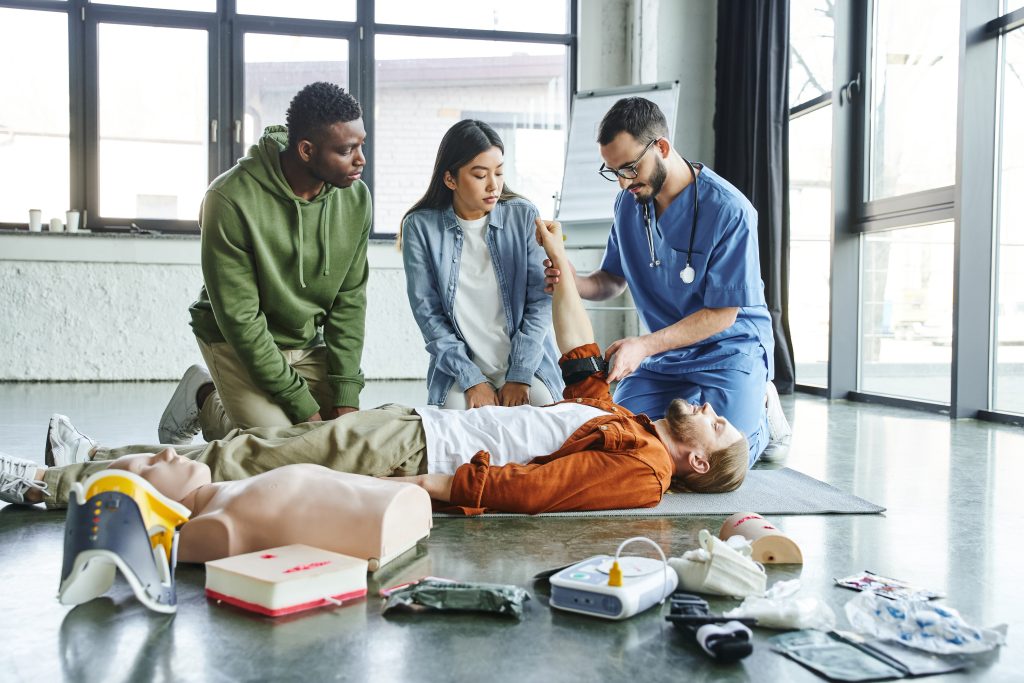
A comprehensive course will cover a range of essential topics.

  • CPR: You will learn how to recognize the signs of a cardiac emergency, how to perform chest compressions and rescue breaths for adults, children, and infants, and how to use an AED. The training will emphasize the importance of calling emergency services and the “Chain of Survival.”
  • First Aid: The First Aid portion will teach you how to assess a scene for safety, how to check a conscious or unconscious person, and how to treat common injuries. Topics typically include how to control bleeding, treat burns, manage sprains and fractures, and respond to choking incidents.
  • Using an AED: You will receive training on the proper use of an Automated External Defibrillator. AEDs are a vital component of the emergency response toolkit. They are designed to deliver an electrical shock to the heart to restore a normal rhythm. Learning how to use one can be a life-saving skill.

The instructors are experts in their field. They are often first responders, nurses, or paramedics who can share real-world experiences and insights. They will guide you through the practical exercises, providing constructive feedback to ensure you gain the confidence to act when a real emergency occurs.

Maintaining Your Certification

Once you are certified, your card will have an expiration date, typically two years from the date of issue. To keep your skills sharp and your certification current, you must renew it before it expires. The renewal process is similar to the initial certification, often involving a shortened course or a quick skills check.

Staying up-to-date with your training is crucial. Emergency medical guidelines can change, and a refresher course ensures you are following the most current protocols. Many D.C. employers require their staff to maintain valid certifications, making renewal a necessary part of professional development.

Conclusion: Be a Hero in the Nation’s Capital

Washington, D.C. is a city of influence and action. By getting your CPR and First Aid certification, you are taking a powerful step toward being a positive force in your community. You are not just learning a skill; you are joining a network of prepared citizens who can make a difference in a critical moment. You can be the calm in the chaos, the one who knows what to do, and the first link in the chain of survival.

Don’t wait for an emergency to realize you need these skills. Take control of your preparedness today. Find a reputable training provider and sign up for a class. Your future self, a colleague, a loved one, or even a stranger will thank you for it.

Ready to make a difference? Contact CPR Classes Near Me to get started on your certification journey today.

FAQs about CPR & First Aid Certifications in Washington D.C.

What is CPR?

CPR, or Cardiopulmonary Resuscitation, is a life-saving technique used in medical emergencies when someone’s breathing or heartbeat has stopped. It involves a combination of chest compressions and rescue breaths to manually circulate blood and oxygen to the brain and other vital organs until professional medical help arrives. The goal is to keep the person alive and minimize damage to the brain.

What is First Aid?

First Aid is the immediate care given to an injured or ill person before a professional medical provider can take over. It covers a wide range of common injuries and medical conditions, including but not limited to, cuts, burns, sprains, fractures, choking, heatstroke, and allergic reactions. The primary purpose of First Aid is to preserve life, prevent the condition from worsening, and promote recovery.

How long is a CPR and First Aid certification valid?

CPR and First Aid certifications are typically valid for two years. This two-year period ensures that certified individuals receive regular refresher training to keep their skills sharp and stay updated on the latest emergency medical guidelines and techniques. It is crucial to renew your certification before it expires to maintain your credentials and readiness.

Can I get CPR and First Aid certified online in Washington, D.C.?

Yes, you can begin the certification process with an online component. Many providers offer “blended learning” courses, which combine online, self-paced learning with a hands-on, in-person skills session. This blended format allows you to complete the theoretical portion of the course conveniently online and then schedule a short, in-person session to practice and demonstrate your physical skills, which is a mandatory part of earning a valid certification.

Why is it important to get certified in Washington, D.C.?

Washington, D.C. is a highly populated and fast-paced urban center with a dense concentration of businesses, government offices, schools, and public spaces. The high volume of people means that the likelihood of an emergency occurring is greater. Being certified in CPR and First Aid equips you with the skills to respond effectively and provide immediate assistance to a person in distress, potentially saving a life while waiting for emergency services to arrive. It contributes to building a safer and more resilient community.