
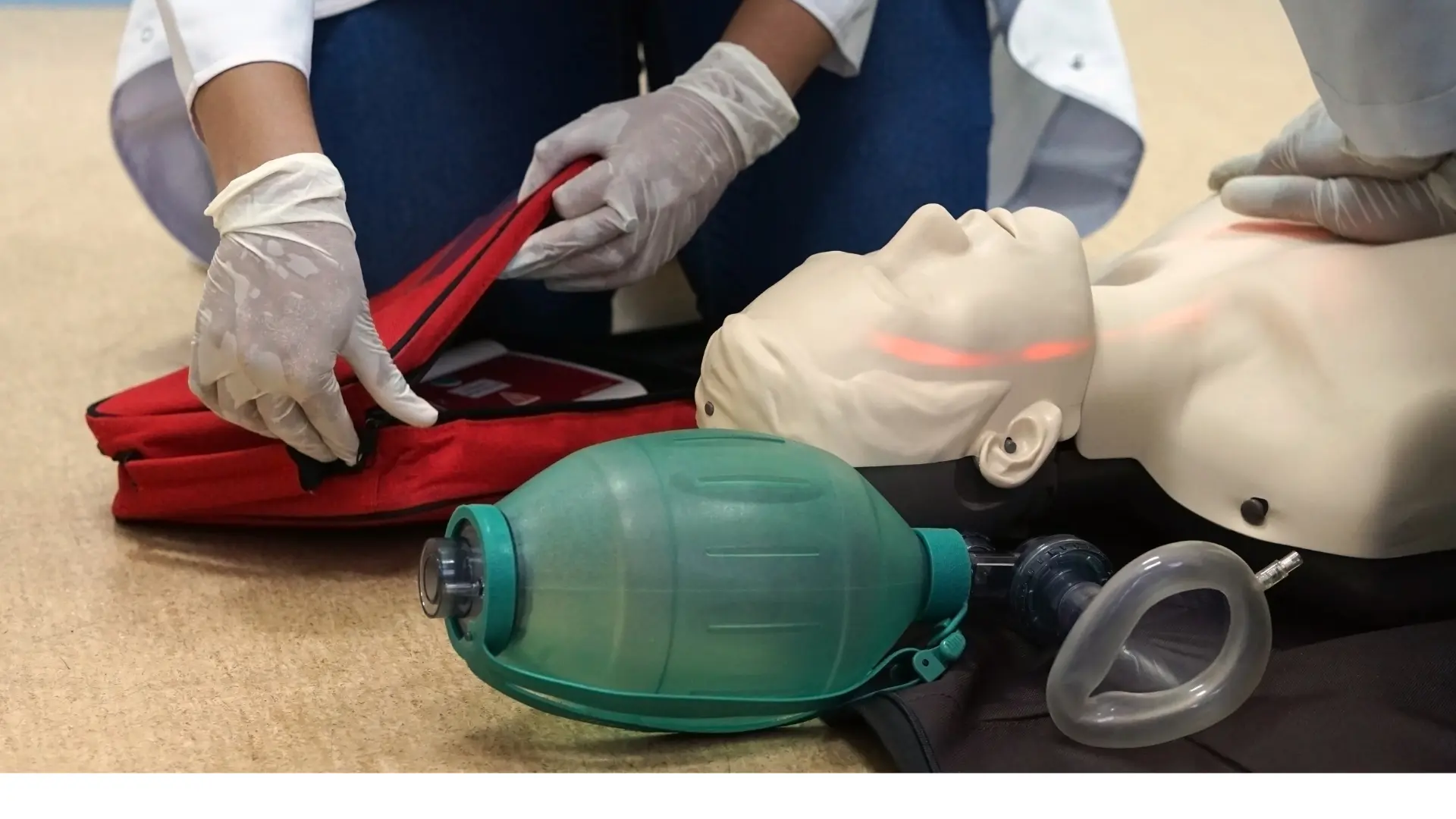
Cardiopulmonary resuscitation (CPR) is a critical life-saving technique that can be the difference between life and death in emergency situations. The importance of CPR certification cannot be overstated, as it equips individuals with the knowledge and skills necessary to respond effectively when someone experiences cardiac arrest or other life-threatening emergencies. In the United States alone, approximately 350,000 out-of-hospital cardiac arrests occur each year, and immediate CPR can double or even triple a victim’s chance of survival.
This statistic underscores the necessity for widespread CPR training and certification among the general public. Moreover, CPR certification is not just for healthcare professionals; it is essential for anyone who may find themselves in a position to help during an emergency. Parents, teachers, coaches, and community members can all benefit from being trained in CPR.
The ability to perform CPR can instill confidence in individuals, empowering them to take action rather than standing by helplessly in a crisis. Furthermore, many workplaces and organizations now require employees to be CPR certified as part of their safety protocols, highlighting the growing recognition of its importance in various settings.
Key Takeaways
- CPR certification is crucial for effective emergency response and saving lives.
- Various CPR certification types cater to different needs and professional requirements.
- Online and in-person CPR courses each have unique benefits and limitations.
- Accreditation ensures the credibility and acceptance of CPR certification programs.
- Hands-on training and renewal processes are essential for maintaining CPR skills and certification validity.
Different Types of CPR Certifications Available
CPR certifications come in various forms, tailored to meet the needs of different audiences and professions. The American Heart Association (AHA) offers several courses, including Basic Life Support (BLS), Heartsaver CPR AED, and Advanced Cardiovascular Life Support (ACLS). Each course is designed with specific target groups in mind.
For instance, BLS is primarily aimed at healthcare providers and first responders, focusing on high-quality chest compressions and effective ventilation techniques. In contrast, the Heartsaver CPR AED course is designed for laypersons who may need to respond to emergencies in non-medical settings. Another notable certification is the Pediatric Advanced Life Support (PALS), which is specifically geared towards healthcare providers who work with infants and children.
This course covers critical aspects of pediatric emergencies, including recognition and management of respiratory distress and cardiac arrest in young patients. Additionally, organizations like the Red Cross offer their own CPR certification programs, which may vary slightly in content but generally adhere to similar guidelines and best practices. Understanding these distinctions is crucial for individuals seeking the most appropriate certification for their specific needs. For those interested in learning lifesaving skills, you can find comprehensive CPR Classes near you.
Comparing Online and In-Person CPR Certification Courses
The advent of technology has transformed the way CPR training is delivered, leading to the emergence of both online and in-person certification courses. Online courses offer flexibility and convenience, allowing participants to learn at their own pace and on their own schedule. This format can be particularly appealing for busy professionals or parents who may find it challenging to attend traditional classes.
Many online programs include interactive elements such as videos, quizzes, and simulations that help reinforce learning. However, while online courses provide valuable theoretical knowledge, they often lack the hands-on practice that is essential for mastering CPR techniques. In-person courses allow participants to engage directly with instructors and practice skills on mannequins under supervision.
This tactile experience is vital for building muscle memory and confidence in performing CPR during real-life emergencies. Therefore, individuals must weigh the benefits of convenience against the necessity of practical training when deciding between online and in-person courses.
Accreditation and Recognition of CPR Certification Providers
When selecting a CPR certification program, it is crucial to consider the accreditation and recognition of the provider. Reputable organizations such as the American Heart Association, the American Red Cross, and other nationally recognized bodies have established rigorous standards for their training programs. Certifications from these organizations are widely accepted by employers and institutions across various sectors, including healthcare, education, and public safety.
Conversely, some lesser-known providers may offer certifications that lack recognition or credibility. It is essential to research the background of any organization offering CPR training to ensure that their courses meet established guidelines and are respected within the industry. Checking for affiliations with recognized bodies or endorsements from professional organizations can provide additional assurance of a program’s legitimacy.
Factors to Consider When Choosing a CPR Certification Program
| Certification | Issuing Organization | Course Duration | Certification Validity | Recognition | Cost Range | Best For |
|---|---|---|---|---|---|---|
| American Heart Association (AHA) Basic Life Support (BLS) | American Heart Association | 4-6 hours | 2 years | Widely recognized in healthcare settings | 50-150 | Healthcare professionals, first responders |
| American Red Cross CPR/AED for Professional Rescuers | American Red Cross | 4-6 hours | 2 years | Widely accepted in workplaces and healthcare | 40-120 | Healthcare providers, workplace responders |
| National Safety Council CPR and AED | National Safety Council | 4-6 hours | 2 years | Recognized by many employers and organizations | 30-100 | Workplace safety, general public |
| American Health Care Academy Online CPR Certification | American Health Care Academy | 1-2 hours (online) | 2 years | Accepted by many employers, varies by state | 20-50 | Individuals seeking quick certification |
| Emergency Care and Safety Institute (ECSI) CPR/AED | Emergency Care and Safety Institute | 4-6 hours | 2 years | Recognized by many employers and organizations | 40-100 | Workplace, community responders |
Choosing the right CPR certification program involves several factors that can significantly impact the quality of training received. First and foremost, individuals should consider their specific needs based on their profession or personal circumstances. For example, a healthcare worker may require a more advanced course like BLS or ACLS, while a parent might opt for a Heartsaver course focused on basic life-saving skills.
Another important consideration is the course format—whether online or in-person—and the availability of hands-on practice opportunities. Additionally, individuals should evaluate the duration of the course and its cost. While affordability is important, it should not come at the expense of quality training.
Reading reviews or testimonials from previous participants can also provide insight into the effectiveness of a program. Ultimately, selecting a program that aligns with one’s goals and learning preferences will enhance the overall training experience.
The Importance of Hands-On Training in CPR Certification
Hands-on training is an indispensable component of effective CPR certification programs. While theoretical knowledge about cardiac arrest and emergency response is essential, practical skills are what truly prepare individuals to act decisively in real-life situations. During hands-on training sessions, participants learn how to perform chest compressions correctly, deliver rescue breaths, and use automated external defibrillators (AEDs).
These skills require practice to ensure that they can be executed efficiently under pressure. Moreover, hands-on training fosters confidence among participants. The anxiety that often accompanies emergency situations can be overwhelming; however, having practiced these skills in a controlled environment helps individuals feel more prepared when faced with an actual emergency.
Instructors can provide immediate feedback during practice sessions, allowing learners to refine their techniques and address any mistakes before they become ingrained habits. This interactive approach not only enhances skill retention but also reinforces the importance of teamwork in emergency response scenarios.
Renewal and Recertification Requirements for CPR Certification
CPR certifications are not permanent; they typically require renewal or recertification every two years to ensure that individuals remain up-to-date with current guidelines and best practices. The frequency of renewal underscores the evolving nature of medical knowledge and techniques related to cardiopulmonary resuscitation. As new research emerges and recommendations change, it is vital for certified individuals to refresh their skills and knowledge regularly.
The process for renewal often involves completing a refresher course or retaking the full certification course, depending on the provider’s requirements. Some organizations may offer streamlined recertification options for those who have previously completed their courses, allowing them to update their skills without undergoing extensive retraining. Staying current with certification not only enhances personal competence but also contributes to overall community safety by ensuring that more individuals are equipped to respond effectively in emergencies.
Making an Informed Decision for the Best CPR Certification
In conclusion, making an informed decision regarding CPR certification requires careful consideration of various factors including course content, format, accreditation, and personal needs. Individuals should take the time to research different providers and compare their offerings based on these criteria. Engaging with peers who have undergone similar training can provide valuable insights into which programs are most effective.
Ultimately, investing time and effort into obtaining a reputable CPR certification can have far-reaching implications—not just for personal development but also for community safety as a whole. By equipping oneself with these essential life-saving skills, individuals can play a pivotal role in responding to emergencies effectively and confidently. Whether one chooses an online course for convenience or an in-person class for hands-on experience, the goal remains the same: to be prepared to save lives when it matters most.
Find a Class
Leave a Reply