
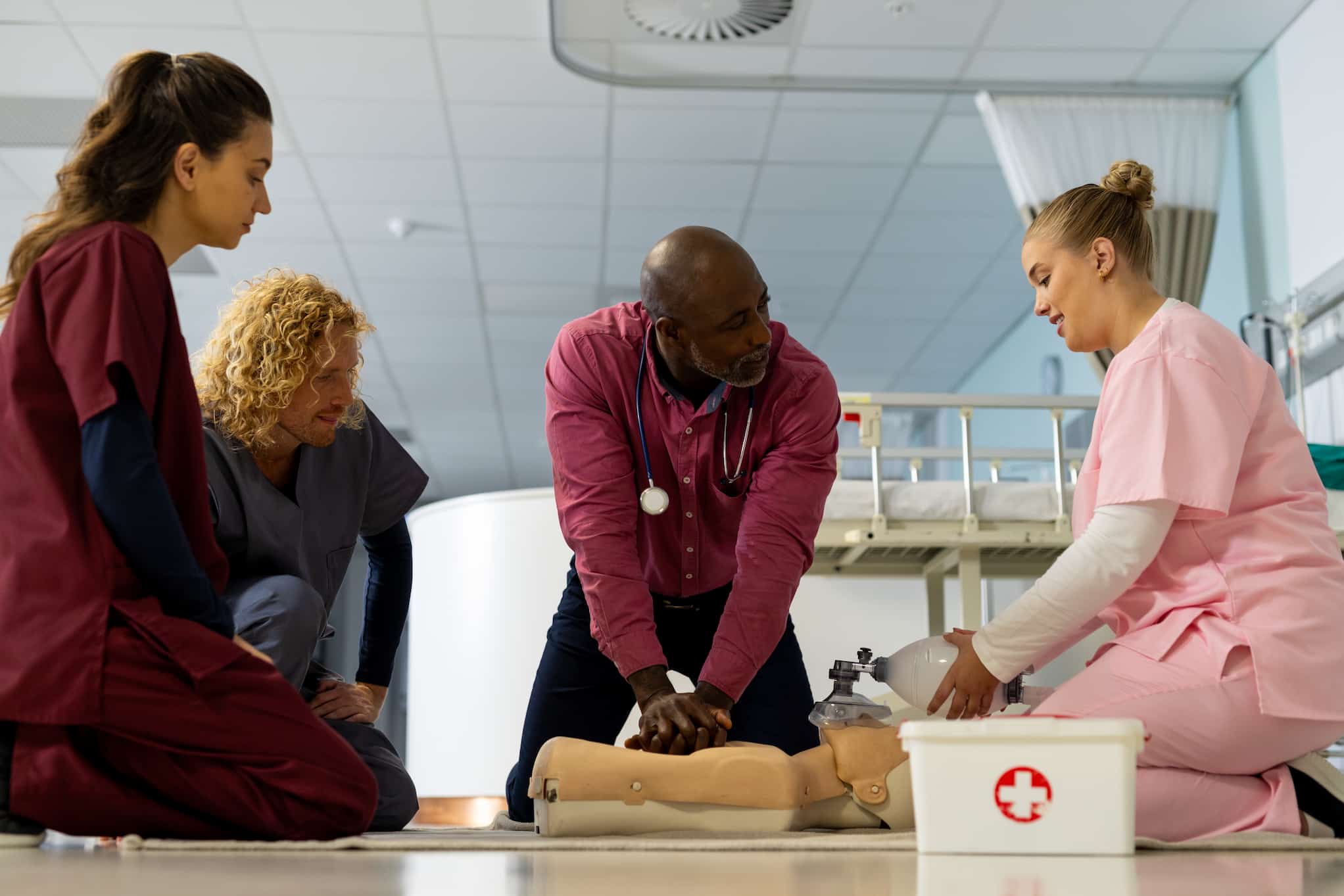
In the bustling heart of Ohio, from the busy corridors of Ohio State University’s medical centers to the quiet suburban streets of Dublin and Westerville, emergencies can strike without warning. Whether you are a seasoned nurse, a construction foreman, or a new parent in Upper Arlington, being prepared for the unexpected is more than just a good idea—it is a responsibility.
But what exactly is CPR certification, and is it something you legally need for your job in Columbus?
Understanding the “what,” “why,” and “who” of Cardiopulmonary Resuscitation (CPR) training can be the difference between standing by helplessly and saving a life. This comprehensive guide will walk you through the essentials of American Heart Association (AHA) certification, local requirements in Franklin County, and why in-person training remains the gold standard for proficiency.
What Is CPR Certification and Why Does It Matter?
At its core, CPR Certification is a validation that you have been trained to perform life-saving procedures on someone suffering from cardiac arrest. When a person’s heart stops beating, oxygen-rich blood stops flowing to the brain and other vital organs. Brain death can occur in as little as four to six minutes.
CPR serves as a manual pump, keeping that blood flowing until professional help arrives. However, certification is more than just watching a video; it is a rigorous, hands-on verification of your skills.
What Does “AHA Certified” Mean?
You will often hear the term “AHA Certified” tossed around as the benchmark for quality. The American Heart Association (AHA) is the global leader in resuscitation science. They set the guidelines that medical professionals follow. When you receive an AHA certification, it means:
- Universal Acceptance: Your card is recognized by virtually every hospital, school, and employer in the United States.
- Evidence-Based Training: You are learning the latest techniques based on current medical research.
- Quality Assurance: You have demonstrated your skills on a feedback-equipped manikin under the supervision of an authorized instructor.
Who Needs CPR Certification in Columbus, OH?
While everyone should know CPR, many professionals in the Columbus area are required to maintain active certification. The specific type of class you need often depends on your profession.
Do Healthcare Professionals Need Specific Training?
Absolutely. If you work in the medical field, a standard community CPR class won’t suffice. You need Basic Life Support (BLS) certification. This advanced level of training focuses on high-performance CPR, team dynamics, and critical thinking.
- Who needs it: Registered Nurses (RNs), LPNs, CNAs, doctors, dentists, dental hygienists, EMTs, and paramedics.
- Where it applies: Major employers like OhioHealth, Mount Carmel, and Nationwide Children’s Hospital all mandate current AHA BLS certification.
Are Teachers and Coaches Required to be Certified?
Yes. The State of Ohio has strict requirements for those entrusted with the safety of children.
- Ohio Law for Coaches: All paid and volunteer coaches for interscholastic sports must hold a valid pupil-activity program permit, which requires CPR and First Aid training.
- Teachers & Childcare: Licensed childcare providers and preschool teachers must also be certified in pediatric CPR and First Aid to comply with Ohio Department of Job and Family Services (ODJFS) licensing rules.
Which Other Industries Require CPR?
Beyond healthcare and education, several other sectors in Columbus enforce safety mandates, often driven by OSHA regulations:
- Construction & Electricians: With Columbus’s rapid growth, construction sites are everywhere. Workers need training to handle electrical shocks and traumatic injuries.
- Fitness Professionals: Personal trainers, yoga instructors, and gym staff at facilities like Life Time or the YMCA are typically required to hold a CPR/AED card.
- Foster Parents: To obtain or renew a foster care license in Franklin County, you must demonstrate the ability to handle emergencies.
What Will You Learn in a Columbus CPR Class?
A high-quality CPR course covers much more than just chest compressions. When you attend a class at a local training site, you are building a toolkit for survival.
What Are the Core Skills of BLS?
- High-Quality Compressions: Learning the correct depth (2 inches for adults) and rate (100-120 beats per minute).
- Airway Management: Techniques to open the airway and deliver effective breaths using a pocket mask or bag-valve mask.
- AED Usage: How to operate an Automated External Defibrillator (AED) safely. This includes placing pads correctly and clearing the victim for analysis and shock.
- Choking Relief: The Heimlich maneuver and other techniques to clear obstructed airways in adults, children, and infants.
Why Is In-Person Training Superior to Online?
You might find “instant” CPR certifications online for a few dollars. Beware of these. Most employers in Columbus will not accept a certification that did not include a hands-on skills check.
- Muscle Memory: You cannot learn the physical force required for compressions by clicking a mouse.
- Instructor Feedback: A live instructor can correct your hand placement and posture instantly, ensuring you don’t injure the victim or yourself.
- Equipment Experience: Using a real AED trainer gives you the confidence to use a live device during the chaos of an actual emergency.
How Does CPR Classes Near Me Compare to Other Options?
When looking for training in Columbus, you have choices. However, not all programs are created equal. Here is why locals from Hilliard to Reynoldsburg choose specialized private training centers over other alternatives.
- VS. Large Institutions: Colleges like Columbus State offer excellent courses, but they are often semester-based or strictly scheduled. Private training sites offer flexibility, with classes available multiple times a week to fit your schedule, not an academic calendar.
- VS. National Red Cross: While reputable, Red Cross courses are sometimes not accepted by specific healthcare employers who strictly demand AHA certification. AHA BLS is the “Gold Standard” for healthcare.
- VS. Online-Only Scams: Many websites promise a card in 30 minutes. These are rarely accepted by OSHA or medical boards. A legitimate local provider ensures you leave with a valid, employer-accepted eCard—often on the very same day.
How Much Does CPR Certification Cost?
Pricing can vary, but transparency is key. You should expect to pay for the quality of instruction and the validity of the certification.
- Standard BLS Class: Typically ranges from $50 to $80.
- CPR + First Aid Combo: Usually between $70 and $100.
At CPR Classes Near Me Columbus, we strive to keep life-saving training affordable.
- BLS CPR & AED: Currently discounted to $59.95.
- CPR/AED + First Aid: Currently discounted to $79.95.
Note: Prices are subject to change. Always check the booking calendar for the most current rates.
Conclusion: Don’t Wait Until It’s Too Late
Whether you are a nurse renewing your credentials in Gahanna, a teacher in Grove City, or a concerned parent in Bexley, CPR certification is an investment in safety. It is the one qualification you hope you never have to use, but will be eternally grateful for if you do.
In Columbus, the standard is high. Employers expect AHA certification, and your community deserves the peace of mind that comes with knowing you are prepared. Don’t settle for online shortcuts or overpriced courses. Get the hands-on, confidence-building training you need to become a lifesaver.
Ready to get certified?
Classes fill up quickly! Secure your spot today for the best AHA BLS CPR training in Columbus.
Leave a Reply