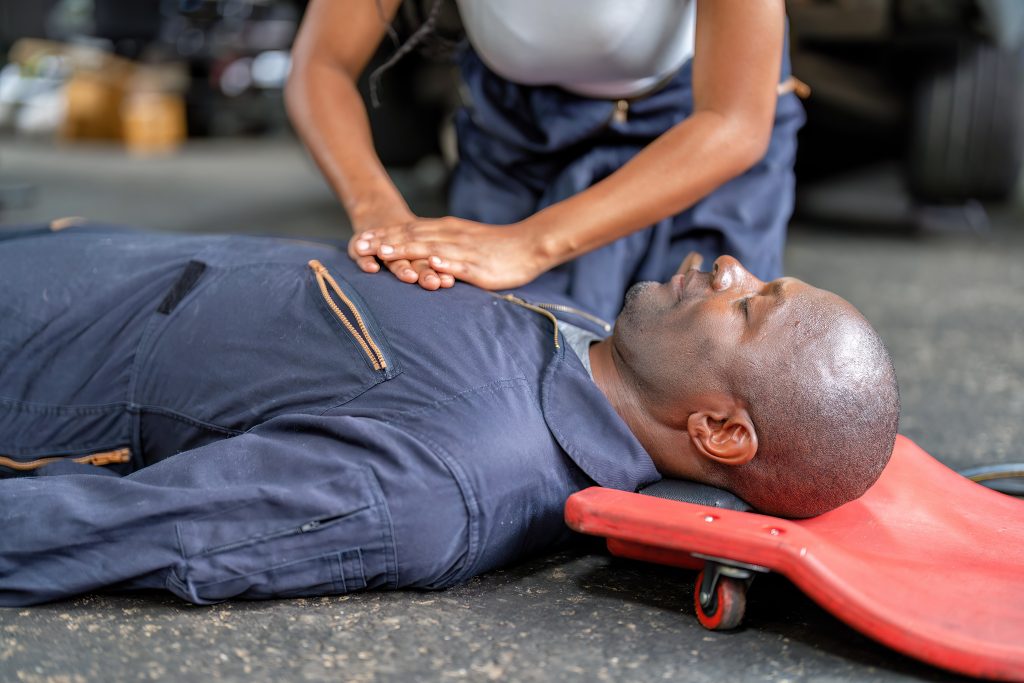
Understanding Shock and How to Provide First Aid

Shock is a life-threatening condition that can occur after a severe injury or illness. It requires immediate medical attention and knowing how to provide first aid can make a significant difference in outcomes. This guide will help you understand what shock is, its symptoms, and the essential first aid steps you can take.

What Is Shock?

Shock is a medical emergency where the body isn’t getting enough blood flow, which means organs and tissues aren’t receiving enough oxygen and nutrients. This can lead to organ damage and, if untreated, may result in death.

Types of Shock

There are several types of shock, each with different causes:

  • Hypovolemic Shock: Caused by severe blood or fluid loss.
  • Cardiogenic Shock: Occurs when the heart can’t pump enough blood.
  • Anaphylactic Shock: A severe allergic reaction.
  • Septic Shock: Resulting from a severe infection.
  • Neurogenic Shock: Caused by a spinal cord injury.

Understanding the type of shock can help in providing the correct treatment.
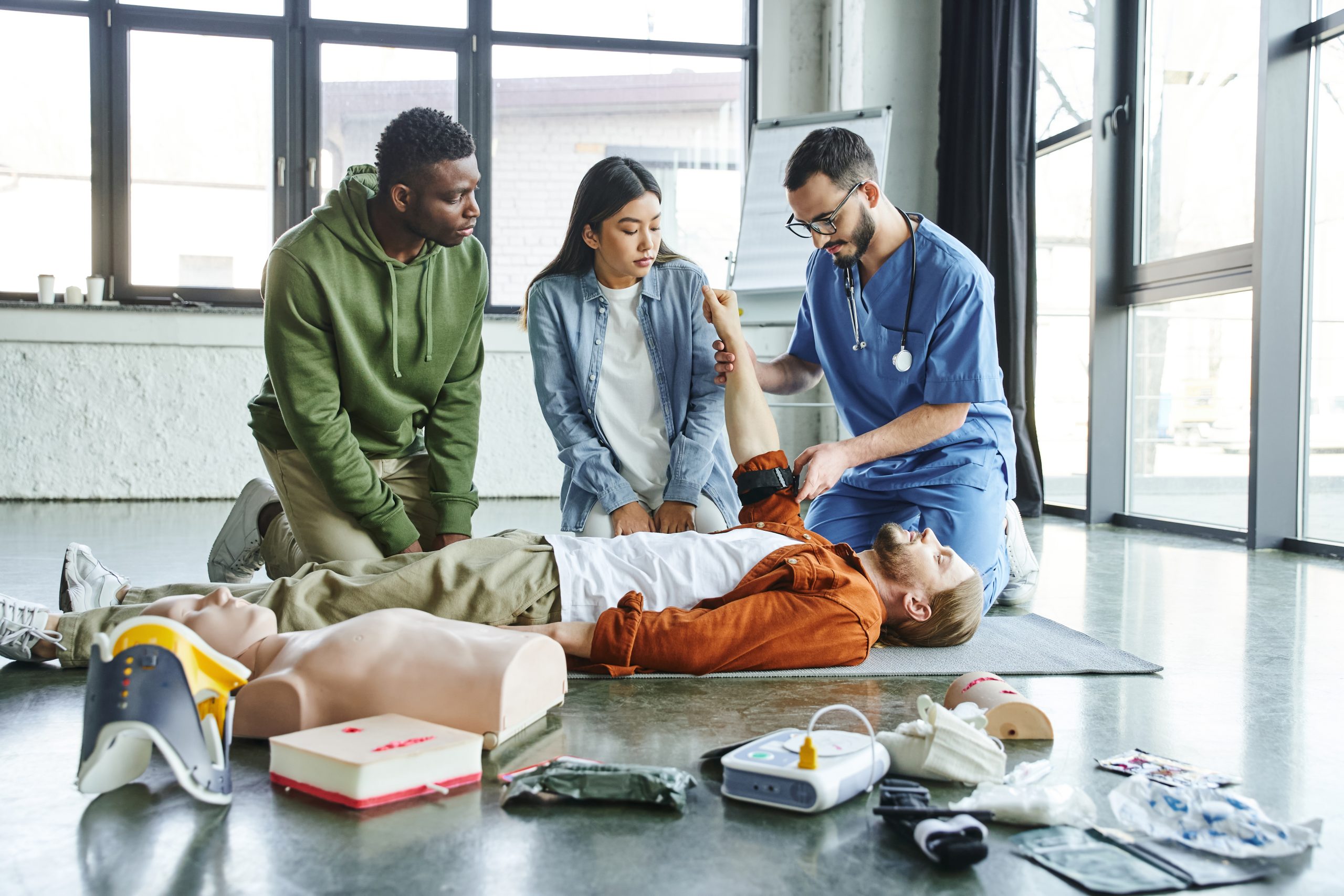
Understanding Shock and How to Provide First Aid

Recognizing Shock Symptoms

Identifying shock early is crucial. Here are common symptoms to watch for:

  • Pale, cold, and clammy skin
  • Rapid heartbeat and breathing
  • Weak pulse
  • Dizziness or fainting
  • Confusion or restlessness
  • Nausea or vomiting
  • Blue tinge to lips or fingernails
  • Low blood pressure

If you notice these symptoms, it’s important to act quickly.

How to Provide First Aid for Shock

When someone is experiencing shock, follow these first aid steps:

Step 1: Call for Emergency Help

Immediately call emergency services or have someone else do it. Provide them with as much information as possible about the situation.

Step 2: Lay the Person Down

Help the person lie down on their back. If possible, elevate their legs about 12 inches to help improve blood flow to the heart. However, do not elevate the legs if you suspect a head, neck, back, or leg injury.

Step 3: Keep the Person Warm and Comfortable

Cover the person with a blanket or coat to keep them warm. Avoid overheating by not using hot water bottles or electric blankets.

Step 4: Monitor Vital Signs

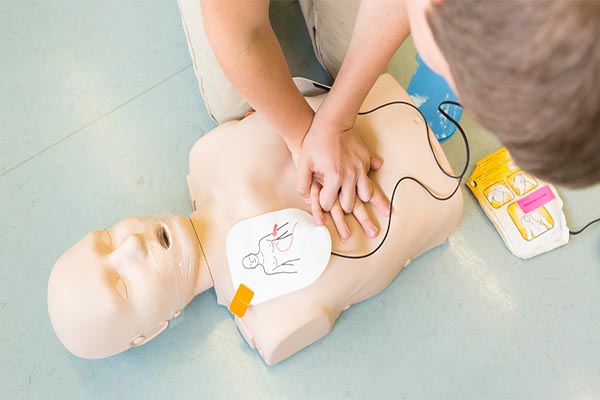
Regularly check the person’s breathing and pulse. Be prepared to start CPR if they stop breathing or if you can’t detect a pulse.

Step 5: Do Not Give Food or Drinks

Avoid giving the person anything to eat or drink, as this could lead to choking or complications if surgery is needed.

Step 6: Manage Specific Conditions

  • For anaphylactic shock, use an epinephrine auto-injector if available.
  • For severe bleeding, apply pressure to the wound with a clean cloth or bandage.

Preventing Shock

While not all cases of shock can be prevented, some measures can reduce risk:
  • Wear protective gear to prevent injuries.
  • Manage chronic health conditions effectively.
  • Educate yourself about severe allergies and carry an epinephrine injector if prescribed.

Understanding the Importance of Timely Intervention

Understanding the Importance of Timely Intervention

Timely intervention in cases of shock can save lives. It’s crucial to recognize the symptoms early and act quickly by administering first aid and calling for professional medical help.

Real-Life Examples

Story of a Quick Response

Consider the story of Jane, who experienced severe anaphylactic shock after eating peanuts. Her friend quickly recognized the symptoms and administered an epinephrine shot before calling emergency services. Jane was stabilized and recovered fully thanks to her friend’s prompt action.

Lessons from a Cardiac Event

In another case, John suffered cardiogenic shock after a heart attack. His colleagues were able to provide first aid and call for help, which was instrumental in his survival and recovery.

Conclusion

Shock is a serious condition that requires immediate attention. By understanding the symptoms and knowing how to provide first aid, you can help someone in need and potentially save a life. Remember, always seek professional medical assistance as soon as possible.

In emergencies, being prepared and informed can make all the difference. Stay calm, act quickly, and follow these guidelines to provide effective first aid for shock.

Get Trained: Contact CPR Classes Near Me for CPR and First Aid Training

Don’t wait until an emergency happens! Equip yourself with the knowledge and skills to save lives. Contact CPR Classes Near Me today to enroll in CPR and First Aid classes. Learn how to respond effectively in critical situations and make a difference when it matters most. Your preparedness can be the key to someone’s survival!

AHA BLS CPR & AED Classes

Starting at $59.95
American Heart Association BLS CPR & AED Certification 
Our CPR Trainers are American Heart Association Certified. We teach the best CPR Classes and deliver your certification eCard the same day. Get your AHA BLS CPR Certification and save now!

FAQ

Our primary goal is to ensure that you receive a top-quality CPR/First Aid certification. With our in-person training in Austin, you can learn CPR and BLS in just one class. Your presence is all that’s needed to continue with your lesson! During your session, you will complete all the live-training components necessary to ensure you receive your AHA Healthcare Provider certification card.

Our CPR Classes in Austin are discounted to $59.95 (saving you $20), and our CPR + First Aid Class is offered at $79.95 (also saving you $20). When looking for CPR Classes, ensure to check for the American Heart Association seal. Other sites might seem cheaper but frequently lack the official training credentials demanded by employers.

Upon successful completion of the course, you will obtain a CPR certification that is valid for two years. The AHA CPR certification is recognized with the highest acceptance rate among employers nationwide.

Indeed! Enroll in any CPR Certification Austin BLS course to extend your certification for an additional two years. The in-person BLS course and the Renewal Class are identical.

Anyone capable of completing the course independently should consider pursuing CPR training and CPR Certification. There is no minimum age restriction for obtaining a CPR certification in Austin through the American Heart Association (AHA)..

CPR training needs to be carried out in person to guarantee its effectiveness. Our experienced instructors offer an engaging and dynamic learning experience. Typically, employers do not recognize CPR certifications that are obtained solely through online courses.

All authorized American Heart Association training centers are obligated to display the entire video. After a three-hour session with CPR Classes Near Me Austin, your BLS CPR eCard will be promptly issued by the instructor on the same day!