Preparing for the Unexpected at Daycare: Infant CPR and First Aid Readiness

Why is CPR Important for Infants

When it comes to caring for infants in a daycare setting, preparation is key. The safety and well-being of the little ones are of utmost importance, and being ready for any unexpected situation is crucial. This includes having a solid understanding of infant CPR and first aid readiness. In this article, we’ll explore why these skills are essential and how daycare providers can ensure they are prepared to handle emergencies.

Understanding the Importance of Infant CPR

Infants are naturally curious, and their exploration can sometimes lead to accidents. Whether it’s a choking hazard or a sudden illness, knowing how to perform CPR on an infant can save a life.

What is Infant CPR?

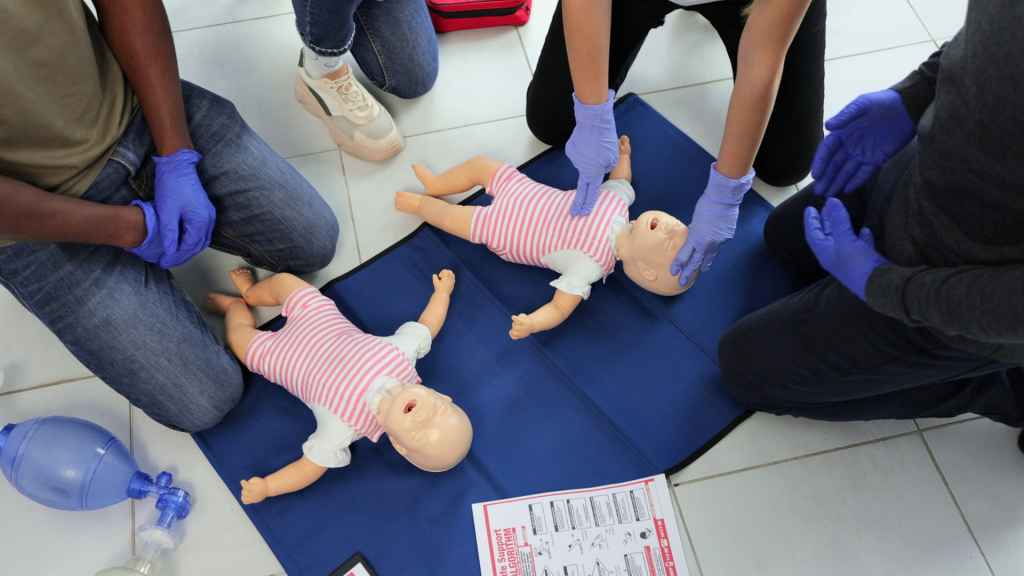
CPR, or cardiopulmonary resuscitation, is a lifesaving technique that is used when someone’s breathing or heartbeat has stopped. In infants, CPR is slightly different from that in adults due to their smaller size and fragility. Infant CPR involves gentle chest compressions and rescue breaths to help restore blood circulation and breathing.
Preparing for the Unexpected at Daycare: Infant CPR and First Aid Readiness

Why is it Essential for Daycare Providers?

Daycare providers are responsible for the safety of multiple children throughout the day. In emergencies, every second counts. Being trained in infant CPR ensures that providers can act quickly and efficiently, potentially saving a child’s life before professional medical help arrives.

Key Steps in Performing Infant CPR

Knowing the steps of infant CPR can make all the difference in an emergency situation. Here’s a simple breakdown:

  1. Check for Responsiveness: Gently tap the infant and shout to see if they respond. If there’s no response, call for help immediately.
  2. Begin Chest Compressions: Place two fingers in the center of the infant’s chest just below the nipple line. Press down about 1.5 inches at a rate of 100-120 compressions per minute.
  3. Give Rescue Breaths: After 30 compressions, give 2 gentle breaths. Cover the infant’s nose and mouth with your mouth, ensuring a proper seal, and breathe gently to make the chest rise.
  4. Repeat: Continue cycles of 30 compressions and 2 breaths until help arrives or the infant starts breathing.

The Role of First Aid in Infant Safety

First aid goes hand-in-hand with CPR, providing immediate care for injuries or illnesses. It’s essential for daycare providers to be well-versed in basic first aid to handle a variety of situations.

Common First Aid Scenarios in Daycare

Daycare environments are filled with potential hazards. Here are some common scenarios where first aid knowledge is beneficial:
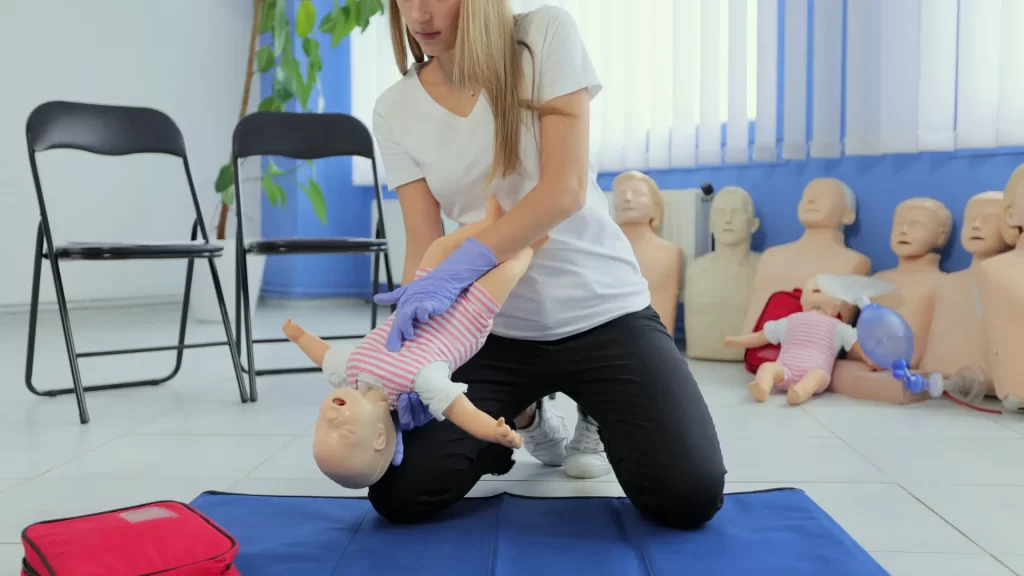
  • Choking: Infants explore the world by putting things in their mouths. Knowing how to perform back blows and chest thrusts can help dislodge objects causing airway obstruction.
  • Falls and Injuries: Accidents happen, and infants can easily hurt themselves. First aid training helps providers assess injuries and provide initial care.
  • Allergic Reactions: Some infants may have severe allergies. Recognizing the signs of an allergic reaction and knowing how to use an epinephrine auto-injector can be lifesaving.

Training and Certification for Daycare Providers

Training and Certification for Daycare Providers

To ensure safety, daycare providers should undergo proper training and certification in infant CPR and first aid.

Finding the Right Training Program

There are many organizations offering CPR and first aid certification courses. Look for programs that are:

  • Accredited: Choose courses certified by recognized bodies such as the American Heart Association or Red Cross.
  • Comprehensive: Ensure the training covers a wide range of scenarios, including CPR, choking, and first aid for various injuries.
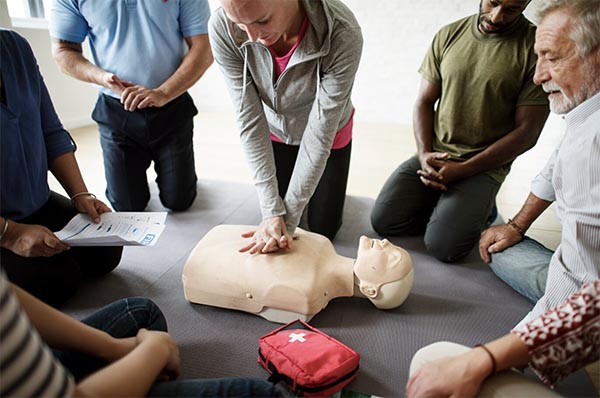
  • Hands-On: Practical experience is crucial. Opt for programs that offer hands-on training with realistic mannequins.

Keeping Skills Updated

CPR and first aid techniques can evolve. It’s important for daycare providers to keep their skills fresh by attending refresher courses regularly. Certification usually needs renewal every two years to ensure knowledge is up-to-date.

Creating a Safe Environment

Preparation extends beyond training. Daycare centers should implement measures to minimize risks and ensure a safe environment.

Safety Checklist for Daycare Centers

  1. Childproofing: Secure furniture, cover electrical outlets, and remove small objects that could be choking hazards.
  2. First Aid Kits: Have fully stocked first aid kits accessible and ensure all staff know where they are located.
  3. Emergency Plans: Develop and regularly update emergency plans. Conduct drills to familiarize staff with procedures.
  4. Staff Communication: Maintain open communication among staff to quickly address potential hazards or incidents.

Conclusion: The Peace of Mind in Being Prepared

Being prepared for the unexpected at daycare is about more than compliance; it’s about ensuring the safety and well-being of the children in your care. By investing in infant CPR and first aid training, and maintaining a safe environment, daycare providers can have peace of mind knowing they are equipped to handle emergencies effectively.

In the end, the best outcome is a safe, nurturing environment where infants can explore and grow without unnecessary risks. With the right preparation, daycare centers can provide just that.

Ready to Get Trained? Contact CPR Classes Near Me for CPR and First Aid Classes!

Don’t wait until an emergency happens. Equip yourself with the essential skills needed to ensure the safety of the infants in your care. Contact CPR Classes Near Me today to find local CPR and first aid classes tailored for daycare providers. Take the first step towards being prepared and confident in handling any situation that may arise. Your commitment to safety can make all the difference!

AHA BLS CPR & AED Classes

Starting at $59.95
American Heart Association BLS CPR & AED Certification 
Our CPR Trainers are American Heart Association Certified. We teach the best CPR Classes and deliver your certification eCard the same day. Get your AHA BLS CPR Certification and save now!

FAQ

Our primary goal is to ensure that you receive a top-quality CPR/First Aid certification. With our in-person training in Austin, you can learn CPR and BLS in just one class. Your presence is all that’s needed to continue with your lesson! During your session, you will complete all the live-training components necessary to ensure you receive your AHA Healthcare Provider certification card.

Our CPR Classes in Austin are discounted to $59.95 (saving you $20), and our CPR + First Aid Class is offered at $79.95 (also saving you $20). When looking for CPR Classes, ensure to check for the American Heart Association seal. Other sites might seem cheaper but frequently lack the official training credentials demanded by employers.

Upon successful completion of the course, you will obtain a CPR certification that is valid for two years. The AHA CPR certification is recognized with the highest acceptance rate among employers nationwide.

Indeed! Enroll in any CPR Certification Austin BLS course to extend your certification for an additional two years. The in-person BLS course and the Renewal Class are identical.

Anyone capable of completing the course independently should consider pursuing CPR training and CPR Certification. There is no minimum age restriction for obtaining a CPR certification in Austin through the American Heart Association (AHA)..

CPR training needs to be carried out in person to guarantee its effectiveness. Our experienced instructors offer an engaging and dynamic learning experience. Typically, employers do not recognize CPR certifications that are obtained solely through online courses.

All authorized American Heart Association training centers are obligated to display the entire video. After a three-hour session with CPR Classes Near Me Austin, your BLS CPR eCard will be promptly issued by the instructor on the same day!