
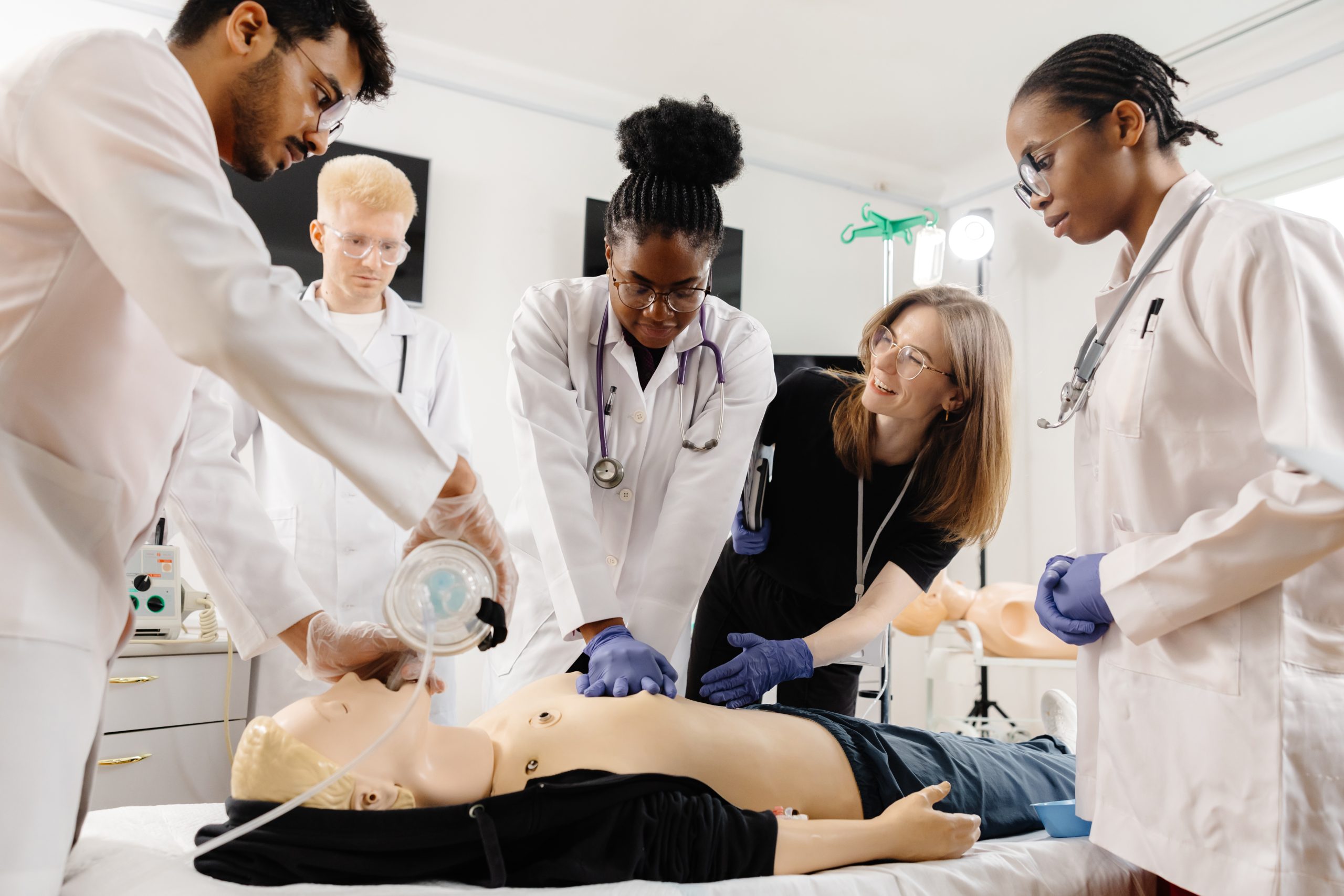
In the fast-paced world of healthcare, medicine never stands still. Neither should your training. For nurses, paramedics, and medical staff, Basic Life Support (BLS) is the foundational skill that saves lives when seconds count. The American Heart Association (AHA) typically releases major guideline updates every five years, with the most recent major overhaul occurring in 2020 and focused updates continuing through 2024 and into 2025.
If you are a healthcare provider, “doing it the way you’ve always done it” isn’t just outdated—it could be dangerous. Understanding the nuances of the latest science ensures you provide the highest standard of care. From the new emphasis on recovery to changes in pediatric rescue breathing, here is a comprehensive look at what is new in the latest BLS guidelines.
What is the New “Sixth Link” in the Chain of Survival?
For decades, we learned the Chain of Survival as a five-step process ending with “Post-Cardiac Arrest Care.” However, the latest guidelines have added a crucial sixth link: Recovery.
Why the change? Data showed that survival doesn’t end when a patient is discharged from the hospital. The recovery phase is often where survivors face physical, cognitive, and emotional challenges.
- Treatment expectations: Providers are now encouraged to plan for long-term multimodality rehabilitation.
- Holistic view: Recovery includes neurological assessment and support for anxiety or depression, which are common after cardiac arrest.
- Debriefing: This link also emphasizes the health of the rescuer, encouraging debriefing for healthcare teams to process the event.
This shift transforms cardiac arrest care from a short-term emergency event into a long-term continuum of health.
How Have Opioid Overdose Protocols Changed?
With the opioid epidemic continuing to impact communities nationwide, the AHA has fully integrated opioid-associated emergency care into BLS training. It is no longer a side note; it is a primary algorithm.
The guidelines now feature two distinct algorithms: one for lay rescuers and one for healthcare providers. For providers, the key updates include:
- Assessment First: If you suspect an overdose, assess breathing and pulse.
- Respiratory Arrest vs. Cardiac Arrest: If the patient has a pulse but is not breathing normally, provide rescue breaths and administer Naloxone immediately.
- Don’t Delay CPR: If the patient has no pulse, start CPR immediately. Do not wait for Naloxone to work before starting compressions. Naloxone can be administered while CPR is performed.
This empowers healthcare providers to act decisively in toxicological emergencies, recognizing that hypoxia is the primary killer in these cases.
What are the Updates for Pediatric Rescue Breathing?
One of the most significant technical changes in the latest guidelines involves how we breathe for infants and children. Previously, the rate was slower, but new evidence suggests that children—who have higher metabolic rates—require more aggressive ventilation.
The New Standard:
- Rescue Breathing (Pulse present): Deliver 1 breath every 2 to 3 seconds (20–30 breaths per minute). This is an increase from the previous 3–5 seconds.
- Advanced Airway (During CPR): If an endotracheal tube or supraglottic airway is in place, continue compressions without pausing and deliver 1 breath every 2 to 3 seconds.
This change aims to prevent hypoxia, which is the leading cause of pediatric cardiac arrest, ensuring the brain receives adequate oxygenation faster.
Why is “High-Performance Teams” a Focus?
The “Lone Wolf” rescuer is a thing of the past. The latest guidelines place a heavy premium on team dynamics. It is not enough to know how to do CPR; you must know how to communicate while doing it.
Training now emphasizes:
- Clear Roles: Assigning specific tasks (Compressor, Monitor/Defibrillator, Airway) immediately.
- Closed-Loop Communication: Repeating orders back to confirm they were heard and understood.
- Constructive Intervention: If a team member sees compressions slowing down or becoming shallow, they are trained to correct it respectfully and immediately.
This focus on soft skills ensures that technical skills are applied effectively during the chaos of a Code Blue.
Are There Changes to CPR Feedback Technology?
Yes. The days of guessing if your compressions are deep enough are over. The guidelines now strongly recommend the use of real-time audiovisual feedback devices during both training and actual resuscitation events.
- In Training: Instrument-equipped manikins (like the ones used in our classes) must provide feedback on rate and depth to ensure students develop the correct muscle memory.
- In Practice: Use of pucks or monitor sensors that indicate if you are hitting the “sweet spot” of 100–120 compressions per minute and 2–2.4 inches of depth.
Data shows that even experienced providers fatigue quickly, causing compression quality to drop. Technology acts as an impartial coach to keep quality high.
What About Maternal Cardiac Arrest?
The latest guidelines have refined the approach to cardiac arrest in pregnant patients, focusing on the concept that the best way to save the fetus is to save the mother.
Key Updates:
- Left Lateral Uterine Displacement: If the uterus is at or above the umbilicus, manual left uterine displacement is required to relieve pressure on the inferior vena cava and improve blood flow.
- Perimortem Cesarean Delivery: If there is no return of spontaneous circulation (ROSC) within 4 minutes, providers should prepare for an immediate C-section (aiming for delivery by minute 5). This is performed to improve maternal hemodynamics, not just to save the infant.
Conclusion
Staying certified isn’t just a job requirement; it is a commitment to patient safety. The shift toward a comprehensive Chain of Survival, the aggressive management of pediatric airways, and the integration of opioid protocols show that BLS is an evolving science.
At CPR Classes Near Me, we ensure our curriculum is always aligned with the most current American Heart Association guidelines. When you train with us, you aren’t just getting a card; you’re getting the latest life-saving knowledge.
Ready to update your skills?
Leave a Reply