Tips for Passing the CPR Test in Chicago
CPR Archives

No Comments
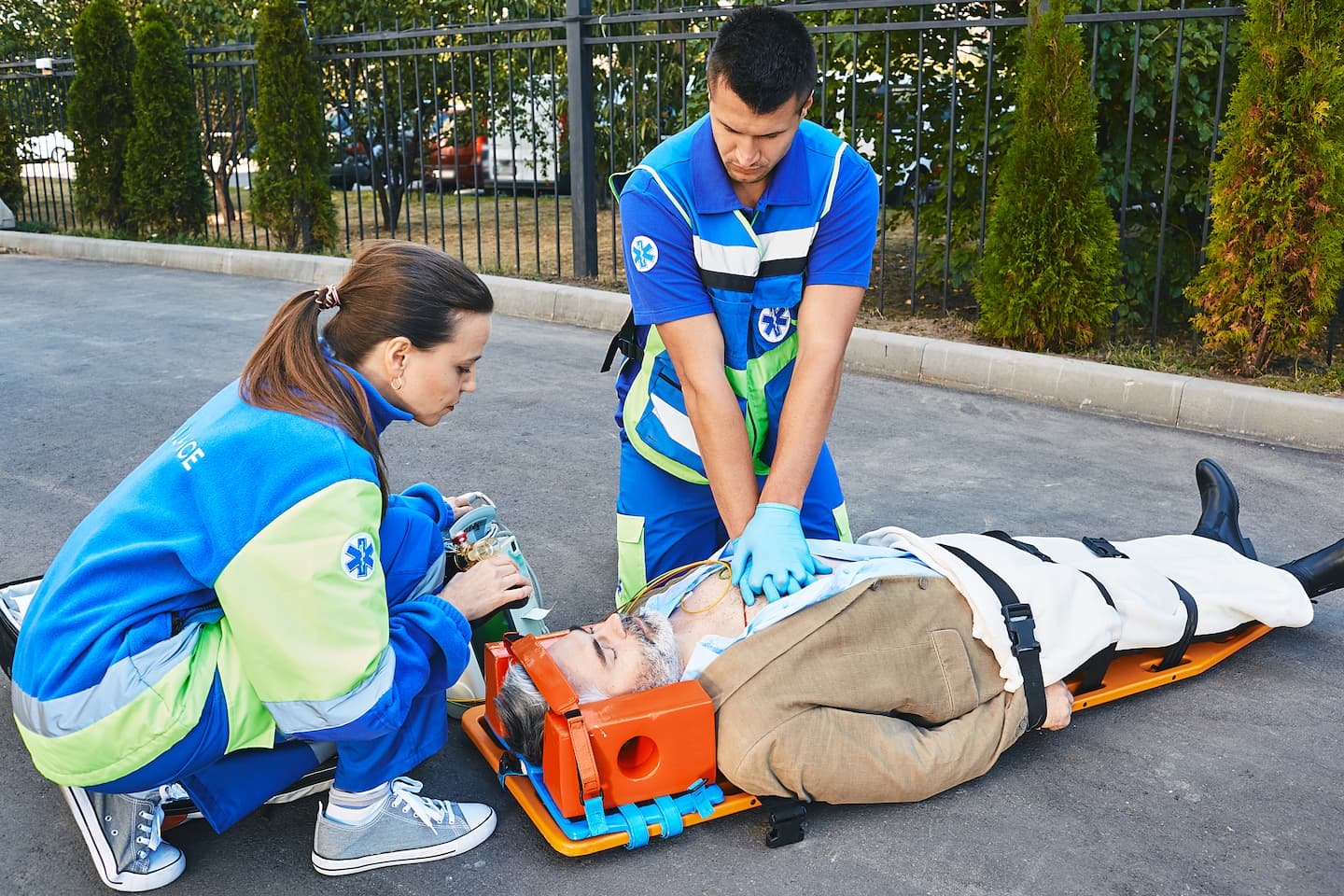
Emergency medics performing CPR on patient with spinal support stretcher in Chicago

Thinking about getting CPR certified in Chicago? Whether it’s for work, school, or personal preparedness, you’ll likely need to take and pass a CPR test. And while the test isn’t meant to be difficult, knowing what to expect—and how to prepare—can make the process a lot less stressful.

In this guide, we’ll walk you through practical, proven tips to help you pass your CPR test on the first try—including both the written and hands-on portions. We’ll also point you to trusted resources in Chicago to help you get started.

What’s on the CPR Test in Chicago?

Most CPR courses in Chicago follow nationally recognized guidelines, such as those from the American Heart Association (AHA) or the Red Cross. Your CPR test will typically include:

Written Test

  • A multiple-choice quiz covering core concepts like:
    • Chest compression depth and rate
    • Rescue breathing
    • AED use
    • Choking response
  • Usually 20–30 questions
  • Passing score is often 80% or higher

Skills Test (Practical Exam)

  • You’ll perform CPR on a manikin while being observed by a certified instructor
  • Demonstrate:
    • Proper hand placement and compression technique
    • Rescue breaths using a mask
    • Safe and effective use of an AED
    • Choking relief maneuvers (adult, child, or infant depending on your class)

Don’t worry—the skills are covered thoroughly in class, and instructors give you time to practice before the test.

Top Tips to Pass the CPR Test in Chicago

1. Choose a High-Quality CPR Class

Start with the right training provider. Look for a course that:

  • Follows AHA or Red Cross guidelines
  • Offers hands-on practice with experienced instructors
  • Provides prep materials in advance

Need help finding a nearby, trusted class? Check out available sessions on our Chicago CPR page.

2. Practice the Hands-On Skills Repeatedly

Muscle memory matters. The skills portion is about confidence and accuracy, so:

  • Practice chest compressions to the right depth and rhythm (100–120 per minute)
  • Get comfortable switching between compressions and breaths
  • Learn to operate an AED quickly and correctly

Instructors often let you practice as much as you need. If something feels awkward, speak up—they want you to pass.

3. Review Your Study Materials

Don’t just skim through your workbook. Instead:

  • Read the step-by-step CPR process for adults, children, and infants
  • Memorize key ratios: like 30:2 compressions-to-breaths for adults
  • Understand when and how to call 911 or activate EMS
  • Watch video tutorials if available

If you’re part of a group needing certification—for work, healthcare, education, or safety training—you might also want to look into our company and group certification programs.

4. Simulate Test Conditions

Before test day, practice like it’s the real thing:

  • Use a pillow or CPR training manikin to simulate compressions
  • Time yourself doing 30 compressions + 2 breaths
  • Quiz yourself or have someone ask you practice questions

A little prep outside of class can boost your test-day confidence significantly.

5. Ask Questions in Class

Don’t hesitate to ask your instructor for clarification on any step of the process:

  • Unsure about how to use an AED? Ask.
  • Struggling with infant CPR hand placement? Ask.
  • Nervous about test format? Ask.

Your instructors are there to guide—not judge. Most will let you repeat skills or re-demo if you need another try.

6. Know That You Can Retake the Test

Most CPR providers in Chicago are generous when it comes to retakes. If you don’t pass:

  • You may be allowed to retake the written or skills portion on the same day
  • You can usually re-enroll at a discounted rate if needed

Check with your provider’s specific policy. If you’re unsure who to go with, our All Locations page can help you find a class near you.

7. Stay Calm on Test Day

The CPR test isn’t about being perfect—it’s about being prepared to act in a real emergency. You’re not expected to be a medical expert. Just demonstrate:

  • Basic understanding of the steps
  • Willingness to help
  • Confidence in using your hands to save a life

Breathe deeply, focus on what you’ve learned, and go for it.

Frequently Asked Questions About the CPR Test in Chicago

How long does the CPR test take?

Usually around 30–60 minutes, depending on the class size and whether it includes both written and skills assessments.

Can I take the CPR test online in Chicago?

Some providers offer blended learning, where you complete the written portion online and schedule the hands-on test at a local training center.

What if I need CPR certification for work right away?

Many providers in Chicago offer same-day certification or accelerated options. Use our Contact Us page if you need help finding an urgent session.

Final Thoughts: You’ve Got This

The CPR test in Chicago isn’t hard—it just requires focus, a little practice, and the right class. With the tips above, you’ll be well on your way to passing and becoming certified to save lives.

Whether you’re preparing for your first CPR test or renewing your credentials, CPRClassesNearMe.com is your go-to resource for scheduling classes, finding expert instructors, and getting certified quickly and confidently.

How Hard Is the CPR Test in Charlotte, NC?

CPR Archives

No Comments

If you’re thinking about taking a CPR class in Charlotte, NC, one question likely comes up early:
“How hard is it to pass the CPR test?”

Whether you’re a healthcare worker, a teacher, or just someone who wants to be prepared, the idea of taking a test—especially one involving lifesaving skills—can be a little intimidating.

The good news? Most people pass on their first try. The CPR test is designed for the average person, and with the right training, it’s very doable. Below, we’ll break down exactly what the test includes, what to expect, how to prepare, and where to take it in Charlotte.

What’s on the CPR Test?

Most CPR certification courses—like those offered through the American Heart Association (AHA) BLS CPR Training or CPR & First Aid Classes—include two parts:

1. Written Exam

The written portion is usually a short multiple-choice test that covers:

  • The correct steps for adult, child, and infant CPR
  • Compression-to-breath ratios
  • When and how to use an AED
  • Basic first aid topics (if included in your course)

If you’ve followed along in class or completed the online module, you’ll likely find this part straightforward.

2. Skills Test (Hands-On)

This is where you demonstrate:

  • Chest compressions on a CPR manikin
  • Rescue breaths using a barrier device
  • AED operation
  • Choking response for adults or infants (depending on the course)

Don’t worry—you’ll practice all these skills before the test. Instructors guide you through everything and give you multiple chances to get it right.

Tip: If you’re taking the test through one of our CPR Classes, you’ll be coached and encouraged every step of the way.

Is It Hard to Pass?

In most cases, no.

Passing the CPR test in Charlotte is very achievable. It’s not meant to trick you—it’s designed to make sure you understand the basics and can help in an emergency.

Here’s why you probably won’t have a problem:

It’s Designed for Regular People

Courses are created for people without medical backgrounds—parents, teachers, fitness instructors, etc.

You’ll Practice Everything First

During class, you’ll go over every step before you’re tested. If you have questions, instructors are there to help.

Mistakes Are Okay

If you mess up a skill during the test, the instructor will often let you try again. The goal is competency, not perfection.

How Long Does a CPR Class Take in Charlotte?

Depending on the format and course type, a CPR class can take:

  • 2 to 3 hours for basic adult CPR
  • 4 to 6 hours for full BLS or CPR + First Aid certification
  • 1 to 2 hours for the in-person skills test if you take an online blended course

We recommend checking our CPR Classes page for current course formats and availability.

Where Can You Take the CPR Test in Charlotte, NC?

Charlotte offers plenty of convenient, high-quality training locations. These include:

  • Local hospitals (like Atrium Health or Novant Health)
  • Fire departments and EMS agencies
  • Community colleges like Central Piedmont Community College
  • Private CPR training centers across the city
  • National organizations like the American Heart Association and Red Cross affiliates

You can explore all the current options using our All Locations page.

Many providers also offer:

  • Evening and weekend classes
  • Same-day certification
  • On-site group certification—see our Company / Group Certifications page if you’re scheduling for a team

Who Needs to Take a CPR Test in Charlotte?

Many employers in Charlotte require CPR certification for:

  • Healthcare professionals (nurses, EMTs, dental staff)
  • Teachers and childcare workers
  • Lifeguards and swim instructors
  • Personal trainers and gym staff
  • Construction and industrial workers
  • Security personnel
  • Parents and caregivers

If you’re not sure which class is right for your industry, feel free to contact us for help choosing the right course.

What Happens If You Don’t Pass?

It’s rare, but if you don’t pass the CPR test on the first try, most training centers offer:

  • A chance to retake the skills test immediately
  • Remediation coaching or extra practice
  • A free or discounted re-enrollment in the next available class

Make sure to ask about the provider’s retake policy when booking your class on CPRClassesNearMe.com.

How to Prepare for the CPR Test

Even though the test isn’t difficult, being prepared helps ease nerves and boost your confidence.

1. Review the Training Materials

Whether you’re learning online or in-person, review the steps for:

  • Chest compressions
  • Rescue breaths
  • AED operation
  • Choking response

2. Watch CPR Demos Online

Seeing the steps in action can reinforce what you’ve learned.

3. Ask Questions in Class

Your instructor is there to help. Don’t hesitate to ask for clarification or extra practice.

4. Choose a High-Quality Training Provider

The quality of your training matters. Choose certified instructors from reputable programs listed on our CPR Classes or CPR & First Aid pages.

Final Thoughts: It’s Easier Than You Think

The CPR test in Charlotte, NC is very passable with a little preparation and the right training center. If you can follow simple instructions, practice the hands-on skills, and stay calm, you’ll do great.

Plus, once you pass, you’ll walk away with the confidence to act in a real emergency—and that’s something worth being proud of.

Ready to Get Certified?

Visit our homepage to find upcoming CPR classes in Charlotte, or explore our All Locations for training centers near you.

Still have questions? Reach out through our Contact Us page—we’re happy to help.

Should I Stop CPR if a Person Vomits? Here’s What to Do

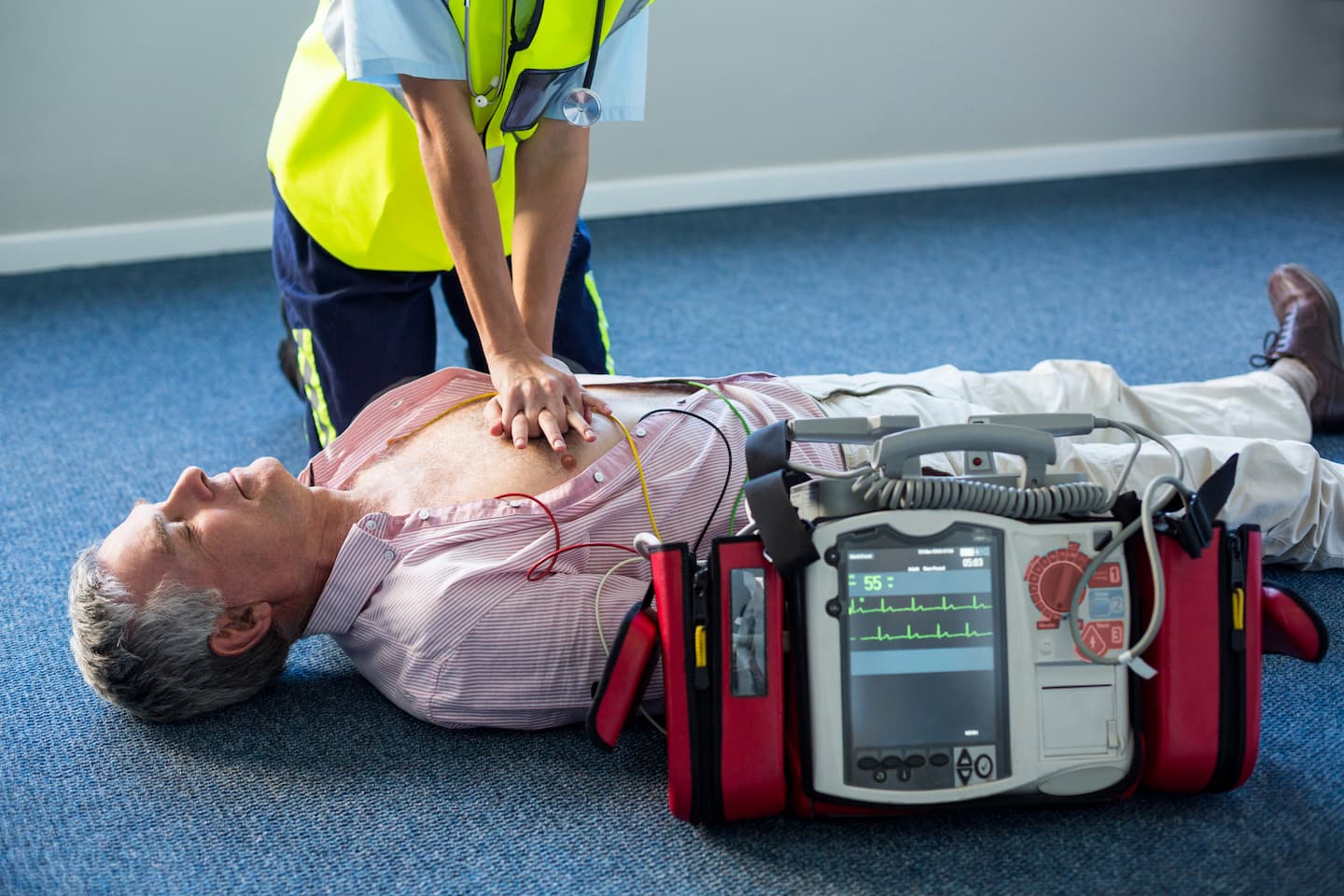
Paramedic performing CPR with defibrillator on cardiac arrest patient

When you’re in the middle of performing CPR, every second counts. But what happens if the person you’re trying to save suddenly vomits? It’s a common—and understandably alarming—scenario that can leave even trained rescuers unsure of what to do next.

The short answer is: No, you should not stop CPR entirely if the person vomits, but you must promptly clear the airway, drain vomit or fluid, then resume compressions immediately.

However, you must respond quickly and appropriately to protect their airway and ensure your life-saving efforts continue effectively.

Let’s break down exactly what to do, why vomiting happens during CPR, and how you can stay prepared.

Why Vomiting Happens During CPR

Vomiting is one of the most common complications during cardiopulmonary resuscitation, especially when rescue breaths are involved.

Common causes include:

  • Gastric inflation: Too much air goes into the stomach during rescue breaths.
  • Unconsciousness: The body loses control over muscle reflexes, making vomiting more likely.
  • Chest compressions: Forceful compressions can increase abdominal pressure.
  • Underlying medical conditions or trauma: May cause nausea or vomiting before or during cardiac arrest.

It’s important to know: vomiting doesn’t mean you’ve done something wrong. It’s often an unavoidable part of the resuscitation process.

What to Do if Vomiting Occurs During CPR

When someone vomits during CPR, the immediate danger is airway obstruction or aspiration—when vomit enters the lungs. You need to act fast but stay calm.

Step-by-step guide:

  1. Roll the person onto their side (recovery position)
    This allows vomit to drain from the mouth and reduces the risk of it entering the lungs.
  2. Clear the airway
    Use a gloved hand or cloth if available to sweep away visible vomit from the mouth. Avoid putting your fingers deep into the mouth unless necessary—this can stimulate more vomiting.
  3. Return the person to their back
    Once the mouth is clear, quickly roll them back and resume chest compressions immediately.
  4. Modify rescue breaths (if trained)
    If you are performing rescue breaths (and trained to do so), be cautious. Avoid giving breaths until the airway is clear. If vomit continues, focus solely on chest compressions.
  5. Continue CPR until EMS arrives
    Never stop CPR unless:
    • The person shows signs of life (movement, breathing, response)
    • You are physically unable to continue
    • A medical professional takes over

Should You Continue Rescue Breaths if Vomiting Occurs?

Rescue breaths can be effective, especially in cases of drowning or pediatric cardiac arrest. But in the presence of vomiting, it may not be safe or feasible to continue breaths immediately.

What guidelines suggest:

  • American Heart Association (AHA) guidelines for untrained bystanders now recommend Hands-Only CPR– chest compressions only.
  • If vomit is obstructing the airway or rescue breaths are causing more complications, stick to compressions.

Bottom line: If you’re unsure, focus on high-quality chest compressions until help arrives.

Common Myths About Vomiting and CPR

Let’s clear up a few misconceptions that might prevent you from acting confidently in an emergency:

Myth 1: Vomiting means CPR should stop

False. Vomiting is common, and CPR should continue after clearing the airway.

Myth 2: You could make the situation worse by continuing CPR

False. Doing something is always better than doing nothing. Chest compressions help circulate blood to vital organs.

Myth 3: Only professionals should handle someone who vomits during CPR

False. Everyday people save lives every day. Basic knowledge and composure can make all the difference.

What If You’re Uncomfortable Giving CPR After Vomiting?

It’s understandable to feel hesitant, especially when things get messy. But try to remember: your efforts could mean the difference between life and death.

Here’s how you can protect yourself and stay effective:

  • Use a CPR face shield or barrier device if available
  • Focus on compressions if you’re unsure about giving breaths
  • Call 911 immediately and put your phone on speaker for dispatcher guidance
  • Take a certified CPR class to build confidence and hands-on skills

Legal Protection for Good Samaritans

Worried about legal consequences? Most U.S. states have Good Samaritan laws that protect people who try to help in emergencies.

As long as you act in good faith and within your level of training, you are generally shielded from liability.

How to Prepare for Real-Life CPR Scenarios

Vomiting isn’t the only complication that can arise during CPR. To be fully prepared:

  • Take a certified CPR class near you through the Red Cross, American Heart Association, or a local provider
  • Learn how to recognize cardiac arrest vs. choking or seizures
  • Practice recovery positions and airway clearing techniques
  • Keep a CPR mask or keychain barrier device in your first aid kit or bag

Training doesn’t just teach technique—it gives you the confidence to act fast, even when things don’t go perfectly.

Final Thoughts: CPR Is Still Worth It—Even If It Gets Messy

Vomiting during CPR may feel like a curveball, but it’s a manageable and common part of the process. The key is to remain calm, protect the airway, and continue chest compressions. Your efforts matter more than you think—and could give someone a real chance at survival.

If you’re reading this because you’re curious, concerned, or preparing to be CPR-certified, you’re already on the right path.

Ready to get trained?
Search for CPR classes near you today on CPRClassesNearMe.com and get the skills that save lives—even in the messiest situations.