AHA vs Red Cross CPR in Raleigh: Which Certification is Best?

CPR Archives

No Comments
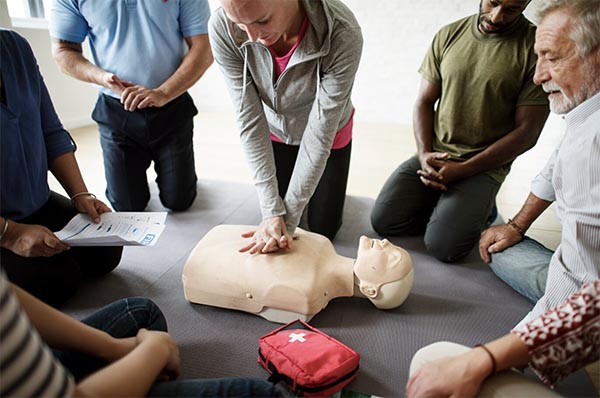
Group learning CPR with hands-on chest compressions on a training manikin.

Welcome to Raleigh, North Carolina, a thriving city where professional opportunities abound, especially in critical fields like healthcare, education, and childcare. Landing or maintaining a job in these demanding sectors often requires a current, recognized CPR certification. However, as you begin your search for “CPR certification near me,” you will quickly encounter two giants in the field: the American Heart Association (AHA) and the American Red Cross (ARC).

For professionals in the Triangle area, this choice is not merely a preference; it is a critical career decision. While both organizations teach the life-saving skills of cardiopulmonary resuscitation, their certifications possess distinct attributes regarding industry acceptance, course depth, and overall rigor. Choosing the correct credential ensures you satisfy your Raleigh employer’s specific requirements without wasting time or money on a course they won’t recognize.

This comprehensive guide will dissect the differences between the AHA and the Red Cross. We will provide you with the essential, factual information needed to make the smartest choice for your career goals right here in Raleigh, NC. We are focused on providing content that is easy for humans to read and for search engines to process, using clear, concise language and structured formatting. Let’s find out exactly which CPR certification is the gold standard for your specific job.

What Are the Core Standards That Both AHA and Red Cross Certifications Follow?

Despite the perceived rivalry, both the American Heart Association (AHA) and the American Red Cross (ARC) follow the same foundational scientific guidelines for resuscitation. This shared scientific basis is the most important similarity between the two organizations.

The Unifying Scientific Principle

  • The core standards for CPR, AED use, and emergency cardiovascular care are set every five years by the International Liaison Committee on Resuscitation (ILCOR).
  • The AHA is the primary research body that translates these international recommendations into the official, evidence-based CPR guidelines used across the United States.
  • The Red Cross, and every other legitimate training provider, bases their curriculum and techniques on these latest AHA guidelines.
  • This means the life-saving skills taught in both courses are scientifically identical.

Standardized Techniques

When an instructor is teaching in a Raleigh classroom, whether AHA or Red Cross affiliated, the core techniques they teach are consistent.

  • Compression Rate: Both courses require performing chest compressions at a rate of 100 to 120 beats per minute. This rate maximizes blood flow to the brain and vital organs.
  • Compression Depth: In adults, both standards mandate compressions be at least two inches deep. Consistency in depth is crucial for effective circulation.
  • C-A-B Sequence: The modern standard, adopted by both, prioritizes the Compressions, then Airway, then Breathing sequence (C-A-B).

Because the life-saving skills are scientifically consistent, the main differences truly lie in the structure, rigor, and industry acceptance of the final card. When you choose a certified provider like CPR Classes Near Me, you are learning techniques that adhere to the highest global standards. This consistency means any certified rescuer in Raleigh will perform CPR the same way in an emergency, regardless of their card’s logo.

AHA vs Red Cross CPR in Raleigh: Which Certification is Best?
Is AHA Certification Truly the Gold Standard for Raleigh’s Healthcare Sector?

Yes, the American Heart Association (AHA) certification, particularly the Basic Life Support (BLS) credential, is overwhelmingly considered the gold standard and is often the mandatory requirement for healthcare professionals across Raleigh, NC. This preference is deeply rooted in the AHA’s specific focus and its research-driven curriculum.

Why Healthcare Employers Demand AHA

The AHA is more than a trainer; it is the primary research body that generates the evidence underpinning resuscitation science. Hospitals and clinical settings favor AHA because their material is updated immediately based on their own cutting-edge findings.

  • BLS Focus: The AHA’s BLS Provider course is specifically designed for professionals working in medical environments.
  • It covers critical topics beyond basic CPR that are essential for clinical teams.
  • Team Dynamics: BLS training emphasizes team-based resuscitation scenarios, vital for effective emergency response in a hospital or ambulance setting.
  • The curriculum teaches advanced concepts like using a Bag-Valve Mask (BVM) and specialized roles during a code.
  • Advanced Pathway: For doctors and specialized nurses, AHA offers required higher-level certifications such as Advanced Cardiovascular Life Support (ACLS) and Pediatric Advanced Life Support (PALS).
  • These advanced courses build directly upon the foundation established in the AHA BLS course, creating a seamless professional training continuum.

Key Raleigh Healthcare Roles Requiring AHA BLS

If your job involves direct patient care in a Raleigh medical facility, expect the AHA BLS certification to be required.

  • Registered Nurses (RNs) and Licensed Practical Nurses (LPNs): Mandatory for employment and licensing renewal in most NC facilities.
  • Certified Nursing Assistants (CNAs): Essential for roles in hospitals, nursing homes, and home health agencies.
  • Emergency Medical Technicians (EMTs) and Paramedics: AHA BLS is the foundational requirement before moving on to ACLS/PALS.
  • Medical Assistants and Dental Office Staff: Many private practices and clinics in Raleigh prefer or require AHA BLS to ensure standardized clinical readiness.
  • Physical Therapists and Occupational Therapists: These professionals often interact with patients who have cardiac risks, making AHA certification crucial.

For those pursuing a medical career path in Raleigh, AHA BLS is not just a suggestion; it is a professional prerequisite. Organizations like CPR Classes Near Me focus on delivering this exact American Heart Association-certified training to prepare individuals for the demands of the Triangle healthcare industry.

When is Red Cross Certification an Acceptable or Preferred Choice in Raleigh?

While the AHA dominates the clinical healthcare space, the American Red Cross (ARC) certification is widely accepted and often preferred in non-clinical, community, and general workplace settings throughout Raleigh. The ARC excels at providing accessible, practical training focused on building confidence in lay responders.

Red Cross Acceptance in Non-Clinical Settings

The ARC’s training programs, often titled “CPR/AED for Community and Workplace” or similar, are specifically tailored for individuals who are likely to be bystanders or first responders in low-risk environments.

  • Workplace Requirement: Employers in general offices, construction, or manufacturing who require basic emergency preparedness will readily accept ARC certifications.
  • OSHA guidelines in North Carolina frequently recognize both organizations as compliant.
  • Focus on Confidence: The Red Cross curriculum often utilizes more role-playing and interactive visual aids, concentrating on practical application and building the student’s confidence to act decisively.
  • Their approach is designed to be highly user-friendly and approachable for non-medical participants.

Key Raleigh Non-Clinical Roles Where ARC is Accepted

If your job is outside of a hospital or clinic setting, the ARC certification is generally recognized as sufficient by these employers in Raleigh:

  • Teachers and Educators: Public and private schools often accept ARC certification for teachers, administrators, and general staff, as they prioritize immediate response in a school environment.
  • Childcare and Daycare Providers: Many North Carolina state safety and health regulations require childcare employees to maintain certification, often accepting either AHA or ARC.
  • Coaches and Athletic Trainers: Coaches for youth sports leagues or high school teams typically require a certification that focuses on practical readiness for sudden incidents on the field or court.
  • Fitness Professionals: Personal trainers, gym instructors, and yoga studio staff need CPR/AED certification, and ARC is a common, acceptable standard in these settings.
  • Hospitality and Service Staff: Flight attendants, hotel staff, and event venue employees may be required to have certification, for which the ARC is highly recognized.

The ideal choice depends entirely on your specific employer’s policy. If your Raleigh employer specifically lists “AHA BLS only,” you must take the AHA course. If they state “Nationally recognized CPR certification required,” the Red Cross credential is usually a perfectly viable, and sometimes more practical, option.

How Do the Course Duration, Difficulty, and Costs Compare Between Providers?

When deciding between the American Heart Association (AHA) and the American Red Cross (ARC), three pragmatic factors, duration, difficulty, and cost, can help finalize your decision. These factors directly impact your time commitment and budget in Raleigh.

Certification Validity and Renewal Duration

The lifespan of your certification card is a major differentiator that affects how often you need to dedicate time and money to renewal.

  • AHA Certification Validity: All AHA certifications, including BLS and Heartsaver, are universally valid for two years. This consistent renewal period makes planning easier for professionals and ensures adherence to current scientific guidelines.
  • Red Cross Certification Validity: The Red Cross offers certifications that can be valid for one or two years, depending on the specific course level. The professional-level courses are typically valid for two years, but some layperson or community courses may only last for one year, requiring more frequent renewal efforts.

Course Difficulty and Rigor

While both organizations follow the same science, the style of instruction and the level of required mastery differ notably, impacting the perceived difficulty. The AHA’s training is often viewed as more challenging due to its emphasis on precision and clinical detail.

  • AHA’s High Standards: The AHA requires a minimum passing score of 84% or higher on its written exams for BLS. This higher threshold reflects the expectation of precision and in-depth knowledge necessary for clinical environments.
  • The AHA skills assessment often requires flawless performance and strict adherence to compression depth and rate metrics during team-based scenarios. Their focus is on evidence-based decision-making.
  • Red Cross’s Practical Focus: The Red Cross typically requires a passing score of 80% or higher on its written exams. This slightly lower standard is intentional, aiming for broader accessibility and helping ensure that laypersons gain the essential life-saving skills.
  • The Red Cross emphasizes competence and the ability to perform skills effectively in realistic, simulated situations for general emergency response.

Comparative Course Costs

Pricing will vary by the authorized training center and location in Raleigh, but a general cost comparison shows differences in structure. CPR Classes Near Me, an AHA provider, offers transparent local pricing.

  • AHA Course Costs: Costs often range from $50 to $200 for courses like BLS. While the AHA may sometimes structure courses with separate online and in-person fees, many certified training sites like ours offer a simplified, bundled price.
  • Red Cross Course Costs: Courses typically fall between $70 and $150. ARC often presents an upfront price that includes the certification card and necessary materials, sometimes making the initial cost structure appear simpler.

When evaluating costs, professionals in Raleigh must consider the return on investment. Paying slightly more for the universally accepted AHA BLS course is often worthwhile if it ensures compliance across multiple potential employers in the healthcare sector.
How Can I Ensure My Certification Will Be Accepted By My Raleigh Employer?
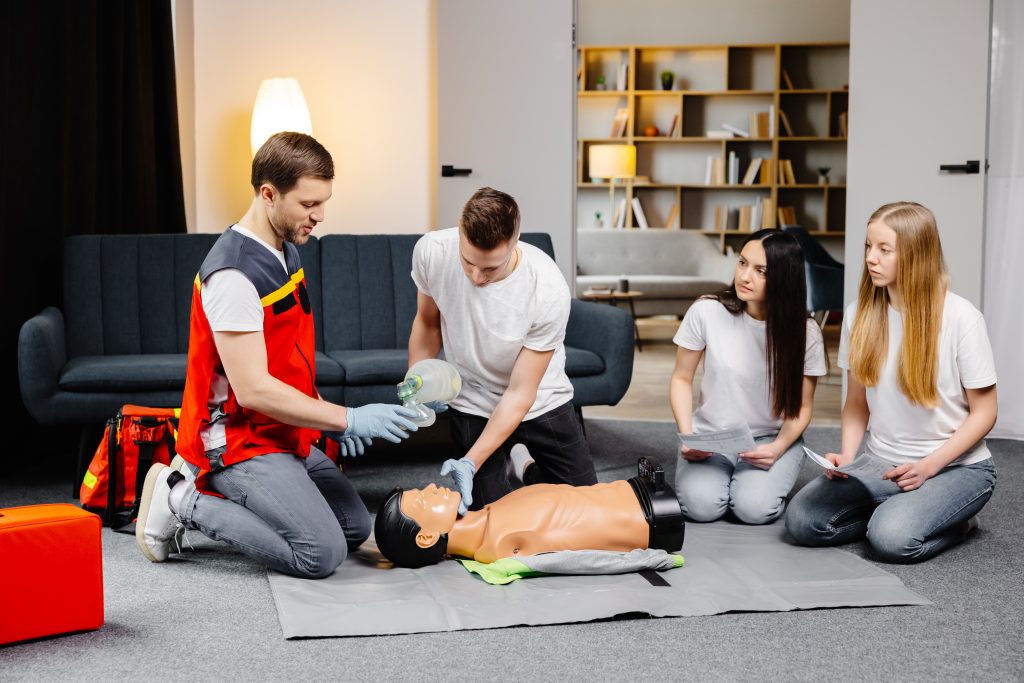
Young man instructor helping to make first aid heart compressions with dummy during the group training indoors.

How Can I Ensure My Certification Will Be Accepted By My Raleigh Employer?

In Raleigh, the simplest way to guarantee acceptance is to ask your employer directly. This proactive step eliminates guesswork and ensures you enroll in the correct class the first time.

The Single Most Important Step

  • Check the Requirement: Before registering for any class, ask your manager, HR department, or school administrator this exact question: “Does my job require a Basic Life Support (BLS) certification, and if so, must it be issued by the American Heart Association (AHA)?”
  • The Specificity Trap: Many non-clinical jobs only require “CPR/AED” certification, where both AHA Heartsaver and Red Cross are fine. Healthcare jobs, however, almost always mandate the AHA BLS Provider course.

The AHA Advantage in Raleigh

Since CPR Classes Near Me Raleigh is an American Heart Association Certified Training Site, choosing our courses provides the highest level of assurance.

  • Guaranteed Acceptance: The AHA BLS card is the most recognized and employer-preferred certification nationwide, including by every major hospital system and medical group in the Raleigh-Durham area.
  • AHA eCard: Upon successful completion, you receive an official AHA eCard (electronic card) on the same day. This digital card proves your certification is authentic, recognized, and easily verifiable by any employer immediately.
  • Local and Certified: Training with a certified local provider ensures the instructor, the equipment, and the curriculum are all compliant with the strict standards set by the AHA, removing all doubt about the card’s legitimacy.

Conclusion: Making the Right CPR Choice for Your Raleigh Career

Choosing the right CPR certification in Raleigh, NC, is less about which organization is “better” and more about which organization aligns with your professional aspirations. The answer comes down to whether you are pursuing a clinical or non-clinical career path.

The Bottom Line:

  1. If you are a Healthcare Professional (or aspiring to be one): The clear choice is the American Heart Association (AHA) Basic Life Support (BLS) Certification. This is the non-negotiable standard required by hospitals, clinics, and medical schools throughout the Triangle region.
  2. If you are a Non-Clinical Professional: Both the AHA Heartsaver and the Red Cross certifications are likely acceptable for roles in schools, gyms, or corporate offices. However, always verify with your employer first.

By understanding the differences in rigor, recognition, and duration, you can confidently enroll in the course that best serves your needs. Do not risk delaying your employment or renewal because of an incompatible certification card.

To secure the most universally recognized and employer-preferred certification, the AHA BLS Provider course, contact the experts at CPR Classes Near Me Raleigh today. Get your official, same-day AHA eCard and step into your career with guaranteed compliance.

Ready to get certified or renew your AHA BLS certification today? Contact CPR Classes Near Me Raleigh today to book your class and save your spot.

AHA vs Red Cross CPR in Raleigh: Frequently Asked Questions (FAQ)

Is a Red Cross CPR certification valid in North Carolina hospitals?

While the Red Cross offers a Professional Rescuer course, most North Carolina hospitals and major medical institutions only accept the American Heart Association (AHA) Basic Life Support (BLS) certification for clinical staff. The AHA BLS is mandatory because its curriculum is specifically geared toward team-based, clinical resuscitation protocols required in a medical environment. If you work in a hospital in Raleigh, you must choose AHA BLS.

What is the difference between CPR and BLS certification?

The difference lies in the target audience and curriculum depth. CPR (Cardiopulmonary Resuscitation) classes (like AHA Heartsaver) are designed for lay rescuers, focusing on basic life-saving skills for single-person emergencies. BLS (Basic Life Support) is a higher-level course explicitly designed for healthcare providers and professional rescuers. BLS includes CPR skills but adds advanced concepts like using barrier devices, performing two-rescuer team CPR, and complex choking protocols suitable for clinical settings. For any medical job in Raleigh, BLS is the required standard.

How long does my CPR certification last, regardless of the provider?

Most professional-level CPR certifications from both the American Heart Association (AHA BLS) and the American Red Cross are valid for a period of two years. The two-year period ensures that certified individuals are retrained and updated on any new scientific guidelines published by the American Heart Association or ILCOR. You must typically renew your certification before the expiration date to maintain active status with your Raleigh employer.

Can I take my CPR certification entirely online in Raleigh?

No, the vast majority of employers, especially those in the Raleigh healthcare and childcare sectors, will not accept a 100% online CPR certification. Both the AHA and the Red Cross require a blended learning approach, which combines an online cognitive portion with a mandatory, hands-on, in-person skills session. This required skills session, typically conducted by a certified instructor on mannequins, is essential to prove physical competence in compressions and ventilation. This hands-on practice is non-negotiable for obtaining a valid, employer-accepted card.

If I work in a school in Raleigh, do I need AHA or Red Cross?

If you work in a K-12 school or university in Raleigh, either certification is often acceptable, as long as it is a recognized provider. Schools typically accept the community or workplace level certifications from the Red Cross or the AHA Heartsaver courses. However, due to its widespread and preferred acceptance across all industries, choosing the AHA Heartsaver or BLS certification provides you with maximum career flexibility. Always confirm the specific acceptance policy with your school’s human resources department.
How to Perform Hands-Only CPR: A Quick Guide for Lay Rescuers in Raleigh

CPR Archives

No Comments

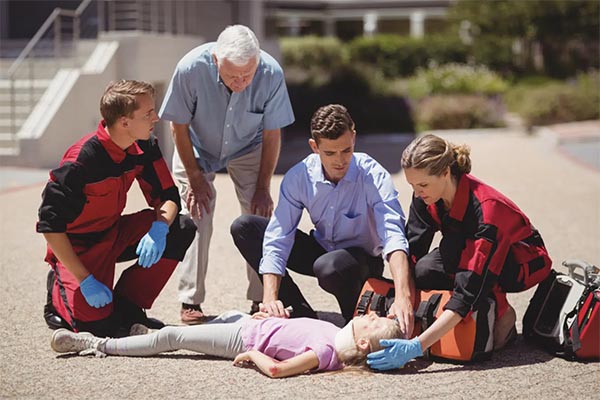
Imagine being at the State Farmers Market, enjoying a beautiful Raleigh afternoon, when suddenly someone near you collapses. Your heart pounds. Do you know what to do in those crucial first few minutes?

In emergency medicine, those precious moments immediately following a sudden cardiac arrest (SCA) are often referred to as the “Golden Hour.” But the first three to five minutes are arguably the most critical. This is where the simple yet powerful technique of Hands-Only Cardiopulmonary Resuscitation (CPR) comes into play.

Hands-Only CPR is a lifesaving measure designed specifically for lay rescuers—the everyday people, who witness an adult or teen suddenly collapse outside of a hospital setting. It focuses solely on chest compressions, eliminating the hesitation many feel about giving rescue breaths. This streamlined approach encourages immediate action.

For residents and visitors in Raleigh, North Carolina, understanding this two-step process isn’t just helpful; it is a vital step in transforming our community into a chain of survival. Every year, thousands of lives are lost to SCA, but the immediate intervention of a bystander can double or even triple a victim’s chance of survival.

This guide will walk you through the precise steps of performing Hands-Only CPR, explain the science behind its effectiveness, and encourage you to take the next step by pursuing full, certified training right here in the heart of the Triangle. By arming yourself with this knowledge, you become a powerful link in Raleigh’s life-saving chain.

What Exactly is Hands-Only CPR and How Does it Differ from Traditional CPR?

Hands-Only CPR is an emergency cardiac intervention that simplifies the standard CPR process into two easily remembered steps. It involves continuous, rapid chest compressions without pausing to administer mouth-to-mouth rescue breaths.

This revolutionary technique emerged from years of research into bystander hesitations and cardiac arrest physiology. Experts realized that the biggest barrier to bystanders intervening was the fear or reluctance associated with giving mouth-to-mouth resuscitation. The American Heart Association (AHA) formalized Hands-Only CPR as the preferred method for the untrained lay rescuer who witnesses an adult or adolescent collapse suddenly.

How is Hands-Only Different?

Hands-Only CPR and traditional CPR (the type taught in a full certification class) have distinct roles.

Traditional CPR, often called Basic Life Support (BLS), involves a sequence of 30 chest compressions followed by 2 rescue breaths. This is the optimal method for certified, trained rescuers and is essential for victims whose cardiac arrest is likely due to a lack of oxygen, such as in cases of drowning or drug overdose.

Hands-Only CPR, however, is simpler. It has just two steps: (1) Call 911 and (2) Push hard and fast in the center of the chest. No rescue breaths are administered.

This simplified approach is specifically targeted at adults and teens who experience a sudden collapse. In these cases, the primary problem is the heart, which has stopped pumping. The victim’s blood still has enough oxygen for the first few minutes, and the most critical need is for someone to mechanically pump that blood to the brain. Hands-Only CPR removes the complexity of rescue breaths, encouraging people with little or no training to start compressions immediately and without delay. This increased speed of intervention is what makes it so effective for the sudden, out-of-hospital cardiac arrest victim.

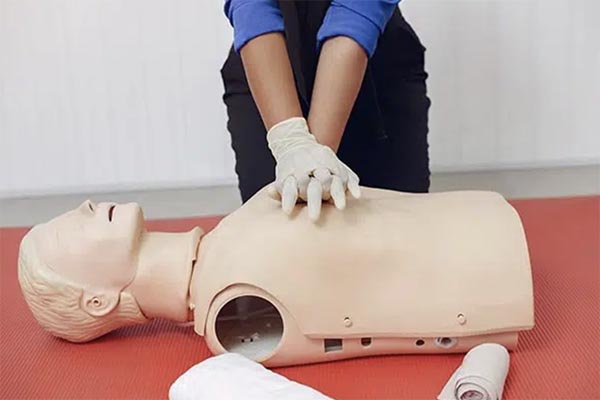
How to Perform Hands-Only CPR: A Quick Guide for Lay Rescuers in Raleigh

Why is Immediate Bystander CPR So Critical for Survival in Raleigh, NC?

The urgency of starting CPR cannot be overstated, especially in a bustling metropolitan area like Raleigh. Cardiac arrest is a leading cause of death, and the vast majority of these events happen outside of a hospital.

When the heart stops beating effectively, the brain, which is exceptionally sensitive to oxygen deprivation, begins to die. Brain damage can start to occur in as little as four to six minutes without blood flow.

The Time-Sensitive Nature of SCA

  • 10% Drop Per Minute: The chance of survival decreases by approximately 10% for every minute that passes without CPR. This severe rate of decline illustrates why time is the most crucial factor.
  • Bystander Necessity: In Raleigh and Wake County, Emergency Medical Services (EMS) response times, while highly efficient, still take several minutes. If bystander CPR is not initiated immediately, the victim’s chances of survival plummet long before paramedics arrive on the scene.
  • The Bridge to Advanced Care: Hands-Only CPR keeps vital organs supplied with blood, effectively maintaining the victim’s life until an Automated External Defibrillator (AED) can be used or advanced life support professionals take over. Your compressions keep the existing oxygenated blood moving to prevent immediate brain death.

Raleigh’s Community Responsibility

As a vibrant capital city, Raleigh has numerous public spaces, office buildings, and residential areas where an SCA can occur. Empowering the community is the key to improving cardiac arrest outcomes locally.

  • Public Witness: Data shows that when SCA is witnessed by a bystander, survival rates are significantly higher, provided that immediate CPR is started.
  • Empowerment: Hands-Only CPR is intentionally easy to learn, giving virtually every adult resident in Raleigh the power to intervene confidently without extensive training.
  • Localized Impact: By increasing the rate of bystander intervention at places like Research Triangle Park, RDU International Airport, or even neighborhood community centers, Raleigh can markedly improve its overall cardiac arrest survival statistics.

Hands-Only CPR transforms a helpless witness into a life-saver, bridging the gap between collapse and the arrival of professional emergency medical services.

When Should a Lay Rescuer Choose Hands-Only CPR?

Making the decision to start CPR is a high-pressure moment, but the guidelines for lay rescuers are designed to be straightforward. The intervention is specifically tailored to a specific set of circumstances.

The Ideal Scenario for Hands-Only CPR

Hands-Only CPR is the recommended course of action for lay rescuers when they witness two specific criteria:

  1. Sudden Collapse: The victim is an adult or teen who suddenly collapses. This means you saw the event happen, and it was unexpected.
  2. Unresponsive and Not Breathing Normally: The victim does not respond when you tap their shoulder and ask, “Are you okay?” and they are not breathing normally. They may be gasping or making no sound at all.

This scenario is typically indicative of a primary cardiac problem, where oxygen is already available in the blood, and the body merely needs external circulation. Hands-Only CPR should be used for adults (puberty and older) and adolescents/teens who experience this type of sudden collapse.

When Should Full CPR (With Breaths) Be Considered?

While Hands-Only CPR is widely applicable, it is not appropriate for all types of emergencies. Full CPR (compressions and rescue breaths) is required in cases where the cause of the arrest is likely due to a lack of oxygen. If you are a trained rescuer (or have taken a full course), you should apply the 30 compressions to 2 breaths sequence.

A lay rescuer should recognize that victims in the following categories have a greater need for rescue breaths:

  • Infants or Children: These victims typically suffer from respiratory arrest (choking, severe asthma, etc.), not primary cardiac arrest. They urgently need oxygen from rescue breaths.
  • Drowning Victims: Water in the lungs means their bloodstream lacks oxygen.
  • Drug Overdose Victims: Respiratory depression from the overdose causes oxygen levels to drop quickly.
  • Victims of Prolonged Arrest: If you did not witness the collapse and the person has been down for many minutes before you arrived, their oxygen levels are likely depleted.

Crucial Takeaway: If you are unsure and have no formal training, do not hesitate. Begin Hands-Only CPR immediately on any adult who collapses. Doing something is infinitely better than doing nothing at all.

What Are the Two Simple Steps of Hands-Only CPR for Adults and Teens?

The effectiveness of Hands-Only CPR lies in its simplicity. When facing an emergency, knowing these two steps by heart can make the difference between life and death.

Step 1: Call 9-1-1 (Activate the Emergency Response System)

Your first and most critical action is to secure professional help.

  • Check the Scene: Ensure the area is safe for you to approach the victim. You cannot help if you become a victim yourself.
  • Check Responsiveness: Tap the person’s shoulder and loudly ask, “Are you okay?” Look for signs of normal breathing (a slow, irregular gasp is not normal breathing).
  • If Alone: Use your cell phone to call 911 immediately. Put the phone on speaker and follow any instructions the emergency dispatcher gives you. The dispatcher can guide you through the compression process.
  • If with Others: Point to a specific, identifiable person and say, “You, call 911 and find an AED. Bring it back here.” This ensures the task is assigned and completed without confusion.

Step 2: Push Hard and Fast in the Center of the Chest

This is the life-sustaining action that buys time until EMS arrives or an AED is utilized.

  1. Position the Victim: Ensure the victim is lying flat on their back on a hard, firm surface. The floor or ground is necessary to allow for effective compressions.
  2. Kneel and Position Hands: Kneel beside the victim’s chest. Place the heel of one hand in the very center of the chest, right on the breastbone (sternum), between the nipples. Place the heel of your other hand directly on top of the first hand, interlacing your fingers or keeping them lifted off the chest.
  3. Lock and Align: Lock your elbows straight. Position your shoulders directly over your hands, using your entire upper body weight—not just your arms—to push.
  4. Compress Continuously: Push straight down on the chest hard and fast. The goal is to compress the chest a minimum of two inches (approximately 5 cm) but no more than 2.4 inches (6 cm).
  5. Maintain Rhythm and Recoil: Push at a rate of 100 to 120 compressions per minute. Crucially, allow the chest to fully recoil—spring back to its normal position—after each compression.
  6. Do Not Stop: Continue compressions without interruption until professional help takes over, the AED is ready to deliver a shock, or the person begins to move or breathe normally.

How Can I Ensure My Compressions Are “Hard and Fast” Enough?

Achieving the correct rate and depth is paramount to performing effective Hands-Only CPR. Compressions that are too shallow or too slow will not generate enough blood pressure to perfuse the brain and heart.

The AHA guidelines are extremely specific about the quality of chest compressions, which is known as High-Quality CPR.

The Science of Rate and Rhythm

The ideal rate is 100 to 120 compressions per minute. This rhythmic pace is maintained to mimic the heart’s natural pumping action. Anything slower than 100 compressions per minute is considered inadequate, and anything faster than 120 compressions per minute can compromise the effectiveness of the compressions.

To help lay rescuers remember this optimal tempo in a stressful situation, the AHA suggests using a familiar song beat:

  • The Classic Disco Beat: The iconic song “Stayin’ Alive” by the Bee Gees has a tempo that falls precisely within the 100 to 120 beats per minute range. Using this mental soundtrack ensures you keep the necessary rapid pace.
  • Other Options: If disco is not your style, other songs that fit the tempo include “Another One Bites the Dust” (Queen), “Hips Don’t Lie” (Shakira), or “Gimme, Gimme, Gimme” (ABBA).

The key is consistency and speed. Think: Push, Push, Push…

Mastering Depth and Recoil

The depth of compressions is just as important as the rate. Proper compression depth is vital to squeezing the heart between the breastbone and the spine, forcing blood out.

  • The Depth Requirement: You must compress the adult chest by at least 2 inches (5 cm), but avoid going deeper than 2.4 inches (6 cm). Shallow compressions don’t circulate enough blood, while overly deep compressions can cause unnecessary injury.
  • Using Body Weight: Use your body weight, leaning in with straight arms, to achieve the necessary force. Pushing with only your arm muscles will lead to fatigue quickly and ineffective compressions.
  • Full Chest Recoil: This is one of the most commonly missed elements. After every compression, you must completely release the pressure, allowing the chest to fully spring back up. This moment of recoil creates a negative pressure inside the chest cavity, which allows the heart to refill with blood before the next compression pushes it out. Compressions without adequate recoil are ineffective and dangerous because they prevent the heart from refilling.

By focusing on a consistent, fast rhythm and ensuring adequate depth and full recoil, you maximize the efficiency of the blood flow you are generating. Remember, it is a demanding physical task, but the life you save is priceless.

How Do Good Samaritan Laws Protect Lay Rescuers Who Intervene?

How Do Good Samaritan Laws Protect Lay Rescuers Who Intervene?

One of the most significant barriers preventing bystanders in Raleigh from intervening is the fear of legal repercussions or causing harm. This is where Good Samaritan Laws provide crucial protection.

These laws are designed to encourage lay individuals to assist others in an emergency without fear of being sued for negligence. The intent is clear: to prioritize the saving of a life over concerns about minor, unintended injury that might occur during the life-saving process.

The Purpose and Scope of North Carolina’s Law

In North Carolina, the Good Samaritan Law generally shields a person from civil liability if they voluntarily and gratuitously render first aid or emergency treatment to an injured person. You are protected when acting as a volunteer.

The law recognizes that in an emergency, people will act quickly based on their training and best judgment, even if they aren’t medical professionals.

Key Protections and Provisions

While specific legal advice must be obtained from a licensed attorney, North Carolina’s statutes generally provide protection under the following conditions:

  • Acting in Good Faith: The rescuer must be acting with genuine intent to help the victim, not with malicious intent.
  • No Expectation of Payment: The aid must be rendered without the expectation of compensation. Hands-Only CPR performed by a bystander fits this criterion perfectly.
  • Reasonable Care: The rescuer is protected unless their actions constitute gross negligence or willful or wanton misconduct. Performing AHA-recommended Hands-Only CPR steps (Call 911, Push hard and fast) is considered a reasonable, standard action.
  • Using an AED: North Carolina also has specific statutes encouraging the use of AEDs by laypersons, granting immunity to those who use a publicly available defibrillator to save a life.

The Confidence Booster: Knowing that the state of North Carolina supports your decision to intervene should eliminate the fear of liability. When faced with an unresponsive adult, the single riskiest action is doing nothing at all. The potential for saving a life far outweighs the minimal, protected legal risk of intervention.

Where Can Raleigh Residents Get Certified Training to Deepen Their Skills?

While this guide provides the essential knowledge to perform Hands-Only CPR, there is no substitute for formal, hands-on certification training. Hands-Only CPR is a bridge, but full CPR/BLS training equips you with the complete skill set to handle any emergency.

The Value of Full Certification

Certified courses teach more than just compressions; they provide a comprehensive understanding of the entire chain of survival. This higher level of training is often required for jobs in healthcare, childcare, education, and fitness.

In a formal course, you will learn the following critical skills that go beyond Hands-Only CPR:

  • Rescue Breaths: This is the skill for treating children, infants, and victims of respiratory arrest (like drowning). You’ll learn the proper head-tilt, chin-lift maneuver.
  • AED Operation: How to correctly and confidently use an Automated External Defibrillator, which delivers the electrical shock necessary to restart the heart. The class teaches you to connect the pads and follow the device’s prompts.
  • Choking Relief: Techniques for clearing blocked airways in adults, children, and infants, a vital skill that is not part of Hands-Only CPR.
  • Team Dynamics: If you are pursuing a Basic Life Support (BLS) certification, you learn how to work effectively with other rescuers, a critical skill for healthcare professionals and the public alike.

Choose AHA-Certified Training in Raleigh

When you decide to take the next step in Raleigh, it is essential to choose a provider that offers the gold standard in emergency training. The American Heart Association (AHA) certification is the most widely recognized and employer-accepted certification nationwide.

CPR Classes Near Me Raleigh is proud to be an American Heart Association Certified Training site, offering leading BLS CPR Certification Classes right here in our community.

What We Offer Locally:

  • AHA BLS CPR & AED Certification: Our core course covers adult, child, and infant CPR, proper AED use, and choking relief.
  • Hands-On Training: We emphasize hands-on chest compressions and rescue breath training in a fun, relaxed environment. You’ll practice on manikins, gaining muscle memory.
  • Same-Day eCards: Upon successful completion of your class, you receive your AHA BLS eCard certification immediately, valid for two years.
  • Qualified Local Instructors: Our team consists of certified, local instructors who deliver the finest training experience.

Do not just read about saving a life; learn how to feel the correct rate and depth on a training manikin. Mastering these tactile skills ensures that when an emergency happens, muscle memory takes over, allowing you to act decisively.

Conclusion

The knowledge of Hands-Only CPR is one of the most valuable skills a resident of Raleigh, NC, can possess. It is a powerful, simplified, and immediately actionable response to an adult suffering a sudden cardiac arrest. By remembering the two simple steps, Call 911, and Push Hard and Fast, you are providing the victim with their best chance for survival. Your quick intervention ensures vital oxygenated blood continues flowing to the brain and heart until professional help arrives.

We encourage every person in the Raleigh area to internalize these steps and commit to being a proactive member of the community’s safety net. While Hands-Only CPR provides the baseline emergency response, remember that full, certified training gives you the confidence and competence to handle a broader range of emergencies, including those involving infants, children, and respiratory distress. By getting certified, you transition from being a passive bystander to an active, essential link in the Chain of Survival.

Take the next step toward becoming a truly prepared life-saver.

To secure your American Heart Association BLS CPR Certification, which covers the full scope of CPR, AED use, and first aid principles, contact our local experts today. Contact CPR Classes Near Me Raleigh to book your hands-on training session and save a life tomorrow.

Frequently Asked Questions (FAQ)

Q: Is Hands-Only CPR less effective than CPR that includes rescue breaths?

A: For an adult who experiences a sudden, witnessed cardiac arrest outside of a hospital, Hands-Only CPR has been shown to be just as effective as conventional CPR with breaths during the first few minutes. This is because the victim often still has enough oxygen in their bloodstream for the initial phase of resuscitation. The priority is simply moving that blood. However, for cardiac arrests caused by breathing problems (like drowning or overdose), or for children and infants, conventional CPR (compressions and breaths) remains the optimal choice because the lack of oxygen is the primary issue. Hands-Only CPR is the AHA-recommended intervention for lay rescuers who are untrained or unwilling to give rescue breaths, simplifying the process and encouraging immediate action.

Q: Can I hurt someone by performing chest compressions?

A: While it is possible to cause injury, such as a broken rib or sternum fracture, during chest compressions, this concern should never deter you from attempting CPR. The only alternative to performing CPR on an unresponsive, non-breathing person is death. A fractured rib is a minor injury compared to death or permanent brain damage. Furthermore, North Carolina’s Good Samaritan Laws provide legal protection for lay rescuers acting in good faith to save a life, shielding them from liability for such unintended injuries. The consensus among medical professionals is that any attempt at life-saving CPR is better than doing nothing.

Q: How long should I continue performing Hands-Only CPR?

A: You should continue performing hard and fast chest compressions without interruption until one of three things occurs: 1) Professional help, such as EMS personnel from Raleigh Fire/EMS, arrives and takes over resuscitation efforts. 2) An Automated External Defibrillator (AED) is brought to the scene and is ready to deliver a shock, or you are instructed to pause for the AED to analyze the victim. 3) The victim begins to wake up, move, breathe normally, or show other definitive signs of recovery. Do not stop because you are tired; if another bystander is present, switch rescuers every two minutes to maintain high-quality compressions.

Q: Are there situations where I should avoid performing CPR?

A: Yes, there are a few scenarios. If the scene is unsafe (e.g., traffic, fire, active electrical hazard), your first priority must be your own safety, and you should not approach the victim until the scene is secure. You should also not begin CPR if the person is responsive, breathing normally, or merely sleeping. CPR should only be initiated if the person is unresponsive and not breathing normally. If a victim has a Do Not Resuscitate (DNR) order present and visible, you should honor that request, though lay rescuers typically do not have the time or ability to verify such documentation. When in doubt, call 911 and begin compressions.

Q: Can children and infants receive Hands-Only CPR?

A: Hands-Only CPR is primarily recommended for sudden cardiac arrest in adults and adolescents (teens). Children and infants usually experience cardiac arrest secondary to a respiratory issue (choking, drowning, severe infection). Because they need oxygen immediately, they require conventional CPR that includes rescue breaths (30 compressions to 2 breaths, or 15:2 if two trained rescuers are present). A lay rescuer who witnesses a child collapse and is not trained in full CPR should still call 911 and begin compressions, but taking a full AHA course is highly recommended to learn the necessary rescue breathing techniques for pediatric victims.

The Ultimate Guide to CPR and First Aid Certification in Raleigh: Everything You Need to Know for 2026

CPR Archives

No Comments
CPR training session with students practicing chest compressions on a first aid mannequin

Welcome to Raleigh, North Carolina’s vibrant capital city. It is a hub of growth, innovation, and, most importantly, community safety. Knowing how to react during a medical crisis is not just a valuable skill; it is often a professional necessity and a civic duty. This comprehensive guide is designed to provide you with all the crucial details needed to successfully obtain or renew your Cardiopulmonary Resuscitation (CPR) and First Aid certification right here in Raleigh for 2026.

Choosing the right certification path is the first step toward becoming a life-saver. We will delve into why the American Heart Association (AHA) certification is the gold standard, what specific skills you will master, and how local providers like CPR Classes Near Me ensure you receive top-tier, accepted training. From nurses to teachers to construction workers, having current, hands-on certification ensures you are prepared to act decisively when seconds truly count. By the end of this guide, you will be fully prepared to book your class and earn your same-day certification card.

What is the Importance of CPR and First Aid Certification in Raleigh?

Why is holding a current CPR and First Aid certification so critical, especially in a dynamic city like Raleigh? The importance extends far beyond professional requirement lists and delves into the very fabric of community and workplace safety.

Does Life-Saving Training Truly Make a Difference in Emergency Outcomes?

Yes, being trained in CPR and First Aid significantly impacts a person’s chances of survival following a cardiac event or serious accident. When a cardiac emergency strikes, quick action from bystanders can literally double or triple the victim’s chance of survival. CPR maintains vital blood flow to the brain and heart until professional emergency medical services (EMS) arrive on the scene.

  • Bystander Intervention: The immediate moments following a sudden cardiac arrest are the most critical, making bystander CPR essential.
  • Time Sensitivity: Brain damage begins to occur just four to six minutes after a person collapses and stops breathing.
  • Skill Set: Proper training teaches you to recognize the signs of distress and initiate life-saving measures without delay.

Is Certification a Mandatory Requirement for Professionals in North Carolina?

For many professions across North Carolina, holding an official certification in BLS (Basic Life Support), CPR, and First Aid is not optional, it is a mandatory employment standard. Compliance with Occupational Safety and Health Administration (OSHA) regulations often dictates that workplaces must have personnel trained and ready to respond to on-the-job injuries or health crises.

  • Healthcare Field: All clinical staff, including Registered Nurses (RNs), Certified Nursing Assistants (CNAs), and medical office personnel, must possess BLS certification.
  • Educational Sector: Teachers, school administrators, and childcare providers are usually required to have CPR and First Aid certification to ensure child and student safety.
  • Public Safety: Lifeguards, coaches, personal trainers, and security guards require these credentials to manage emergencies related to physical activity or public gatherings.
  • Industry Compliance: Many construction and industrial sites require certified workers to address potential trauma or sudden illness within the workplace.
The Ultimate Guide to CPR and First Aid Certification in Raleigh: Everything You Need to Know for 2026

Why is the American Heart Association (AHA) Certification the Best Choice for Professionals?

When selecting a CPR or First Aid course, the accrediting body behind the certification is perhaps the single most important factor. The AHA standard is universally recognized and often explicitly required by employers throughout Raleigh and nationwide.

What Makes AHA BLS Certification the Industry Gold Standard?

The American Heart Association’s curriculum is the global benchmark for cardiovascular and stroke emergency care. This rigorous standard ensures that every certified individual receives training based on the most current scientific guidelines and protocols. When employers look at a certification card, they are looking for the trust and credibility that the AHA brand represents.

  • Universal Recognition: AHA is the most recognized and employer-accepted CPR and BLS certification across the United States.
  • Scientific Backing: The AHA regularly updates its guidelines based on the latest peer-reviewed science, ensuring trainees learn the most effective techniques.
  • Healthcare Focus: The BLS course, specifically, is designed to meet the complex needs of healthcare providers and is the required standard in nearly every hospital and clinic setting.

How Does BLS Certification Differ from Basic CPR Training?

While basic CPR training focuses on community response, Basic Life Support (BLS) training provides a more in-depth, team-based approach to resuscitation, essential for professionals. The BLS course is designed to teach responders how to work effectively as part of a high-performance team.

  • Adult, Child, and Infant Protocols: BLS offers detailed, separate training modules for applying CPR and AED use across all three age groups.
  • Choking Management: Comprehensive sections cover proper techniques for clearing airway obstructions in adults, children, and infants.
  • Team Dynamics: BLS training emphasizes the critical role of effective communication and defined roles in a multi-rescuer scenario.
  • Advanced Scenarios: The training delves into scenarios specific to healthcare settings, making it the most appropriate choice for medical professionals.

By choosing an AHA-aligned training site like CPR Classes Near Me Raleigh, you are securing a credential that is guaranteed to be accepted by your current or prospective employer. This ensures your time and investment are well-placed, leading directly to validated, job-ready skills.

What Essential Life-Saving Skills Will I Master During Certification Training?

The certification process is designed to be hands-on and immersive, ensuring that trainees don’t just memorize steps but master the physical application of life-saving skills. Training focuses on three core areas: CPR, AED use, and airway management across different age groups.

What Specific CPR Techniques Are Taught in the Hands-On Sessions?

A quality certification course focuses heavily on practical application, using modern manikins equipped with feedback devices to ensure proper depth and rate of compressions. You will learn the specific protocols for different patient types.

  1. Adult CPR: Mastering the technique of performing high-quality chest compressions at a rate of 100 to 120 compressions per minute.
    • This includes the correct depth (at least 2 inches, but no more than 2.4 inches) and proper hand placement.
    • Trainees practice delivering effective rescue breaths using a barrier device.
  2. Child and Infant CPR: Learning the modified techniques necessary for smaller bodies.
    • Child compressions require less depth (about 2 inches).
    • Infant compressions utilize two fingers or the encircling thumb technique and a depth of about 1.5 inches.
    • Understanding the causes of arrest often differ in children (usually respiratory, not cardiac).
  3. Choking Relief: Acquiring the skills to manage an obstructed airway.
    • For adults and children, this involves abdominal thrusts (the Heimlich maneuver).
    • For infants, this requires a combination of five back blows and five chest thrusts.

How is the Use of an AED Incorporated into the Training Curriculum?

The Automated External Defibrillator (AED) is a sophisticated, yet easy-to-use, medical device that delivers an electrical shock to re-establish a normal heart rhythm. Hands-on AED training is an integral part of both CPR and BLS courses.

  • Machine Operation: Students learn the proper sequence for turning on the AED, attaching the pads, and following its voice prompts.
  • Safety Protocols: Training covers essential safety considerations, such as clearing the victim before delivering a shock.
  • Seamless Integration: Participants practice integrating AED use immediately into the CPR cycle, minimizing interruptions to chest compressions.

By focusing on these practical elements, the training ensures every participant leaves the Raleigh facility confident in their ability to perform all necessary skills in a real-world emergency setting.

How Long is the CPR and First Aid Certification Valid, and What Does Renewal Involve?

Life-saving skills are perishable, meaning they can fade over time without practice. The two-year validity of the certification ensures that professionals refresh their knowledge and techniques in accordance with the latest scientific updates.

What is the Standard Duration of an AHA Certification Period?

The American Heart Association mandates that all BLS, CPR, and First Aid certifications are valid for a period of exactly two years from the date of issuance. This two-year cycle is standardized and widely accepted by all employers and regulatory bodies in North Carolina.

  • Skill Refresher: The renewal period encourages students to return to the classroom to reinforce their skills and correct any bad habits that may have developed.
  • Scientific Updates: Since the AHA updates its guidelines regularly, renewal classes ensure participants are trained on the newest, most effective protocols.
  • Compliance Maintenance: Allowing a certification to lapse can result in non-compliance with professional requirements and potentially jeopardize employment in certain fields.

Can I Simply Take a Shorter Renewal Course for Re-Certification?

Absolutely. For those whose certification is still current or has only recently expired, the process for renewal is straightforward and often the same as the initial course. CPR Classes Near Me Raleigh ensures that the renewal process is seamless and efficient.

  • Equivalent Training: The renewal class is equivalent to the in-person BLS or CPR course, providing the full hands-on experience and testing.
  • Focus on Proficiency: The emphasis is placed on demonstrating proficiency in all core skills, including compressions, breaths, and AED use.
  • Same-Day Renewal: Just like the initial certification, a renewed eCard is typically issued on the same day the class is completed, providing immediate proof of re-certification.

Is Online-Only Certification a Valid Option for North Carolina Employers?

The proliferation of online courses can make finding the right certification confusing. While online courses have a role, for effective, employer-accepted training, a component of hands-on, in-person instruction is almost always required.

Why Do Most Raleigh Employers Not Accept Purely Online CPR Certification?

Effective CPR and AED use are performance skills that cannot be adequately taught or assessed through a screen. You must demonstrate physical proficiency. Most professional employers, particularly those in healthcare or childcare, will not accept a certification card obtained without a verified, in-person skill demonstration.

  • Required Skills Check: The AHA standard requires a physical skills check by a certified instructor to pass the course.
  • Real-Time Feedback: In-person training allows instructors to correct technique errors immediately, ensuring proper compression depth and rate.
  • Hands-On Practice: Training sites provide the manikins and official AED trainers necessary for realistic, hands-on practice.

What is the Recommended Blended Learning Approach?

A common and employer-accepted method is the “blended learning” approach, though the most effective method remains the fully in-person course offered by providers like CPR Classes Near Me Raleigh. Blended learning involves:

  1. Online Didactic: Completing the cognitive portion (videos, lectures, written exams) online at the student’s own pace.
  2. In-Person Skills Session: Attending a mandatory, shorter session with an AHA instructor to complete the physical, hands-on skills test and simulation.

While blended learning saves time, the fully in-person class ensures maximum absorption of the material and provides a dynamic learning environment led by a qualified, local instructor. The class duration, typically around 3.7 hours, is manageable and leads to same-day certification.

What Specific Jobs and Industries Require CPR/First Aid Certification in the Raleigh Area?
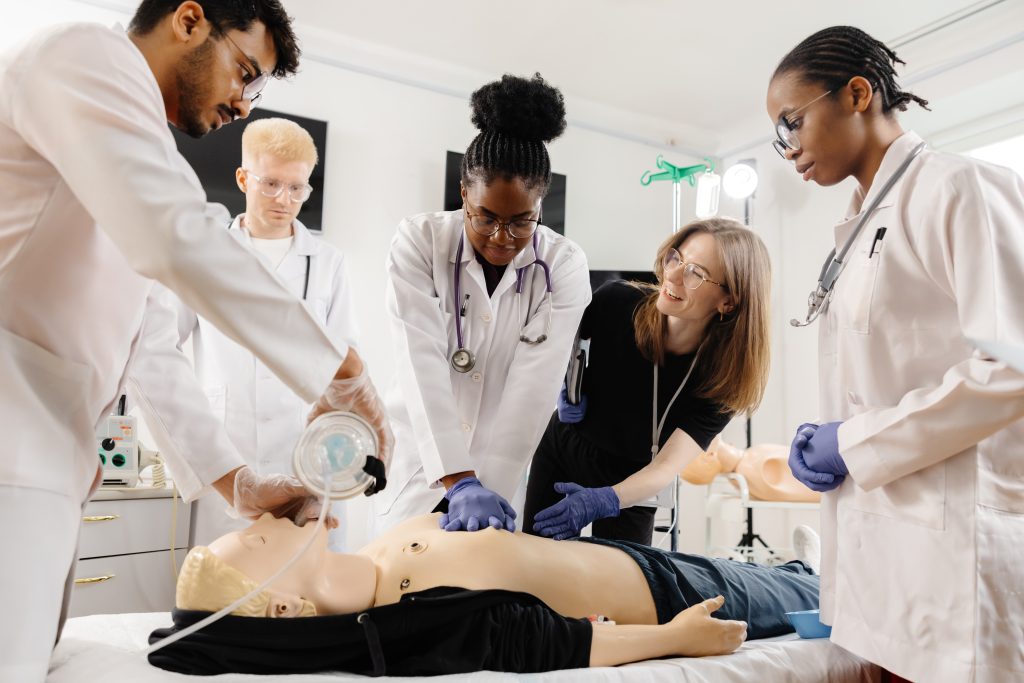
Medical students learn CPR and first aid techniques during a training session using a CPR dummy.

What Specific Jobs and Industries Require CPR/First Aid Certification in the Raleigh Area?

The demand for certified professionals in Raleigh spans a vast array of industries. From saving a patient in a hospital to assisting a fellow worker on a construction site, the skills are versatile and essential.

Which Professional Industries in the Capital City Demand Current Certification?

The mandatory requirement for CPR and First Aid certification ensures that these industries maintain a high standard of safety and preparedness, protecting both clients and staff.

1. Healthcare and Medical Services: This sector is the primary user of the BLS certification standard.

  • Nurses (RNs, LPNs) & Nursing Assistants (CNAs): Absolutely mandatory for hospital, clinic, and long-term care employment.
  • Medical Office Personnel: Required for those who work directly with patients and clinical operations.
  • Physical and Occupational Therapists: Necessary for managing patient emergencies during rehabilitation sessions.
  • Dental Professionals: Increasingly required for all staff, including hygienists and assistants.

2. Education and Childcare: Protecting the young is a top priority for schools and daycare centers.

  • Teachers and Educators: Often required by local school boards across Wake County.
  • Daycare and Childcare Providers: Required by state regulation to maintain a ratio of certified staff.
  • School Bus Drivers and Aides: Needed to respond to medical emergencies while children are in transit.

3. Fitness, Recreation, and Hospitality: These roles involve supervising physical activity and large groups of people.

  • Personal Trainers and Coaches: Essential for managing athletic injuries, heat exhaustion, and sudden cardiac events during training.
  • Swim Instructors and Lifeguards: Core competency required for water safety and rescue.
  • Flight Attendants and Hospitality Staff: Needed for emergency response during travel or in hotel settings.

4. Industrial and Construction: OSHA compliance drives the need for First Aid and CPR knowledge in these fields.

  • Construction Workers and Electricians: Must be prepared to handle trauma, falls, or electrocution injuries until EMS arrives.
  • Utility Workers: Often work in isolated or hazardous conditions where immediate aid from a coworker is vital.

Why Should I Choose CPR Classes Near Me Raleigh for My Training?

The sheer number of training options can be overwhelming, but selecting a high-quality, local, and reliable provider is paramount to your success. CPR Classes Near Me Raleigh offers a combination of credentials, convenience, and value that stands out.

What Benefits Does a Local AHA-Certified Training Site Offer?

As an American Heart Association Certified Training Site, CPR Classes Near Me Raleigh guarantees that you are receiving the highest level of instruction and a certification that will be accepted everywhere you need it to be. The focus is on providing an excellent, stress-free educational experience.

  • Guaranteed Acceptance: The AHA alignment ensures the certification meets the requirements of the most demanding employers nationwide.
  • Qualified Local Instructors: The team consists of certified local trainers who are experts in their field and are skilled at teaching in a fun, relaxed, and highly effective environment.
  • Fun and Relaxed Environment: Learning life-saving skills should not be intimidating. The classes are structured to be engaging and enjoyable, maximizing knowledge retention.

How Can I Obtain My Certification Card on the Same Day of My Class?

A major convenience factor offered by this local provider is the ability to issue your official certification card on the very day you complete the class. This eliminates the stressful wait time often associated with receiving certification credentials.

  • Immediate Proof: Upon successful completion of the course and skills check, your official AHA BLS eCard is processed and delivered digitally.
  • No Delay in Employment: For professionals needing immediate proof for a new job or to avoid a lapse, this same-day eCard is invaluable.
  • Affordable and Transparent Pricing: The costs are clearly defined, with competitive pricing for both the BLS CPR & AED class and the combined CPR AED & First Aid class. Look for their discounted rates, which offer significant savings while maintaining superior training quality.

Conclusion

Earning your CPR and First Aid certification is a vital personal and professional investment that directly impacts the safety of your community in Raleigh and beyond. By choosing the American Heart Association’s BLS curriculum and attending a fully hands-on, in-person training session with a trusted local provider, you ensure your certification is both valid and valuable. You gain the confidence to act quickly, decisively, and correctly when an emergency unfolds.

Don’t wait for a crisis to realize you need these skills. Take control of your professional compliance and personal readiness today.

Call to Action: Ready to become a certified life-saver and secure your same-day eCard? Contact CPR Classes Near Me Raleigh now to view their upcoming schedule for AHA BLS CPR & AED or combined First Aid classes and book your session for 2026!

CPR and First Aid Certification in Raleigh FAQ Section

How do I get CPR Certified in Raleigh?

You must enroll in an American Heart Association (AHA) certified, in-person training class offered by a local provider like CPR Classes Near Me Raleigh. Certification is achieved by attending the full class, participating in the required live-trained segments, and successfully completing the physical, hands-on skills check. Upon passing, you will be issued your official AHA BLS eCard, often on the same day.

How long does CPR Certification last?

Upon successful completion of either the CPR/AED course or the combined First Aid course, your official American Heart Association (AHA) certification card will be valid for two years. The certification must be renewed before the two-year period expires to maintain continuous professional compliance and ensure your skills are current with the latest AHA guidelines.

How much does CPR Training cost?

The cost of AHA CPR training varies, but quality local providers often offer competitive rates. Currently, CPR Classes Near Me Raleigh is offering the American Heart Association BLS CPR & AED classes starting at a discounted rate of $59.95. The combined First Aid + AHA BLS CPR & AED classes are offered at a discounted rate starting at $79.95. It is essential to ensure that any course you choose carries the official American Heart Association seal, which guarantees the necessary quality and employer acceptance.

Can I renew my CPR Certification?

Yes, absolutely. To maintain a current certification status, you can and should enroll in a renewal course (often the same in-person BLS course). The renewal process is identical to the initial certification process, requiring full attendance and a successful skills demonstration. Renewal extends your certification for an additional two years, ensuring you are up-to-date with all the latest life-saving techniques.

Can I take my CPR Certification Online-only?

No, solely online CPR certification is generally not accepted by the majority of employers, particularly in healthcare and related fields. Effective CPR requires a mandatory, in-person, hands-on skills check by a certified instructor. While the cognitive portion of the class may be completed online (blended learning), the final and most critical component must be conducted in person to verify proficiency in chest compressions, rescue breaths, and AED use.

Who can take a CPR Class?

CPR training is open to everyone regardless of professional background or age. The American Heart Association (AHA) does not impose an age restriction for learning CPR certification in Raleigh. While certain professional certifications (like BLS) are targeted at healthcare workers, the general public, parents, students, and anyone interested in life-saving skills is strongly encouraged to take a CPR course.