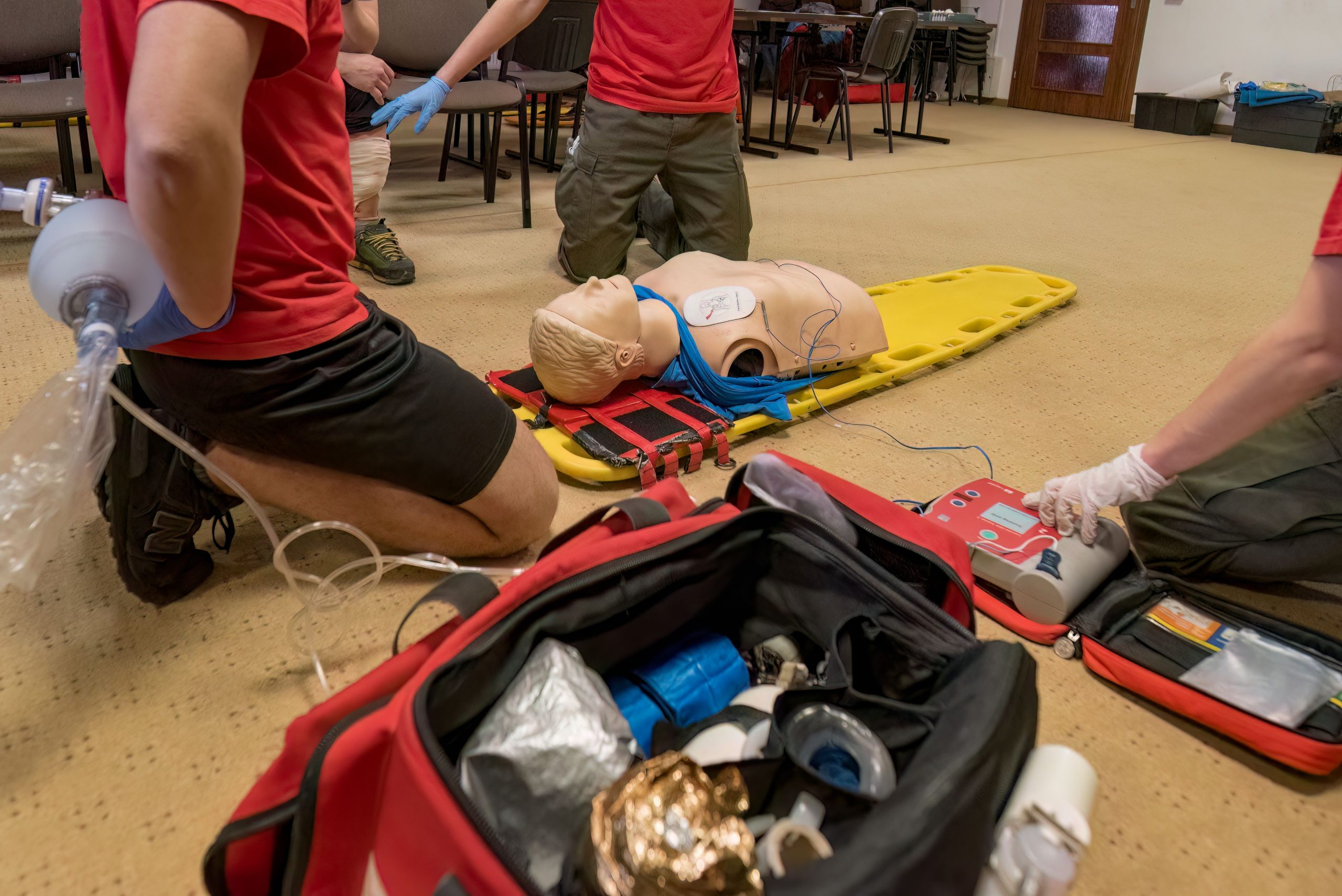
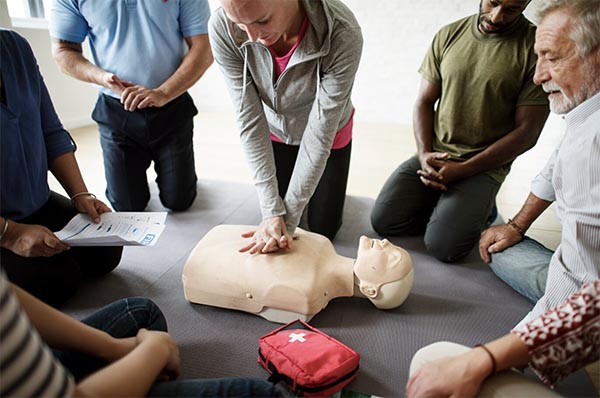
Tailored CPR: Lifesaving Techniques for Every Person and Situation

CPR Archives

No Comments
CPR and Sports

Cardiopulmonary Resuscitation (CPR) is a powerful, life-saving skill. Yet, many people mistakenly believe it’s a single, unchanging set of actions.

The truth is, CPR is not one-size-fits-all.

The way you perform CPR on a newborn is vastly different from how you would help a senior citizen. The challenges a teacher faces in a classroom emergency are unique compared to those a hiker encounters on a remote trail. Understanding these nuances is the key to transforming your knowledge from theoretical to truly effective.

This guide explores how to adapt life-saving CPR techniques for specific groups and high-stakes situations. We will cover the critical modifications needed for parents, teachers, childcare professionals, seniors, hikers, and of course, infants.

CPR for Infants: A Guide for Parents

For a parent, the thought of their infant needing CPR is terrifying. But being prepared is your greatest strength. Infant CPR is one of the most specialized forms of resuscitation.

The primary reason is that sudden cardiac arrest in infants is rarely caused by a primary heart problem, as it often is in adults. Instead, it’s typically the result of a respiratory issue, like choking, suffocation, or a severe asthma attack.

Tailored CPR: Lifesaving Techniques for Every Person and Situation
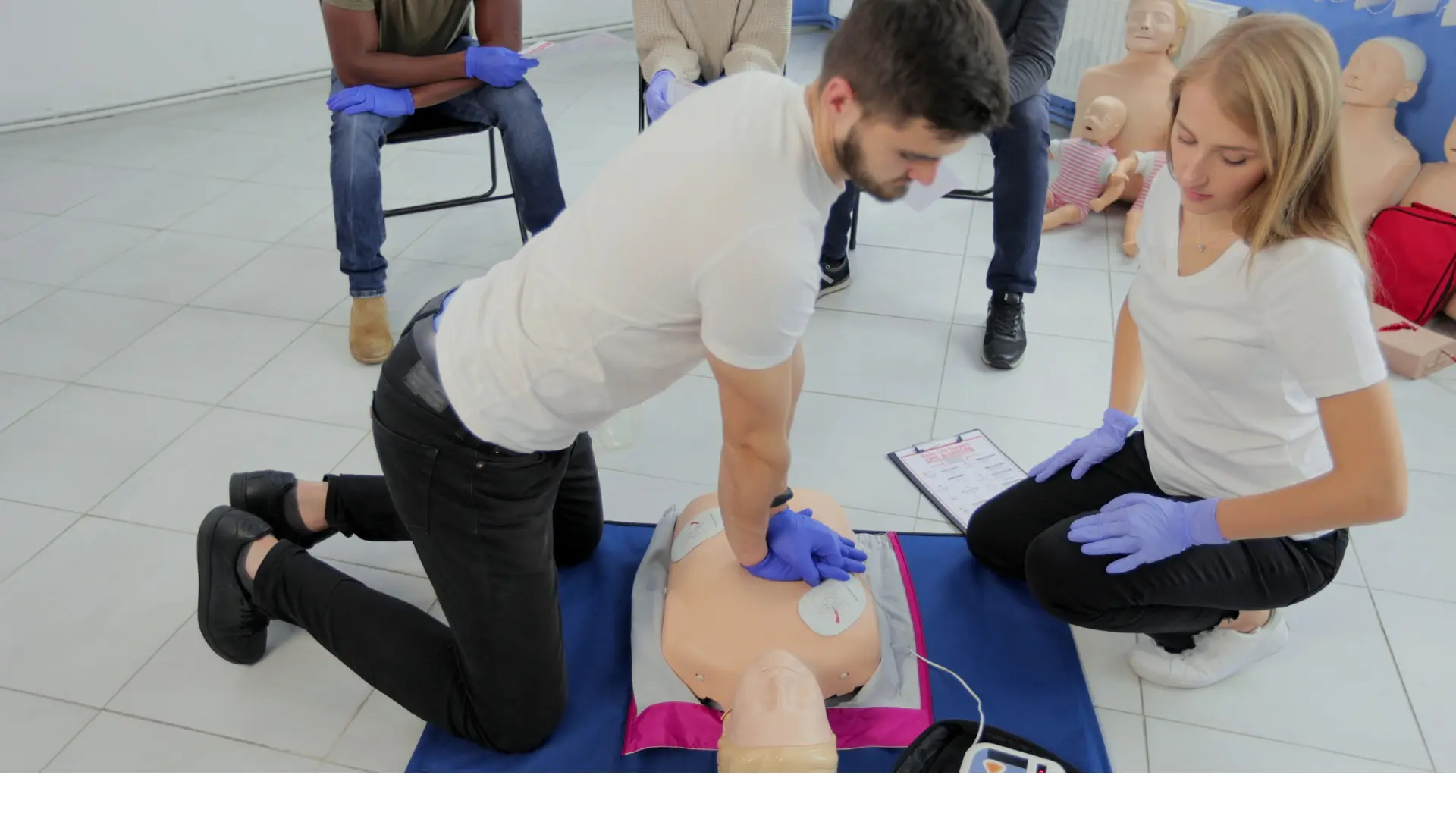
Key Differences in Infant CPR (Under 1 Year Old)

  • Check for Responsiveness: Gently tap the bottom of the infant’s foot and shout their name. Do not shake an infant.
  • Check for Breathing: Look for the rise and fall of the chest.
  • Call 911: If you are alone, perform CPR for 2 minutes before calling 911. If someone else is present, have them call immediately.
  • Pulse Check: Check for a pulse on the inside of the upper arm (brachial artery), not the neck.
  • Compressions: Use two fingers (index and middle) in the center of the chest, just below the nipple line.
  • Compression Depth: Press down about 1.5 inches. This is much shallower than for an adult.
  • Compression Rate: Maintain the same rate as adult CPR: 100 to 120 compressions per minute.
  • Rescue Breaths: Gently tilt the head back. Cover the infant’s mouth and nose with your mouth and give two gentle puffs of air, each lasting about one second. You should see the chest rise. Do not use the full force of your lungs.

Every parent and caregiver should be certified in infant CPR. The confidence and muscle memory you gain from hands-on training are invaluable in a high-stress emergency.

CPR for Teachers & Child Care Professionals

Teachers and child care professionals are on the front lines of child safety. For you, CPR is not just a good skill to have, it’s a core professional responsibility. In many states, certification is a legal requirement for licensing.

Your challenge is twofold: performing CPR correctly on a child and managing the entire scene.

Scene Management in a School or Daycare

Imagine an emergency unfolds in a classroom full of children. Your training must prepare you for more than just the mechanics of CPR.

  • Stay Calm: Your calm demeanor will help keep the other children from panicking.
  • Activate Your Emergency Plan: Immediately send a specific student or another adult to call 911 and alert the school administration or front office. Use clear, direct language: “You, go to the office right now and tell them we have a medical emergency in Room 101. Run!”
  • Isolate the Area: If possible, have another adult move the other children to a different location to protect their emotional well-being and clear the space for EMS to arrive.
  • Begin CPR: Once help is on the way, you can focus on providing care to the victim. Child CPR (ages 1 to puberty) is similar to adult CPR but with a few modifications, such as using one or two hands for compressions depending on the child’s size.

Being prepared means knowing your school’s emergency action plan inside and out. It means practicing not just CPR, but the entire sequence of events that an emergency would trigger.

CPR Considerations for Seniors

Seniors represent a unique group in the world of CPR. They are statistically more likely to be victims of sudden cardiac arrest, but they can also be empowered rescuers.

When a Senior is the Victim

Performing CPR on an older adult requires a few special considerations.

  • Pre-Existing Conditions: The victim may have conditions like osteoporosis (brittle bones). While you may hear a cracking sound during compressions, this is not a reason to stop. A broken rib is survivable; cardiac arrest is not.
  • Pacemakers/ICDs: You may see a hard lump under the skin of the chest or abdomen. This is likely a pacemaker or an Implantable Cardioverter-Defibrillator (ICD). Do not place AED pads directly over the device. Adjust pad placement as needed, but continue with CPR.
  • Dentures: If dentures are secure, leave them in place to create a better seal for rescue breaths. If they are loose and may block the airway, remove them.

When a Senior is the Rescuer

Many older adults worry they aren’t strong enough to perform effective CPR. While the physical demand is real, there are options.

  • Hands-Only CPR: The American Heart Association endorses Hands-Only CPR for bystanders who are unwilling or unable to perform rescue breaths. It involves pushing hard and fast in the center of the chest at a rate of 100-120 compressions per minute. It has been shown to be highly effective and can be easier for rescuers with physical limitations.
  • Good Samaritan Laws: These laws exist in all 50 states to protect people who provide reasonable emergency aid from lawsuits. This should give all rescuers, including seniors, the confidence to act without fear.

CPR for Hikers and in Remote Situations

An emergency in the wilderness is profoundly different from one in an urban setting. For hikers, boaters, and anyone enjoying the outdoors, CPR knowledge is critical because help is often far away.

The biggest challenge is time.

Professional medical help might be hours away, not minutes. This means you may have to perform CPR for a much longer duration than usual.
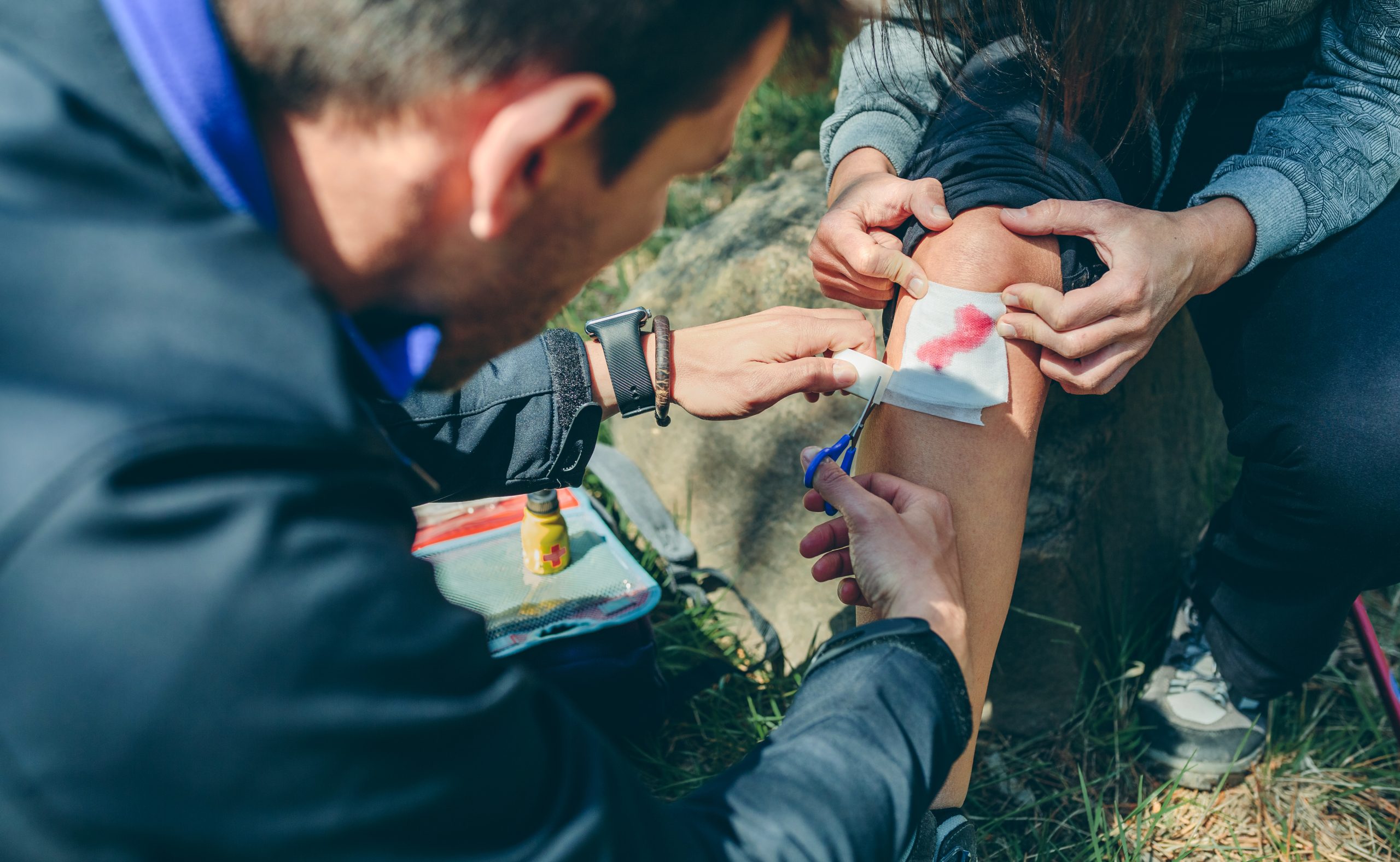
Key Considerations for Wilderness CPR

Key Considerations for Wilderness CPR

  1. Scene Safety is Paramount: Before you do anything, ensure the scene is safe. You cannot help someone if you become a victim yourself. Look for unstable ground, rockfall hazards, or dangerous wildlife. Move the victim to a safer, flatter spot if possible.
  2. Call for Help Immediately (If Possible): If you have cell service or a satellite communication device (like a Garmin inReach or SPOT), send for help immediately. Provide your exact coordinates, the nature of the emergency, and the number of people in your party.
  3. Teamwork and Endurance: Performing CPR is exhausting. If you have a hiking partner, you must work as a team. Switch who is performing compressions every 2 minutes (or every 5 cycles of 30 compressions and 2 breaths) to prevent fatigue. Tired compressions are ineffective compressions.
  4. Focus on Compressions: In a prolonged rescue scenario, high-quality chest compressions are the most critical element. If you are alone and exhausted, prioritize continuous compressions over rescue breaths.
  5. Hypothermia Concerns: In cold environments, a victim’s core temperature can drop dangerously low. Protect them from the elements as much as possible with blankets, extra clothing, or a space blanket, both during and after CPR.

Wilderness First Aid and CPR courses are specifically designed for these scenarios and are highly recommended for anyone who spends time on the trail.

The Unifying Factor: Confidence Through Training

Whether you are a new parent, a dedicated teacher, an active senior, or an avid outdoorsperson, the core message is the same: CPR knowledge must be tailored to your life.

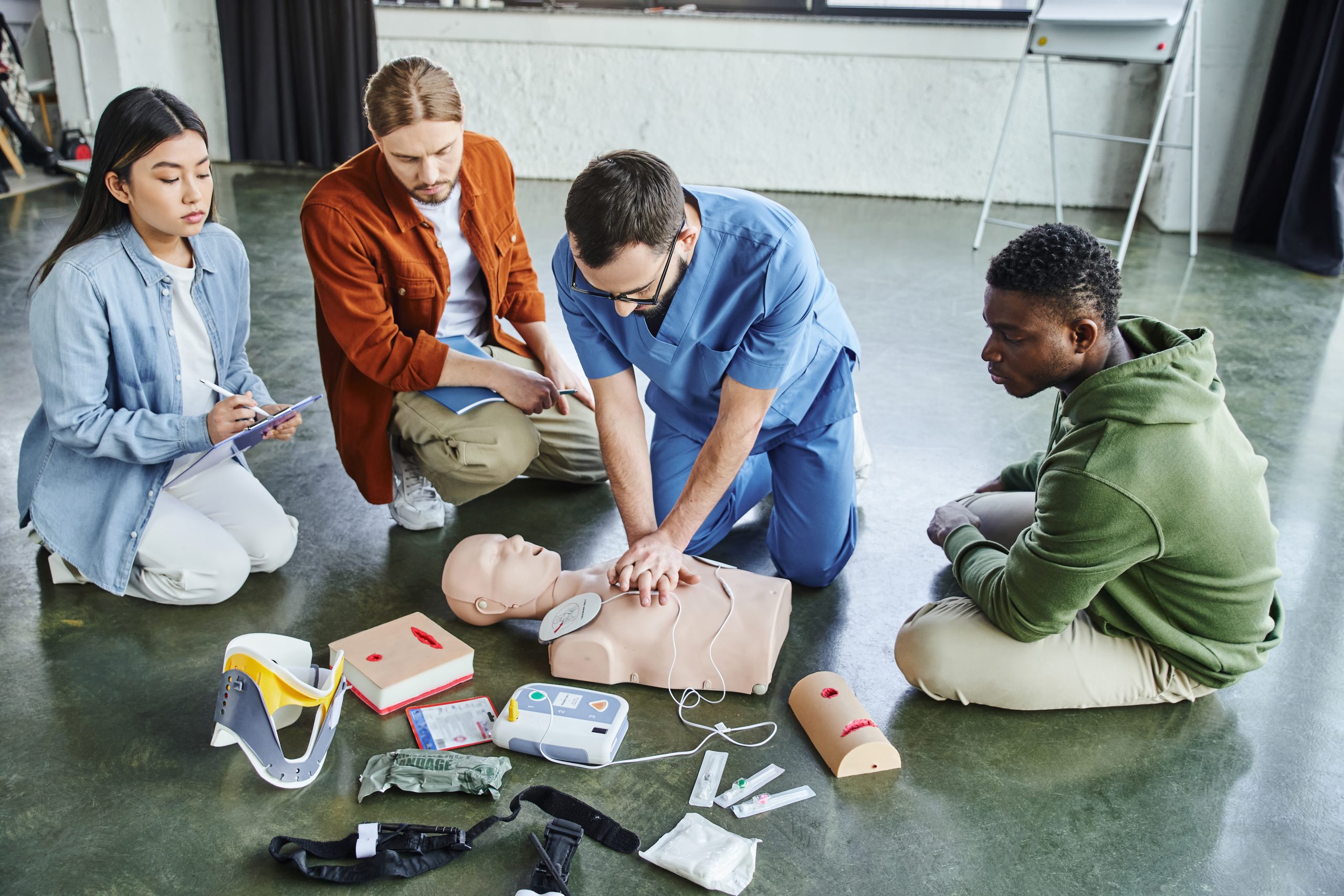
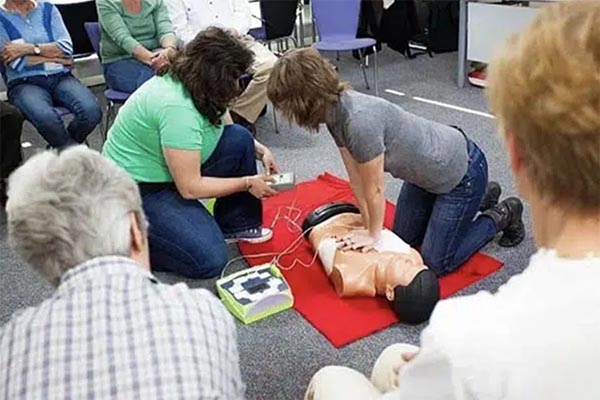
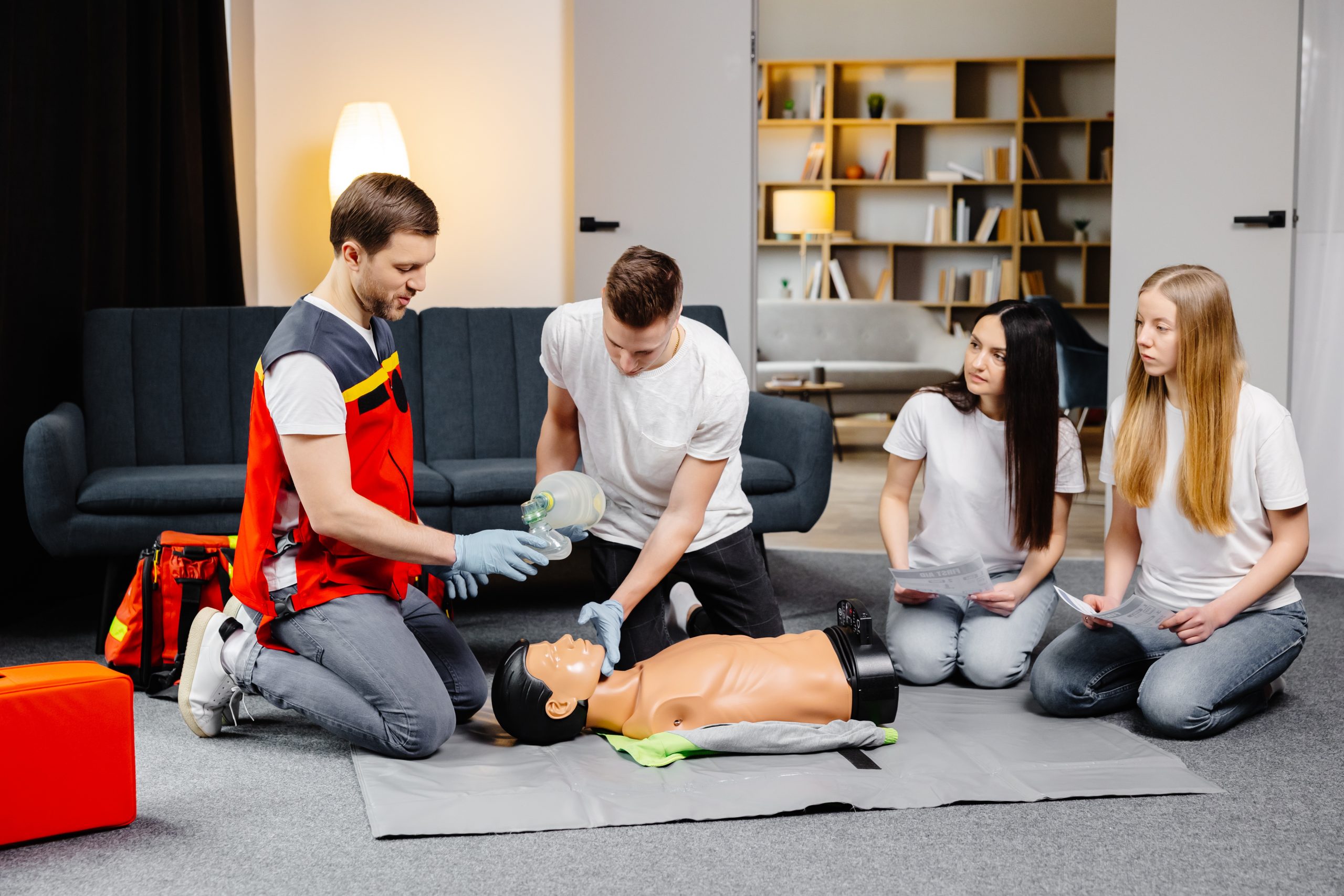
Reading an article is a great first step, but it is not a substitute for professional, hands-on training. A certification class provides the muscle memory, practical experience with mannequins, and the confidence to act decisively when seconds count.

You will learn to assess a scene, to perform compressions at the right depth and rate, to use an AED, and to handle the specific challenges of your environment or the person you are caring for.

An emergency won’t wait for you to feel ready. Your preparation today can make all the difference tomorrow.

Don’t wait. Find a class that fits your needs and get certified. Contact CPR Classes Near Me today to take the most important step in being prepared.

Frequently Asked Questions (FAQ)

Q: What is the main difference between adult and child CPR?

A: The main differences lie in the technique and the initial action. For a child (age 1 to puberty), you can often use one hand for compressions instead of two, and the compression depth is about 2 inches. For an infant, you use only two fingers to a depth of 1.5 inches. Additionally, if you are alone and witness the collapse of an adult, you call 911 first. If you are alone with an unresponsive child or infant, you perform 2 minutes of CPR before calling 911, because the cause is more likely to be respiratory.

Q: Can I really hurt someone by doing CPR? What about pacemakers?

A: A common fear is causing harm, such as breaking a rib. While this can happen, a broken rib is treatable, whereas sudden cardiac arrest is fatal without intervention. Always perform CPR on someone who is unresponsive and not breathing normally. Regarding pacemakers, you may see a hard lump under the skin. Simply avoid placing the AED pads directly on top of the device. Continue CPR and use the AED as instructed; it will not harm the victim.

Q: Is Hands-Only CPR actually effective?

A: Yes, Hands-Only CPR is very effective. The American Heart Association recommends it for bystanders who are not trained in conventional CPR or are hesitant or unable to provide rescue breaths. Continuous, high-quality chest compressions keep oxygenated blood flowing to the brain and other vital organs until professional help arrives. For adults and teens, Hands-Only CPR has been shown to be as effective as conventional CPR in many cases.

Q: How do I perform CPR on an infant?

A: Infant CPR is for babies under 1 year old. Check for responsiveness by tapping the bottom of their foot. If unresponsive, use two fingers in the center of their chest to give 30 compressions at a rate of 100-120 per minute, pressing down about 1.5 inches. Then, give two gentle puffs of air, covering their mouth and nose with your mouth. Repeat this cycle. If you are alone, do this for 2 minutes before calling 911.

Q: Why is CPR training so important for hikers?

A: CPR training is crucial for hikers due to the remote nature of their activity. Professional medical help (EMS) can take a very long time to arrive on a trail. This means a hiker may need to perform CPR for a prolonged period. Training provides the skills for endurance, teamwork (switching off with a partner), scene safety assessment on uneven terrain, and managing the situation until help can get there.

Q: As a teacher, what are my legal protections if I perform CPR at school?

A: All 50 states have Good Samaritan laws that provide legal protection for individuals who act in good faith to provide emergency medical care to a victim. As long as you are acting reasonably within the scope of your training, you are generally protected from liability. Many schools also have specific policies and insurance that cover staff in these situations.

{ “@context”: “https://schema.org”, “@type”: “FAQPage”, “mainEntity”: [{ “@type”: “Question”, “name”: “What is the main difference between adult and child CPR?”, “acceptedAnswer”: { “@type”: “Answer”, “text”: “The main differences lie in the technique and the initial action. For a child (age 1 to puberty), you can often use one hand for compressions instead of two, and the compression depth is about 2 inches. For an infant, you use only two fingers to a depth of 1.5 inches. Additionally, if you are alone and witness the collapse of an adult, you call 911 first. If you are alone with an unresponsive child or infant, you perform 2 minutes of CPR *before* calling 911, because the cause is more likely to be respiratory.” } },{ “@type”: “Question”, “name”: “Can I really hurt someone by doing CPR? What about pacemakers?”, “acceptedAnswer”: { “@type”: “Answer”, “text”: “A common fear is causing harm, such as breaking a rib. While this can happen, a broken rib is treatable, whereas sudden cardiac arrest is fatal without intervention. Always perform CPR on someone who is unresponsive and not breathing normally. Regarding pacemakers, you may see a hard lump under the skin. Simply avoid placing the AED pads directly on top of the device. Continue CPR and use the AED as instructed; it will not harm the victim.” } },{ “@type”: “Question”, “name”: “Is Hands-Only CPR actually effective?”, “acceptedAnswer”: { “@type”: “Answer”, “text”: “Yes, Hands-Only CPR is very effective. The American Heart Association recommends it for bystanders who are not trained in conventional CPR or are hesitant or unable to provide rescue breaths. Continuous, high-quality chest compressions keep oxygenated blood flowing to the brain and other vital organs until professional help arrives. For adults and teens, Hands-Only CPR has been shown to be as effective as conventional CPR in many cases.” } },{ “@type”: “Question”, “name”: “How do I perform CPR on an infant?”, “acceptedAnswer”: { “@type”: “Answer”, “text”: “Infant CPR is for babies under 1 year old. Check for responsiveness by tapping the bottom of their foot. If unresponsive, use two fingers in the center of their chest to give 30 compressions at a rate of 100-120 per minute, pressing down about 1.5 inches. Then, give two gentle puffs of air, covering their mouth and nose with your mouth. Repeat this cycle. If you are alone, do this for 2 minutes before calling 911.” } },{ “@type”: “Question”, “name”: “Why is CPR training so important for hikers?”, “acceptedAnswer”: { “@type”: “Answer”, “text”: “CPR training is crucial for hikers due to the remote nature of their activity. Professional medical help (EMS) can take a very long time to arrive on a trail. This means a hiker may need to perform CPR for a prolonged period. Training provides the skills for endurance, teamwork (switching off with a partner), scene safety assessment on uneven terrain, and managing the situation until help can get there.” } },{ “@type”: “Question”, “name”: “As a teacher, what are my legal protections if I perform CPR at school?”, “acceptedAnswer”: { “@type”: “Answer”, “text”: “All 50 states have Good Samaritan laws that provide legal protection for individuals who act in good faith to provide emergency medical care to a victim. As long as you are acting reasonably within the scope of your training, you are generally protected from liability. Many schools also have specific policies and insurance that cover staff in these situations.” } }] }
Mastering Life-Saving Skills: A Deep Dive into CPR & First Aid

In moments of crisis, clarity is power. Imagine a coworker suddenly slumping over their desk, a loved one choking at dinner, or a stranger collapsing in a parking lot. Would you know what to do? These scenarios are frightening, but with the right knowledge, you can transform from a helpless bystander into a confident first responder.

This guide is your deep dive into the world of CPR and First Aid. We’ll demystify the acronyms, clarify the techniques, and show you why getting certified is one of the most empowering decisions you can ever make.

What is CPR, Really? The Heart of the Matter

CPR stands for Cardiopulmonary Resuscitation. It’s an emergency procedure that can help save a person’s life if their breathing or heart stops.

Think of it this way: your body is a complex machine, and the heart is its engine. When someone goes into sudden cardiac arrest, that engine has stalled. CPR is the manual restart process, keeping critical systems online until professional help can fix the underlying problem.

Cardiac Arrest: An “Electrical” Problem

The most common reason for needing CPR is sudden cardiac arrest. It’s crucial to understand this isn’t the same as a heart attack.

  • A heart attack is a “plumbing” problem. A blockage in an artery prevents blood from reaching a part of the heart muscle. The person is usually awake and can describe their symptoms.
  • Cardiac arrest is an “electrical” problem. The heart’s electrical system malfunctions, causing it to beat erratically or stop altogether. The person collapses, is unresponsive, and isn’t breathing normally.

A heart attack can sometimes lead to cardiac arrest, but they are distinct events. CPR is the answer for cardiac arrest.

Mastering Life-Saving Skills: A Deep Dive into CPR & First Aid

The Mechanics of CPR: C-A-B

Modern CPR, as guided by organizations like the American Heart Association (AHA), follows the C-A-B sequence.

  • C for Compressions: This is the most critical part of CPR. By pushing hard and fast in the center of the chest, you are manually squeezing the heart to pump blood to the brain and other vital organs. The target rate is 100 to 120 compressions per minute. (Think of the beat of the song “Stayin’ Alive” by the Bee Gees).
  • A for Airway: After performing 30 chest compressions, you need to ensure the person’s airway is open. This is done with a simple head-tilt, chin-lift maneuver, which pulls the tongue away from the back of the throat.
  • B for Breathing: With the airway open, you provide two rescue breaths, each lasting about one second, making the chest rise. This delivers oxygen into the lungs, which is then circulated by the next round of compressions.

The cycle of 30 compressions and 2 breaths is repeated until help arrives, an AED becomes available, or the person shows obvious signs of life.

Beyond CPR: The Comprehensive World of First Aid

While CPR is a vital skill for the ultimate emergency, First Aid is the umbrella of care that covers a vast range of injuries and illnesses. It’s the immediate assistance given to any person suffering from either a minor or serious condition.

The goal of first aid is to preserve life, prevent the situation from worsening, and promote recovery until medical professionals take over.

What Does First Aid Cover?

Being trained in first aid prepares you to confidently handle situations like:

  • Severe Bleeding: Knowing how to apply direct pressure and use tourniquets can stop life-threatening blood loss.
  • Choking: Performing abdominal thrusts (the Heimlich maneuver) can dislodge an object blocking someone’s airway. There are different techniques for adults, children, and infants.
  • Burns: Properly assessing the severity of a burn and providing immediate, correct care (like cooling the area) can drastically reduce long-term damage.
  • Allergic Reactions (Anaphylaxis): Recognizing the signs of a severe allergic reaction and knowing how to assist someone with their epinephrine auto-injector (like an EpiPen) is a life-saving skill.
  • Seizures: Understanding how to keep a person safe during a seizure—clearing the area, protecting their head, and not restraining them—is crucial.
  • Sprains and Fractures: Knowing how to properly immobilize an injured limb can prevent further injury and reduce pain.
  • Strokes: Recognizing the signs of a stroke using the B.E. F.A.S.T. acronym (Balance, Eyes, Face, Arms, Speech, Time) ensures the person gets to a hospital as quickly as possible, which is critical for their outcome.

First Aid training gives you a versatile toolkit to handle the emergencies you are far more likely to encounter on a day-to-day basis.

The Unsung Hero: Understanding the AED

In any discussion about cardiac arrest, you’ll hear about the AED, or Automated External Defibrillator. These portable, lightweight devices are becoming common in public spaces like airports, gyms, and offices for one simple reason: they save lives.

An AED is a sophisticated yet easy-to-use device that analyzes the heart’s rhythm. If it detects a shockable rhythm (like ventricular fibrillation), it advises and delivers an electrical shock. This shock, called defibrillation, briefly stops the heart, giving it a chance to reset to a normal rhythm.

Using an AED alongside high-quality CPR can increase a person’s chance of survival from cardiac arrest by over 70%. The device gives clear, calm voice prompts, walking you through every step, from placing the pads on the bare chest to delivering a shock. You cannot accidentally shock someone who doesn’t need it; the device will only advise a shock if its analysis confirms a life-threatening arrhythmia.

CPR vs. First Aid: A Clear Comparison

While they are related, it’s helpful to see their differences side-by-side.

  • Focus:
    • CPR: Singularly focused on victims of cardiac arrest who are unresponsive and not breathing.
    • First Aid: Broadly focused on a wide variety of injuries and illnesses, from minor cuts to major trauma.
  • When to Use:
    • CPR: Used only when the heart has stopped beating.
    • First Aid: Used in any situation requiring immediate medical care before professionals arrive.
  • Core Skills:
    • CPR: Chest compressions and rescue breaths.
    • First Aid: Bleeding control, wound care, choking relief, burn management, splinting, recognizing signs of stroke/heart attack, and much more.

Think of it this way: a combined CPR and First Aid course prepares you for nearly any medical emergency you might face.

Why Certification is Non-Negotiable

Watching a video or reading an article is a great start, but it’s no substitute for hands-on, professional training. Getting certified is essential for several reasons.

  1. Develops Muscle Memory: In a real emergency, adrenaline floods your system. You won’t have time to think. Certification courses use manikins to let you practice the physical skills of CPR and First Aid until they become second nature.
  2. Builds True Confidence: There’s a huge difference between knowing what to do and having the confidence to actually do it. A certified training course, led by an experienced instructor, empowers you to act decisively.
  3. Provides Legal Protection: Good Samaritan laws exist in all 50 states to protect bystanders who offer reasonable assistance to those in need. Being certified demonstrates you’ve been trained to an accepted standard, strengthening these protections.
  4. Keeps You Updated: Medical guidelines evolve. Certification courses, which require renewal every two years, ensure your knowledge is based on the latest science and best practices.
The Chain of Survival: Your Role in the System

The Chain of Survival: Your Role in the System

Saving a life from cardiac arrest isn’t a single action; it’s a series of coordinated events known as the Chain of Survival. As a bystander, you are the first and most critical link.

  1. Immediate Recognition and Activation of EMS: Recognizing someone is in cardiac arrest and calling 911 immediately.
  2. Early CPR: Starting high-quality chest compressions right away to keep blood flowing.
  3. Rapid Defibrillation: Using an AED as soon as one is available to shock the heart back into a normal rhythm.
  4. Advanced Resuscitation: The care provided by paramedics and EMTs once they arrive.
  5. Post-Cardiac Arrest Care: The specialized treatment the patient receives in the hospital.
  6. Recovery: The long-term support, including physical and emotional rehabilitation.

Without the first three links, all of which can be performed by a trained bystander—the chances of survival plummet. You are the bridge to life.

Conclusion: From Bystander to Lifesaver

Knowledge is the first step, but action is what saves lives. Understanding the mechanics of CPR, the breadth of first aid, and the power of an AED is transformative. It changes your perspective from “What if something happens?” to “I know what to do when something happens.”

The skills are straightforward, the training is accessible, and the impact is immeasurable. You have the potential to be the person who makes the difference for a family member, a colleague, or a complete stranger. Don’t wait for an emergency to wish you had been prepared.

Are you ready to gain the skills and confidence to act when it matters most? Don’t just be a bystander. Be a lifesaver. Contact CPR Classes Near Me today to find a certification course and take the first step toward mastering these essential life-saving skills.

Frequently Asked Questions (FAQ)

Q1: What is the main difference between a heart attack and cardiac arrest?

A1: The main difference lies in the underlying problem. A heart attack is a “plumbing” issue where a blocked artery stops blood flow to the heart muscle, causing tissue to die. The person is usually conscious. Cardiac arrest is an “electrical” issue where the heart’s electrical system malfunctions, causing it to stop beating effectively. The person is unconscious and not breathing. A heart attack can lead to cardiac arrest, but they are not the same thing.

Q2: Am I required to give rescue breaths during CPR?

A2: For trained responders, the official recommendation is to perform conventional CPR with a cycle of 30 compressions and 2 rescue breaths. However, if you are untrained or unwilling to perform rescue breaths, you can perform Hands-Only CPR. Hands-Only CPR consists of providing continuous, fast, and hard chest compressions (100-120 per minute) until help arrives. It has been shown to be very effective and is much better than doing nothing at all.

Q3: Can I be sued for performing CPR or First Aid?

A3: All 50 states have Good Samaritan laws in place to protect individuals who voluntarily provide emergency assistance to an injured or ill person in good faith. As long as you act reasonably, within the scope of your training, and do not receive payment for your actions, these laws are designed to protect you from liability. Getting certified is one of the best ways to ensure you are acting according to established standards.

Q4: How long does a CPR and First Aid certification last?

A4: Standard CPR, AED, and First Aid certifications are valid for two years. This ensures that certified individuals stay up-to-date with any changes in protocols and have a chance to refresh their hands-on skills, which can diminish over time. To remain certified, you must complete a renewal course before your current certification expires.

Q5: Who should get certified in CPR and First Aid?

A5: Everyone! While certain professions require it (like healthcare providers, teachers, childcare workers, and personal trainers), these skills are valuable for all individuals. Parents, grandparents, office workers, coaches, and anyone who wants to be prepared to help in an emergency should get certified. A medical crisis can happen to anyone, anywhere, at any time.

The Ultimate Guide to Emergency Preparedness in Austin

Welcome to Austin! A city known for its vibrant music scene, incredible food, and beautiful green spaces. But living in Central Texas also means being ready for some unique challenges, from scorching summer heat to sudden flash floods.

Are you truly prepared for an emergency in Austin?

Being prepared isn’t about being paranoid; it’s about being empowered. It’s knowing you have the tools, the plan, and the skills to protect yourself and your loved ones when it matters most. This guide will walk you through everything you need to know to become a confident and prepared Austinite.

Understanding Austin’s Unique Emergency Risks

The first step to preparedness is knowing what you’re preparing for. Austin’s environment presents a few key risks every resident should understand.

  • Extreme Heat: Austin summers are no joke, with temperatures frequently soaring above 100°F. This poses a serious risk for heat exhaustion and life-threatening heat stroke, especially for children, the elderly, and anyone working or playing outdoors.
  • Flash Floods: Central Texas is known as “Flash Flood Alley” for a reason. Heavy rains can turn dry creek beds and low-lying roads into dangerous torrents in minutes. Being aware of low water crossings and having an evacuation plan is critical.
  • Severe Thunderstorms & Tornadoes: Springtime often brings severe weather, including thunderstorms with high winds, large hail, and the potential for tornadoes. Knowing the difference between a watch and a warning, and where to take shelter, can save your life.
  • Large Public Gatherings: With major events like Austin City Limits (ACL) and South by Southwest (SXSW), our city hosts huge crowds. Medical emergencies can happen anywhere, and knowing how to respond in a crowded environment is a valuable skill.
The Ultimate Guide to Emergency Preparedness in Austin

Step 1: Build Your Austin-Ready Emergency Kit

When an emergency strikes, you may need to survive on your own for several days. A disaster preparedness kit, or a “go-bag,” is your personal collection of essential supplies.

Every kit should be customized for your family’s needs, but here are the non-negotiables for every Austin household.

The Essentials for Your Go-Bag:

  1. Water: The absolute most important item. Plan for one gallon of water per person, per day, for at least three days. In Austin’s heat, you may want to store even more.
  2. Food: A three-day supply of non-perishable food that doesn’t require cooking. Think protein bars, canned goods (with a can opener!), and dried fruit.
  3. First-Aid Kit: A well-stocked kit is crucial. You can buy a pre-made one, but consider adding items like extra bandages, antiseptic wipes, pain relievers, blister treatment, and any personal prescription medications.
  4. Flashlight & Batteries: Power outages are common during storms. Pack a powerful flashlight and extra batteries. A hand-crank flashlight is an excellent backup.
  5. Weather Radio: A battery-powered or hand-crank NOAA Weather Radio will provide you with emergency alerts even if cell service and internet are down.
  6. Phone Charger & Power Bank: Keep a fully charged power bank ready to go so you can stay connected.
  7. Cash: If power is out, credit card machines and ATMs won’t work. Keep a small amount of cash in small bills.
  8. Important Documents: Store copies of your driver’s license, passport, birth certificate, and insurance policies in a waterproof bag or digitally on a password-protected thumb drive.

Think about your personal needs. Do you have pets? Pack food and water for them. Have an infant? Don’t forget formula and diapers.

Step 2: Create Your Family Emergency Plan

A kit is what you have, but a plan is what you do. A family emergency plan ensures everyone knows how to communicate and where to go when disaster strikes.

Key Components of Your Plan:

  • Communication: Your family may not be together when an emergency happens. Choose an out-of-state contact person that everyone can call or text. It’s often easier to make a long-distance call than a local one during a regional emergency.
  • Meeting Places: Designate three meeting spots.
    1. Indoor Spot: A safe location within your home to gather during a tornado or severe storm (like a basement, storm cellar, or interior room on the lowest floor).
    2. Neighborhood Spot: A location right outside your home in case of a fire (e.g., a specific tree or a neighbor’s mailbox).
    3. Regional Spot: A public place, like a library or community center, where you can meet if you can’t get home.
  • Evacuation Routes: Know your community’s evacuation routes. If you live in a flood-prone area, map out a path to higher ground. Practice driving the route with your family.

Once you have your plan, practice it! Run drills with your family a couple of times a year. This helps build muscle memory and reduces panic during a real event.

Step 3: The Most Important Tool is You – Get Lifesaving Skills

You can have the best kit and a perfect plan, but the most valuable resource in an emergency is a person who knows what to do. This is where lifesaving training comes in.

Knowing how to respond in the first few minutes of a medical emergency can mean the difference between life and death before professional help arrives.

CPR (Cardiopulmonary Resuscitation)

What is it? CPR is an emergency procedure that combines chest compressions with artificial ventilation (rescue breaths) to keep blood and oxygen flowing to the brain and other vital organs when someone’s heart has stopped beating.

Why do you need it in Austin? Sudden cardiac arrest can happen to anyone, at any time. It can be triggered by a heart attack, electrocution from a downed power line, or even as a secondary event from severe heat stroke. Performing immediate CPR can double or even triple a person’s chance of survival.

AED (Automated External Defibrillator)

What is it? An AED is a sophisticated, yet easy-to-use, portable device that analyzes the heart’s rhythm and, if necessary, delivers an electrical shock (defibrillation) to help the heart re-establish an effective rhythm.

Why is it important? You see these devices in airports, gyms, and offices across Austin for a good reason. When used alongside CPR, an AED is the most effective way to save a life from sudden cardiac arrest. Our training teaches you exactly how to use one with confidence.

First Aid

What is it? First Aid is the immediate assistance given to any person suffering from either a minor or serious illness or injury.

Why is it essential for Austinites? Think about our common risks.

  • Heat Stroke: Do you know the signs and how to cool someone down safely?
  • Cuts and Scrapes: After a storm with broken glass and debris, do you know how to properly clean and bandage a wound to prevent infection?
  • Sprains and Fractures: If someone takes a fall while hiking the Greenbelt, can you stabilize the injury?

First Aid training prepares you for these situations and so much more. It’s the practical, hands-on knowledge that makes your first-aid kit truly useful.

BLS (Basic Life Support)

What is it? BLS is a higher level of medical care for victims of life-threatening illnesses or injuries until they can be given full medical care at a hospital. It is the standard for healthcare professionals.

Who is it for? BLS certification is perfect for nurses, paramedics, dental assistants, and other healthcare providers. It’s also an excellent choice for anyone who wants to take their emergency response skills to the next level, including lifeguards, teachers, or dedicated community volunteers. The training covers advanced skills like team-based resuscitation and advanced airway management.

Empower Yourself and Your Community

Empower Yourself and Your Community

Being prepared is a gift you give to yourself, your family, and your community. When you have the skills to act, you transform from a bystander into a vital first responder. You become an asset, capable of providing comfort and critical care in a time of chaos.

Imagine the peace of mind that comes from knowing you’re ready for anything Austin throws your way. You have your kit, your family has a plan, and you have the skills to save a life.

Don’t wait for an emergency to wish you had been more prepared. The time to act is now. Take the most important step in your preparedness journey by getting certified.

Ready to become a lifesaver? Contact CPR Near Me today to find the perfect CPR, AED, First Aid, or BLS class for you and your family. Let’s make Austin not just a fun place to live, but a safer one, too.

Frequently Asked Questions (FAQ)

Q: What is the main difference between CPR and First Aid training?

A: The main difference is their primary focus.

  • CPR (Cardiopulmonary Resuscitation) specifically targets one life-threatening condition: cardiac arrest, where the heart has stopped beating. Training focuses on performing chest compressions and rescue breaths to circulate oxygenated blood until help arrives.
  • First Aid is much broader. It covers a wide range of common injuries and medical emergencies, such as controlling bleeding, treating burns, managing choking, responding to seizures, and treating environmental emergencies like heat stroke or hypothermia. A good certification course will include CPR, but its scope is much wider.

Q: How long does a CPR certification last?

A: Standard CPR and BLS certifications from most nationally recognized organizations, including the American Heart Association and the American Red Cross, are valid for two years. You must complete a recertification or renewal course before your expiration date to keep your skills current and your certification active.

Q: Who should get a BLS certification instead of a standard CPR class?

A: You should get a BLS (Basic Life Support) certification if you are a healthcare professional or your job requires it. This includes nurses, doctors, paramedics, EMTs, dental assistants, physical therapists, and other medical personnel. BLS is also recommended for anyone who wants a more in-depth understanding of emergency resuscitation, as it includes training on team dynamics, use of a bag-mask device, and other advanced skills.

Q: What are the most important items for an Austin-specific emergency kit?

A: While all standard kit items are important, for Austin you should place extra emphasis on:

  1. Extra Water: Due to the risk of extreme heat, having more than the recommended one gallon per person per day is wise.
  2. NOAA Weather Radio: Critical for getting flash flood and tornado warnings if cell service or power is out.
  3. Waterproof Bag for Documents: Essential for protecting your important papers from floodwater.
  4. Local Maps: In case of evacuation, having physical maps of Austin and the surrounding Hill Country is useful if GPS is unavailable.

Q: Why is AED training so important if the device is “automated”?

A: While AEDs are designed to be user-friendly, training is crucial for confidence and effectiveness. In a high-stress emergency, training ensures you can:

  • Act quickly without hesitation.
  • Properly place the pads on the victim’s bare chest.
  • Understand the AED prompts and when to clear the area for a shock.
  • Seamlessly integrate the AED with high-quality CPR to give the person the absolute best chance of survival.

Q: Can I really make a difference with these skills before paramedics arrive?

A: Absolutely. You can make the most difference. For a victim of sudden cardiac arrest, their chance of survival decreases by about 10% for every minute that passes without CPR and defibrillation. Since the average ambulance response time can be several minutes, the actions of a bystander in those first few critical moments are often the single most important factor in a successful outcome.

{ “@context”: “https://schema.org”, “@type”: “FAQPage”, “mainEntity”: [{ “@type”: “Question”, “name”: “What is the main difference between CPR and First Aid training?”, “acceptedAnswer”: { “@type”: “Answer”, “text”: “The main difference is their primary focus. CPR (Cardiopulmonary Resuscitation) specifically targets one life-threatening condition: cardiac arrest, where the heart has stopped beating. Training focuses on performing chest compressions and rescue breaths to circulate oxygenated blood until help arrives. First Aid is much broader. It covers a wide range of common injuries and medical emergencies, such as controlling bleeding, treating burns, managing choking, responding to seizures, and treating environmental emergencies like heat stroke or hypothermia. A good certification course will include CPR, but its scope is much wider.” } },{ “@type”: “Question”, “name”: “How long does a CPR certification last?”, “acceptedAnswer”: { “@type”: “Answer”, “text”: “Standard CPR and BLS certifications from most nationally recognized organizations, including the American Heart Association and the American Red Cross, are valid for two years. You must complete a recertification or renewal course before your expiration date to keep your skills current and your certification active.” } },{ “@type”: “Question”, “name”: “Who should get a BLS certification instead of a standard CPR class?”, “acceptedAnswer”: { “@type”: “Answer”, “text”: “You should get a BLS (Basic Life Support) certification if you are a healthcare professional or your job requires it. This includes nurses, doctors, paramedics, EMTs, dental assistants, physical therapists, and other medical personnel. BLS is also recommended for anyone who wants a more in-depth understanding of emergency resuscitation, as it includes training on team dynamics, use of a bag-mask device, and other advanced skills.” } },{ “@type”: “Question”, “name”: “What are the most important items for an Austin-specific emergency kit?”, “acceptedAnswer”: { “@type”: “Answer”, “text”: “While all standard kit items are important, for Austin you should place extra emphasis on:\n1. Extra Water: Due to the risk of extreme heat, having more than the recommended one gallon per person per day is wise.\n2. NOAA Weather Radio: Critical for getting flash flood and tornado warnings if cell service or power is out.\n3. Waterproof Bag for Documents: Essential for protecting your important papers from floodwater.\n4. Local Maps: In case of evacuation, having physical maps of Austin and the surrounding Hill Country is useful if GPS is unavailable.” } },{ “@type”: “Question”, “name”: “Why is AED training so important if the device is \”automated\”?”, “acceptedAnswer”: { “@type”: “Answer”, “text”: “While AEDs are designed to be user-friendly, training is crucial for confidence and effectiveness. In a high-stress emergency, training ensures you can:\n- Act quickly without hesitation.\n- Properly place the pads on the victim’s bare chest.\n- Understand the AED prompts and when to clear the area for a shock.\n- Seamlessly integrate the AED with high-quality CPR to give the person the absolute best chance of survival.” } },{ “@type”: “Question”, “name”: “Can I really make a difference with these skills before paramedics arrive?”, “acceptedAnswer”: { “@type”: “Answer”, “text”: “Absolutely. You can make the *most* difference. For a victim of sudden cardiac arrest, their chance of survival decreases by about 10% for every minute that passes without CPR and defibrillation. Since the average ambulance response time can be several minutes, the actions of a bystander in those first few critical moments are often the single most important factor in a successful outcome.” } }] }