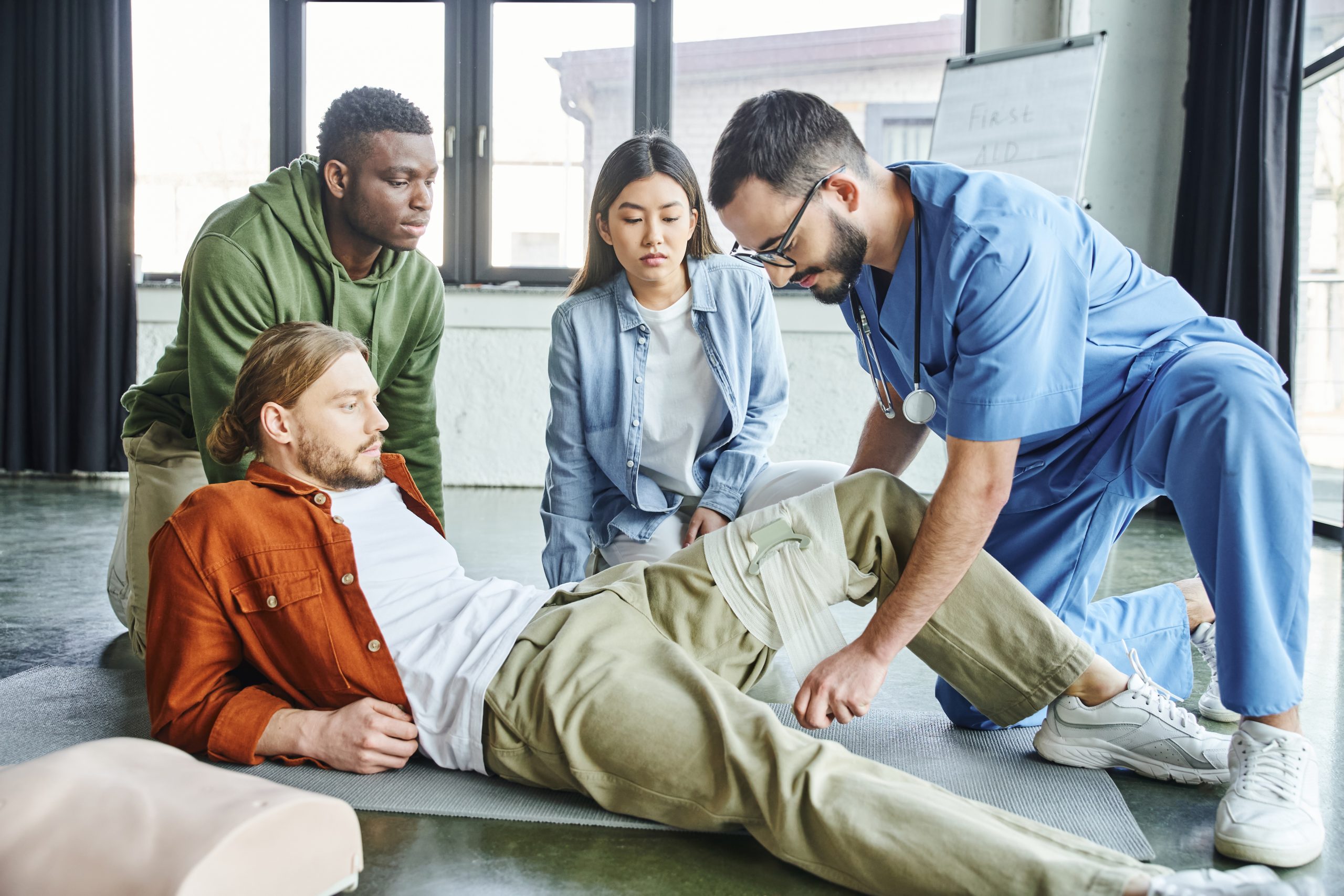
How to Recognize and Respond to the Signs of a Heart Attack or Stroke

How to Recognize and Respond to the Signs of a Heart Attack or Stroke
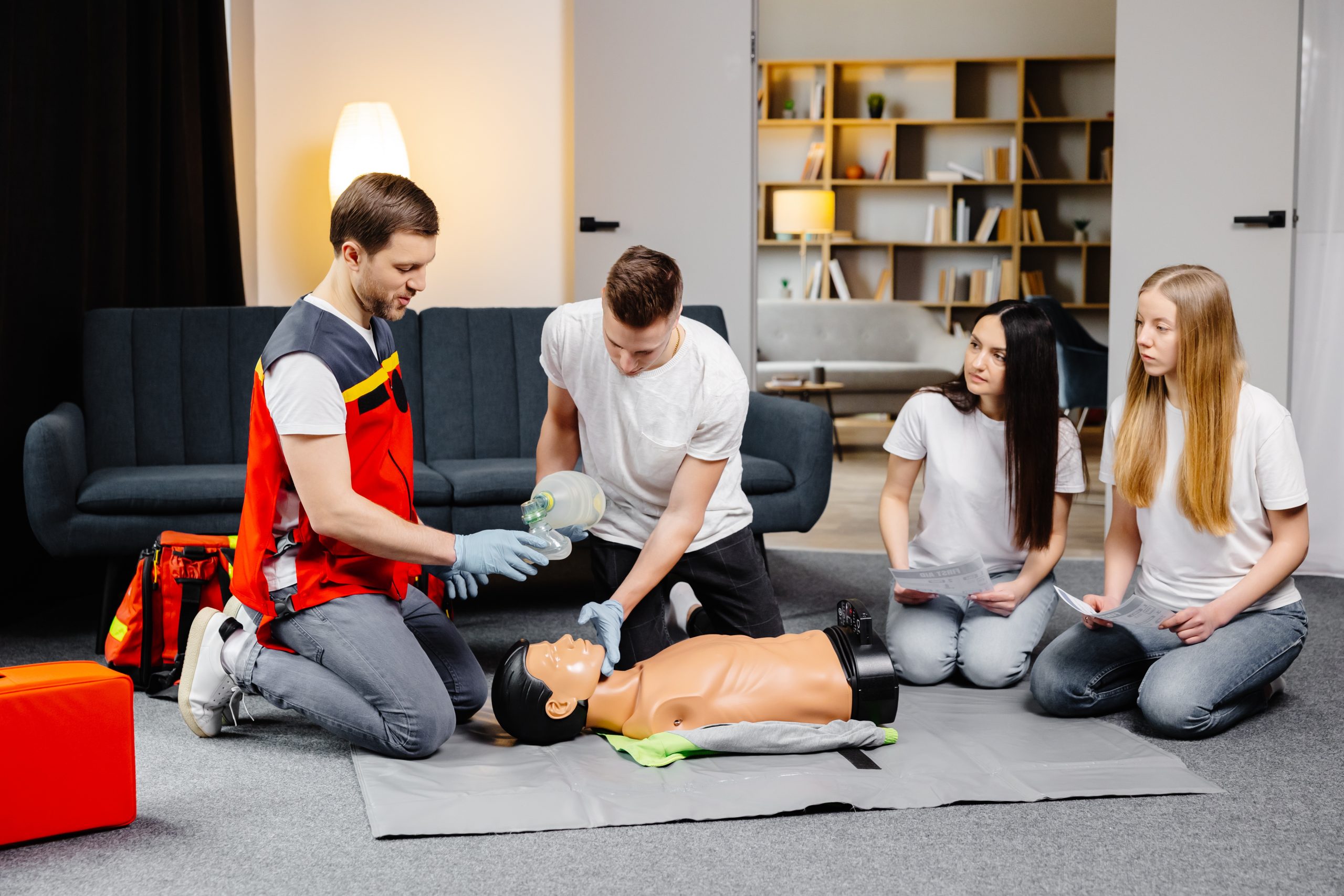
Heart attacks and strokes are medical emergencies that require immediate attention. Recognizing the early signs and knowing how to respond can save lives. This guide will help you understand the symptoms of heart attacks and strokes, especially focusing on how they may differ between men and women.

Understanding Heart Attacks

A heart attack occurs when the flow of oxygen-rich blood to a section of the heart muscle is blocked. The heart needs a constant supply of blood, and when it’s interrupted, the affected part of the heart can start to die.

Common Signs of a Heart Attack

Heart attack symptoms can vary, and they may not always be sudden or severe. Here are some common signs:

  • Chest Pain or Discomfort: Often described as a feeling of pressure, squeezing, fullness, or pain in the center or left side of the chest. It can last for more than a few minutes or go away and come back.
  • Upper Body Pain: Pain or discomfort in one or both arms, the back, neck, jaw, or stomach.
  • Shortness of Breath: This may occur with or without chest discomfort.
  • Other Signs: This can include breaking out in a cold sweat, nausea, or lightheadedness.

How to Recognize and Respond to the Signs of a Heart Attack or Stroke

Signs of Heart Attack in Women

Women may experience the same symptoms as men, but they often have additional, subtler signs:

  • Unusual Fatigue: Feeling tired for no reason, sometimes for days.
  • Sleep Disturbances: Difficulty falling asleep or staying asleep.
  • Indigestion or Gas-like Pain: This can be mistaken for heartburn.
  • Anxiety: Feeling a sense of dread or panic.

Understanding Strokes

A stroke occurs when the blood supply to part of the brain is interrupted or reduced, depriving brain tissue of oxygen and nutrients. Brain cells begin to die within minutes.

Common Signs of a Stroke

The acronym FAST helps remember the warning signs of a stroke:

  • Face Drooping: One side of the face droops or is numb. Ask the person to smile, and check if the smile is uneven.
  • Arm Weakness: One arm is weak or numb. Ask the person to raise both arms and check if one arm drifts downward.
  • Speech Difficulty: Speech is slurred, or the person is unable to speak or hard to understand. Ask them to repeat a simple sentence.
  • Time to Call 911: If any of these signs are present, even if they go away, call 911 immediately.

Other symptoms can include sudden confusion, trouble seeing in one or both eyes, sudden dizziness, loss of balance, or a sudden severe headache with no known cause.

How to Respond to a Heart Attack or Stroke

Recognizing symptoms is only part of the battle; knowing how to respond effectively is crucial.

Responding to a Heart Attack

  1. Call 911 Immediately: Do not drive the person to the hospital unless there are no other options. Emergency medical services (EMS) can start treatment on the way.
  2. Administer Aspirin: If the person is conscious and not allergic, giving them an aspirin can help thin the blood.
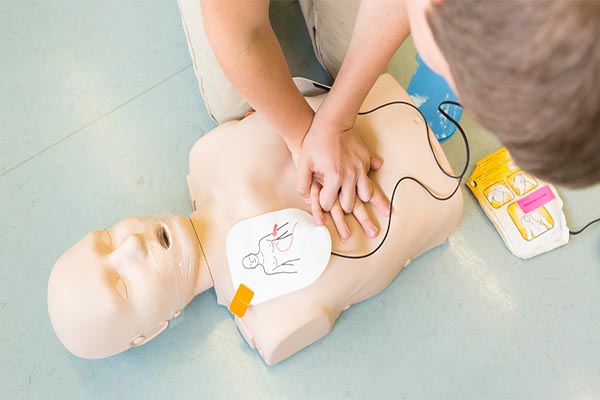
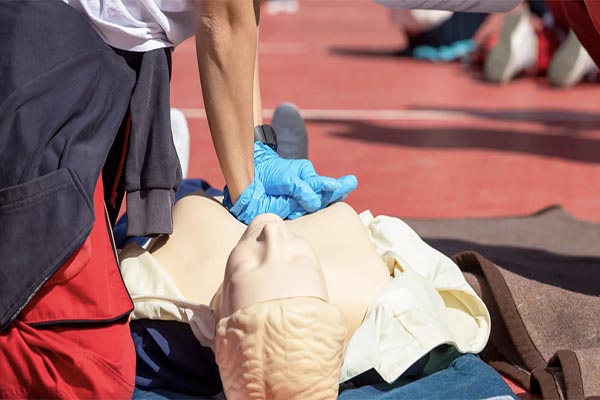
  3. CPR if Necessary: If the person is unconscious, begin CPR. Push hard and fast in the center of the chest at a rate of 100-120 compressions per minute.

Responding to a Stroke

  1. Call 911 Immediately: Strokes require immediate medical attention. The sooner they receive treatment, the better their chances of recovery.
  2. Note the Time: Try to remember when the symptoms first appeared. This information can help healthcare providers with their treatment plan.
  3. Keep the Person Safe: Lay the person down with their head slightly elevated, and make sure they are as comfortable as possible until help arrives.
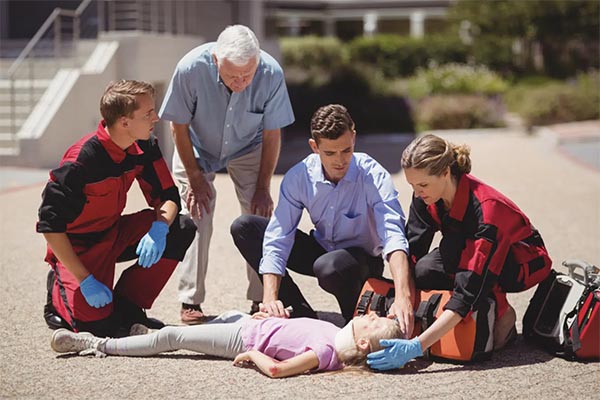
How to Respond to a Heart Attack or Stroke

Preventing Heart Attacks and Strokes

While knowing the signs and how to respond are important, prevention is key.

Lifestyle Changes

  • Healthy Diet: A diet low in saturated fats, trans fats, cholesterol, and sodium can help prevent heart disease.
  • Regular Exercise: Aim for at least 150 minutes of moderate aerobic activity or 75 minutes of vigorous activity each week.
  • Quit Smoking: Smoking is a major risk factor for heart disease and stroke.
  • Control Blood Pressure and Cholesterol: Regular check-ups can help keep these under control.

Medical Interventions

  • Regular Check-ups: Regular visits to your healthcare provider can help detect early signs of heart disease or stroke risk.
  • Medications: If prescribed, take medications as directed to control risk factors such as high blood pressure or high cholesterol.

Conclusion

Recognizing and responding to the signs of a heart attack or stroke can save lives. Educate yourself and others about the symptoms, and take steps to prevent these emergencies from occurring in the first place. Remember, in an emergency, every second counts, so act fast and call for help immediately. Stay informed and stay healthy.

Take Action: Contact CPR Classes Near You for CPR and First Aid Training

Being prepared can make all the difference in an emergency. Consider enrolling in CPR and First Aid classes to equip yourself with the skills needed to respond effectively to heart attacks and strokes. Find a local CPR class today and empower yourself to save lives!
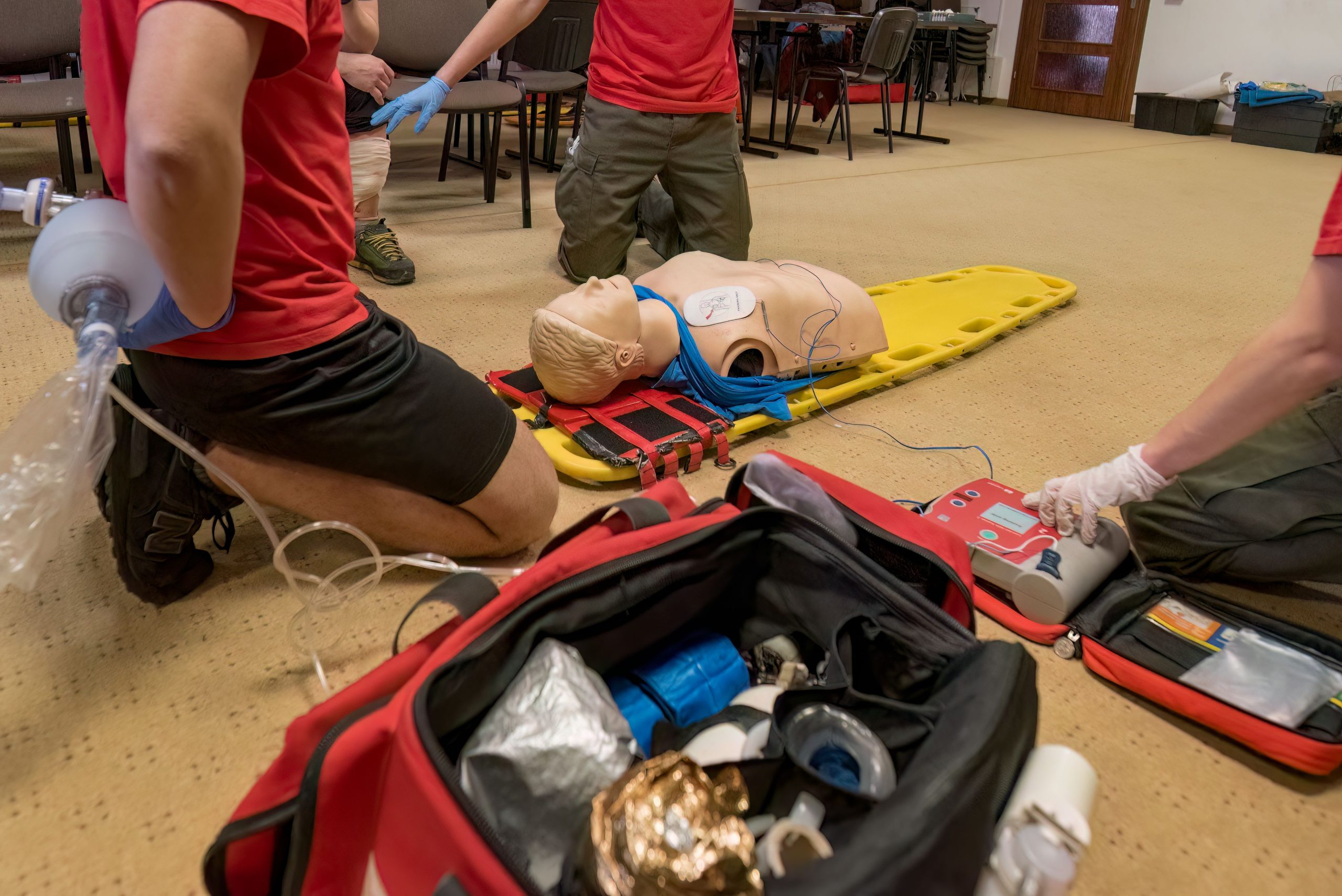
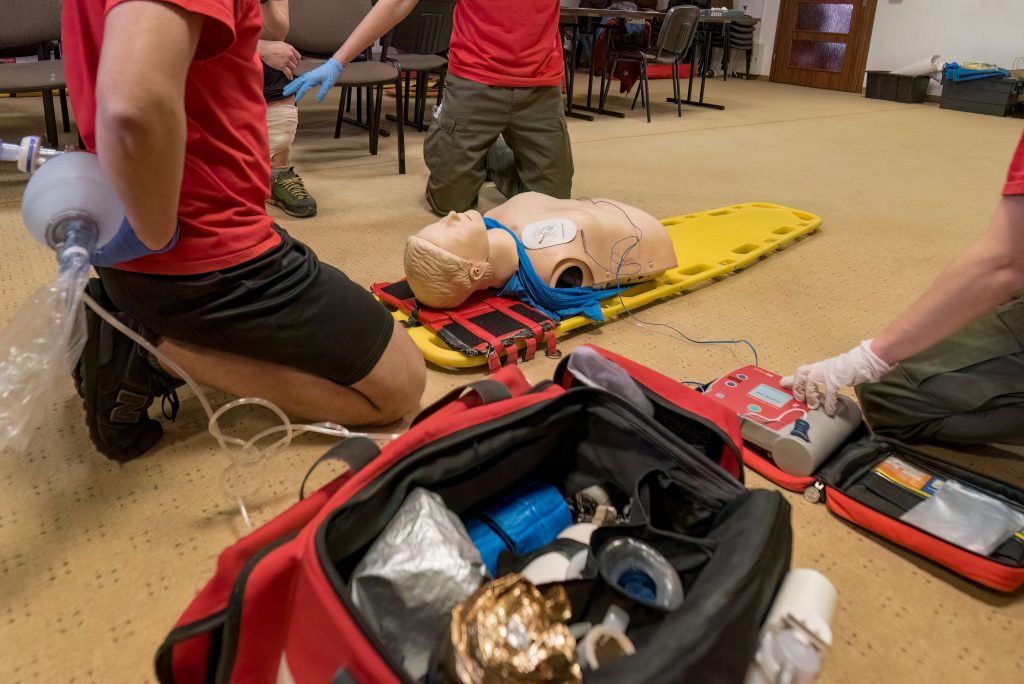
AHA BLS CPR & AED Classes

Starting at $59.95
American Heart Association BLS CPR & AED Certification 
Our CPR Trainers are American Heart Association Certified. We teach the best CPR Classes and deliver your certification eCard the same day. Get your AHA BLS CPR Certification and save now!

FAQ

Our primary goal is to ensure that you receive a top-quality CPR/First Aid certification. With our in-person training in Austin, you can learn CPR and BLS in just one class. Your presence is all that’s needed to continue with your lesson! During your session, you will complete all the live-training components necessary to ensure you receive your AHA Healthcare Provider certification card.

Our CPR Classes in Austin are discounted to $59.95 (saving you $20), and our CPR + First Aid Class is offered at $79.95 (also saving you $20). When looking for CPR Classes, ensure to check for the American Heart Association seal. Other sites might seem cheaper but frequently lack the official training credentials demanded by employers.

Upon successful completion of the course, you will obtain a CPR certification that is valid for two years. The AHA CPR certification is recognized with the highest acceptance rate among employers nationwide.

Indeed! Enroll in any CPR Certification Austin BLS course to extend your certification for an additional two years. The in-person BLS course and the Renewal Class are identical.

Anyone capable of completing the course independently should consider pursuing CPR training and CPR Certification. There is no minimum age restriction for obtaining a CPR certification in Austin through the American Heart Association (AHA)..

CPR training needs to be carried out in person to guarantee its effectiveness. Our experienced instructors offer an engaging and dynamic learning experience. Typically, employers do not recognize CPR certifications that are obtained solely through online courses.

All authorized American Heart Association training centers are obligated to display the entire video. After a three-hour session with CPR Classes Near Me Austin, your BLS CPR eCard will be promptly issued by the instructor on the same day!

First Aid for Sports Injuries What Every Athlete Should Know

First Aid for Sports Injuries What Every Athlete Should Know

Sports are not only a fantastic way to maintain physical fitness and mental well-being, but they also foster teamwork, discipline, and resilience. However, the physical demands of sports can sometimes lead to injuries, which can range from minor cuts and bruises to more serious conditions like fractures and concussions. Whether you’re a professional athlete, a college player, or someone who enjoys sports as a hobby, having a basic understanding of first aid for sports injuries is crucial. This knowledge can significantly influence recovery outcomes, reduce downtime, and protect your long-term health. In this comprehensive guide, we will explore essential first aid techniques that every athlete should master to handle common sports injuries effectively.

Understanding Sports Injuries

Before diving into the specifics of first aid, it’s essential to have a clear understanding of the different types of injuries that can occur during sports activities. Sports injuries are often classified into two main categories, each requiring a different approach to treatment and management:

  • Acute Injuries: These injuries happen suddenly and are usually the result of a specific trauma or impact during an activity. Common examples include sprains, fractures, and dislocations. Acute injuries often present with immediate pain, swelling, and sometimes an inability to use the affected part of the body. Quick and appropriate first aid can prevent further damage and facilitate faster recovery.
  • Chronic Injuries: These injuries develop over time, often due to repetitive stress or overuse of a particular body part. Examples include tendonitis, stress fractures, and bursitis. Chronic injuries may start as a mild discomfort and gradually worsen if not addressed. Understanding the signs of chronic injuries is vital for early intervention, which can prevent the progression to more severe conditions.

Knowing the difference between acute and chronic injuries is fundamental in applying the correct first aid treatment. It also aids in determining whether immediate medical attention is necessary or if the injury can be managed with rest and care at home.

First Aid for Sports Injuries What Every Athlete Should Know

The Importance of First Aid in Sports

First aid in sports is not merely a helpful skill; it is a critical component of an athlete’s toolkit. The primary goals of first aid are to minimize the severity of an injury, prevent further harm, and expedite the healing process. Immediate and appropriate care can also significantly reduce the risk of long-term complications, such as chronic pain or decreased mobility, which might otherwise hinder an athlete’s ability to perform or enjoy their sport.

Basic First Aid Principles

Understanding basic first aid principles is essential for providing effective care in the event of a sports injury. Here are the fundamental principles every athlete should know:

  • Assessing the Situation: Quickly evaluate the severity of the injury and determine whether it is safe to provide first aid on-site or if emergency medical services are needed. This involves observing the athlete’s symptoms, level of consciousness, and ability to move.
  • Protecting the Injured Area: Avoid moving the injured part unless absolutely necessary, as improper movement can exacerbate the injury. Stabilizing the area can prevent additional harm and reduce pain.
  • Calling for Help: If the injury appears serious, or if there is any doubt about the severity, seek professional medical assistance immediately. Erring on the side of caution can prevent complications and ensure the athlete receives the necessary care.
  • Providing Care: Apply appropriate first aid techniques based on the type of injury. This may involve using the R.I.C.E. method, wound care, or other specific interventions tailored to the injury.

Essential First Aid Techniques for Athletes

Every athlete should be equipped with the knowledge of essential first aid techniques to manage common sports injuries effectively. These techniques are designed to provide immediate relief and prevent the injury from worsening:

R.I.C.E. Method

The R.I.C.E. method is a time-tested and widely recommended first aid technique for managing acute injuries, such as sprains and strains. It stands for:

  • Rest: Cease activity and rest the injured area to prevent further damage. Rest is crucial for initiating the healing process and should be maintained until pain and swelling decrease.
  • Ice: Apply ice packs wrapped in a cloth to the injured area for 15-20 minutes every hour. Ice helps to reduce swelling, numb the area, and alleviate pain. Avoid applying ice directly to the skin to prevent frostbite.
  • Compression: Use elastic bandages or wraps to compress the injury gently. Compression provides support, helps control swelling, and can reduce pain. Ensure that the bandage is snug but not so tight that it restricts blood flow.
  • Elevation: Elevate the injured area above the level of the heart whenever possible. Elevation helps decrease swelling by allowing fluids to drain away from the injury site, reducing pressure and discomfort.

Wound Care

For cuts, abrasions, or any open wounds, it is important to act quickly to prevent infection and promote healing:

  1. Clean the Wound: Gently rinse the wound with clean water to remove any dirt, debris, or foreign objects. Avoid using alcohol or hydrogen peroxide, as these can damage tissue and delay healing.
  2. Apply Antiseptic: Use antiseptic wipes or solutions to disinfect the area thoroughly. This step is crucial to eliminate bacteria and reduce the risk of infection.
  3. Cover the Wound: Protect the cleaned wound with sterile bandages or dressings. This keeps the wound clean, prevents bacteria from entering, and supports the natural healing process.

Treating Fractures and Dislocations

Suspected fractures or dislocations require careful handling to avoid further injury:

  • Immobilize the Area: Use a splint or any rigid item to stabilize the injured area and prevent movement. Immobilization is critical for minimizing pain and avoiding additional damage to tissues and bones.
  • Avoid Realignment: Never attempt to realign a bone or joint. Improper manipulation can cause severe injury, including nerve and blood vessel damage.
  • Seek Medical Help: Contact a healthcare professional immediately for proper assessment and treatment. Professional intervention is necessary to ensure the injury is addressed appropriately and to plan for rehabilitation if needed.
Managing Head Injuries

Screenshot

Managing Head Injuries

Head injuries, even minor ones, require prompt and careful attention due to the risk of serious complications:

  • Monitor Symptoms: After a head injury, closely observe the athlete for signs of concussion, such as dizziness, headache, confusion, or nausea. Any changes in behavior or consciousness should be noted.
  • Prevent Movement: Keep the athlete still and calm to prevent exacerbating the injury. Avoid allowing the athlete to return to play until cleared by a healthcare professional.
  • Seek Immediate Care: Head injuries need prompt evaluation by a medical professional to rule out serious conditions like concussions or brain injuries. Immediate care ensures the athlete receives the necessary treatment and monitoring.

Preventing Sports Injuries

While first aid knowledge is invaluable, prevention remains the best strategy to avoid sports injuries altogether. Implementing preventive measures can greatly reduce the incidence and severity of injuries, allowing athletes to enjoy their activities safely:

  • Warm-Up and Cool Down: Always begin with a proper warm-up to prepare the body for physical activity. Warming up increases blood flow, flexibility, and readiness, reducing the risk of injury. Similarly, cooling down helps relax muscles and prevent stiffness post-exercise.
  • Use Proper Gear: Wearing appropriate protective equipment, such as helmets, pads, and supportive footwear, is essential for safety. Equipment should fit well and be specific to the sport to provide maximum protection.
  • Stay Hydrated: Adequate hydration before, during, and after exercise is vital to prevent dehydration, heat-related illnesses, and muscle cramps. Dehydration impairs performance and increases the risk of injury.
  • Listen to Your Body: Pay attention to signs of pain, fatigue, or discomfort. Ignoring these signals can lead to overuse injuries or exacerbate existing conditions. Allow your body time to rest and recover as needed.

When to Seek Professional Help

While first aid is critical for immediate care, certain situations demand professional medical evaluation and intervention. Knowing when to seek help can prevent complications and ensure proper healing:

  • Severe Pain or Swelling: If pain is intense or swelling does not improve with first aid measures, it may indicate a more serious injury requiring medical attention.
  • Visible Deformity: Any visible deformity, such as a bone appearing out of place, warrants immediate professional evaluation to prevent further damage.
  • Inability to Bear Weight: If the athlete is unable to put weight on the injured area or experiences instability, seeking medical advice is crucial for accurate diagnosis and treatment.
  • Persistent Symptoms: If symptoms like pain, swelling, or bruising persist beyond a few days without improvement, a healthcare professional should assess the injury to determine the appropriate course of action.

Building a First Aid Kit for Athletes

A well-stocked first aid kit is an essential tool for athletes, providing the means to respond to injuries quickly and effectively. Here are the key items to include in a comprehensive sports first aid kit:

  • Adhesive Bandages and Sterile Gauze: For covering cuts and abrasions, preventing infection, and promoting healing.
  • Antiseptic Wipes and Ointment: Essential for cleaning and disinfecting wounds to reduce the risk of infection.
  • Ice Packs and Elastic Bandages: Useful for managing swelling and providing support to injured areas.
  • Splints and Medical Tape: Necessary for immobilizing fractures and dislocations, ensuring stability until professional help is available.
  • Pain Relievers: Over-the-counter medications like ibuprofen or acetaminophen can help manage pain and inflammation.
  • Emergency Contact Information: Include contact numbers for local emergency services and healthcare providers for quick access in case of a serious injury.

Conclusion

First aid in sports is an indispensable skill for athletes of all levels. By understanding sports injuries and learning essential first aid techniques, athletes can effectively manage injuries and promote quicker recovery. It is important to recognize that while first aid provides immediate relief, knowing when to seek professional medical help is equally vital to ensure a safe return to your favorite activities. Stay prepared, stay safe, and enjoy the game. With the right knowledge and tools, athletes can protect their health and continue to pursue the sports they love with confidence and peace of mind.

Get Trained: Contact CPR Classes Near Me for CPR and First Aid Training

Don’t wait until an emergency happens! Equip yourself with the essential skills to respond effectively to sports injuries and other emergencies. Contact CPR Classes Near Me today to enroll in CPR and First Aid classes. Gain the confidence and knowledge to make a difference in critical situations. Your preparedness can save lives—sign up now!

AHA BLS CPR & AED Classes

Starting at $59.95
American Heart Association BLS CPR & AED Certification 
Our CPR Trainers are American Heart Association Certified. We teach the best CPR Classes and deliver your certification eCard the same day. Get your AHA BLS CPR Certification and save now!

FAQ

Our primary goal is to ensure that you receive a top-quality CPR/First Aid certification. With our in-person training in Austin, you can learn CPR and BLS in just one class. Your presence is all that’s needed to continue with your lesson! During your session, you will complete all the live-training components necessary to ensure you receive your AHA Healthcare Provider certification card.

Our CPR Classes in Austin are discounted to $59.95 (saving you $20), and our CPR + First Aid Class is offered at $79.95 (also saving you $20). When looking for CPR Classes, ensure to check for the American Heart Association seal. Other sites might seem cheaper but frequently lack the official training credentials demanded by employers.

Upon successful completion of the course, you will obtain a CPR certification that is valid for two years. The AHA CPR certification is recognized with the highest acceptance rate among employers nationwide.

Indeed! Enroll in any CPR Certification Austin BLS course to extend your certification for an additional two years. The in-person BLS course and the Renewal Class are identical.

Anyone capable of completing the course independently should consider pursuing CPR training and CPR Certification. There is no minimum age restriction for obtaining a CPR certification in Austin through the American Heart Association (AHA)..

CPR training needs to be carried out in person to guarantee its effectiveness. Our experienced instructors offer an engaging and dynamic learning experience. Typically, employers do not recognize CPR certifications that are obtained solely through online courses.

All authorized American Heart Association training centers are obligated to display the entire video. After a three-hour session with CPR Classes Near Me Austin, your BLS CPR eCard will be promptly issued by the instructor on the same day!

Why CPR Training is a Life-Saving Skill Everyone Should Learn

Why CPR Training is a Life-Saving Skill Everyone Should Learn

Imagine being in a situation where someone suddenly collapses and stops breathing. It’s a frightening scenario that could happen anywhere—at home, work, or even in a public space. In these critical moments, having CPR training could mean the difference between life and death. Learning CPR is not just for healthcare professionals. It’s a valuable skill that everyone should acquire.

Understanding CPR: What Is It?

CPR, or Cardiopulmonary Resuscitation, is an emergency procedure used when someone’s heart stops beating. The technique combines chest compressions and rescue breaths to manually support a person’s circulation and breathing until professional help arrives. This life-saving technique can double or even triple a person’s chance of survival after cardiac arrest.

Why CPR Training is a Life-Saving Skill Everyone Should Learn

The Basics of CPR

The procedure is straightforward but requires proper technique to be effective:

  • Chest Compressions: Push hard and fast in the center of the chest to pump blood to the brain and vital organs.
  • Rescue Breaths: Provide breaths to the person to supply oxygen to their lungs.

While it might sound simple, learning the correct form and rhythm is crucial, which is why taking CPR classes is essential.

Why Everyone Should Learn CPR

Immediate Response Saves Lives

In the event of cardiac arrest, every second counts. The longer the brain goes without oxygen, the greater the risk of permanent damage. CPR can maintain blood flow to the brain and other organs until emergency medical services arrive, significantly improving the victim’s chances of survival.

Empowerment and Confidence

Knowing CPR empowers you to act confidently in emergencies. Instead of feeling helpless, you can take action and potentially save a life. This sense of preparedness extends beyond personal benefit, as you become a resource for your community.

CPR is Easy to Learn

CPR training is accessible and straightforward. Many organizations offer CPR classes that can be completed in just a few hours. These classes provide both theoretical knowledge and hands-on practice to ensure you are ready to perform CPR effectively.

How to Get CPR Certified

Finding a CPR Class

Look for certified organizations that offer CPR training. The American Red Cross, American Heart Association, and local community centers often provide courses. Many classes cater to different audiences, from healthcare professionals to laypersons, ensuring you find the right fit for your needs.

What to Expect in a CPR Class

During a CPR class, you will learn about:

  • The importance of CPR
  • Recognizing emergencies that require CPR
  • Performing chest compressions and rescue breaths
  • Using an Automated External Defibrillator (AED)

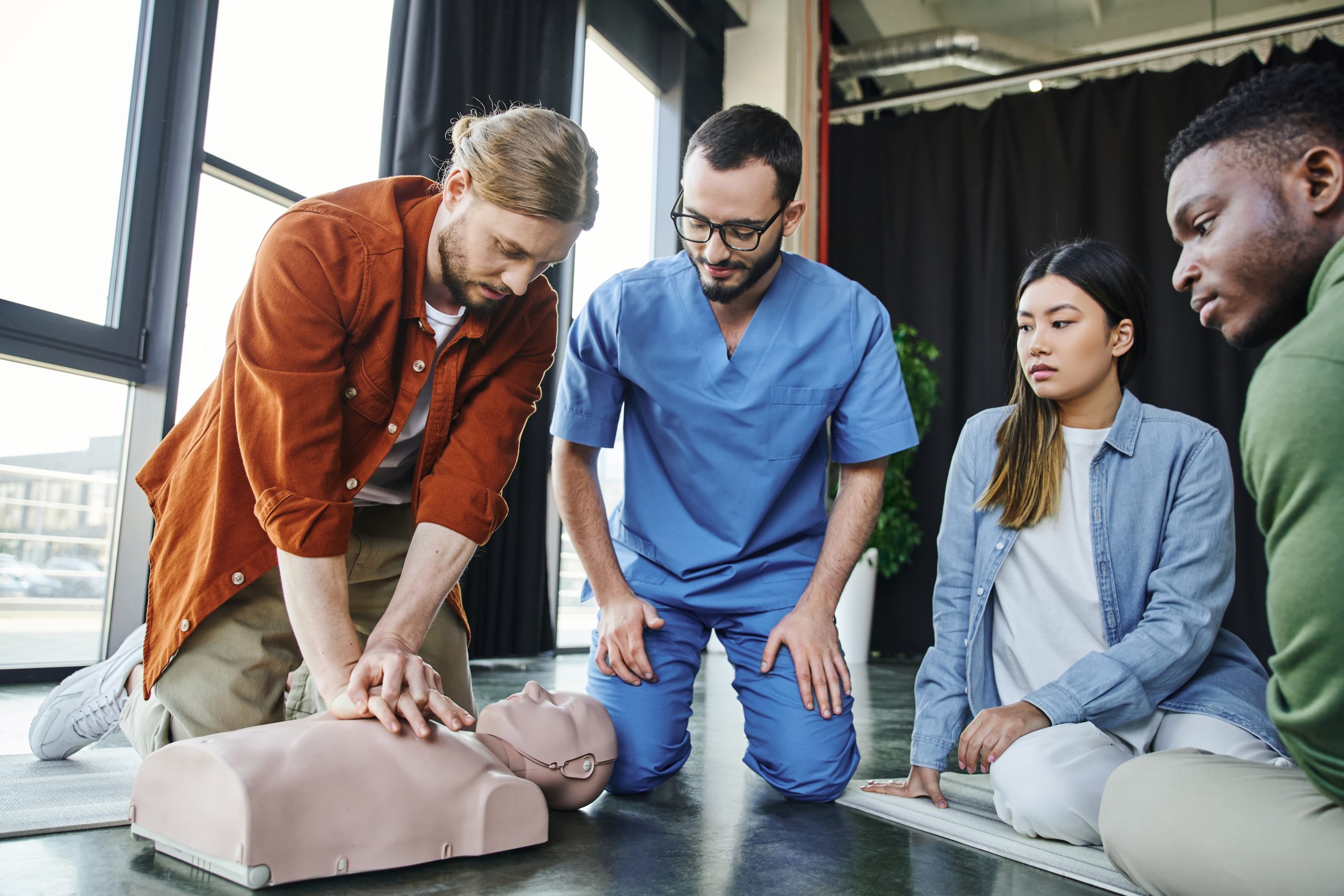
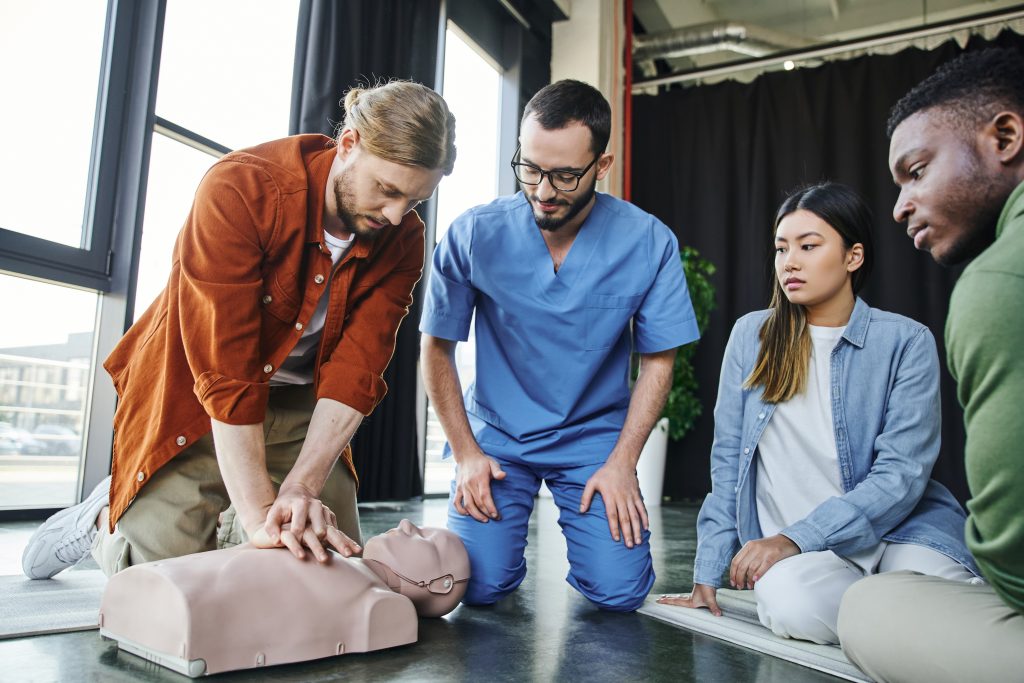
Classes typically include a combination of lectures, videos, and practical exercises on mannequins.

Obtaining Your CPR Certification

At the end of the class, you may need to pass a practical and written exam to receive your CPR certification. This certification is valid for a specific period, usually two years, after which you must take a refresher course to maintain your skills and certification.

The Role of AEDs in Cardiac Emergencies

Automated External Defibrillators (AEDs) are devices that can help restore a normal heart rhythm in cases of sudden cardiac arrest. These devices are often found in public spaces and are designed to be used by laypersons with minimal training. CPR classes include instructions on how to use an AED, further enhancing your ability to assist in emergencies.

The Role of AEDs in Cardiac Emergencies

Myths and Misconceptions About CPR

CPR is Only for Medical Professionals

This is a common misconception. CPR is a skill that anyone can learn and perform. In fact, having more people trained in CPR increases the likelihood of someone being able to respond effectively in an emergency.

Fear of Doing Harm

Many people hesitate to perform CPR for fear of causing harm. However, doing something is almost always better than doing nothing. Bystander CPR can significantly increase survival rates, and Good Samaritan laws protect those who provide emergency assistance.

Complicated Techniques

CPR techniques have been simplified over the years to make them more accessible. Current guidelines focus on “hands-only” CPR for laypersons, emphasizing chest compressions without the need for rescue breaths.

The Importance of Regular CPR Refresher Courses

While learning CPR is a crucial step, skills can fade over time. Regular refresher courses ensure that you remain confident and capable of performing CPR when needed. These courses often take less time than the initial certification, focusing on practice and updates to guidelines.

Encouraging CPR Training in Your Community

The more people who are trained in CPR, the safer our communities become. Encourage your family, friends, and colleagues to take CPR classes. Advocate for CPR training programs in schools and workplaces to create a network of prepared individuals ready to respond in emergencies.

Conclusion: Take the Step to Learn CPR

CPR training is a vital skill that empowers individuals to save lives. With classes readily available and easy to complete, there’s no reason to delay. By learning CPR, you not only equip yourself with the ability to make a difference but also contribute to a safer, more prepared community. Take the step today—sign up for a CPR class and become a life-saving resource for those around you.

Contact CPR Classes Near You for CPR and First Aid Training

Ready to take the next step in becoming a life-saving resource? Don’t wait any longer! Contact CPR Classes Near Me today to find CPR and First Aid classes in your area. Equip yourself with the skills and confidence to respond effectively in emergencies. Sign up now and make a difference in your community!

AHA BLS CPR & AED Classes

Starting at $59.95
American Heart Association BLS CPR & AED Certification 
Our CPR Trainers are American Heart Association Certified. We teach the best CPR Classes and deliver your certification eCard the same day. Get your AHA BLS CPR Certification and save now!

FAQ

Our primary goal is to ensure that you receive a top-quality CPR/First Aid certification. With our in-person training in Austin, you can learn CPR and BLS in just one class. Your presence is all that’s needed to continue with your lesson! During your session, you will complete all the live-training components necessary to ensure you receive your AHA Healthcare Provider certification card.

Our CPR Classes in Austin are discounted to $59.95 (saving you $20), and our CPR + First Aid Class is offered at $79.95 (also saving you $20). When looking for CPR Classes, ensure to check for the American Heart Association seal. Other sites might seem cheaper but frequently lack the official training credentials demanded by employers.

Upon successful completion of the course, you will obtain a CPR certification that is valid for two years. The AHA CPR certification is recognized with the highest acceptance rate among employers nationwide.

Indeed! Enroll in any CPR Certification Austin BLS course to extend your certification for an additional two years. The in-person BLS course and the Renewal Class are identical.

Anyone capable of completing the course independently should consider pursuing CPR training and CPR Certification. There is no minimum age restriction for obtaining a CPR certification in Austin through the American Heart Association (AHA)..

CPR training needs to be carried out in person to guarantee its effectiveness. Our experienced instructors offer an engaging and dynamic learning experience. Typically, employers do not recognize CPR certifications that are obtained solely through online courses.

All authorized American Heart Association training centers are obligated to display the entire video. After a three-hour session with CPR Classes Near Me Austin, your BLS CPR eCard will be promptly issued by the instructor on the same day!