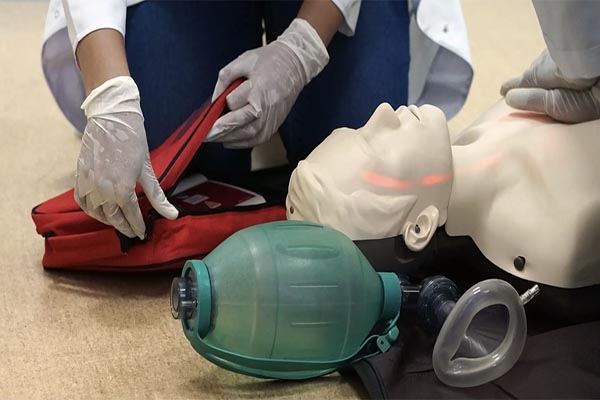
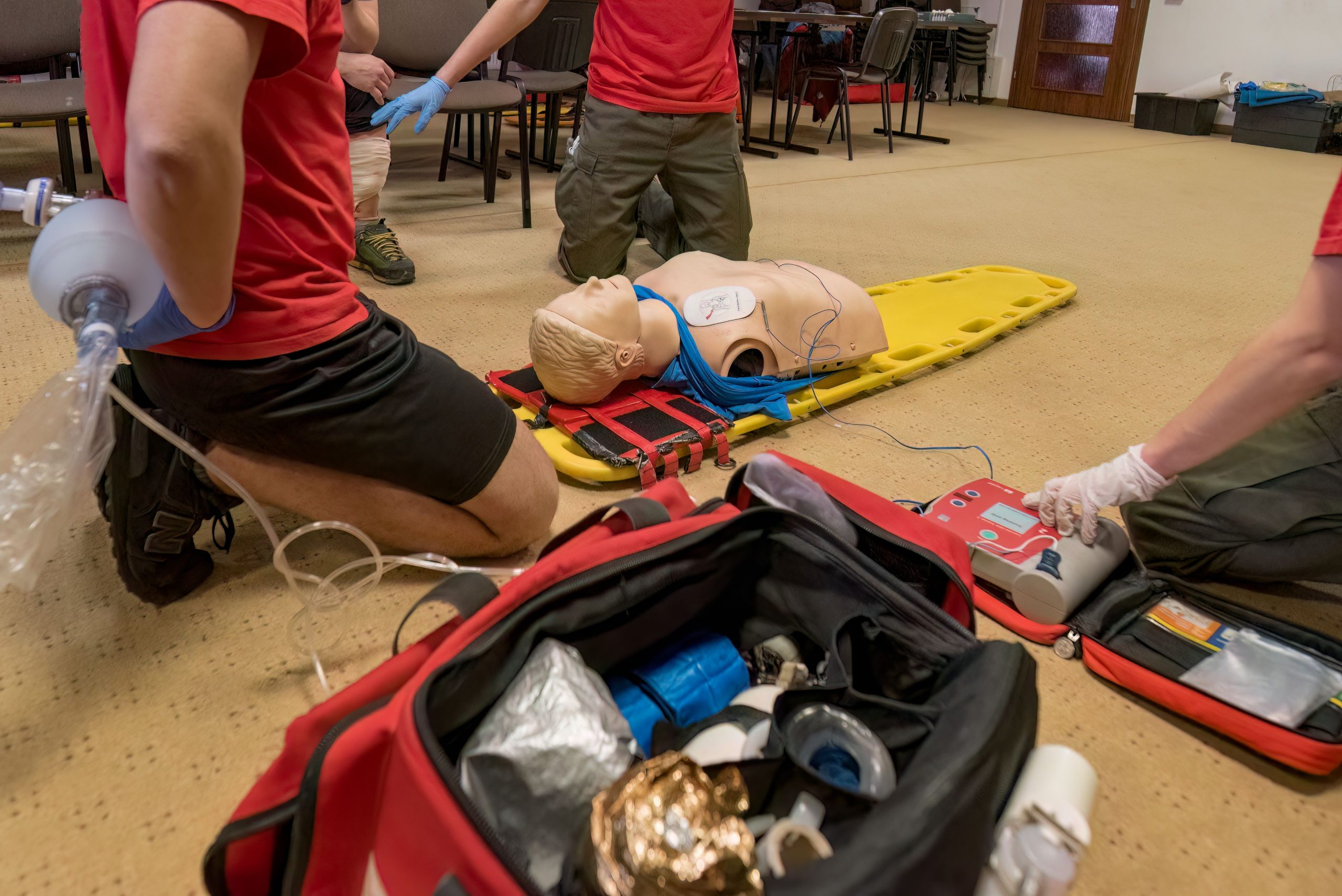
Safeguarding Little Lives: Essential First Aid for Austin’s Educators
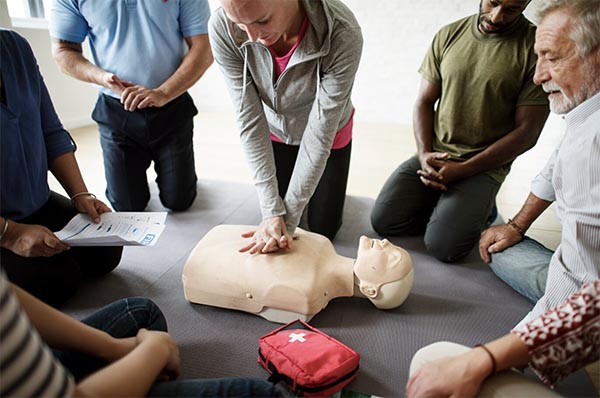
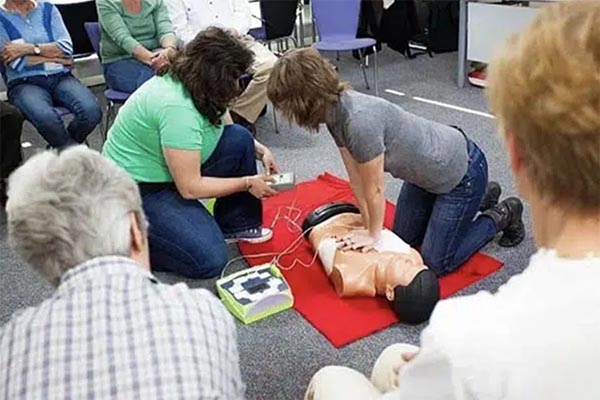
Group learning CPR with hands-on chest compressions on a training manikin.

In the bustling classrooms and playful daycare centers of Austin, Texas, teachers and care providers are the front-line heroes of childhood. Every day, you guide, inspire, and protect the next generation. While lessons on mathematics and art are essential, the most important knowledge you can possess may be the kind that saves a life. Being a first responder for a child in distress isn’t just a job requirement; it’s a profound responsibility.

This guide is designed to empower you with the knowledge and confidence to handle common emergencies. It goes beyond the basics to cover the specific first aid skills every teacher and daycare provider in Austin should know. Our goal is to ensure you are fully prepared to act swiftly and effectively when it matters most, creating a safer environment for every child under your care.

Why First Aid Is Non-Negotiable for Austin’s Educators

Accidents don’t send out a calendar invite. They can happen in the blink of an eye, from a scraped knee on the playground to a more serious allergic reaction. For a child, a few seconds can make all the difference. As the primary adults on the scene, your ability to provide immediate and appropriate care is critical. Your quick actions can prevent a minor incident from escalating or, in some cases, bridge the vital gap until professional medical help arrives.

The environment of a school or daycare presents unique challenges. Children are naturally curious and energetic, which can lead to falls, cuts, and minor injuries. They are also more susceptible to certain illnesses and reactions. Knowing how to differentiate between a simple bump and a more serious head injury, or recognizing the signs of an anaphylactic shock, is the foundation of a safe learning environment.
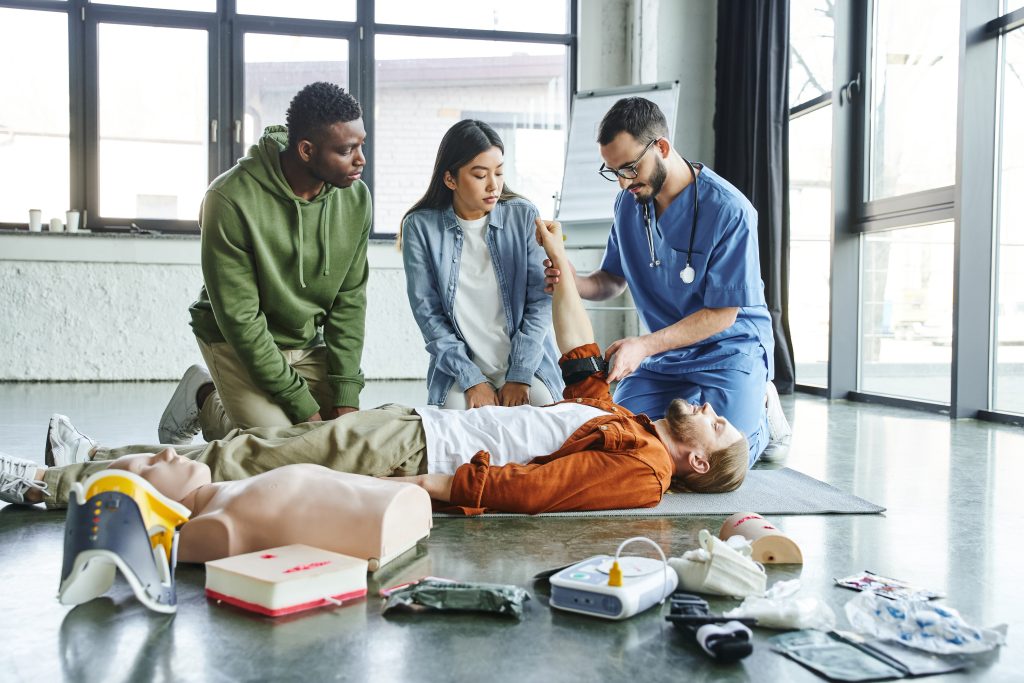
Safeguarding Little Lives: Essential First Aid for Austin's Educators

The Cornerstone Skill: Pediatric CPR and Choking Response

Without a doubt, the most crucial life-saving skill for anyone working with children is CPR, or Cardiopulmonary Resuscitation. Pediatric CPR is different from adult CPR, requiring specific techniques tailored to the size and physiology of a child or infant. Learning to perform chest compressions and rescue breaths on a small body is a skill that could be the difference between life and death.

Choking is another major concern in any setting with young children. From a small toy part to a piece of food, a blocked airway is a life-threatening emergency. Knowing how to perform back blows and abdominal thrusts (Heimlich maneuver) on a child or infant is an essential skill that must be practiced and mastered. Timely intervention can clear the obstruction and allow the child to breathe again, often before paramedics can even arrive on the scene.

Recognizing and Managing Allergic Reactions

Food allergies and insect sting allergies are increasingly common. An allergic reaction, especially anaphylaxis, can be a rapid and severe medical emergency. For educators, the ability to recognize the early signs—such as hives, swelling, difficulty breathing, or a sudden drop in blood pressure—is paramount.

Knowing when and how to administer an epinephrine auto-injector (like an EpiPen) is a life-saving skill. You must be trained to use this device correctly and confidently. A delay in giving epinephrine can have severe consequences. Being prepared to act on a child’s emergency plan and calmly follow the steps is a true measure of preparedness.

First Aid for Common Playground Injuries

Playgrounds are a hub of fun, but also a common source of injuries. A fall can result in a sprained ankle, a broken bone, or a head injury. Teachers and daycare providers should be proficient in basic wound care and the initial management of fractures.

For cuts and scrapes, knowing how to clean the wound, apply pressure to stop bleeding, and bandage it properly prevents infection. For a suspected fracture, the key is to immobilize the injured limb and seek professional medical attention. Never try to reset a bone. Recognizing the signs of a concussion, such as disorientation, vomiting, or loss of consciousness—is also vital, as these injuries require immediate medical evaluation.

Handling Fevers and Illnesses

Children often come to school or daycare with minor colds, but a sudden fever can be a sign of a more serious illness. Educators should be trained to take a child’s temperature and know the protocol for isolating a sick child to prevent the spread of germs. It’s also important to understand when a fever warrants an immediate call to parents or emergency services.

Beyond fever, other common symptoms like vomiting or severe stomach aches need to be taken seriously. Your role is not to diagnose, but to observe, provide comfort, and initiate the communication chain to ensure the child receives the necessary care from their parents or a healthcare professional.

Emergency Preparedness and Communication

First aid skills are only one part of a comprehensive safety plan. Every school and daycare in Austin should have clear, well-rehearsed emergency protocols. This includes knowing the location of the first aid kit, having up-to-date contact information for every child’s parents, and knowing who to call in a medical emergency.

Practicing emergency drills, including scenarios for choking or allergic reactions, can help reduce panic and ensure that everyone knows their role. Clear, calm communication with other staff members and emergency responders is also key. Your ability to provide an accurate and concise description of the situation will help first responders prepare and act more effectively upon arrival.
The Importance of Certification and Ongoing Training

The Importance of Certification and Ongoing Training

First aid is not a “set it and forget it” skill. Like any life-saving procedure, it requires regular practice and recertification. Guidelines for CPR and first aid can change as new research emerges. Staying current with your training ensures you are using the most effective and up-to-date techniques.

For teachers and daycare providers in Austin, TX, a formal certification course provides the hands-on practice and expert instruction needed to feel truly prepared. These courses cover everything from basic CPR and first aid to more advanced pediatric-specific emergencies. They provide a safe environment to practice and ask questions, building the confidence you need to act decisively in a real-life situation.

Conclusion

The safety of children is a shared responsibility, and as an educator, you are a vital link in that chain. Possessing strong first aid skills and a valid CPR certification is more than a professional requirement; it is a commitment to the well-being of the children who look to you for guidance and protection. By investing in your training, you are not just preparing for an emergency, you are creating a secure and nurturing environment where every child can thrive.

Be the hero in the classroom. Don’t wait for an accident to happen. Take the proactive step to get certified. To learn more about getting your CPR and first aid certification, or to schedule a class, please contact CPR Classes Near Me in Austin, TX. Your preparedness today can save a life tomorrow.

FAQs About First Aid for Austin’s Educators

1. Why is pediatric CPR different from adult CPR?

Pediatric CPR is different because children’s bodies are smaller and their physiological needs vary. Most cardiac arrests in children are a result of a breathing problem (e.g., choking or respiratory illness), while in adults, they are typically caused by a cardiac event. This difference means the CPR protocol for children places a greater emphasis on rescue breaths in addition to chest compressions. The depth of compressions and the rate also vary to prevent injury to the child’s smaller frame.

2. How often do I need to renew my CPR and First Aid certification?

Most professional CPR and First Aid certifications, especially those recognized by organizations like the American Heart Association (AHA) and the American Red Cross, require renewal every two years. This two-year cycle ensures that your skills remain sharp and that you are up-to-date on any new guidelines or techniques. Some employers may require more frequent training or refreshers, so always check with your school or daycare’s specific policies.

3. What should I do if a child is choking but can still cough?

If a child is choking but can still cough, it means their airway is only partially blocked. In this situation, you should encourage the child to continue coughing. Do not perform back blows or abdominal thrusts (the Heimlich maneuver) if they are still able to breathe and cough. These maneuvers could potentially dislodge the object and cause it to become completely stuck, fully blocking the airway. Stay with the child, keep them calm, and be prepared to act if their condition worsens and they become unable to cough or breathe.

4. What are the signs of a severe allergic reaction (anaphylaxis)?

Anaphylaxis is a severe, life-threatening allergic reaction. The signs can appear quickly and include hives, swelling of the face, tongue, or throat, difficulty breathing, wheezing, a rapid or weak pulse, a sudden drop in blood pressure, and dizziness or fainting. A child may also complain of a feeling of “doom” or a feeling that something is wrong. Anaphylaxis requires immediate medical attention and the administration of an epinephrine auto-injector as soon as possible.

5. How do I choose the right first aid and CPR class for teachers and daycare providers?

Look for a class that is specifically designed for pediatric first aid and CPR. The class should be taught by certified instructors and should cover skills like infant and child CPR, choking relief, and managing common childhood emergencies like allergic reactions, fevers, and injuries. A good class will offer hands-on practice with manikins and provide scenarios relevant to a school or daycare environment. Be sure the certification you receive is nationally recognized and accepted by your employer or state regulations in Austin, TX.
Austin ER: Critical Team Dynamics in Resuscitation

In the high-stakes world of an emergency room, every second counts. A patient in cardiac arrest presents the ultimate test for an ER team. It’s a symphony of chaos, where precision and speed are the difference between life and death. While individual skills, like CPR certification, are the foundation, it’s the way the team works together that ultimately determines success. For emergency medical professionals in Austin, Texas, understanding and mastering team dynamics in resuscitation isn’t just a best practice; it’s a critical lifeline.

The emergency room is not a place for solo heroes. It’s a complex environment where multiple healthcare professionals, each with specialized knowledge and skills, must operate as a single, cohesive unit. When a code is called, the room can fill with doctors, nurses, respiratory therapists, and technicians. If each person acts on their own, the result is disarray. But when they function as a well-oiled machine, their collective power is magnified, and the patient has a fighting chance. This is the power of team dynamics in resuscitation.

The Role of a Strong Leader

Every successful team needs a clear leader. In a resuscitation scenario, this person is often the most senior physician or a designated team leader. Their role isn’t to do everything themselves but to direct the flow of action. A strong leader provides a clear voice, assigns specific roles, and keeps the team on track. They are the conductor of the orchestra, ensuring each instrument plays its part at the right time. Without a single, guiding authority, confusion can set in, leading to delays and missed steps. The leader’s ability to remain calm and decisive under pressure is contagious and helps stabilize the entire team.

Austin ER: Critical Team Dynamics in Resuscitation

Clear Communication is Non-Negotiable

In an emergency, ambiguity is the enemy. Every instruction must be direct, clear, and acknowledged. Using a closed-loop communication system is essential. The leader gives an order, for example, “Administer 1 milligram of epinephrine now.” The person receiving the order repeats it back, “One milligram of epinephrine now, acknowledged.” Then, upon completion, they report back, “Epinephrine administered.” This simple yet powerful method ensures that every instruction is heard, understood, and executed. It prevents confusion and eliminates the potential for a critical step to be missed. In a loud and chaotic ER, clear communication cuts through the noise and keeps the team synchronized.

Defining Roles and Responsibilities

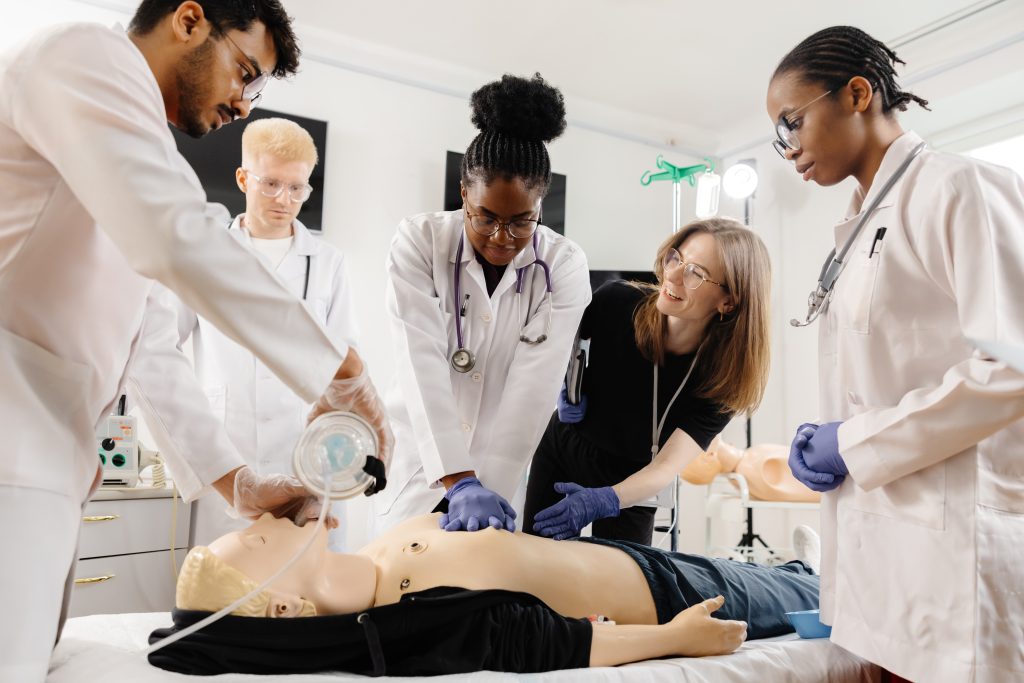
Before a resuscitation event even begins, every member of the ER team should know their role. The designated compressor, the person responsible for administering medications, the airway manager, and the recorder—each has a specific job. In Austin, many ERs have protocols that pre-assign these roles. This eliminates the need for a debate or a period of uncertainty when a patient codes. When everyone understands their function, they can focus on their specific task with confidence and precision. This division of labor allows the team to perform multiple life-saving actions simultaneously, which is crucial when time is of the essence.

Mutual Trust and Respect

High-performing teams are built on a foundation of trust. Each member must trust that their colleagues are competent and will perform their duties correctly. A nurse must trust the doctor’s judgment, and the doctor must trust the paramedic’s report. This mutual respect and confidence allow the team to work seamlessly without second-guessing each other. It also fosters an environment where team members feel comfortable speaking up if they notice an error or have a concern. This psychological safety is vital in preventing mistakes and ensuring the best possible outcome for the patient.

The Importance of Practice and Training

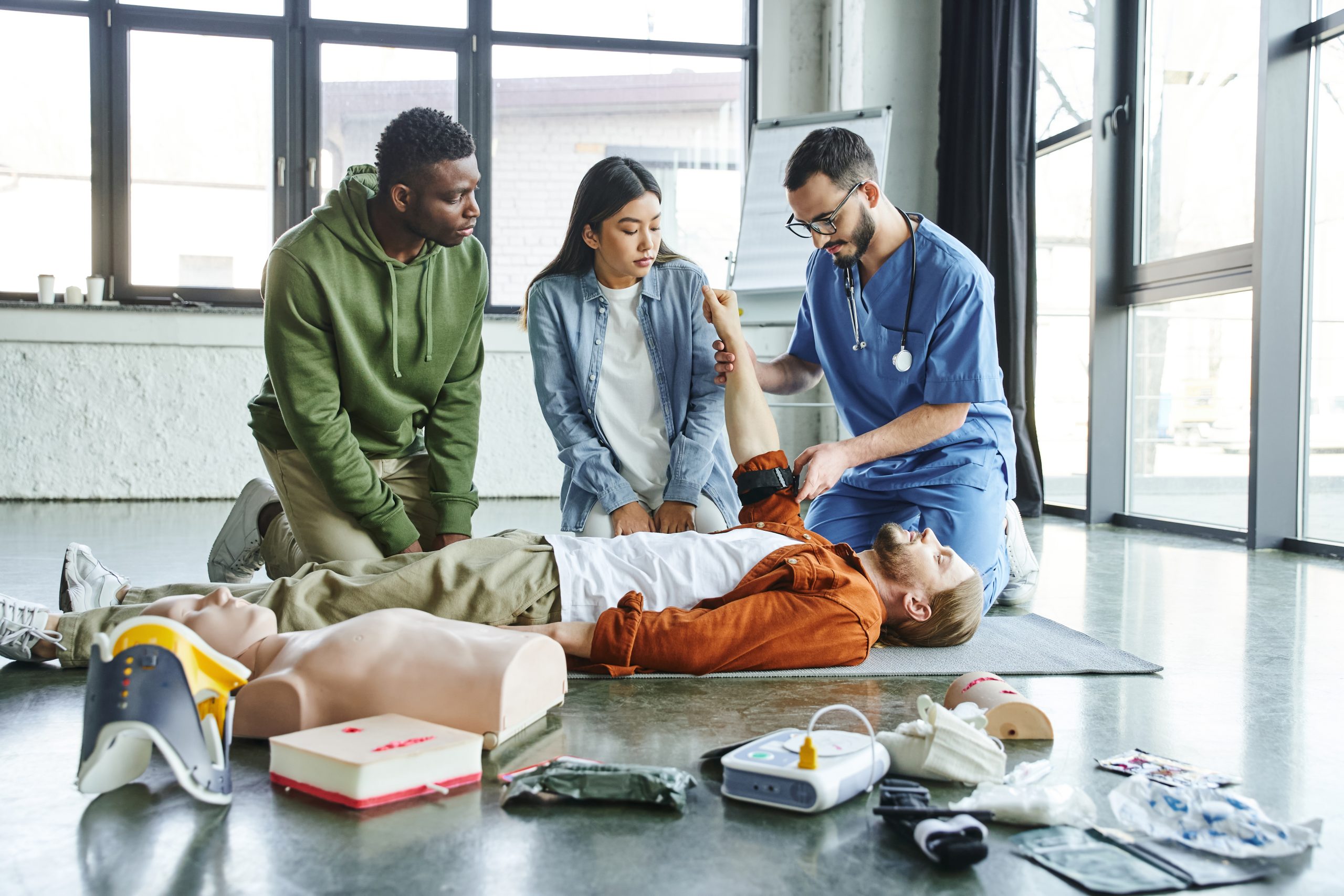
Mastering team dynamics is not something that happens by chance. It requires constant practice. Regular training sessions, including mock codes and simulations, are invaluable for Austin ER teams. These drills allow the team to practice their roles, refine their communication, and identify areas for improvement in a low-stakes environment. Simulating a full resuscitation from start to finish helps embed the protocols and ensures that the team’s response is a well-rehearsed reflex rather than a series of uncoordinated actions. This training also helps new team members integrate smoothly and understand the established dynamic.

CPR Certification as the Baseline

While team dynamics are the ultimate measure of a team’s effectiveness, individual skills remain paramount. Every member of the resuscitation team must be proficient in their basic life support skills, starting with CPR. A CPR certification is more than just a piece of paper; it’s proof that a person understands the foundational mechanics of chest compressions and ventilation. This individual competency is the building block upon which the entire team’s performance rests. Without it, even the best team dynamics cannot compensate for a lack of basic life-saving skills.

Managing Stress and Emotion

Resuscitation events are incredibly stressful. The combination of life-or-death stakes, a rapidly deteriorating patient, and the need for flawless execution can be emotionally and physically taxing. Effective team dynamics include a mechanism for managing this stress. Leaders who remain calm and composed help keep the team grounded. The ability to debrief after an event is also critical. Discussing what went well and what could be improved helps the team process the experience, learn from it, and prepare for the next time. This post-event reflection is just as important as the event itself for long-term team cohesion and performance.

Why This Matters in Austin, TX

Why This Matters in Austin, TX

Austin is a rapidly growing city with a diverse and bustling population. Its emergency rooms handle a wide array of cases, from major trauma to cardiac events. The demand on healthcare professionals is immense. This makes the need for optimal team dynamics even more critical. A well-coordinated ER team in Austin can handle the high patient volume and complexity of cases with greater efficiency and success. It ensures that every resident, visitor, or student who needs emergency care receives the highest standard of treatment possible.

Conclusion

Effective team dynamics in resuscitation are the invisible force that binds an ER team together. It’s the silent hero that works in the background, ensuring that a group of highly skilled individuals can act as one unified force. For ER teams in Austin, TX, this isn’t a luxury; it’s a necessity. From clear leadership and communication to defined roles and continuous training, every element of team dynamics plays a vital role in saving lives. While a CPR certification provides the foundational skills, it is the mastery of teamwork that transforms a chaotic moment into a life-saving mission.

To prepare for these high-stakes scenarios, medical professionals must prioritize ongoing training. If you are a healthcare professional in Austin, TX, or are looking to get into the field, you understand the importance of being fully prepared.

To learn more about how CPR and advanced life support training can enhance your individual skills and contribute to better team performance, please contact CPR Classes Near Me in Austin, TX today to schedule your certification.

FAQ Section

Q: What is the most critical element of team dynamics during a resuscitation?

A: While all elements are important, clear and concise communication is often considered the most critical. It prevents errors, ensures every step is executed correctly, and keeps the entire team synchronized, even in a chaotic environment.

Q: How does CPR certification contribute to team dynamics?

A: CPR certification provides the fundamental skills that are the building blocks of an effective team. When every individual on the team is proficient in basic life support, the team can focus on higher-level coordination and communication without worrying about the foundational skills.

Q: What is “closed-loop communication”?

A: Closed-loop communication is a system used to ensure that a message is not only received but also understood and acted upon. The process involves a sender giving a clear order, the receiver repeating the order back, and then the receiver reporting back when the action is completed. This method minimizes misunderstandings and confirms that a critical task has been performed.

Q: Why are mock codes and simulations important for ER teams?

A: Mock codes and simulations are crucial because they allow ER teams to practice their roles, communication, and overall coordination in a controlled, low-stakes environment. This rehearsal helps embed the protocols and turn the team’s response into a well-rehearsed reflex, improving performance and reducing errors during an actual resuscitation.

Q: How does a leader’s attitude affect the resuscitation team?

A: A leader’s attitude can significantly impact the team’s performance. A calm, decisive, and confident leader can help keep the team grounded and focused under immense pressure. Their demeanor can be contagious, stabilizing the entire team and ensuring a more organized and efficient response. Conversely, a stressed or panicked leader can create confusion and disarray.

Q: Why is it important for medical professionals to have CPR certification in Austin, TX?

A: Austin’s growing population and bustling environment mean that emergency services and hospitals are under constant demand. Having a CPR certification is a baseline requirement for medical professionals to ensure they can provide immediate life-saving care. This individual skill is a prerequisite for contributing effectively to a high-performing resuscitation team, which is vital for providing the best possible patient care in the city.

The Ultimate Guide to BLS Certification in Austin

For nurses and medical staff, certain certifications aren’t just a good idea; they are a fundamental part of the job. Among the most critical is Basic Life Support (BLS). This certification is the foundation of emergency care, equipping healthcare professionals with the skills to respond to life-threatening situations. For those working in the dynamic healthcare environment of Austin, Texas, having an up-to-date BLS certification is not just a standard, it’s a necessity.

This comprehensive guide is designed specifically for healthcare professionals in Austin, from seasoned nurses to new medical assistants. We will explore what BLS certification entails, why it’s so important for your career, and how you can easily get certified or recertified right here in the heart of Texas. Our goal is to provide a complete resource that addresses all your questions, making the path to certification as clear as possible.

What is BLS Certification?

BLS stands for Basic Life Support. It is a standardized, often mandatory, training program for healthcare providers. Unlike general CPR courses, BLS training is specifically tailored to the unique environment of hospitals, clinics, and other medical settings. The curriculum covers a range of critical skills and knowledge points essential for saving lives.

The core of BLS training focuses on managing life-threatening medical emergencies. This includes everything from providing effective chest compressions and rescue breaths to using an automated external defibrillator (AED). It also covers how to recognize and respond to choking incidents. The skills taught in a BLS course are designed to be immediately applicable in a professional medical context.

The Ultimate Guide to BLS Certification in Austin

Why is BLS Certification Essential for Nurses and Medical Staff in Austin?

In the fast-paced world of healthcare, every second counts. BLS certification ensures that you are prepared to act decisively and effectively when a patient’s life is on the line. For healthcare professionals in Austin’s bustling medical community, this preparedness is non-negotiable.

Here are a few key reasons why this certification is so vital:

  • It’s a Professional Requirement: Most hospitals, clinics, and long-term care facilities in Austin require all clinical staff to hold a current BLS certification. It’s often a prerequisite for employment and a condition for maintaining your license or credentials.
  • Saves Lives: This is the most important reason. BLS skills are directly responsible for improving patient outcomes during cardiac arrest, respiratory failure, or other sudden medical crises. Your ability to perform high-quality CPR and use an AED can make the difference between life and death.
  • Team Cohesion and Protocol: BLS training provides a common framework for emergency response. When a team of healthcare professionals is all certified, they can work together seamlessly and efficiently, following established protocols to provide the best possible care. This is especially crucial in a busy emergency room or a critical care unit.
  • Maintains Professional Competence: Healthcare is an ever-evolving field. Regular BLS recertification ensures that your skills are sharp and that you are up-to-date on the latest guidelines and best practices. It’s a commitment to ongoing professional development.

The Key Components of a BLS Course

A typical BLS course is a hands-on, interactive experience. It’s not just about memorizing facts; it’s about developing muscle memory and confidence. Here is a breakdown of what you can expect to learn:

  • High-Quality CPR: You will be trained in the techniques for performing effective CPR on adults, children, and infants. This includes proper hand placement, compression depth, and rate. You will also learn about the importance of minimizing interruptions during chest compressions.
  • Using an AED: You will gain practical experience in operating an automated external defibrillator. This includes learning how to attach the pads, interpret the device’s prompts, and safely deliver a shock when advised.
  • Choking Relief: The course covers how to recognize and manage choking in conscious and unconscious victims of all ages. You will learn the correct abdominal thrusts for adults and the back blows for infants.
  • Two-Rescuer Scenarios: BLS training emphasizes the importance of teamwork. You will practice scenarios involving two or more rescuers, learning how to coordinate your efforts for maximum efficiency.
  • Bag-Mask Ventilations: Healthcare professionals often use a bag-mask device to provide rescue breaths. The course provides instruction on how to use this equipment effectively.

The Certification and Renewal Process in Austin

Getting your BLS certification is a straightforward process, and with the right provider, it can be a flexible and convenient experience. Most certifications are valid for two years. This two-year cycle ensures that healthcare providers regularly review and practice their skills, keeping them current with the latest guidelines.

When it’s time to renew, the process is similar to the initial certification. You can take a full course or a shorter recertification class, which is designed for those who have a current or recently expired BLS card. The recertification course quickly reviews the key concepts and focuses on a hands-on skills test to confirm proficiency.

Choosing a provider that offers convenient class schedules and a location near you is key. Look for a training center that has experienced instructors and provides plenty of hands-on practice opportunities. This ensures you’re not just getting a card, but genuinely mastering the life-saving skills.

Why Hands-On Training Matters

While online courses can be a great way to learn the cognitive portion of BLS, hands-on skills practice is absolutely non-negotiable. In a medical emergency, you don’t have time to think about the steps; you need to react. This requires muscle memory and confidence.

A quality BLS class will use manikins and practice AEDs to simulate real-life scenarios. You will receive immediate feedback from the instructor on your technique. This practical application is what truly prepares you to respond effectively under pressure. It’s the difference between knowing what to do and being able to do it flawlessly when it matters most.

The Role of BLS in Different Medical Roles

BLS is not a one-size-fits-all skill, and its application can vary slightly depending on your role within the healthcare system. Here’s a look at how different professionals utilize their BLS skills:

  • Registered Nurses (RNs) and Licensed Vocational Nurses (LVNs): RNs and LVNs are often the first to recognize a patient’s change in condition. Their BLS skills are crucial for initiating the emergency response, performing CPR, and using an AED while waiting for advanced medical teams to arrive. They are typically the leaders in these initial moments.
  • Medical Assistants: MAs working in clinics or doctor’s offices are on the front lines of patient care. A patient could suffer a sudden cardiac event during a routine check-up. An MA with a current BLS certification can immediately start life-saving interventions, a critical part of their role.
  • Paramedics and EMTs: While these professionals have more advanced training, BLS is the foundation of their skill set. It is the bedrock upon which all other emergency care is built. A strong BLS foundation ensures they can perform the basic life-saving measures efficiently and effectively.
  • Phlebotomists and Other Medical Staff: Even in roles that may not seem directly related to emergency care, having a BLS certification is a smart career move. Any medical professional who interacts with patients should be prepared to handle a sudden emergency.
BLS for Austin’s Medical Community

BLS for Austin’s Medical Community

Austin, Texas, is home to a thriving and expanding healthcare sector. With major medical centers, specialty clinics, and a growing population, the demand for skilled and certified healthcare professionals is higher than ever. Hospitals like St. David’s Medical Center and Dell Seton Medical Center rely on their staff to be well-versed in BLS protocols.

Choosing a local Austin provider for your BLS certification means you’ll be learning from instructors who understand the local medical landscape and the specific needs of the community. It also makes recertification convenient, allowing you to easily book a class that fits your busy schedule without having to travel far.

Conclusion

BLS certification is more than just a piece of paper; it’s a vital credential that signifies your readiness to handle medical emergencies. For nurses and medical staff in Austin, TX, it’s an indispensable part of your professional toolkit. It ensures you have the skills and confidence to provide immediate, life-saving care when every second counts.

Taking the time to get certified or recertified is an investment in your career and, most importantly, in the well-being of your patients. Don’t wait until your certification expires. Prepare yourself for any situation and ensure you can respond with competence and calm.

Ready to take the next step in your professional journey? Contact CPR Classes Near Me today to book your BLS certification course. We offer flexible schedules and expert-led training right here in Austin, making it easy to get the skills you need to save lives.

FAQs About BLS Certification in Austin, TX

Q: What is the difference between CPR and BLS certification?

A: CPR (Cardiopulmonary Resuscitation) is a skill set focused on providing chest compressions and rescue breaths to someone in cardiac arrest. BLS (Basic Life Support) is a more comprehensive certification specifically designed for healthcare professionals. It includes CPR but also covers a broader range of topics, such as two-rescuer team dynamics, bag-mask ventilations, and the use of an AED in a professional setting. The BLS course is tailored to the specific needs and protocols of the healthcare environment.

Q: How long is a BLS certification valid?

A: A BLS certification is valid for two years from the date of completion. After two years, you must take a recertification course to renew your credentials. This regular renewal process ensures that your skills remain current and you are up-to-date with the latest emergency care guidelines.

Q: Is BLS certification required for all medical staff?

A: While specific requirements can vary by facility and role, BLS certification is a standard requirement for most clinical staff who provide direct patient care. This includes nurses, doctors, medical assistants, paramedics, and many others. It is often a condition of employment and a prerequisite for licensing in many healthcare fields.

Q: Can I get my BLS certification online?

A: Many providers offer a blended learning format where you can complete the cognitive, or knowledge-based, portion of the course online. However, a hands-on skills session with a certified instructor is a mandatory component for obtaining a full BLS certification. You must demonstrate your proficiency in skills like chest compressions and AED use in person.

Q: Where can I find a BLS class in Austin, TX?

A: You can easily find a BLS class in Austin, TX by searching for local training providers. Look for a company that offers flexible scheduling and a location that is convenient for you. Contact CPR Classes Near Me to get started.