The Essential Guide to BLS Certification for Nurses and Medical Staff

For nurses, doctors, paramedics, and all members of a medical team, a medical emergency is not a theoretical scenario, it’s a daily possibility. When seconds count, your ability to act decisively and correctly can mean the difference between life and death. This is why Basic Life Support (BLS) certification is not just a requirement; it is a fundamental, non-negotiable part of your professional toolkit.

BLS certification provides the foundational skills needed to respond to life-threatening emergencies. It equips healthcare professionals with the knowledge to perform CPR, use an Automated External Defibrillator (AED), and manage choking in a variety of settings. This guide is designed to walk you through everything you need to know about BLS certification, from its core components to why it is so critically important for your career and, most importantly, for your patients.

What is BLS Certification?

BLS stands for Basic Life Support. It is a level of medical care used for victims of life-threatening illnesses or injuries until they can be given full medical care at a hospital. The BLS certification course is a standardized training program that covers a range of emergency skills.

The certification focuses on maintaining circulation and breathing for a patient who has stopped breathing or whose heart has stopped. It is the cornerstone of emergency care and is required for virtually all healthcare professionals. While other certifications, such as Advanced Cardiovascular Life Support (ACLS), build on these skills, BLS is the essential starting point for everyone on the medical team.

The Essential Guide to BLS Certification for Nurses and Medical Staff
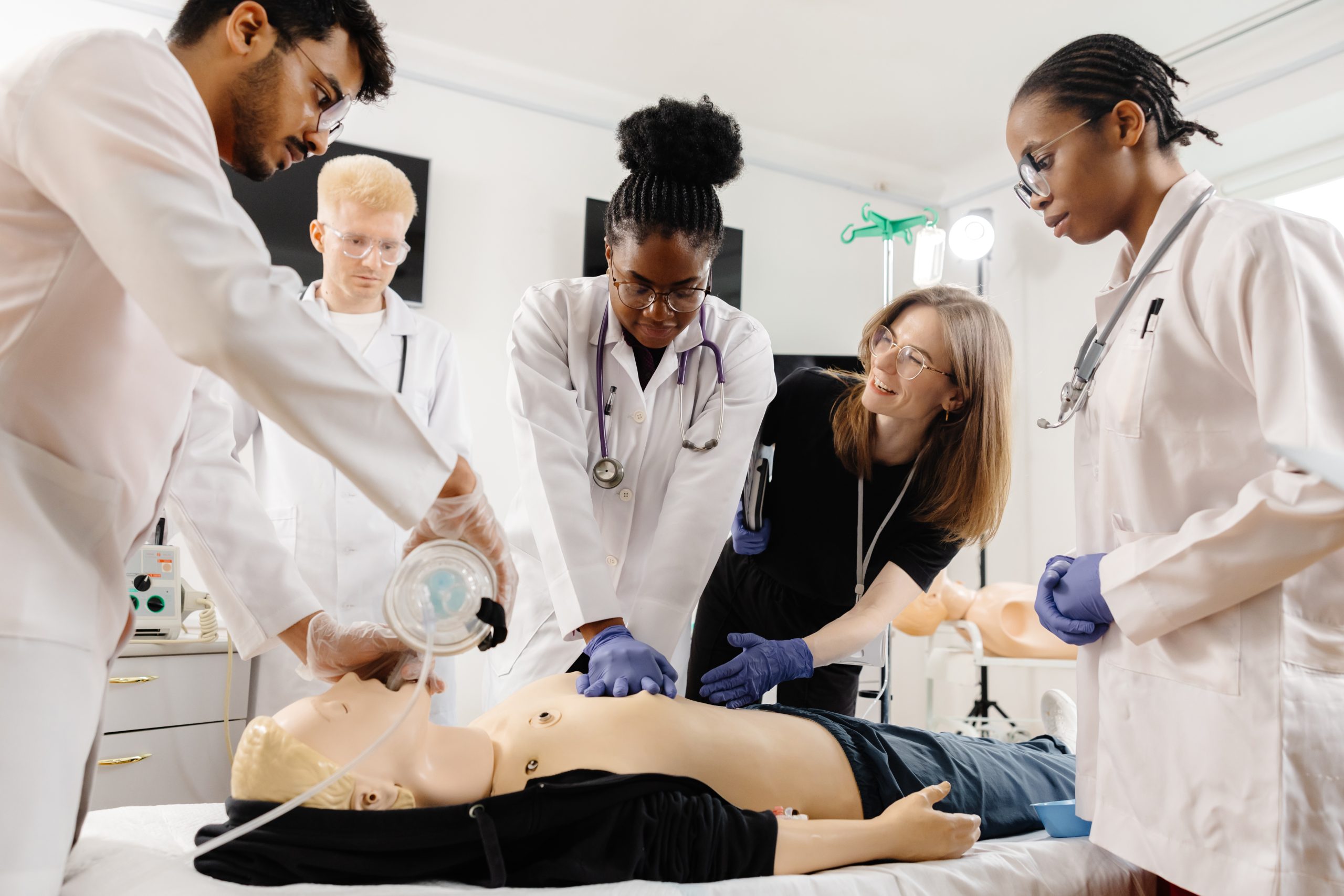
The Core Components of BLS Training

BLS training is comprehensive and hands-on, ensuring that you can perform these critical skills under pressure. The curriculum is typically broken down into several key areas:

  • High-Quality CPR for Adults, Children, and Infants: You will learn the proper techniques for chest compressions and rescue breaths. The emphasis is on “high-quality” CPR, which means delivering compressions at the correct depth and rate with minimal interruptions. This is the single most important factor for improving survival outcomes from cardiac arrest.
  • Use of an Automated External Defibrillator (AED): An AED is a portable device that can deliver an electric shock to the heart. You will learn how to correctly apply the AED pads and follow the device’s prompts to assess and treat a patient. This skill is vital because defibrillation is the most effective treatment for ventricular fibrillation, a common cause of sudden cardiac arrest.
  • Relieving Foreign-Body Airway Obstruction (Choking): This portion of the course teaches you how to recognize and respond to a choking emergency. You will learn the appropriate techniques for adults, children, and infants, which can be different depending on the victim’s age.
  • The Chain of Survival: You will learn about the “Chain of Survival,” a series of five links that, when followed, can improve the chances of survival from cardiac arrest. This includes immediate recognition of the emergency, early CPR, rapid defibrillation, effective advanced life support, and post-cardiac arrest care.
  • Team Dynamics: A crucial part of the course for healthcare professionals is learning how to work effectively as a team during a resuscitation attempt. You will practice communicating clearly, assigning roles, and debriefing after the event to improve future performance. This teamwork is what makes a well-coordinated emergency response possible.

Why BLS Certification is Non-Negotiable for Nurses and Medical Staff

For healthcare professionals, BLS certification is more than a line on a resume; it is a promise to your patients and your colleagues. Here are some of the key reasons why it is absolutely essential:

  1. It’s a Professional Standard: The vast majority of hospitals, clinics, and healthcare facilities require all clinical staff to maintain a current BLS certification. It is a fundamental expectation of the profession. Without it, you may be unable to get hired or maintain your employment in many healthcare settings.
  2. You Are the First Responder: In a medical facility, you are often the first person on the scene when a patient experiences a cardiac arrest or other life-threatening event. Your immediate response, which is guided by your BLS training, is the most critical link in the Chain of Survival. The time between a collapse and the start of CPR is directly correlated with patient outcomes.
  3. Enhances Patient Safety: Having a certified and well-trained staff ensures a safer environment for patients. It means that everyone, from the nurse in the telemetry unit to the doctor in the operating room, knows how to perform basic life-saving measures. This creates a unified and competent response system that benefits every patient under your care.
  4. Boosts Confidence and Competence: Knowing that you possess the skills to handle a crisis instills confidence. This is not only important for your professional demeanor but also for your ability to act quickly and without hesitation in an emergency. The hands-on training in a BLS course prepares you mentally and physically for high-stress situations.
  5. A Stepping Stone for Advanced Training: BLS certification is a prerequisite for advanced courses like ACLS (Advanced Cardiovascular Life Support) and PALS (Pediatric Advanced Life Support). These certifications are often required for nurses and staff working in critical care units, emergency departments, and other specialized areas.

The Recertification Process

BLS certification is not a one-time achievement. The skills and guidelines for resuscitation can change over time based on new scientific evidence. Therefore, you must recertify every two years.

Recertification courses are typically shorter than the initial certification. They focus on reviewing the key concepts, practicing skills, and staying up-to-date with the latest guidelines from organizations like the American Heart Association (AHA). This ensures that your skills remain sharp and that you are always using the most effective techniques.
Preparing for Your BLS Certification Course
Screenshot

Preparing for Your BLS Certification Course

To make the most of your BLS training, here are a few tips to help you prepare:

  • Review the Manual: Most courses provide a manual or an online pre-course work. Take the time to read through this material beforehand. It will help you be more engaged during the practical part of the training.
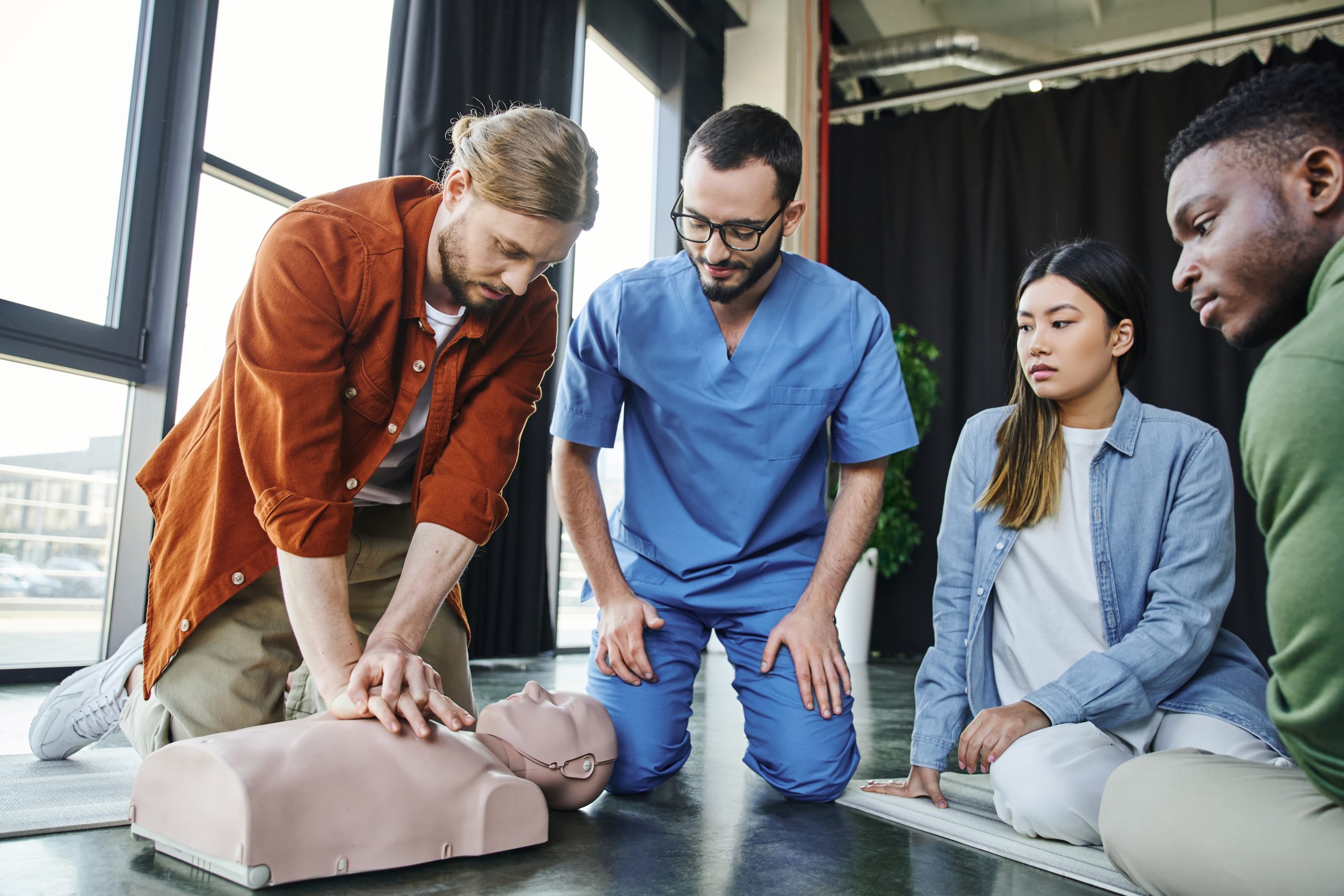
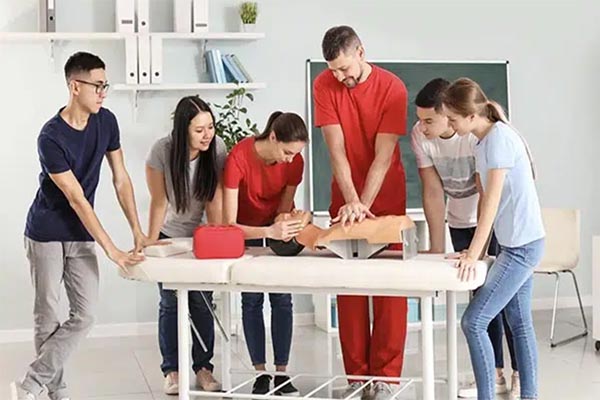
  • Come Prepared to Participate: BLS is a hands-on course. Be ready to get on the floor and practice chest compressions and ventilation skills on manikins.
  • Ask Questions: This is your time to learn and perfect your skills. Don’t hesitate to ask your instructor for clarification or more practice time on a specific skill.

Conclusion

BLS certification is an indispensable part of being a healthcare professional. It is the foundation upon which all other emergency medical skills are built. It provides you with the knowledge and confidence to act decisively in the face of a crisis, ensuring that you can provide the best possible care to your patients when they need it most. By maintaining your certification, you uphold the highest standards of your profession and, most importantly, equip yourself with the power to save a life.

If you are a nurse or medical staff member who needs to get certified or recertified, don’t wait. Find a class that fits your schedule and location.

Contact CPR Classes Near Me today to schedule your BLS certification course and take the next step in your professional development.

FAQs about BLS Certifications

Q: Is BLS the same as CPR?

A: BLS is a broader certification that includes CPR. While CPR (Cardiopulmonary Resuscitation) is a core component of BLS, a BLS certification course also covers other life-saving skills. These include recognizing and responding to a variety of medical emergencies, using an AED, and relieving choking for all ages. CPR is a specific technique, while BLS is a comprehensive program for basic emergency care.

Q: Who needs BLS certification?

A: BLS certification is required for almost all healthcare professionals. This includes, but is not limited to, registered nurses, licensed practical nurses, doctors, paramedics, EMTs, dentists, pharmacists, and medical assistants. It is also often required for students entering healthcare programs and non-medical professionals who are first responders in their workplaces, such as lifeguards and physical therapists.

Q: How long does a BLS certification last?

A: A BLS certification is valid for two years. To maintain certification, you must take a recertification course before your current card expires. This ensures that your skills are current and that you are up-to-date with any new guidelines or best practices.

Q: Can I get my BLS certification online?

A: While many organizations offer a blended learning format where you can complete the cognitive, or “classroom,” portion of the course online, you must complete a hands-on skills session to receive your certification card. The practical skills, such as chest compressions and using an AED, must be demonstrated and evaluated in person by a certified instructor.

Q: What is the difference between BLS and ACLS?

A: BLS (Basic Life Support) is the foundational course for all healthcare providers and focuses on basic life-saving skills like CPR, AED use, and choking relief. ACLS (Advanced Cardiovascular Life Support) is an advanced course that builds on BLS skills. It is for healthcare professionals who manage more complex cardiovascular emergencies. ACLS covers advanced airway management, pharmacology, and interpreting ECGs. BLS is a prerequisite for ACLS.
AHA BLS vs. Other Certifications: A Comprehensive Breakdown

In a world where life-saving skills are more critical than ever, understanding the nuances between different CPR certifications is essential. Whether you’re a healthcare professional, a teacher, a coach, or simply a concerned citizen, knowing which certification to pursue can be the difference between a resume that gets a second look and one that is passed over. It can also be the difference in your confidence and ability to act during a real-life emergency.

While a quick online search might reveal a multitude of CPR certification options, they are not all created equal. The American Heart Association (AHA) Basic Life Support (BLS) certification stands out as the industry’s gold standard. But what makes it so different from other certifications available? This guide will provide a comprehensive breakdown of the key distinctions, helping you make an informed decision about your training. We’ll explore the curriculum, the target audience, the level of recognition, and the overall quality of instruction to show you why the AHA BLS certification is the preferred choice for those who are serious about their life-saving skills.

What is the American Heart Association (AHA) BLS?

The American Heart Association’s Basic Life Support (BLS) certification is a program specifically designed for healthcare professionals and other personnel who need to know how to perform CPR and other basic cardiovascular life support skills in a wide variety of in-facility and pre-hospital settings. It’s not just another CPR course; it’s a rigorous, evidence-based training that has been refined over decades to ensure the highest possible standard of care.

The AHA is a globally recognized authority on cardiovascular health and emergency care. Their guidelines are based on the latest scientific research and are updated regularly to reflect the most effective resuscitation techniques. This means that when you get an AHA BLS certification, you are learning the most current, proven methods for saving a life. This is a critical distinction that separates it from many other, less-regulated certifications.

AHA BLS vs. Other Certifications: A Comprehensive Breakdown

Key Components of the AHA BLS Curriculum

The AHA BLS curriculum is far more comprehensive than a standard CPR course. It goes beyond the basics to prepare professionals for complex emergency situations.

  • High-Quality CPR: The emphasis is on high-quality chest compressions and rescue breaths, which are the most critical factors for survival from cardiac arrest. The training focuses on correct rate, depth, and recoil to maximize blood flow to the brain and vital organs.
  • Adult, Child, and Infant CPR: Unlike some certifications that may only focus on one age group, AHA BLS provides in-depth training on the specific techniques required for adults, children, and infants. This versatility is crucial for healthcare professionals who may encounter patients of any age.
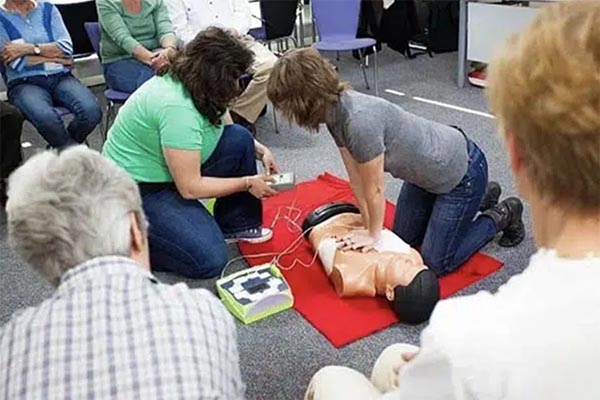
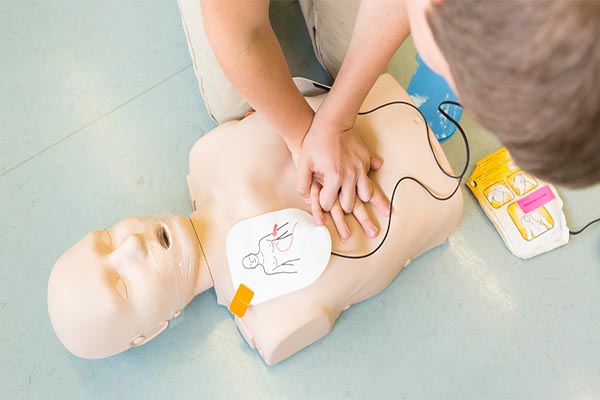
  • Automated External Defibrillator (AED) Use: The course includes hands-on practice with an AED, a device that can deliver a life-saving electrical shock. Participants learn when and how to use an AED safely and effectively.
  • Choking Relief: The curriculum covers techniques for relieving choking in adults, children, and infants, a common emergency that requires specific and immediate action.
  • Team Dynamics: A unique and vital aspect of AHA BLS is the focus on team dynamics and effective communication in a multi-rescuer setting. Healthcare professionals often work in teams during an emergency, and this training prepares them to function seamlessly and efficiently.
  • Bag-Mask Ventilation: The course also covers the use of bag-mask devices, a critical skill for providing ventilations when an advanced airway is not yet in place.

These components ensure that a certified individual has a robust skill set to manage a wide range of cardiac and respiratory emergencies.

Other CPR Certifications: What You Need to Know

While many other organizations offer CPR certifications, they often differ significantly from the AHA BLS standard. These certifications can range from a quick online-only course to a more traditional in-person class.

The most significant distinction is often the lack of a standardized, evidence-based curriculum. Many of these courses are not regularly updated with the latest scientific guidelines. This can mean that the skills being taught are outdated or not the most effective.

Another major difference is the quality and format of the instruction. Many alternative certifications are entirely online, which may not include any hands-on practice. CPR is a psychomotor skill, meaning it requires physical practice to be performed correctly. Watching a video is no substitute for practicing chest compressions on a manikin with an instructor providing real-time feedback.

Furthermore, the recognition and acceptance of these certifications vary widely. While they may be sufficient for some non-healthcare professions, they are almost never accepted by hospitals, clinics, or other medical facilities for their professional staff.

The Critical Differences: AHA BLS vs. Others

Let’s break down the key differences in a clear and concise manner.

1. Evidence-Based vs. Vague Guidelines

  • AHA BLS: Based on the latest scientific evidence from the International Liaison Committee on Resuscitation (ILCOR). The guidelines are updated every five years, ensuring that all certified individuals are practicing the most current and effective life-saving techniques.
  • Other Certifications: Often use older, less rigorous, or even proprietary guidelines. The scientific basis for their techniques may be unclear or non-existent, leading to a less effective standard of care.

2. Hands-On vs. Online-Only

  • AHA BLS: The gold standard is a blend of online learning (for the cognitive portion) and a mandatory in-person skills session with a certified instructor. This hands-on component is where you practice chest compressions, rescue breaths, and AED use on manikins, receiving vital feedback to perfect your technique.
  • Other Certifications: Many are offered entirely online, without any hands-on practice or instructor supervision. This means a person can pass a test but lack the physical skills to perform CPR effectively in a real emergency.

3. Professional Recognition vs. Limited Acceptance

  • AHA BLS: Universally recognized and required by virtually all hospitals, clinics, and emergency medical services (EMS) agencies for their professional staff. It is a non-negotiable requirement for many jobs in the healthcare field.
  • Other Certifications: Recognition is limited and inconsistent. While they might be accepted by a school for a teacher or a gym for a trainer, they are rarely, if ever, accepted by healthcare employers as a substitute for AHA BLS.

4. Comprehensive vs. Limited Curriculum

  • AHA BLS: The curriculum is comprehensive, covering adult, child, and infant CPR, AED use, choking relief, and team dynamics. It is designed for professional rescuers who need to be prepared for any situation.
  • Other Certifications: Often offer a basic, limited curriculum that may not cover all age groups or advanced skills like bag-mask ventilation or team communication.

5. Instructor Quality vs. Self-Taught

  • AHA BLS: Courses are taught by certified AHA instructors who have undergone extensive training and must maintain their instructor status through continuing education. This ensures a high level of teaching quality and consistency.
  • Other Certifications: The instructors, if any, may not have the same level of training or adherence to a standardized curriculum. In online-only courses, there is no instructor to provide feedback or correct errors.
Who Needs an AHA BLS Certification?

Who Needs an AHA BLS Certification?

The primary audience for AHA BLS certification is healthcare professionals. This includes, but is not limited to:

  • Doctors, nurses, and medical assistants
  • Paramedics and EMTs
  • Dental hygienists and dentists
  • Physical and occupational therapists
  • Pharmacists
  • Medical and nursing students
  • Firefighters and law enforcement officers

For these professionals, an AHA BLS certification isn’t just a recommendation; it’s a job requirement. Employers in the healthcare field rely on the AHA’s reputation and rigorous standards to ensure their staff is properly trained to handle life-threatening emergencies.

Conclusion: Making the Right Choice for Your Career

Choosing the right CPR certification is a decision with real-world consequences. While other certifications might seem like a quicker or cheaper option, they often fall short in terms of quality, recognition, and comprehensive training. For anyone in the healthcare field, or aspiring to be, the American Heart Association (AHA) BLS certification is not just a preference, it’s a professional necessity.

It represents the highest standard of care and is a signal to employers, colleagues, and patients that you are committed to maintaining the most effective, evidence-based skills. The hands-on, instructor-led training ensures you have the confidence and competence to act decisively when it matters most. Don’t compromise on your training. Invest in the best.

Ready to take the next step in your career and get certified? Contact CPR Classes Near Me to find a certified AHA BLS course today. Our instructors are ready to provide you with the training and skills you need to be a true lifesaver.

FAQs for AHA BLS and a standard CPR certification

Q: What is the primary difference between AHA BLS and a standard CPR certification?

A: The primary difference lies in the target audience, depth of curriculum, and level of professional recognition. AHA BLS is specifically designed for healthcare professionals, offering a comprehensive, evidence-based curriculum that includes team dynamics and advanced skills like bag-mask ventilation. Standard CPR certifications are generally for lay rescuers and have a more basic curriculum. Furthermore, AHA BLS is the universally accepted standard for all healthcare employers, while other certifications may not be recognized.

Q: Can I get my AHA BLS certification completely online?

A: No, an official AHA BLS certification cannot be obtained entirely online. The AHA requires a blended learning approach. This involves a cognitive portion completed online, which covers the theoretical knowledge, and a mandatory in-person skills session. During this hands-on session, a certified AHA instructor will observe and evaluate your ability to perform CPR, use an AED, and practice other life-saving techniques on a manikin. This hands-on component is critical for ensuring you have the practical skills to respond effectively in an emergency.

Q: How long is an AHA BLS certification valid?

A: An American Heart Association (AHA) BLS certification is valid for two years. After two years, you must take a renewal course to keep your certification current. The renewal course is typically a shorter version of the initial course, designed to review and refresh your skills and update you on any changes to the AHA’s resuscitation guidelines. This ensures that certified individuals are always up-to-date with the latest, most effective techniques.

Q: Do all hospitals and healthcare facilities require AHA BLS certification?

A: Yes, the vast majority of hospitals, clinics, and other healthcare facilities in the United States and globally require their professional staff to have a current AHA BLS certification. It is considered the minimum standard of care. Employers trust the AHA’s rigorous, evidence-based guidelines and instructor-led training to ensure their employees are competent and confident in performing life-saving skills. Holding an AHA BLS certification is often a non-negotiable prerequisite for employment in a healthcare setting.

Q: Why is hands-on practice so important for CPR?

A: Hands-on practice is crucial for CPR because it is a psychomotor skill. This means it involves physical movements and muscle memory that cannot be learned by simply watching a video or reading a book. Practicing with an instructor and a manikin allows you to perfect your chest compression depth and rate, ensure a proper seal for rescue breaths, and gain confidence in using an AED. This real-time feedback is vital for correcting errors and building the muscle memory needed to perform CPR correctly and effectively under the stress of an actual emergency.

The Ultimate Guide to CPR Certification in Austin, TX

Cardiopulmonary Resuscitation, more commonly known as CPR, is an invaluable skill. It’s a technique that can make the difference between life and death during a medical emergency. While many people have heard of CPR, fewer understand exactly what it entails or how to perform it correctly. This guide is designed to demystify the process, especially for those living in or around Austin, Texas. We’ll explore what CPR certification truly means, why it’s a skill everyone should consider learning, and how you can take the first step towards becoming a certified lifesaver right here in your own community.

What Exactly Is CPR?

CPR is an emergency procedure that combines chest compressions and rescue breaths. The goal is to manually maintain brain function until further medical intervention can take place. When a person’s heart stops beating, they are in cardiac arrest. This means their blood is no longer circulating, and oxygen is not reaching the brain and other vital organs. Time is of the essence in these situations. Brain death can occur in just a few minutes without oxygen. Performing CPR correctly helps to circulate oxygenated blood to the brain and heart, buying precious time until paramedics arrive.

Why Does CPR Matter So Much?

The importance of CPR cannot be overstated. Sudden cardiac arrest is a leading cause of death, and it can happen to anyone, anywhere, at any time. The vast majority of cardiac arrests occur outside of a hospital setting. This means that the first person on the scene is often a bystander—a family member, a coworker, or a stranger. In these critical moments, a person who knows CPR can become a hero. Immediate CPR can double or even triple a person’s chance of survival. Simply put, a certified rescuer has the power to save a life.

Beyond the immediate life-saving potential, being CPR certified provides a significant boost in confidence. You will know that you have the skills to handle an emergency, and you will be empowered to act rather than stand by helplessly. This confidence extends to your professional life as well. Many professions, including healthcare providers, teachers, lifeguards, and coaches, require CPR certification as a standard part of their job. Having this certification on your resume can make you a more desirable candidate and open up new career opportunities.

The Ultimate Guide to CPR Certification in Austin, TX

The Breakdown of CPR Certification

CPR certification is the official recognition that you have completed a CPR training course and have demonstrated competence in both the knowledge and practical skills required. It’s not just about watching a video; it’s about hands-on practice and proving that you can perform the steps correctly. A typical certification course will cover several key areas.

First, you will learn to recognize the signs of a cardiac arrest and how to assess the scene for safety. This crucial first step ensures that both the rescuer and the victim are safe. Next, you will be taught the proper technique for chest compressions. This includes the correct hand placement, depth, and rate of compressions. A good instructor will provide ample opportunity for you to practice on a manikin until you get it right. You will also learn about rescue breaths and when they are appropriate to use. Modern CPR protocols often emphasize hands-only CPR, but a comprehensive course will cover both.

Finally, a certification class will also cover how to use an Automated External Defibrillator (AED). An AED is a portable electronic device that can analyze the heart’s rhythm and, if necessary, deliver an electrical shock to restore a normal heartbeat. Knowing how to use an AED is a critical component of modern CPR and significantly increases the chances of survival. Upon successful completion of a written exam and a skills test, you will receive a certification card. This card is your proof of training and is typically valid for two years, after which you will need to renew your certification.

Finding CPR Certification in Austin

Austin is a vibrant city with a strong sense of community, and that community includes a network of certified trainers ready to teach you these vital skills. When searching for a class, you have several options. You can choose a traditional in-person class, which offers the most direct hands-on practice and instructor feedback. This is often the preferred method for many people. There are also blended learning options, which allow you to complete the theoretical portion of the course online at your own pace before attending a shorter, in-person session for the skills practice and testing. This flexibility can be a great benefit for busy schedules.

No matter which format you choose, it’s important to select a provider that offers courses that are nationally recognized and compliant with the latest guidelines. These guidelines are updated regularly to reflect the most current scientific research. A reputable training provider will also have certified and experienced instructors who can make the learning process engaging and effective.

What to Expect During Your CPR Class

Stepping into a CPR class for the first time can feel a little intimidating, but there’s no need to worry. The environment is designed to be supportive and educational. Your instructor will walk you through each step of the process in a clear and easy-to-understand manner. You’ll likely start with some foundational knowledge, such as the anatomy of the heart and lungs and the chain of survival.

The majority of the class will be dedicated to hands-on practice. You will work with manikins to practice chest compressions and rescue breaths. The instructor will observe your technique and provide personalized feedback to ensure you are performing the skills correctly. This practical component is what truly prepares you for a real-life emergency. You will also get the chance to practice using an AED, learning how to place the pads and follow the device’s voice prompts.

The final part of the class will involve a skills test and a written exam. The skills test is where you demonstrate your ability to perform the CPR steps correctly and confidently. The written exam will test your theoretical knowledge. Passing both of these components means you have successfully met the requirements for certification.

The Role of CPR in Our Community
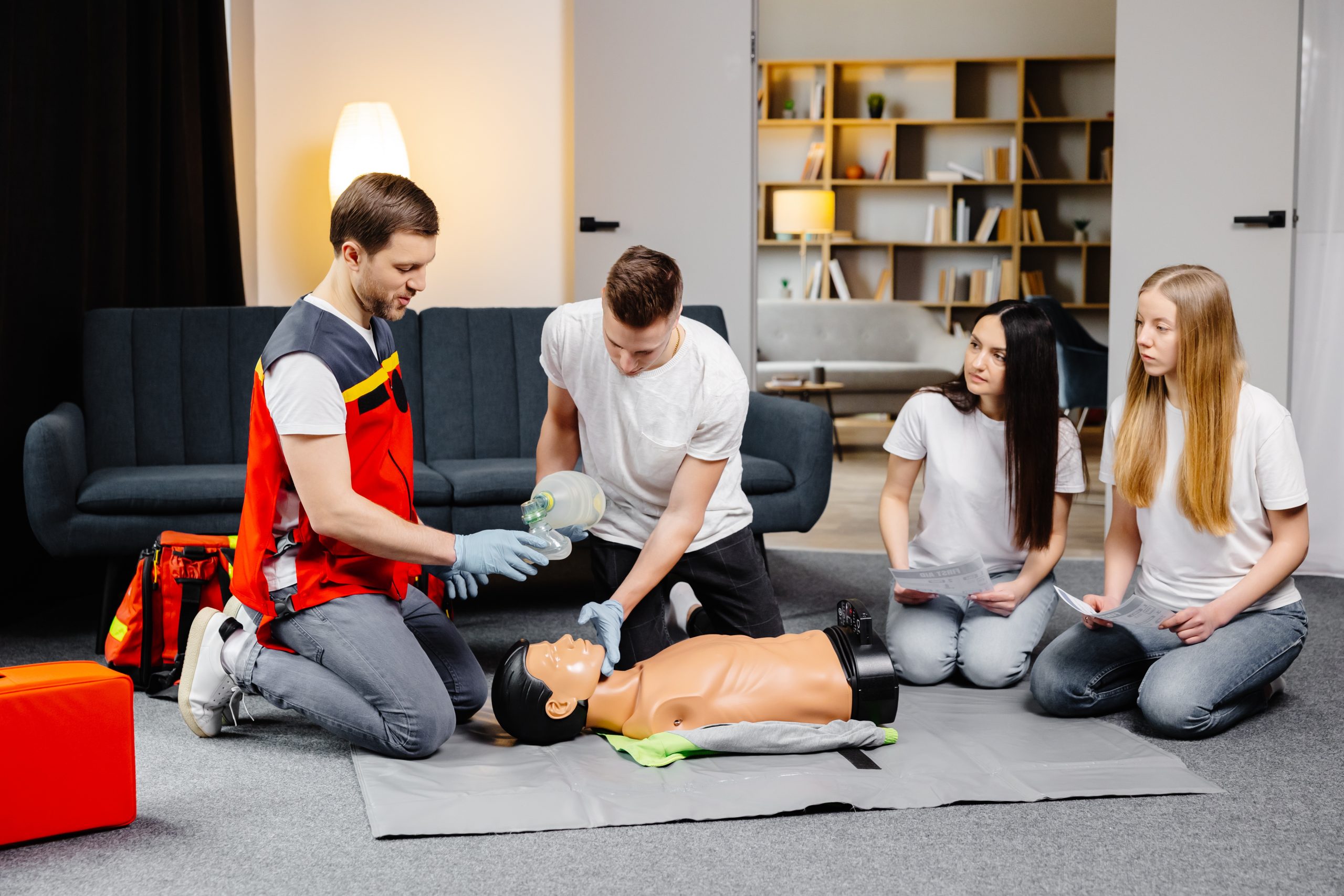
Young man instructor helping to make first aid heart compressions with dummy during the group training indoors.

The Role of CPR in Our Community

In a city like Austin, where people are active and events are constantly happening, the potential for an emergency is always present. From music festivals and sporting events to busy downtown streets and local parks, having a community of CPR-certified individuals is a powerful asset. Bystanders are often the first to arrive on the scene of a cardiac arrest. The quicker a person receives CPR, the better their chances of survival. By getting certified, you are not only preparing yourself but also strengthening the safety net of the entire Austin community. You become a resource, a potential lifesaver for your family, friends, and neighbors.

Conclusion

CPR certification is more than just a piece of paper; it’s an investment in yourself and your community. It’s a skill that empowers you to act decisively and confidently in a crisis. The knowledge that you could potentially save a life is a profound and rewarding feeling. Whether you are seeking certification for your job, for your family, or simply because you want to be prepared, there has never been a better time to get started. Don’t wait for an emergency to realize the importance of this skill. Take the proactive step today to become a certified rescuer.

If you are ready to take the next step and find a CPR class in Austin, we are here to help. Contact CPR Classes Near Me today to learn more about our available courses and get on the path to becoming certified. Your community needs you.

FAQs for CPR Certifications in Austin, TX

Q: How long does a CPR certification last?

A: CPR certifications are typically valid for two years. After this period, you will need to take a recertification course to refresh your skills and stay current with the latest guidelines. This ensures that certified rescuers are always up-to-date with the most effective techniques.

Q: Can I get CPR certified online?

A: You can complete the theoretical portion of a CPR course online through a blended learning program. However, a hands-on, in-person skills session is required to receive an official certification. This is because a certified instructor must observe and confirm that you can perform the techniques correctly on a manikin.

Q: Is CPR different for adults, children, and infants?

A: Yes, there are significant differences in the techniques used for adults, children, and infants. A comprehensive CPR course will cover these variations, including differences in compression depth, hand placement, and rescue breath volume. It is crucial to be trained in the appropriate age group you may encounter.

Q: What is the difference between CPR and first aid?

A: CPR (Cardiopulmonary Resuscitation) is a specific emergency procedure used when someone’s heart has stopped beating. First aid is a broader term that refers to the initial care given to an injured or sick person before professional medical help arrives. First aid can include everything from treating a cut to managing a broken bone. Many certification courses combine CPR and First Aid training.

Q: Do I need to be a healthcare professional to get certified?

A: Not at all. CPR training is designed for everyone, from healthcare professionals to laypeople. There are different levels of certification, such as “Basic Life Support (BLS)” for healthcare providers and “Heartsaver” for the general public, but the foundational skills are taught to anyone who wishes to learn.